Ueno and Akihabara sit side by side in central Tokyo, connected by a short walk along Showa-dori Avenue. Ueno anchors the city's museum district around a sprawling park, while Akihabara runs on neon, pop culture, and stacked floors of electronics. Together they cover more cultural ground per square kilometer than almost anywhere else in Tokyo.
Ueno and Akihabara are two of Tokyo's most distinct neighborhoods, placed nearly back to back yet pointing in completely different directions. Ueno is the city's cultural backbone: a leafy park surrounded by world-class museums, a royal zoo, and one of Tokyo's most atmospheric street markets. Akihabara, a short walk south down Showa-dori, is the global capital of anime, manga, and consumer electronics, where multi-story shops spill merchandise onto the pavement and the streets hum with a very particular kind of intensity.
Orientation
Both neighborhoods sit in central Tokyo, with Ueno in Taito Ward and Akihabara just to the south in Chiyoda Ward, in the northeastern quarter of central Tokyo's Yamanote Line loop. Ueno Station is the hub for the northern half of this area, a major interchange where JR lines, two Tokyo Metro lines, and the Keisei Line converge. Walk south from Ueno Station for about ten minutes and you reach Akihabara Station, with the clearest boundary between the two districts running roughly along Showa-dori Avenue.
Ueno spreads west and north of its station. The park and its museums occupy a long elevated plateau to the west, while Ameyoko market stretches south along the JR tracks toward Okachimachi. East of the station, the streets around Higashi-Ueno feed into the backstreets that eventually blend into Akihabara's grid. Akihabara is centered on its own station and the Electric Town exit, with the main retail strip running north along Chuo-dori and branching into the denser side streets to the east.
The two neighborhoods connect easily to the rest of Tokyo. Ueno is a natural gateway to Asakusa (one stop north on the Ginza Line) and to Yanaka, the old low-city district a short walk northwest. Akihabara connects south to the Imperial Palace area and the business districts of Nihonbashi and Kanda. Together, Ueno and Akihabara form a natural full-day pairing, or an easy two-day base for exploring the eastern half of central Tokyo.
Character & Atmosphere
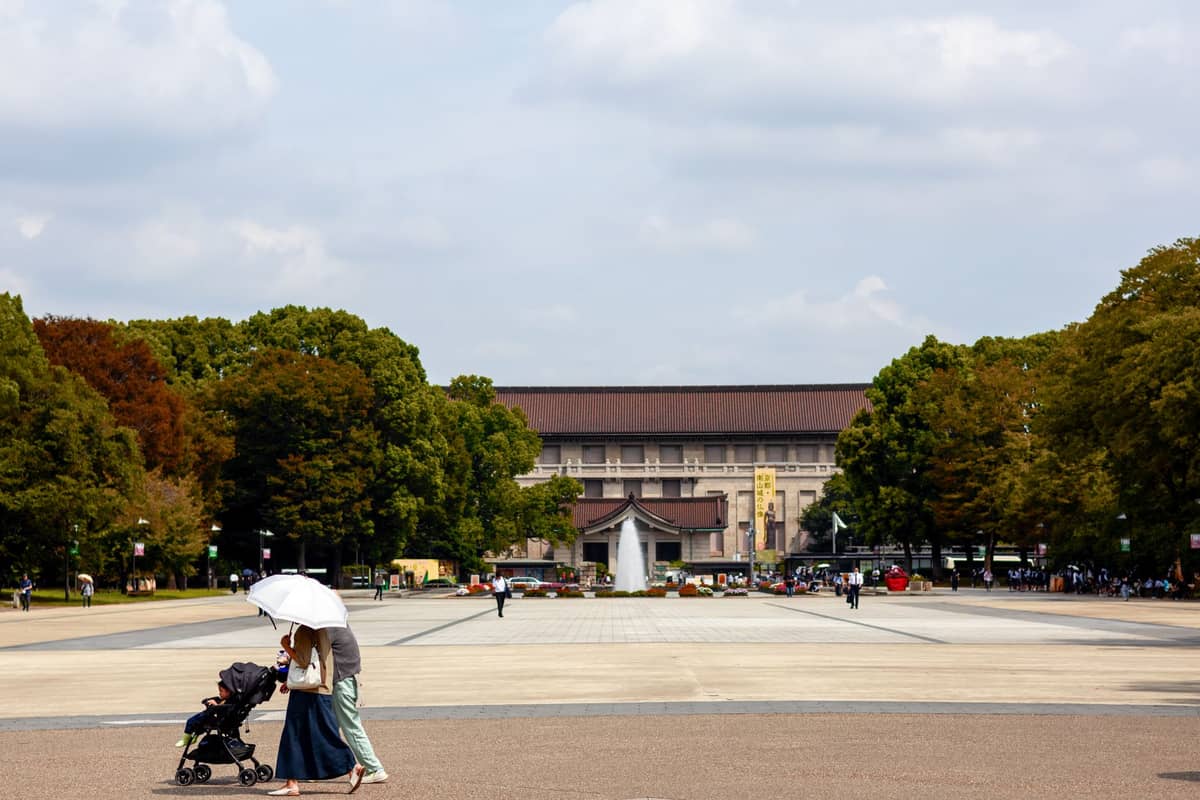
Ueno in the early morning belongs to joggers, elderly locals doing tai chi in the park, and vendors setting up their stalls along Ameyoko. The light comes through the trees at a low angle, and the park's wide central path is quiet enough that you can hear pigeons. By 9am, tour groups begin arriving at the museum gates. By midday on a weekend, Ueno Park is one of the most crowded green spaces in Tokyo, especially in cherry blossom season when the avenue of trees along the central path draws enormous crowds.
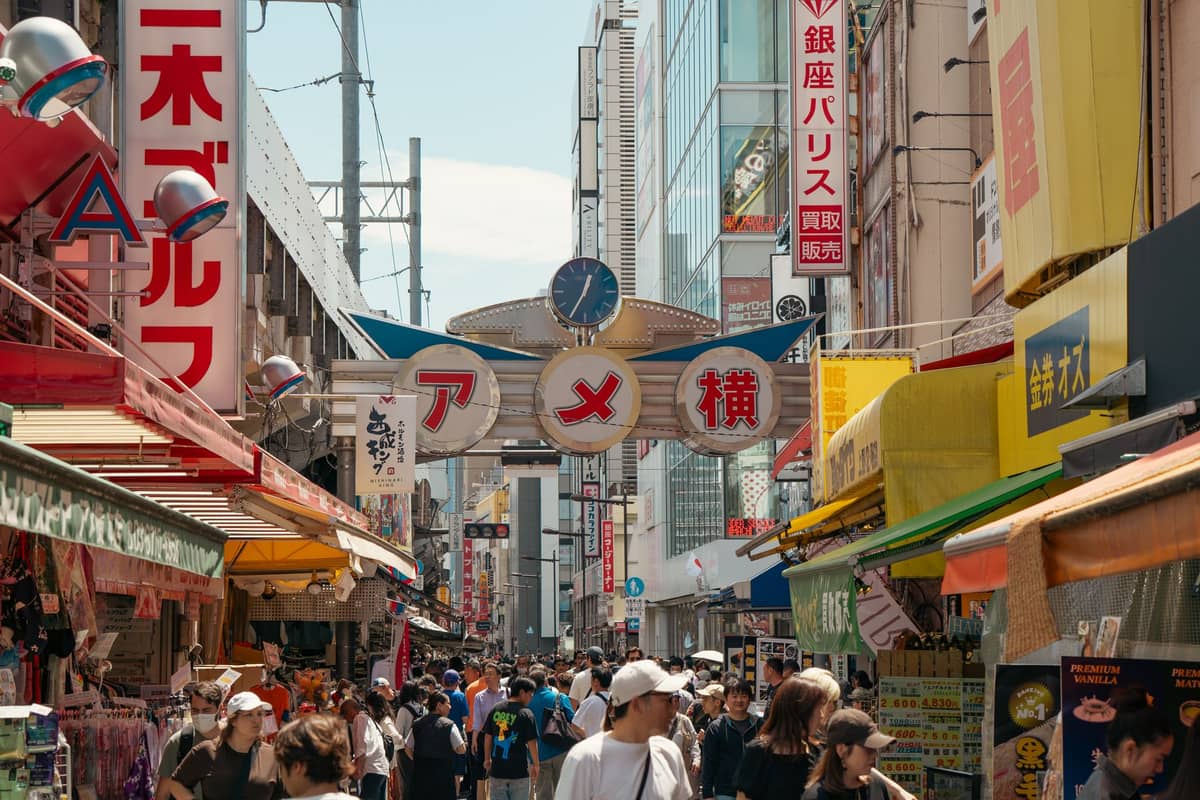
Ameyoko market, running under the elevated JR tracks between Ueno and Okachimachi stations, operates on a different frequency. Fishmongers and dried-goods sellers shout prices in the old Tokyo style, and the narrow lane is packed with bags of nuts, dried fruit, cheap clothing, and fresh seafood. The market has genuine working-class history: it grew up after World War II as a place to trade black-market goods, and while it has become more tourist-aware, it still draws local shoppers every day. Late afternoon, around 5pm, is particularly lively as vendors push last-minute deals on the day's perishables.
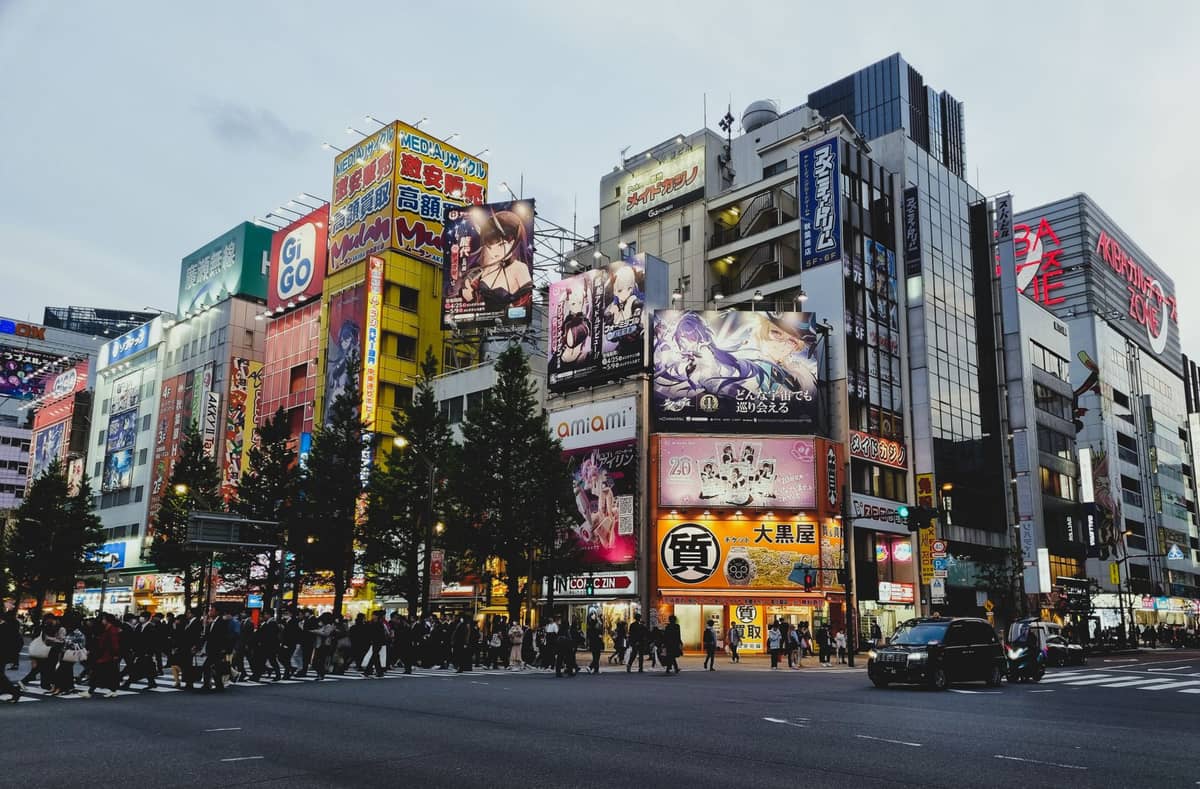
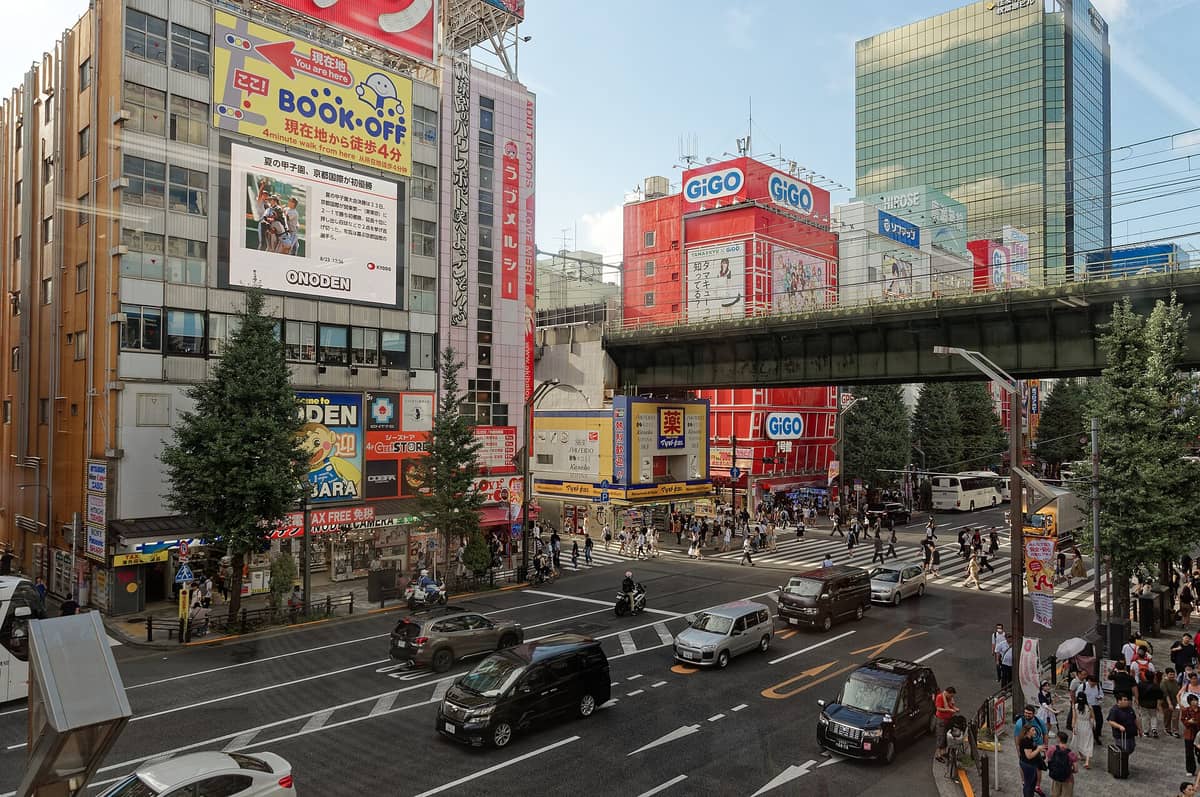
Akihabara is a completely different register. The main street, Chuo-dori, is closed to traffic on Sunday afternoons, turning it into a pedestrian strip flanked by buildings whose facades are entirely covered in advertising for electronics and anime goods. Even on weekdays the stimulation is relentless: flashing screens, recorded announcements from shop doorways, costumed staff handing out flyers. The side streets east of Chuo-dori get quieter and more specialist, where the smaller shops deal in vintage game cartridges, model kits, and second-hand figures.
After dark, the contrast between the two neighborhoods sharpens. Ueno quiets down around its park and museums, though the area southwest of the station picks up with izakayas and, in some pockets, more aggressive nightlife solicitation. Akihabara stays bright well into the evening, with its stores open until 9 or 10pm and the streets remaining active until around 11pm.
⚠️ What to skip
The streets immediately southwest of Ueno Station, particularly around Ueno 2-chome, have a concentration of nightlife touts who can be pushy. Be direct if you want to walk past, and avoid making extended eye contact with people actively soliciting. The rest of Ueno and all of Akihabara are relaxed and safe by any standard.
What to See & Do
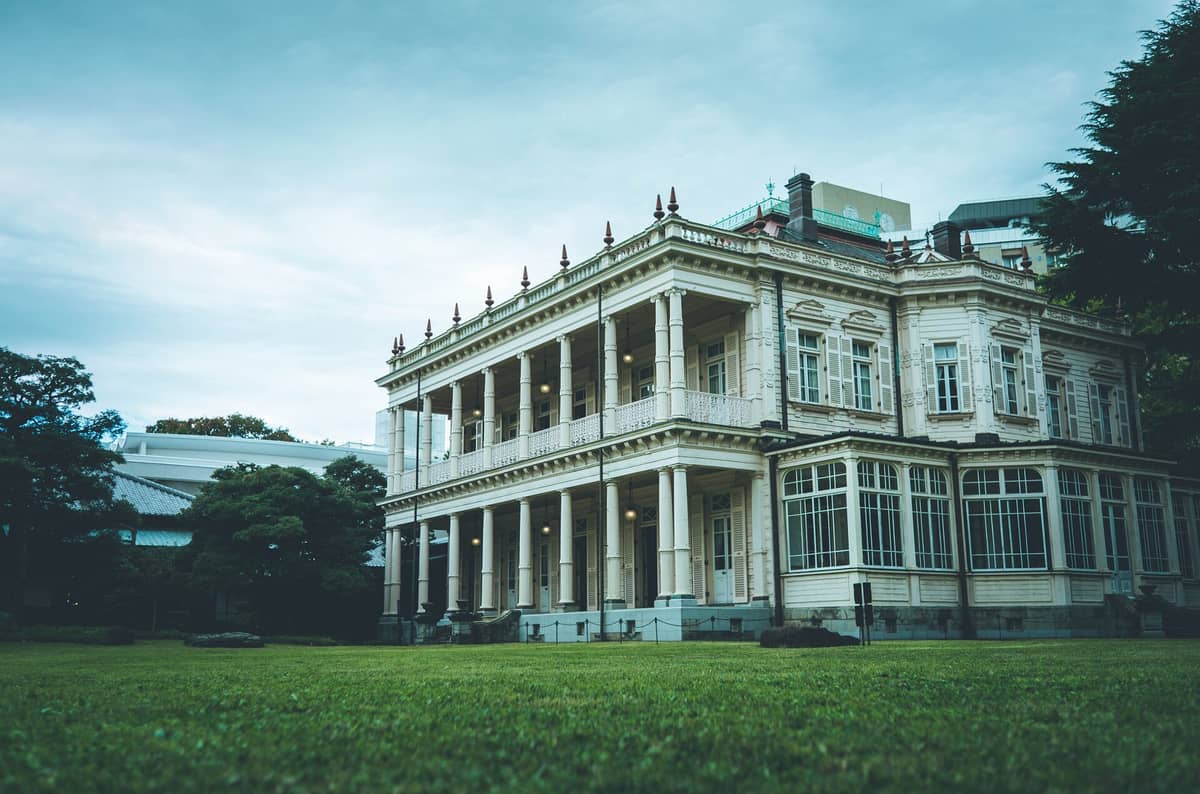
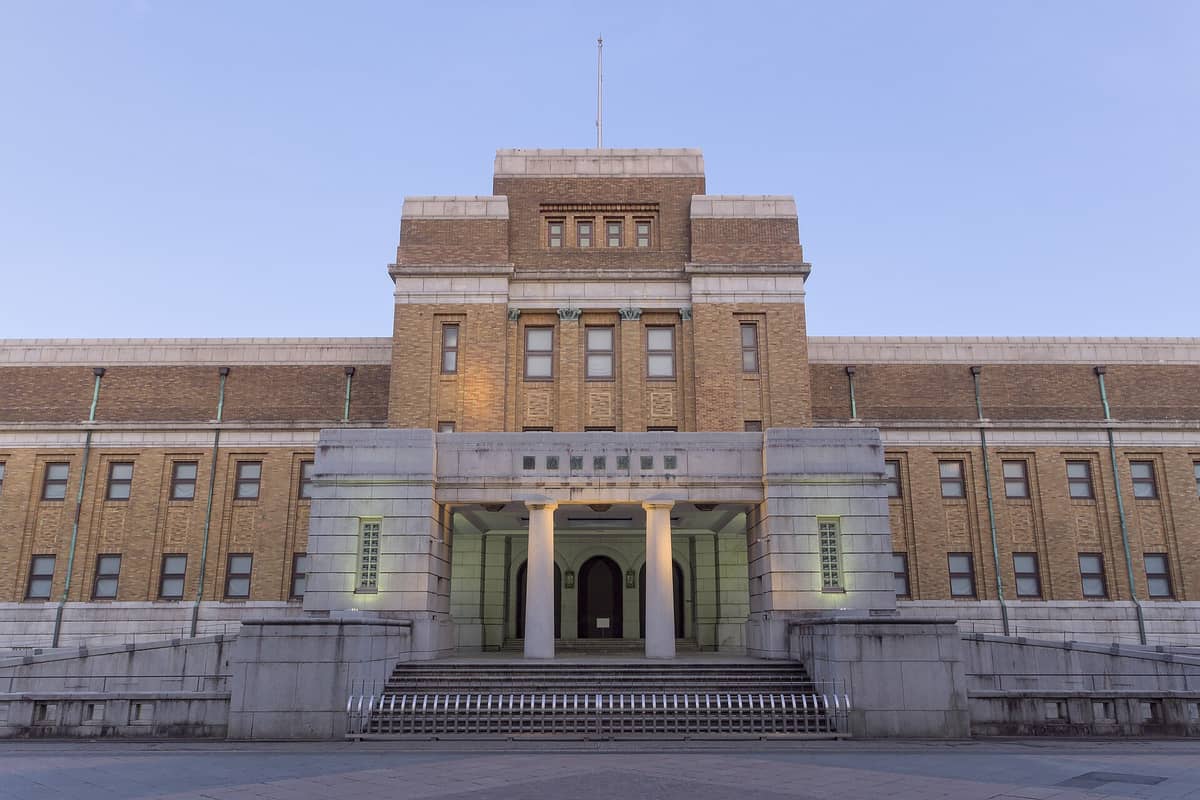
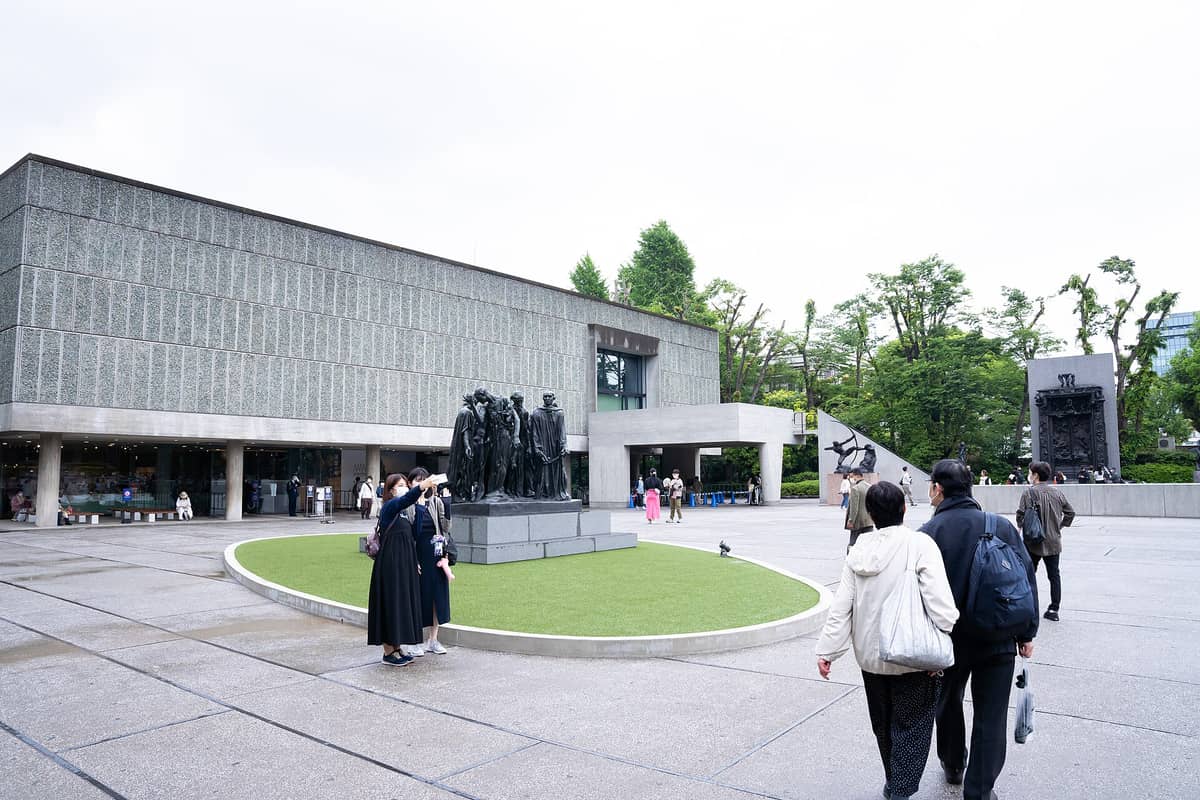
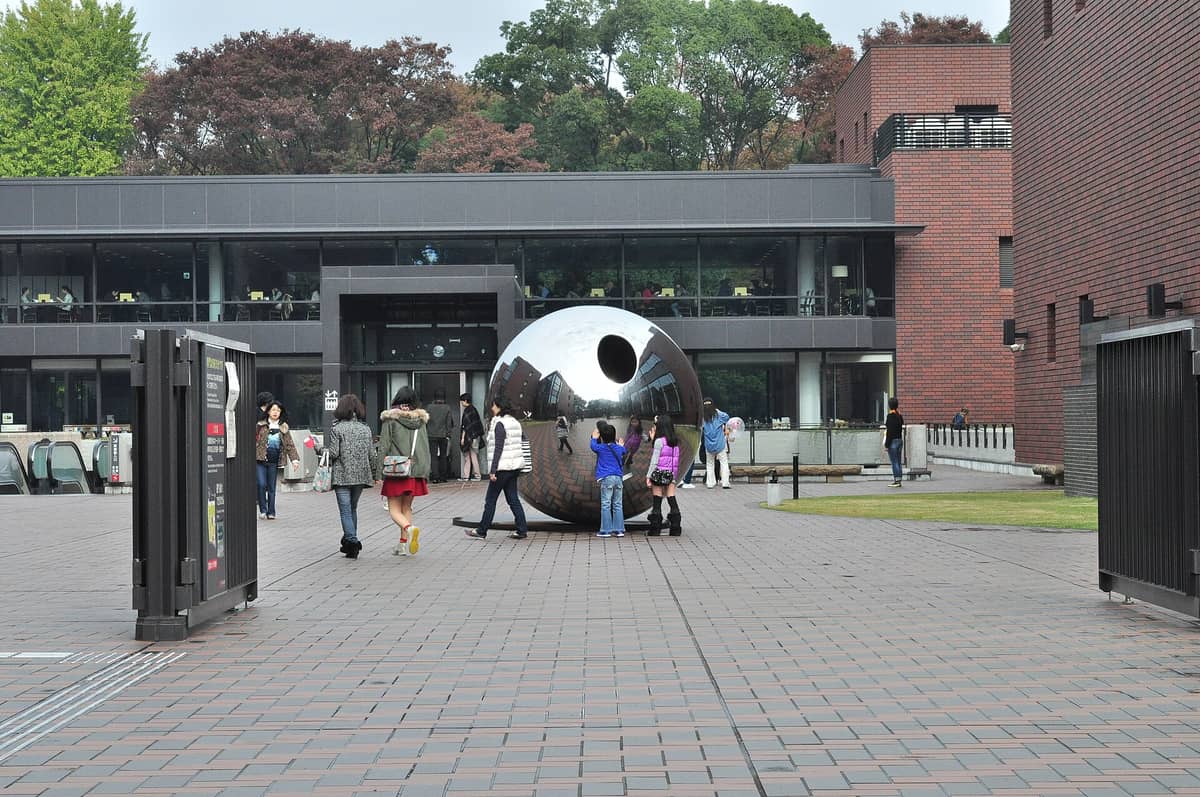
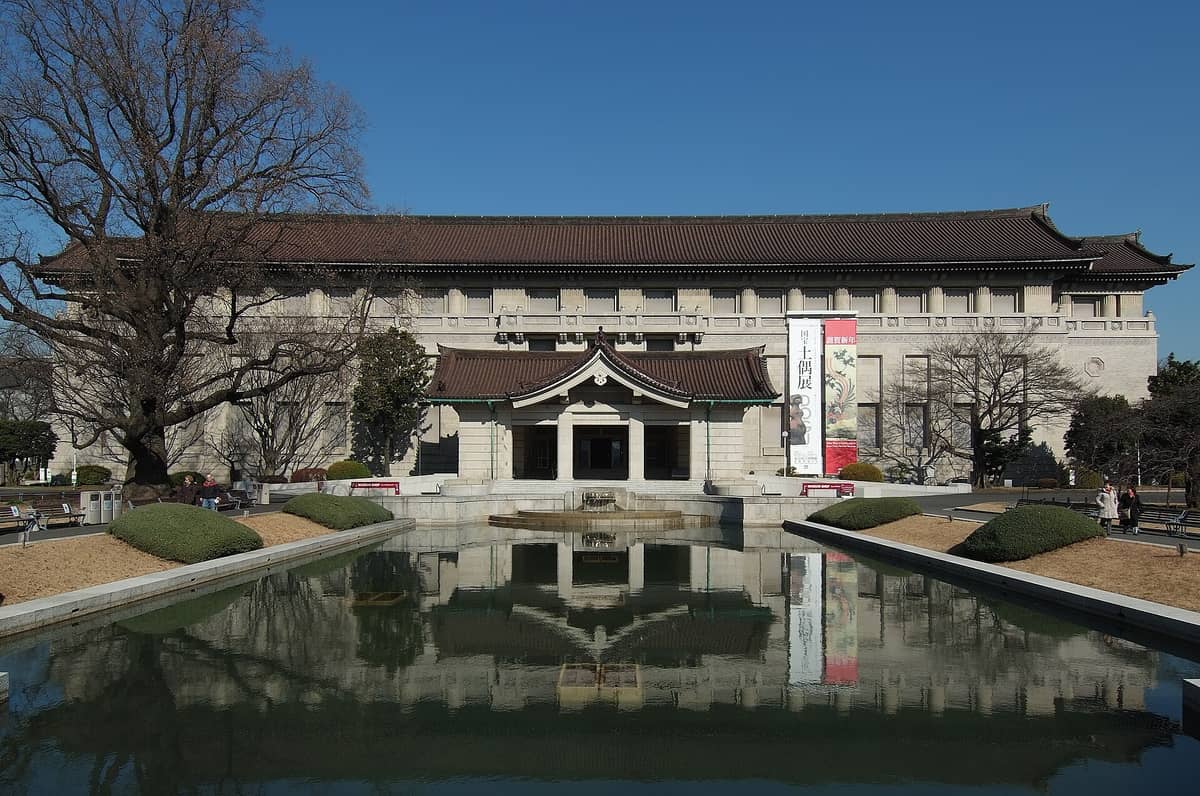
Ueno Park is the cultural anchor of the entire neighborhood. The park contains five major museums in close proximity: the Tokyo National Museum is the largest and most important, holding the world's biggest collection of Japanese art and antiquities. The National Museum of Western Art occupies a Le Corbusier-designed building that is itself a UNESCO World Heritage Site. The National Museum of Nature and Science is particularly good for families, with dinosaur skeletons and a life-size blue whale model suspended from the ceiling.
Beyond the museums, Ueno Park itself is worth time, especially around Shinobazu Pond, where lotus plants cover most of the water surface in summer and migrating birds arrive in winter. The pond has a small Benten-do shrine on a causeway that makes for one of the more photogenic spots in this part of Tokyo. Ueno Zoo, Japan's oldest, sits inside the park and remains a practical option if you are traveling with children.
The Ameyoko market is a different kind of attraction: less sightseeing, more immersion in the way an old Tokyo commercial street actually functions. It is the right place to pick up dried mango, nuts, cheap cosmetics, and fresh sushi-grade fish at prices that remind you this is still a working market, not a tourist reconstruction.
In Akihabara, the main experience is the retail landscape itself. Akihabara Electric Town functions on multiple levels literally and figuratively: the large multi-story electronics chains on Chuo-dori stock everything from components and cables to the latest cameras and computers, often at prices slightly better than other parts of Tokyo. Above and behind them, separate floors and specialist shops deal exclusively in anime, manga, figures, trading cards, and retro gaming.
Tokyo National Museum: Japan's premier art and artifact collection, open Tuesday to Sunday
National Museum of Western Art: Impressionist and post-Impressionist paintings in a UNESCO-listed building
Ueno Zoo: Japan's oldest zoo, inside Ueno Park
Shinobazu Pond: lotus pond with Benten-do shrine, good for a slow walk
Ameyoko: lively post-war market street running under the JR tracks
Akihabara multi-story electronics and anime retail stores along Chuo-dori
Yodobashi-Akiba: one of Japan's largest electronics retail complexes
Specialist retro game and figure shops in the side streets east of Chuo-dori
💡 Local tip
If you are visiting Ueno Park's museums, Tuesday is generally the least crowded weekday. Many museums are closed on Mondays. The Tokyo National Museum alone can easily absorb three to four hours if you go beyond the main Honkan building into the Heiseikan and Toyokan wings.
Eating & Drinking
Ueno's food scene is split between the market-adjacent quick meals around Ameyoko and a broader selection of sit-down restaurants in the surrounding streets. In Ameyoko itself, stands selling takoyaki, grilled skewers, fresh fruit cups, and imported snacks are everywhere, and eating while walking is normal here, unlike in many other parts of Tokyo. The covered Ameyoko Center Building, a small indoor market in the middle of the strip, concentrates Southeast Asian ingredients and prepared foods in a slightly chaotic but worthwhile detour.
The streets west of Ueno Park and around Ueno Hirokoji have a concentration of older restaurants: long-running tonkatsu shops, unagi (eel) restaurants that have been serving the same dish for generations, and ramen counters that open early and close as soon as the broth runs out. Ueno has genuine old-Tokyo food credentials, and the cooking in this neighborhood tends to be direct and unfussy rather than trend-driven.
Akihabara's food options are more convenience-oriented. The area around the station has several floors of chain restaurants in the large retail complexes, covering everything from sushi conveyor belts to curry, ramen, and set-meal teishoku. The side streets behind the main strip have smaller, cheaper options including curry houses and cheap lunch sets aimed at the local office and shop-worker crowd. For a proper meal rather than a quick refuel, most people walk north to Ueno or south to Kanda.
Drinking in Ueno tends to center on izakayas and older-style bars in the backstreets south of the park. Some of the covered shopping arcades running off Ameyoko have informal standing bars that open in the afternoon. Akihabara has its share of maid cafes, which serve drinks and light food alongside the themed entertainment they are actually selling. These are a legitimate part of the neighborhood's culture, though the experience varies considerably by venue and is aimed squarely at fans of the genre.
ℹ️ Good to know
Ueno is one of the better parts of Tokyo for unagi (grilled eel), a traditional Edo-period dish with strong roots in this part of the city. Look for restaurants with wooden signage and long menus reduced to one or two items — these are usually the ones that have been doing it the longest.
Getting There & Around
Ueno Station is one of Tokyo's major interchanges. JR lines serving it include the Yamanote Line, the Keihin-Tohoku Line, the Tohoku and Joetsu Shinkansen (bullet train) lines, and various limited express services toward northern Kanto and Narita. The Tokyo Metro Ginza Line and Hibiya Line both stop at Ueno. The separate Keisei Ueno Station, a short walk inside the park, is the terminus for the Keisei Skyliner, which connects Narita Airport to Ueno in approximately 40 to 45 minutes, making this neighborhood unusually convenient for travelers arriving from Narita.
Akihabara Station is served by the JR Yamanote Line, the Keihin-Tohoku Line, the Sobu Line, and the Tsukuba Express, with the Tokyo Metro Hibiya Line stopping at nearby connected stations rather than at Akihabara itself. The Electric Town exit on the west side of the station puts you directly into Akihabara's Electric Town area, with Chuo-dori and the main shopping strip a short walk away. The Hibiya Line provides a direct connection south to Ginza and southwest to Roppongi, making Akihabara more centrally connected than its position on the map might suggest.
Walking between Ueno and Akihabara stations takes about 15 minutes along Showa-dori, or slightly longer if you cut through the backstreets. From Ueno, Asakusa is one stop on the Ginza Line (about four minutes). From Akihabara, Kanda is one stop south on the Yamanote Line. For wider Tokyo navigation, the guide to getting around Tokyo covers IC cards, line maps, and how to navigate transfers.
Where to Stay
Ueno is one of the more practical base neighborhoods in Tokyo for first-time visitors, with a wide range of accommodation from budget guesthouses and capsule hotels near the station to mid-range business hotels along the main roads. The area around Ueno Station and Okachimachi has the densest concentration of options, and the transit connections make it easy to reach Shibuya, Shinjuku, or Asakusa without a long commute.
The part of Ueno most suited to overnight stays is the corridor between the JR tracks and the park, roughly the streets around Ueno 6 and 7-chome. These blocks are quiet enough at night, close to the park for morning walks, and within a few minutes of both Ameyoko and the museum entrance gates. Avoid booking in the area immediately southwest of the station if you want a quieter environment at night.
Akihabara has fewer hotel options than Ueno, but is a reasonable base if your itinerary focuses on the eastern part of central Tokyo. The Kanda and Jimbocho areas to the south and west add a slightly more residential quality if you find Akihabara itself too commercial for a full-day stay. For a broader view of where different neighborhoods sit in terms of accommodation strategy, the where to stay in Tokyo guide compares the main options across the city.
Is This Neighborhood Right for You
Ueno and Akihabara work well as a combined day trip regardless of where you are staying, but whether you want to base yourself here depends on what kind of Tokyo experience you are after. Ueno suits travelers who want cultural density, good transit, and a neighborhood with a distinct local character that predates the tourist economy. Akihabara suits people with a genuine interest in its specific subcultures, or those who want to buy electronics at competitive prices.
Neither neighborhood is the right base for travelers primarily interested in Tokyo's design, nightlife, or fashion scenes — for that, Shibuya or Shinjuku are better fits. But if your priorities are Japan's museums, genuine market culture, and the sheer spectacle of Akihabara's retail ecosystem, this corridor in the northeastern quadrant of central Tokyo is hard to improve on. For those planning multiple days in the area, the best museums in Tokyo guide maps out how Ueno's cluster fits alongside collections elsewhere in the city.
TL;DR
Ueno anchors Tokyo's museum district around a large park, with the Tokyo National Museum, National Museum of Western Art, and National Museum of Nature and Science all within walking distance of each other.
Ameyoko market, running under the JR tracks between Ueno and Okachimachi, is one of Tokyo's most authentic street markets, with strong roots in the post-war economy.
Akihabara is the global center of anime, manga, and consumer electronics retail — a 15-minute walk from Ueno Station along Showa-dori.
Ueno Station has direct Keisei Skyliner connections to Narita Airport (about 43 minutes), making this area particularly convenient for Narita arrivals.
Best suited to travelers interested in Japanese cultural history, museum-going, or pop-culture shopping. Less suited to those focused on nightlife, fashion, or contemporary dining trends.
Three days in Tokyo is enough to cover the city's iconic districts, sample its legendary food scene, and get a genuine feel for how the place works. This itinerary is structured by neighborhood logic, not just a checklist of sights, so you spend less time on trains and more time actually exploring.
Tokyo's museum scene spans 1,400 years of Japanese art history, Le Corbusier architecture, midnight-open contemporary galleries, and fully immersive digital worlds. This guide covers the best museums in Tokyo across every category, with practical tips on tickets, timing, and what to prioritize.
Tokyo has hundreds of shrines and temples, from grand imperial foundations to quiet neighborhood sanctuaries. This guide cuts through the noise to highlight the most rewarding sacred sites, whether you have one afternoon or a full week to explore.
Tokyo rewards visitors in every season, but the experience varies dramatically depending on when you go. This guide breaks down the weather, crowd levels, hotel prices, and standout events for each time of year, so you can choose the visit that actually suits you.
Tokyo rewards those who look up. Whether you want a free 202-meter perch over Shinjuku, a paid rooftop with Shibuya Crossing directly below, or a romantic tower glowing orange at night, this guide covers every major viewpoint in the city, ranked by what makes each one worth the trip.
Tokyo rewards those who venture beyond the city limits. Within two hours by train or bus, you can reach a UNESCO shrine town, a volcanic mountain resort, a coastal city of Zen temples, and Japan's most iconic mountain view. This guide covers the best day trips from Tokyo, with practical transport details for each.
Tokyo is one of the world's great cities for budget travelers. From free observation decks and ancient temple grounds to world-class parks and atmospheric street walks, you can fill days of exploration without paying a single admission fee. This guide covers the best genuinely free experiences across the city.
Tokyo's transport network is one of the most efficient in the world, but its sheer scale can overwhelm first-time visitors. This guide covers everything: IC cards, subway passes, airport transfers from Haneda and Narita, buses, taxis, and the key mistakes to avoid.
Tokyo rewards the curious traveler who ventures beyond the obvious landmarks. From a temple blanketed in lucky cat figurines to a natural valley cutting through residential Setagaya, these are the places locals love and guidebooks overlook.
Tokyo sets the global standard for luxury travel. With more Michelin-starred restaurants than any city on earth, world-class hotels, and bespoke private experiences, it rewards travelers who plan carefully. This guide covers everything from three-star dining reservations to high-end seasonal timing.
Everything you need to plan a Mount Fuji day trip from Tokyo, from train and bus options to climbing season restrictions, entrance fees, and the best spots to actually see the mountain. Practical, specific, and honest about what to expect.
Seven days is enough to cover Tokyo's essential neighborhoods, iconic landmarks, and a few surprises — if you plan smart. This day-by-day itinerary covers where to go, how to get there, what things actually cost, and what most visitors get wrong about spending a week in one of the world's most complex cities.
Tokyo rewards couples who plan ahead. This guide covers the city's best romantic experiences, from immersive art installations and panoramic night views to riverside strolls and intimate izakayas, with clear advice on what to book early and what to skip.
Tokyo now has two large-scale teamLab museums, and they are nothing alike. This guide covers the real differences between teamLab Planets in Toyosu and teamLab Borderless at Azabudai Hills, with practical advice on tickets, timing, and which experience is worth your time.
Tokyo is one of the most rewarding cities on earth, but its sheer scale can be overwhelming. This guide cuts through the noise with practical, specific advice on the top things to do in Tokyo — from iconic landmarks and seasonal festivals to quieter experiences most visitors miss entirely.
Tokyo has two main international airports: Haneda, close to the city center, and Narita, located in Chiba Prefecture about 60 km out. This guide breaks down the key differences, every transport option available, realistic travel times, and how to avoid the common mistakes that cost travelers time and money.
Tokyo is the global capital of anime and manga culture, with dedicated museums, iconic shopping districts, seasonal conventions, and pilgrimage sites spread across the city. This guide breaks down exactly where to go, how to book, what to budget, and how to avoid the most common planning mistakes.
Tokyo's architecture spans over a thousand years in the space of a single subway ride. This guide covers the city's most significant modern and traditional structures, with practical details on opening hours, ticket prices, access routes, and what to know before you go.
Tokyo's café culture spans three distinct worlds: atmospheric kissaten frozen in the 1960s, precision-driven specialty coffee shops, and themed cafés where you sip coffee alongside cats, owls, or hedgehogs. This guide breaks down pricing, etiquette, booking requirements, and the best neighbourhoods for each type.
Tokyo has become one of the world's leading destinations for digital and immersive art, and teamLab is just the beginning. From yokai-themed projection installations to grand European masterworks reimagined in light, this guide covers every major venue, ticket prices, seasonal timing, and practical logistics for experiencing Tokyo's full digital art landscape.
Tokyo is one of the most rewarding cities in the world to visit, and also one of the easiest to navigate once you know the basics. This guide covers everything a first-time visitor needs: how to get in, how to move around, when to go, what to expect, and how to avoid the most common mistakes.
Tokyo's fish market scene split in 2018 when wholesale operations moved from Tsukiji to the new Toyosu Market. This guide cuts through the confusion: where the tuna auctions actually happen, how to get a coveted auction viewing spot, and why Tsukiji's outer market is still worth your morning.
Tokyo is one of the world's great garden cities, with Edo-period strolling gardens, forested shrine grounds, and expansive modern parks distributed across the metropolis. This guide covers the finest green spaces in Tokyo, from the iconic to the quietly spectacular.
Tokyo's autumn foliage season runs from mid-November into early December, transforming gardens, parks, and temple grounds across the city. This guide covers the best spots, exact peak timing, admission costs, and practical advice for planning your visit.
December in Tokyo is one of the city's most visually spectacular months, with thousands of lights transforming major boulevards and neighborhoods. But it also comes with genuine planning challenges: year-end closures, holiday crowds on trains, and illumination events that end before Christmas. This guide covers everything you need to know.
Spring in Tokyo runs from mid-March through May, with cherry blossom season as the centerpiece. This guide covers bloom forecasts, the best hanami spots, crowd strategy, spring weather, and practical planning advice for one of Japan's most spectacular seasonal events.
Izakaya are the beating heart of Tokyo's after-work food and drink culture. This guide covers what to expect, how much to budget, where to go, and the customs that separate confident regulars from confused first-timers.
Tokyo's 23 special wards contain dozens of distinct neighborhoods, each with its own personality, price point, and crowd. This guide breaks down the key areas to help you decide where to spend your time — and what to skip.
Tokyo's after-dark scene runs from intimate jazz bars and golden-era izakayas to multi-floor clubs that peak at 2am. This guide covers the best neighborhoods, realistic costs, how cover charges actually work, and everything you need to plan a great night out.
Tokyo has a reputation for being expensive, but the reality is more nuanced. With smart transport choices, free-entry attractions, and a food culture built around affordable meals, a trip to Japan's capital can cost far less than most visitors expect. This guide breaks down exactly where to spend, where to save, and what to skip.
Tokyo has a surprisingly rich bathing culture, from genuine hot spring onsen drawing geothermal water to affordable neighborhood sento charging just ¥550. This guide breaks down the difference, explains the etiquette, and points you to the best options across the city.
Tokyo takes ramen seriously. This guide covers every major broth style found in the city, which neighborhoods to target for each, exactly how to order at a ticket-machine shop, and what to budget per bowl in 2026. Whether you want a classic shoyu at a stand-up counter in Shinjuku or a next-level tori paitan in Shibuya, this is your starting point.
Tokyo consistently ranks among the safest major cities on earth, but that reputation can breed overconfidence. This guide covers the real crime picture, common scams targeting tourists, night safety, seasonal hazards, and exactly what to do if something goes wrong.
Tokyo is one of the world's great shopping cities, with entire neighborhoods built around specific categories of retail. This guide breaks down the best areas by what you actually want to buy, explains Japan's tax-free system, and tells you what to skip.
Tokyo's street food scene runs through markets, covered shotengai, and narrow yokocho alleys rather than roaming carts. This guide covers the best locations by neighborhood, what each area does best, realistic prices for 2026, and the seasonal quirks that determine what's worth eating when.
Tokyo's summer festival season runs from late June through mid-August, packed with massive fireworks displays, Bon Odori dancing, and lantern festivals. This guide covers the major events, ticket options, crowd logistics, and practical advice for making the most of hanabi season without the rookie mistakes.
Tokyo hosts three Grand Sumo tournaments every year at Ryogoku Kokugikan in Sumida Ward. This guide covers 2026 tournament dates, how to buy tickets before they sell out, seat types, what to expect inside the arena, and everything else you need to plan a visit.
Tokyo has more sushi restaurants than any city on earth, spanning ¥150 conveyor belt plates to ¥88,000 trophy omakase. This guide breaks down every tier, explains what you actually get at each price point, and tells you how to book, what to avoid, and when to go.
The Tokaido Shinkansen is one of the world's great train journeys, covering roughly 450 km between Tokyo and Kyoto in just over two hours. This guide breaks down every train type, fare tier, JR Pass rule, and booking option so you can plan the trip without second-guessing yourself.
Three options connect Tokyo and Osaka: the Tokaido Shinkansen, overnight highway buses, and short-haul flights. This guide breaks down real costs, door-to-door times, and the clear pros and cons of each so you can book the right one for your trip.
Tokyo rewards walkers like few cities do. This guide covers the best self-guided walking tours across Tokyo's most interesting neighborhoods, with free official maps, transport pass options, seasonal advice, and honest assessments of each route's strengths and trade-offs.
Tokyo is one of the world's most rewarding cities to explore with children. From immersive digital art to classic theme parks, this guide covers the best family activities, practical logistics, seasonal timing, and money-saving tips to make your trip run smoothly.
Tokyo Japanese cuisine spans everything from ¥800 ramen bowls to reservation-only omakase counters. This guide covers the city's defining dishes, where to find them by neighborhood, what things actually cost, and how to eat well on any budget.
Tokyo has no single best neighborhood for every traveler. This guide breaks down the top areas to stay, from the transit powerhouse of Shinjuku to the traditional lanes of Asakusa, with clear advice on who each area suits, what to expect from hotels at every price point, and when to book.