Tokyo Nightlife Guide: Best Bars, Clubs & After-Dark Experiences
Tokyo's after-dark scene runs from intimate jazz bars and golden-era izakayas to multi-floor clubs that peak at 2am. This guide covers the best neighborhoods, realistic costs, how cover charges actually work, and everything you need to plan a great night out.
Plan and book this trip
Tools from our partner Travelpayouts help you compare flights and hotels. If you book through them, we may earn a commission at no extra cost to you.
Flights
Hotels map
TL;DR
- The three main nightlife districts are Shibuya, Shinjuku, and Roppongi. Each has a distinct character and crowd.
- Club cover charges typically run ¥2,000–¥5,000 on weekends and almost always include 1–2 drink tickets, not just a door fee.
- Last trains leave around midnight; first trains resume around 05:00. Plan in advance whether you're catching the last train or waiting for the first.
- Tokyo nightlife is not just clubs. Golden Gai in Shinjuku, Omoide Yokocho, and the izakaya alleys near major stations offer a completely different kind of night out.
- Never tip. Service charges are either included or simply not expected anywhere in Tokyo.
Understanding Tokyo's Nightlife Geography
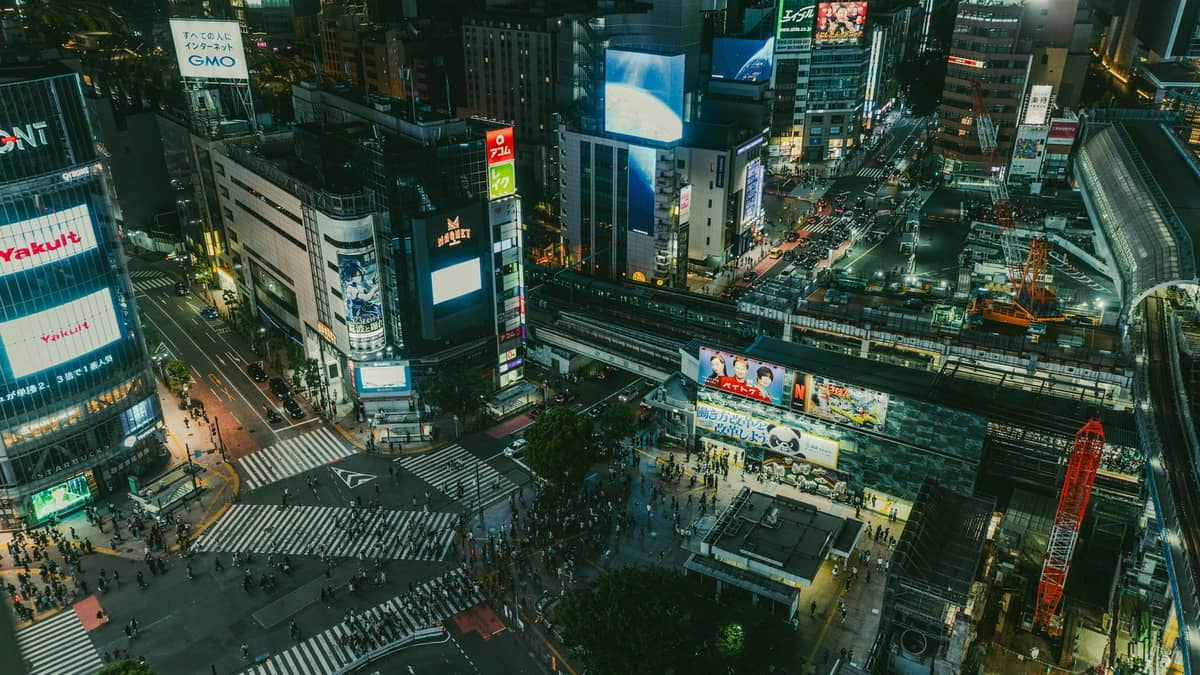
Tokyo is enormous: 2,194 km² and over 14 million residents, which means nightlife is genuinely spread across the city. But for most visitors, the action concentrates in three neighborhoods: Shibuya, Shinjuku, and Roppongi. Each serves a different mood, budget, and crowd, so choosing the right base for your night matters.
- Shibuya The most energetic district, strongest on weekends, with large club floors and a younger Japanese crowd. Venues here tend to play EDM, hip-hop, and J-pop. Cover charges run ¥2,000–¥3,500 before midnight, rising to ¥3,500–¥5,000 after 00:00.
- Shinjuku Two very different scenes coexist here. Kabukicho is dense with bars, clubs, host clubs, and karaoke. Golden Gai is the opposite: dozens of tiny counter bars, each seating 6–12 people, built for conversation. Omoide Yokocho (Memory Lane) runs on grilled skewers and cold beer under low ceilings.
- Roppongi Historically the international district, still the most English-friendly. V2 TOKYO is the anchor club here. Roppongi draws a mixed crowd of expats, tourists, and locals. It has a reputation for touts outside bars, so stay alert and confirm prices before ordering anything.
Beyond the big three, Nakameguro has a strong cocktail bar scene, particularly along the canal. Shimokitazawa is Tokyo's indie music heartland, packed with live venues, dive bars, and record shops that stay open late. These areas attract locals more than tourists and offer a very different atmosphere to the main club districts.
How Club Cover Charges Actually Work
The cover charge system in Tokyo confuses first-timers because it is not simply a door fee. Most clubs bundle drink tickets into the entry price, listed as '1D' (one drink) or '2D' (two drinks). So a ¥3,500 cover on a Friday might include two drinks worth ¥700–¥1,200 each, making the actual premium over a free entry much lower than the headline number suggests.
Typical pricing on a weekend: most mainstream Shibuya and Shinjuku clubs charge men ¥2,000 with one drink ticket before midnight, then ¥3,500 with two drink tickets after midnight. Women often pay ¥0–¥1,500 depending on the venue and event, but the 'women always get in free' assumption is not reliable. On special event nights with headline international DJs, covers can jump to ¥4,000–¥8,000 with no change to the drink-ticket formula.
⚠️ What to skip
Do not assume cover charge is the only cost. Inside drinks run ¥700–¥1,200 each after your tickets are used. A typical night (cover + 3–4 drinks + late-night transport or taxi) realistically totals ¥6,000–¥12,000 per person. Budget accordingly before you leave your hotel.
V2 TOKYO in Roppongi is one of the best-documented examples: weekday entry for men is around ¥2,000 with one drink ticket; weekend regular entry is around ¥4,000 with two drink tickets. Shibuya's larger floor clubs often use a two-tier time system, with lower cover in the earlier window (22:00–00:00) and higher cover once the floor reaches peak density.
The Last Train vs. First Train Decision
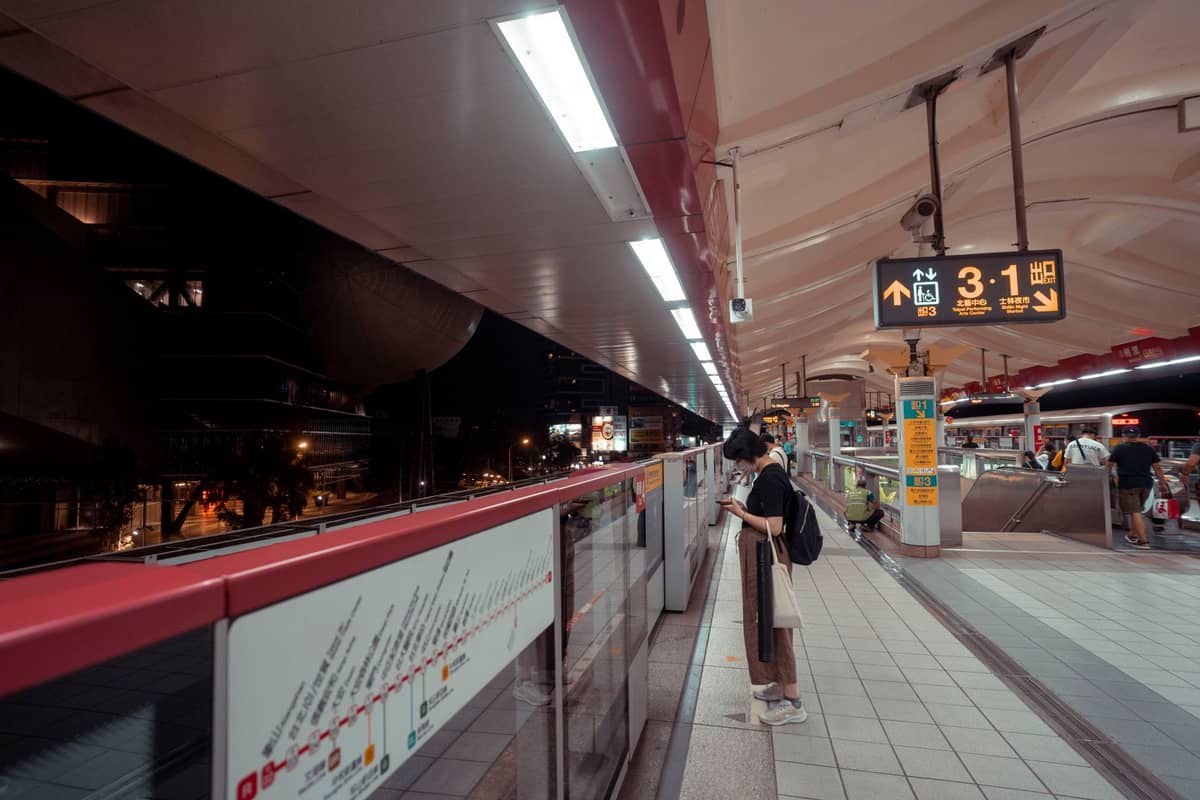
Tokyo's rail network is exceptional but it shuts down. Last trains from Shibuya, Shinjuku, and Roppongi stations generally depart between 00:00 and 00:30 depending on the line. First trains restart around 05:00. This creates a clear binary: leave before midnight or stay until the clubs close around 04:30–05:00 and catch the first train home.
The gap between last and first train is roughly four to five hours. Taxis during this window are available but expensive, especially for longer distances: a cross-city taxi at 02:00 can cost ¥3,000–¥6,000 depending on distance. Night buses exist on some routes but coverage is limited compared to the daytime network. If you plan to stay out until the first train, factor this into your drink budget and choose venues close to your station.
💡 Local tip
Walking times between stations and clubs are often shorter than people expect. Roppongi Station (Hibiya or Toei Oedo lines) to V2 TOKYO is roughly 1–2 minutes on foot. Shinjuku Station's south exit to most nightlife clusters is under 10 minutes. This makes last-train timing more forgiving if you know your route in advance.
Beyond Clubs: Bars, Izakayas, and Late-Night Tokyo
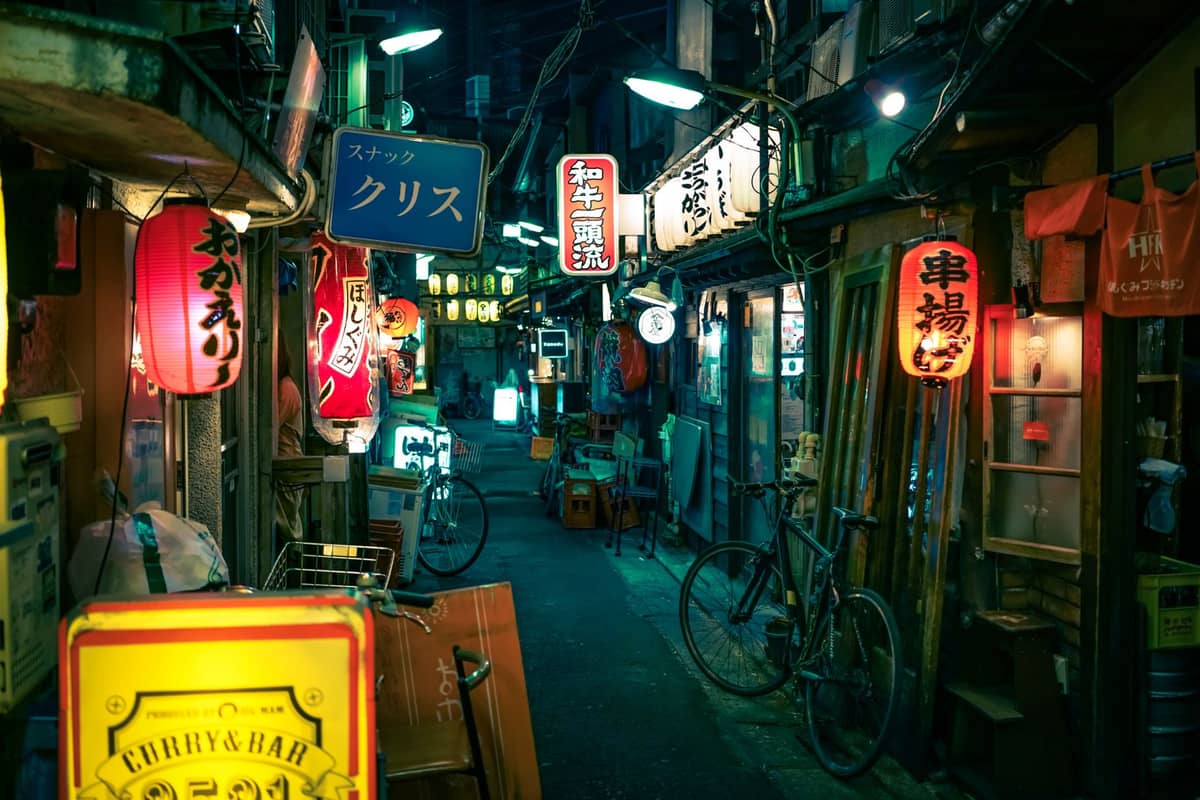
Clubs are one slice of Tokyo nightlife. The broader picture includes izakayas, cocktail bars, jazz kissa (jazz listening bars), karaoke, and rooftop venues with skyline views. For a practical introduction to the izakaya format, the Tokyo izakaya guide covers ordering etiquette, price expectations, and the best areas to find them.
- Golden Gai, Shinjuku Around 200 micro-bars packed into six alleys. Most seats 6–12 people. Each bar has its own theme, music, and clientele. Cover charges of ¥500–¥1,000 are common (used to cover the owner's costs in tiny spaces). English menus are not universal but many bars welcome foreigners. Best visited after 21:00 when the alley fills up.
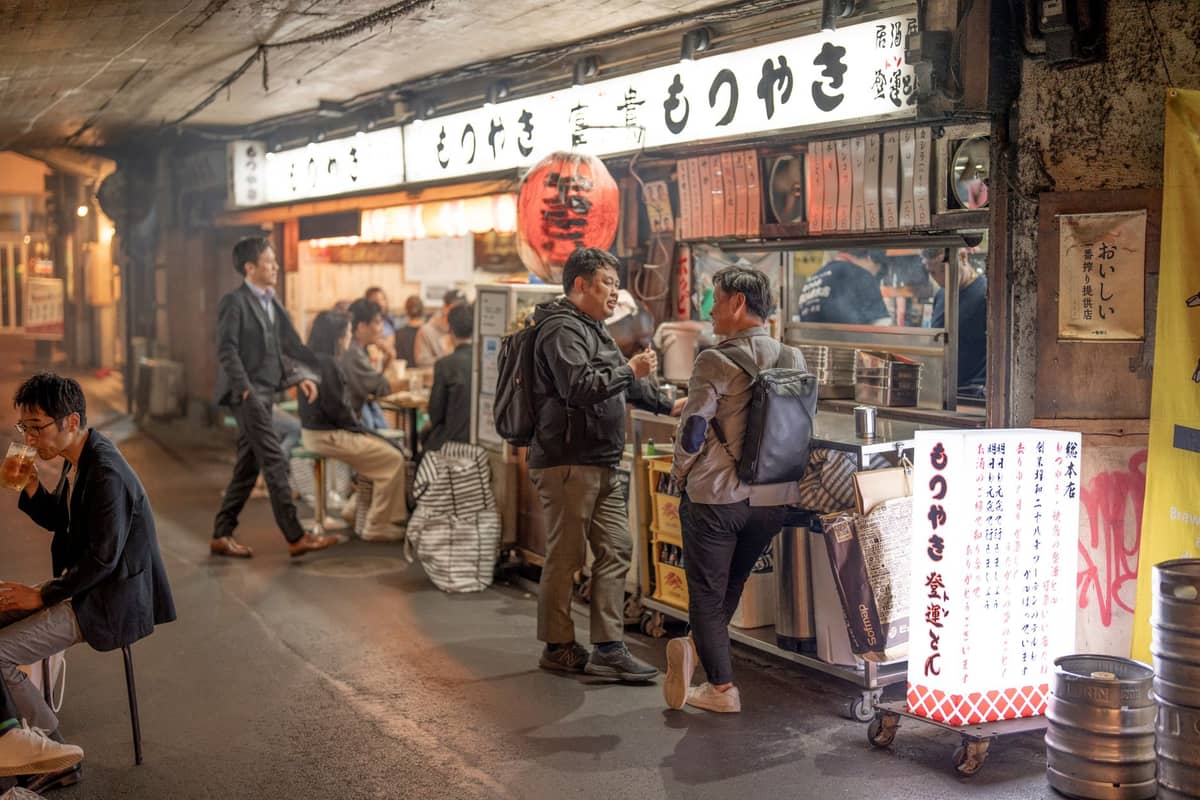
- Omoide Yokocho (Memory Lane), Shinjuku Yakitori skewers, cold beer, and smoky open-air grills under a narrow covered alley near Shinjuku Station's west exit. Not a late-night club scene but a quintessential Tokyo experience that starts winding down by 23:00–00:00.
- Rooftop and Skyline Bars Several high-altitude bars offer exceptional city views. The New York Bar at the Park Hyatt Shinjuku (52nd floor) charges a music surcharge of around ¥2,200 after 20:00 on weekdays and 19:00 on weekends but delivers one of Tokyo's most iconic bar settings. More affordable alternatives exist in the Shibuya and Roppongi Hills complexes.
- Jazz Kissa A uniquely Tokyo institution: listening bars where vinyl jazz plays at volume and conversation is kept low. Most charge a modest entry fee of ¥500–¥1,000 including one drink. Shimokitazawa and Koenji are the best neighborhoods to find them.
- Karaoke Private-room karaoke is a legitimate part of Tokyo nightlife and an excellent option between last train and first train. Hourly rates in Shibuya and Shinjuku run ¥400–¥800 per person per hour, with drink packages available. Major chains include Karaoke-kan, Big Echo, and Joysound.
For a different kind of late evening, Tokyo's best rooftop viewing spots double as pre-club destinations. Shibuya Sky on the roof of Shibuya Scramble Square is open until 23:00 (last entry 22:30) and provides a dramatic overhead view of Shibuya Crossing. It is a genuinely useful way to start a Shibuya night before the clubs reach peak hours.
✨ Pro tip
Foreigner-friendly bars (often listed on GaijinPot or Time Out Tokyo) generally have free or very low cover, English-speaking staff, and no touts. They are a lower-stress way to start a Tokyo night, especially on your first visit. Roppongi has the highest concentration, though Shibuya and Nakameguro both have strong options.
Seasonal Patterns and When to Go
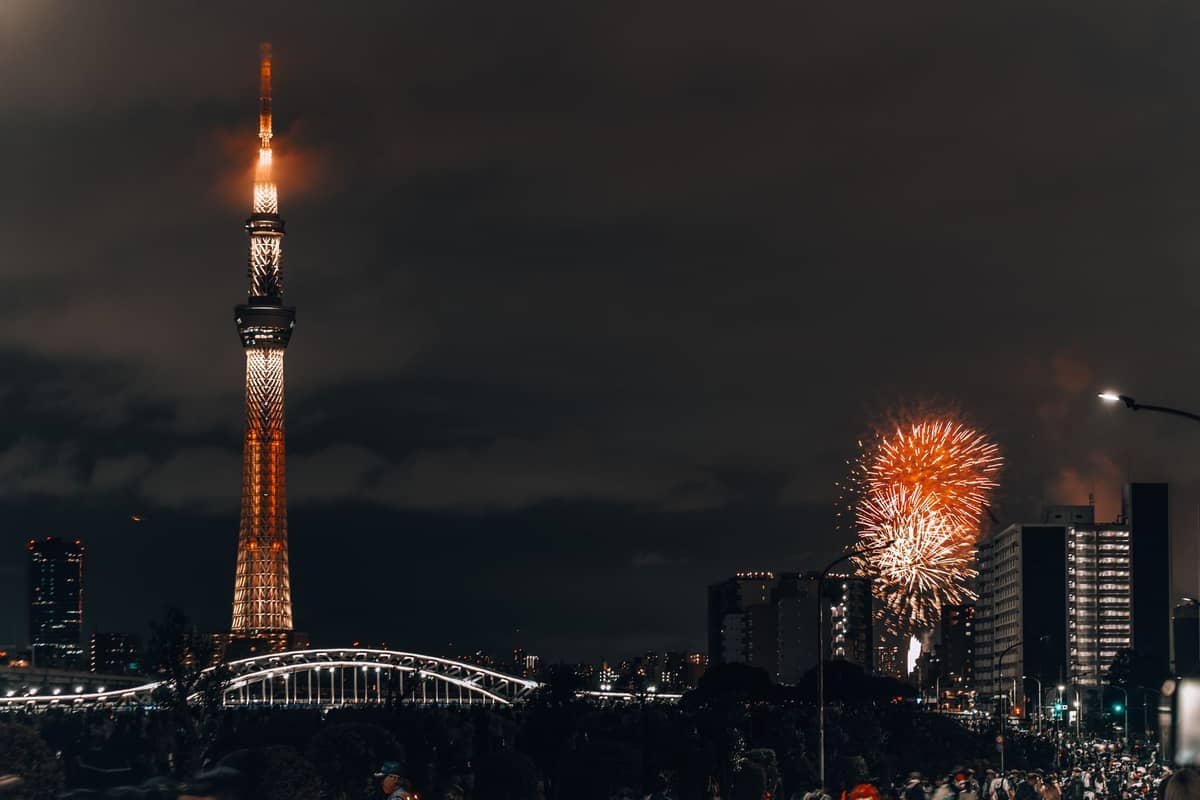
Tokyo nightlife operates year-round, but the experience shifts by season. Spring (late March to May) is excellent: temperatures are comfortable for moving between venues on foot and the city is energetic without the summer heat. The summer festival season in July and August brings outdoor events and matsuri that extend well into the night, though the heat and humidity make club interiors feel intense.
Autumn (October to November) is arguably the best period: moderate weather, no rainy season to contend with, and the city's outdoor bar terraces and canal-side spots are at their most pleasant. Winter is less crowded with tourists but New Year's Eve (oomisoka) and the surrounding holiday period push club prices to their annual peak, with some New Year's special events charging ¥6,000–¥10,000 for entry.
The tsuyu rainy season (approximately early June to mid-July) does not kill nightlife, but moving between venues in heavy rain is unpleasant. Clubs inside covered shopping complexes in Shibuya and Shinjuku fare better during this period than outdoor spots. Public holidays and three-day weekends also spike club crowds and prices noticeably.
Practical Tips Before Your Night Out
Getting around is straightforward if you plan. The Tokyo transit guide covers IC card setup (Suica or Pasmo) and line navigation in detail. For nightlife specifically: load your IC card before you go out. Buying train tickets at midnight from a vending machine while tired is avoidable friction.
- Carry your passport or a copy. Some clubs require ID for age verification, and a Japanese driver's license is not accepted if you're a foreign visitor.
- Cash is still relevant. Some smaller bars, izakayas, and Golden Gai venues do not accept cards. A ¥5,000–¥10,000 buffer in cash is sensible.
- Dress codes vary. Large clubs in Shibuya and Roppongi typically require 'smart casual' at minimum. Athletic wear, sandals, or visibly torn clothing will get you turned away at the door, particularly at V2 TOKYO and similar venues.
- Do not tip. Japan has no tipping culture and it can create confusion. Service is included in the bill or built into drink prices.
- Alcohol is sold in convenience stores (konbini) at all hours wherever they are open, and many central Tokyo branches operate 24 hours a day. Pre-gaming at a Family Mart or 7-Eleven with ¥200–¥400 canned drinks is common practice among locals before heading to clubs.
- Tap water in Tokyo is safe to drink. Stay hydrated between drinks, especially in summer when club interiors get hot.
ℹ️ Good to know
Emergency numbers in Japan: 110 for police, 119 for ambulance or fire. Tokyo is considered very safe by global standards, but stay alert around Roppongi specifically, where some bars and hosts use aggressive tactics to lure customers inside and present inflated bills. If a price is not confirmed before you sit down, leave.
If your night out will include dinner beforehand, the Tokyo food guide and the Tokyo ramen guide are both worth reading: late-night ramen after clubs is a deeply embedded Tokyo tradition, with shops near major club districts staying open until 04:00 or 05:00.
FAQ
Do Tokyo clubs let foreigners in?
Yes, the vast majority of mainstream clubs in Shibuya, Shinjuku, and Roppongi welcome foreign visitors. English is spoken at the door in most major venues. A small number of very niche or members-only underground clubs may have stricter entry policies, but these are the exception. Roppongi is the most foreigner-oriented district if you want guaranteed ease of entry.
How much does a night out in Tokyo cost?
Budget ¥6,000–¥12,000 for a full club night: cover charge (¥2,000–¥5,000 including drink tickets on weekends), 2–3 additional drinks inside at ¥700–¥1,200 each, and transport home. Pre-drinking at a convenience store can lower this meaningfully. A bar-only night in Golden Gai or an izakaya evening costs significantly less, around ¥3,000–¥5,000.
What time do Tokyo clubs close?
Many major clubs close between 04:30 and 05:00, aligning with the restart of the train network. Peak crowd density is typically between 01:00 and 03:00. If you arrive before midnight you will often find the floor relatively empty.
Is there a dress code at Tokyo nightclubs?
Yes, particularly at larger venues in Roppongi and Shibuya. Smart casual is the baseline: clean trainers are usually acceptable, but athletic wear, shorts, and sandals are commonly rejected. High-end clubs like V2 TOKYO enforce a stricter standard. When in doubt, err towards neat and presentable over casual.
What is the legal drinking age in Japan?
The legal drinking age in Japan is 20. Clubs and bars may ask for ID, particularly in well-regulated districts. Carry your passport or a government-issued photo ID. Without it, some venues will refuse entry regardless of your apparent age.