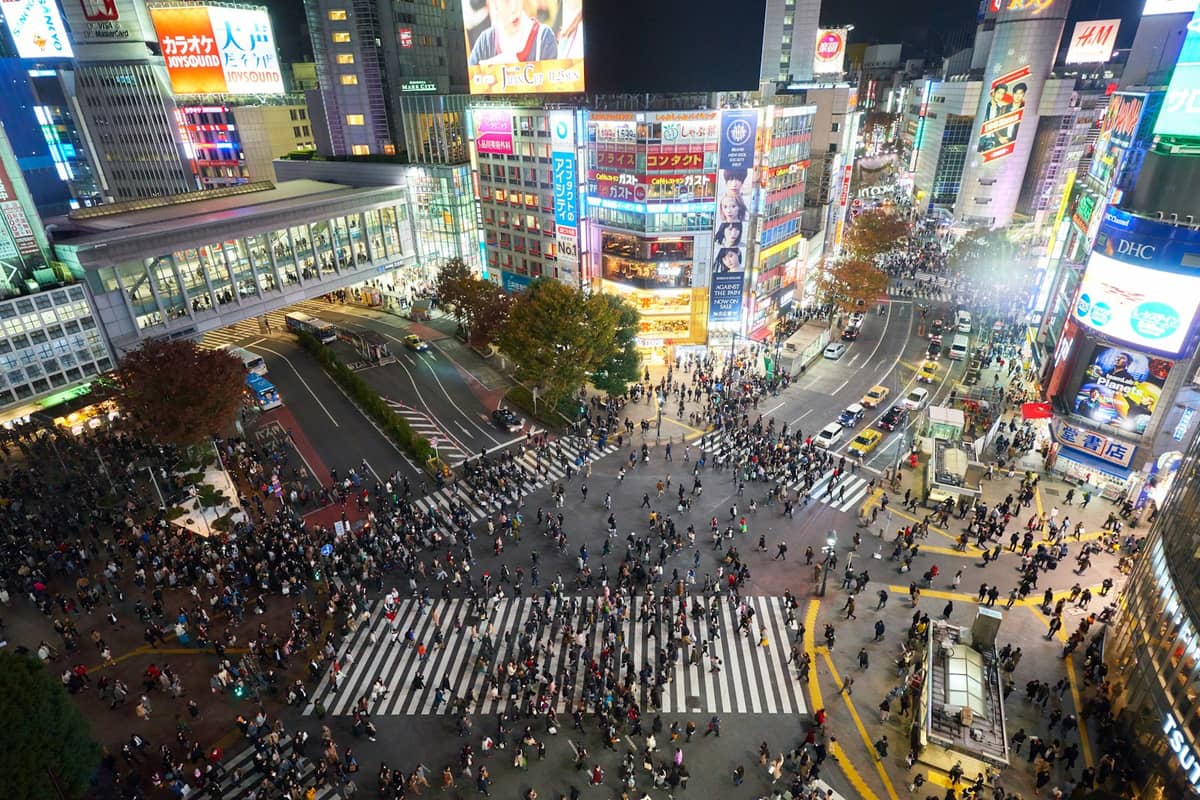
Shibuya is Tokyo's most-photographed district, anchored by the world-famous Scramble Crossing and ringed by shopping towers, music venues, and late-night bars. It moves fast, looks loud, and rewards those who know where to look beyond the neon.
Shibuya is where Tokyo turns up the volume. From the moment you step out of the Hachiko Exit and face the Scramble Crossing's five-way flood of pedestrians, the scale and energy of this district make an immediate impression. It is equal parts youth culture capital, commercial powerhouse, and nightlife epicenter, and it never really stops.
Orientation: Where Shibuya Sits in Tokyo
Shibuya occupies the southwestern quadrant of central Tokyo, sitting roughly 6 kilometers southwest of the Imperial Palace. Shibuya Ward borders Shinjuku and Nakano to the north, Minato to the east, Meguro to the south, and Setagaya to the west. For travelers, the action concentrates tightly around Shibuya Crossing and the station complex, making it one of Tokyo's most walkable hubs once you arrive.
Shibuya Station is the district's gravitational center, and it is one of the most complex rail interchanges in the world. The JR Yamanote Line, JR Saikyo Line, JR Shonan-Shinjuku Line, Tokyo Metro Ginza Line, Tokyo Metro Hanzomon Line, Tokyo Metro Fukutoshin Line, and the Keio Inokashira Line all converge here. This makes Shibuya exceptionally well connected: Harajuku is one stop north on the Yamanote, Ebisu one stop south, and Shinjuku four minutes away by express.
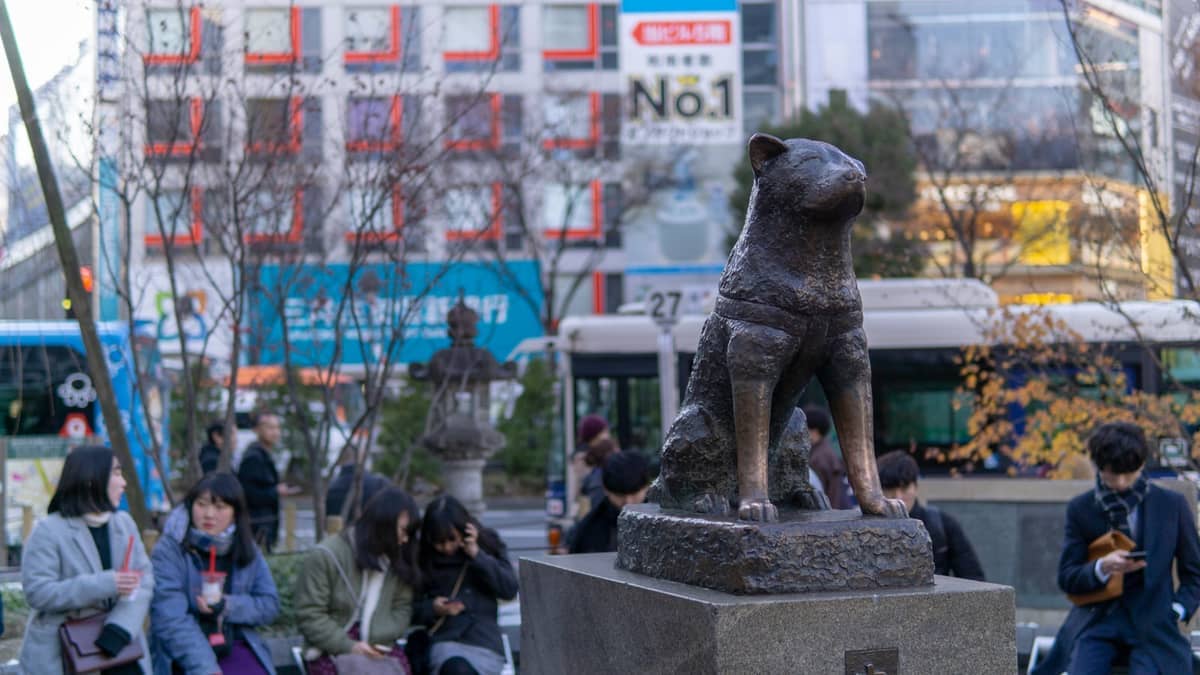
The station's layout can disorient first-time visitors. The Hachiko Exit on the northwest side of JR Shibuya Station is the primary gateway: it faces Hachiko Square, the famous bronze dog statue, and the Scramble Crossing head-on. The Central Gate connects to Shibuya Scramble Square, Shibuya Hikarie, and the elevated Shibuya Stream complex to the east. The South Gate leads down toward Shibuya Stream along the Shibuya River. Keep these exit names in mind and the district's layout becomes much easier to navigate.
Beyond the immediate station area, Shibuya Ward extends into quieter, residential territory. Walking 15 minutes northeast takes you toward the boutique streets of Daikanyama and Nakameguro, both technically within or adjacent to Shibuya Ward and offering a completely different mood. Walking north through Yoyogi brings you toward Harajuku and Omotesando. Knowing these connections helps you plan a full day without excessive backtracking.
Character and Atmosphere: What Shibuya Actually Feels Like
The Scramble Crossing at 9am is already in motion but still navigable, a stream of commuters moving purposefully through the intersection while delivery workers load nearby shops. Coffee shops on Center-gai are filling with students and salarypeople. The giant video screens above the crossing are cycling through advertisements with the sound muted. It feels like a city warming up.
By early afternoon the volume increases. Center-gai, the pedestrianized street running northwest from the crossing, fills with shoppers moving between Shibuya 109, SHIBUYA MODI, and the surrounding fashion boutiques. The street is narrow and the signage is dense: English, Japanese, and Korean all competing for attention. This is Tokyo's loudest daytime street, aimed squarely at a demographic of teenagers and twenty-somethings, and it makes no apologies for that.
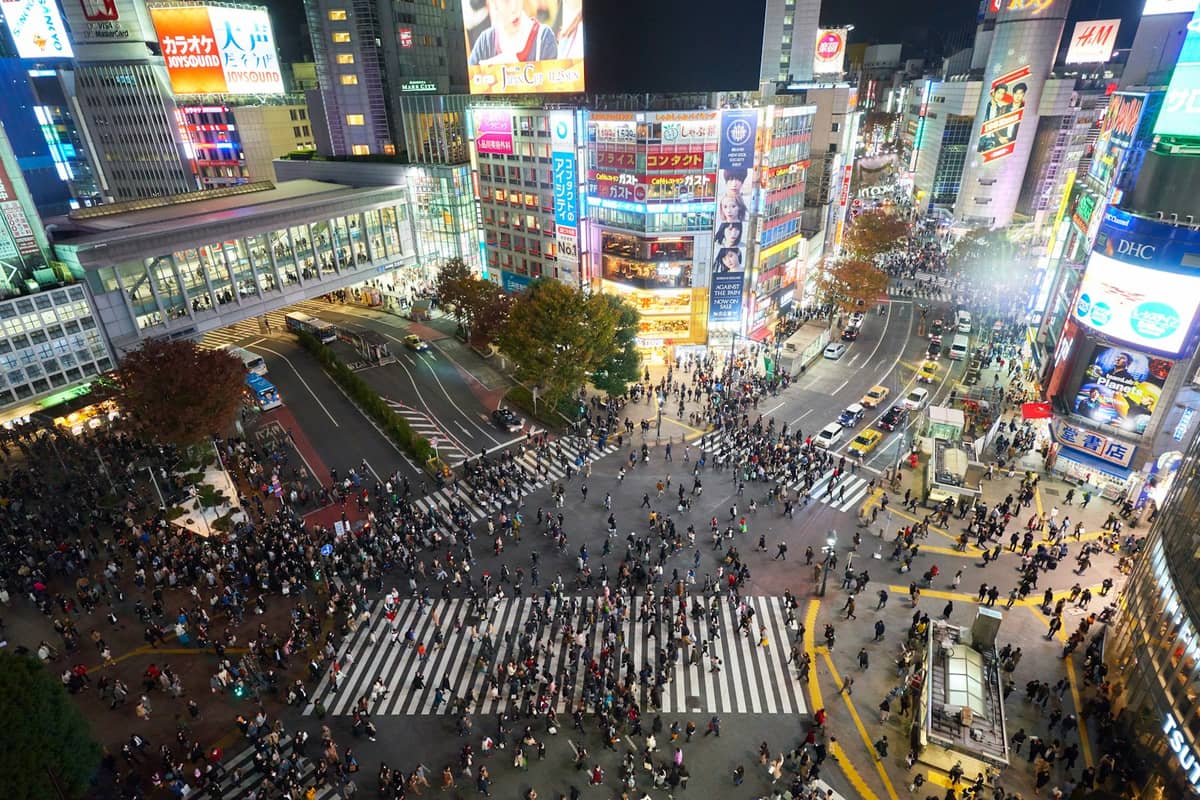
After dark, the district transforms. The Scramble Crossing becomes genuinely spectacular around 9pm: every pedestrian signal turns simultaneously, hundreds of people cross from five directions at once, and the surrounding screens glow at full brightness. The crowds spill into Shibuya's bars and clubs, particularly in the streets behind Shibuya 109 and in the narrower alleys west of the station. Fridays and Saturdays draw large numbers of young Tokyoites and international visitors alike, and the energy is intense.
⚠️ What to skip
Halloween night in Shibuya (late October) draws enormous crowds and has historically led to crowd-management issues. The ward now restricts alcohol sales and deploys significant police presence on that evening. If you are visiting during late October, plan your movements accordingly and check current guidelines from Shibuya Ward before going.
Not everyone will love Shibuya at full intensity. The core area around the crossing is unambiguously commercial and tourist-heavy, and the noise level is constant. Those looking for traditional Tokyo character or quiet neighborhood life will not find it here. What Shibuya does better than almost anywhere in Tokyo is pure kinetic spectacle, and it excels at it.
What to See and Do in Shibuya
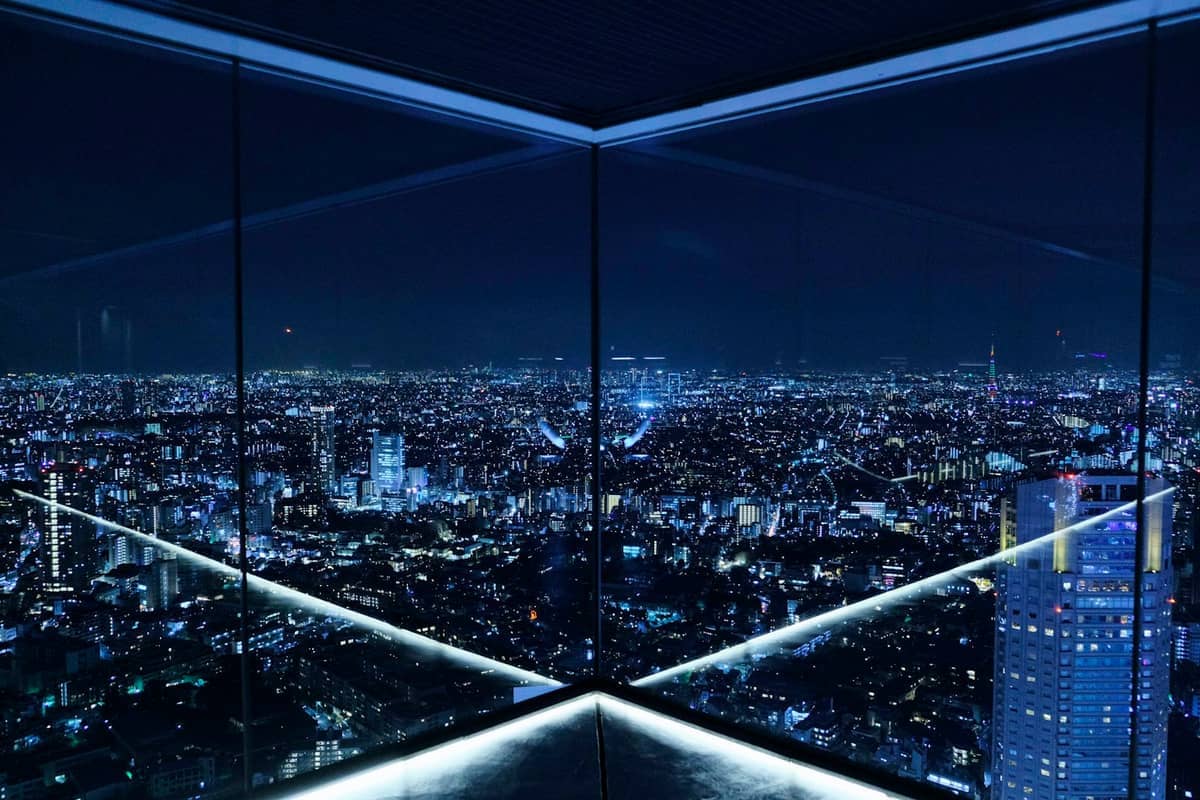
The Scramble Crossing is the obvious starting point, and it earns its reputation. Stand at the center of it during peak hours and you are surrounded by a perfectly organized flood of people. From above, it is even more dramatic. The Shibuya Sky observation deck, on the rooftop of Shibuya Scramble Square, offers a 360-degree open-air view that shows the crossing in full context, with the grid of central Tokyo extending to Mount Fuji on clear winter days. It is one of the better viewpoints in the city.
Near the Hachiko Exit, the Hachiko statue is a small bronze Akita dog that has stood here since 1934 in memory of a dog who waited at this station for his owner for nearly a decade after the owner died. It is perpetually surrounded by people taking photographs and serves as the most popular meeting point in all of Tokyo. The story is genuinely touching and the statue, though modest in size, carries real weight in Japanese culture.
Shibuya 109: the eight-floor fashion tower that has defined youth style trends in Japan since 1979, primarily women's clothing
Miyashita Park: a rooftop park built above a commercial complex along Meiji-dori, with a skate park, climbing wall, and views over the district
Shibuya Hikarie: a glossy 34-floor mixed-use tower with shopping, dining, and the creative hub 8/ floor dedicated to design and culture
Shibuya Stream: a newer development built over the Shibuya River, connecting the station to Daikanyama with riverside terraces and restaurants
Myth of Tomorrow mural: Taro Okamoto's large anti-war painting inside Shibuya Station, visible from the corridor linking the JR and Keio lines
For music, Shibuya has historically been the center of Tokyo's live music scene. Several mid-size live music venues operate within walking distance of the station, catering to everything from electronic to indie rock. Tower Records, a few minutes on foot from the crossing, remains a genuine record store spread across several floors and a meaningful institution for music culture in the city.
💡 Local tip
If you want to photograph the Scramble Crossing from above without paying for Shibuya Sky, the Starbucks on the second floor of the QFRONT building at the corner of the crossing offers a direct view. It is extremely popular and you may need to wait for a window seat, but the coffee is cheaper than an observation deck ticket.
Eating and Drinking in Shibuya
Shibuya's food scene covers an enormous range of prices and styles. For a full overview of the options across Tokyo, the guide to what to eat in Tokyo provides useful context. Within Shibuya itself, the concentration of dining is highest in the floors above and below the main commercial streets, in the underground mall beneath the station, and in the alleys branching off Center-gai.
Ramen shops, conveyor-belt sushi, yakiniku, izakayas, and international cuisine all operate within a short walk of the crossing. Prices in the core Shibuya area skew slightly higher than comparable meals in less tourist-dense neighborhoods, but affordable options are easy to find: the food floors of Shibuya Hikarie and the underground Shibuya Scramble Square food hall both offer solid meals under 1,500 yen.
Drinking options range from standing-bar izakayas under the tracks near the station to rooftop bars in Shibuya Stream and Miyashita Park. The nightlife is concentrated in the streets west of Shibuya 109 and in the Love Hotel Hill area south of the crossing, where clubs and DJ bars operate until morning. For a broader look at Tokyo's bar culture, the Tokyo izakaya guide covers how to navigate a traditional Japanese drinking establishment, which applies throughout the district.
Shibuya also has a strong cafe culture, with independent specialty coffee shops scattered through the side streets off the main pedestrian routes. The closer you get to Daikanyama on foot, the more the cafe quality tends to rise and the prices with it. For a morning or mid-afternoon break, the blocks between Shibuya Stream and Daikanyama offer some of Tokyo's better espresso alongside quieter seating.
ℹ️ Good to know
Many restaurants in the core Shibuya area, especially those targeting tourists, accept credit cards. In smaller izakayas and ramen shops in the side streets, cash is still expected. Carry 2,000-3,000 yen in coins and small notes as backup.
Getting There and Getting Around Shibuya
Shibuya Station is served by more rail lines than almost any other stop in Tokyo, which means it is rarely more than a few minutes from wherever you are in the city. From Shinjuku, the Yamanote Line runs direct in about 7 minutes. From Tokyo Station, the most direct route is the Marunouchi Line to Akasaka-Mitsuke, then the Ginza Line to Shibuya, taking around 20–25 minutes total. The JR Narita Express (N'EX) runs direct from Narita Airport to Shibuya Station, making it a logical first stop if you are arriving from the airport with a hotel in the area.
Within the neighborhood itself, most of the key attractions are within a 10-minute walk of the Hachiko Exit. Shibuya 109, the Scramble Crossing, Center-gai, and the Hachiko Statue are all within 200 meters. Shibuya Hikarie and Shibuya Sky are reached via the Central Gate, a 5-minute walk through the station. Miyashita Park is about 7 minutes north on foot along Meiji-dori. For wider area logistics, the guide to getting around Tokyo covers IC card setup and the subway system in detail.
Buses operate from the terminal in front of the Hachiko Exit and connect Shibuya to Harajuku, Roppongi, and Aoyama. Taxis queue nearby and are generally easy to find, though fares increase substantially late at night. Cycling is possible on the quieter roads around Daikanyama and Nakameguro, and bike-share ports exist in the ward, but the core Shibuya streets around the station are too congested for comfortable cycling.
Shibuya Station's internal layout is notoriously confusing due to multiple levels of renovation and the stacking of several operators' lines. Allow extra time when navigating between JR lines and subway lines, as the transfer can involve several minutes of walking through connecting corridors. Signage in English is good throughout, but the first visit to the station almost always involves one wrong turn.
Where to Stay in Shibuya
Shibuya is a logical base for travelers who want central access to the Yamanote Line circuit and don't mind a louder, faster-paced environment. It is particularly convenient for those splitting time between the west side of Tokyo (Shinjuku, Harajuku, Shimokitazawa) and the south (Ebisu, Daikanyama, Nakameguro). For a full comparison of Tokyo neighborhoods as bases, the where to stay in Tokyo guide lays out the tradeoffs clearly.
Hotels directly adjacent to the station (in Scramble Square, Hikarie, and the immediately surrounding blocks) tend to be mid-range to upscale, catering to business and international leisure travelers. The closer you are to the Hachiko Exit, the more convenient your transit access, but also the more you will hear the city at night. For lighter sleepers, hotels a 10-15 minute walk east toward Ebisu or west toward Yoyogi offer noticeably quieter surroundings while remaining on the Yamanote Line.
Budget accommodation is available but requires more searching than in, say, Asakusa. Capsule hotels and guesthouses exist in the Shibuya area, mostly in the streets south and west of the station. For families or those who prioritize space, the adjacent neighborhoods of Daikanyama and Nakameguro, a 15-20 minute walk or one train stop, offer apartment-style rentals in calmer surroundings.
Safety and Practical Notes
Shibuya is safe by any reasonable measure. Violent crime is rare, and the district's nightlife, while large and occasionally chaotic, operates under consistent police presence. A koban (police box) is positioned near the Hachiko Exit and is staffed around the clock. The main risks are the kind common to any high-traffic commercial district: pickpocketing in crowded peak-hour conditions, overpriced drinks at tourist-targeting bars, and occasional aggressive solicitation near nightclub areas after midnight.
For general guidance on staying safe and navigating Tokyo as a visitor, the Tokyo safety tips guide covers common situations in detail. For first-time visitors to the city, Shibuya's scale can feel overwhelming initially. The Tokyo first-time visitor guide helps frame the city before you arrive.
Noise is worth flagging honestly. Shibuya Station and the surrounding streets generate constant sound from early morning to well past midnight, seven days a week. Hotel rooms near the station are usually double-glazed to compensate, but if quiet sleep is a priority, consider this carefully when booking. The district rewards visitors who lean into its energy rather than those hoping to find a quieter version of it.
TL;DR
Shibuya is Tokyo's commercial and youth-culture center, anchored by the Scramble Crossing and Shibuya Station, which connects more rail lines than almost any other stop in the city.
Best for: first-time visitors wanting to see iconic Tokyo, shoppers, nightlife seekers, and travelers using Shibuya as a transit hub for the Yamanote Line.
Not ideal for: light sleepers, travelers seeking traditional or historic Tokyo character, or those on tight budgets who want quiet surroundings.
Key attractions include Shibuya Sky, the Hachiko Statue, Shibuya 109, Miyashita Park, and the Scramble Crossing itself, all within 10 minutes of the station.
The Narita Express runs direct from Narita Airport, and the Keikyu Line via Shinagawa combined with the Tokyo Metro Ginza Line provides fast access from Haneda, making Shibuya a practical first or last stop on a Tokyo itinerary.
Three days in Tokyo is enough to cover the city's iconic districts, sample its legendary food scene, and get a genuine feel for how the place works. This itinerary is structured by neighborhood logic, not just a checklist of sights, so you spend less time on trains and more time actually exploring.
Tokyo's museum scene spans 1,400 years of Japanese art history, Le Corbusier architecture, midnight-open contemporary galleries, and fully immersive digital worlds. This guide covers the best museums in Tokyo across every category, with practical tips on tickets, timing, and what to prioritize.
Tokyo has hundreds of shrines and temples, from grand imperial foundations to quiet neighborhood sanctuaries. This guide cuts through the noise to highlight the most rewarding sacred sites, whether you have one afternoon or a full week to explore.
Tokyo rewards visitors in every season, but the experience varies dramatically depending on when you go. This guide breaks down the weather, crowd levels, hotel prices, and standout events for each time of year, so you can choose the visit that actually suits you.
Tokyo rewards those who look up. Whether you want a free 202-meter perch over Shinjuku, a paid rooftop with Shibuya Crossing directly below, or a romantic tower glowing orange at night, this guide covers every major viewpoint in the city, ranked by what makes each one worth the trip.
Tokyo rewards those who venture beyond the city limits. Within two hours by train or bus, you can reach a UNESCO shrine town, a volcanic mountain resort, a coastal city of Zen temples, and Japan's most iconic mountain view. This guide covers the best day trips from Tokyo, with practical transport details for each.
Tokyo is one of the world's great cities for budget travelers. From free observation decks and ancient temple grounds to world-class parks and atmospheric street walks, you can fill days of exploration without paying a single admission fee. This guide covers the best genuinely free experiences across the city.
Tokyo's transport network is one of the most efficient in the world, but its sheer scale can overwhelm first-time visitors. This guide covers everything: IC cards, subway passes, airport transfers from Haneda and Narita, buses, taxis, and the key mistakes to avoid.
Tokyo rewards the curious traveler who ventures beyond the obvious landmarks. From a temple blanketed in lucky cat figurines to a natural valley cutting through residential Setagaya, these are the places locals love and guidebooks overlook.
Tokyo sets the global standard for luxury travel. With more Michelin-starred restaurants than any city on earth, world-class hotels, and bespoke private experiences, it rewards travelers who plan carefully. This guide covers everything from three-star dining reservations to high-end seasonal timing.
Everything you need to plan a Mount Fuji day trip from Tokyo, from train and bus options to climbing season restrictions, entrance fees, and the best spots to actually see the mountain. Practical, specific, and honest about what to expect.
Seven days is enough to cover Tokyo's essential neighborhoods, iconic landmarks, and a few surprises — if you plan smart. This day-by-day itinerary covers where to go, how to get there, what things actually cost, and what most visitors get wrong about spending a week in one of the world's most complex cities.
Tokyo rewards couples who plan ahead. This guide covers the city's best romantic experiences, from immersive art installations and panoramic night views to riverside strolls and intimate izakayas, with clear advice on what to book early and what to skip.
Tokyo now has two large-scale teamLab museums, and they are nothing alike. This guide covers the real differences between teamLab Planets in Toyosu and teamLab Borderless at Azabudai Hills, with practical advice on tickets, timing, and which experience is worth your time.
Tokyo is one of the most rewarding cities on earth, but its sheer scale can be overwhelming. This guide cuts through the noise with practical, specific advice on the top things to do in Tokyo — from iconic landmarks and seasonal festivals to quieter experiences most visitors miss entirely.
Tokyo has two main international airports: Haneda, close to the city center, and Narita, located in Chiba Prefecture about 60 km out. This guide breaks down the key differences, every transport option available, realistic travel times, and how to avoid the common mistakes that cost travelers time and money.
Tokyo is the global capital of anime and manga culture, with dedicated museums, iconic shopping districts, seasonal conventions, and pilgrimage sites spread across the city. This guide breaks down exactly where to go, how to book, what to budget, and how to avoid the most common planning mistakes.
Tokyo's architecture spans over a thousand years in the space of a single subway ride. This guide covers the city's most significant modern and traditional structures, with practical details on opening hours, ticket prices, access routes, and what to know before you go.
Tokyo's café culture spans three distinct worlds: atmospheric kissaten frozen in the 1960s, precision-driven specialty coffee shops, and themed cafés where you sip coffee alongside cats, owls, or hedgehogs. This guide breaks down pricing, etiquette, booking requirements, and the best neighbourhoods for each type.
Tokyo has become one of the world's leading destinations for digital and immersive art, and teamLab is just the beginning. From yokai-themed projection installations to grand European masterworks reimagined in light, this guide covers every major venue, ticket prices, seasonal timing, and practical logistics for experiencing Tokyo's full digital art landscape.
Tokyo is one of the most rewarding cities in the world to visit, and also one of the easiest to navigate once you know the basics. This guide covers everything a first-time visitor needs: how to get in, how to move around, when to go, what to expect, and how to avoid the most common mistakes.
Tokyo's fish market scene split in 2018 when wholesale operations moved from Tsukiji to the new Toyosu Market. This guide cuts through the confusion: where the tuna auctions actually happen, how to get a coveted auction viewing spot, and why Tsukiji's outer market is still worth your morning.
Tokyo is one of the world's great garden cities, with Edo-period strolling gardens, forested shrine grounds, and expansive modern parks distributed across the metropolis. This guide covers the finest green spaces in Tokyo, from the iconic to the quietly spectacular.
Tokyo's autumn foliage season runs from mid-November into early December, transforming gardens, parks, and temple grounds across the city. This guide covers the best spots, exact peak timing, admission costs, and practical advice for planning your visit.
December in Tokyo is one of the city's most visually spectacular months, with thousands of lights transforming major boulevards and neighborhoods. But it also comes with genuine planning challenges: year-end closures, holiday crowds on trains, and illumination events that end before Christmas. This guide covers everything you need to know.
Spring in Tokyo runs from mid-March through May, with cherry blossom season as the centerpiece. This guide covers bloom forecasts, the best hanami spots, crowd strategy, spring weather, and practical planning advice for one of Japan's most spectacular seasonal events.
Izakaya are the beating heart of Tokyo's after-work food and drink culture. This guide covers what to expect, how much to budget, where to go, and the customs that separate confident regulars from confused first-timers.
Tokyo's 23 special wards contain dozens of distinct neighborhoods, each with its own personality, price point, and crowd. This guide breaks down the key areas to help you decide where to spend your time — and what to skip.
Tokyo's after-dark scene runs from intimate jazz bars and golden-era izakayas to multi-floor clubs that peak at 2am. This guide covers the best neighborhoods, realistic costs, how cover charges actually work, and everything you need to plan a great night out.
Tokyo has a reputation for being expensive, but the reality is more nuanced. With smart transport choices, free-entry attractions, and a food culture built around affordable meals, a trip to Japan's capital can cost far less than most visitors expect. This guide breaks down exactly where to spend, where to save, and what to skip.
Tokyo has a surprisingly rich bathing culture, from genuine hot spring onsen drawing geothermal water to affordable neighborhood sento charging just ¥550. This guide breaks down the difference, explains the etiquette, and points you to the best options across the city.
Tokyo takes ramen seriously. This guide covers every major broth style found in the city, which neighborhoods to target for each, exactly how to order at a ticket-machine shop, and what to budget per bowl in 2026. Whether you want a classic shoyu at a stand-up counter in Shinjuku or a next-level tori paitan in Shibuya, this is your starting point.
Tokyo consistently ranks among the safest major cities on earth, but that reputation can breed overconfidence. This guide covers the real crime picture, common scams targeting tourists, night safety, seasonal hazards, and exactly what to do if something goes wrong.
Tokyo is one of the world's great shopping cities, with entire neighborhoods built around specific categories of retail. This guide breaks down the best areas by what you actually want to buy, explains Japan's tax-free system, and tells you what to skip.
Tokyo's street food scene runs through markets, covered shotengai, and narrow yokocho alleys rather than roaming carts. This guide covers the best locations by neighborhood, what each area does best, realistic prices for 2026, and the seasonal quirks that determine what's worth eating when.
Tokyo's summer festival season runs from late June through mid-August, packed with massive fireworks displays, Bon Odori dancing, and lantern festivals. This guide covers the major events, ticket options, crowd logistics, and practical advice for making the most of hanabi season without the rookie mistakes.
Tokyo hosts three Grand Sumo tournaments every year at Ryogoku Kokugikan in Sumida Ward. This guide covers 2026 tournament dates, how to buy tickets before they sell out, seat types, what to expect inside the arena, and everything else you need to plan a visit.
Tokyo has more sushi restaurants than any city on earth, spanning ¥150 conveyor belt plates to ¥88,000 trophy omakase. This guide breaks down every tier, explains what you actually get at each price point, and tells you how to book, what to avoid, and when to go.
The Tokaido Shinkansen is one of the world's great train journeys, covering roughly 450 km between Tokyo and Kyoto in just over two hours. This guide breaks down every train type, fare tier, JR Pass rule, and booking option so you can plan the trip without second-guessing yourself.
Three options connect Tokyo and Osaka: the Tokaido Shinkansen, overnight highway buses, and short-haul flights. This guide breaks down real costs, door-to-door times, and the clear pros and cons of each so you can book the right one for your trip.
Tokyo rewards walkers like few cities do. This guide covers the best self-guided walking tours across Tokyo's most interesting neighborhoods, with free official maps, transport pass options, seasonal advice, and honest assessments of each route's strengths and trade-offs.
Tokyo is one of the world's most rewarding cities to explore with children. From immersive digital art to classic theme parks, this guide covers the best family activities, practical logistics, seasonal timing, and money-saving tips to make your trip run smoothly.
Tokyo Japanese cuisine spans everything from ¥800 ramen bowls to reservation-only omakase counters. This guide covers the city's defining dishes, where to find them by neighborhood, what things actually cost, and how to eat well on any budget.
Tokyo has no single best neighborhood for every traveler. This guide breaks down the top areas to stay, from the transit powerhouse of Shinjuku to the traditional lanes of Asakusa, with clear advice on who each area suits, what to expect from hotels at every price point, and when to book.