Tokyo Street Food Guide: Where to Eat, What to Order, and What to Skip
Tokyo's street food scene runs through markets, covered shotengai, and narrow yokocho alleys rather than roaming carts. This guide covers the best locations by neighborhood, what each area does best, realistic prices for 2026, and the seasonal quirks that determine what's worth eating when.
Plan and book this trip
Tools from our partner Travelpayouts help you compare flights and hotels. If you book through them, we may earn a commission at no extra cost to you.
Flights
Hotels map
TL;DR
- Tokyo street food is concentrated in markets, shotengai (shopping streets), and yokocho (alleyways) — not random curbside carts.
- Most individual snacks cost ¥150–¥700; a satisfying grazing lunch across a market runs ¥1,500–¥2,500.
- Top destinations: Tsukiji Outer Market for seafood, Takeshita Street for sweets, and Asakusa for traditional snacks.
- Morning is usually the best time: most stalls wind down by 14:00 and the freshest product goes first.
- Premium items like uni or wagyu skewers can reach ¥1,500–¥3,000 each — street food is not automatically cheap.
How Tokyo Street Food Actually Works
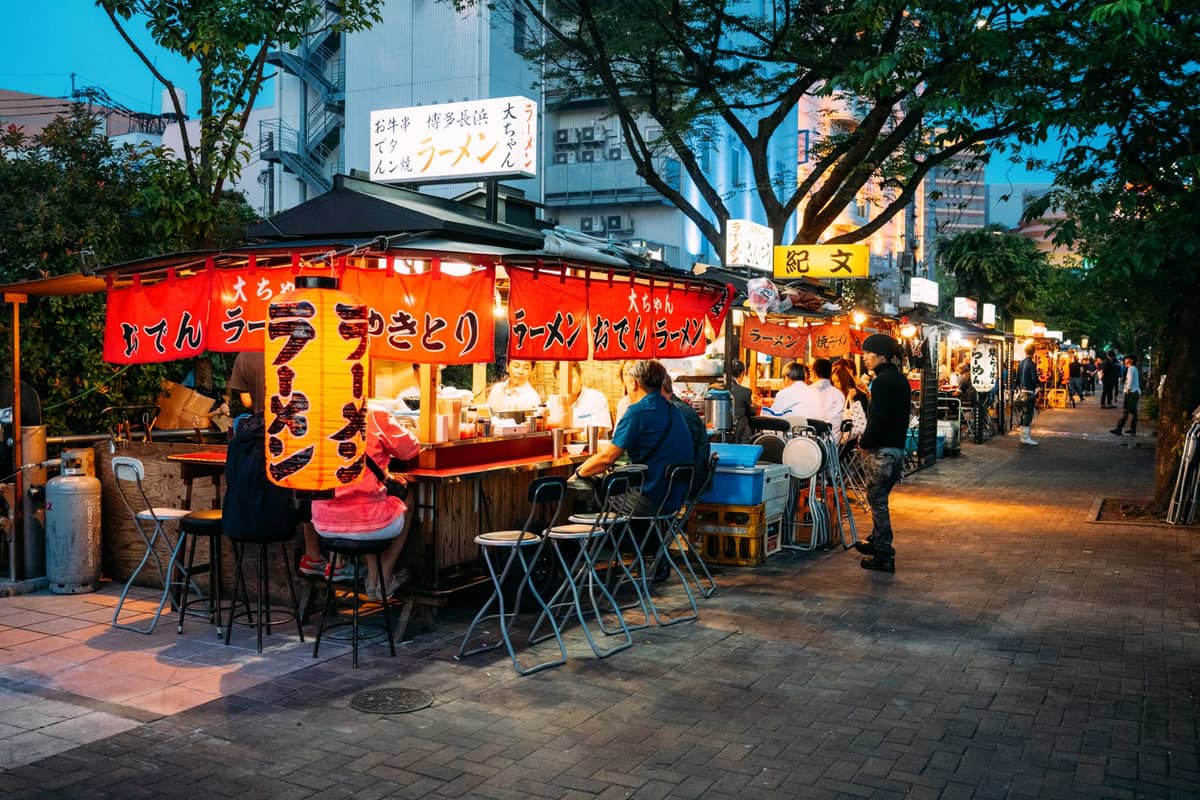
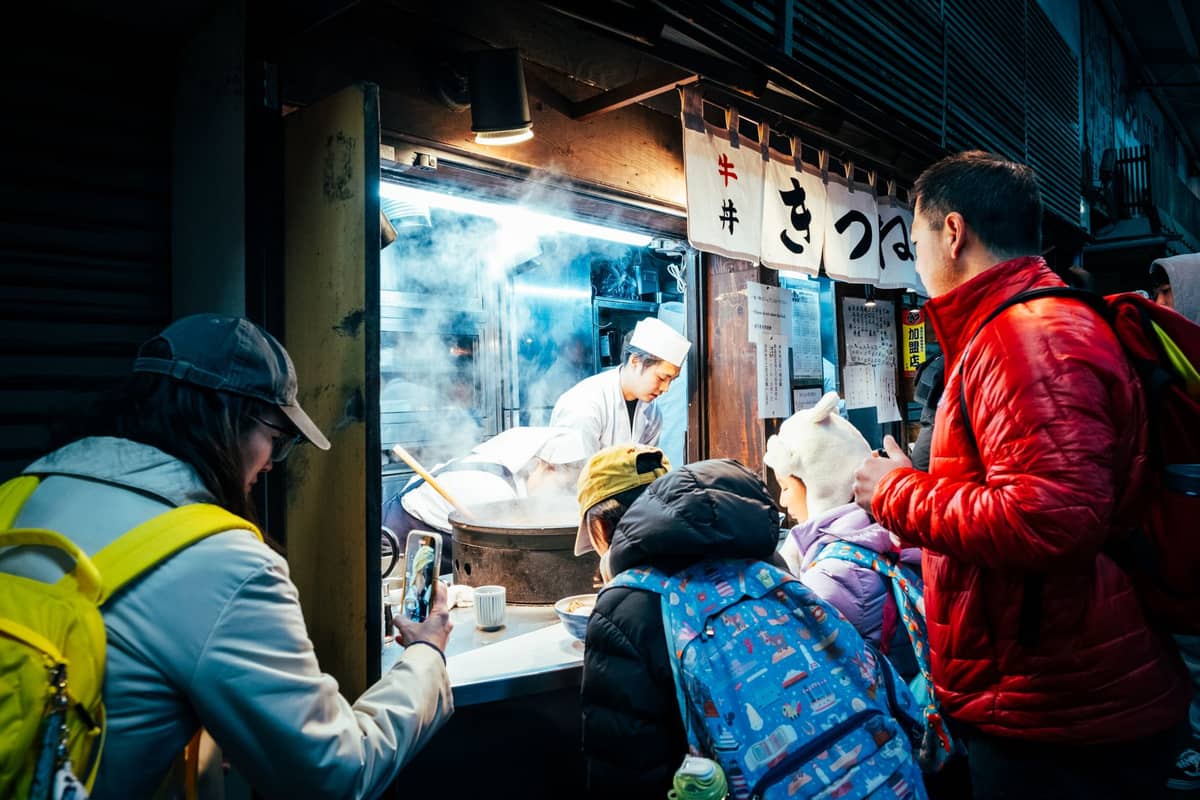
First-time visitors often arrive expecting a Southeast Asian-style street food culture, with vendors lining every pavement. Tokyo works differently. Strict municipal regulations govern where food can be sold outdoors, which means the vast majority of street-style eating happens inside or immediately in front of licensed market stalls, in covered shotengai (shopping arcades), at organized matsuri (festival) stalls, or in the narrow yokocho alleyways that perforate neighborhoods like Shinjuku and Yurakucho. Once you understand this, navigating the city's food scene becomes much easier.
The practical upside of this system is consistency. Stalls are inspected, ingredients are fresh, and the production quality tends to be higher than informal curbside setups. The downside is that the spontaneity of stumbling onto a great vendor is rarer. You generally need to know where you're going — which is exactly what this guide is for.
ℹ️ Good to know
Matsuri (festival) stalls are the one major exception to Tokyo's licensing rules. During summer and autumn festivals, temporary yatai stalls fill shrine precincts and park paths with yakitori, yakisoba, takoyaki, and kakigori. Skewers typically run ¥200–¥500 per piece; yakisoba is usually ¥400–¥600 per serving. Check local event calendars for festival dates.
The Essential Street Food Locations
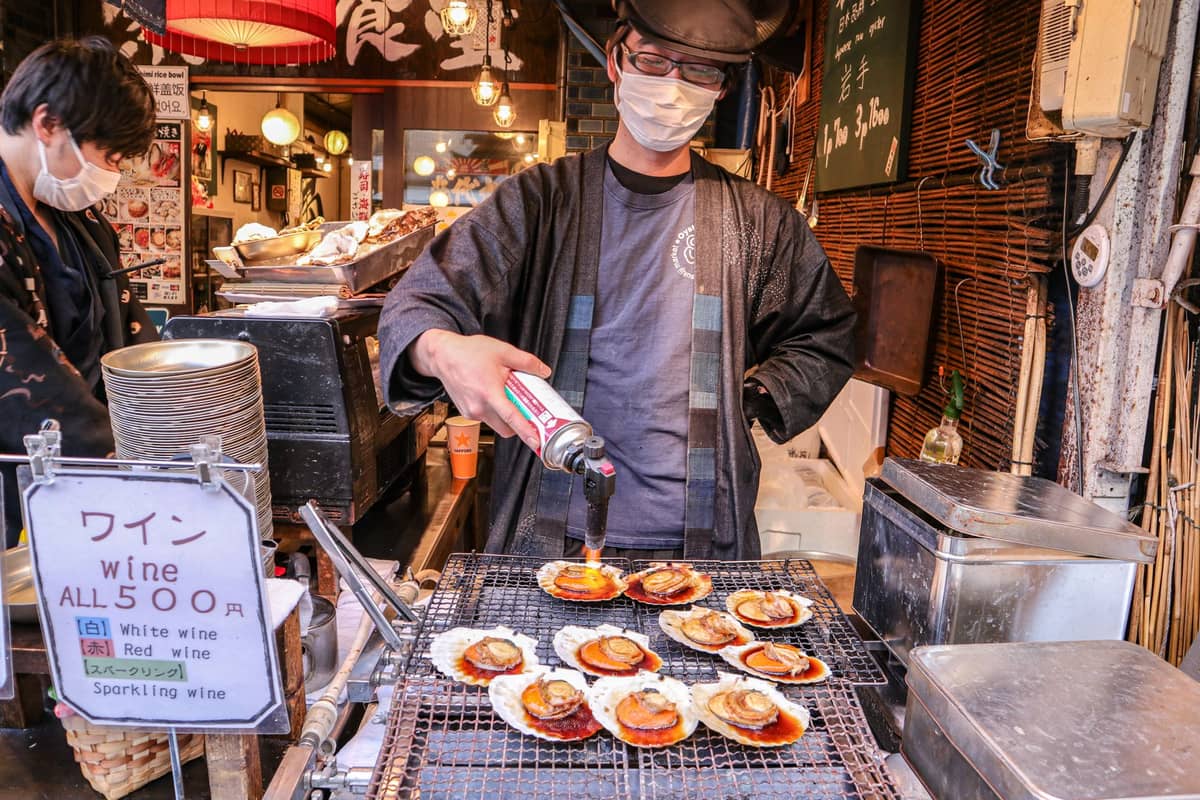
The Tsukiji Outer Market remains the single best place in Tokyo for a morning of walk-and-eat food. The inner wholesale market moved to Toyosu in 2018, but the outer market — a dense grid of around 400 shops selling seafood, produce, cookware, and prepared food — stayed put and is arguably more visitor-friendly than ever. Most shops open around 08:00, with peak activity between 07:00 and 11:00. Many wind down by 14:00, and a significant number close on Sundays and public holidays. Come on a weekday if you can.
What to eat at Tsukiji: grilled hotate (scallop) skewers, tamagoyaki (sweet rolled egg omelette, around ¥300–¥400 per portion), fresh uni (sea urchin) on small rice cups, and tuna skewers. A multi-stop seafood breakfast covering three or four items typically costs ¥2,000–¥3,500 per person. If you want the premium end — otoro or uni from specialist stalls — budget up to ¥3,000 for a single item. That is not a tourist trap; it reflects the ingredient cost.
In Asakusa, street snacking is built into the neighborhood's DNA. The lanes around Senso-ji Temple are lined with shops selling traditional Japanese sweets: taiyaki (fish-shaped cakes filled with red bean paste or custard, ¥220–¥350), ningyo-yaki (small molded cakes, ¥150–¥250 each), and melonpan (sweet bread rolls, around ¥200–¥300). The crowds are real — Nakamise-dori can be overwhelming on weekends — but the side streets around Hoppy-dori offer the same snacks with fewer people.
Harajuku's Takeshita Street is the place for walk-and-eat sweets, specifically crepes. Tokyo-style crepes are made fresh to order, folded into a cone shape, and typically filled with combinations of strawberries, cream, Nutella, matcha, or ice cream. Prices run ¥450–¥700. Takeshita Street is narrow and gets extremely crowded on weekend afternoons — aim for a weekday morning or early afternoon if you want to move freely. The crepe culture here is genuinely distinct from anything in Europe and worth trying once.
- Tsukiji Outer Market Best for: seafood skewers, tamagoyaki, uni rice cups. Hours: approx. 08:00–14:00 weekdays/Saturdays; many shops closed Sundays. Budget: ¥2,000–¥3,500 for a full breakfast crawl.
- Asakusa (around Senso-ji) Best for: taiyaki, ningyo-yaki, melonpan, dango. Busiest on weekends and national holidays. Individual snacks: ¥150–¥350.
- Harajuku Takeshita Street Best for: fresh crepes, rainbow cotton candy, novelty sweets. Most active afternoons. Crepes: ¥450–¥700.
- Ameyoko (Ueno) Best for: grilled seafood skewers, dried foods, cheap gyudon-style bowls from the stalls. Around ¥1,500 covers a satisfying lunch across several stops.
- Yurakucho Yokocho Best for: yakitori under the train tracks at dusk. This is evening eating, not a morning market. Per skewer: ¥180–¥300.
AmeyokoAmeyoko in Ueno is rougher around the edges than Tsukiji but offers some of the best-value street eating in central Tokyo. The covered market running under and alongside the JR tracks between Ueno and Okachimachi stations sells fresh seafood, dried snacks, spices, and cooked food. Grilled scallop and oyster stalls are particularly good. Around ¥1,500 is enough to eat well across several stalls. It is also one of the few places in Tokyo where vendors will lightly bargain on bulk purchases of dried goods near closing time.
What to Order: The Core Street Food Vocabulary
Tokyo's street food canon is relatively focused. These are the dishes that appear consistently across markets, festivals, and shopping streets — knowing what they are and roughly what to pay means you will not overpay or miss a great item.
- Yakitori Grilled chicken skewers, often with tare (sweet soy) or shio (salt) seasoning. ¥180–¥300 per skewer. Best at yokocho in Yurakucho, Shinjuku's Omoide Yokocho, and festival stalls.
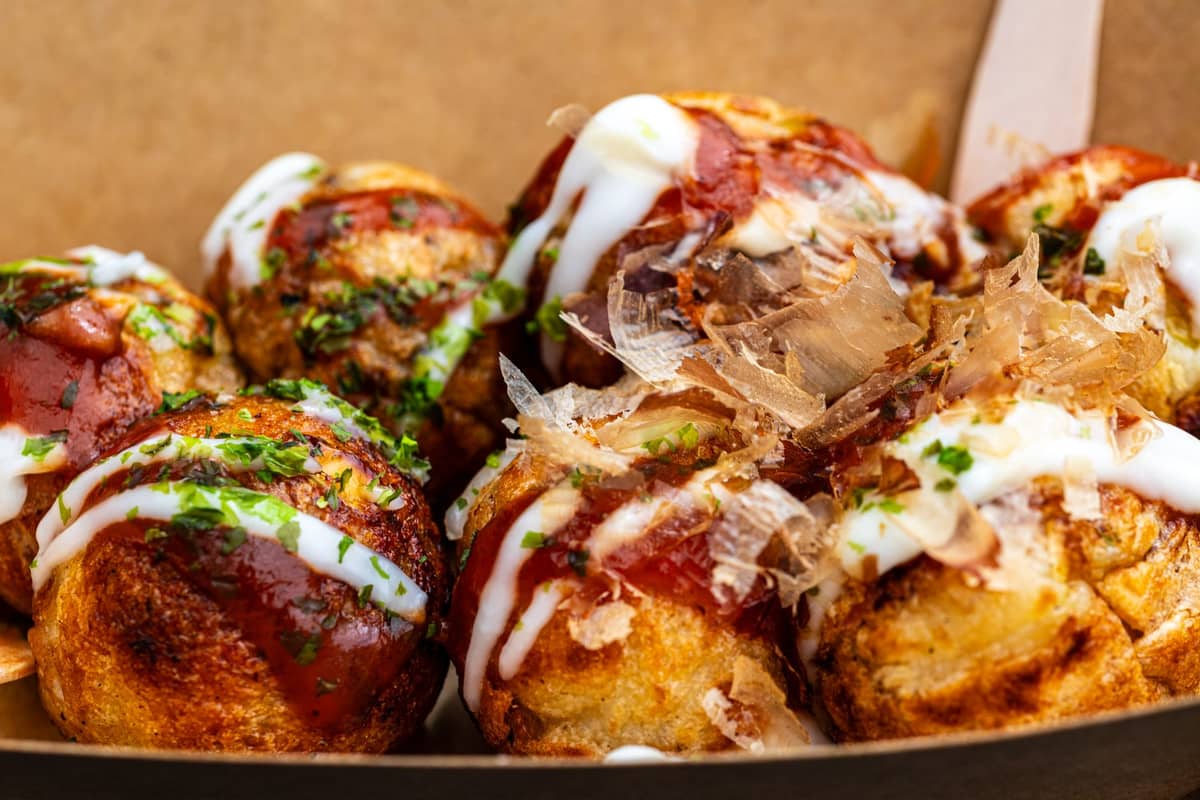
- Takoyaki Octopus-filled wheat-flour balls, cooked in a special iron pan, topped with bonito flakes and Worcestershire-based sauce. Six to eight pieces: ¥500–¥800. Widely available at festivals and in Asakusa.
- Taiyaki Fish-shaped waffle cakes filled with red bean (anko), custard, or sweet potato. ¥220–¥350. Classic Asakusa purchase; also found near Harajuku Station.
- Tamagoyaki Rectangular rolled egg omelette, slightly sweet, sold in thick slices on a stick at Tsukiji. ¥300–¥400 per portion.
- Kakigori Finely shaved ice with flavored syrups or condensed milk. Primarily a summer item (June–September). ¥400–¥800 at specialist shops; cheaper at festival stalls.
- Oden Simmered winter stew with daikon, fish cakes, and tofu in a dashi broth. More common at autumn and winter festivals and convenience stores than dedicated stalls. Around ¥100–¥200 per piece.
- Ningyo-yaki Small molded sponge cakes filled with anko, shaped like Asakusa landmarks. Asakusa specialty. ¥150–¥250 each.
⚠️ What to skip
Not all street food in Tokyo is cheap. At Tsukiji, premium uni (sea urchin) rice cups, otoro tuna skewers, or freshly shucked oysters can cost ¥1,500–¥3,000 per item. This reflects genuine ingredient quality. If the price seems high, check what's actually in the product before assuming you're being overcharged.
Eating by Season: What Changes and When
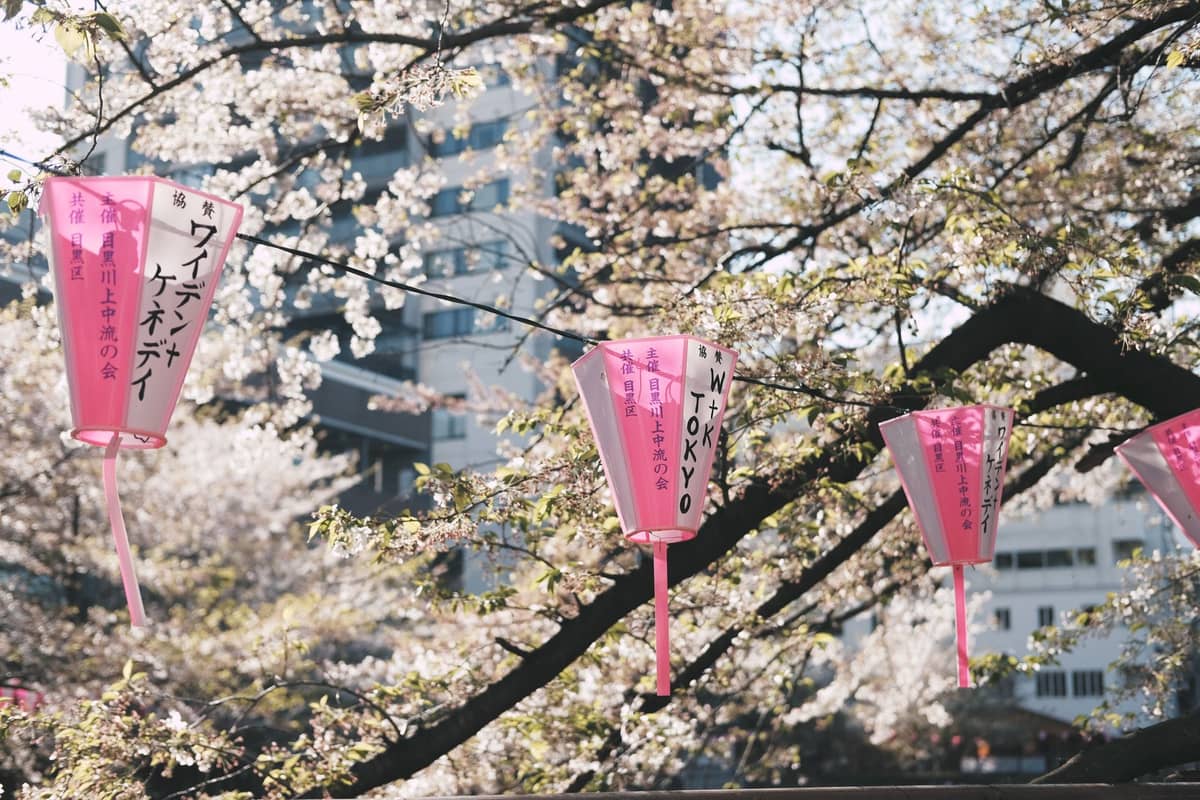
Tokyo's street food shifts noticeably with the seasons, both in terms of what is available and where the best eating happens. Understanding this rhythm prevents disappointment — showing up expecting kakigori in February or hot oden in July will leave you confused.
Spring (March to May) is arguably the best season for outdoor eating. Temperatures are comfortable, the rainy season has not started, and cherry blossom festivals bring temporary food stalls to Ueno Park and other popular spots. Expect themed sakura-flavored versions of standard snacks alongside the usual festival offerings. This is also peak tourist season, so popular market areas like Tsukiji and Asakusa will be crowded from mid-morning onward.
Summer (June to August) is hot, humid, and festival-heavy. Tokyo's matsuri calendar is packed from July onward, and temporary yatai stalls are everywhere during neighborhood festivals. Kakigori (shaved ice) becomes ubiquitous and is genuinely excellent at specialist shops. The heat does make standing at outdoor stalls uncomfortable between 11:00 and 16:00 — morning and evening are the practical windows for street eating.
Autumn (September to November) brings cooler temperatures and the shift to savory, warming foods. Oden starts appearing at festival stalls from October. Sweet potato (yaki-imo) vendors — a rare example of actual mobile street carts in Tokyo — begin operating in residential neighborhoods in autumn, announced by their distinctive recorded call. October is also when many shotengai hold local harvest festivals with additional food stalls.
Winter (December to February) is the driest and coldest stretch. Tsukiji and Ameyoko remain active, and hot items like nikuman (steamed pork buns, ¥200–¥300) and grilled chestnuts appear near major train stations and shopping areas. Year-end and New Year festivities bring temporary street food around shrine precincts, but the Tsukiji Outer Market itself closes for the year-end and New Year holidays. Plan your visit around the holiday closure calendar.
✨ Pro tip
The yaki-imo (roasted sweet potato) trucks that circulate Tokyo residential neighborhoods in the cooler months are one of the city's most atmospheric food experiences. They operate on no fixed schedule, but you will hear their slow, low recorded call before you see them. Price is usually around ¥300–¥600 per potato depending on size. They are almost exclusively in residential areas rather than tourist zones, so encountering one is genuinely a matter of timing.
Practical Tips: Payments, Etiquette, and Timing
Cash remains king at most market stalls and yokocho vendors, even in 2025. While larger operations in Tsukiji and some Asakusa shops accept IC cards (Suica/Pasmo) or PayPay, smaller stalls are frequently cash-only. Carry ¥3,000–¥5,000 in smaller notes (¥500 and ¥1,000) before heading to a market.
Eating while walking is generally tolerated in shopping streets and at festivals but is considered poor form in more formal settings. In Asakusa, vendors in the Nakamise-dori area actually expect you to eat as you walk — they sell snacks specifically designed for that purpose. In residential shotengai, the same is less welcome. Use common sense, and if you are at a stall that has a small standing area or counter, use it.
Japan has a no-tipping culture. Do not tip at market stalls, street food vendors, or restaurants. Service is considered part of the job and tipping can cause genuine confusion. For broader planning, our complete guide to what to eat in Tokyo covers everything beyond street food including ramen, sushi, izakaya dining, and convenience store meals.
- Arrive at Tsukiji before 09:00 on weekdays for the best selection and manageable crowds.
- Bring cash: most stalls are cash-only or accept IC transport cards at best.
- Avoid Sundays at Tsukiji — many shops close or significantly reduce hours.
- At Ameyoko, go just before closing time for opportunistic deals on some goods.
- During major matsuri, queues at popular takoyaki and yakitori stalls can be 20–30 minutes. Build that time in.
- Tap water in Tokyo is safe and widely available at public facilities — refill a bottle rather than buying plastic constantly.
Beyond the Classic Spots: Less-Covered Options
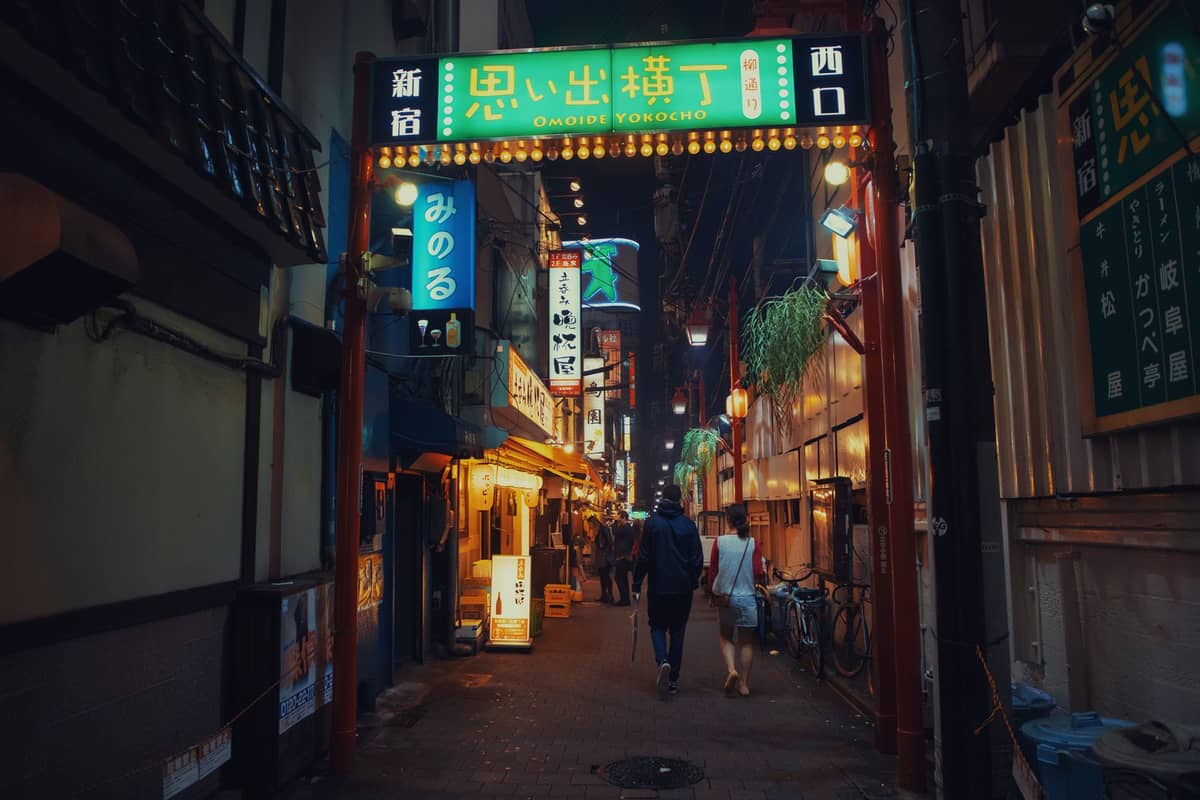
Omoide Yokocho in Shinjuku — literally 'Memory Lane' — is one of Tokyo's most photographed eating alleys, a narrow passage under the train tracks near the west exit of Shinjuku Station, lined with tiny yakitori and ramen stalls. It is not a secret, but it is genuinely atmospheric in the evening when the smoke from charcoal grills fills the alley. Most stalls open from around 17:00. Budget ¥2,000–¥3,500 per person including drinks. For a broader picture of the neighborhood, our Shinjuku neighborhood guide covers both the eating and the entertainment side.
Koenji, a neighborhood on the Chuo Line west of Shinjuku, has a covered shotengai with several good street-food adjacent options — grilled corn, fried chicken cutlets, and hand-rolled taiyaki from independent shops rather than chains. It requires a short train ride but offers a more local, less tourist-facing version of the same snacking culture. Yanaka Ginza in the Taito Ward is another good alternative: a traditional shopping street with vendors selling senbei (rice crackers), freshly grilled skewers, and croquettes to take away as you walk. Prices at both are similar to Asakusa but with noticeably fewer tour groups. See our overview of Yanaka Ginza for context on what the area offers.
For visitors interested in the intersection of street food and Japanese food culture more broadly, the Kappabashi kitchen district is worth a detour. This is not a food market but a wholesale street for professional cookware, ceramics, and — notably — the highly realistic plastic food models used in restaurant windows across Japan. Several shops sell small food-related souvenirs, and the surrounding streets have a handful of specialty food vendors worth stopping at. Combine it with a Tsukiji morning for an efficient half-day in the area.
FAQ
Where is the best street food in Tokyo?
Tsukiji Outer Market is the top destination for variety and quality, particularly for seafood. Asakusa is best for traditional Japanese sweets. Ameyoko in Ueno offers the best value for a casual market lunch. Harajuku's Takeshita Street is the place for crepes and novelty sweets. For evening eating, Omoide Yokocho in Shinjuku or the yokocho alleys in Yurakucho are the strongest options for yakitori.
Is street food in Tokyo cheap?
It depends on what you order. Most traditional snacks — taiyaki, takoyaki, yakitori — cost ¥150–¥700 per item and a full grazing lunch runs ¥1,500–¥2,500. However, premium seafood items at Tsukiji (fresh uni, otoro, oysters) can cost ¥1,500–¥3,000 per piece. Street food is not automatically the cheapest option in Tokyo.
When does Tsukiji Outer Market open?
Most shops open around 08:00 on weekdays and Saturdays, with peak activity between 07:00 and 11:00. Many stalls wind down by 14:00. A significant number of shops are closed on Sundays and national holidays. Check the official Tsukiji Outer Market website (tsukiji.or.jp) for the current closure calendar before visiting.
Can you eat while walking in Tokyo?
In street food areas like Asakusa's Nakamise-dori, Harajuku's Takeshita Street, and at festival stalls, eating while walking is expected and normal. In regular shopping streets, residential neighborhoods, and especially on trains or in more formal settings, it is considered poor form. When in doubt, use the small standing area near a stall rather than walking away with food.
Do Tokyo street food vendors accept credit cards?
Most small market stalls and yokocho vendors are cash-only. Some larger operations at Tsukiji and in tourist-heavy areas of Asakusa accept IC transport cards (Suica, Pasmo) or QR payment apps like PayPay. Credit card acceptance is limited at traditional stalls. Always carry ¥3,000–¥5,000 in smaller notes before heading to a market.