What to Eat in Tokyo: The Essential Food Guide
Tokyo Japanese cuisine spans everything from ¥800 ramen bowls to reservation-only omakase counters. This guide covers the city's defining dishes, where to find them by neighborhood, what things actually cost, and how to eat well on any budget.
Plan and book this trip
Tools from our partner Travelpayouts help you compare flights and hotels. If you book through them, we may earn a commission at no extra cost to you.
Flights
Hotels map
TL;DR
- Tokyo's essential local dishes include edomae sushi, tempura, soba, ramen, monjayaki, unaju (grilled eel over rice), and tendon (tempura rice bowl).
- A solid meal costs ¥800–¥1,500 at most casual spots; conveyor-belt sushi chains offer a full meal for ¥1,500–¥2,200.
- Tsukiji Outer Market is still the best spot for a seafood breakfast, open roughly 9:00–14:00. Check the Tokyo fish market guide for full details on both Tsukiji and Toyosu.
- High-end sushi and tempura restaurants require advance reservations, often weeks out. Ramen and kaitenzushi are walk-in.
- Tokyo's food scene shifts with the seasons, so the best dishes at any counter depend on what's in market. See the best time to visit Tokyo for how seasons affect food as well as crowds.
Why Tokyo Japanese Cuisine Stands Apart
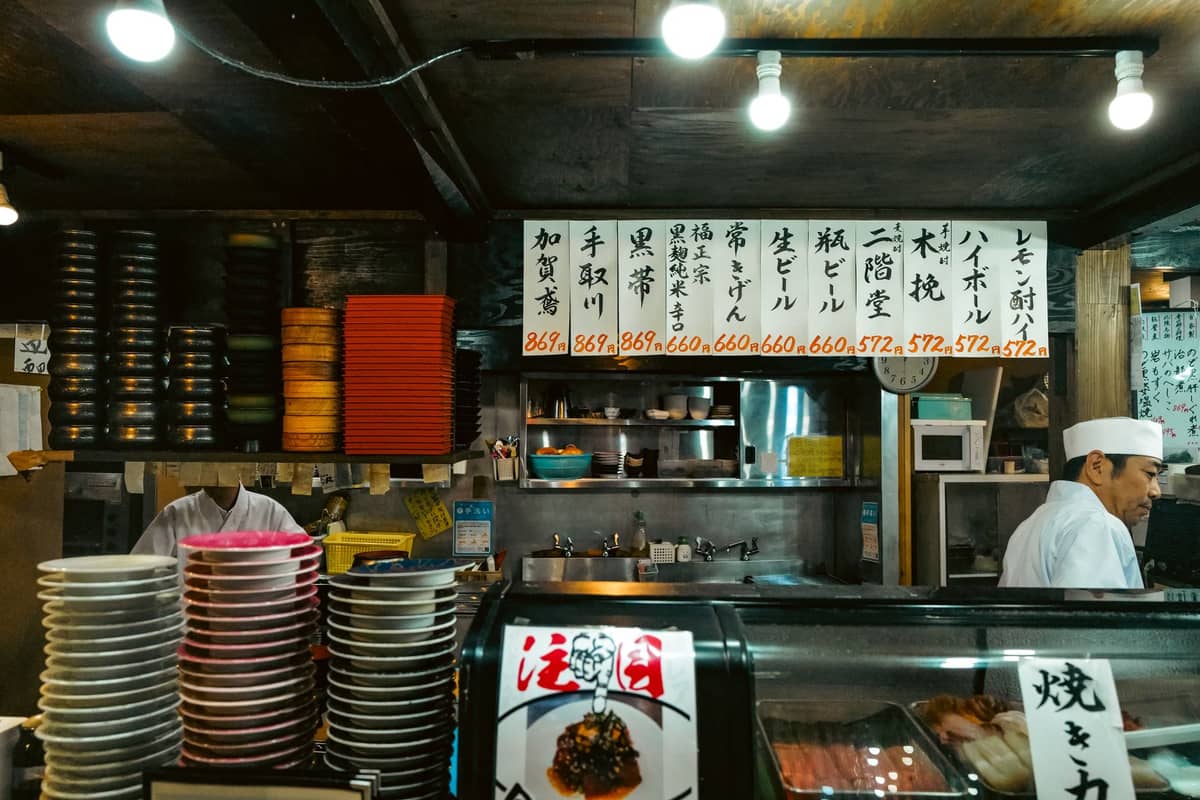
Tokyo holds more Michelin stars than any other city on earth, yet some of its most celebrated dishes cost under ¥1,000. That contradiction is the point. The city operates across an extraordinary range of culinary registers simultaneously, from third-generation soba craftsmen who have been cutting noodles by hand since before World War II to conveyor-belt sushi chains running on precision logistics. Understanding that range, rather than chasing the most expensive or most Instagram-friendly option, is what separates a great food trip from an expensive disappointment.
Tokyo cuisine is also historically grounded in a way that matters to what ends up on your plate. The city was known as Edo until 1868, and "Edomae" cooking, referring to ingredients sourced from Tokyo Bay and prepared in the city's specific style, remains central to both sushi and tempura. Seasonality is treated seriously, not as a marketing concept. A sushi counter in March serves different fish than the same counter in October, and any chef worth the counter in front of them will tell you why.
The Essential Dishes: What to Order and Where
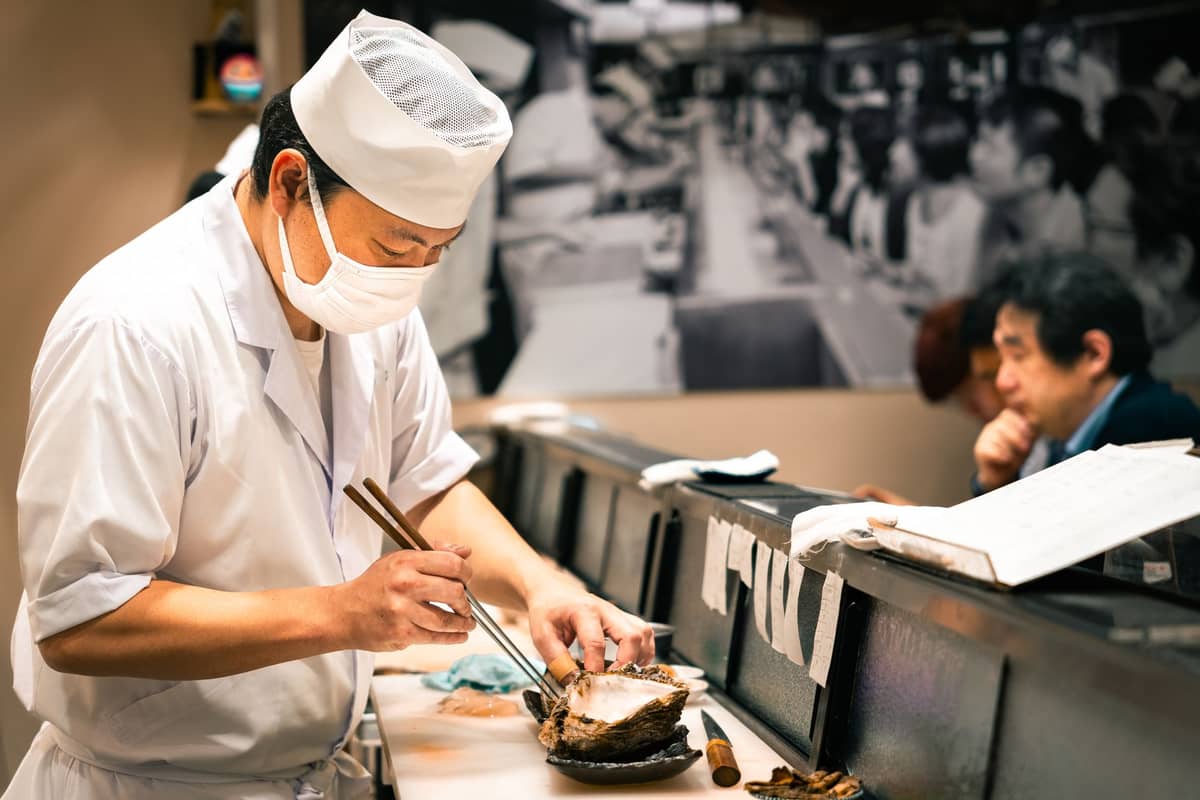
Edomae sushi is Tokyo's defining contribution to global food culture. The style prioritizes a balance between the rice, seasoned with red vinegar in traditional preparations, and the fish, which is often aged, marinated, or cured rather than served simply raw. At the top end, omakase counters in Ginza or Minami-Aoyama cost ¥30,000–¥50,000 per person and require reservations weeks or months in advance. However, the same quality of technique shows up at mid-range neighborhood sushi-ya (sushi restaurants) for ¥3,000–¥8,000 per person, and kaitenzushi chains like Sushiro and Kura Sushi offer plates at ¥115–¥220 for two pieces, making a filling meal possible for well under about ¥2,200.
Tempura in Tokyo is not the battered shrimp you find at international Japanese chains. The best versions use a thin, cold batter applied to seasonal vegetables, white fish, and seafood, then fried in sesame oil at precise temperatures. Specialist tempura shops called tempura-ya serve it over rice (tendon) or as a full course with dipping sauce. The Kanda and Asakusa areas have a high concentration of long-standing shops. For context on getting around between food neighborhoods, the getting around Tokyo guide covers train and subway logistics clearly.
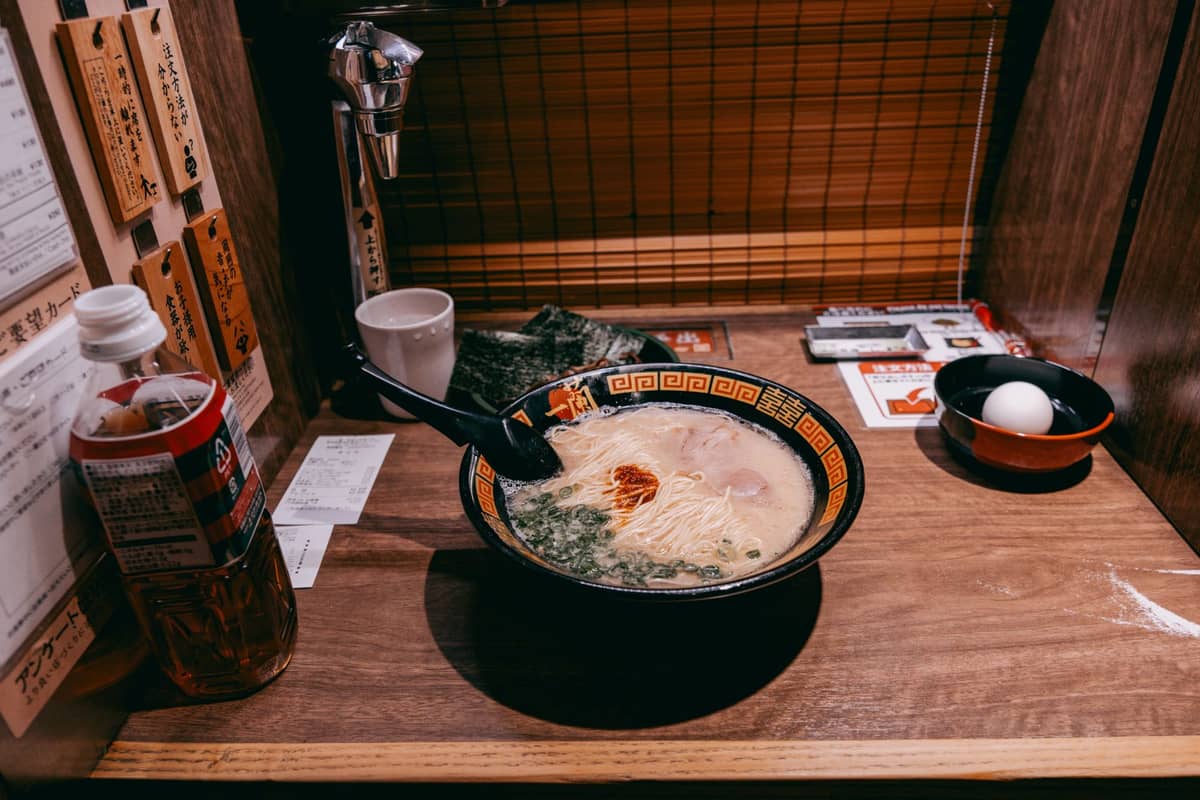
Ramen in Tokyo means shoyu (soy-based) broth as the default style, though the city now hosts serious shops representing every regional variation, from Sapporo miso to Fukuoka tonkotsu. A bowl at a respected local shop costs ¥800–¥1,200. Tokyo-style shoyu ramen uses a clear, amber broth built on chicken and dashi with a strong soy tare, typically topped with chashu pork, menma (bamboo shoots), and nori. Shinjuku, Shibuya, and the area around Tokyo Station all have dense concentrations of respected shops.
- Edomae Sushi Tokyo's most iconic dish, ranging from ¥1,500 kaitenzushi meals to ¥50,000 omakase counters. Seasonal fish and vinegared rice are the markers of quality.
- Tempura Light, hot, and ideally eaten immediately after frying. Best as a set course at a specialist shop or as tendon (over rice) at casual lunch spots, ¥1,200–¥2,500.
- Shoyu Ramen Tokyo's home style, built on clear soy-based broth. ¥800–¥1,200 per bowl at standalone shops, typically walk-in.
- Soba Hand-cut buckwheat noodles served cold with dipping sauce (zaru soba) or hot in broth. Tokyo has deep soba traditions; quality shops are found across the city, especially in older neighborhoods like Kanda and Yanaka.
- Monjayaki Tokyo's own savory pancake, runnier and more pungent than Osaka's okonomiyaki. Tsukishima's Monja Street has over 70 specialist shops within walking distance of the station.
- Unaju Grilled freshwater eel (unagi) lacquered with a sweet-savory tare and served over rice in a lacquer box. Seasonal peak is summer but available year-round; expect ¥2,500–¥6,000 at specialist shops.
- Tendon Tempura served over a bowl of rice with a dark, sweetened tare. One of the best-value lunches in the city, available at casual shops for ¥1,000–¥1,800.
💡 Local tip
Soba and tempura menus shift with the seasons. Spring brings bamboo shoots and Japanese green vegetables; autumn means matsutake mushroom and root vegetables. If a shop lists seasonal specials on a chalkboard by the entrance, that is where to start.
Tokyo's Food Neighborhoods: Where to Eat by Area
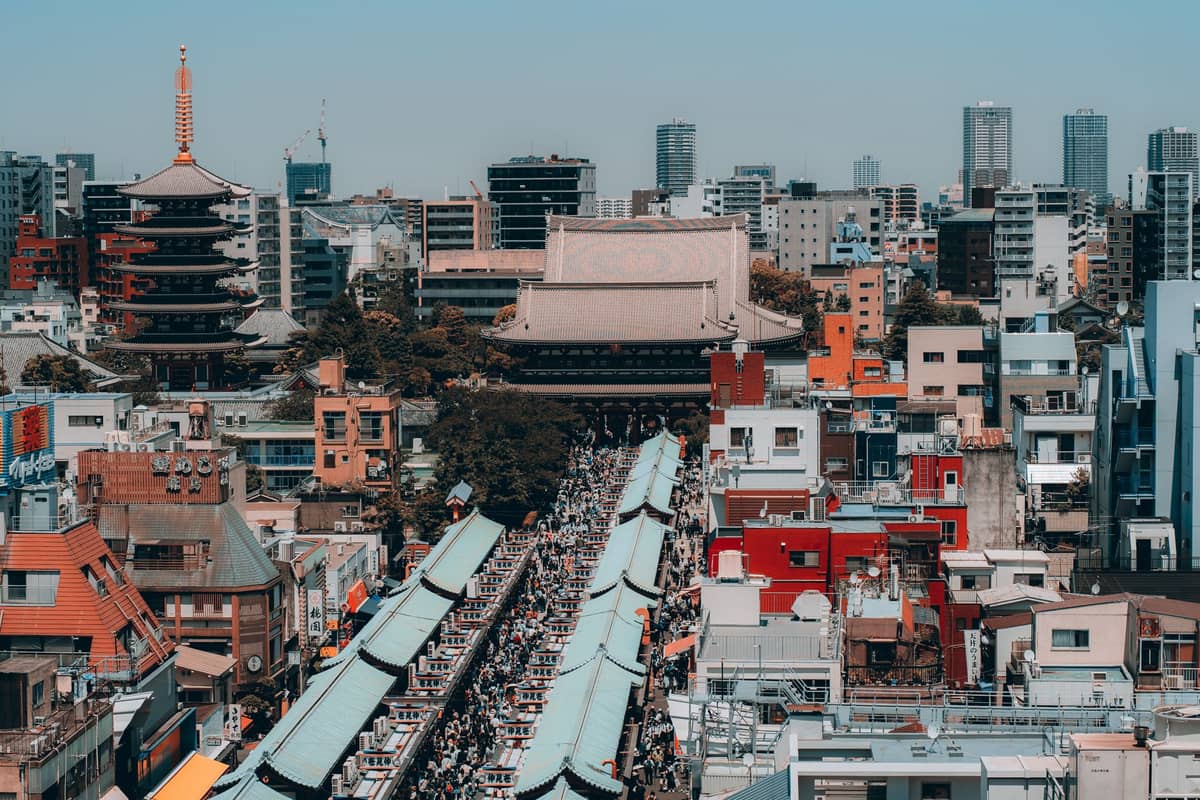
Different parts of Tokyo cluster around different food traditions. Asakusa and the surrounding Taitō ward preserve the strongest connections to Edo-era food culture: unagi specialists, tempura houses, and soba shops here often trace their recipes back generations. The area around Kappabashi, Tokyo's kitchen-supply district, is also worth visiting for a sense of the craft infrastructure behind the food.
Ginza and the Tsukiji area concentrate the highest density of serious sushi counters in the city. The original Tsukiji wholesale market moved its fish auctions to Toyosu in 2018, but the Tsukiji Outer Market remains an active street market with dozens of seafood stalls, fresh tamagoyaki (egg) vendors, rice ball shops, and small eateries. Opening hours for public visitors run roughly 9:00–14:00, even though many individual stalls open earlier, with the busiest and freshest window being 9:00–11:00. Many shops close on Sundays, national holidays, and certain Wednesdays, so check the official calendar before visiting.
Shinjuku covers every category simultaneously: high-end kaiseki restaurants in the quieter streets east of the station, yakiniku (grilled meat) corridors, ramen alleys, and standing sushi bars around the west exit. The area around Omoide Yokocho, just northwest of Shinjuku Station, offers narrow alleys of yakitori skewer shops with prices from about ¥150–¥300 per skewer. It gets crowded from 18:00 onwards and most seats are counter-only.
⚠️ What to skip
Restaurants in Shinjuku Kabukicho and some tourist corridors near major stations post menus without prices, or add service charges not shown on the posted menu. If the price is not clearly listed before you sit down, ask before ordering. This is not common practice in most Tokyo restaurants, which is exactly why it stands out where it does occur.
For a more local eating experience away from tourist concentrations, the neighborhoods of Nakameguro and Shimokitazawa have developed strong independent restaurant scenes with a mix of Japanese and international cuisines. Prices here are comparable to central Tokyo but the atmosphere is considerably less pressured. The Tokyo neighborhoods guide covers the character of each area in more detail.
Eating on a Budget: Where to Eat Well for Under ¥1,500
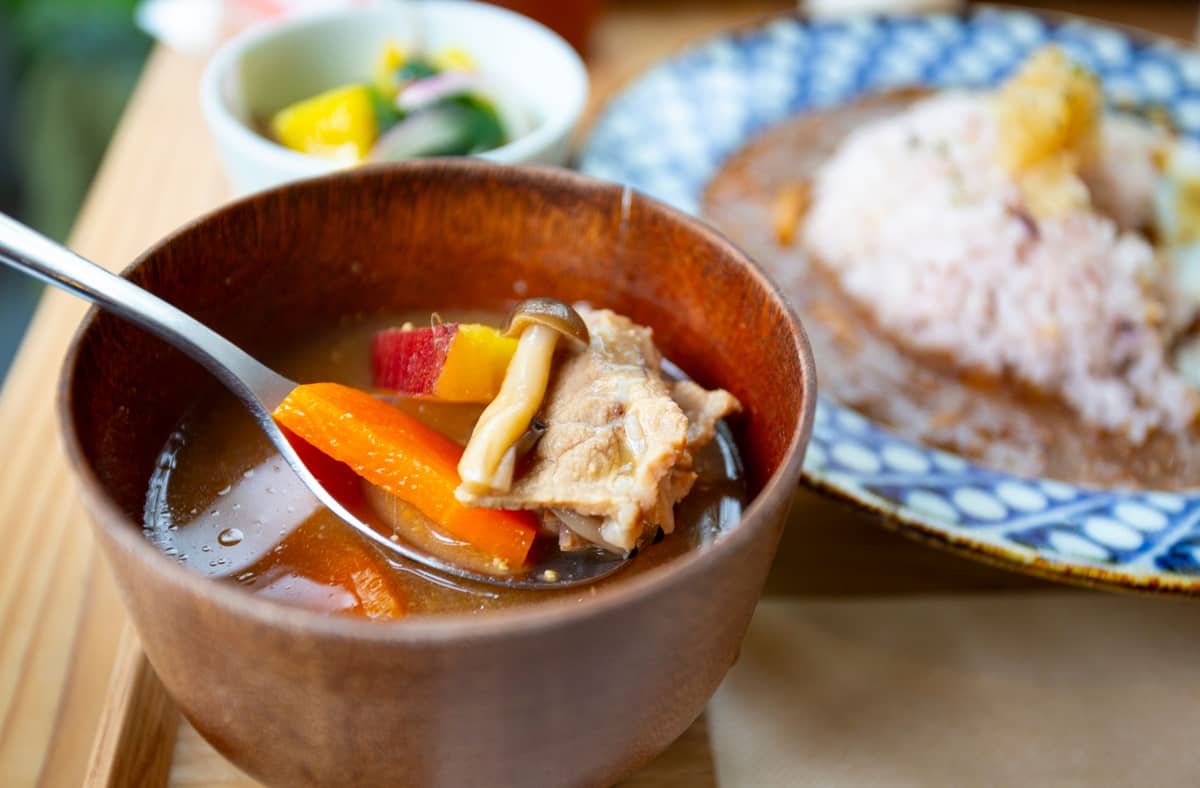
Tokyo is broadly affordable for food once you understand where the value sits. The most efficient category is the teishoku, a set meal combining a main dish, rice, miso soup, and small sides for ¥800–¥1,200 at lunch. These are available at dedicated teishoku restaurants, izakayas open for lunch, and department store basement food halls (depachika). Standing soba shops near train stations serve hot bowls from ¥400–¥600 and operate on a ticket machine system: buy your ticket at the machine by the entrance, hand it to the staff at the counter.
- Kaitenzushi chains (Sushiro, Kura Sushi, Hamazushi): ¥115–¥250 per two-piece plate, full meal around ¥1,500–¥2,200
- Gyudon (beef rice bowls) at chains like Yoshinoya or Matsuya: ¥400–¥600 for a filling bowl
- Standing soba or udon at station shops: ¥400–¥700 depending on toppings
- Convenience store onigiri (rice balls): ¥120–¥180 each; quality at 7-Eleven, FamilyMart, and Lawson is genuinely good
- Depachika lunch boxes (bento) in department store basements: ¥600–¥1,200 for elaborate preparations from restaurant-affiliated brands
- Ramen at local shops: ¥800–¥1,200 per bowl, walk-in at most places
For a more thorough breakdown of eating cheaply without sacrificing quality, the Tokyo on a budget guide covers food, transport, and accommodation together. And if street food is the priority, the Tokyo street food guide goes deeper into Asakusa, Yanaka Ginza, and Tsukiji specifically.
✨ Pro tip
Lunch sets at mid-to-high-end restaurants often cost 40-60% less than dinner at the same counter. A tempura restaurant charging ¥8,000 for a dinner course may offer a tendon or tempura teishoku lunch for ¥1,500–¥2,500. If you want to eat at a serious restaurant without the full dinner price, book the lunch service instead.
Drinking and Eating at Night: Izakayas and Beyond
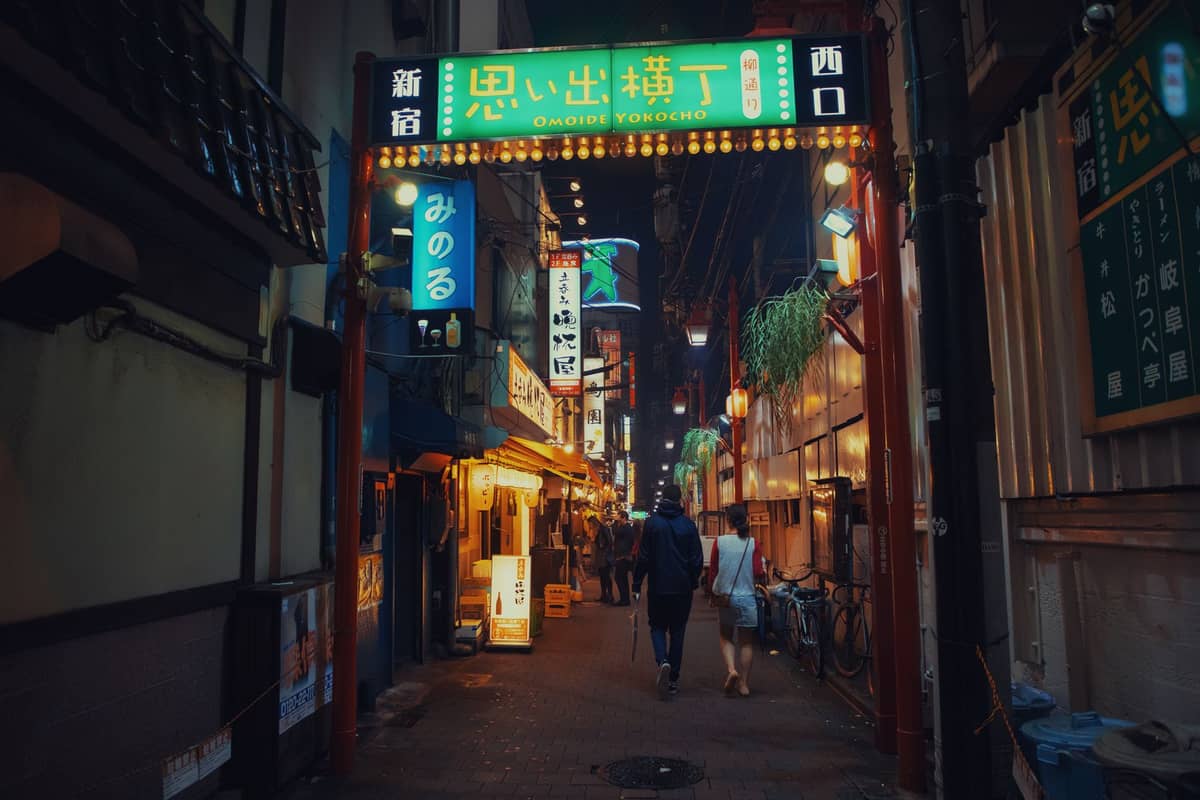
The izakaya, Japan's version of a pub crossed with a casual restaurant, is one of the most practical ways to eat and drink well in Tokyo. Dishes arrive as small plates intended for sharing, and the drinking (beer, highballs, sake, shochu) paces the meal rather than anchoring it. A solid meal with drinks at a mid-range izakaya runs ¥2,500–¥4,000 per person. The Tokyo izakaya guide covers how to order, what to expect, and which neighborhoods have the best concentrations.
Yakitori (chicken skewers over charcoal) and kushikatsu (breaded, deep-fried skewers of meat and vegetables) both overlap with the izakaya format but are also available at specialist shops that focus entirely on the grill. The standing bars around Yurakucho station, tucked under the elevated rail tracks, represent one of the most atmospheric places in the city to eat yakitori with a cold beer, and prices are reasonable, around ¥150–¥350 per skewer.
Practical Food Tips: Reservations, Payment, and Etiquette
Japan has no tipping culture. At any restaurant, from a ¥700 ramen counter to a ¥50,000 omakase, leaving money on the table after paying is not expected and will often be returned to you. Service charges are occasionally added at high-end establishments, in which case they appear on the bill. Pay what the bill says and nothing more.
Cash is still widely used at smaller restaurants, standing bars, and older specialist shops. Higher-end restaurants and modern chains accept credit cards and IC card payments (Suica, Pasmo), but it is worth carrying ¥5,000–¥10,000 in cash specifically for food, particularly at markets and small neighborhood shops. ATMs at 7-Eleven convenience stores reliably accept foreign cards around the clock.
For omakase sushi, kaiseki, and serious tempura counters, reservations are not optional at the top tier and are strongly advisable even at mid-range specialist restaurants. Use Tableall, Omakase, or the restaurant's own website if available. Many require a credit card to hold the reservation and charge a cancellation fee for no-shows. If you are visiting during cherry blossom season (late March to mid-April) or autumn foliage season (mid-November), book at least four to six weeks ahead for any restaurant that requires reservations.
FAQ
What is the most famous food in Tokyo?
Edomae sushi is the dish most closely associated with Tokyo, developed in the city during the Edo period and refined into its modern form in the late 19th and early 20th centuries. Tempura and hand-cut soba are the other two dishes with the deepest roots in Tokyo's culinary history.
Is food expensive in Tokyo?
Not necessarily. A ramen bowl costs ¥800–¥1,200, a teishoku lunch set ¥800–¥1,500, and a full meal at a kaitenzushi chain around ¥1,500–¥2,200. High-end omakase sushi and kaiseki can run ¥20,000–¥50,000 per person, but these are at the extreme end. Tokyo has more affordable eating options per square kilometer than most major world cities.
What is monjayaki and where do you eat it in Tokyo?
Monjayaki is a savory batter cooked on a hot iron griddle, thinner and more liquid than Osaka's okonomiyaki. It is Tokyo's own regional variation. The best place to eat it is Tsukishima's Monja Street, a few minutes' walk from Tsukishima Station on the Toei Oedo Line, where more than 70 specialist shops operate side by side.
Is Tsukiji Market still open for tourists?
Yes. The wholesale fish auctions moved to Toyosu Market in 2018, but the Tsukiji Outer Market continues to operate as a street food and specialty market. Public visitor hours are generally 9:00–14:00. Many shops close on Sundays, national holidays, and certain Wednesdays, so check the official Tsukiji calendar before visiting.
Do Tokyo restaurants accept credit cards?
Modern chains, department store restaurants, and high-end counters generally accept credit cards and IC card payments. Smaller neighborhood shops, standing bars, ramen counters, and market stalls often prefer or require cash. Carrying ¥5,000–¥10,000 in cash is advisable any time you plan to eat at smaller, independent restaurants.