Tokyo Neighborhoods Guide: Which Areas to Visit in 2026
Tokyo's 23 special wards contain dozens of distinct neighborhoods, each with its own personality, price point, and crowd. This guide breaks down the key areas to help you decide where to spend your time — and what to skip.
Plan and book this trip
Tools from our partner Travelpayouts help you compare flights and hotels. If you book through them, we may earn a commission at no extra cost to you.
Flights
Hotels map
TL;DR
- Tokyo has no single 'best' neighborhood — Shibuya suits nightlife seekers, Asakusa suits culture lovers, and Ginza suits luxury shoppers.
- Spring (March–May) and autumn (October–November) are the most comfortable seasons for walking between neighborhoods; summer heat and humidity are genuinely brutal — see the best time to visit Tokyo guide for full detail.
- The Tokyo Subway Ticket covers all Tokyo Metro and Toei lines for ¥1,000 (24-hour), ¥1,500 (48-hour), or ¥2,000 (72-hour) — excellent value for neighborhood hopping.
- Most central neighborhoods are 10–25 minutes apart by train; walking between them is rarely practical given Tokyo's scale.
- For a curated day-by-day plan across multiple areas, the 3 days in Tokyo itinerary gives a solid framework.
How Tokyo's Neighborhoods Are Organized
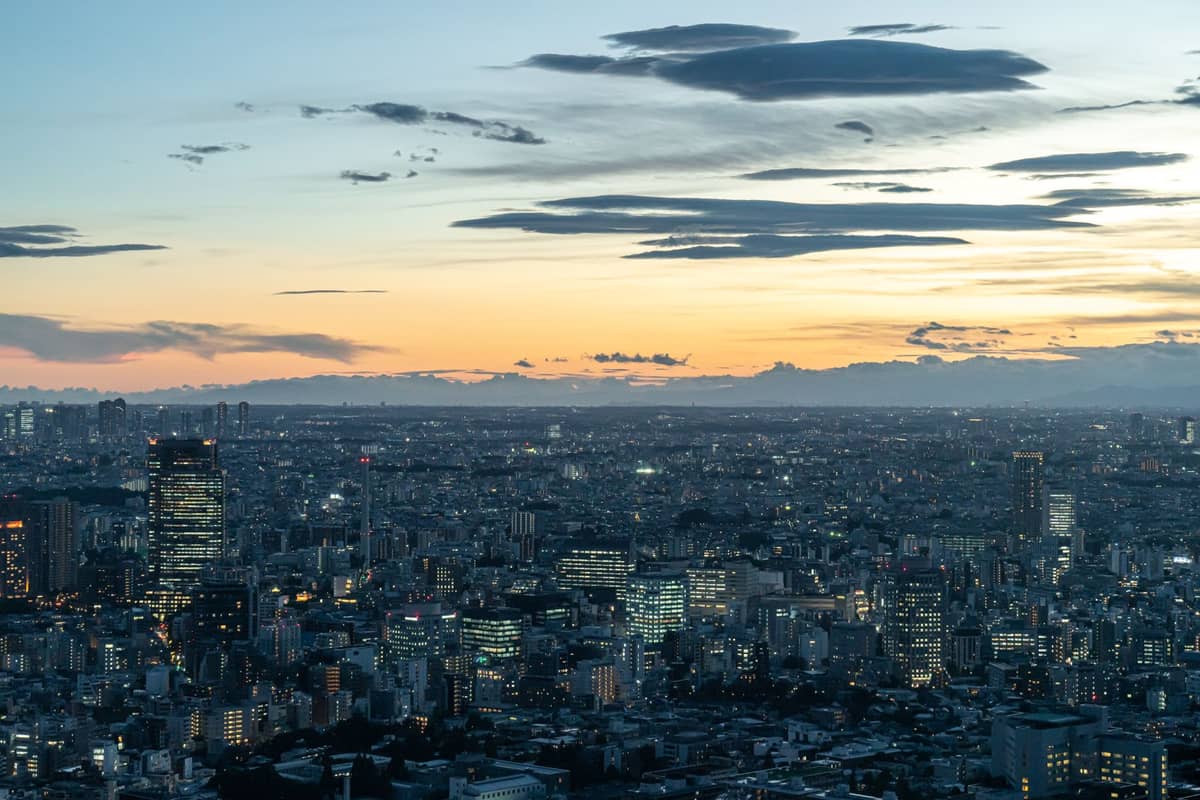
Tokyo is formally a metropolitan prefecture (Tokyo-to), not a single city. Its urban core is divided into 23 special wards (tokubetsu-ku), each functioning almost like an independent municipality. What visitors typically call 'neighborhoods' are often these wards or well-known commercial districts within them. Shinjuku, for example, is both an administrative ward and a sprawling commercial zone. Asakusa is a neighborhood within Taitō Ward. Understanding this layering helps when navigating maps and train lines.
The Tokyo Metropolis has a population of around 14.27 million as of 2025. The city radiates outward from the Imperial Palace along major train lines, with each spoke of the Yamanote Line anchoring a distinct district. This ring line — stopping at Shinjuku, Shibuya, Harajuku, Ueno, Akihabara, and others — is effectively the backbone of any neighborhood tour.
ℹ️ Good to know
Tokyo Metro IC card fares for adults range from ¥178 to ¥324 depending on distance. JR East fares on the Yamanote Line increased by around ¥10 per short hop in March 2026. For multi-neighborhood days, the Tokyo Subway Ticket (covering all Tokyo Metro and Toei Subway lines) often pays for itself after 3–4 journeys.
The Major Neighborhoods and What They're Actually For
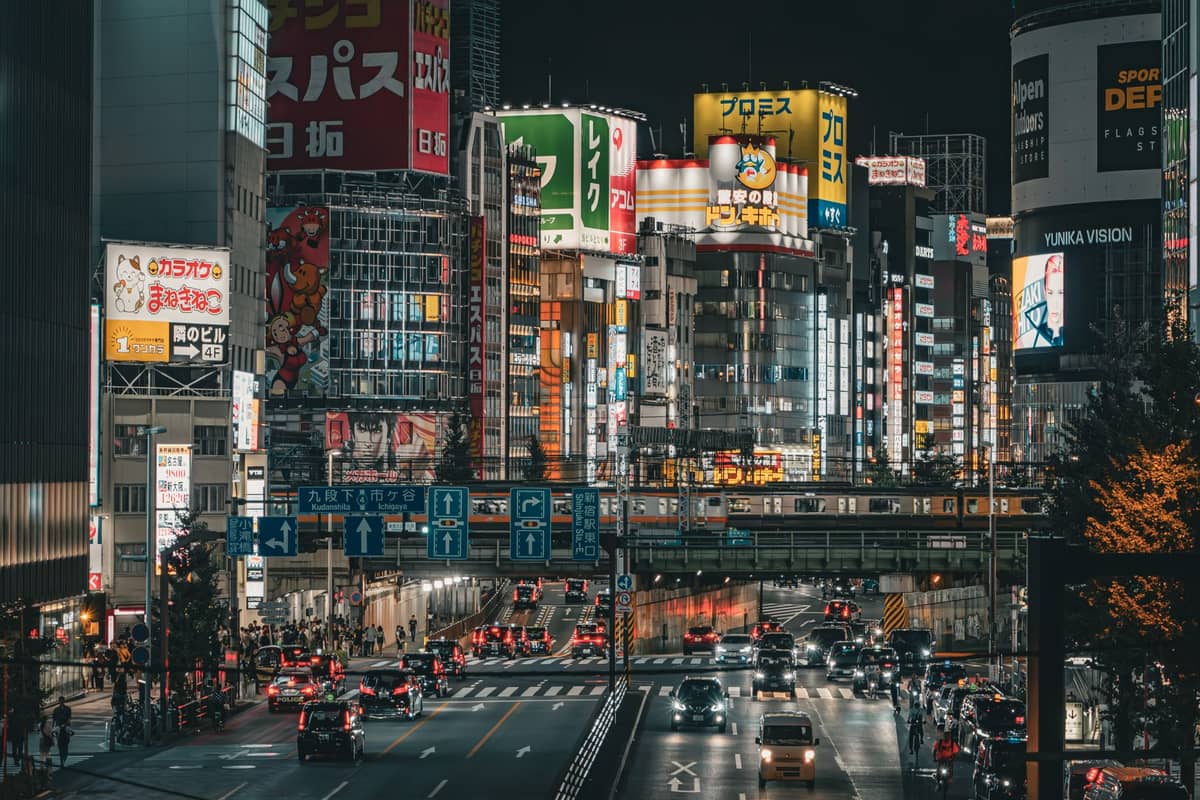
Each area of central Tokyo has earned its reputation for specific reasons. Shinjuku is the most intense: a major rail hub handling millions of passengers daily, surrounded by department stores, skyscraper offices, and one of Tokyo's densest nightlife zones. The west side (Nishi-Shinjuku) is corporate glass towers; the east side flips into Kabukichō's neon-lit entertainment district and the narrow alleys of Golden Gai, where dozens of tiny bars squeeze into a single block. It's simultaneously a lot to handle and genuinely unlike anything else.
Shibuya is Tokyo's youth culture epicenter — the Shibuya Crossing scramble is real and worth seeing at least once, ideally from above at Shibuya Sky. The neighborhood rewards exploration beyond the crossing: Dōgenzaka has the club scene, Udagawachō has record shops and streetwear, and the backstreets around Daikanyama transition into a calmer, café-heavy zone.
For traditional Tokyo atmosphere, Asakusa in Taitō Ward is the clearest entry point. Sensō-ji Temple anchors the area, with the Nakamise shopping street leading up to it and craft shops, rickshaws, and old-school Tokyo streetscapes filling the surrounding lanes. Mornings before 9am are significantly less crowded — by 10am the main approach is packed with tour groups. Cross the river east and you're in Sumida Ward near Tokyo Skytree, a useful half-day combination.
- Shinjuku Best for: nightlife, shopping, transport connections, the Metropolitan Government Building observation deck (free). Warning: overwhelming for first-time visitors on busy evenings.
- Shibuya Best for: the famous crossing, youth fashion, rooftop views, and the Daikanyama-Nakameguro corridor nearby. Less ideal for calm sightseeing — it's relentlessly commercial.
- Asakusa Best for: temples, traditional crafts, rickshaw rides, and riverside walks. Crowds peak mid-morning on weekends; arrive early or visit on a weekday evening.
- Ginza Best for: luxury retail, gallery-hopping, Kabukiza theatre, and the Tsukiji outer market nearby. Price levels are high; budget travelers will feel it.
- Harajuku and Omotesandō Best for: fashion extremes (Takeshita Street) and high-end architecture (Omotesandō Avenue), plus Meiji Jingū Shrine. Weekends on Takeshita Street are genuinely chaotic.
- Ueno and Akihabara Best for: world-class museums, Ueno Park, anime and electronics culture. Akihabara is a very specific experience — rewarding if you're into it, baffling if you're not.
- Roppongi Best for: contemporary art at Mori Art Museum and the National Art Center; avoid it as a nightlife destination unless you know what you're getting into — the club scene caters heavily to tourists.
Quieter Neighborhoods Worth Prioritizing
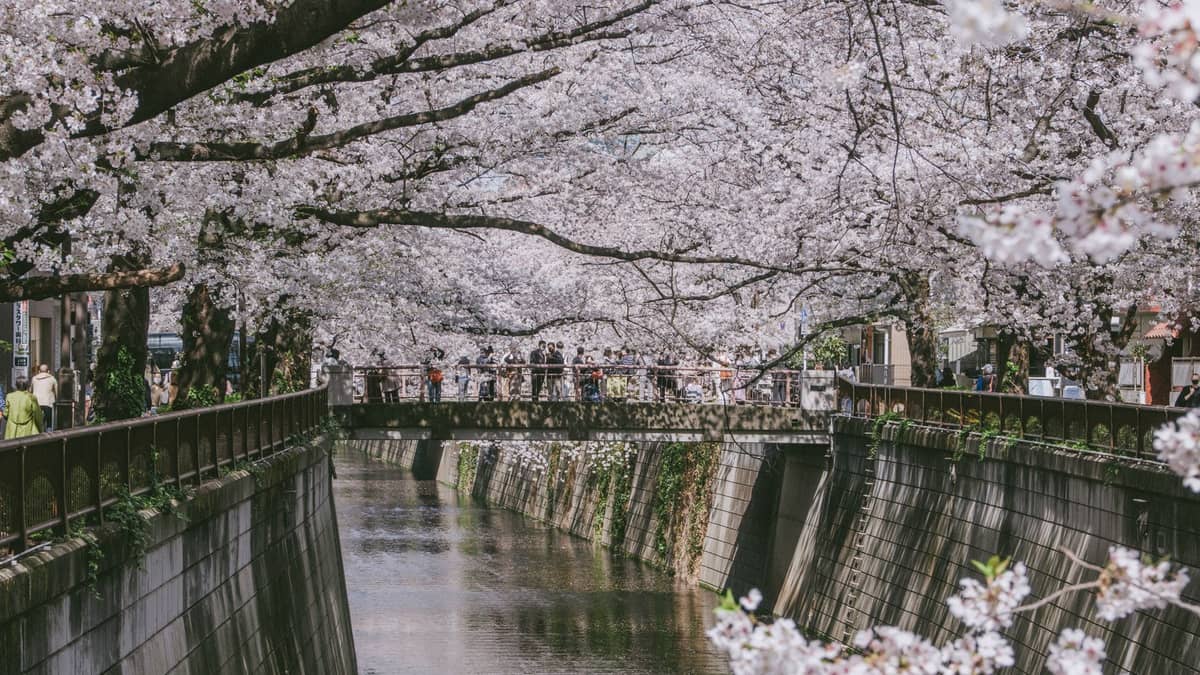
Beyond the obvious circuit, several neighborhoods reward those willing to deviate. Daikanyama and Nakameguro sit between Shibuya and Jiyūgaoka on the Tōkyū Tōyoko Line, offering a sharp contrast to Shibuya's chaos: coffee roasters, architecture bookshops, and the Meguro River lined with cherry trees in spring and izakayas year-round. The Daikanyama T-Site bookshop complex alone is worth the detour.
Yanaka in Taitō Ward is one of the few areas that survived both the 1923 Great Kantō Earthquake and World War II bombings largely intact, meaning the streetscape still has wooden shophouses, small temples, and a cemetery that doubles as a peaceful walking route. The Yanaka Ginza shotengai (covered shopping street) is a genuine local market, not a tourist-focused recreation of one. Koenji, further west on the Chūō Line, has a strong second-hand clothing and live music culture that stands apart from central Tokyo's polish.
✨ Pro tip
Combining Yanaka with Nezu Shrine and Ueno Park makes for one of Tokyo's best full-day walking routes — mostly flat, historically layered, and far less congested than the Asakusa-Skytree loop. Start at Nippori Station and walk south.
Choosing Where to Stay Based on Your Priorities
Where you stay in Tokyo significantly affects how you experience the city. The train network is so efficient that no single location is dramatically inconvenient, but your base sets the tone for mornings, late nights, and spontaneous detours.
First-time visitors generally do well in Shinjuku or Shibuya: excellent transport connections, every price bracket of accommodation, and 24-hour convenience. Repeat visitors often migrate toward Asakusa (slower pace, more atmosphere) or Akihabara (central, cheaper options, walkable to multiple wards). If budget is a concern, staying on a budget in Tokyo is very achievable — capsule hotels and budget business hotels in Ueno, Asakusa, and Akihabara consistently undercut Shibuya and Shinjuku rates by 20–40%.
For luxury, Ginza and Marunouchi have the most concentrated high-end hotel offer, with several international five-star properties within walking distance of the Imperial Palace and Kabukiza. Our where to stay in Tokyo guide covers each neighborhood's accommodation scene in full detail.
Seasonal Timing: When to Visit Which Areas
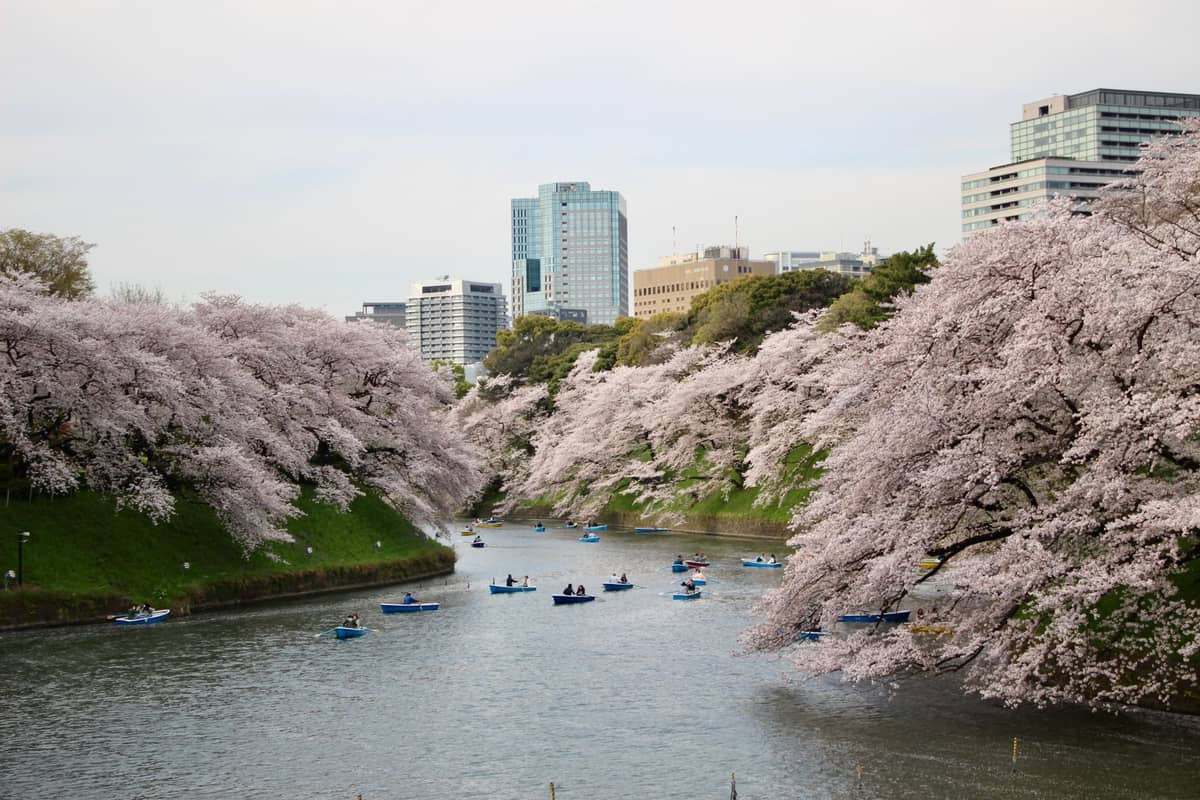
Spring (March to mid-May) and autumn (October to mid-November) are consistently the best seasons for neighborhood exploration. Temperatures are comfortable — spring highs reach the mid-teens to low twenties Celsius, and autumn is similar — and humidity is lower than summer. Cherry blossom season (typically late March to early April in Tokyo) transforms parks and riverbanks: Shinjuku Gyoen, Ueno Park, the Meguro River, and Chidorigafuchi near the Imperial Palace are the most popular spots.
Summer (June–August) is genuinely difficult for outdoor neighborhood walking. The rainy season runs roughly from early June to mid-July, followed by high heat and humidity through August with temperatures regularly reaching 31°C and feeling hotter. Typhoon activity peaks in August and September, which can affect outdoor areas like Odaiba and waterfront walks. That said, summer festivals (matsuri) are a legitimate reason to visit — neighborhoods like Asakusa come alive with events not found at other times of year.
Winter (December–February) is cold but dry and often sunny, with average January highs around 9–10°C. It's the best season for indoor-heavy neighborhoods: Akihabara's electronics floors, Shinjuku's department stores, and Roppongi's galleries are all well-suited to winter visits. Accommodation rates also tend to drop. The trade-off is shorter daylight hours and the occasional cold snap that makes outdoor exploration less pleasant.
⚠️ What to skip
Tokyo's summer heat is not overstated. The combination of high humidity, urban heat island effect, and direct sun makes outdoor neighborhood walking between noon and 4pm genuinely risky in July and August. Plan morning and evening activities outdoors; use air-conditioned train journeys and covered shopping arcades for midday movement.
Getting Between Neighborhoods: Practical Transport
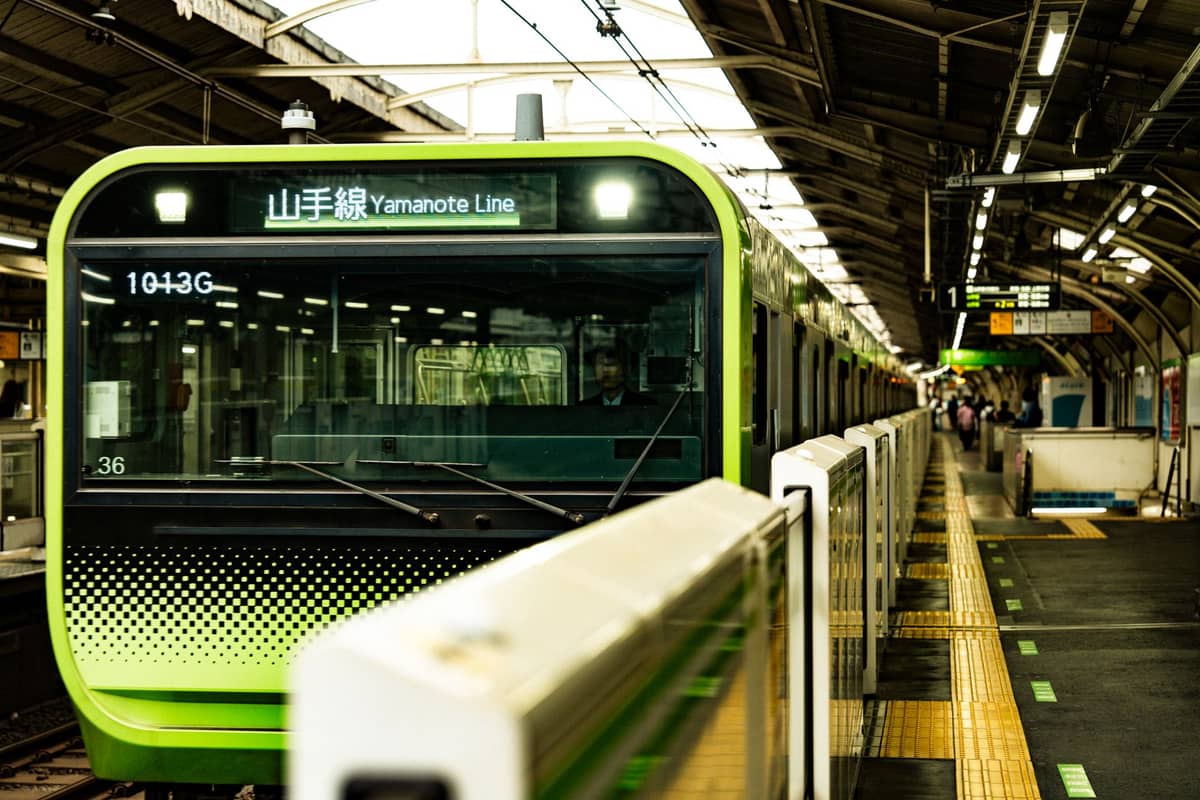
Tokyo's rail network is extraordinary in scale but requires some understanding to use efficiently. The Yamanote Line (JR East) loops around the inner city, connecting Shinjuku, Shibuya, Harajuku, Ueno, Akihabara, and more in a single continuous ring — most journeys on this loop take 5–25 minutes. From March 2026, JR East implemented fare increases averaging 7.1%, with short-hop fares rising by ¥10 per segment.
For metro travel, Tokyo Metro IC card fares range from roughly ¥178 to ¥324 per journey depending on distance. The Tokyo Subway Ticket — valid on all Tokyo Metro and Toei Subway lines — costs ¥1,000 for 24 hours, ¥1,500 for 48 hours, and ¥2,000 for 72 hours. On a day with four or more metro journeys, it typically saves money. Note that JR lines (including the Yamanote Line) require separate payment or a broader pass.
- Yamanote Line (JR): Best for looping between major neighborhoods — Shinjuku to Shibuya is about 5 minutes, Shibuya to Harajuku is 2 minutes.
- Tokyo Metro Ginza Line: Connects Shibuya, Omotesandō, Ginza, Ueno, and Asakusa in one east-west arc.
- Tokyo Metro Hibiya Line: Useful for Roppongi, Ginza, and eastern neighborhoods.
- Tōkyū Tōyoko Line: Connects Shibuya to Daikanyama and Nakameguro in about 3 minutes.
- IC card (Suica or Pasmo): Load ¥3,000–¥5,000 at any station machine for seamless tap-in/tap-out on all lines. Far more convenient than paper tickets.
For a full breakdown of Tokyo's transport options, passes, and airport connections, the getting around Tokyo guide covers everything from airport arrivals to late-night options when trains stop running around midnight.
FAQ
Which Tokyo neighborhood is best for first-time visitors?
Shinjuku and Shibuya are the most practical bases: excellent transport links, accommodation at every price point, and enough variety to fill several days without leaving the area. Asakusa is a better choice for those prioritizing traditional atmosphere over convenience — it's slightly further from some attractions but has more character.
Is there a Tokyo neighborhoods map I can use to plan my trip?
The official Go Tokyo website (gotokyo.org) has interactive neighborhood maps with attraction listings by area. Google Maps with Tokyo Metro overlays is the most practical tool on the ground. The Tokyo Metro official site also has a transit planner in English for route and fare searches between any two stations.
How many neighborhoods can I realistically visit in one day?
Two to three neighborhoods per day is realistic without feeling rushed. Tokyo's scale means that even 'neighboring' areas like Shibuya and Shinjuku are distinct enough to fill half a day each. Trying to cover five or six areas in one day results in train-hopping rather than actual exploration.
Which areas of Tokyo are best for avoiding tourist crowds?
Yanaka, Koenji, Shimokitazawa, and Monzen-Nakacho see a fraction of the visitor traffic of Asakusa or Shibuya. They're genuinely local neighborhoods with cafés, independent shops, and temples — just without the big-ticket headline attractions. Mornings in Asakusa (before 9am) and Harajuku are also significantly calmer than midday.
What is the cheapest way to get between Tokyo neighborhoods?
For subway-heavy days, the Tokyo Subway Ticket (¥1,000 for 24 hours) is the best value option for all Tokyo Metro and Toei Subway lines. For mixed JR and subway travel, a Suica or Pasmo IC card loaded with cash is the most flexible and only marginally more expensive per journey. Avoid single-journey paper tickets — they cost slightly more and take longer to buy.