Daikanyama and Nakameguro sit side by side in southwest-central Tokyo, offering a quieter, more design-conscious alternative to nearby Shibuya. Together they form a loose corridor of tree-lined streets, independent boutiques, and riverside restaurants that reward slow, unhurried exploration.
Daikanyama and Nakameguro occupy a rare pocket of Tokyo where the pace drops, the streets narrow into residential lanes, and the city's restless commercial energy gives way to something more considered. These two adjoining neighborhoods, separated by a single stop on the Tokyu Toyoko Line, share a creative, slightly understated personality that sets them apart from the louder districts to the north.
Orientation
Daikanyama sits in Shibuya Ward and Nakameguro in Meguro Ward, together forming a strip on Tokyo's southwest-central side. Shibuya lies to the north, Ebisu to the northeast, and the broader Meguro area extends south. On a map, the two neighborhoods form a near-continuous zone connected by a ten-minute walk or a single train stop.
Daikanyama centers on Daikanyama Station on the Tokyu Toyoko Line, which runs between Shibuya and Yokohama Station. The station itself is deliberately small and low-key, almost suburban in feel, surrounded by low-rise streets that climb gently from the valley of the Meguro River toward higher residential ground. Nakameguro is anchored by Nakameguro Station, one stop south, which also connects to the Tokyo Metro Hibiya Line, giving it slightly better subway access.
The Meguro River threads through Nakameguro from west to east before continuing toward Tokyo Bay, and the streets flanking it, Nakameguro Hon-cho on the south bank and the lanes backing onto Meguro River on the north, define the neighborhood's character. Most visitors move between the two areas on foot, passing through a quiet residential transition zone of two- and three-story buildings, small galleries, and coffee roasters.
ℹ️ Good to know
Daikanyama and Nakameguro are both in the southwestern arc of Tokyo's Yamanote zone, making them convenient for travelers also planning to visit Shibuya, Ebisu, or Meguro. The walk from Daikanyama Station to Nakameguro Station takes roughly 10 to 15 minutes along the river path.
Character & Atmosphere
Early mornings in Daikanyama have a slow, residential quality. Coffee shops open before 8am, and you'll see local residents walking dogs along the gentle inclines of Sarugakucho and the streets surrounding Daikanyama Address Dixsept. The light at this hour falls softly through the canopy of zelkova trees lining the main approach roads, and the area feels like a neighborhood that exists for the people who live in it, not for tourists passing through.
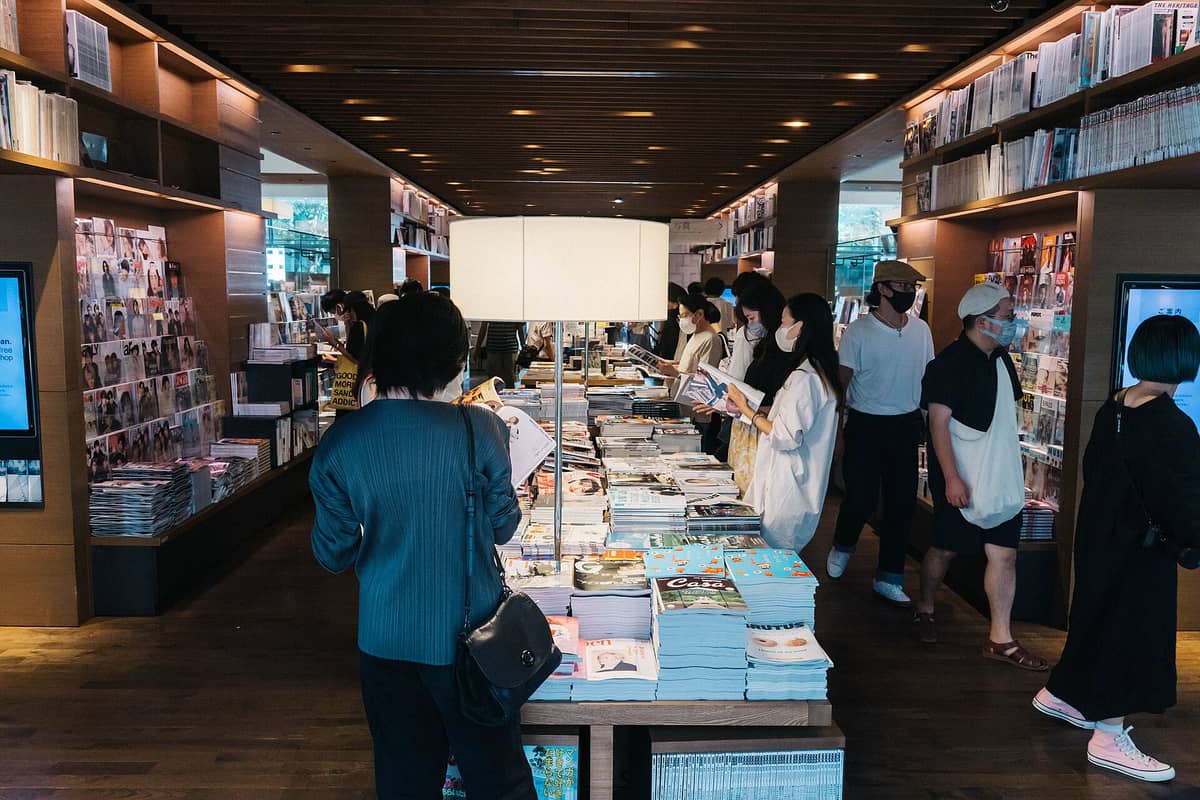
By midday the character shifts. Daikanyama T-Site draws design-minded visitors who browse architecture books and Japanese craft magazines in the airy timber-and-glass complex. The surrounding streets fill with couples and small groups moving between boutiques and café terraces. There is no single commercial strip that dominates, and this diffusion is part of what makes the area feel genuinely pleasant rather than like a shopping district wearing lifestyle credentials as a costume.
Nakameguro operates on a slightly different rhythm. The riverbanks are at their best in the afternoon, when the light catches the water and the café terraces on both sides of the canal fill up. The street-level shops and restaurants under the elevated Tokyu Toyoko Line tracks, known locally as the Nakameguro Koukashita area, give the neighborhood a more industrial edge that contrasts with the leafy river path just a hundred meters away. After dark, Nakameguro becomes one of central Tokyo's more enjoyable places to eat and drink, with low-lit bars and small restaurants drawing a local crowd that skews toward people in their thirties.
Neither area is dominated by international tourism in the way that Shibuya or Harajuku can feel. English menus are common enough, but the clientele in most restaurants is predominantly Japanese. That said, both neighborhoods have enough visual appeal and English-language signage to make them perfectly navigable for first-time visitors.
What to See & Do
The single most distinctive attraction in the area is Daikanyama T-Site, a complex of bookshops, music, and film stores designed by architect Klein Dytham Architecture. The three interconnected buildings are faced in a perforated screen that spells out the letter T in a repeating pattern. Inside, the curation extends beyond standard bookshop fare into specialist sections on photography, architecture, gardening, and Japanese craft. The attached Anjin lounge bar-library is worth an hour on its own.
A short walk south from T-Site, the Kyu Asakura House is a well-preserved early 20th-century traditional Japanese residence set in a garden, one of the few surviving examples of large-scale residential architecture from the Taisho period in this part of Tokyo. Admission is modest and the house is rarely crowded. Log Road Daikanyama, a short shopping promenade built along a former railway easement, sits nearby and houses a handful of design-oriented retail and food tenants.
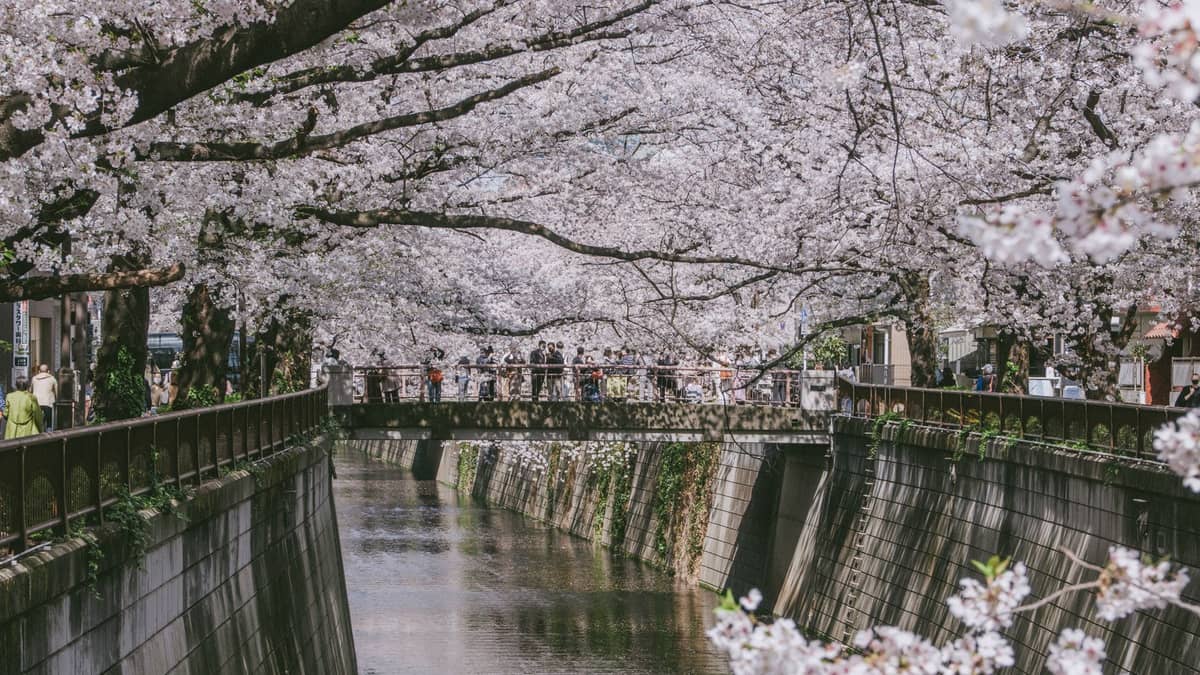
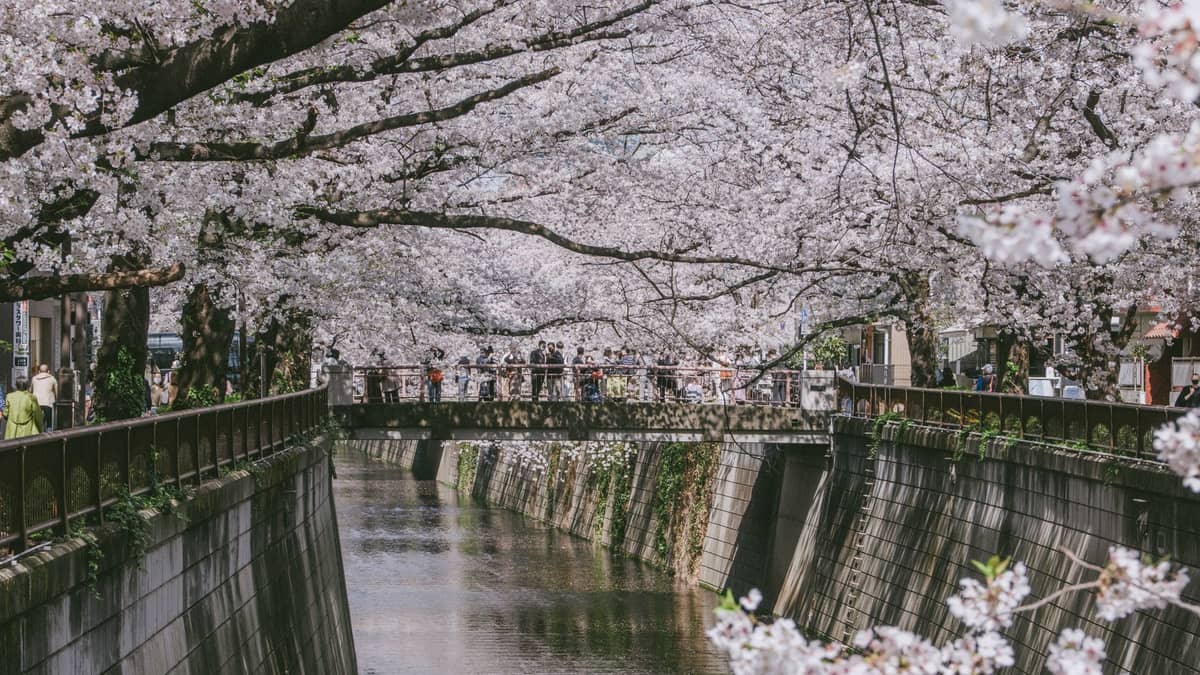
In Nakameguro, the Meguro River walk is the primary draw. The canal is lined with cherry trees for almost two kilometers, and during late March to early April the blossoms form an almost complete canopy over the water. Outside of cherry blossom season, the riverbank is pleasant year-round, particularly in autumn when the maples turn. The Starbucks Reserve Roastery at the north end of the river walk near Nakameguro Station is, by any measure, a striking building and worth seeing for the architecture even if specialty coffee shops are not your priority.
Daikanyama T-Site and Anjin lounge: browsing, architecture, coffee
Log Road Daikanyama: low-key retail in a landscaped former rail corridor
Meguro River walk: cherry blossoms in spring, riverside cafés year-round
Nakameguro Koukashita: boutiques and bars under the Tokyu Toyoko Line viaduct
Saigoyama Park: a small hilltop park with views toward Shinjuku's skyline
⚠️ What to skip
During cherry blossom season (late March to early April), Nakameguro's riverside path becomes extremely crowded on weekends, with vendors, food stalls, and pedestrian barriers narrowing the walkable space to a slow-moving queue. If you want to see the blossoms without the crush, visit on a weekday morning before 9am.
Eating & Drinking
The food scene across both neighborhoods rewards those willing to explore away from the most obvious riverside terraces. Daikanyama has a concentration of independent cafés and casual dining spots, many occupying ground floors of low apartment buildings along the streets radiating from the station. Coffee culture is particularly strong here, with several specialty roasters operating small, precise spaces.
Nakameguro's restaurant scene is denser and slightly more varied in price. The lanes running parallel to the river on both banks hold everything from ramen counters and soba shops to natural wine bars and modern Japanese kaiseki. The Koukashita arcade under the elevated tracks is a good starting point for a drink before dinner, with a cluster of small bars that open from around 6pm. Most places here do not take reservations and operate on a first-come basis.
Budget travelers are not completely shut out, but this is not the area for cheap set lunches of the kind found near Shinjuku or Ueno. A typical sit-down lunch runs around 1,200 to 1,800 yen; dinner at a mid-range restaurant will cost between 3,000 and 6,000 yen per person before drinks. There are convenience stores near both stations for genuinely budget options, and a handful of bakeries that do affordable morning meals.
Specialty coffee: multiple independent roasters within a 5-minute walk of Daikanyama Station
Riverside dining: café terraces along the Meguro River, best in mild weather
Koukashita bars: casual pre-dinner drinks under the viaduct in Nakameguro
Japanese restaurants: soba, ramen, and modern Japanese cuisine in the side streets south of Nakameguro Station
Bakeries and brunch spots: concentrated around Sarugakucho and the T-Site complex in Daikanyama
💡 Local tip
Lunchtime weekdays offer the best combination of availability and value in both neighborhoods. Many restaurants run lunch sets at prices significantly below their dinner menus, and the streets are noticeably quieter than on weekends.
Getting There & Around
The most direct train access is via the Tokyu Toyoko Line. Daikanyama is one stop from Shibuya (about 2 minutes), and Nakameguro is one further stop south. Nakameguro Station is also served by the Tokyo Metro Hibiya Line, which connects it directly to Ebisu, Roppongi, and Ginza without requiring a transfer. For broader context on navigating Tokyo by rail, see the guide to getting around Tokyo.
From Shibuya, the walk to Daikanyama takes roughly 12 to 15 minutes along a relatively straightforward downhill route. From Ebisu Station on the JR Yamanote Line, Daikanyama is about 10 minutes on foot heading west and slightly uphill. These walking connections make it easy to combine Daikanyama and Nakameguro with a broader Shibuya or Ebisu itinerary without needing to use additional transport.
Within the area, the best way to move between Daikanyama and Nakameguro is on foot along the Meguro River path. The walk is flat along the river and takes under 15 minutes end to end. Cycling is also practical, and several rental services operate in the wider Shibuya and Meguro ward area. Taxis are easy to flag on the main roads, but in narrow residential streets you will need to walk to a main thoroughfare.
Neither neighborhood is particularly useful as a transit hub for reaching outer Tokyo. If you need to reach Asakusa, Ueno, or the eastern wards, the Hibiya Line from Nakameguro Station is the most efficient route. For day trips or connections to the Shinkansen network, Tokyo Station is accessible in around 25 to 30 minutes via Nakameguro and the Hibiya Line to Hibiya, then transfer to the JR lines.
Where to Stay
Accommodation options in Daikanyama and Nakameguro are limited compared to larger hubs like Shibuya or Shinjuku. There are no major hotel chains operating directly in either neighborhood, which is partly why the streets retain their residential character. What exists tends toward boutique guesthouses, designer apartments, and a small number of carefully positioned lifestyle hotels.
Staying in this area makes most sense for travelers who prioritize atmosphere and walkability over central location or transport convenience. You are two stops and two minutes from Shibuya by train, so the city is genuinely accessible, but you come home to quiet streets rather than a commercial transit hub. The area suits couples, independent travelers, and anyone who finds Tokyo's busier accommodation hubs overwhelming.
If hotels in Daikanyama or Nakameguro itself are full or outside budget, Ebisu is the closest alternative, offering more hotel inventory while maintaining a similar feel. Shibuya is the fallback for broader choice and lower price points, though the atmosphere is considerably different. For a full overview of where to base yourself in Tokyo, the where to stay in Tokyo guide covers all main neighborhoods with honest comparisons.
Honest Assessment: Who This Neighborhood Is For
Daikanyama and Nakameguro are not the most productive neighborhoods to visit if your Tokyo itinerary is built around major sightseeing. There are no temples of note, no large museums, no iconic skyline views, and no significant historical sites beyond the Kyu Asakura House. What these neighborhoods offer instead is a version of Tokyo that feels closer to how design-conscious residents actually live, which is a legitimate and worthwhile experience in itself.
They work best as half-day additions to a broader south-central Tokyo day: combine Daikanyama and Nakameguro in the morning, then walk or take the train east to Roppongi for the afternoon, or north to Shibuya. The cherry blossom season along the Meguro River is genuinely exceptional and worth scheduling specifically if your visit falls in late March or early April. Outside that window, the area is pleasant rather than unmissable, and travelers with limited time might reasonably prioritize it lower on their list.
ℹ️ Good to know
Daikanyama and Nakameguro appear frequently in Tokyo lifestyle media as examples of the city's design culture. If that framing appeals to you, the neighborhoods will likely exceed expectations. If you are looking for temples, street food markets, or historic Tokyo, other areas will serve you better — Asakusa and Yanaka both offer more of that character.
For travelers building a broader Tokyo itinerary, the Tokyo neighborhoods guide provides a useful comparison of all major areas, and the Tokyo café guide covers the best coffee destinations across the city, with this area well represented.
TL;DR
Two adjoining neighborhoods in southwest-central Tokyo, connected by a 10-minute riverside walk and a single train stop on the Tokyu Toyoko Line.
Best suited to travelers interested in design, food culture, independent retail, and a quieter version of Tokyo away from major tourist corridors.
Daikanyama T-Site and the Meguro River walk are the headline experiences; the Kyu Asakura House and the Koukashita arcade round out the itinerary.
Cherry blossom season (late March to early April) transforms Nakameguro's riverside into one of Tokyo's best hanami settings, but weekend crowds are substantial.
Not the right base for budget travelers or those prioritizing sightseeing density — but an excellent half-day addition to a south-central Tokyo itinerary alongside Shibuya, Ebisu, or Roppongi.
Three days in Tokyo is enough to cover the city's iconic districts, sample its legendary food scene, and get a genuine feel for how the place works. This itinerary is structured by neighborhood logic, not just a checklist of sights, so you spend less time on trains and more time actually exploring.
Tokyo's museum scene spans 1,400 years of Japanese art history, Le Corbusier architecture, midnight-open contemporary galleries, and fully immersive digital worlds. This guide covers the best museums in Tokyo across every category, with practical tips on tickets, timing, and what to prioritize.
Tokyo has hundreds of shrines and temples, from grand imperial foundations to quiet neighborhood sanctuaries. This guide cuts through the noise to highlight the most rewarding sacred sites, whether you have one afternoon or a full week to explore.
Tokyo rewards visitors in every season, but the experience varies dramatically depending on when you go. This guide breaks down the weather, crowd levels, hotel prices, and standout events for each time of year, so you can choose the visit that actually suits you.
Tokyo rewards those who look up. Whether you want a free 202-meter perch over Shinjuku, a paid rooftop with Shibuya Crossing directly below, or a romantic tower glowing orange at night, this guide covers every major viewpoint in the city, ranked by what makes each one worth the trip.
Tokyo rewards those who venture beyond the city limits. Within two hours by train or bus, you can reach a UNESCO shrine town, a volcanic mountain resort, a coastal city of Zen temples, and Japan's most iconic mountain view. This guide covers the best day trips from Tokyo, with practical transport details for each.
Tokyo is one of the world's great cities for budget travelers. From free observation decks and ancient temple grounds to world-class parks and atmospheric street walks, you can fill days of exploration without paying a single admission fee. This guide covers the best genuinely free experiences across the city.
Tokyo's transport network is one of the most efficient in the world, but its sheer scale can overwhelm first-time visitors. This guide covers everything: IC cards, subway passes, airport transfers from Haneda and Narita, buses, taxis, and the key mistakes to avoid.
Tokyo rewards the curious traveler who ventures beyond the obvious landmarks. From a temple blanketed in lucky cat figurines to a natural valley cutting through residential Setagaya, these are the places locals love and guidebooks overlook.
Tokyo sets the global standard for luxury travel. With more Michelin-starred restaurants than any city on earth, world-class hotels, and bespoke private experiences, it rewards travelers who plan carefully. This guide covers everything from three-star dining reservations to high-end seasonal timing.
Everything you need to plan a Mount Fuji day trip from Tokyo, from train and bus options to climbing season restrictions, entrance fees, and the best spots to actually see the mountain. Practical, specific, and honest about what to expect.
Seven days is enough to cover Tokyo's essential neighborhoods, iconic landmarks, and a few surprises — if you plan smart. This day-by-day itinerary covers where to go, how to get there, what things actually cost, and what most visitors get wrong about spending a week in one of the world's most complex cities.
Tokyo rewards couples who plan ahead. This guide covers the city's best romantic experiences, from immersive art installations and panoramic night views to riverside strolls and intimate izakayas, with clear advice on what to book early and what to skip.
Tokyo now has two large-scale teamLab museums, and they are nothing alike. This guide covers the real differences between teamLab Planets in Toyosu and teamLab Borderless at Azabudai Hills, with practical advice on tickets, timing, and which experience is worth your time.
Tokyo is one of the most rewarding cities on earth, but its sheer scale can be overwhelming. This guide cuts through the noise with practical, specific advice on the top things to do in Tokyo — from iconic landmarks and seasonal festivals to quieter experiences most visitors miss entirely.
Tokyo has two main international airports: Haneda, close to the city center, and Narita, located in Chiba Prefecture about 60 km out. This guide breaks down the key differences, every transport option available, realistic travel times, and how to avoid the common mistakes that cost travelers time and money.
Tokyo is the global capital of anime and manga culture, with dedicated museums, iconic shopping districts, seasonal conventions, and pilgrimage sites spread across the city. This guide breaks down exactly where to go, how to book, what to budget, and how to avoid the most common planning mistakes.
Tokyo's architecture spans over a thousand years in the space of a single subway ride. This guide covers the city's most significant modern and traditional structures, with practical details on opening hours, ticket prices, access routes, and what to know before you go.
Tokyo's café culture spans three distinct worlds: atmospheric kissaten frozen in the 1960s, precision-driven specialty coffee shops, and themed cafés where you sip coffee alongside cats, owls, or hedgehogs. This guide breaks down pricing, etiquette, booking requirements, and the best neighbourhoods for each type.
Tokyo has become one of the world's leading destinations for digital and immersive art, and teamLab is just the beginning. From yokai-themed projection installations to grand European masterworks reimagined in light, this guide covers every major venue, ticket prices, seasonal timing, and practical logistics for experiencing Tokyo's full digital art landscape.
Tokyo is one of the most rewarding cities in the world to visit, and also one of the easiest to navigate once you know the basics. This guide covers everything a first-time visitor needs: how to get in, how to move around, when to go, what to expect, and how to avoid the most common mistakes.
Tokyo's fish market scene split in 2018 when wholesale operations moved from Tsukiji to the new Toyosu Market. This guide cuts through the confusion: where the tuna auctions actually happen, how to get a coveted auction viewing spot, and why Tsukiji's outer market is still worth your morning.
Tokyo is one of the world's great garden cities, with Edo-period strolling gardens, forested shrine grounds, and expansive modern parks distributed across the metropolis. This guide covers the finest green spaces in Tokyo, from the iconic to the quietly spectacular.
Tokyo's autumn foliage season runs from mid-November into early December, transforming gardens, parks, and temple grounds across the city. This guide covers the best spots, exact peak timing, admission costs, and practical advice for planning your visit.
December in Tokyo is one of the city's most visually spectacular months, with thousands of lights transforming major boulevards and neighborhoods. But it also comes with genuine planning challenges: year-end closures, holiday crowds on trains, and illumination events that end before Christmas. This guide covers everything you need to know.
Spring in Tokyo runs from mid-March through May, with cherry blossom season as the centerpiece. This guide covers bloom forecasts, the best hanami spots, crowd strategy, spring weather, and practical planning advice for one of Japan's most spectacular seasonal events.
Izakaya are the beating heart of Tokyo's after-work food and drink culture. This guide covers what to expect, how much to budget, where to go, and the customs that separate confident regulars from confused first-timers.
Tokyo's 23 special wards contain dozens of distinct neighborhoods, each with its own personality, price point, and crowd. This guide breaks down the key areas to help you decide where to spend your time — and what to skip.
Tokyo's after-dark scene runs from intimate jazz bars and golden-era izakayas to multi-floor clubs that peak at 2am. This guide covers the best neighborhoods, realistic costs, how cover charges actually work, and everything you need to plan a great night out.
Tokyo has a reputation for being expensive, but the reality is more nuanced. With smart transport choices, free-entry attractions, and a food culture built around affordable meals, a trip to Japan's capital can cost far less than most visitors expect. This guide breaks down exactly where to spend, where to save, and what to skip.
Tokyo has a surprisingly rich bathing culture, from genuine hot spring onsen drawing geothermal water to affordable neighborhood sento charging just ¥550. This guide breaks down the difference, explains the etiquette, and points you to the best options across the city.
Tokyo takes ramen seriously. This guide covers every major broth style found in the city, which neighborhoods to target for each, exactly how to order at a ticket-machine shop, and what to budget per bowl in 2026. Whether you want a classic shoyu at a stand-up counter in Shinjuku or a next-level tori paitan in Shibuya, this is your starting point.
Tokyo consistently ranks among the safest major cities on earth, but that reputation can breed overconfidence. This guide covers the real crime picture, common scams targeting tourists, night safety, seasonal hazards, and exactly what to do if something goes wrong.
Tokyo is one of the world's great shopping cities, with entire neighborhoods built around specific categories of retail. This guide breaks down the best areas by what you actually want to buy, explains Japan's tax-free system, and tells you what to skip.
Tokyo's street food scene runs through markets, covered shotengai, and narrow yokocho alleys rather than roaming carts. This guide covers the best locations by neighborhood, what each area does best, realistic prices for 2026, and the seasonal quirks that determine what's worth eating when.
Tokyo's summer festival season runs from late June through mid-August, packed with massive fireworks displays, Bon Odori dancing, and lantern festivals. This guide covers the major events, ticket options, crowd logistics, and practical advice for making the most of hanabi season without the rookie mistakes.
Tokyo hosts three Grand Sumo tournaments every year at Ryogoku Kokugikan in Sumida Ward. This guide covers 2026 tournament dates, how to buy tickets before they sell out, seat types, what to expect inside the arena, and everything else you need to plan a visit.
Tokyo has more sushi restaurants than any city on earth, spanning ¥150 conveyor belt plates to ¥88,000 trophy omakase. This guide breaks down every tier, explains what you actually get at each price point, and tells you how to book, what to avoid, and when to go.
The Tokaido Shinkansen is one of the world's great train journeys, covering roughly 450 km between Tokyo and Kyoto in just over two hours. This guide breaks down every train type, fare tier, JR Pass rule, and booking option so you can plan the trip without second-guessing yourself.
Three options connect Tokyo and Osaka: the Tokaido Shinkansen, overnight highway buses, and short-haul flights. This guide breaks down real costs, door-to-door times, and the clear pros and cons of each so you can book the right one for your trip.
Tokyo rewards walkers like few cities do. This guide covers the best self-guided walking tours across Tokyo's most interesting neighborhoods, with free official maps, transport pass options, seasonal advice, and honest assessments of each route's strengths and trade-offs.
Tokyo is one of the world's most rewarding cities to explore with children. From immersive digital art to classic theme parks, this guide covers the best family activities, practical logistics, seasonal timing, and money-saving tips to make your trip run smoothly.
Tokyo Japanese cuisine spans everything from ¥800 ramen bowls to reservation-only omakase counters. This guide covers the city's defining dishes, where to find them by neighborhood, what things actually cost, and how to eat well on any budget.
Tokyo has no single best neighborhood for every traveler. This guide breaks down the top areas to stay, from the transit powerhouse of Shinjuku to the traditional lanes of Asakusa, with clear advice on who each area suits, what to expect from hotels at every price point, and when to book.