Luxury Tokyo: The Ultimate High-End Travel Guide
Tokyo sets the global standard for luxury travel. With more Michelin-starred restaurants than any city on earth, world-class hotels, and bespoke private experiences, it rewards travelers who plan carefully. This guide covers everything from three-star dining reservations to high-end seasonal timing.
Plan and book this trip
Tools from our partner Travelpayouts help you compare flights and hotels. If you book through them, we may earn a commission at no extra cost to you.
Flights
Hotels map
TL;DR
- Tokyo holds more Michelin stars than any other city in the world — 160 starred restaurants in the 2026 Guide, including 12 at the three-star level.
- For luxury timing, target late March to early April (cherry blossom) or November (autumn foliage) — but book hotels and restaurants at least 3–6 months ahead. See the best time to visit Tokyo for full seasonal breakdown.
- Three-star kaiseki dinners typically run ¥40,000–¥80,000+ per person; walk-ins at top restaurants are rarely possible and sometimes impossible.
- Haneda Airport (HND) is the better luxury entry point — it's roughly 15–20 km from central Tokyo versus Narita's 60 km.
- Luxury in Tokyo is not limited to Japanese cuisine — the Michelin list spans French, Chinese, Thai, and contemporary concepts. Explore Tokyo's sushi scene or the broader what to eat in Tokyo guide for context.
Why Tokyo Is in a Different League for Luxury Travel
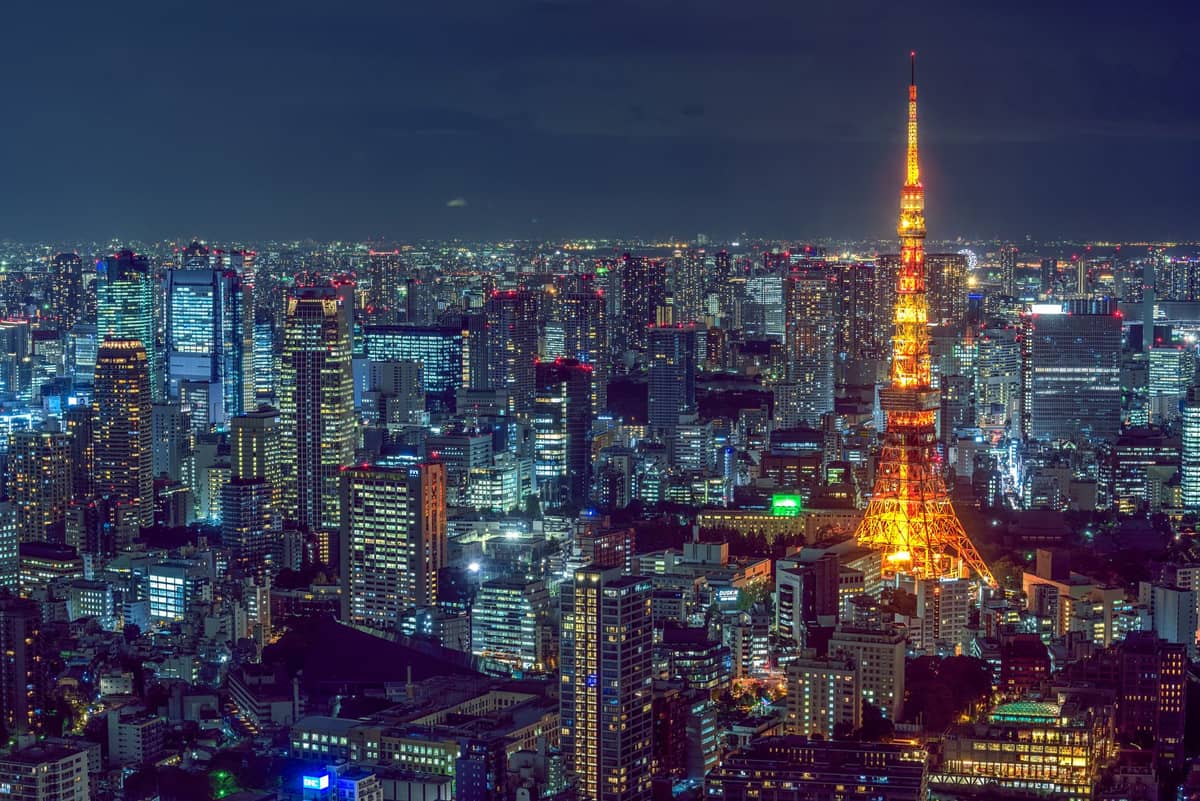
Tokyo Metropolis (Tokyo-to) is a metropolitan prefecture of roughly 14.27 million residents spread across 2,199.94 km² — a governing structure that combines city and prefecture functions. When you factor in the Greater Tokyo Area, the population swells to around 33 million. That scale, combined with Japan's culture of obsessive craftsmanship and service, creates a luxury ecosystem unlike anywhere else. The Japanese concept of omotenashi — wholehearted, anticipatory hospitality — is not a marketing phrase here; it shapes every interaction from hotel check-in to the final course of a kaiseki dinner.
What separates Tokyo from other luxury capitals is the breadth of what 'high-end' means. Paris has its palace hotels and starred restaurants; Tokyo has those, plus Michelin-recognized ramen shops, impossibly precise cocktail bars, bespoke craft experiences, and private gardens that require advance booking just to enter. The floor for quality across the city is simply higher than most places, which means even mid-range experiences here would count as luxury elsewhere.
ℹ️ Good to know
Tokyo operates on Japan Standard Time (JST, UTC+9) with no daylight saving adjustments. The currency is the Japanese yen (JPY). Tipping is not customary — at luxury establishments, it can even cause awkwardness. Service charges are typically included in bills at high-end hotels and restaurants. Japan's tap water is safe to drink throughout Tokyo.
Michelin-Starred Dining: What You Need to Know Before You Book
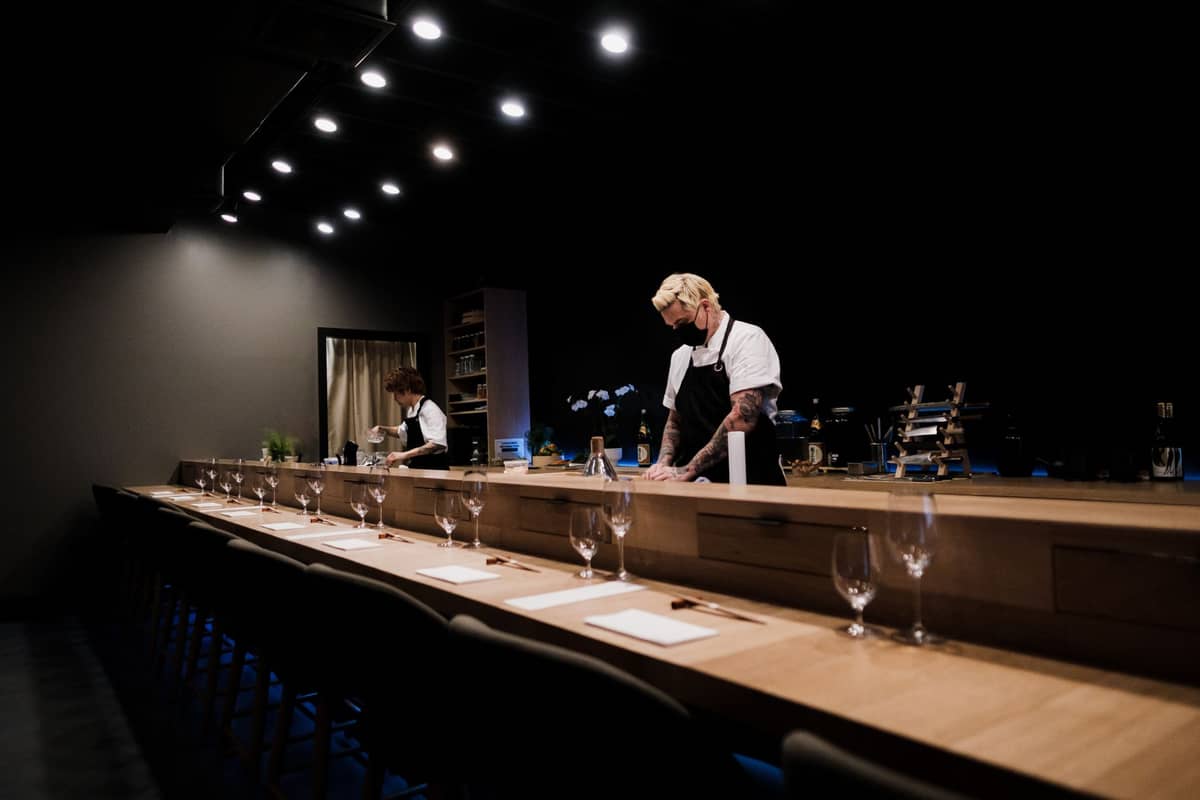
The MICHELIN Guide Tokyo 2026 lists 160 starred restaurants: 12 with three stars, 26 with two stars, and 122 with one star, plus 114 Bib Gourmand entries and 13 Green Stars. No other city currently comes close to this concentration. The three-star list alone spans traditional kaiseki, sushi omakase, French haute cuisine, and contemporary Japanese concepts — a range that reflects how seriously Tokyo takes cooking at every register.
Pricing is where expectations need calibrating. A three-star dinner typically runs ¥40,000–¥80,000+ per person before drinks. Two-star experiences often land between ¥20,000 and ¥40,000. One-star lunches, however, can be under ¥10,000 — one of the genuine bargains in luxury travel globally. At the other end, some Bib Gourmand ramen counters serve bowls for ¥900–¥1,500. The full spectrum is covered in the Tokyo ramen guide if you want to explore that tier alongside fine dining.
- Booking strategy Many three-star restaurants open reservations 1–3 months in advance, often via their official website or a dedicated concierge booking platform. Phone reservations at Japanese-only restaurants may require a Japanese speaker. Services like Tableall and Omakase assist English speakers with hard-to-book venues.
- Cuisine diversity The 2026 Guide's 18 newly starred restaurants include diverse concepts beyond traditional Japanese. French technique, Chinese regional cooking, and Thai cuisine all appear on the starred list — do not limit your search to sushi and kaiseki.
- Dress code Most top restaurants in Tokyo expect smart casual to formal attire at dinner. Shorts, athletic wear, and sandals are typically unwelcome. Check each venue individually; Japanese restaurants sometimes have different expectations from their French counterparts in the same star tier.
- Seasonal closures High-end restaurants in Tokyo often close one or two days per week and take seasonal breaks. Always confirm operating days on the official Michelin restaurant directory before booking.
⚠️ What to skip
Walk-ins at three-star and most two-star restaurants in Tokyo are practically impossible. Some have year-long waitlists. If your travel dates are fixed, book dining before you book flights. During cherry blossom season (late March to early April) and autumn foliage (November), competition for reservations intensifies significantly.
Luxury Hotels: Where to Stay and What to Expect
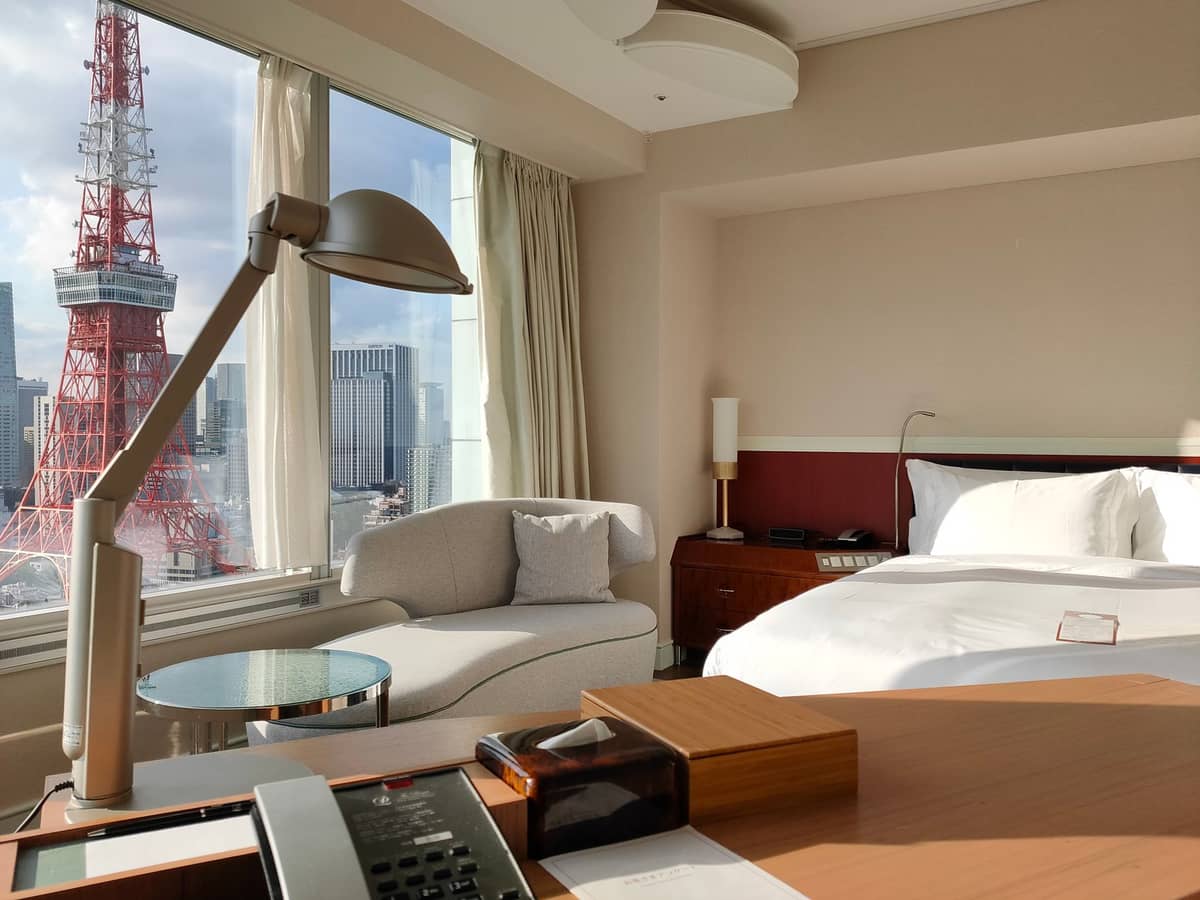
Tokyo's luxury hotel market is anchored by a handful of flagship properties that set the benchmark for Japanese hospitality. The Okura Tokyo in Minato is one of the city's most storied luxury addresses, blending mid-century Japanese aesthetics with contemporary facilities. Aoyama Grand Hotel offers high-end accommodation in the fashionable Aoyama district, close to the galleries and boutiques of Omotesando. International chains including the Palace Hotel Tokyo, Aman Tokyo, and The Ritz-Carlton Tokyo (in Midtown) round out the top tier.
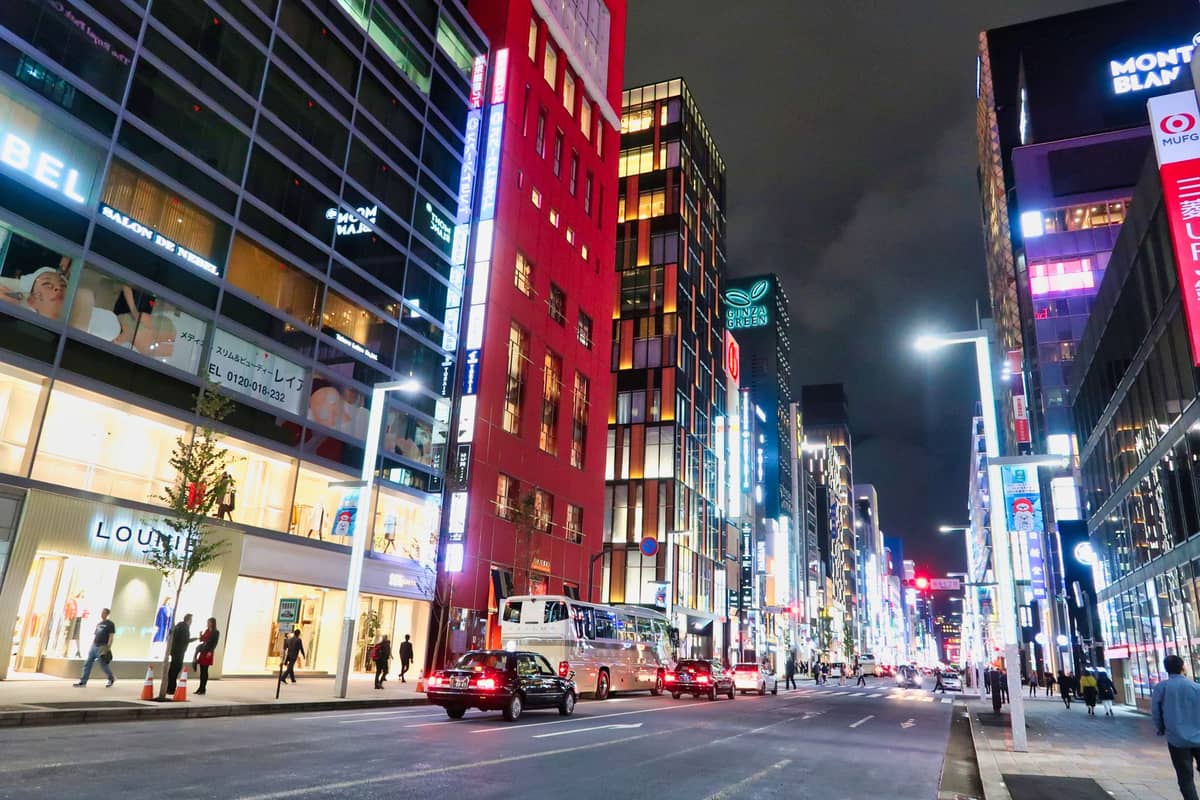
Choosing a location matters as much as the property itself. Roppongi and Minato offer proximity to art institutions and international dining. Ginza suits shoppers and theater-goers. For guests who want a quieter, more residential luxury experience, Daikanyama and Nakameguro have boutique properties with easier access to the city's design and cafe culture. The full breakdown by neighborhood is in the where to stay in Tokyo guide.
- What luxury hotels do exceptionally well in Tokyo Concierge services that can secure restaurant reservations, arrange private transport, and communicate in Japanese on your behalf. This is genuinely valuable in a city where language barriers affect access to top-tier experiences.
- What to watch out for Room sizes at even five-star Tokyo hotels tend to be smaller than equivalent properties in New York or London. This is not a quality issue — it reflects Tokyo's urban density. If space is a priority, book suites explicitly and check dimensions in advance.
- Traditional alternatives A high-end ryokan (traditional Japanese inn) offers an entirely different luxury register: tatami rooms, private onsen baths, and multi-course kaiseki dinners served in-room. Properties in Tokyo's outer districts or nearby hot spring towns bridge the gap between city luxury and Japanese tradition. See the Tokyo onsen guide for details on this category.
High-End Experiences Beyond Restaurants and Hotels
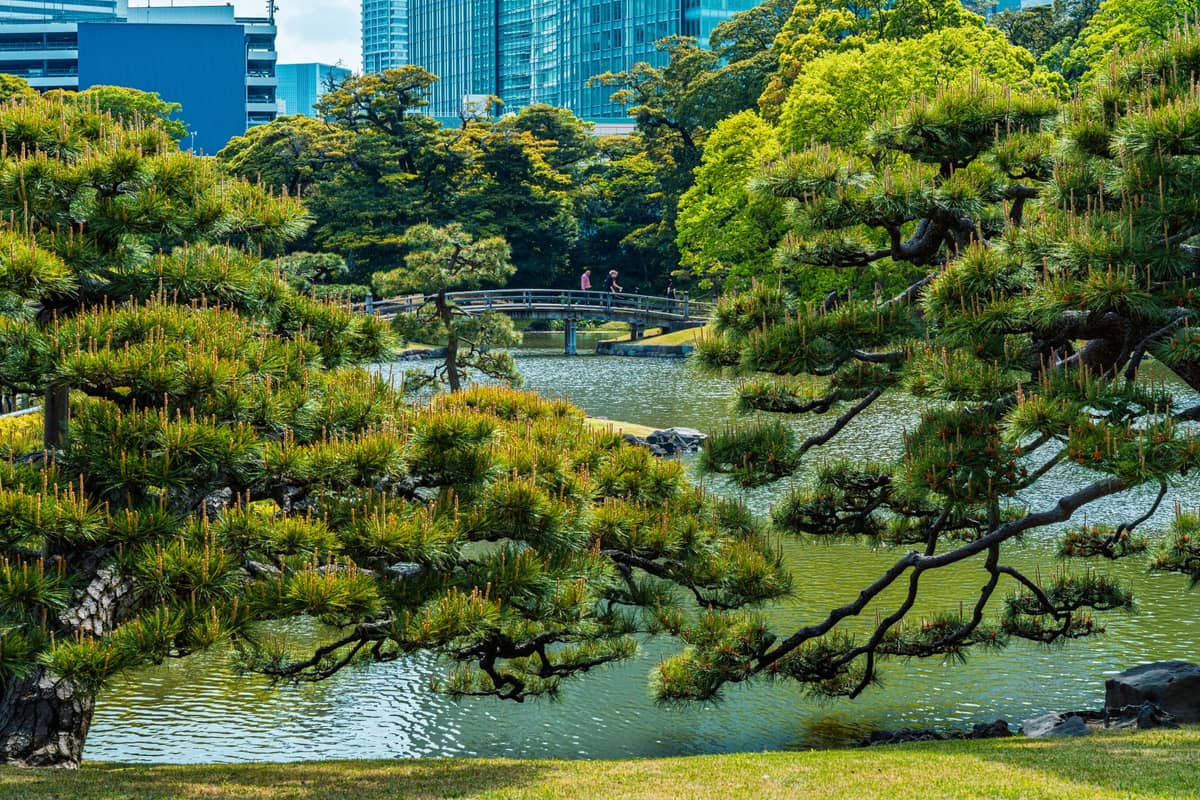
Luxury travel to Tokyo should extend well beyond checking into a hotel and securing dinner reservations. The city offers private experiences that are difficult or impossible to replicate elsewhere: exclusive access to imperial-era gardens, private kodo (incense ceremony) sessions, bespoke sake tasting with a master brewer, and after-hours access to some of the world's best contemporary art collections.
For art, Mori Art Museum in Roppongi Hills and the 21_21 Design Sight at Tokyo Midtown represent the top of Tokyo's contemporary art scene. For something more immersive, the teamLab digital art experiences have become a global reference point — the teamLab Tokyo guide covers both Borderless and Planets locations in detail. Private after-hours visits can sometimes be arranged through hotel concierge services.
Private city tours by chauffeured vehicle start around US$300 per group and can be tailored to specific interests: architecture, food markets, temples, or imperial history. Premium sumo experience packages, combining ringside viewing with a traditional chanko nabe dinner, typically run from around US$100 per person upward. Private day trips to Mount Fuji with a licensed guide and premium transport are among the most requested luxury add-ons for first-time visitors.
✨ Pro tip
Tokyo's best luxury experiences are often the ones requiring advance coordination rather than just money. A private tea ceremony in a historic machiya, a behind-the-scenes tour of Tsukiji's specialty suppliers, or a session with a master swordsmith are all accessible but need lead time. Build a wish list before you arrive and brief your hotel concierge on arrival day.
Getting to Tokyo and Around the City
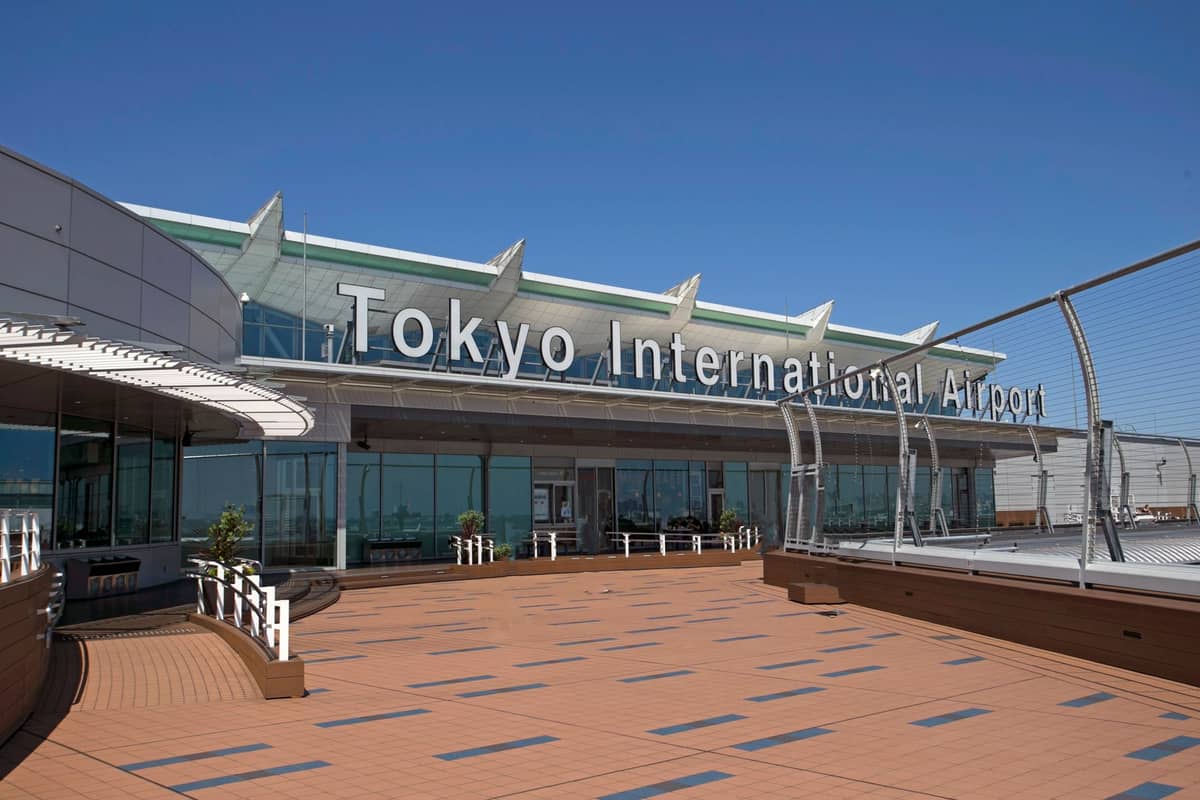
For luxury travelers, Haneda Airport (HND) is the preferred gateway. Located roughly 15–20 km from central Tokyo in Ōta, it offers significantly shorter transfer times than Narita International Airport (NRT), which sits about 60 km east of the city in Chiba Prefecture. Haneda serves a large share of international routes and most domestic connections; the extra 30–40 minutes saved on each transfer compounds across a short trip.
From Haneda, the Tokyo Monorail connects to Hamamatsuchō in roughly 15–20 minutes (around ¥500–¥700 to central stations), while the Keikyu Line reaches Shinagawa with onward subway connections in a similar timeframe. Airport limousine buses run directly to major hotels for around ¥1,300–¥1,500 per adult and are the most comfortable option if you have heavy luggage — though journey times extend to 30–60 minutes depending on traffic. From Narita, the JR Narita Express (N'EX) reaches Tokyo Station in about one hour; the Keisei Skyliner reaches Ueno in around 40–45 minutes. Fares are time-sensitive and should be verified before travel.
Within Tokyo, the combined metro and rail network is one of the most efficient in the world. Tokyo Metro, Toei Subway, JR East's Yamanote Line, and numerous private railways cover the entire metropolitan area with remarkable frequency. For luxury travelers who prefer door-to-door comfort, app-based taxi services and traditional metered taxis (widely available citywide) are reliable options, though rush-hour traffic on major roads can significantly extend journey times. The full logistics are covered in the getting around Tokyo guide.
Seasonal Timing and What It Means for Luxury Visitors
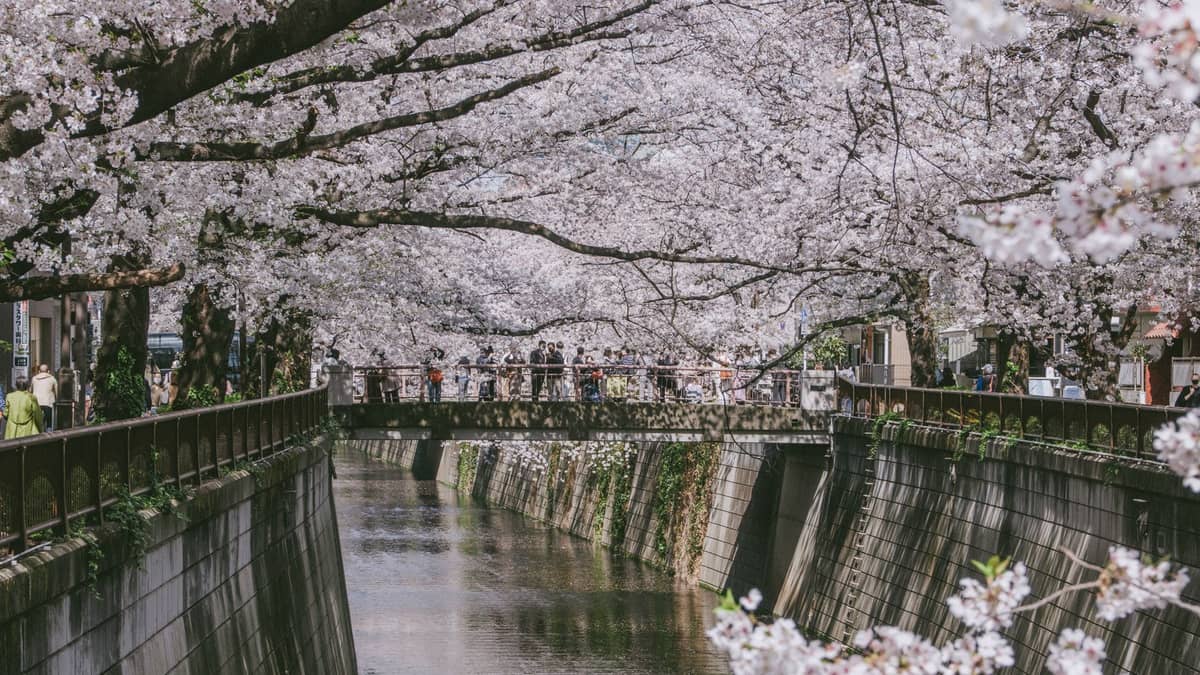
Tokyo's climate is humid subtropical, with four distinct seasons that each create different luxury travel conditions. Spring (late March to mid-May) and autumn (late October to mid-November) are the two peaks for high-end travelers. Temperatures during both windows are comfortable — spring highs reach around 13–23°C, autumn sits in the mid-teens to low twenties — and the visual backdrop of cherry blossoms or crimson maple foliage transforms the city into something extraordinary.
The trade-off is competition. During cherry blossom peak (typically late March to early April) and the November foliage season, luxury hotel rates rise sharply and Michelin restaurant reservations become harder to secure. Planning 3–6 months in advance is not excessive for these periods. Summer (June–August) brings heat, humidity, and Tokyo's rainy season (tsuyu), which typically runs from early June to mid-July. Typhoon-related disruptions can occur in September. Winter (December–February) is dry and cold but uncrowded — a genuinely underrated window for luxury travelers who prefer quieter city rhythms and easier restaurant access.
💡 Local tip
If you have flexibility, late October to early November offers the best combination of comfortable weather, autumn color, and slightly lower competition for top-tier reservations compared to cherry blossom season. The foliage at Shinjuku Gyoen, Rikugien Garden, and Koishikawa Korakuen peaks during this window and is stunning from the right hotel terrace or private garden tour.
For visitors combining luxury Tokyo with travel elsewhere in Japan, the logistics are straightforward. The Shinkansen network connects Tokyo to Kyoto in around 2 hours 15 minutes and Osaka in about 2 hours 30 minutes by Nozomi. The Tokyo to Kyoto guide covers routing and timing options in detail.
Practical Essentials for Luxury Travel in Tokyo
Japan's visa arrangements cover many nationalities for short-term stays of up to 90 days under exemption agreements, but eligibility and conditions change. Verify current requirements with the Japanese Ministry of Foreign Affairs before booking. Japan uses 100V AC electricity at 50Hz (in eastern Japan, including Tokyo) with Type A plugs — standard North American two-flat-pin format. Most luxury hotels provide universal adapters, but British and European travelers with Type G or Type C devices should bring adapters.
- Emergency: police 110, fire and ambulance 119. International dialing code: +81.
- Tipping is not practiced in Japan. At luxury restaurants and hotels, service is included and offering a tip can cause confusion or discomfort.
- Cash is still widely used in Japan, including at some high-end restaurants. Carry yen — your hotel concierge can arrange currency exchange or direct you to nearby ATMs that accept international cards.
- English-language signage is reliable on Tokyo Metro and JR lines, and staff at luxury hotels speak English. Away from major tourist areas, translation apps are genuinely useful.
- Tokyo's tap water is safe to drink throughout the city — no need for bottled water.
FAQ
How far in advance should I book Michelin-starred restaurants in Tokyo?
For three-star restaurants, 1–3 months minimum is standard; some venues fill within hours of opening reservations. During peak seasons like cherry blossom (late March to early April) and autumn foliage (November), book earlier. Many top restaurants require reservations via their official website, phone (Japanese-language only at some), or a specialist booking service. Your hotel concierge is an invaluable asset here.
Is luxury travel to Tokyo expensive compared to other world cities?
It depends on the category. Three-star dinners (¥40,000–¥80,000+ per person) are comparable to top Paris or New York restaurants. However, one-star lunches can be under ¥10,000 and high-end sushi omakase often delivers exceptional value relative to equivalent experiences in Europe or the US. Hotels in Tokyo tend to be smaller than Western equivalents at the same price point. Overall, luxury Tokyo can be very expensive at the top tier but offers remarkable value at the next tier down.
Which Tokyo neighborhood is best for luxury travelers?
Minato (covering Roppongi, Azabu-Juban, and the Roppongi Hills area) offers the densest concentration of five-star hotels, top restaurants, and contemporary art. Ginza suits shoppers and kabuki theater enthusiasts. Marunouchi, near Tokyo Station, appeals to business-oriented luxury travelers. For a quieter, design-focused experience, Daikanyama and Aoyama offer boutique hotels with immediate access to Tokyo's best independent retailers and cafes.
What is the best airport to use when traveling to Tokyo in luxury?
Haneda Airport (HND) is significantly more convenient, sitting roughly 15–20 km from central Tokyo versus Narita's 60 km. Transfer time from Haneda to central Tokyo is typically 30–45 minutes by rail or taxi. Narita is 60+ minutes even on the Narita Express. If both airports serve your route, Haneda is the clear preference for luxury travelers prioritizing time.
Is Tokyo's luxury scene only about Japanese food and culture?
Not at all. The MICHELIN Guide Tokyo 2026 includes starred French, Chinese, Thai, and contemporary fusion restaurants alongside traditional Japanese formats. Tokyo also has world-class contemporary art institutions, international fashion flagships from every major house, a thriving cocktail bar scene with global influence, and luxury wellness facilities. The Japanese craft tradition — applied to watchmaking, textiles, ceramics, whisky, and more — adds a dimension of bespoke shopping that few cities can match.