Best Time to Visit Tokyo: A Season-by-Season Guide
Tokyo rewards visitors in every season, but the experience varies dramatically depending on when you go. This guide breaks down the weather, crowd levels, hotel prices, and standout events for each time of year, so you can choose the visit that actually suits you.
Plan and book this trip
Tools from our partner Travelpayouts help you compare flights and hotels. If you book through them, we may earn a commission at no extra cost to you.
Flights
Hotels map
TL;DR
- Spring (late March to early May) and autumn (October to mid-November) offer the most comfortable weather and the city's most photogenic moments, but also peak crowds and higher hotel prices.
- Summer (July to August) is hot, humid, and rainy season-adjacent, but it hosts Tokyo's best matsuri and fireworks festivals.
- Winter (December to February) is the least visited season: dry, crisp, and genuinely pleasant if you pack layers, with lower accommodation costs.
- Cherry blossom timing (late March to early April) is the single most crowded period; if you want to experience it, book accommodation 3-4 months ahead. See our Tokyo in spring guide for the full picture.
- The rainy season runs roughly early June to mid-July. September brings typhoon risk. Neither is a dealbreaker, but factor them into itinerary planning.
Tokyo's Climate at a Glance
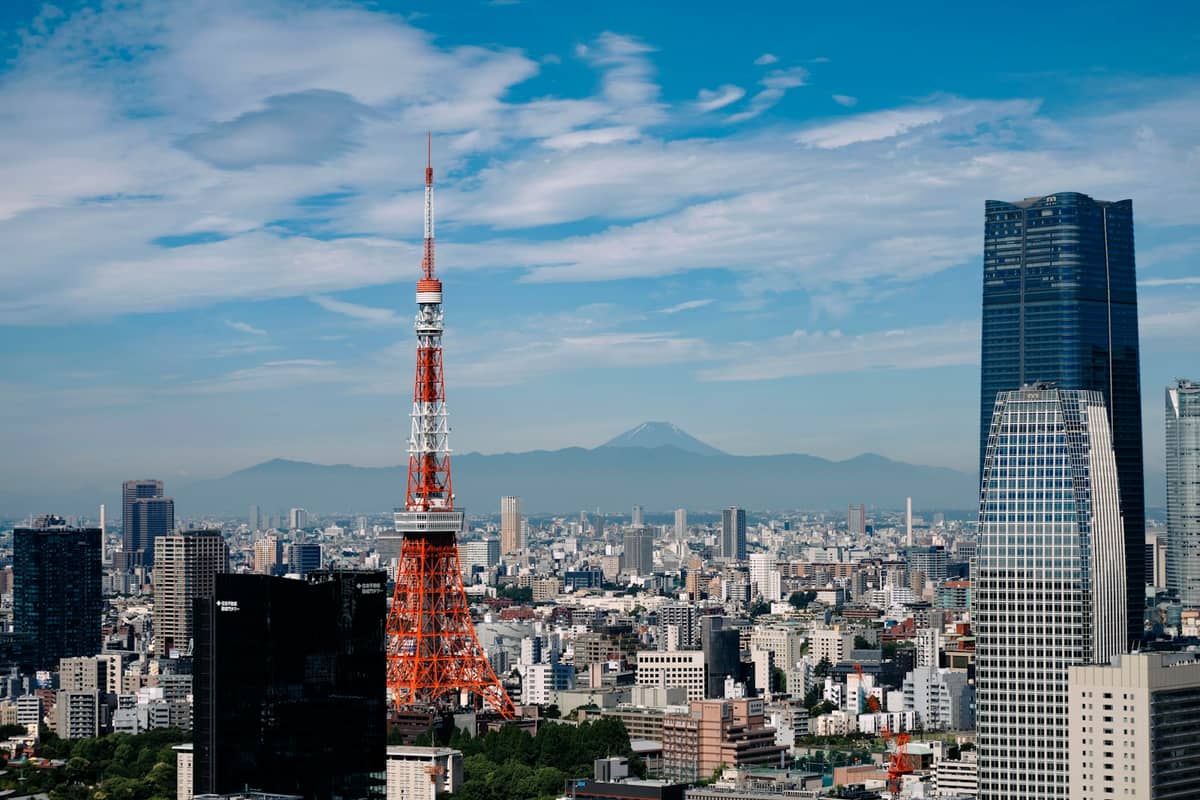
Tokyo has a humid subtropical climate (Köppen Cfa), meaning four genuinely distinct seasons with real temperature swings. January lows dip to around 1-2°C while August highs push 31°C with oppressive humidity. Rainfall peaks twice: once during tsuyu (the plum rainy season, roughly June 7 to mid-July by long-term averages) and again in September, when typhoons can dump 200mm or more in a single month. The driest stretch is December through February, which coincides with Tokyo's coolest, clearest skies.
Tokyo sits at roughly 35.7°N at near sea level in the Kanto Plain, which means it heats up fast in summer and cools gradually in autumn. The city generates significant urban heat, so actual felt temperatures in central wards like Shinjuku or Shibuya often run 1-2°C above official figures recorded at weather stations. Factor that in for July and August especially.
- Winter (Dec-Feb) Highs 9-10°C, lows 1-2°C. Dry and sunny. Occasional light snow, mainly January-February.
- Spring (Mar-May) March 13°C high / 4°C low rising to 23°C / 14°C by May. Rainfall increases toward late spring (~138mm in May).
- Early Summer / Rainy Season (Jun-Jul) June: 25°C high / 18°C low, ~168mm rainfall. Humid and overcast during tsuyu, clearer after mid-July.
- High Summer (Aug) 31°C high / 23°C low. Intense humidity. Frequent afternoon showers but also Tokyo's festival peak.
- Autumn (Sep-Nov) September starts warm (~27°C) with heavy rain and typhoon risk (~210mm). October and November cool to comfortable mid-teens to low twenties Celsius.
⚠️ What to skip
September is statistically Tokyo's rainiest month, partly because of typhoons. Major storms are not guaranteed every year, but if a typhoon hits during your trip, transport can shut down for 12-24 hours. Travel insurance that covers weather disruption is worth considering if you're visiting in September or October.
Spring: Cherry Blossoms and Golden Week (Late March to Early May)
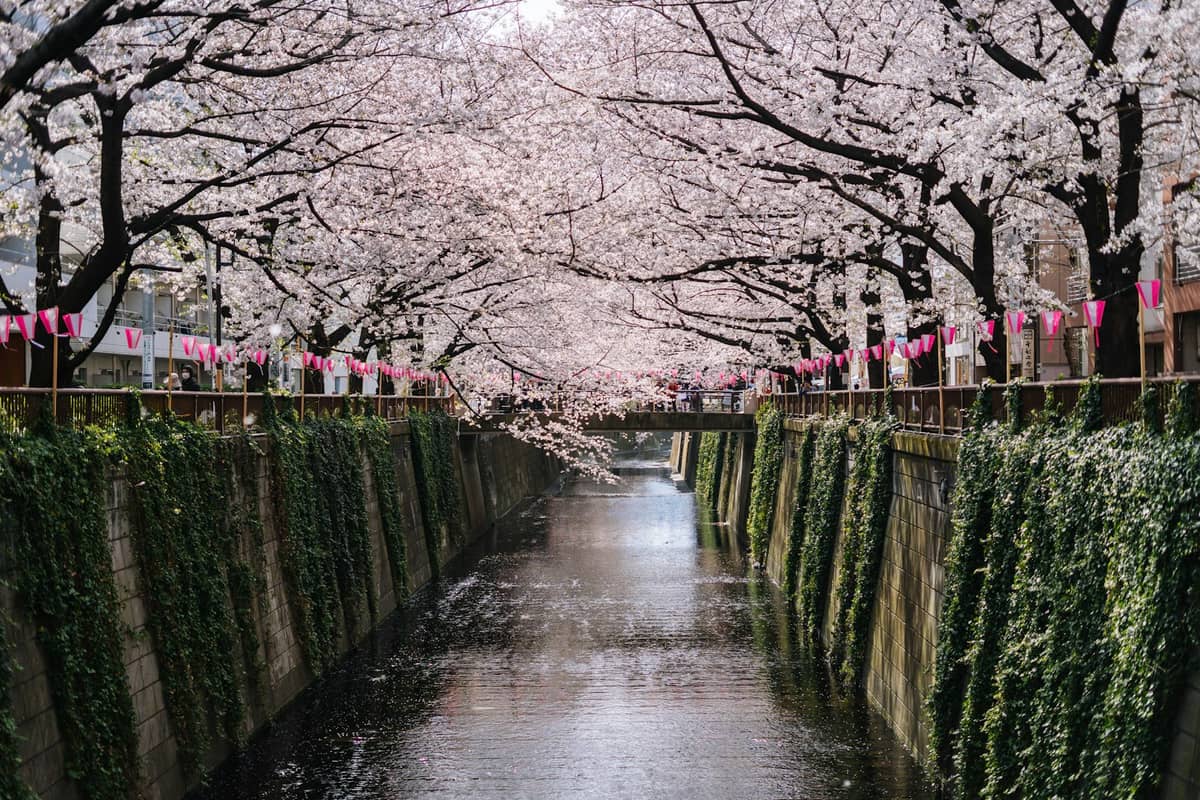
Spring is widely considered the best time of year to visit Tokyo, and the reputation is earned. From late March into April, Tokyo's parks, riversides, and temple grounds fill with cherry blossoms (sakura). The most popular viewing spots, including Ueno Park, Shinjuku Gyoen, and the Meguro River, become genuinely spectacular. But spectacular also means packed. On a clear weekend in early April, Ueno Park can feel less like a garden and more like a street festival, with thousands of people doing hanami (flower viewing) picnics.
Sakura timing shifts year to year based on winter temperatures. Full bloom in central Tokyo typically falls between late March and early April, but the Japan Meteorological Corporation publishes annual forecasts from January onward. Plan your trip around a target window rather than a fixed date. Shinjuku Gyoen (entry around ¥500) is more controlled than Ueno and worth it for photography. For a deeper look at what the season offers beyond cherry blossoms, the Tokyo in spring guide covers festivals, late-blooming spots, and crowd management strategies.
Golden Week runs from late April to early May (April 29 to May 5, with surrounding weekends). This is Japan's biggest domestic travel period. Bullet trains sell out weeks in advance, popular attractions get queues, and accommodation prices spike. If you're already in Tokyo during Golden Week, the vibe is festive and uniquely local. If you're arriving specifically during those dates, book everything at least 2 months ahead.
💡 Local tip
For cherry blossom season, mid-week visits to popular spots like Shinjuku Gyoen or the Meguro River make a noticeable difference in crowd levels. Aim for Tuesday through Thursday mornings before 10am if you want photos without hundreds of people in frame.
Summer: Festivals, Heat, and Fireworks (June to August)
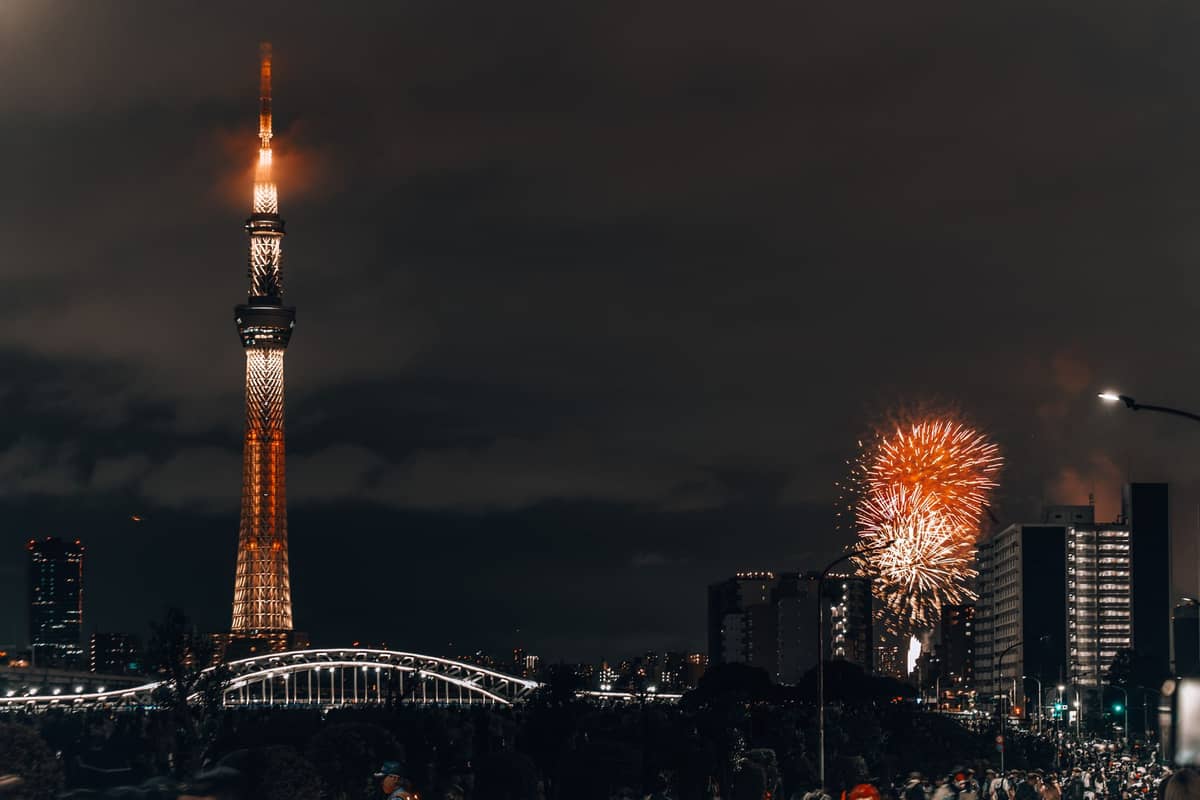
Summer in Tokyo is not the most comfortable season climatically, but dismissing it entirely means missing some of the city's most memorable events. June and early July bring the tsuyu rainy season: grey, humid, and persistent drizzle rather than dramatic downpours. Tsuyu typically ends around mid-July, after which Tokyo gets genuinely hot. August highs sit around 31°C with humidity that makes it feel closer to 37-38°C. Shade, convenience store cold drinks, and air-conditioned museums become strategic priorities.
What summer delivers in return: Tokyo's summer festivals (matsuri) are among the best experiences in Japan. The Sumida River Fireworks Festival, one of the country's largest hanabi displays, draws enormous crowds in late July. Neighborhood festivals throughout Asakusa and across the 23 wards feature traditional dance, street food stalls, and taiko drumming well into the night. The Obon period in mid-August marks a time when many Japanese return to their hometowns, which can actually make central Tokyo slightly less crowded on some days. Check out the Tokyo summer festivals guide for specific event dates and locations.
✨ Pro tip
If you visit in July or August, embrace the konbini (convenience store) culture. 7-Eleven, FamilyMart, and Lawson are air-conditioned, stocked with cold drinks, ice cream, and surprisingly good food, and open 24 hours. They're not just backup options; they're a genuine part of surviving a Tokyo summer.
Autumn: Foliage, Cooler Temperatures, and Fewer Tourists (October to November)
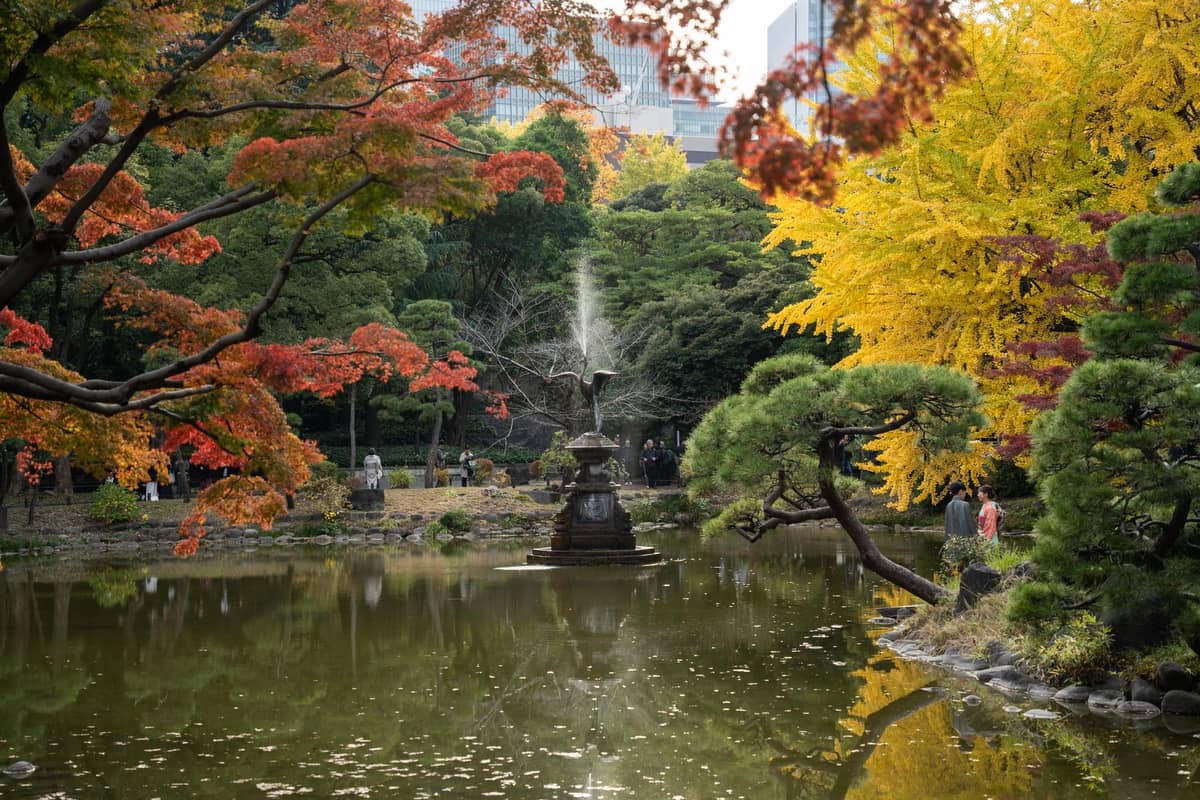
Autumn is arguably the best time to visit Tokyo if you want excellent weather without the full intensity of cherry blossom crowds. October is particularly good: temperatures settle into the low-to-mid 20s°C, rainfall drops significantly from September's typhoon-influenced peak, and the city feels energized without being overwhelmed by international tourism. Late October into November brings koyo (autumn foliage), when maples and ginkgo trees turn red and gold across Tokyo's parks and gardens.
The best foliage spots include Shinjuku Gyoen, Rikugien Garden (which holds special evening illuminations), Koishikawa Korakuen, and the grounds around the Meiji Jingu Shrine. Peak foliage in central Tokyo typically falls between mid-November and early December, slightly later than Kyoto. November also features the Tokyo International Film Festival (late October into November) and numerous art exhibitions. For a full breakdown of what to do and see, the Tokyo in autumn guide covers foliage forecasts, temple festivals, and neighborhood events.
One honest caveat: early November can still be warm enough that foliage is underwhelming, especially after a hot autumn. Foliage timing varies by a week or two year to year. Checking forecasts from the Japan Meteorological Corporation or the GO TOKYO official tourism portal closer to your travel dates gives the most accurate picture.
Winter: The Underrated Season (December to February)
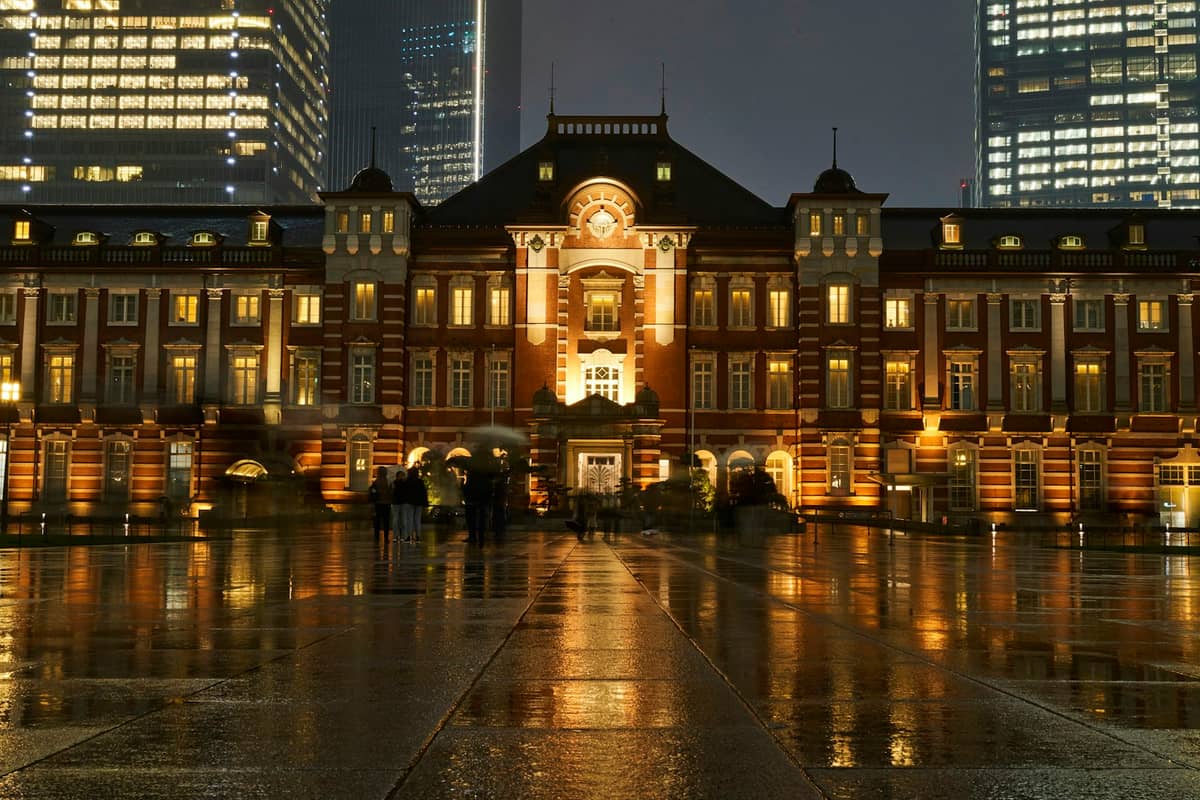
Winter is Tokyo's least visited season by international tourists, which is precisely what makes it worth considering. December through February brings dry, crisp air, clear skies, and significantly less competition for tables at popular restaurants and entry to major attractions. Hotel prices tend to be lower than spring or autumn peaks, with typical mid-range double rooms often found around ¥12,000-18,000 per night. The city is genuinely lively in December thanks to Christmas-themed illuminations in areas like Marunouchi, Omotesando, and Roppongi Hills, which run from late November into early January.
New Year (Oshogatsu) is a deeply significant period in Japan. From December 31 through January 3, Tokyo takes on a quieter, more local character. Many shops and restaurants close on January 1-2, and major temples like Senso-ji in Asakusa and Meiji Jingu see enormous hatsumode (first shrine visit of the year) crowds on January 1-3. If you visit on January 1, expect queues of over an hour at major shrines, but also a genuine cultural experience unlike anything you'll see at other times of year.
Snow does fall in Tokyo, typically once or twice in January or February, and it rarely accumulates enough to cause major disruption. When it does snow, the city transforms briefly, and popular spots like Shinjuku Gyoen or Ueno Park become surprisingly beautiful. Temperatures below -2°C are rare in the urban core, so winter packing means layers and a decent coat rather than heavy expedition gear.
Crowds, Costs, and Practical Planning
Accommodation prices in Tokyo follow predictable seasonal patterns. Cherry blossom season (late March to early April) and Golden Week (late April to early May) are the most expensive periods for hotels. Autumn foliage weekends in November follow closely. Budget chain hotels average around ¥16,679 per night in 2025-2026 data, with mid-range doubles typically ¥12,000-18,000. That range compresses upward during peak seasons and loosens in winter, particularly in January and February after the New Year rush.
- Highest prices and crowds Late March to early May (cherry blossoms + Golden Week). Book 3-4 months ahead for reasonable rates.
- Second peak November (autumn foliage), especially weekends. Tokyo International Film Festival also draws visitors.
- Budget-friendly windows January to mid-February and late June (rainy season). Fewer tourists, lower hotel rates, but trade-offs in weather.
- Best value for good weather October and early November. Comfortable temperatures, moderate prices, lower international tourist density than spring.
Getting around Tokyo is straightforward year-round thanks to the city's extensive metro and JR rail network. The Yamanote Line loops the central city, and Tokyo Metro plus Toei Subway provide dense coverage across the 23 wards. If you're arriving by air, Haneda (HND) is about 15-20km from central Tokyo with connections around ¥500-700, while Narita (NRT) sits roughly 60km out with the Narita Express taking about an hour to Tokyo Station. The getting around Tokyo guide covers IC cards, rail passes, and the most efficient routes between major areas.
ℹ️ Good to know
Japan observes no daylight saving time, staying on Japan Standard Time (JST, UTC+9) year-round. This makes scheduling video calls with people in Europe or North America straightforward: the offset is constant regardless of season.
For first-time visitors who want orientation before diving into seasonal specifics, the Tokyo first-time visitor guide covers logistics, neighborhoods, and what to prioritize across a typical trip. And if you're still deciding how much time to allocate, the one week in Tokyo itinerary gives a realistic sense of pacing across different seasons.
FAQ
What is the best time of year to visit Tokyo for good weather?
October and early November offer the best combination of comfortable temperatures (low-to-mid 20s°C), low rainfall, and clear skies. Mid-April to mid-May is also excellent weather-wise, though it coincides with the busiest tourist period of the year. If you want pleasant weather with fewer crowds, October is the strongest single-month recommendation.
When is cherry blossom season in Tokyo?
Cherry blossoms in central Tokyo typically reach full bloom between late March and early April, though the exact timing shifts by one to two weeks depending on the winter's temperature. The Japan Meteorological Corporation publishes annual sakura forecasts starting in January. Plan your trip around a target window rather than a fixed date, and have a backup week if possible.
Is summer worth visiting Tokyo, or should it be avoided?
Summer is genuinely hot and humid (August highs around 31°C with high humidity), but it is not a reason to skip Tokyo entirely. July and August host the city's best matsuri (festivals), including major fireworks events and neighborhood street festivals that are deeply local experiences. If heat bothers you, plan indoor activities for midday and save outdoor exploration for mornings and evenings.
What is the cheapest time to visit Tokyo?
January and February are generally the cheapest months for accommodation and have fewer tourist crowds. Late June (during tsuyu, the rainy season) is also notably cheaper. Both periods involve weather trade-offs: winter cold or persistent grey drizzle in June. For budget travelers who can tolerate those conditions, these windows offer real savings on hotels.
How far in advance should I book for Tokyo during peak season?
For cherry blossom season (late March to early April) and Golden Week (late April to early May), booking accommodation 3-4 months in advance is strongly recommended, especially for mid-range options in central neighborhoods like Shinjuku, Shibuya, or Asakusa. For autumn foliage weekends in November, 6-8 weeks ahead is usually sufficient but prices rise on popular weekends.