One Week in Tokyo: The Complete 7-Day Itinerary
Seven days is enough to cover Tokyo's essential neighborhoods, iconic landmarks, and a few surprises — if you plan smart. This day-by-day itinerary covers where to go, how to get there, what things actually cost, and what most visitors get wrong about spending a week in one of the world's most complex cities.
Plan and book this trip
Tools from our partner Travelpayouts help you compare flights and hotels. If you book through them, we may earn a commission at no extra cost to you.
Flights
Hotels map
TL;DR
- Seven days is a solid baseline for Tokyo — enough for major neighborhoods, a day trip, and a few deep dives, but not enough to see everything.
- Buy a Tokyo Subway Ticket (24/48/72-hour) at the airport on arrival — it covers Tokyo Metro and Toei Subway lines and pays for itself quickly. See our full guide to getting around Tokyo for pass comparisons.
- Spring (late March to mid-May) and autumn (October to mid-November) offer the most comfortable temperatures and lowest rainfall for walking-heavy days.
- Tokyo is a metropolitan prefecture of 14.27 million people across 2,199 km² — treat each neighborhood as its own destination and group nearby areas on the same day to avoid unnecessary backtracking. The Tokyo neighborhoods guide breaks down all the key areas.
- Book Tokyo Skytree, teamLab, and the Ghibli Museum well in advance — all three sell out weeks ahead, especially on weekends.
Before You Arrive: Passes, Logistics, and Timing
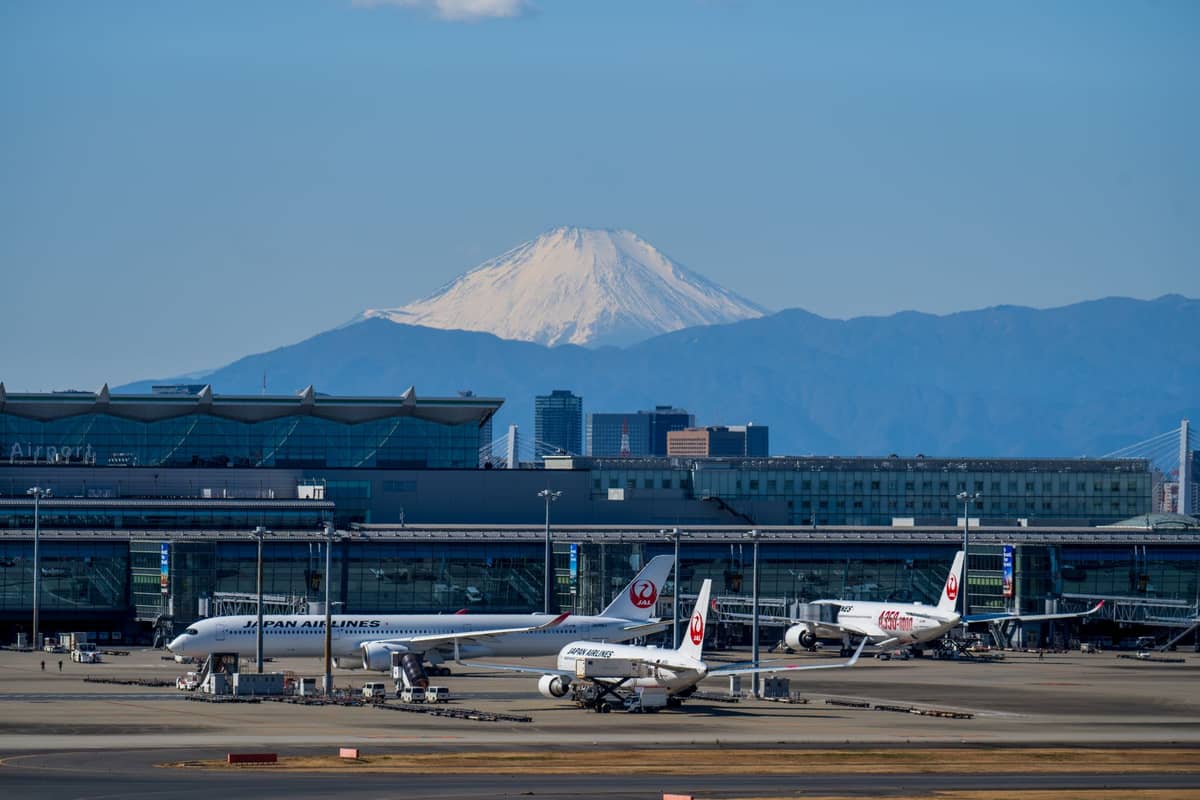
Tokyo has two main international airports. Haneda (HND) sits around 15-20 km from central Tokyo and is far more convenient — rail options get you to major hubs in about 30-45 minutes for roughly ¥500-¥700. Narita (NRT) is 60 km away in Chiba Prefecture; the JR Narita Express (N'EX) runs direct to Tokyo Station in about an hour, while the Keisei Skyliner reaches Ueno in around 40-45 minutes. Transport fares change periodically, so verify current prices before travel.
For a week-long stay, the transport math is straightforward: you will take multiple subway or train trips every day, and single-fare tickets add up fast. The Tokyo Subway Ticket covers both Tokyo Metro and Toei Subway lines and is priced at ¥1,000 for 24 hours, ¥1,500 for 48 hours, and ¥2,000 for 72 hours (adult prices; children roughly half). A Tokyo Metro 1-Day Open Ticket runs about ¥700. For days when you are primarily on JR trains — including the Yamanote Line loop — the JR Tokyo Metropolitan District Pass (Tokunai Pass) costs ¥870 for a day. You can buy subway tickets at airport counters before you leave the arrivals hall, which is worth doing.
💡 Local tip
Most Tokyo subway ticket machines and station signs display English. You do not need to read Japanese to navigate the network. The Yamanote Line loop connects Shinjuku, Shibuya, Harajuku, Ueno, Akihabara, and Tokyo Station — think of it as your main outer ring, with subway lines branching inward.
Timing your visit matters significantly. Late March to mid-May brings cherry blossom season and comfortable temperatures (averaging 13-23°C), but crowds at parks like Shinjuku Gyoen and Ueno Park are at their annual peak. October and November offer arguably the best overall conditions: cooler air, autumn foliage, and thinner crowds than spring. July through September is hot and genuinely humid — highs around 29-31°C with heavy moisture — so plan indoor museum breaks during midday if you visit in summer. Tokyo's rainy season (tsuyu) runs roughly early June to mid-July. For a deeper look at seasonal trade-offs, the best time to visit Tokyo guide covers each month in detail.
Days 1-2: Arriving and Orienting — Asakusa, Ueno, and Akihabara
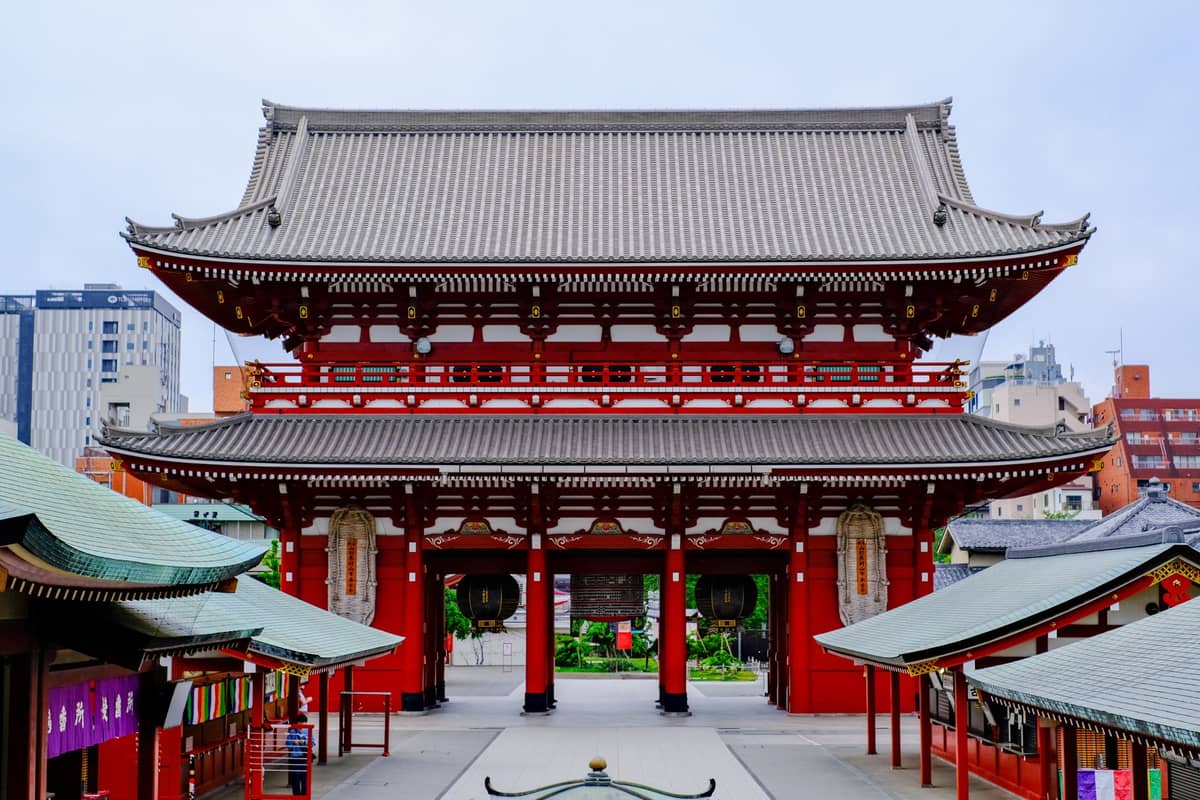
Start in the east. Asakusa is the right place to begin a week in Tokyo — it grounds you in pre-modern Japan before the city's contemporary energy takes over. Senso-ji Temple, Tokyo's oldest Buddhist temple, is free to enter and best visited before 9am when tour groups have not yet arrived. The Nakamise shopping street leading to the main gate sells legitimate traditional crafts alongside tourist trinkets — learn to tell the difference. Head to the observation deck at the nearby Tokyo Skytree in the afternoon: the Tembo Deck at 350m costs around ¥1,800+ for adults, with the Tembo Galleria at 450m as an add-on. Book online in advance — walk-up tickets often sell out, and web bookings can be cheaper.
Day 2 belongs to the Ueno and Akihabara corridor, both reachable on the Yamanote Line. Ueno Park clusters several of Japan's best national museums within walking distance: the Tokyo National Museum is the largest in Japan and alone justifies two or three hours, while the National Museum of Nature and Science and the National Museum of Western Art sit steps away. Spend the afternoon in Akihabara if electronics, anime, or retro gaming interests you even slightly — it is genuinely unlike any other retail district in the world. If it doesn't appeal, swap Akihabara for a quieter afternoon in Yanaka, Tokyo's best-preserved old shitamachi neighborhood, a short walk north of Ueno.
Days 3-4: West Side — Shinjuku, Harajuku, and Shibuya
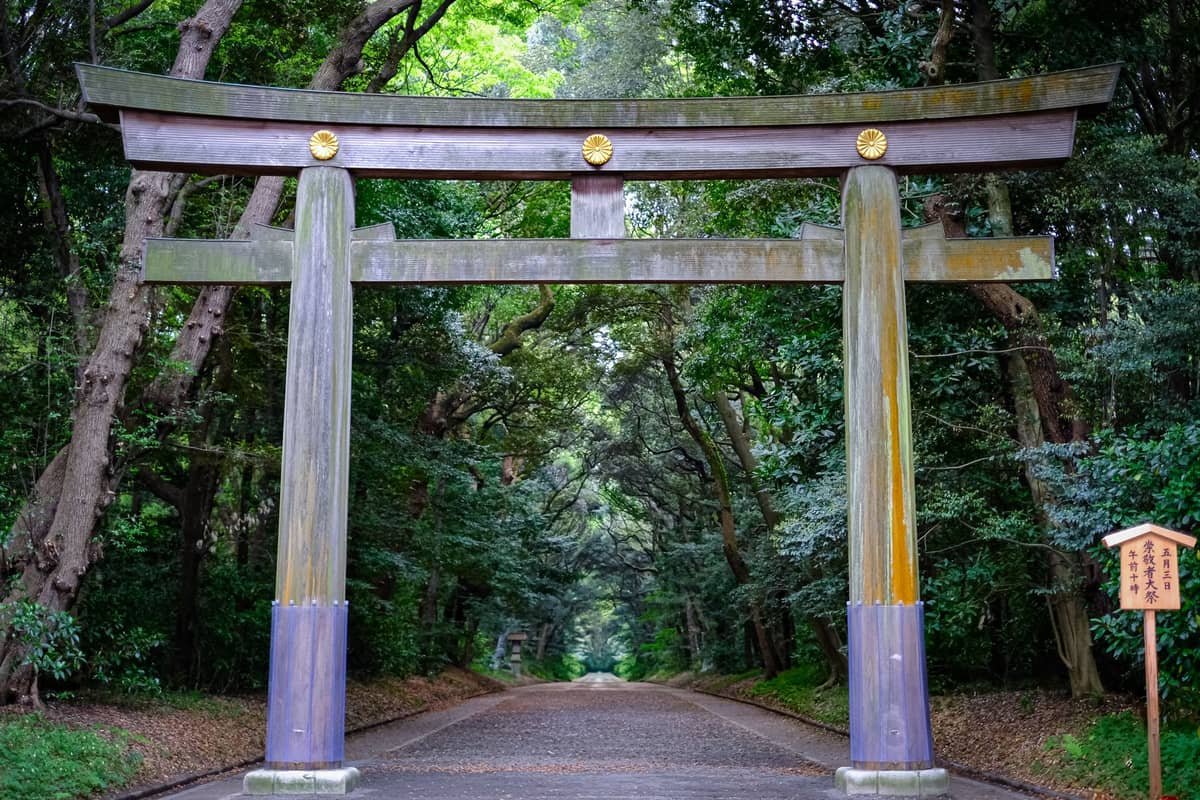
These three neighborhoods sit close together on the Yamanote Line and are best tackled over two full days rather than crammed into one. Start Day 3 at Meiji Jingu Shrine in the morning — the forested approach takes about 10 minutes each way and offers a genuine decompression from the city. From there, walk south through Takeshita Street in Harajuku for the street fashion subculture, then continue to the upscale boutique strip along Omotesando — Tokyo's answer to a Parisian boulevard, lined with flagship architecture stores.
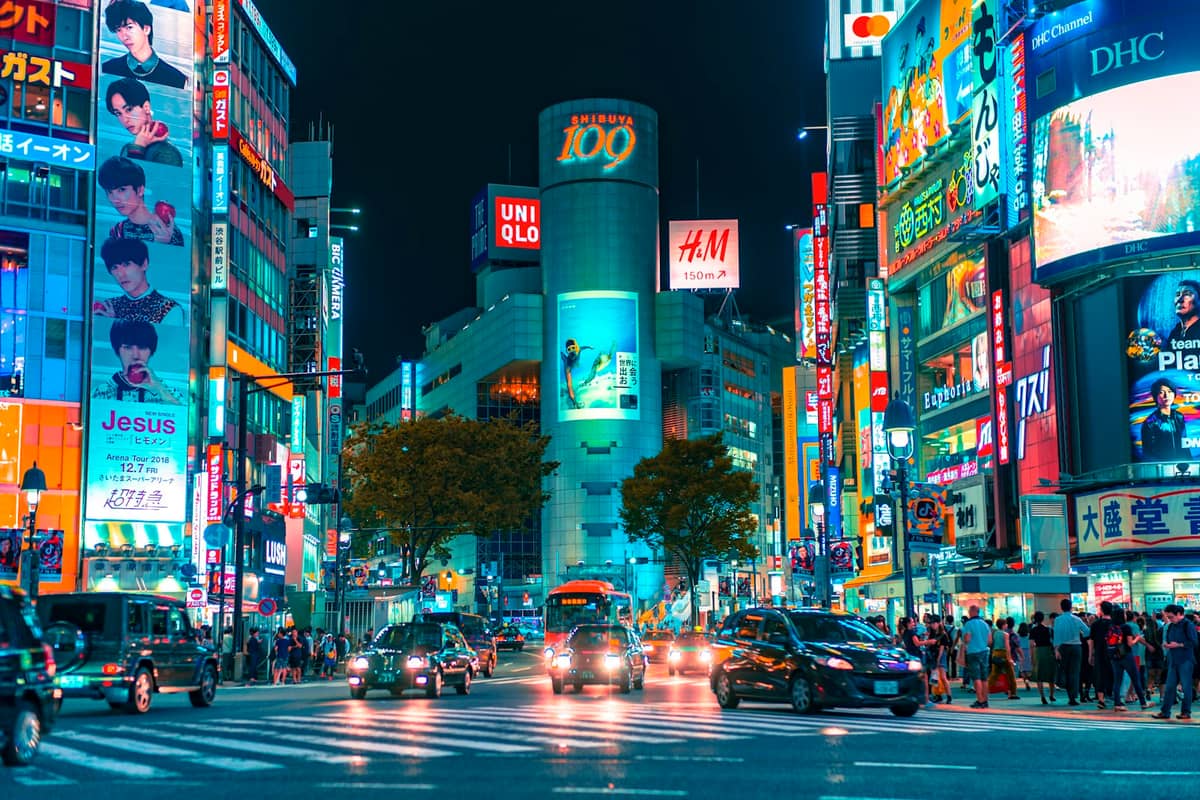
Spend Day 4 in Shinjuku and Shibuya. The free observation floor of the Tokyo Metropolitan Government Building in Shinjuku opens early (usually 9:30am) and gives panoramic views without spending a yen. Shinjuku at night is worth staying for: the narrow alleys of Golden Gai pack dozens of tiny bars into a single block, and Omoide Yokocho (Memory Lane) is all yakitori smoke and retro atmosphere. The next morning, walk to Shibuya Crossing — it's genuinely impressive in person, particularly in the early evening rush. For aerial perspective, the Shibuya Sky observation deck at Shibuya Scramble Square costs around ¥2,700 for adults when booked online and gives an unobstructed view directly down onto the crossing.
⚠️ What to skip
Shinjuku Kabukicho and parts of Roppongi are safe to walk through, but aggressive touts outside certain clubs and entertainment venues are persistent. Avoid venues where someone on the street is doing the hard sell — overcharging and unexpected bills are the most common tourist complaints in these areas.
Day 5: Imperial Palace Area, Ginza, and Tokyo Station
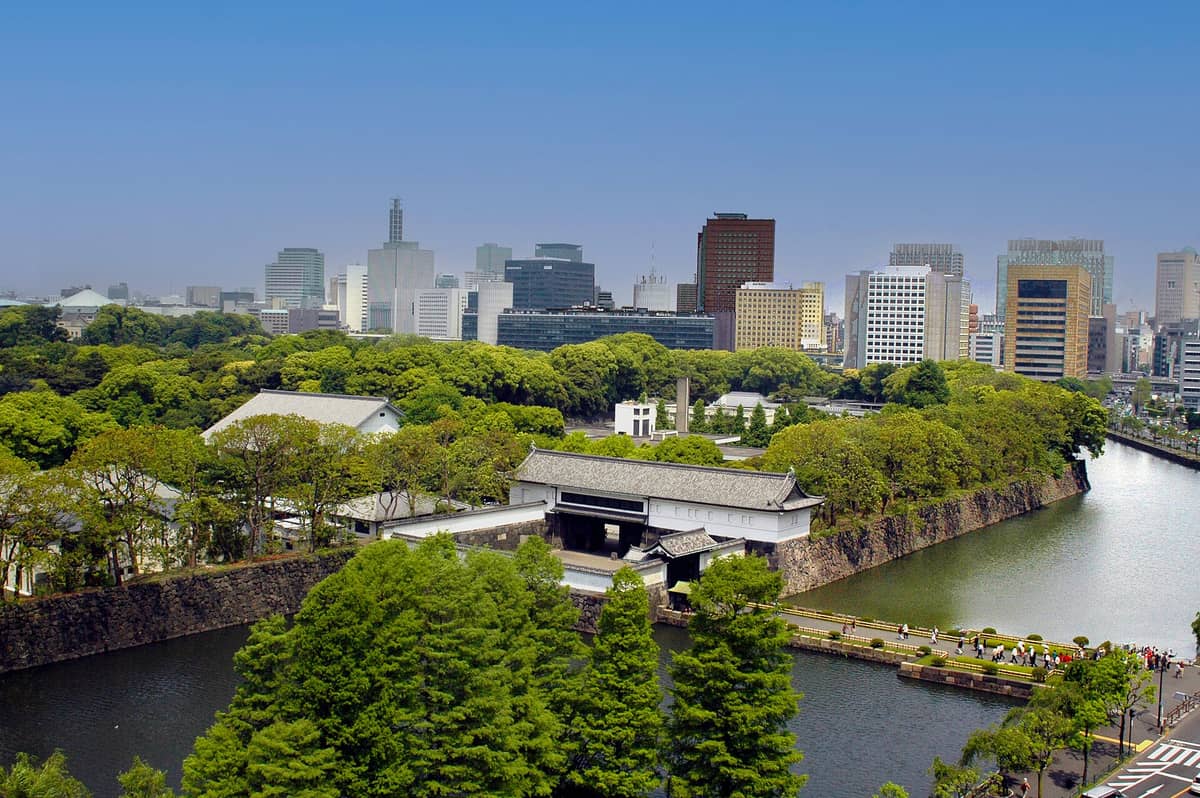
The center of Tokyo is often overlooked by visitors who spend all their time in the trendy western neighborhoods. The Imperial Palace East Gardens are free to enter and offer genuine tranquility inside the former Edo Castle grounds. The outer moat path is a popular morning run or walk circuit. From here, the Ginza district is a short walk or one subway stop south: Japan's most storied upscale shopping street is worth a walk even if luxury shopping isn't your thing — the architecture, including the Hermès Building with its glass-brick facade, is notable. The Tsukiji Outer Market, about 15 minutes on foot from Ginza, remains the best place for fresh seafood breakfast or lunch even after the wholesale market relocated to Toyosu.
Tokyo Station itself is worth an hour: the restored Marunouchi red-brick facade dates to 1914, and the underground character of the station — an entire subterranean city of ramen shops, bento vendors, and interconnected passages — rewards slow exploration. The basement ramen street alone has multiple distinct regional styles in a row.
Day 6: Day Trip — Kamakura, Nikko, or Mount Fuji
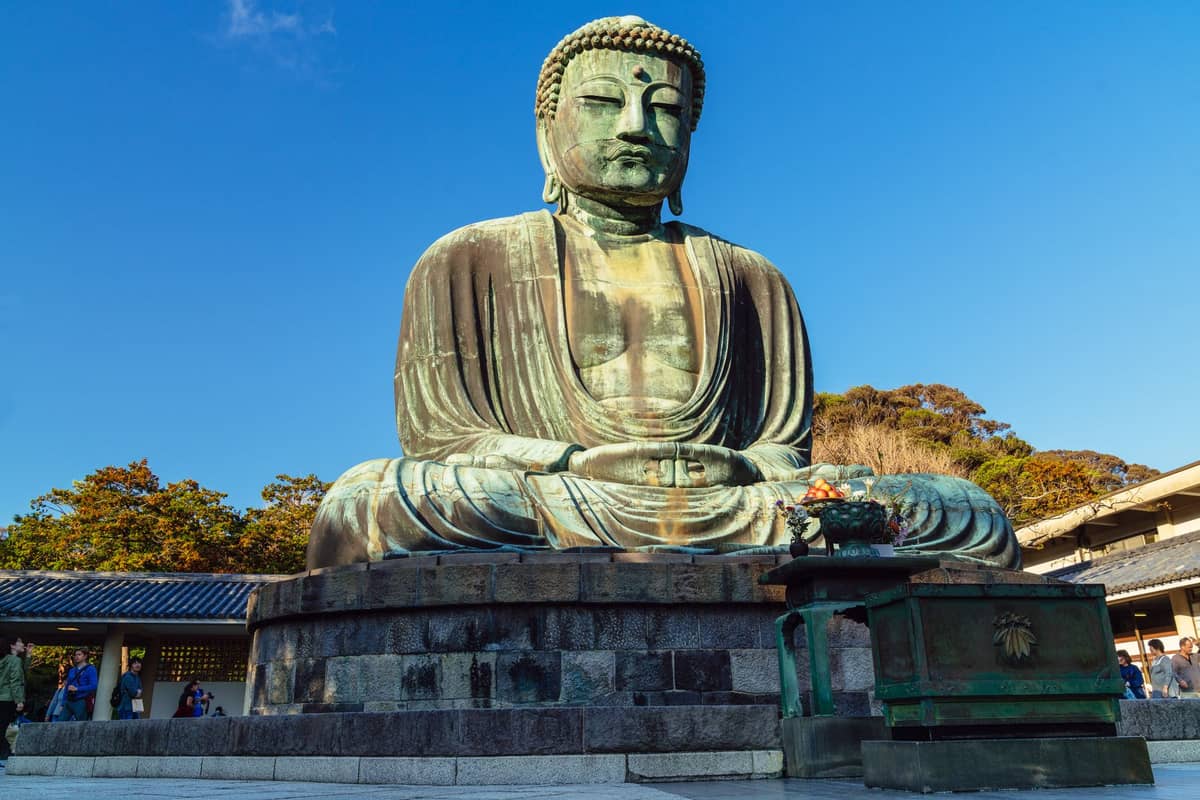
A week in Tokyo without a day trip wastes the city's remarkable rail connectivity. Three options suit different interests. Kamakura is the easiest: about an hour from Shinjuku or Tokyo Station by JR, the coastal town combines the 13.35-meter Kotoku-in Great Buddha with forested hiking trails between Zen temples. Arrive by 9am to beat the midday crowds. Nikko takes about two hours by limited express from Asakusa but rewards the extra travel time with the ornate Tosho-gu shrine complex and mountain scenery. For Mount Fuji, the Fifth Station on the Fujisan Route is accessible from Shinjuku by highway bus (around 2 hours 15 minutes); visibility is best in winter and spring — cloud cover obscures the summit on most summer afternoons.
- Kamakura Best for: temples, coastal scenery, easy rail access. About 1 hour from Tokyo. Ideal for most visitors — compact enough to do in a day without rushing.
- Nikko Best for: Edo-period shrine architecture, nature, waterfall hikes. About 2 hours from Asakusa. More rewarding than Kamakura for travelers who have already done Japan once.
- Mount Fuji (Kawaguchiko area) Best for: seeing or climbing Fuji, lakeside scenery. About 2+ hours from Shinjuku. Not worth it if visibility is poor — check forecasts the night before.
✨ Pro tip
For Kamakura, the JR Pass does not cover the Enoden line between Kamakura and Enoshima — buy a separate Enoden Day Pass (around ¥800) if you plan to ride it. For Nikko, the Tobu Pass covers return rail and most buses in the area and is better value than buying individual tickets.
Day 7: Roppongi, Daikanyama, and Farewell Dinner
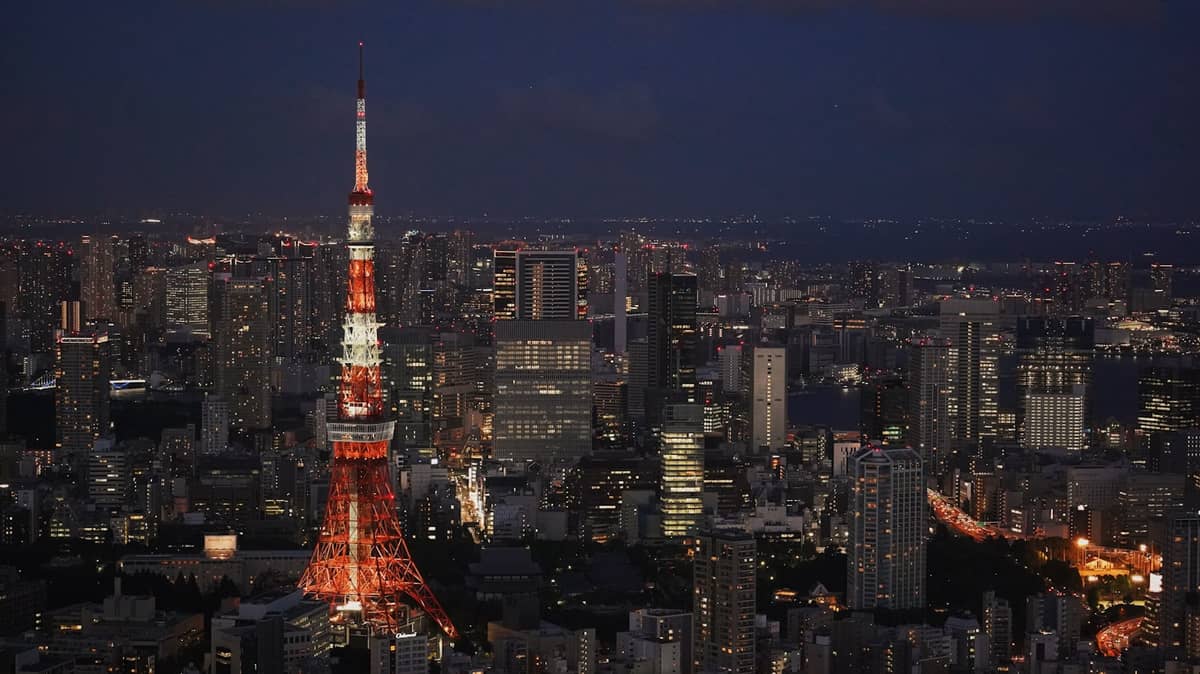
Save Roppongi for your final full day. Despite its reputation as a nightlife district, Roppongi houses three of Tokyo's best contemporary art spaces within walking distance of each other: the Mori Art Museum on the 53rd floor of Roppongi Hills (entry also includes the Tokyo City View observation deck), the National Art Center Tokyo with its dramatic wave-facade building, and the 21_21 Design Sight in Tokyo Midtown, designed by Tadao Ando. You do not need to visit all three — pick one based on current exhibitions.
Spend the afternoon in Daikanyama and Nakameguro, two adjacent neighborhoods that represent Tokyo's quieter, more considered side. Daikanyama T-Site is a bookshop complex genuinely worth visiting for its architecture and curation. The Meguro River canal walk, especially in spring when cherry trees overhang the water, is one of Tokyo's most photographed stretches. End the week with a proper farewell dinner: the izakaya format — shared small plates, cold beer, and no time pressure — suits a final Tokyo night perfectly. Expect to spend ¥3,000-¥6,000 per person with drinks at a mid-range izakaya.
- Tap water in Tokyo is safe to drink — refill a bottle rather than buying plastic constantly.
- Japan does not have a tipping culture. Do not tip in restaurants, taxis, or hotels — it can cause confusion or embarrassment.
- Tokyo's voltage is 100V at 50Hz (eastern Japan). Most modern electronics handle this, but check your adapters. Japan uses Type A plugs (two flat parallel pins).
- Emergency numbers: 110 for police, 119 for fire and ambulance. Japan's country dialing code is +81.
- Many temples and shrines require removing shoes before entering certain buildings. Slip-on footwear makes this considerably less annoying across a week of sightseeing.
- Many nationalities can enter Japan visa-free for up to 90 days under short-stay exemption arrangements — verify current rules with official Japanese government sources before travel, as eligibility changes.
FAQ
Is one week enough time to see Tokyo?
Seven days covers the essential neighborhoods — Asakusa, Shinjuku, Shibuya, Harajuku, Ueno, Ginza, and Roppongi — plus one day trip and a few museum deep dives. You will not see everything; Tokyo is a metropolitan prefecture of around 14.27 million people across about 2,199 km², and neighborhoods like Koenji, Monzen-nakacho, Kichijoji, and Yanaka could each absorb a full day. Think of a week as a foundation, not a completion.
What is the best transport pass for a week in Tokyo?
There is no single pass that covers everything. For subway travel, the Tokyo Subway Ticket (¥1,000/¥1,500/¥2,000 for 24/48/72 hours) covers both Tokyo Metro and Toei lines and is the most useful tourist pass. For JR trains including the Yamanote Line loop, the JR Tokyo Metropolitan District Pass (Tokunai Pass, ¥870/day) is worth buying on heavy rail days. Most visitors mix both depending on the day's route. Verify current prices before travel — fares change periodically.
When is the best time to visit Tokyo for a week-long trip?
Late March to mid-May (spring) and October to mid-November (autumn) are the most comfortable periods for a walking-heavy itinerary. Spring brings cherry blossoms but also peak crowds; autumn has excellent temperatures, lower rainfall than summer, and autumn foliage from late October. Summer (July-August) is hot and humid — viable but exhausting for a walking-intensive week. Winter (December-February) is cold but dry, and Tokyo remains fully functional with fewer crowds.
Do I need to book Tokyo attractions in advance?
For three attractions, advance booking is close to mandatory: the Ghibli Museum (advance-only tickets via Lawson Ticket), teamLab Borderless (Azabudai Hills, which regularly sells out, especially weekends), and Tokyo DisneySea or Disneyland. The Tokyo Skytree benefits from advance web bookings — they can be cheaper than walk-up prices and help skip long queues. Most other museums and shrines can be visited walk-in, though popular exhibitions at Mori Art Museum and the Tokyo National Museum sometimes have timed entry.
How much does a week in Tokyo cost per day?
Budget roughly ¥5,000-¥8,000 per day on a moderate budget covering transport, entry fees, and food (eating at ramen shops, convenience stores, and izakayas). Add ¥3,000-¥6,000 for any major paid attraction days (Skytree, teamLab, etc.). Accommodation varies widely: capsule hotels and guesthouses start around ¥3,000-¥6,000 per night, mid-range business hotels ¥10,000-¥18,000, and upscale options ¥25,000 and up. Tokyo is not the budget destination it once was, but eating and transport remain genuinely affordable compared to equivalent world cities.