Tokyo Izakaya Guide: How to Eat & Drink Like a Local
Izakaya are the beating heart of Tokyo's after-work food and drink culture. This guide covers what to expect, how much to budget, where to go, and the customs that separate confident regulars from confused first-timers.
Plan and book this trip
Tools from our partner Travelpayouts help you compare flights and hotels. If you book through them, we may earn a commission at no extra cost to you.
Flights
Hotels map
TL;DR
- Budget around ¥3,000–¥4,500 per person at a mid-range izakaya, covering food, drinks, and the standard otoshi seating charge.
- The otoshi (¥300–¥700 per person) is not a tourist trap — it's a normal part of how izakaya work across Japan, used by locals and visitors alike.
- Chain izakaya like Torikizoku are great value (most items around ¥350); independent spots cost more but deliver a much better experience.
- Book ahead during bonenkai season (late November through December) and hanami in spring — popular spots fill up fast. See our guide to Tokyo nightlife for more context on the wider scene.
- Since April 2020, most large izakaya are smoke-free or have enclosed smoking booths only; smaller pre-existing venues may still allow table smoking.
What Is an Izakaya, Actually?
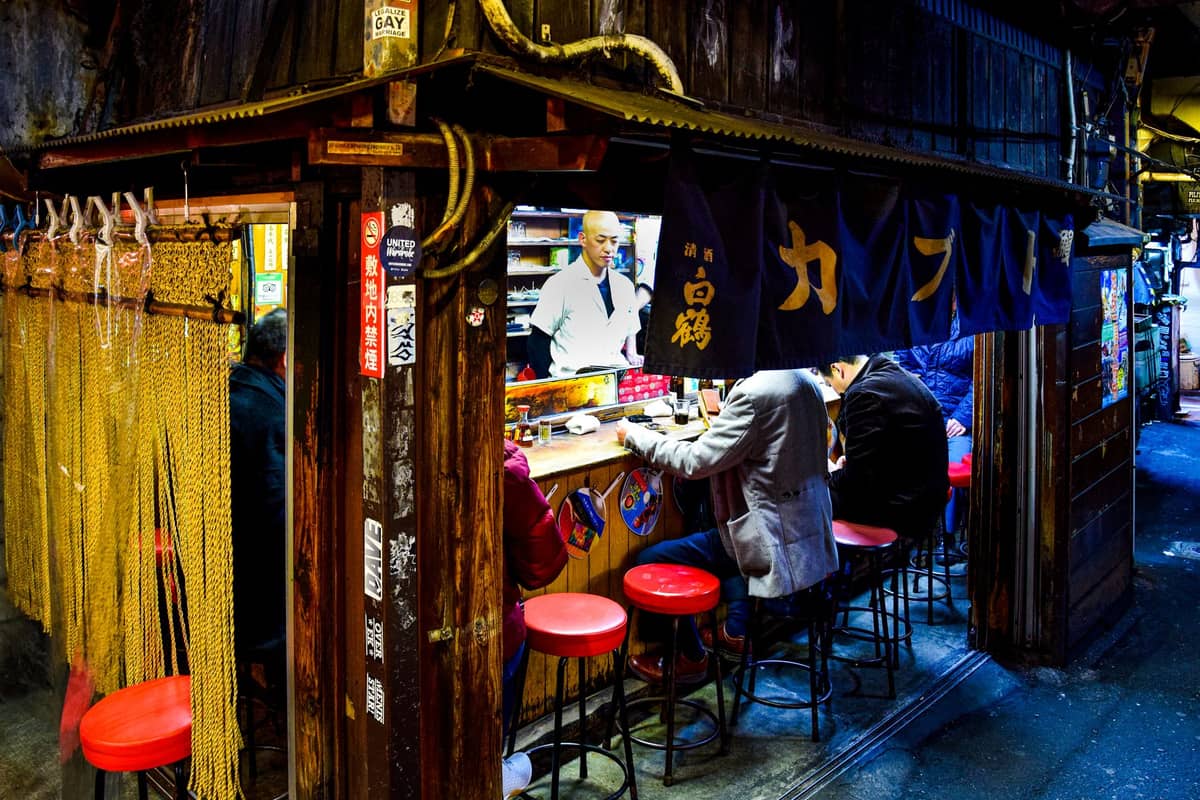
The word izakaya (居酒屋) breaks down to 'stay-sake-place' — a place where you drink and stay a while. Unlike restaurants where you order a main course and leave, izakaya revolve around sharing lots of small plates over several rounds of drinks. Think of them as Japan's answer to the Spanish tapas bar, but louder, smokier in some cases, and with significantly better fried chicken.
The format is deeply embedded in Tokyo's working culture. Salarymen decompress here after long shifts. Friend groups celebrate birthdays and new jobs. Colleagues hold bonenkai (year-end parties) and nomikai (drinking gatherings) that are practically mandatory in many workplaces. For a visitor, walking into an izakaya is one of the most direct ways to observe Tokyo social life up close — not through a museum display, but at the next table.
Izakaya range from standing-only tachinomi bars where a round costs under ¥1,000 to sprawling multi-floor chain operations with picture menus and unlimited drink packages, to intimate neighborhood spots where the owner cooks everything solo. The neighborhoods matter too: Shinjuku's Golden Gai, Asakusa's backstreets, and the alleys around Shibuya each have their own flavor and price point.
Understanding the Costs: What You'll Actually Pay
A realistic budget for a casual izakaya evening in Tokyo is ¥3,000–¥4,500 per person, covering food, drinks, and the otoshi charge. That range assumes two to three rounds of drinks and four to six shared plates. At a well-regarded independent spot with better ingredients and atmosphere, expect ¥4,500–¥7,000. Upscale izakaya, particularly those focused on premium yakitori or regional Japanese ingredients, can push past ¥10,000 per person.
- Small plates and skewers Most dishes run ¥300–¥800 per plate; yakitori skewers are typically ¥150–¥300 each. Order three or four plates per person to eat well.
- Drinks Draft beer (nama biiru) and standard cocktails cost ¥500–¥700 per glass at casual spots. Sake and shochu by the glass or small carafe are in a similar range.
- Otoshi (seating charge) A compulsory charge of ¥300–¥700 per person, which includes a small appetizer dish. It arrives automatically and is standard practice across Japan.
- Nomihodai (all-you-can-drink) Unlimited drink packages typically cost ¥1,500–¥2,500 for 90–120 minutes. Most common at chain izakaya. Good value if you plan to drink steadily.
- Budget chains (e.g., Torikizoku) National chains price most items at around ¥350 before tax, making a full evening feasible for ¥2,000–¥3,000 per person.
ℹ️ Good to know
Otoshi is not a scam. The seating charge with its small dish is a standard part of the izakaya business model across Japan — locals pay it too. Think of it as a cover charge that comes with a snack. If you genuinely cannot eat something in the dish due to allergies, politely say so when seated, but don't refuse it on principle.
Izakaya Customs and How to Navigate Them
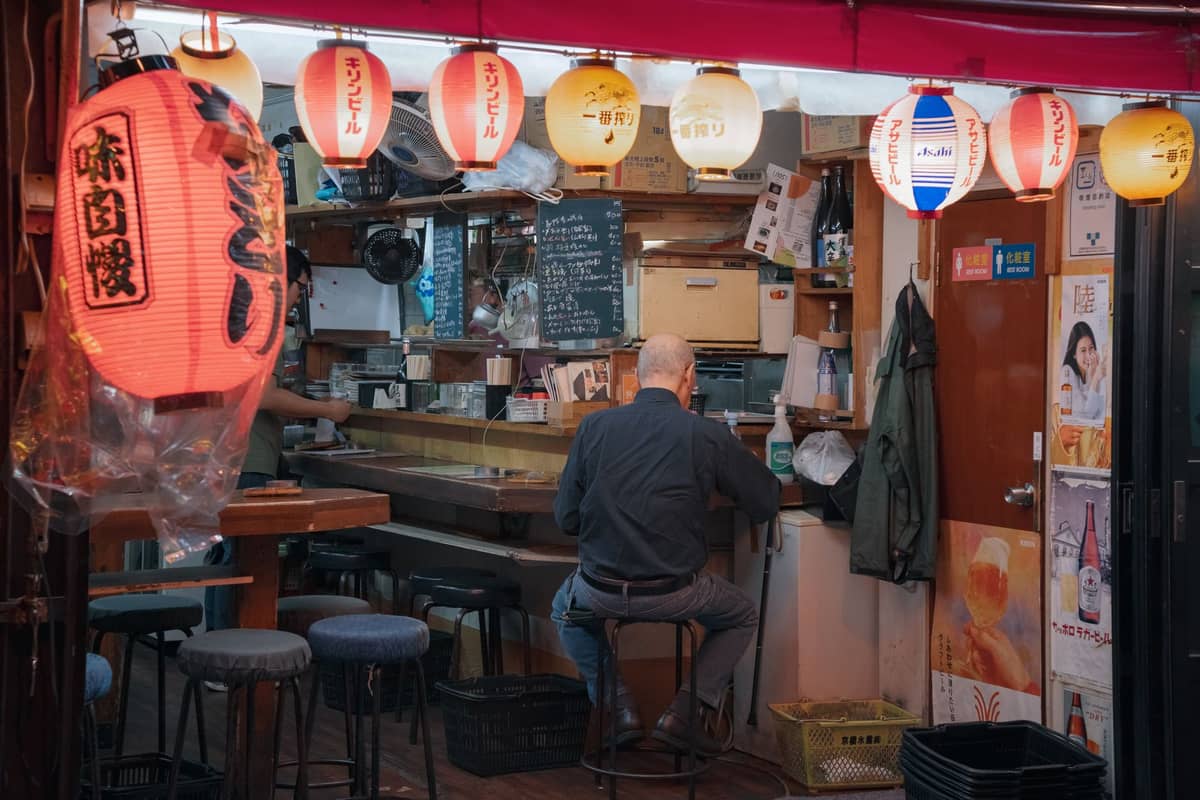
Arriving at an izakaya without knowing the customs will not get you thrown out, but knowing them makes the whole evening smoother. Staff will usually seat you, take a drinks order almost immediately (the first round is called the toriaezu), and bring the otoshi dish shortly after. It's normal to start with beer — saying 'toriaezu biiru' ('beer for now') signals you know what you're doing.
Ordering works differently from Western restaurants. There's no set-course structure. You order dishes gradually throughout the evening, whenever you want more food. Paper order sheets with checkboxes are common at chains; at smaller spots, flag down a server or use a table buzzer (a small button on the table). Don't feel rushed to order everything at once.
- Don't pour your own drink — pour for others and let them pour for you. This is a key social custom.
- Wait until everyone has a drink before starting. The first toast is 'kanpai' (cheers), and you should raise your glass.
- Tipping is not customary in Japan and is generally not expected or encouraged at izakaya.
- If you want to split the bill, mention it when you ask for the check. Splitting evenly (warikan) is common among younger groups.
- Reservations are typically made by phone or through apps like Tabelog or Hot Pepper. English reservations are hit-or-miss at smaller spots.
- Last orders are usually called 30 minutes before closing. Most izakaya in Tokyo close between midnight and 2 a.m., though some run until dawn.
⚠️ What to skip
During bonenkai season (late November through December) and spring hanami weekends, popular izakaya in central Tokyo book up weeks in advance. If you're visiting during these periods, reserve a table at least a week ahead or plan for spontaneous spots in less-touristed neighborhoods.
What to Order: Food and Drink Essentials
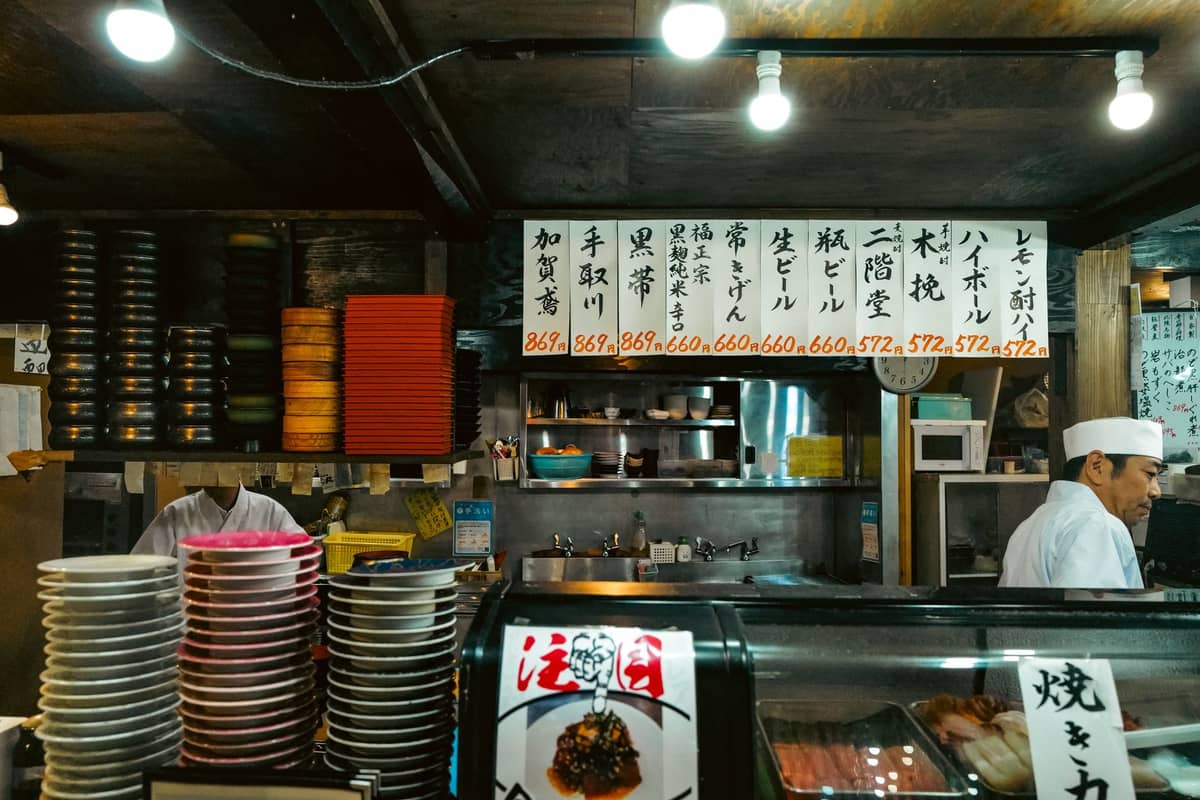
Izakaya menus can be overwhelming, especially when written entirely in Japanese. Most chain establishments have picture menus or tablet ordering systems with English options. At independent spots, point-and-order is perfectly acceptable and often appreciated.
For food, start with yakitori (grilled chicken skewers), edamame, karaage (Japanese fried chicken), and dashimaki tamago (rolled egg omelette). These are universally available and consistently good across most izakaya. If you're near Golden Gai in Shinjuku, smaller bar-restaurants specialize in creative small plates, often with menus that rotate daily. Further east toward Asakusa, expect more traditional dishes like motsu nikomi (slow-cooked offal stew) and kushikatsu (breaded, deep-fried skewers).
On the drinks side, beer is the default opener. Japanese lagers (Sapporo, Asahi Super Dry, Kirin Ichiban) are always on tap. After the first round, many locals switch to chuhai (shochu mixed with soda and fruit flavors), highballs (whisky and soda), or sake. Shochu is cheaper than sake and comes in rice, barley, or sweet potato varieties. If you want something non-alcoholic, oolong tea, green tea, and soft drinks are always available.
✨ Pro tip
Nomihodai (all-you-can-drink) packages often exclude premium drinks like whisky or aged sake. Check what's included before committing. At chains, the package usually covers beer, chuhai, and basic cocktails — more than enough for most evenings. The 90-minute window passes faster than you'd expect.
Where to Go: Neighborhoods and Types to Know
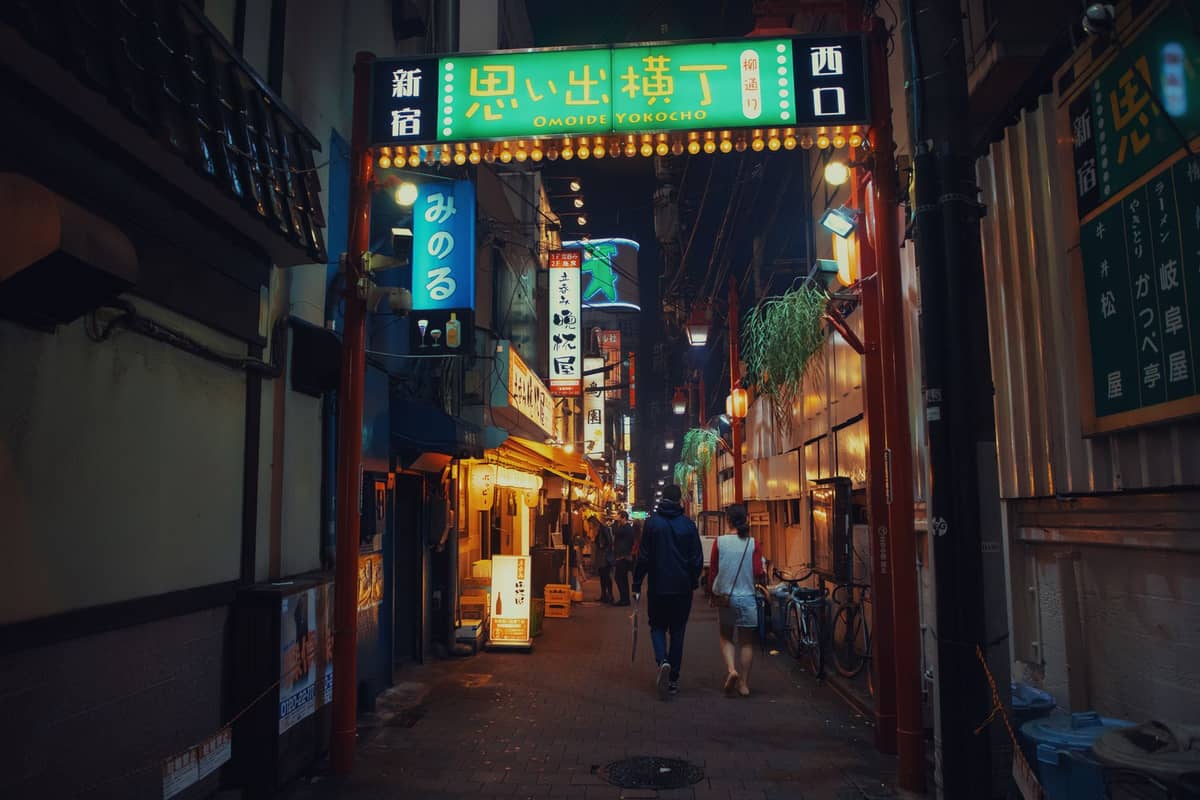
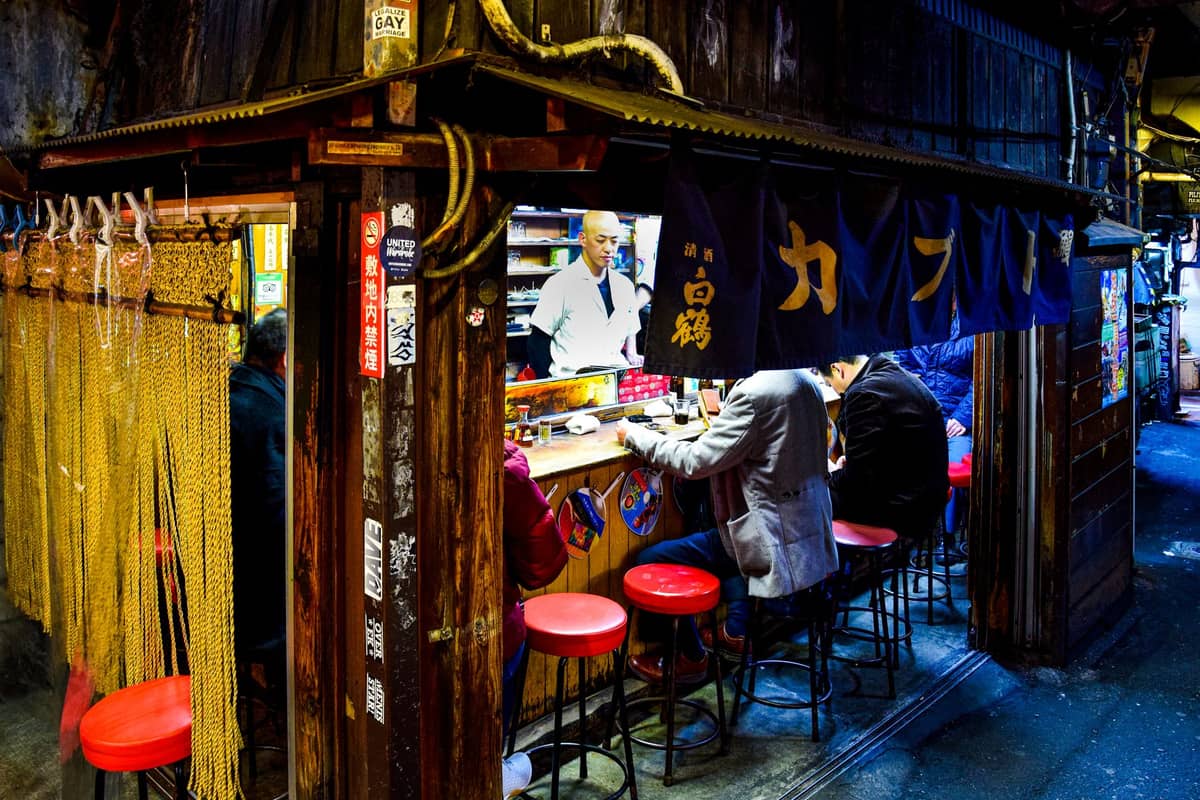
The neighborhood you choose shapes the entire experience. Shinjuku's Omoide Yokocho ('Memory Lane') is one of the most photographed izakaya alleys in Tokyo — narrow, smoky at the entrances, and genuinely old-school, with yakitori grills visible from the street. It's touristy but not fake; the food quality holds up and the atmosphere is hard to replicate.
For a less-photographed experience, the streets around Ueno and Akihabara have some of Tokyo's most authentic working-class izakaya, with low prices and regulars who've been coming for decades. Ameyoko market's edges in Ueno spill into izakaya territory by evening. Similarly, Ryogoku near the sumo arena has chankonabe (the protein-heavy hot pot sumo wrestlers eat) available at specialist restaurants that blend izakaya-style ordering with sumo heritage.
For a more upscale evening, Daikanyama and Nakameguro have izakaya-adjacent restaurants where the food quality is restaurant-grade but the shared-plates format remains. Expect to pay more — ¥5,000–¥8,000 per person — but the ingredient quality and atmosphere justify it. Tokyo's neighborhoods each have their own drinking culture, so it's worth matching the area to the kind of night you want.
- Omoide Yokocho, Shinjuku Classic smoky yakitori alley. Atmospheric and tourist-friendly. Go early (6–7 p.m.) to get a seat.
- Golden Gai, Shinjuku Tiny themed bars rather than full izakaya, but the culture overlaps. Best for solo drinkers or couples.
- Yurakucho under the tracks Izakaya built into the arches beneath the Yamanote Line near Ginza. Old-Tokyo feel with a salarymen crowd at peak hours.
- Ameyoko / Ueno backstreets Affordable, local, and not on the tourist circuit. Excellent for budget izakaya from around ¥2,000–¥3,000 per person.
- Nakameguro riverside More polished spots with quality food and drinks. Better for a date night than a rowdy group.
Smoking Rules, Accessibility, and Practical Details
Since April 2020, indoor smoking has been broadly prohibited in Tokyo's restaurants and bars except in designated, enclosed smoking rooms that meet legal standards. In practice, this means most chain izakaya and any venue over 100 square meters are either fully smoke-free or have a sealed smoking booth. The change is significant: Tokyo izakaya used to be reliably hazy, and many travelers' memories from before 2020 no longer reflect current conditions.
Smaller pre-existing establishments, specifically those under 100 square meters with capital under ¥50 million that were in operation before the law's cutoff date and have no employees other than family, can still permit smoking throughout if they display the required signage (喫煙可能店). This exemption applies to a meaningful number of smaller, older izakaya. If you're sensitive to smoke, look for the no-smoking signs at the entrance or confirm before sitting down.
On food safety: izakaya in Tokyo operate under the city's food hygiene regulations enforced by the Tokyo Food Safety Information Center. Standards are consistently high by international measures. Stomach issues at izakaya are rare, though raw chicken (torisashi) — still served at some specialist yakitori restaurants — is genuinely a risk and best avoided unless you have a strong track record with it. For more background on what to eat across the city more broadly, the what to eat in Tokyo guide covers the wider culinary landscape.
Guided izakaya tours are a legitimate option for first-timers who want context alongside the food and drink. Most run 3–4 hours and cost ¥12,500–¥26,000 per person depending on group size and whether food and drinks are included. They're genuinely useful for navigating small neighborhood spots that don't have English menus, though Tokyo's walking tour scene is wide enough that you can find guides who combine izakaya stops with broader neighborhood storytelling.
FAQ
What is the otoshi charge at Tokyo izakaya?
Otoshi is a compulsory seating charge of around ¥300–¥700 per person, which includes a small appetizer dish. It's standard practice at most izakaya across Japan — not a tourist surcharge. Think of it as equivalent to bread and butter at a European restaurant, except you're paying explicitly for it. You cannot opt out, but you can mention dietary restrictions politely if needed.
How much does a typical izakaya night cost in Tokyo?
Budget ¥3,000–¥4,500 per person for a mid-range izakaya evening, covering the otoshi, three to four shared dishes, and two to three rounds of drinks. Chain izakaya (like Torikizoku) can bring the total down to ¥2,000–¥3,000. Higher-end or independent spots often run ¥5,000–¥8,000 per person.
Is it okay to go to an izakaya alone in Tokyo?
Yes, solo dining and drinking at izakaya is common in Tokyo. Counter seating is designed for it, and staff are accustomed to single guests. Standing bars (tachinomi) are particularly solo-friendly. In Golden Gai, solo drinkers are the norm at many tiny bars.
Do Tokyo izakaya have English menus?
Chain izakaya almost always have English menus or tablet ordering with English options. Independent spots are variable. A useful workaround is to use Google Translate's camera function on the menu, or simply point at what other tables are eating. Staff in Tokyo are generally patient with non-Japanese speakers.
When do izakaya get crowded in Tokyo?
The busiest times are weekday evenings from 7–9 p.m. when the after-work crowd peaks, Friday and Saturday nights, and the entire bonenkai season from late November through December when year-end parties book out entire floors weeks in advance. Spring hanami season (late March to mid-April) is also extremely busy in neighborhoods near parks.