Best Self-Guided Walking Tours in Tokyo: The Definitive Neighborhood Guide
Tokyo rewards walkers like few cities do. This guide covers the best self-guided walking tours across Tokyo's most interesting neighborhoods, with free official maps, transport pass options, seasonal advice, and honest assessments of each route's strengths and trade-offs.
Plan and book this trip
Tools from our partner Travelpayouts help you compare flights and hotels. If you book through them, we may earn a commission at no extra cost to you.
Flights
Hotels map
TL;DR
- Tokyo's best self-guided walking tours are completely free to plan: the Tokyo Metropolitan Government publishes downloadable route maps at gotokyo.org covering dozens of neighborhoods and thematic trails.
- Spring (late March to early May) and autumn (October to mid-November) are the most comfortable seasons for walking — summer heat and humidity above 30°C make long routes punishing. See the best time to visit Tokyo for a full seasonal breakdown.
- The Tokyo Subway Ticket (¥1,000 for 24 hours, tourist-only) lets you hop between walking neighborhoods without paying per ride — it runs by the hour from first use, not by calendar day.
- The most rewarding walking neighborhoods for first-timers are Asakusa, Yanaka, and the Imperial Palace East Gardens area — all compact, walkable, and rich in visual variety.
- You do not need Japanese language skills: official walking maps, subway apps, and most signage at major sites are available in English.
Why Tokyo Is One of the World's Best Cities for Walking
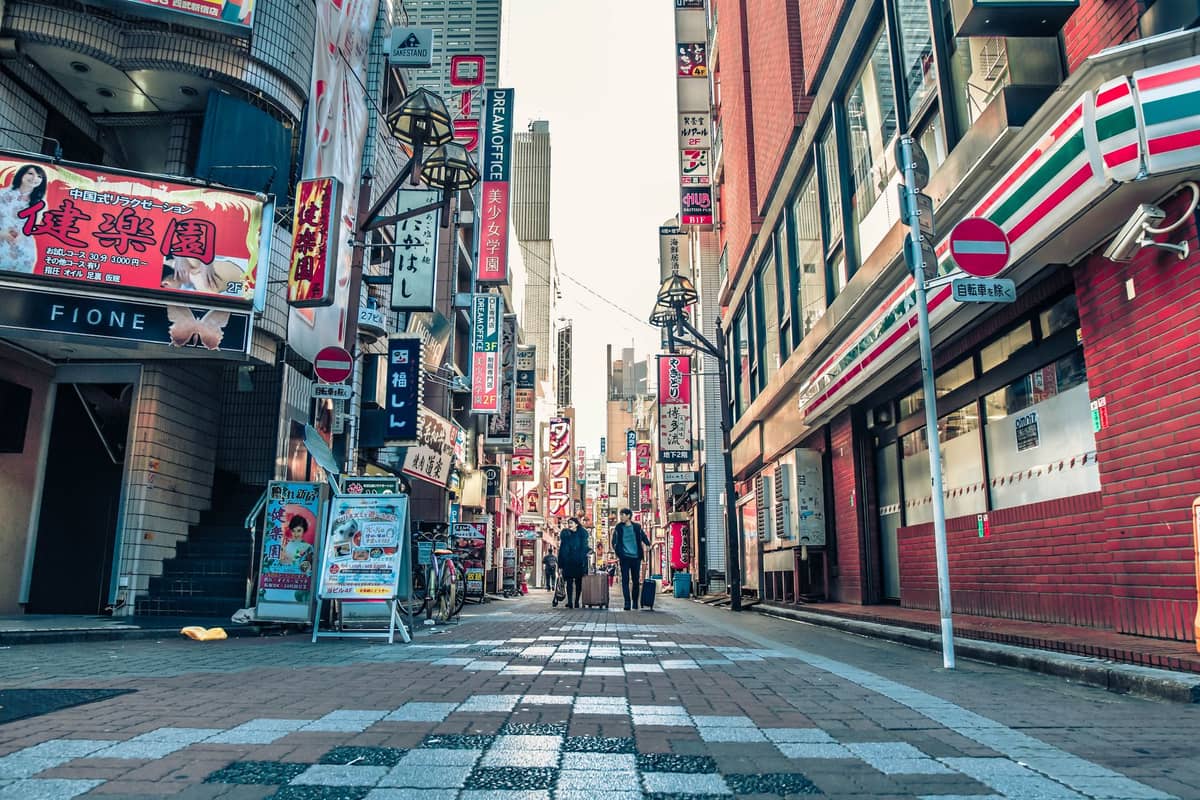
For a city of 14.27 million people spread across 2,199 km², Tokyo is surprisingly walkable at the neighborhood level. The 23 special wards that make up central Tokyo are each, in effect, a distinct town with its own character, streetscape, and pace. You can cover a single ward's highlights thoroughly in three to five hours on foot, then hop the subway to the next one. That's the core appeal of a self-guided walking approach here: you move at your own speed, stop where you want, and engage with the city rather than watching it through a bus window.
The infrastructure supports walkers unusually well. Pavements are wide and well-maintained. Convenience stores (7-Eleven, FamilyMart, Lawson) appear roughly every few hundred metres, offering cheap water, snacks, and clean toilets. Train and subway stations serve as logical start and end points for almost every route, eliminating the need to backtrack. Street crime is extremely low, so solo walkers and those exploring after dark face minimal safety concerns — though standard urban awareness still applies.
💡 Local tip
Download offline maps before you head out. Google Maps and Maps.me both work well in Tokyo, but mobile data can be patchy in underground shopping arcades. The official Go Tokyo app (gotokyo.org) also offers downloadable PDF city walk brochures organized by ward and theme — free, in English, and updated regularly.
The Best Self-Guided Walking Routes by Neighborhood
The routes below are chosen for their density of interest relative to walking distance, logical transport connections, and suitability across experience levels. Each can be done independently or combined with adjacent neighborhoods for a longer day. For a broader overview of how these areas fit together, the Tokyo neighborhoods guide is a useful companion.
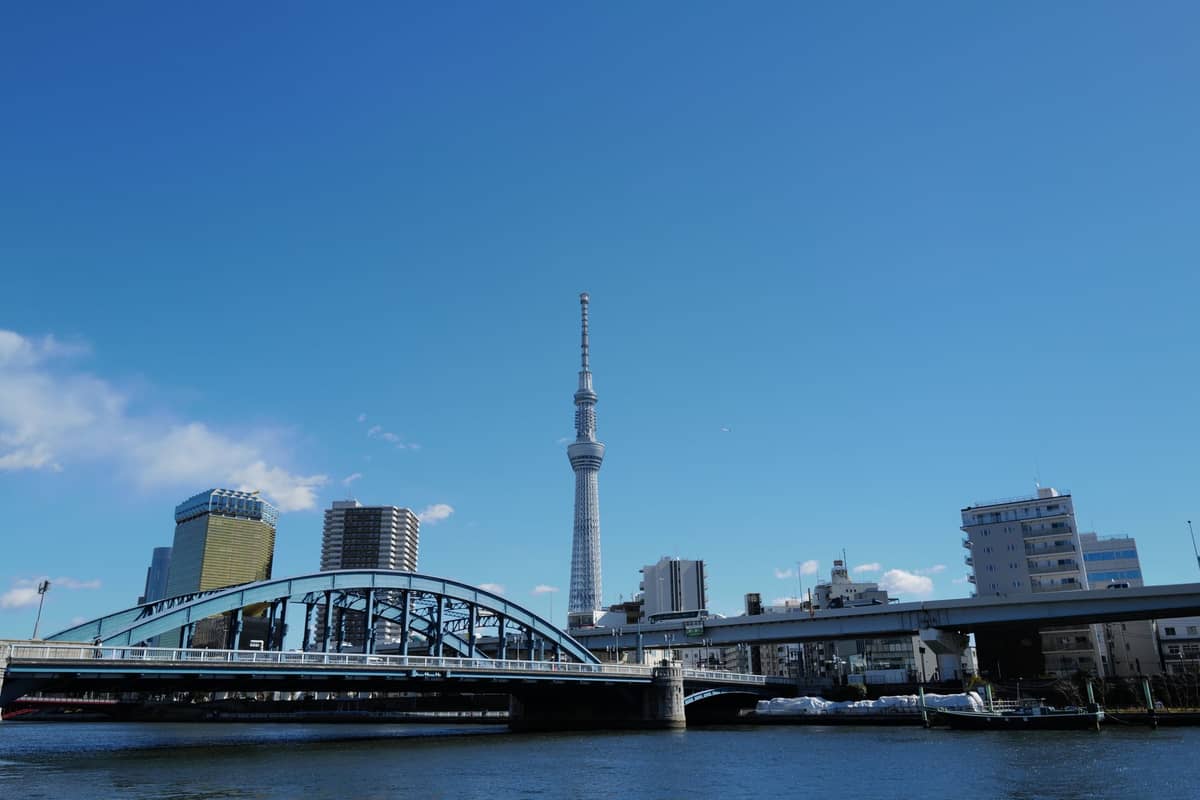
- Asakusa and Sumida River Walk Tokyo's most historically layered neighborhood, built around Senso-ji Temple and the old shitamachi (low city) merchant district. Start at Asakusa Station, walk Nakamise-dori toward the temple, then head north along the backstreets to Kappabashi (kitchen supply street) or south along the Sumida River toward Tokyo Skytree. Distance: 4-7 km depending on route. Best early morning (before 9am) to beat tour groups at Senso-ji.
- Yanaka and the Old City Quarter Yanaka survived the 1923 earthquake and WWII firebombing largely intact, which makes it genuinely rare in Tokyo: wooden shopfronts, temple cemeteries, independent cafes, and a rhythm that feels removed from the rest of the metropolis. Start at Nippori Station, walk through Yanaka Cemetery toward Yanaka Ginza, then loop through Nezu toward Nezu Shrine. Distance: 3-5 km. This is one of the few areas that feels authentically unhurried.
- Imperial Palace East Gardens and Marunouchi A compact route connecting the free Imperial Palace East Gardens (closed Mondays and Fridays) with the elegant Marunouchi commercial district and Tokyo Station's Meiji-era brick facade. Flat, easy walking with significant historical depth. Distance: 2-4 km. Well-suited for a half-day or a morning warm-up before heading elsewhere.
- Harajuku, Meiji Jingu, and Omotesando This route contrasts two extreme versions of Tokyo: the vast forested calm of Meiji Jingu Shrine and Yoyogi Park against the concentrated designer architecture and cafe culture of Omotesando. Walk from Harajuku Station through the shrine grounds, cut through Yoyogi Park, then south down Omotesando toward Cat Street. Distance: 4-6 km. Takeshita Street is worth a brief detour for the spectacle, but it gets extremely crowded on weekend afternoons.
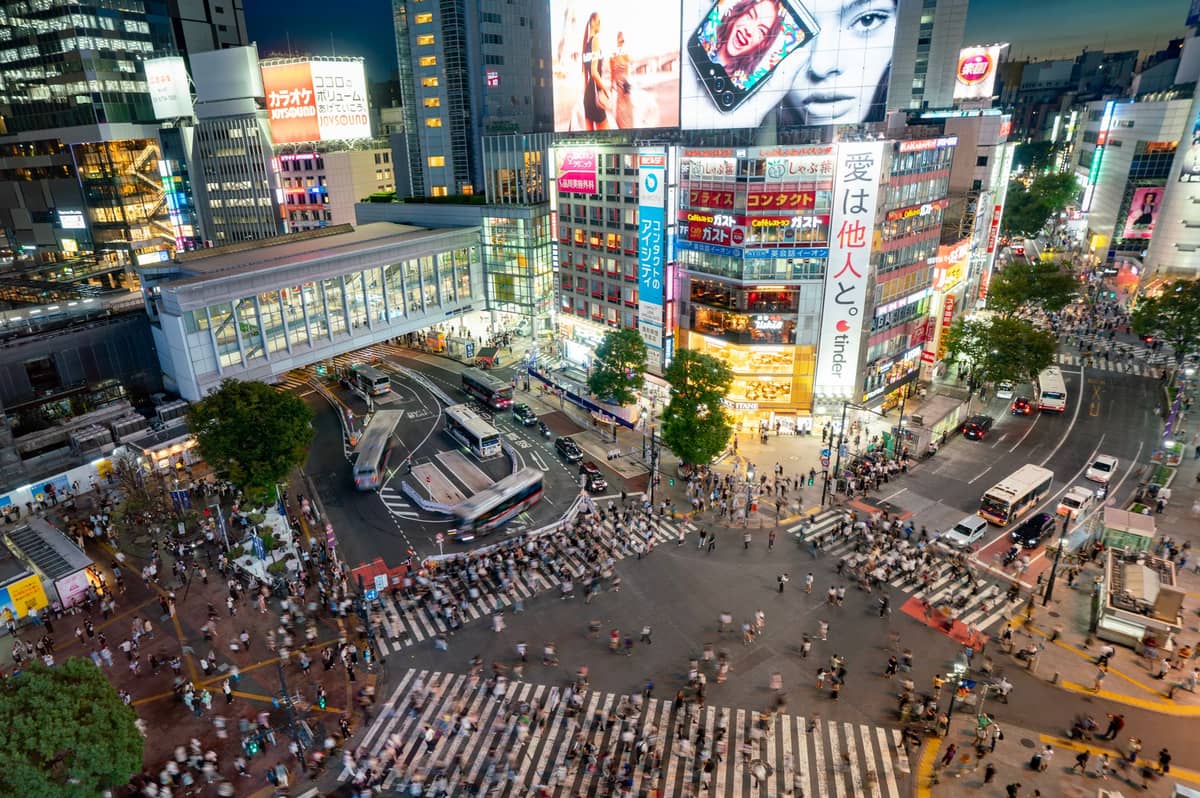
- Shibuya to Daikanyama and Nakameguro An easy downhill walk from Shibuya Crossing south through the backstreets to Daikanyama (bookshops, independent fashion, quieter cafes) and then along the Meguro River to Nakameguro. One of Tokyo's most pleasant urban walks, particularly in cherry blossom season when the riverbanks are lined with flowering trees. Distance: 3-5 km. The area around the river gets very crowded in late March and early April.
- Shinjuku: East Side and Kabukicho to Golden Gai Shinjuku's east side is best explored on foot in the late afternoon through evening when the neon signs, izakaya alleys, and the narrow lanes of Golden Gai are fully alive. Start from Shinjuku Station's east exit, walk through the Kabukicho entertainment district, then find Golden Gai's grid of tiny bars. Distance: 1-3 km, but you'll move slowly. Not a long walk geographically — it's more about atmosphere than mileage.
Thematic Routes Worth Planning Around
Beyond neighborhood walks, several thematic routes cut across ward boundaries and reward walkers who want a focused lens on the city. The Tokyo Metropolitan Government's official walking brochures include routes organized around historical Edo-era streetscapes, waterfront promenades, and filming locations used in Japanese cinema and television. These are downloadable free from the Go Tokyo website's PDF Maps and Guides section.
For architecture enthusiasts, a self-guided tour of Omotesando's high-design facades — buildings by Tadao Ando, Herzog and de Meuron, and Toyo Ito, among others — can be combined with the Omotesando shopping and architecture corridor for a focused half-day. The nearby Nezu Shrine adds a centuries-old contrast if you extend the walk northward through Yanaka.
Garden walkers have excellent options across the city. Hamarikyu Gardens sits at the mouth of the Sumida River and makes a natural end point for a waterfront walk from Tsukiji or Ginza. Shinjuku Gyoen is large enough to treat as a destination in itself, particularly in cherry blossom season. The Tokyo gardens guide covers all the major options with admission prices and transport details.
⚠️ What to skip
Tokyo's summers are genuinely demanding for walkers. Between late June and early September, daytime temperatures regularly hit 30-33°C with high humidity, and heat stroke risk is real. If you're walking in summer, plan routes that pass through air-conditioned spaces (department stores, convenience stores, museum lobbies), carry at least 1 litre of water, and start before 9am or after 5pm. The city's official guidance recommends against strenuous outdoor activity during peak afternoon heat.
How to Use Transport Passes With Walking Routes
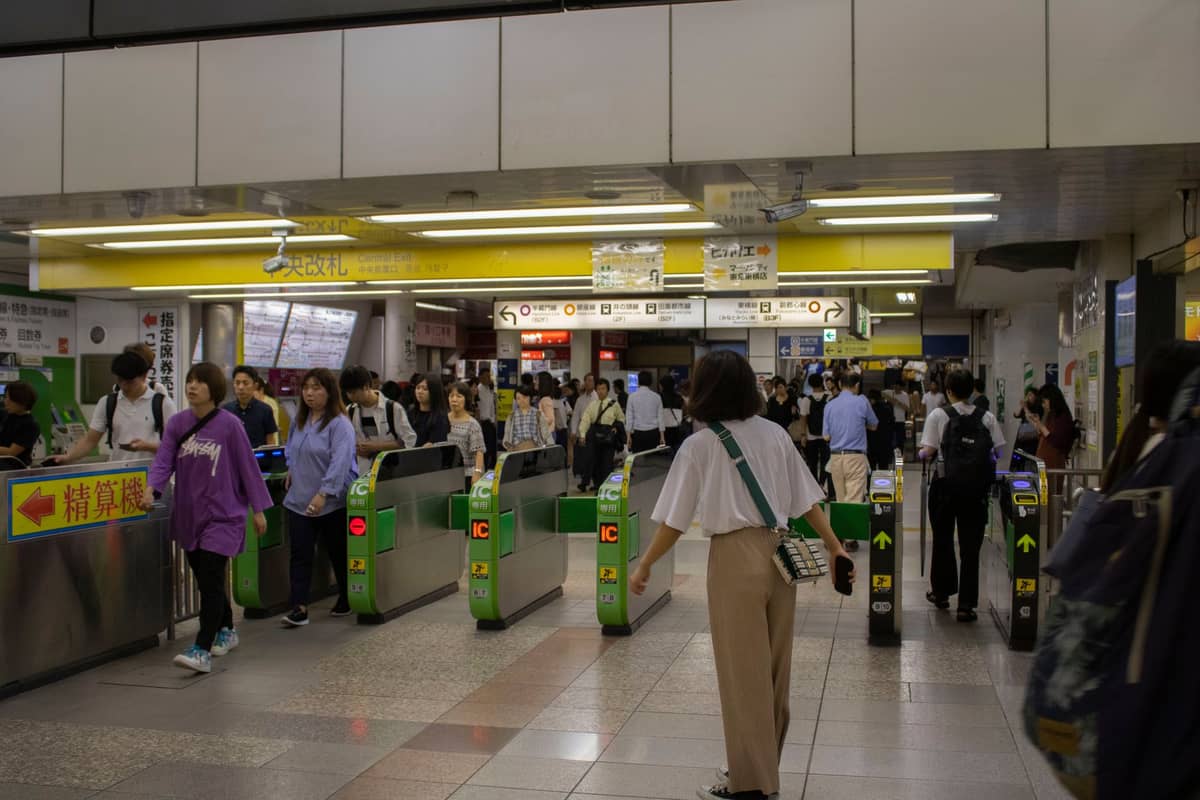
The smartest approach to self-guided walking in Tokyo is to treat the subway as a taxi between walking zones rather than the primary way to see the city. You walk each neighborhood, then take the train to the next one. This means having the right pass matters more than you might expect on a 'walking day.'
The Tokyo Subway Ticket is the most useful option for visitors. It covers all 13 lines of the Tokyo Metro and Toei Subway networks and is sold in 24-hour (¥1,000), 48-hour (¥1,500), and 72-hour (¥2,000) versions for adults, with children ages 6-11 paying half price. Crucially, it runs from the time of first use, not from midnight of the purchase day, which means activating it at 2pm still gives you full use until 2pm the following day. It's available at major stations and online, and is only sold to foreign visitors presenting a passport.
- Tokyo Subway Ticket: ¥1,000 / 24hr, ¥1,500 / 48hr, ¥2,000 / 72hr — covers Tokyo Metro and Toei Subway, time-based from first use
- Common One-Day Ticket (Tokyo Metro + Toei): ¥1,100 adults, ¥550 children — calendar day only, available to all passengers
- Toei One-Day Pass (Marugoto Kippu): ¥700 adults, ¥350 children — covers Toei subway, Toei buses, Tokyo Sakura Tram, and Nippori-Toneri Liner for one calendar day
- IC Cards (Suica or Pasmo): loaded prepaid cards work on all rail lines including JR — better if your walking days are spread out and you don't want a dedicated pass
- Note: JR lines including the Yamanote Line are NOT covered by any of the above subway passes — you'll need an IC card or separate ticket for those
✨ Pro tip
For a trip combining Asakusa, Yanaka, Ueno, and Akihabara in a single day, the Toei One-Day Pass at ¥700 covers the Toei Asakusa Line and Toei Oedo Line, plus buses — often cheaper than the full Tokyo Subway Ticket if you're only crossing a few neighborhoods. Do the maths against your planned route before buying.
Practical Logistics: What to Know Before You Walk
Tokyo operates on Japan Standard Time (JST, UTC+9) with no daylight saving adjustments. This is relevant for walkers because it affects both when attractions open and the quality of light for photography. Many temples and shrines, including Senso-ji, are accessible at all hours, but their official grounds and interior halls typically open around 6am. Major gardens like Shinjuku Gyoen open at 9am and close between 4:30 and 6:30pm depending on season. Imperial Palace East Gardens are open Tuesday through Sunday, roughly 9am to 4:30pm, with last entry 30 minutes before closing.
Japan has a no-tipping culture universally. Service at cafes, restaurants, and convenience stores does not require or expect gratuity. Tokyo's tap water is safe to drink, which keeps hydration costs to zero if you refill from taps. For everything else practical, including getting to Tokyo from Narita or Haneda, the Tokyo airports guide covers transport options and current fare ranges. Emergency numbers are 110 for police and 119 for fire and ambulance. Japan's international dialing code is +81.
Walking in Tokyo requires no particular fitness level for most routes — the city is largely flat across its central wards. The notable exceptions are Shinjuku and areas around western Tokyo, where hills add gradients. Wear comfortable shoes regardless; you will cover more distance than you expect. For first-time visitors who want a framework before committing to specific walks, the Tokyo first-time visitor guide provides useful orientation on which areas to prioritize and how to structure a trip.
Seasonal Conditions and the Best Times to Walk
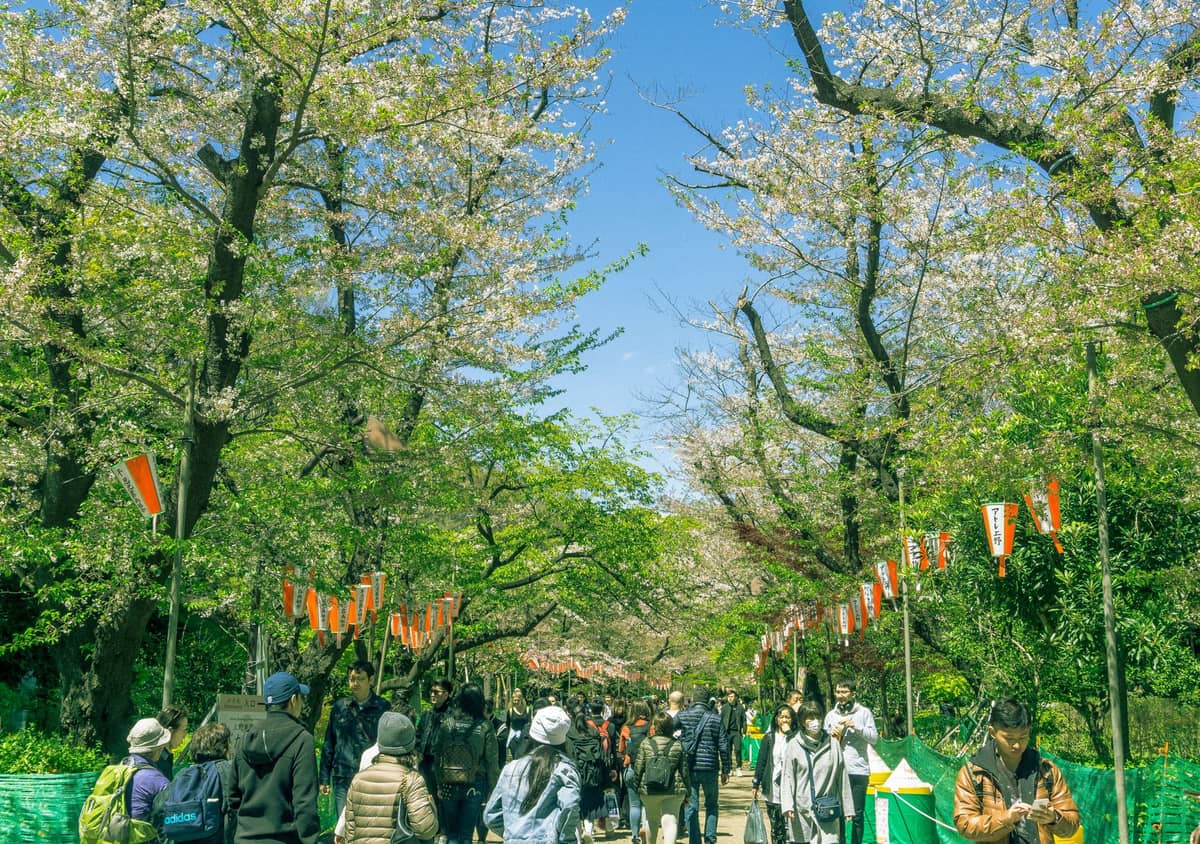
Spring and autumn are the clearest choices for walkers. From mid-April through early May, temperatures sit between 18 and 23°C with moderate rainfall and good visibility — comfortable for full-day walking without overheating. Late October through mid-November brings similar conditions with the added visual reward of autumn foliage, particularly in Shinjuku Gyoen, Rikugien Garden, and along the Meguro River.
Late March through early April is Tokyo's cherry blossom period, arguably the city's most visually dramatic season and the peak crowd period for walking routes near parks and rivers. Expect heavy foot traffic around Ueno Park, the Meguro River, and Chidorigafuchi moat near the Imperial Palace. Going earlier in the morning (before 8am) meaningfully reduces congestion. For a full picture of the season, the guide to Tokyo in spring covers bloom timing, crowd patterns, and the best viewing spots.
Winter walking (December through February) is underrated. The city is at its driest, crowds thin out compared to peak seasons, and the cool temperatures (averaging 9-10°C highs in January) are genuinely comfortable for walking if you dress in layers. The trade-off is shorter daylight hours and the absence of the seasonal spectacle that draws visitors to spring and autumn. Rain is minimal, and clear winter days often give the best views of Mount Fuji from elevated spots in the city.
FAQ
Do I need to book a guided tour, or can I walk Tokyo independently?
You can walk Tokyo entirely independently. The Tokyo Metropolitan Government publishes free downloadable walking route maps at gotokyo.org covering dozens of wards and thematic routes, available in English. Signage at major attractions is bilingual, and subway navigation is straightforward with an English-language app. Guided tours add interpretation and group energy, but they are not necessary for a rewarding walking experience.
How far can I realistically walk in one day in Tokyo?
Most visitors comfortably cover 8-15 km per day on a dedicated walking itinerary, which translates to one or two neighborhoods explored in depth. Tokyo's subway system makes it easy to walk one area for two to three hours, take a 10-minute train ride, and continue walking elsewhere. A single neighborhood like Asakusa or Yanaka fills a half-day easily without feeling rushed.
What is the best neighborhood for a first self-guided walk in Tokyo?
Asakusa is the most logical starting point for first-timers. It has the highest density of photogenic and historically significant sites within a compact area, including Senso-ji Temple, Nakamise-dori, Kappabashi Kitchen Town, and the Sumida River waterfront. It's well connected by multiple subway lines, and the walking route is intuitive even without a detailed map.
Is the Tokyo Subway Ticket worth buying for a walking-focused trip?
Yes, if you plan to visit multiple neighborhoods across different parts of the city on the same day. At ¥1,000 for 24 hours, it breaks even after just four or five subway rides, which is typical when linking walking zones. The key advantage over a per-ride IC card is the time-based flexibility: activate it when you start, and you have a full 24 hours regardless of when you began.
Are Tokyo's self-guided walking routes safe at night?
Tokyo has one of the lowest street crime rates of any major world city, and walking after dark in the central wards is generally safe, including for solo travelers. Well-lit areas like Shinjuku, Shibuya, Asakusa, and Ginza are heavily trafficked late into the night. Standard urban precautions apply — stay aware of your surroundings and secure your belongings — but nighttime walking is a legitimate and rewarding way to experience neighborhoods like Golden Gai or Nakameguro that come alive in the evening.