Best Gardens & Parks in Tokyo: 15 Green Spaces Worth Your Time
Tokyo is one of the world's great garden cities, with Edo-period strolling gardens, forested shrine grounds, and expansive modern parks distributed across the metropolis. This guide covers the finest green spaces in Tokyo, from the iconic to the quietly spectacular.
Plan and book this trip
Tools from our partner Travelpayouts help you compare flights and hotels. If you book through them, we may earn a commission at no extra cost to you.
Flights
Hotels map
For a city of 14 million people, Tokyo is remarkably green. Edo-period shoguns and Meiji-era industrialists left behind a legacy of extraordinary traditional gardens, while the city's parks range from vast cultural hubs to secret woodland valleys. Whether you're planning around cherry blossoms in spring or autumn foliage in November, this guide points you to the best of them. For seasonal timing advice, see our best time to visit Tokyo guide. And if you want to combine green spaces with temple visits, our best temples and shrines in Tokyo guide is a natural companion, since many of Tokyo's finest sacred sites are inseparable from their gardens.
💡 Local tip
Most Tokyo gardens charge ¥150–¥500 admission. Shinjuku Gyoen is closed on Mondays (except during the cherry blossom and autumn open periods, Mar 25–Apr 24 and Nov 1–15). Hamarikyu is closed Dec 29–Jan 1. Always check official sites for weather-related closures during typhoon season.
Classic Edo-Period Strolling Gardens
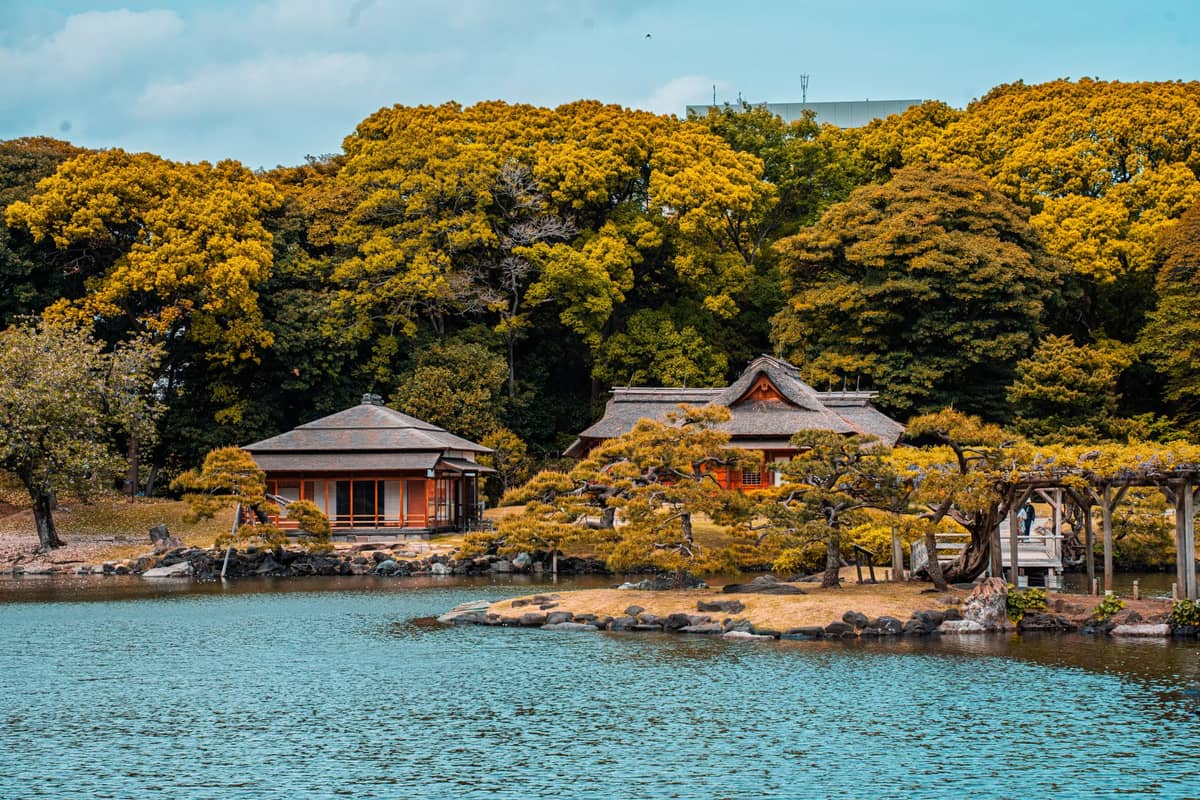
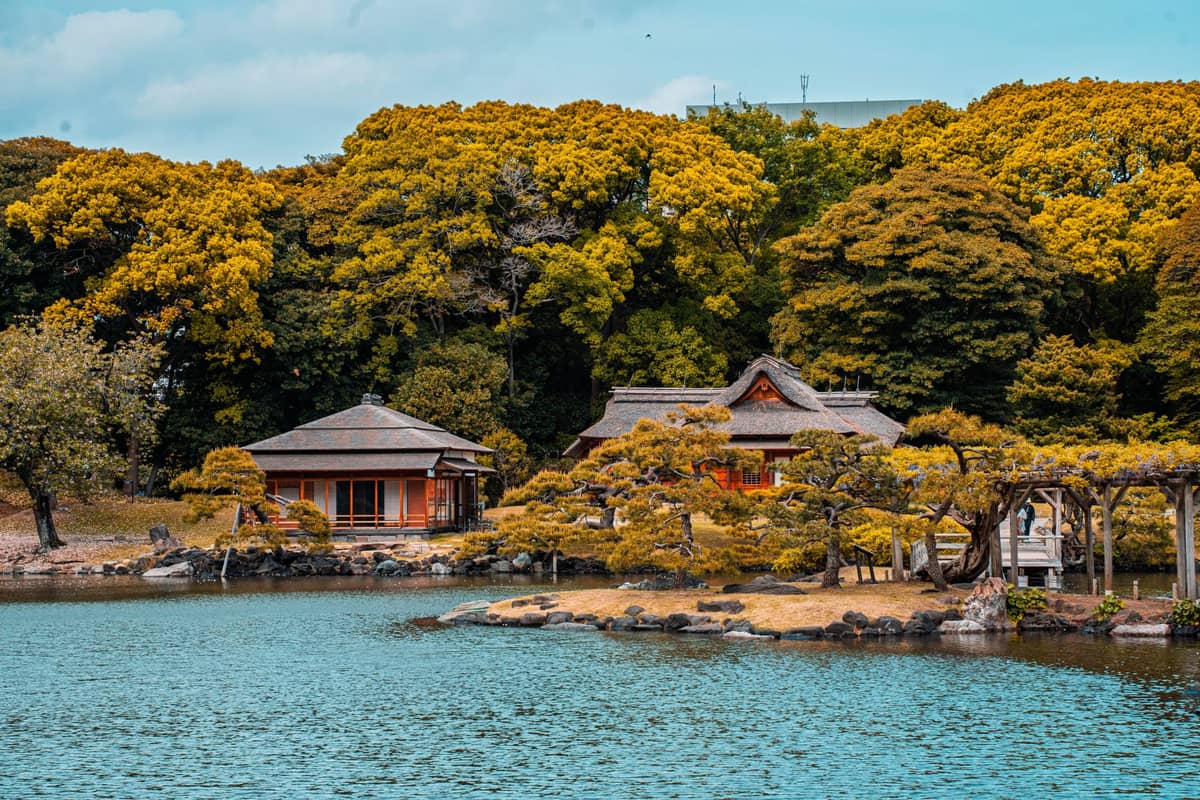
Tokyo's finest traditional gardens were built by Edo-period feudal lords and Meiji-era industrialists as private retreats, designed around a central pond with meandering paths revealing carefully composed views. These are the gardens where Japanese landscape design is at its most refined. Several are concentrated in the Chiyoda and central districts, making it easy to visit two or three in a single day.
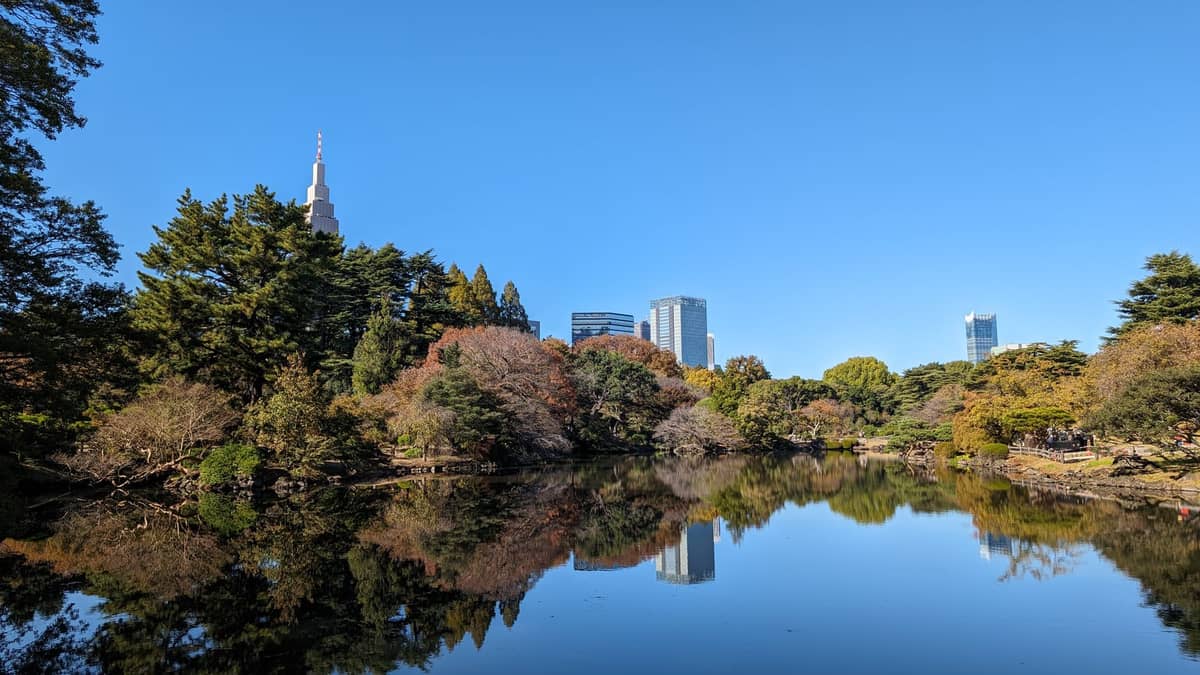
1. Spend a Half-Day at Tokyo's Premier Garden: Shinjuku Gyoen
Tokyo's finest national garden blends French formal, English landscape, and traditional Japanese styles across 58 hectares. Over 1,000 cherry trees make it the city's top hanami spot. Adults ¥500; closed Mondays outside the special open periods.
Explore1. Spend a Half-Day at Tokyo's Premier Garden: Shinjuku Gyoen
Tokyo's finest national garden blends French formal, English landscape, and traditional Japanese styles across 58 hectares. Over 1,000 cherry trees make it the city's top hanami spot. Adults ¥500; closed Mondays outside the special open periods.
Explore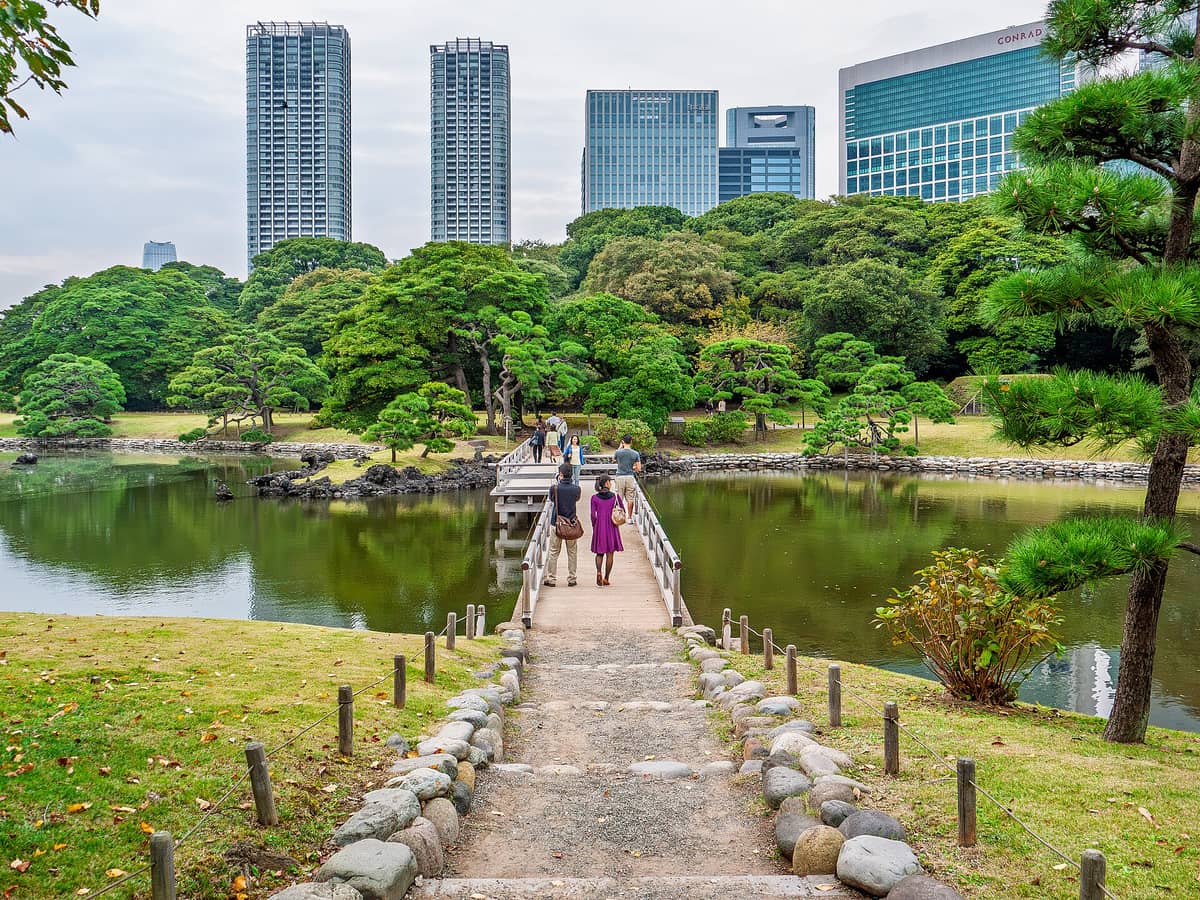
2. Escape the City at Hamarikyu's Tidal Ponds and Teahouse
A former shogunal duck-hunting reserve on Tokyo Bay, featuring saltwater tidal ponds, a teahouse on an island, and skyscraper views framing the traditional landscape. One of the city's most dramatically sited gardens. Adults ¥300; closed Dec 29–Jan 1.
Explore2. Escape the City at Hamarikyu's Tidal Ponds and Teahouse
A former shogunal duck-hunting reserve on Tokyo Bay, featuring saltwater tidal ponds, a teahouse on an island, and skyscraper views framing the traditional landscape. One of the city's most dramatically sited gardens. Adults ¥300; closed Dec 29–Jan 1.
Explore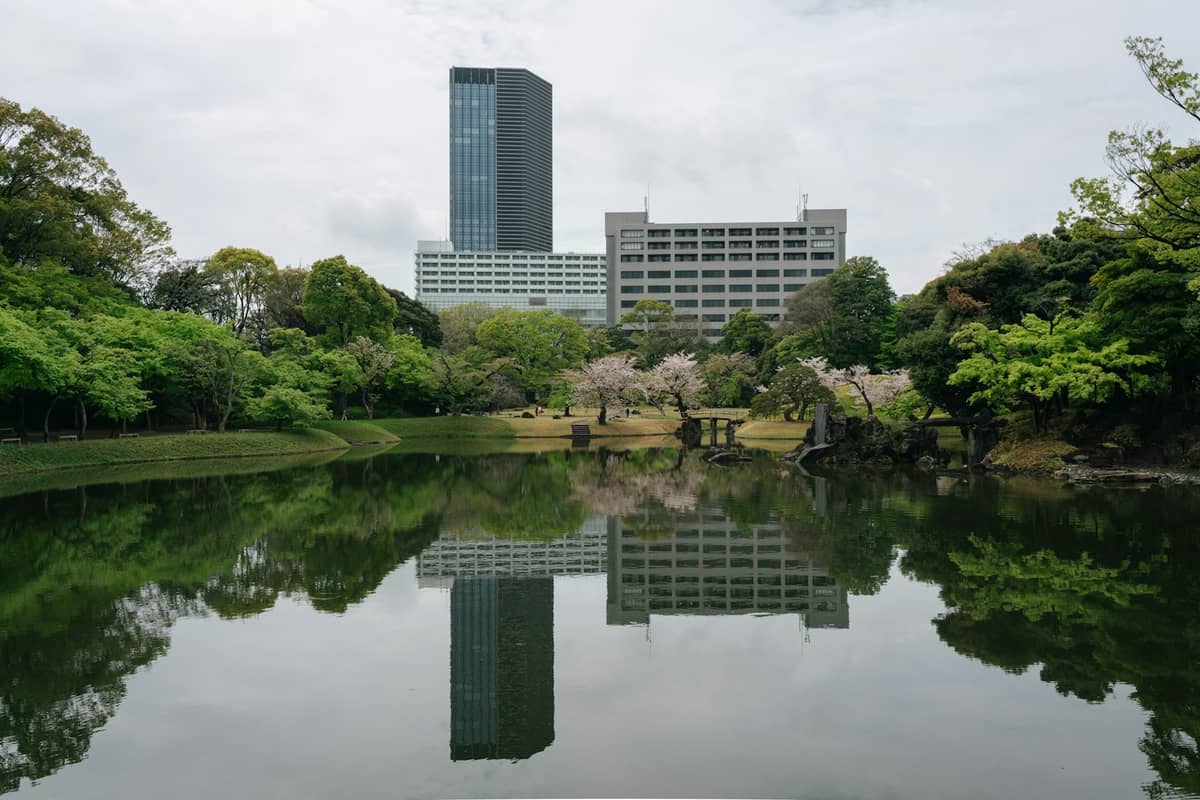
3. Explore One of Tokyo's Oldest Gardens at Koishikawa Korakuen
Dating to the early Edo period, this garden miniaturizes famous landscapes from China and Japan around a central pond. The Tsutenkyo Bridge and Full Moon Bridge are highlights. Located beside Tokyo Dome, it rewards at least 90 minutes of exploration.
Explore3. Explore One of Tokyo's Oldest Gardens at Koishikawa Korakuen
Dating to the early Edo period, this garden miniaturizes famous landscapes from China and Japan around a central pond. The Tsutenkyo Bridge and Full Moon Bridge are highlights. Located beside Tokyo Dome, it rewards at least 90 minutes of exploration.
Explore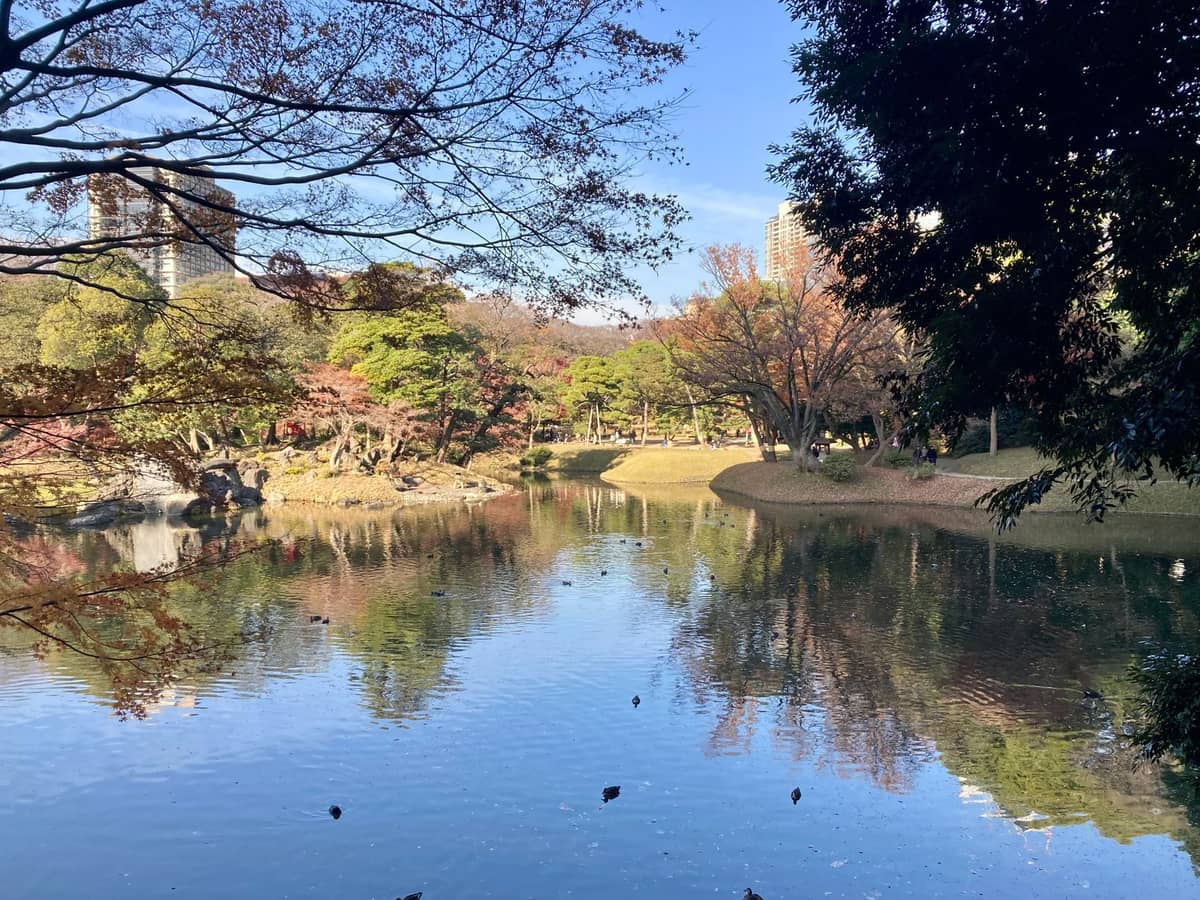
4. Walk Through Poetry at Rikugien Garden in Komagome
Designed in 1702 to evoke 88 scenes from classical poetry, Rikugien's wooded hills, central pond, and teahouse are among the most serene in Tokyo. Its illuminated weeping cherry tree in late March draws long queues but is genuinely breathtaking.
Explore4. Walk Through Poetry at Rikugien Garden in Komagome
Designed in 1702 to evoke 88 scenes from classical poetry, Rikugien's wooded hills, central pond, and teahouse are among the most serene in Tokyo. Its illuminated weeping cherry tree in late March draws long queues but is genuinely breathtaking.
Explore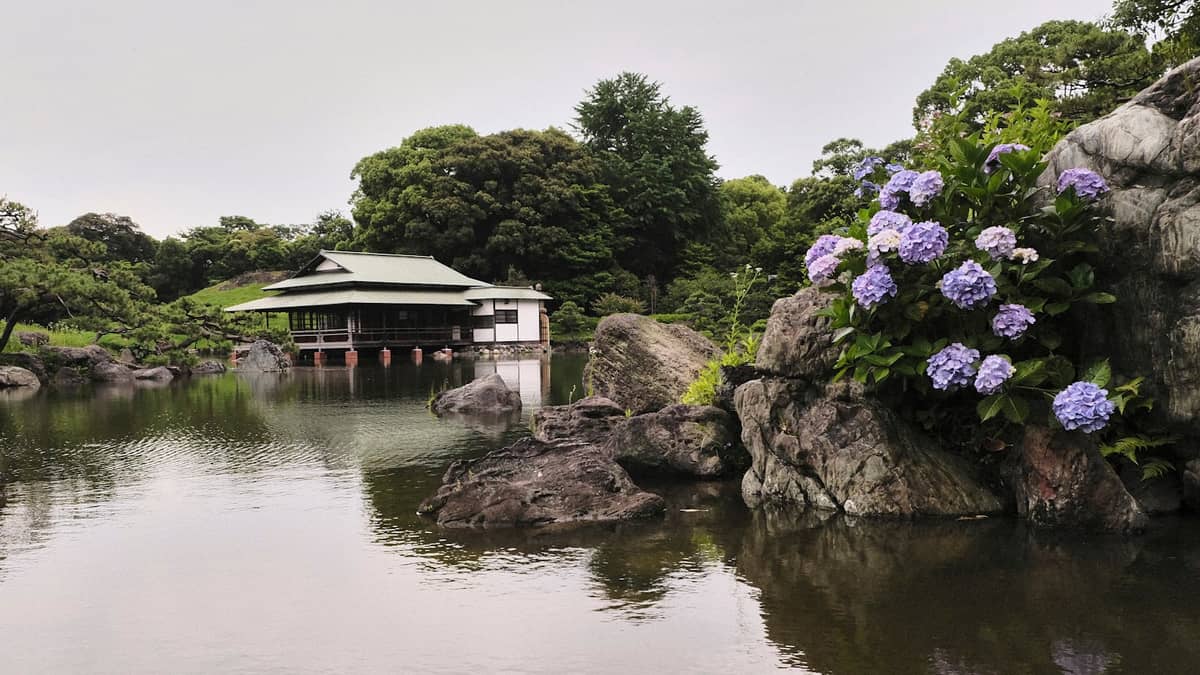
5. Step Across the Pond at Kiyosumi Garden in East Tokyo
A Meiji-era Iwasaki family estate in Kiyosumi-Shirakawa, featuring stepping stones across a large central pond and rare stones collected from across Japan. Far less crowded than central Tokyo's gardens and ideal for pairing with the area's excellent coffee scene.
Explore5. Step Across the Pond at Kiyosumi Garden in East Tokyo
A Meiji-era Iwasaki family estate in Kiyosumi-Shirakawa, featuring stepping stones across a large central pond and rare stones collected from across Japan. Far less crowded than central Tokyo's gardens and ideal for pairing with the area's excellent coffee scene.
ExploreMeiji-Era Estates and Historic Gardens
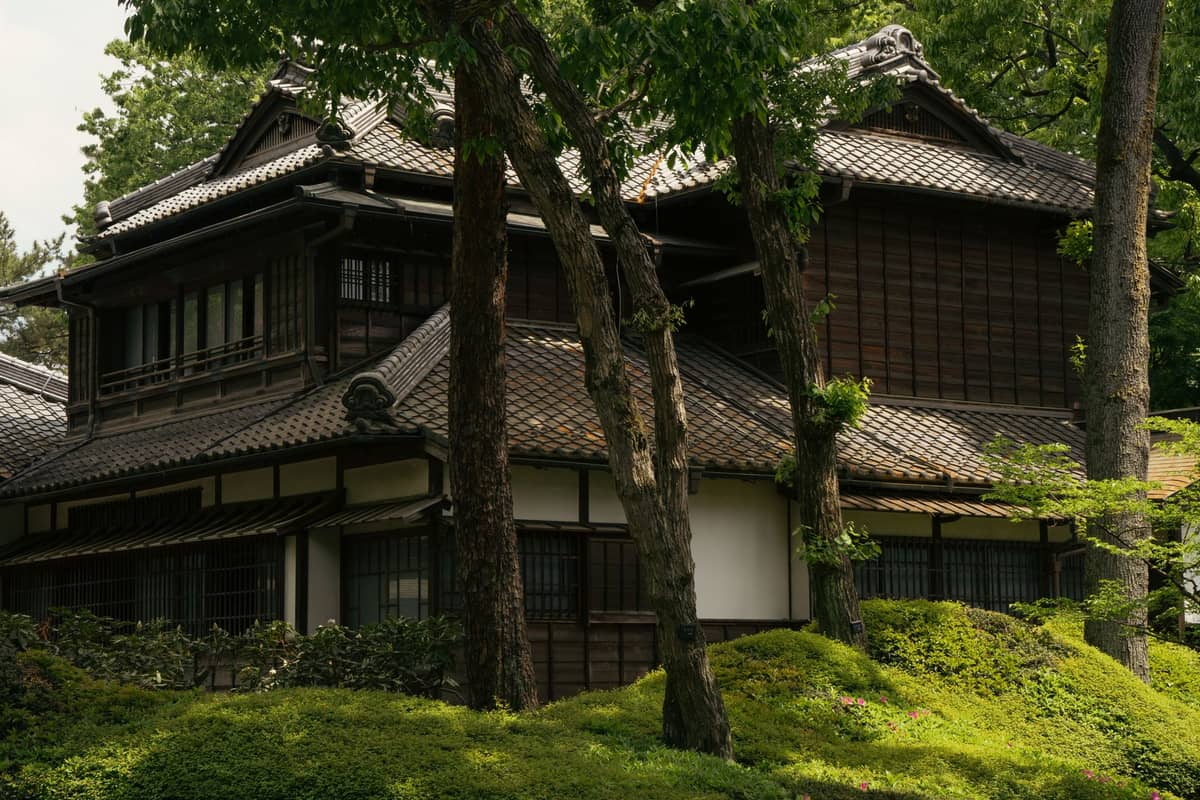
The Meiji era (1868–1912) produced some of Tokyo's most architecturally interesting garden estates, where Western mansion design met traditional Japanese garden craft. Several are managed by the Tokyo Metropolitan Government and are open year-round. The Tokyo architecture guide covers the buildings that accompany these gardens in more detail.
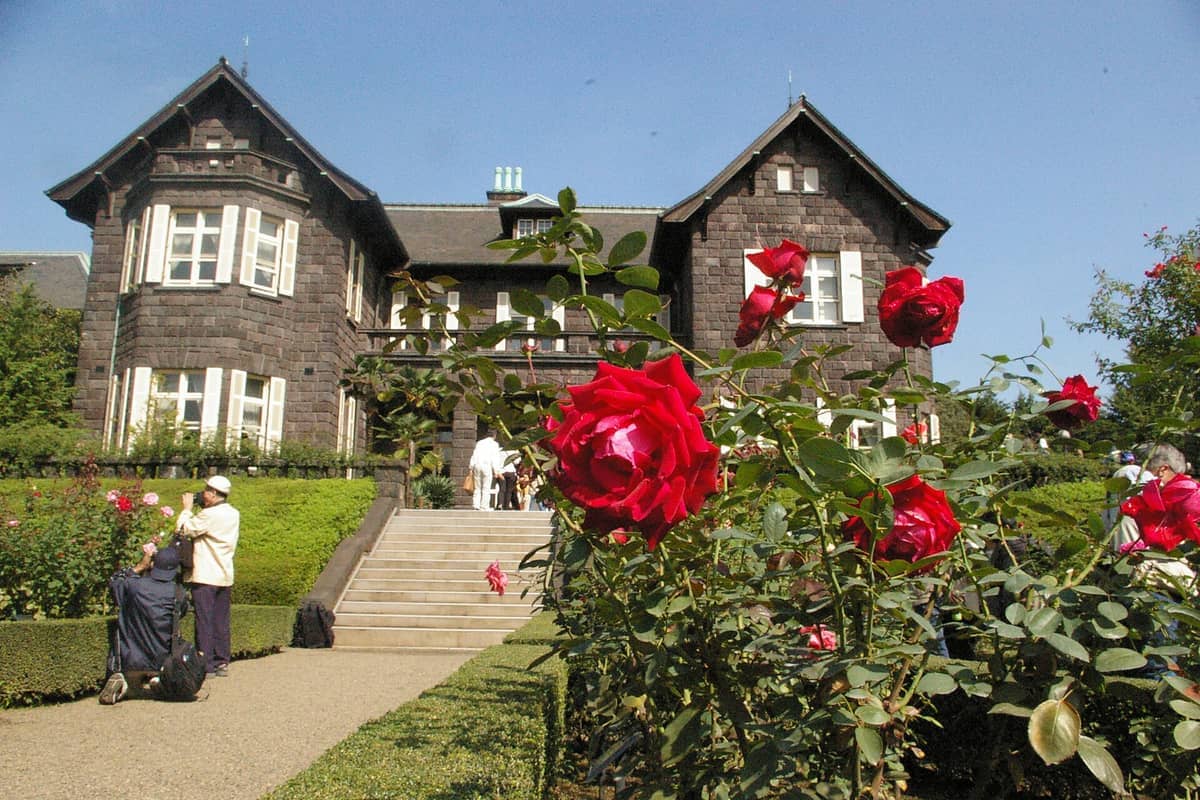
6. Visit the Rose Garden and Josiah Conder Mansion at Kyu-Furukawa
A Meiji-era estate in Kita ward combining a Western-style mansion by architect Josiah Conder, a formal tiered rose garden, and a traditional Japanese strolling garden below. The rose garden peaks in May and October, making it one of Tokyo's most romantic seasonal destinations.
Explore6. Visit the Rose Garden and Josiah Conder Mansion at Kyu-Furukawa
A Meiji-era estate in Kita ward combining a Western-style mansion by architect Josiah Conder, a formal tiered rose garden, and a traditional Japanese strolling garden below. The rose garden peaks in May and October, making it one of Tokyo's most romantic seasonal destinations.
Explore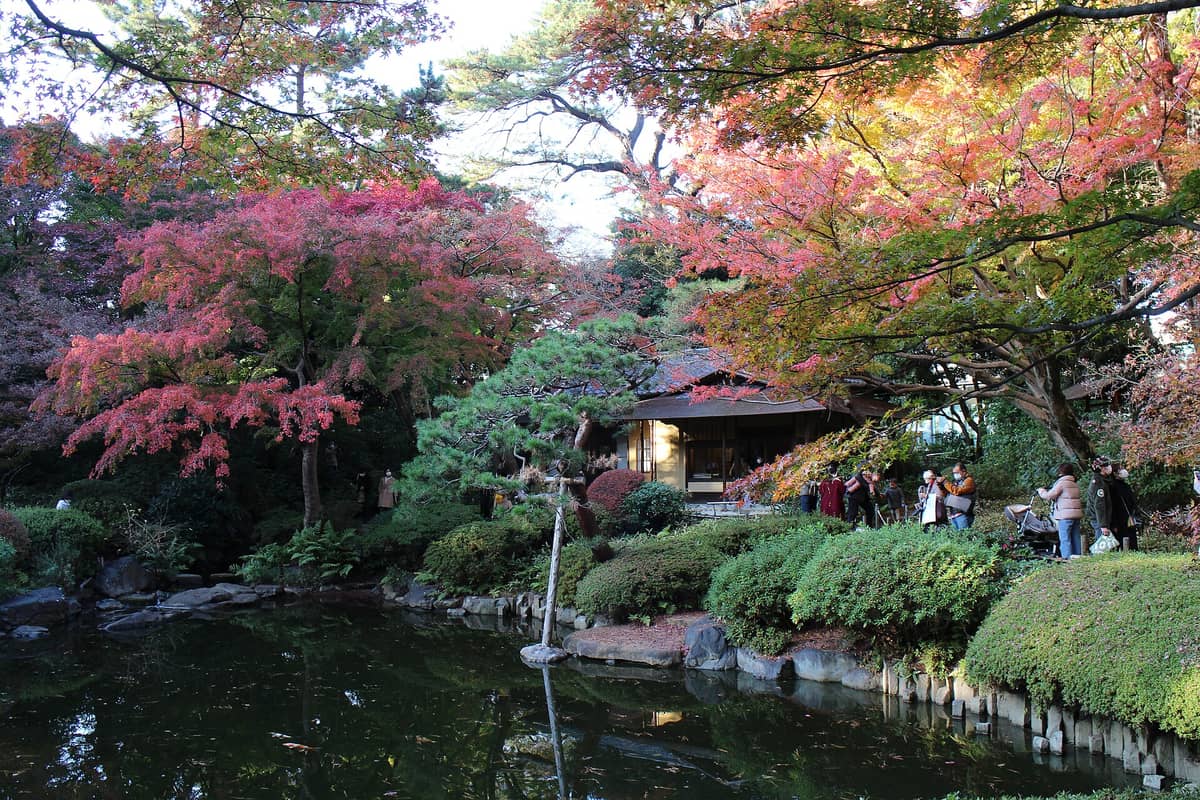
7. Tour an Art Deco Palace Garden in Shirokanedai
Prince Asaka's 1933 Art Deco palace in Shirokanedai now operates as an art museum, and its Japanese garden is open alongside the exhibitions. The formal front garden and rear traditional garden are peaceful even when the museum itself is between shows.
Explore7. Tour an Art Deco Palace Garden in Shirokanedai
Prince Asaka's 1933 Art Deco palace in Shirokanedai now operates as an art museum, and its Japanese garden is open alongside the exhibitions. The formal front garden and rear traditional garden are peaceful even when the museum itself is between shows.
Explore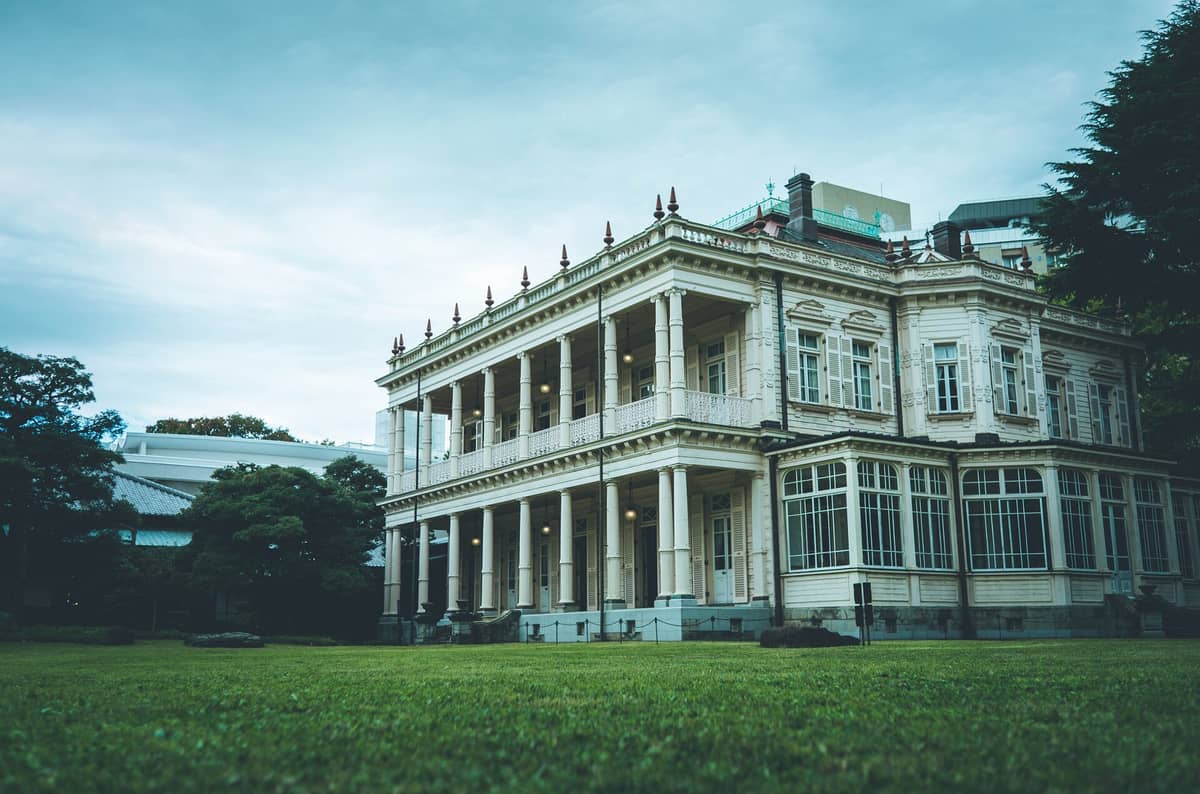
8. See a Meiji-Era Estate Nearly Intact at Kyu-Iwasaki-tei
The Iwasaki family's Ueno estate preserves a Western mansion, a Japanese-style annex by Josiah Conder, and traditional garden. It is one of Tokyo's most complete surviving Meiji-era residential complexes and rarely crowded even on weekends.
Explore8. See a Meiji-Era Estate Nearly Intact at Kyu-Iwasaki-tei
The Iwasaki family's Ueno estate preserves a Western mansion, a Japanese-style annex by Josiah Conder, and traditional garden. It is one of Tokyo's most complete surviving Meiji-era residential complexes and rarely crowded even on weekends.
Explore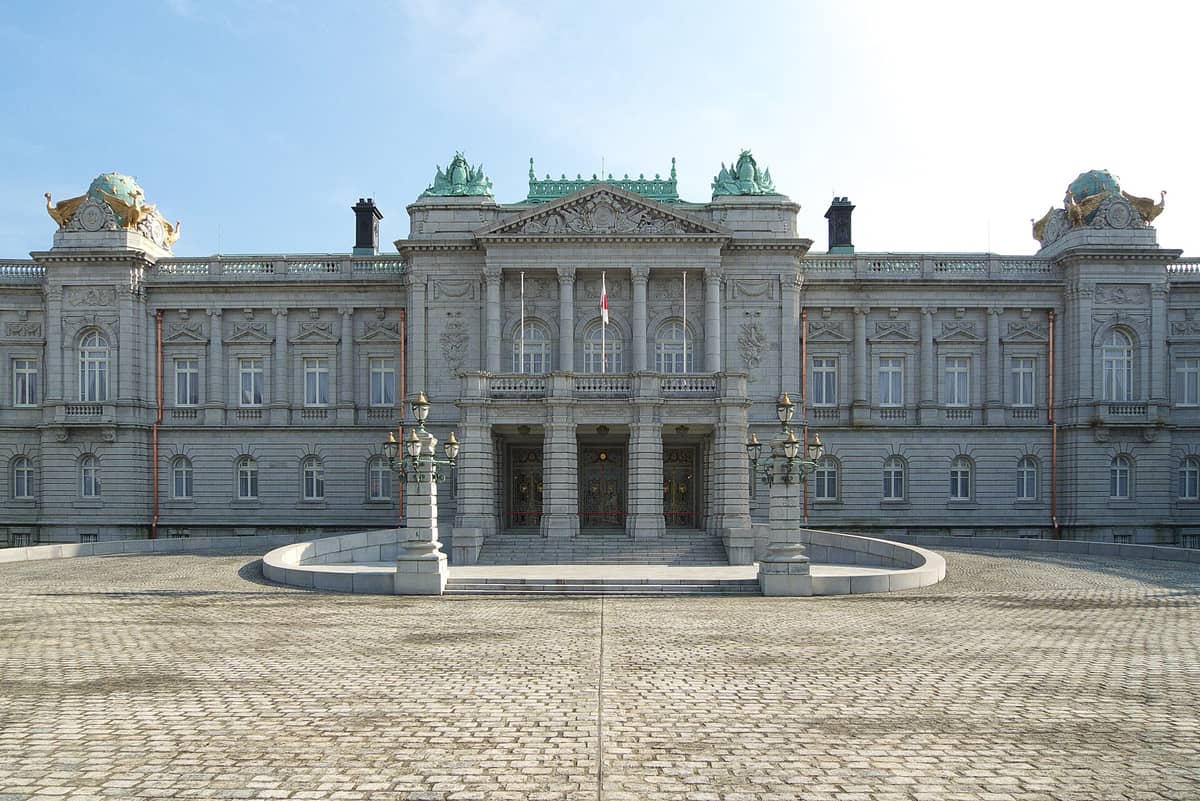
9. Stroll Through the French Formal Gardens of Akasaka Palace
Japan's only Western-style palace, a Neo-Baroque building modeled on Versailles, opens its French formal gardens to the public most days. The symmetrical parterre gardens are immaculate and provide a genuinely surprising contrast to the surrounding Akasaka district.
Explore9. Stroll Through the French Formal Gardens of Akasaka Palace
Japan's only Western-style palace, a Neo-Baroque building modeled on Versailles, opens its French formal gardens to the public most days. The symmetrical parterre gardens are immaculate and provide a genuinely surprising contrast to the surrounding Akasaka district.
ExploreUrban Parks and Forested Retreats
Tokyo's large public parks serve different purposes: some are cultural anchors surrounded by museums, others are quiet woodland sanctuaries that feel disconnected from the city entirely. The neighborhoods around these parks are also worth exploring. The Tokyo neighborhoods guide pairs well with any park itinerary.
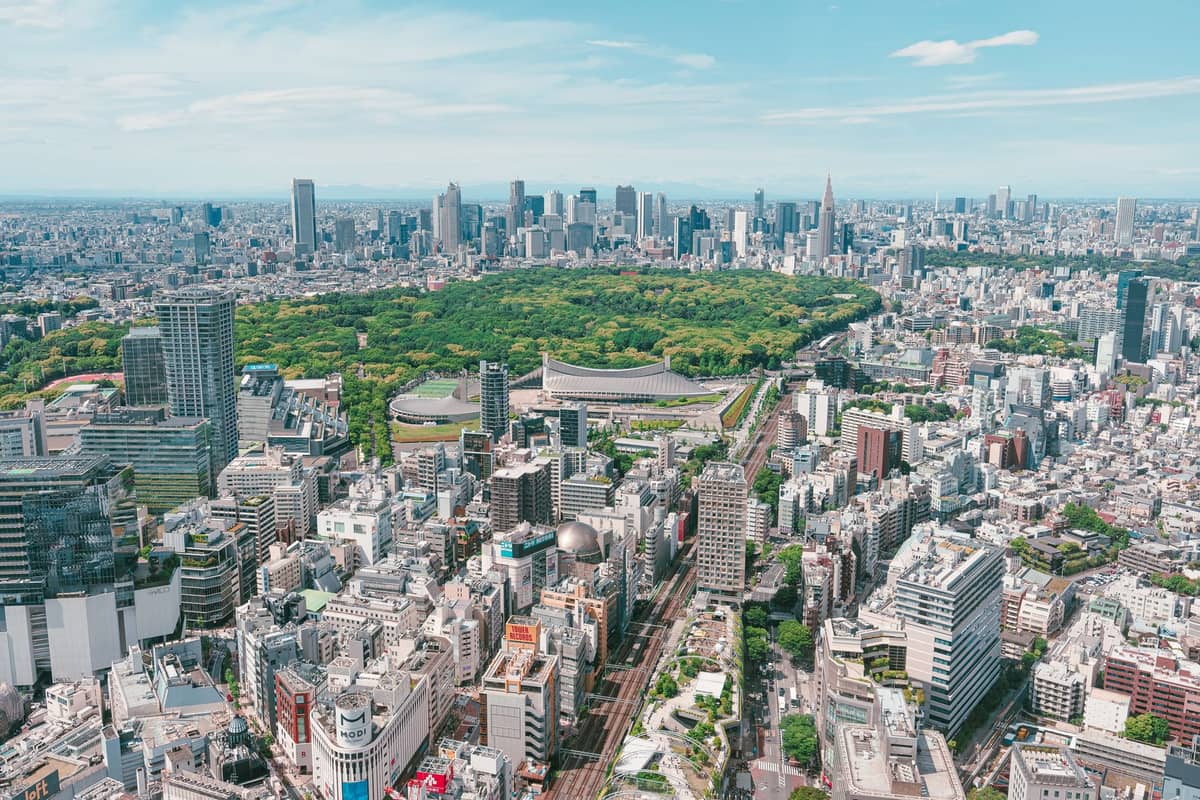
10. Join the Locals at Yoyogi Park in Harajuku
One of Tokyo's largest parks, a sprawling open greenspace adjacent to Meiji Shrine that fills on weekends with musicians, picnickers, and sports groups. Cherry blossom season transforms the park completely. Free to enter and a prime spot for watching Tokyo's social life outdoors.
Explore10. Join the Locals at Yoyogi Park in Harajuku
One of Tokyo's largest parks, a sprawling open greenspace adjacent to Meiji Shrine that fills on weekends with musicians, picnickers, and sports groups. Cherry blossom season transforms the park completely. Free to enter and a prime spot for watching Tokyo's social life outdoors.
Explore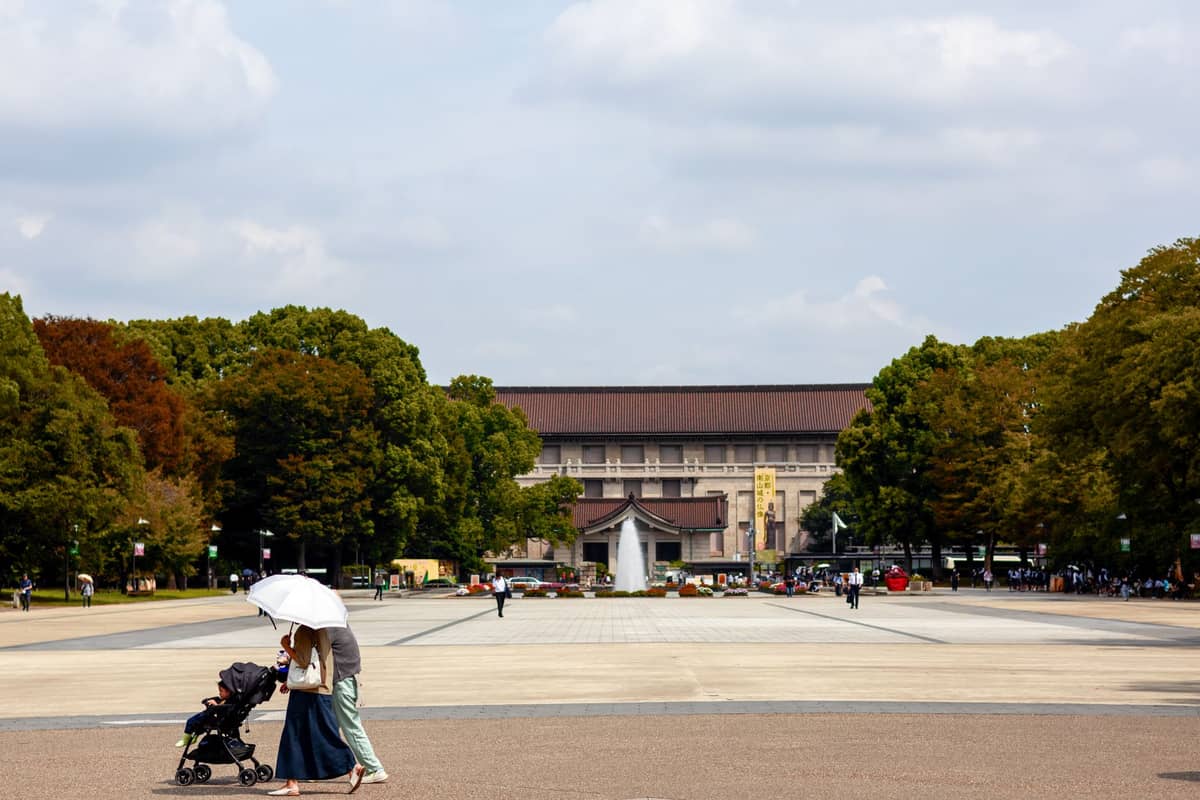
11. Spend a Morning in Ueno Park's Museums and Gardens
Tokyo's most famous public park clusters world-class museums, a zoo, a large lotus pond, and some of the city's best cherry blossom spots into one walkable area. Arrive early to beat the crowds at the Tokyo National Museum before exploring the park itself.
Explore11. Spend a Morning in Ueno Park's Museums and Gardens
Tokyo's most famous public park clusters world-class museums, a zoo, a large lotus pond, and some of the city's best cherry blossom spots into one walkable area. Arrive early to beat the crowds at the Tokyo National Museum before exploring the park itself.
Explore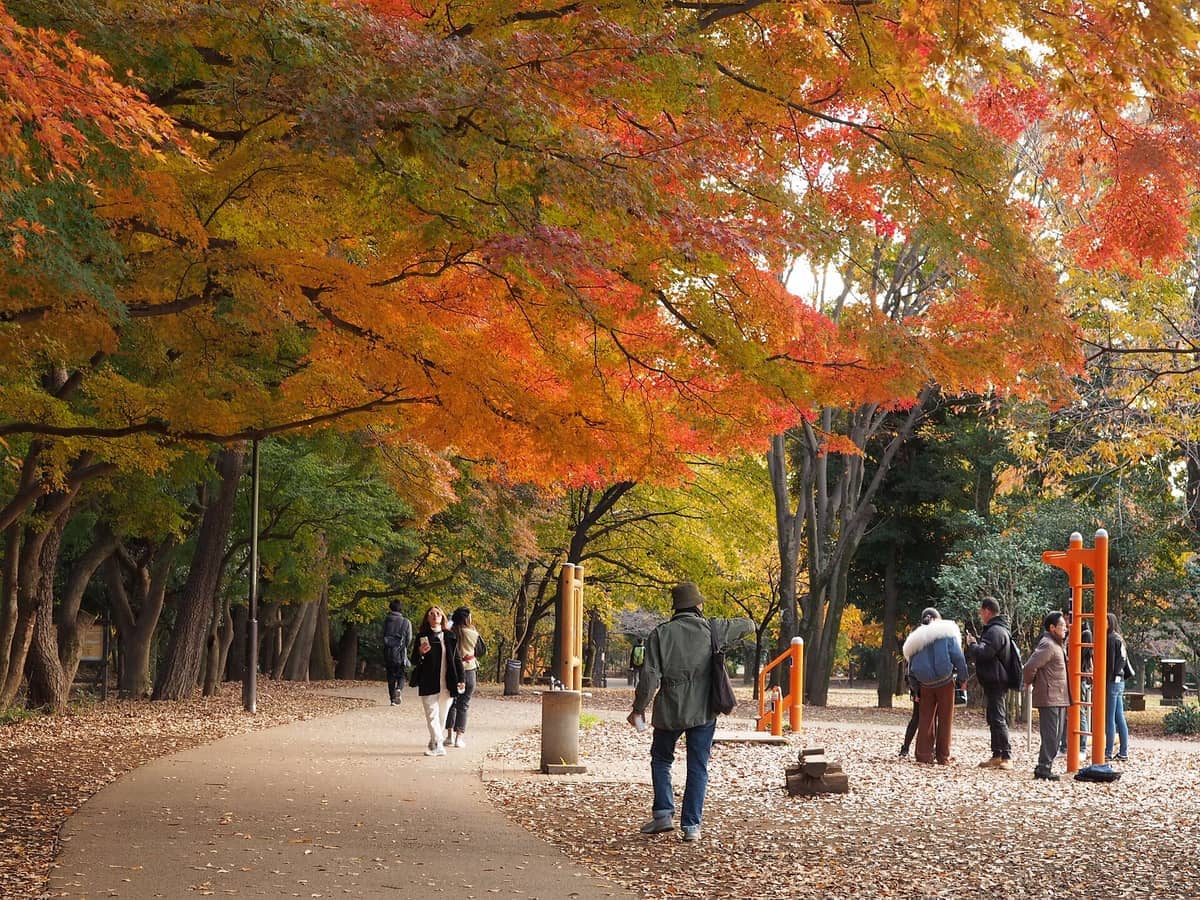
12. Rent a Rowboat on Inokashira Pond in Kichijoji
A beautifully atmospheric park centered on a large pond in Kichijoji, ideal for a quiet morning of rowing, watching street performers, and enjoying the tree-canopied paths. Spring cherry blossoms and the adjacent Ghibli Museum make this area one of Tokyo's most rewarding half-days.
Explore12. Rent a Rowboat on Inokashira Pond in Kichijoji
A beautifully atmospheric park centered on a large pond in Kichijoji, ideal for a quiet morning of rowing, watching street performers, and enjoying the tree-canopied paths. Spring cherry blossoms and the adjacent Ghibli Museum make this area one of Tokyo's most rewarding half-days.
Explore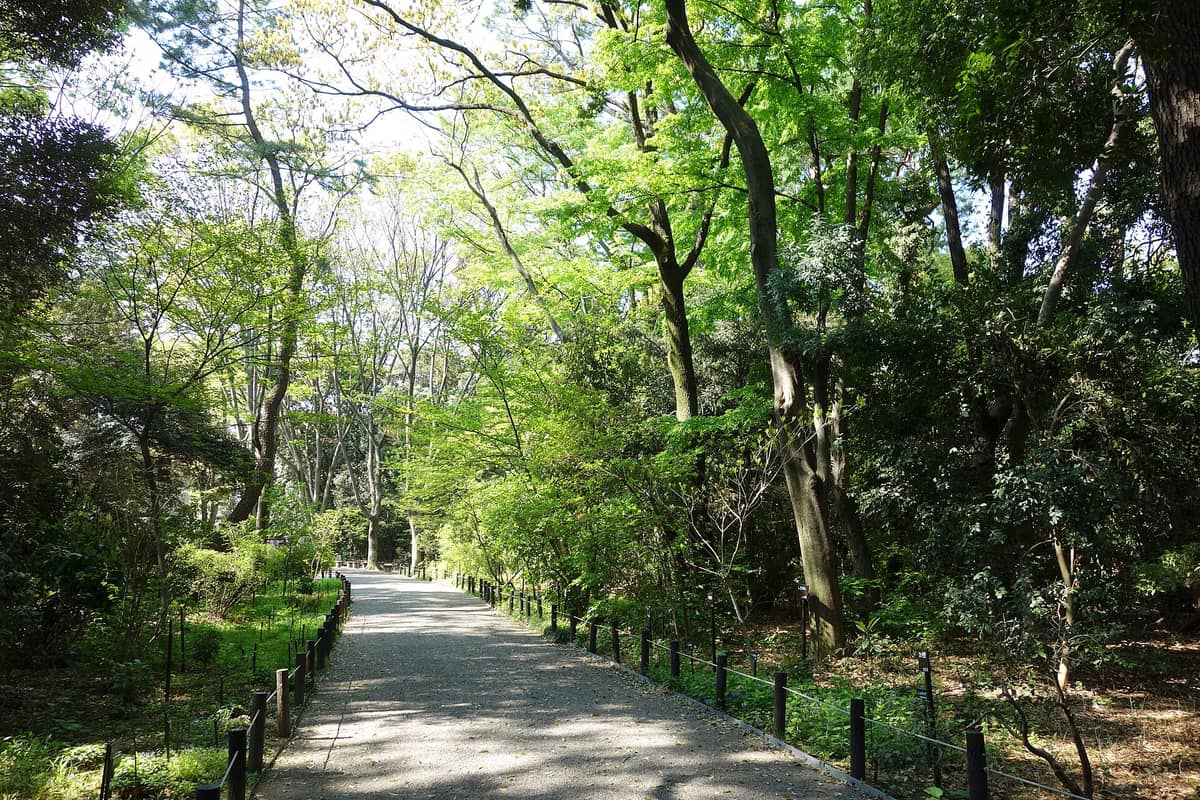
13. Walk Through Tokyo's Original Woodland at the Institute for Nature Study
A preserved patch of original Tokyo forest in Shirokanedai where ancient oaks, ponds, and meadows survive almost untouched. Entry is capped at 300 visitors at a time, ensuring genuine quiet. One of the few places in Tokyo where you can hear birds over traffic.
Explore13. Walk Through Tokyo's Original Woodland at the Institute for Nature Study
A preserved patch of original Tokyo forest in Shirokanedai where ancient oaks, ponds, and meadows survive almost untouched. Entry is capped at 300 visitors at a time, ensuring genuine quiet. One of the few places in Tokyo where you can hear birds over traffic.
Explore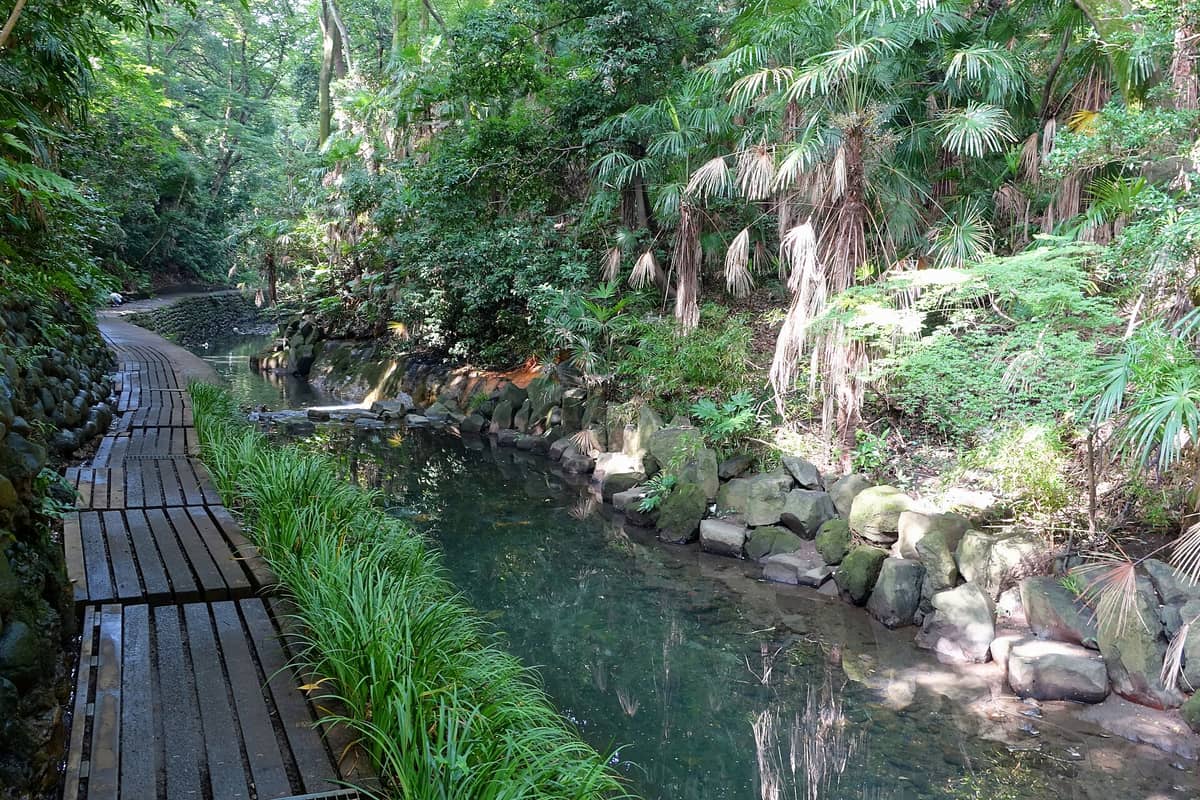
14. Discover Tokyo's Only Natural Valley at Todoroki
A surprisingly wild gorge in residential Setagaya, where a stream-side path winds through dense woodland past a small Shinto shrine. The 1-kilometer walk takes about 30 minutes and feels nothing like the surrounding city. Best visited on a weekday morning for solitude.
Explore14. Discover Tokyo's Only Natural Valley at Todoroki
A surprisingly wild gorge in residential Setagaya, where a stream-side path winds through dense woodland past a small Shinto shrine. The 1-kilometer walk takes about 30 minutes and feels nothing like the surrounding city. Best visited on a weekday morning for solitude.
ExploreSacred Grounds and Shrine Gardens
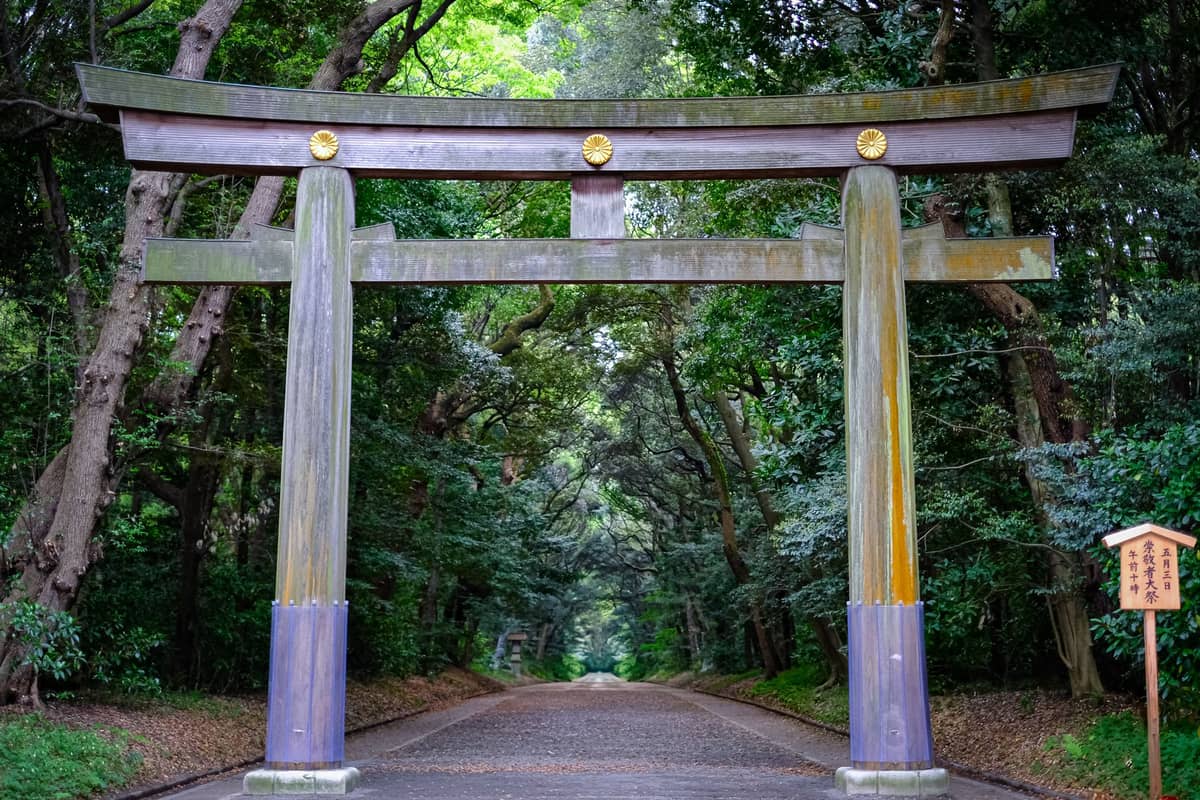
Some of Tokyo's most beautiful green spaces are the forested grounds of its major shrines. These are not manicured gardens in the traditional sense, but ancient woodland managed over centuries to create a specific sense of sacred calm. For a deeper look at Tokyo's shrines and their grounds, see our guide to Tokyo's best temples and shrines.
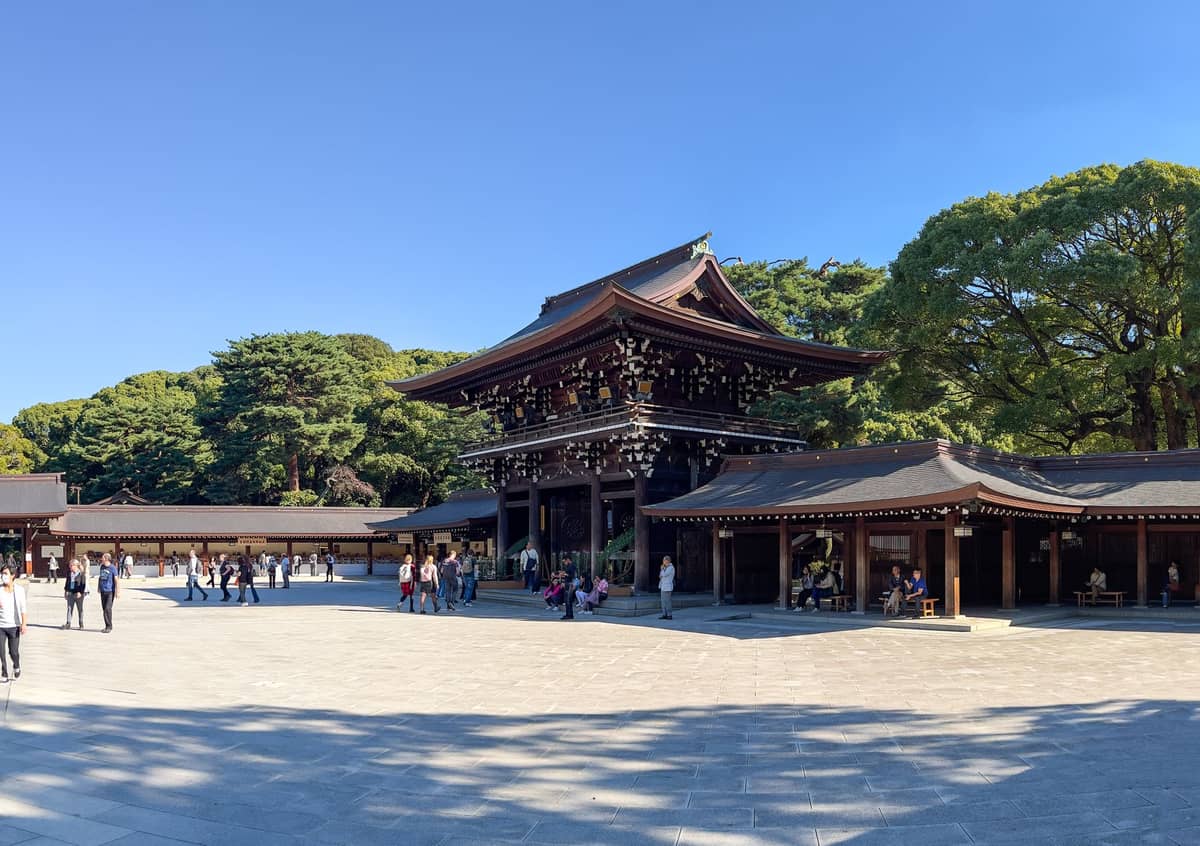
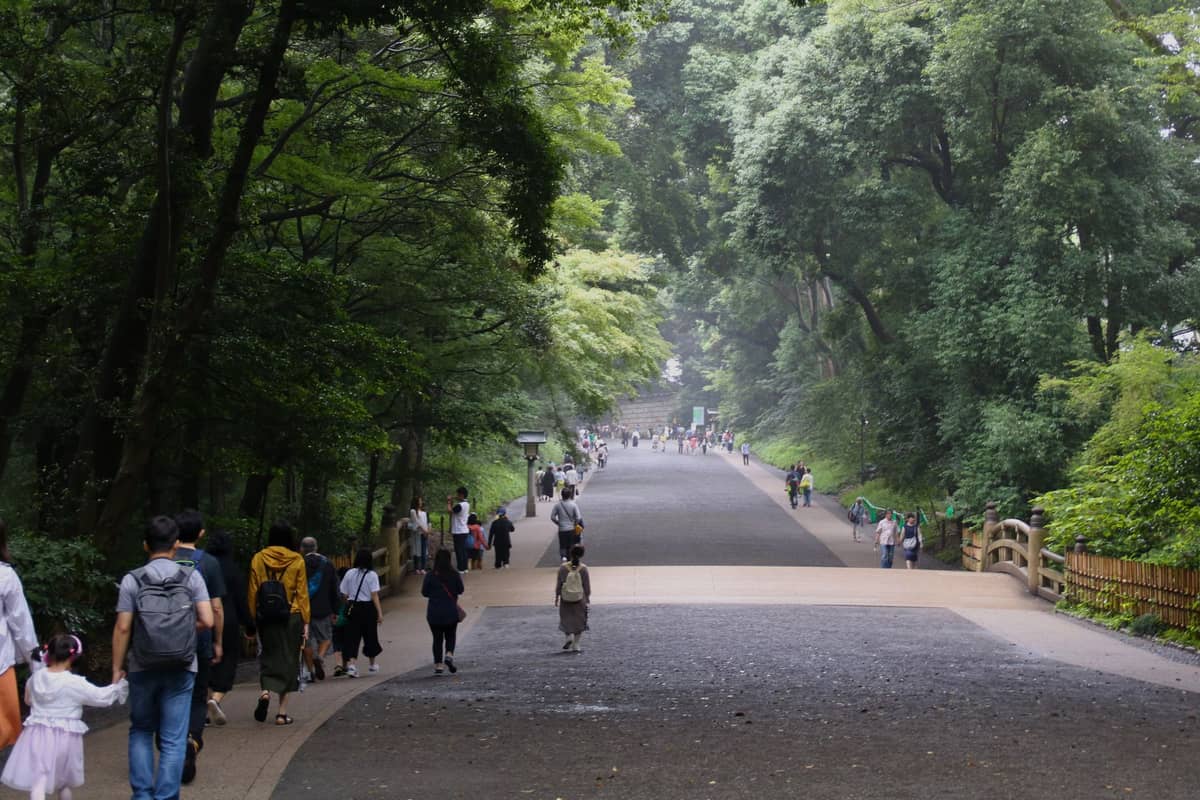
15. Walk Through the Ancient Forest of Meiji Jingu Shrine
A vast forested park of 70,000 trees surrounds Tokyo's most important Shinto shrine. The approach through towering torii gates and cathedral-like cedar groves is one of the city's most quietly powerful experiences. Arrive at dawn before the tour groups appear.
Explore15. Walk Through the Ancient Forest of Meiji Jingu Shrine
A vast forested park of 70,000 trees surrounds Tokyo's most important Shinto shrine. The approach through towering torii gates and cathedral-like cedar groves is one of the city's most quietly powerful experiences. Arrive at dawn before the tour groups appear.
Explore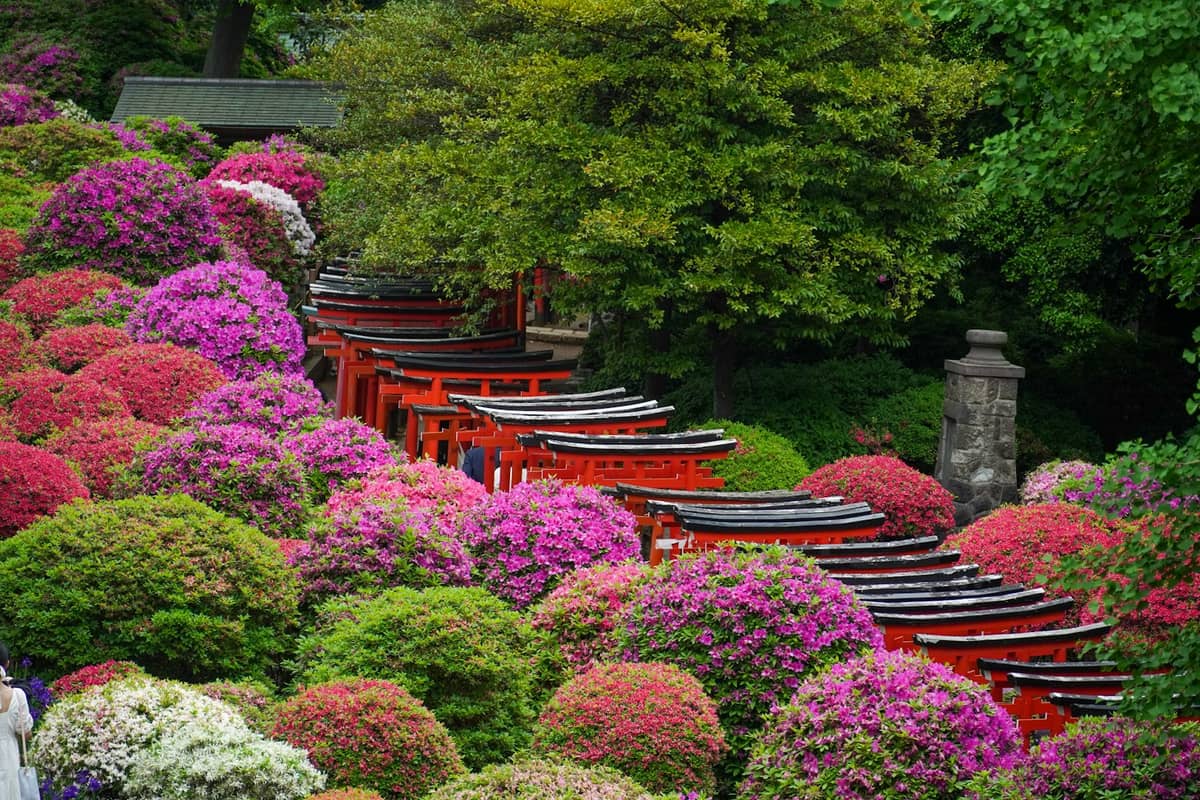
16. See the Vermilion Torii Tunnels at Nezu Shrine in Yanaka
One of Tokyo's oldest shrines features a hillside tunnel of vermilion torii gates and a beautifully landscaped azalea garden that peaks in late April. Far less visited than Kyoto's Fushimi Inari, with the same visual impact. The pond garden behind the main hall is serene year-round.
Explore16. See the Vermilion Torii Tunnels at Nezu Shrine in Yanaka
One of Tokyo's oldest shrines features a hillside tunnel of vermilion torii gates and a beautifully landscaped azalea garden that peaks in late April. Far less visited than Kyoto's Fushimi Inari, with the same visual impact. The pond garden behind the main hall is serene year-round.
Explore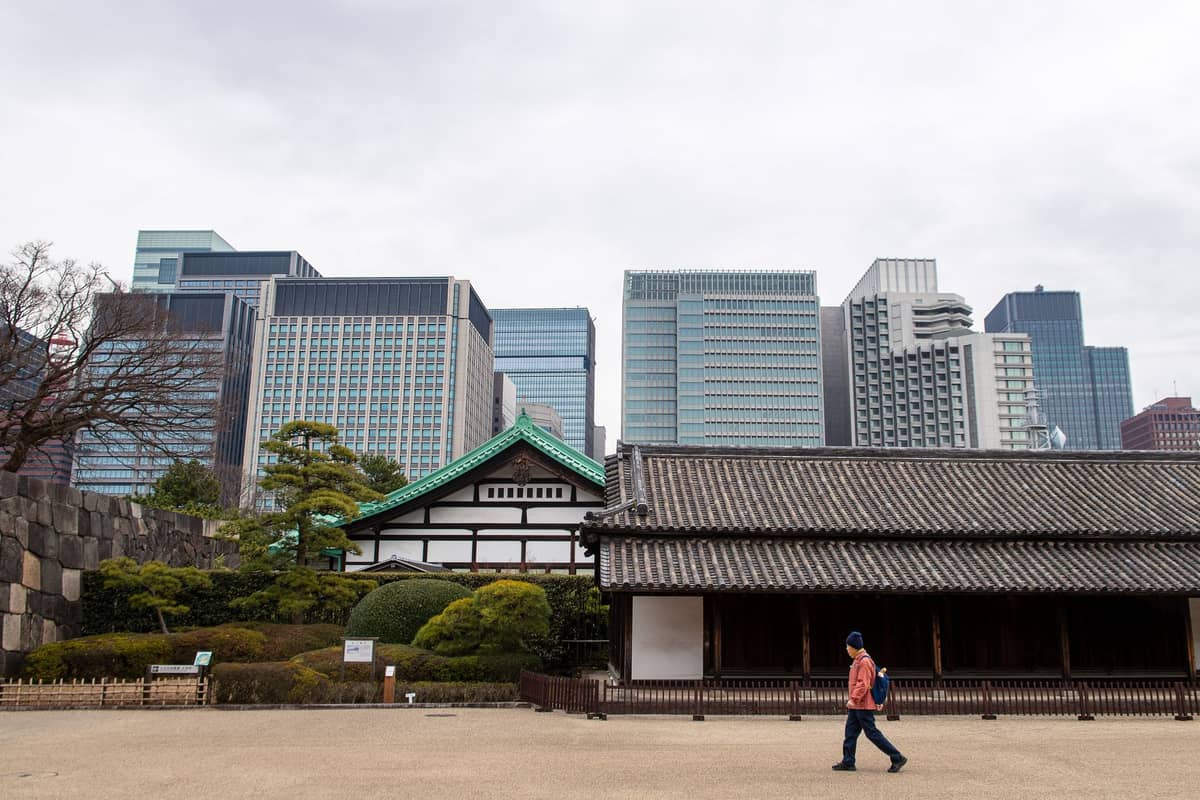
17. Walk the Ruins of Edo Castle in the Imperial Palace East Gardens
The only section of the Imperial Palace grounds open to the public, featuring manicured Japanese gardens, massive stone walls from Edo Castle, and open lawns where the castle tower once stood. Free to enter and one of central Tokyo's most historically layered green spaces.
Explore17. Walk the Ruins of Edo Castle in the Imperial Palace East Gardens
The only section of the Imperial Palace grounds open to the public, featuring manicured Japanese gardens, massive stone walls from Edo Castle, and open lawns where the castle tower once stood. Free to enter and one of central Tokyo's most historically layered green spaces.
ExploreSeasonal Highlights and Specialty Gardens
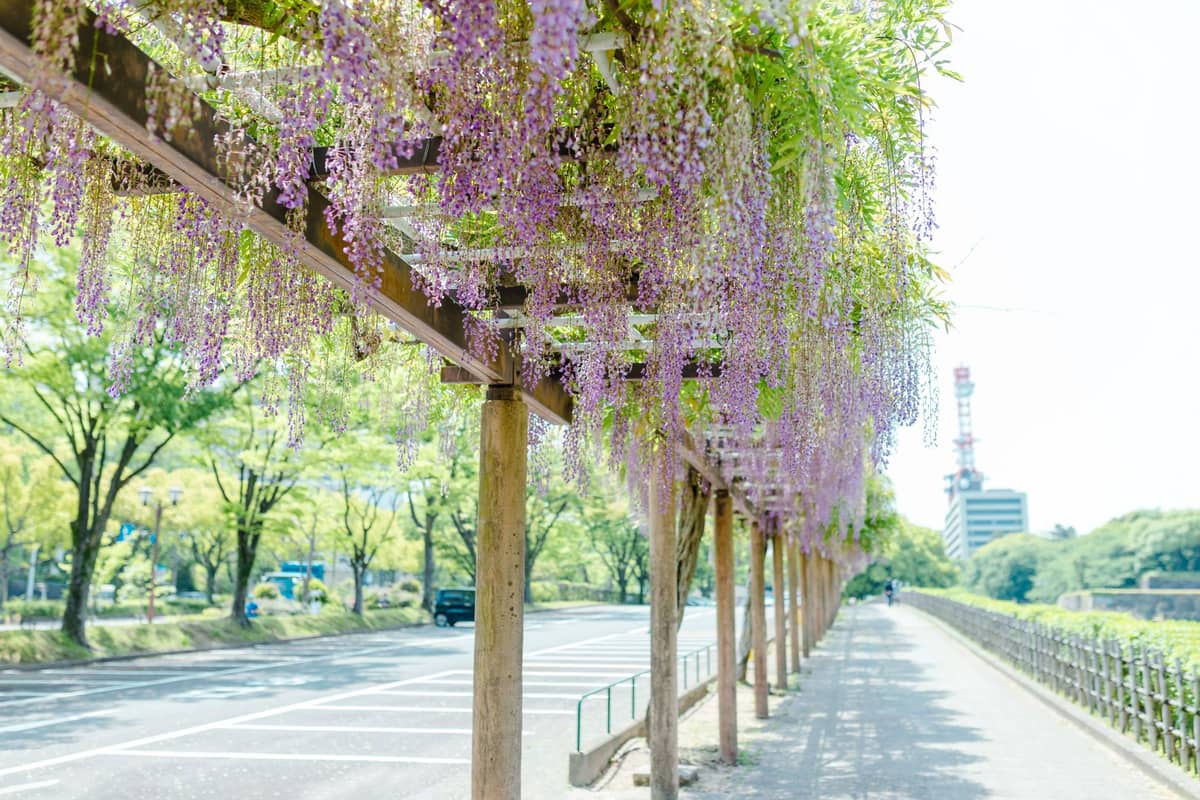
A handful of Tokyo's gardens are worth visiting specifically for one spectacular seasonal display, whether spring wisteria, cherry blossom, or autumn color. Timing is everything with these spots. Our Tokyo in spring and Tokyo in autumn guides go deeper on planning around the city's peak foliage and bloom seasons.
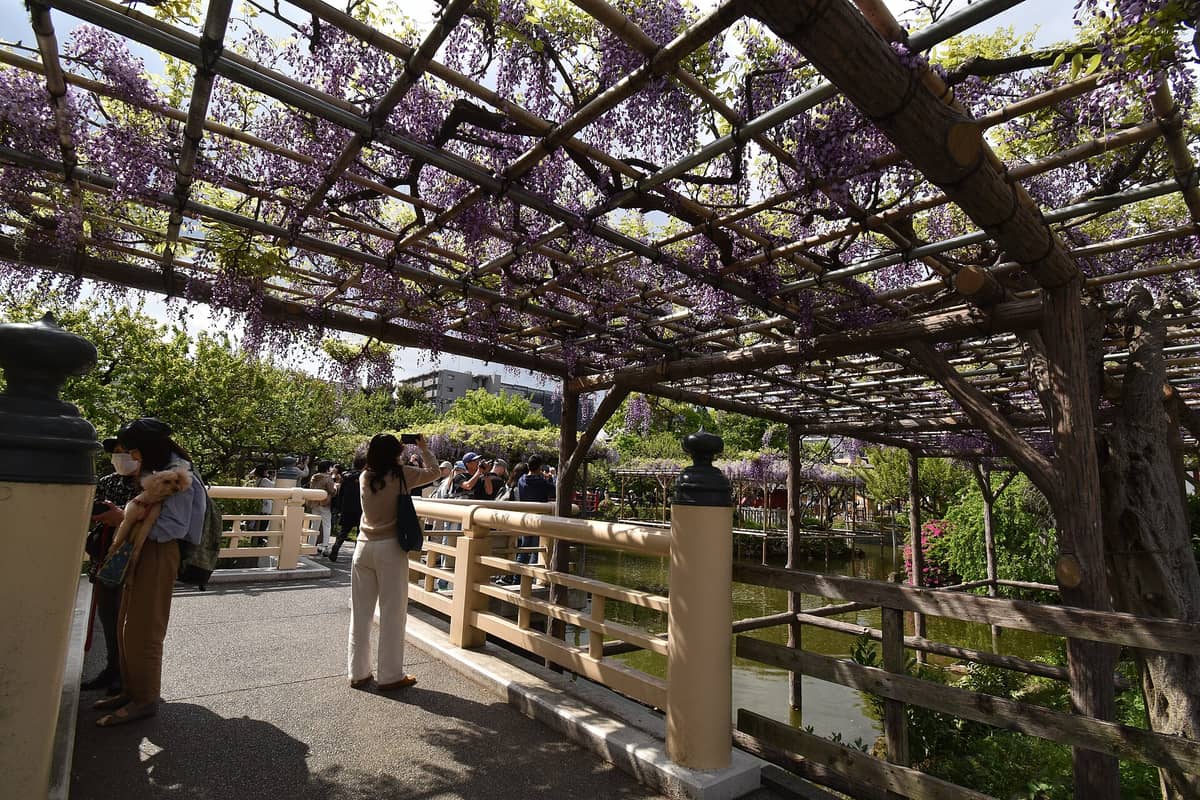
18. See Wisteria Over Arched Bridges at Kameido Tenjin Shrine
A Shinto shrine in east Tokyo famous for its arching bridges over wisteria-covered ponds, creating one of the city's most spectacular late-April displays. The scene is even more striking with Tokyo Skytree visible in the background. Visit on a weekday to avoid the dense festival crowds.
Explore18. See Wisteria Over Arched Bridges at Kameido Tenjin Shrine
A Shinto shrine in east Tokyo famous for its arching bridges over wisteria-covered ponds, creating one of the city's most spectacular late-April displays. The scene is even more striking with Tokyo Skytree visible in the background. Visit on a weekday to avoid the dense festival crowds.
Explore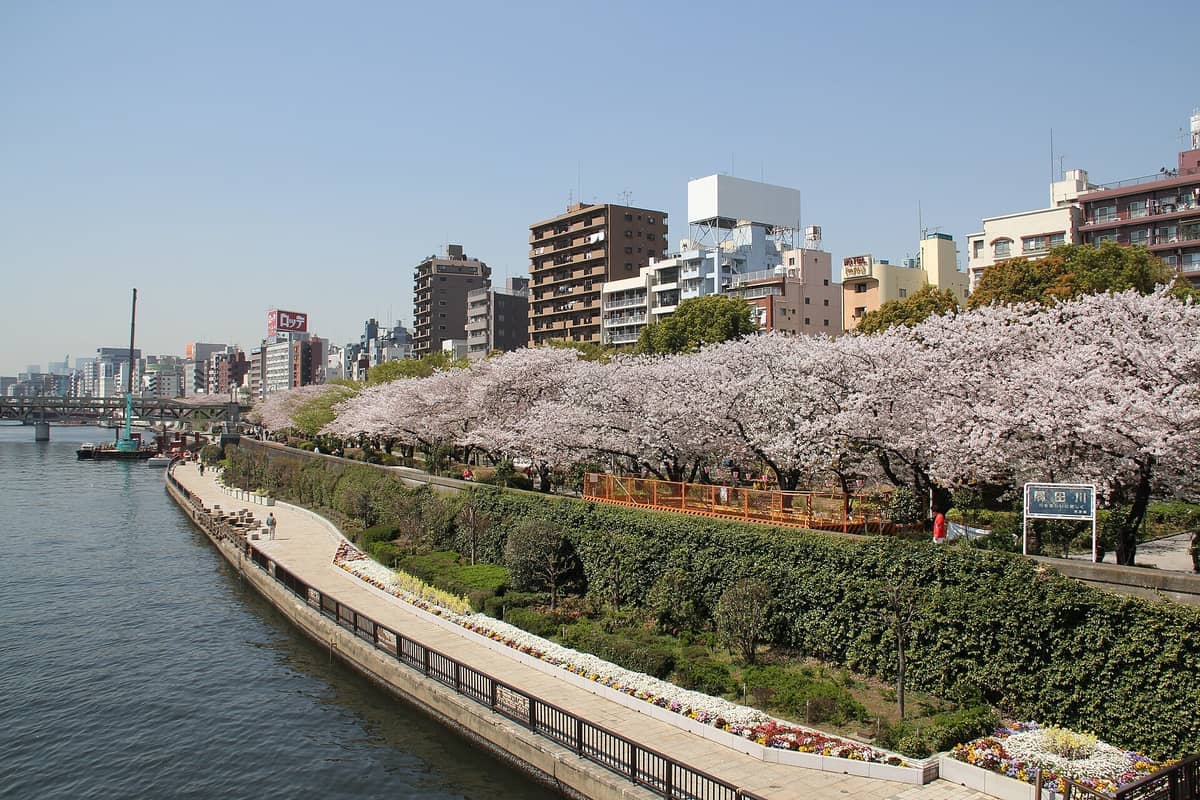
19. Watch Cherry Blossoms Reflected in the Sumida River
A riverside park between Asakusa and Mukojima lined with over 600 cherry trees, with Tokyo Skytree reflected in the river below the blossoms. One of Tokyo's most atmospheric hanami settings. The park is free to enter and easy to combine with a visit to Senso-ji.
Explore19. Watch Cherry Blossoms Reflected in the Sumida River
A riverside park between Asakusa and Mukojima lined with over 600 cherry trees, with Tokyo Skytree reflected in the river below the blossoms. One of Tokyo's most atmospheric hanami settings. The park is free to enter and easy to combine with a visit to Senso-ji.
Explore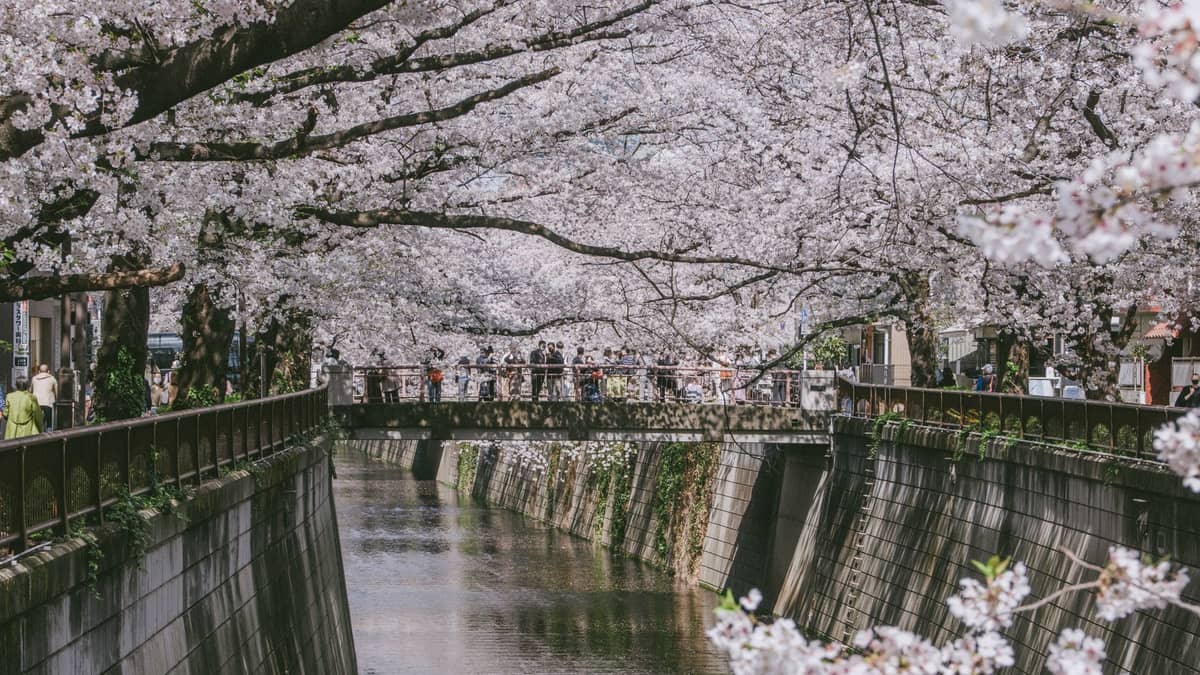
20. Walk the Cherry Blossom Tunnel Along the Meguro River
A narrow urban canal in Nakameguro, lined with cherry trees whose overhanging branches form a pink tunnel in late March and early April. Year-round, the riverbanks are lined with independent cafés and boutiques. The 2-kilometer walk from Nakameguro to Daikanyama takes about 40 minutes.
Explore20. Walk the Cherry Blossom Tunnel Along the Meguro River
A narrow urban canal in Nakameguro, lined with cherry trees whose overhanging branches form a pink tunnel in late March and early April. Year-round, the riverbanks are lined with independent cafés and boutiques. The 2-kilometer walk from Nakameguro to Daikanyama takes about 40 minutes.
ExploreFAQ
What is the best garden in Tokyo to visit?
Shinjuku Gyoen is consistently the most rewarding single garden visit, combining three distinct garden styles across 58 hectares in central Tokyo. For a more intimate Edo-period experience, Koishikawa Korakuen and Rikugien are smaller but equally refined. Hamarikyu Gardens is the most dramatically sited, with skyscraper views framing the traditional landscape.
When is the best time to visit Tokyo's gardens?
Late March to early April for cherry blossoms, and late October to mid-November for autumn foliage. These are Tokyo's two peak garden seasons. Wisteria at Kameido Tenjin peaks in late April. Summer gardens can be lush but hot and humid; winter visits to places like Rikugien are peaceful and uncrowded.
Are Tokyo's gardens free to enter?
Most traditional gardens charge admission: Shinjuku Gyoen is ¥500, Hamarikyu Gardens ¥300, Koishikawa Korakuen and Rikugien around ¥300 each. However, several excellent green spaces are free: the Imperial Palace East Gardens, Yoyogi Park, Ueno Park (the park itself, not the museums), and Sumida Park all charge nothing to enter.
Which Tokyo parks are best for cherry blossom viewing (hanami)?
Shinjuku Gyoen (over 1,000 trees, alcohol-free which makes it calmer), Ueno Park (the most festive atmosphere, with food stalls), Sumida Park (views of Tokyo Skytree), Inokashira Park (a boat on the pond under blossoms), and the Meguro River walk are the top five. Shinjuku Gyoen opens daily during cherry blossom season (Mar 25–Apr 24).
Are Tokyo's gardens accessible by public transport?
Yes, all gardens in this guide are easily reached by Tokyo Metro, JR, or Toei subway lines. Most are within a 5–10 minute walk of a station. Shinjuku Gyoen is closest to Shinjuku-gyoemmae Station on the Marunouchi Line; Hamarikyu Gardens is closest to Shiodome Station; Rikugien is a short walk from Komagome Station on the Yamanote Line.