Chiyoda is the administrative and imperial core of Tokyo, built around the vast grounds of the Imperial Palace on the former site of Edo Castle. It combines ceremonial grandeur with corporate seriousness, making it unlike any other part of the city.
Chiyoda is where Tokyo keeps its most formal face: the Imperial Palace occupies a vast forested island at the city's geographic center, ringed by moats, gravel plazas, and some of the most expensive office real estate on earth. This is not a neighborhood you come to for nightlife or street food. You come to understand what Tokyo is built around.
Orientation
Chiyoda Ward sits at the center of Tokyo's 23 special wards, and the Imperial Palace grounds occupy most of its physical heart. The palace complex, addressed simply as 1-1 Chiyoda, Chiyoda-ku, covers approximately 2.3 million square meters. To put that in perspective, it is about two-thirds the size of New York’s Central Park and sits directly west of Tokyo Station, one of the busiest rail hubs in the world.
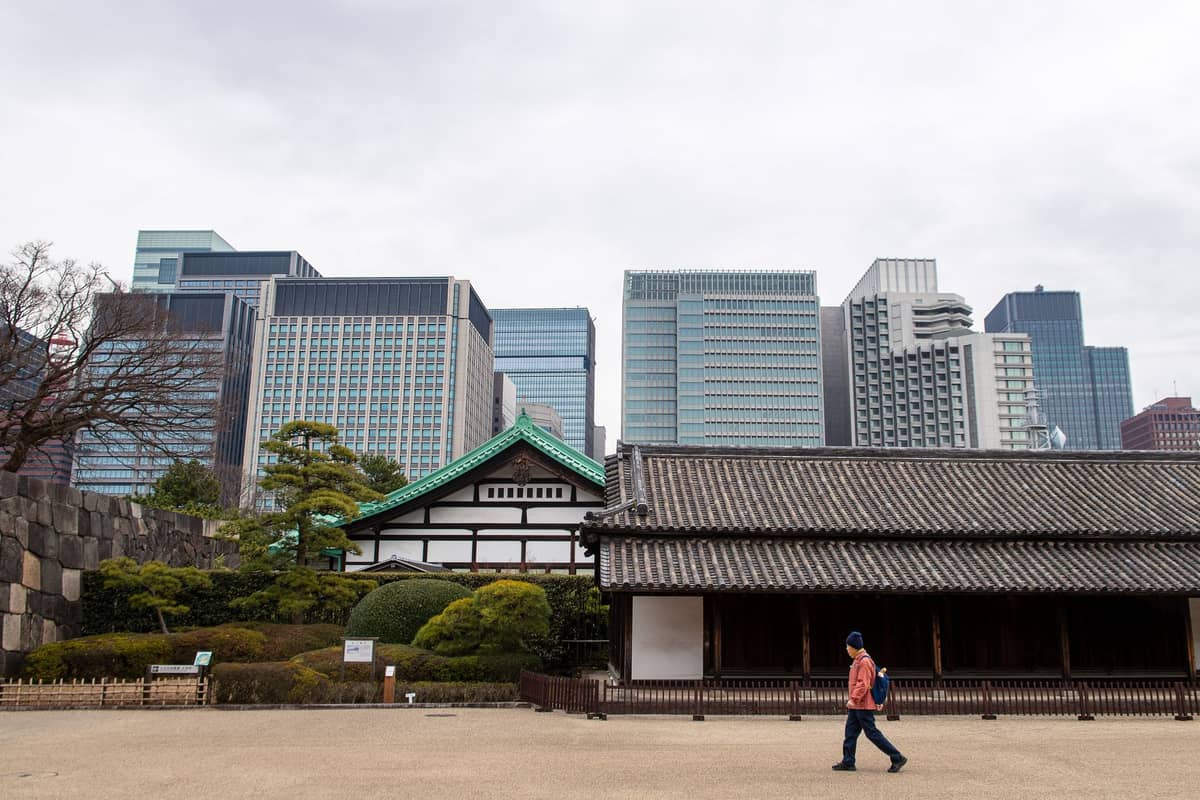
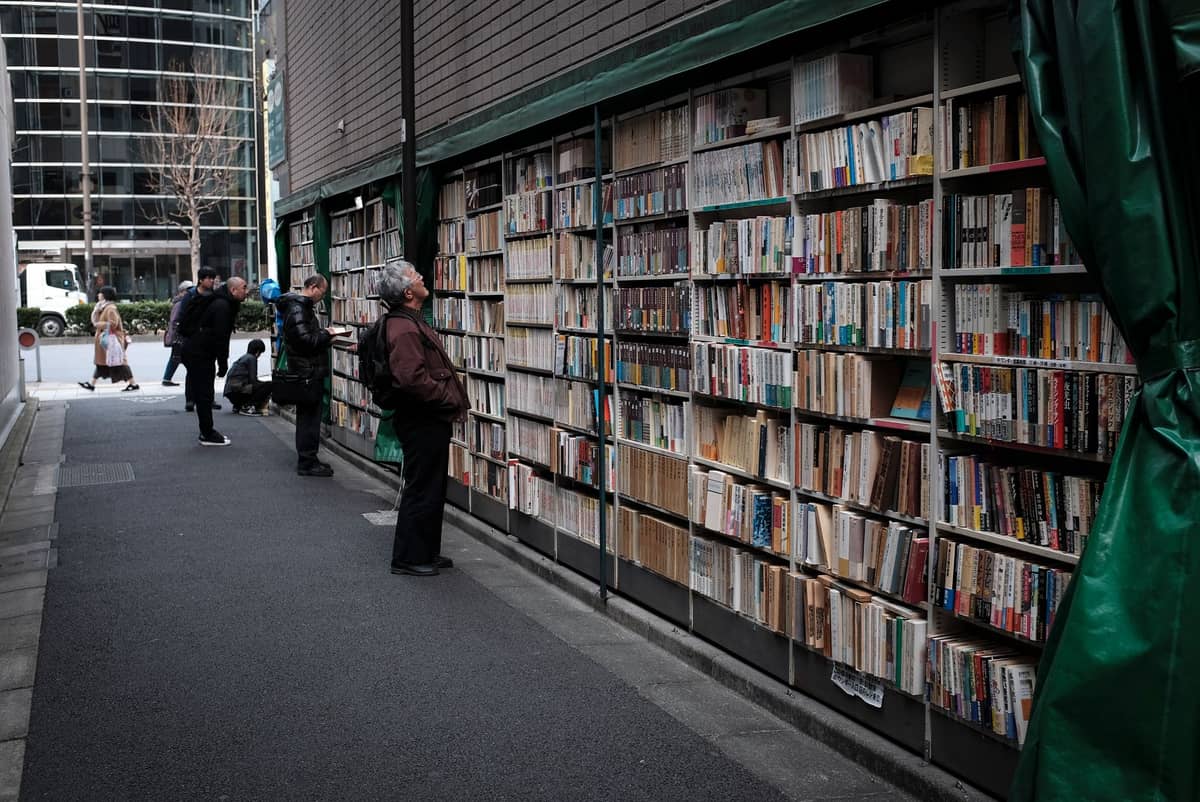
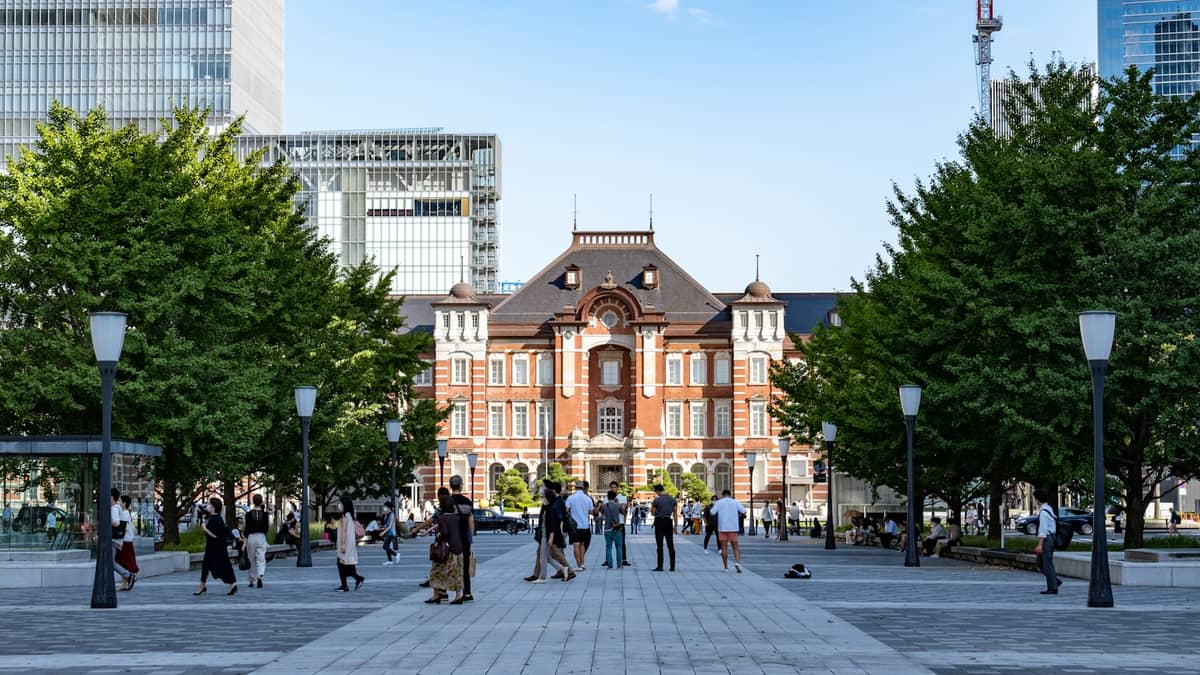
The broader Chiyoda Ward extends well beyond the palace walls. To the east lies Marunouchi, Tokyo's primary corporate and financial district, bookended by the red-brick facade of Tokyo Station. To the south, the streets transition into Kasumigaseki, where national government ministries cluster along wide, quiet avenues. The National Diet Building stands at the ward's southwestern edge. To the north, Chiyoda blends into Jimbocho, a neighborhood of antiquarian bookshops and university buildings, and further on toward Akihabara.
For travelers building a mental map of Tokyo, Chiyoda is the city's anchor point. Most of the major rail and subway lines radiate outward from here. Tokyo StationTokyo Station serves as the eastern gateway to the ward, with the Yamanote Line, JR Chuo Line, Tokaido Shinkansen, and multiple subway lines all converging there. The Imperial Palace grounds form a green void at the center of the city that you can see clearly on any metro map.
Character & Atmosphere
Chiyoda operates on a different rhythm than almost anywhere else in Tokyo. On weekday mornings, Marunouchi fills with salarypeople in dark suits moving briskly between Tokyo Station and their offices. The wide stone pavements along Marunouchi Naka-dori are immaculate, the buildings tall and glass-fronted. By 9am, the area feels like the engine room of Japanese corporate life.
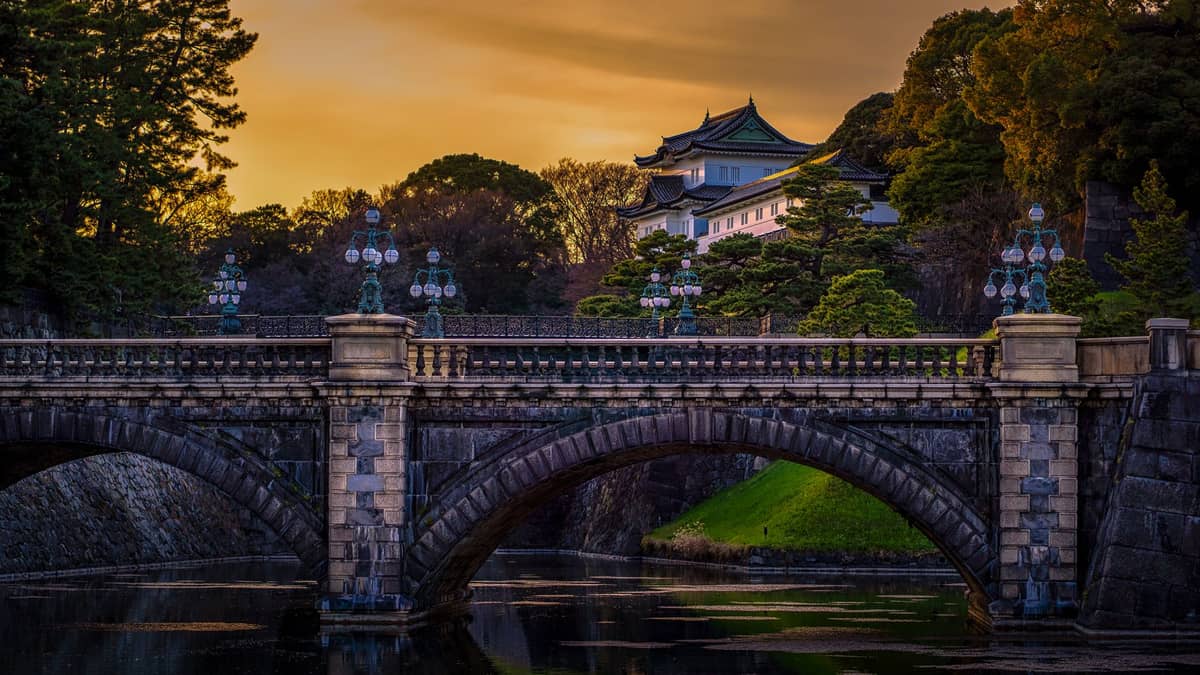
The palace grounds themselves impose a different kind of quiet. The Kokyo Gaien National Garden, the broad gravel plaza to the south and southeast of the palace, is a place where the scale of Tokyo suddenly reveals itself. The gravel crunches underfoot, pine trees frame the famous Nijubashi bridge, and the palace walls sit far back behind still water. On weekday mornings, you will find joggers completing loops of the palace perimeter, a 5-kilometer circuit that is a genuine Tokyo institution among office workers and tourists alike.
Weekends feel entirely different. The salarypeople disappear, the streets around Marunouchi quiet down, and families and tourists take over the palace gardens. The atmosphere becomes genuinely peaceful in places that were hectic two days before. Afternoons in the Imperial Palace East Gardens, with light coming through the camphor trees and filtered over the old castle stone walls, are among the most unexpectedly serene experiences central Tokyo offers.
After dark, Chiyoda is one of the quieter central wards. Marunouchi has a handful of bars and restaurants that cater to after-work crowds, but by 9pm most of the area is subdued. The palace grounds are closed to the public at night. This is not where you go for Tokyo's evening energy. That is an honest limitation and, depending on your preferences, a genuine draw.
ℹ️ Good to know
The Imperial Palace perimeter road is a flat, well-lit 5 km loop popular with joggers at all hours. The Kitanomaru running path on the northern side adds additional distance. Many business hotels in Marunouchi include this route on their in-room information sheets.
What to See & Do
The Imperial Palace itself is not open for standard daily visits. The residence of Japan's Emperor can only be entered on two public days per year: January 2 (New Year) and February 23 (the Emperor's birthday), when crowds gather in the outer plaza to receive a brief imperial appearance. However, the grounds surrounding the palace offer substantial access through two key areas.
The Imperial Palace East Gardens are the most rewarding public section. These occupy the former secondary citadel of Edo Castle and are generally open Tuesday–Thursday and Saturday–Sunday (closed Monday, Friday, and during special imperial events). Inside, you can walk among the stone foundations of the old castle keep, explore traditional strolling gardens with seasonal plantings, and see what remains of the original Edo-period architecture. Admission is free. The Ote-mon gate on the eastern side is the main entrance.
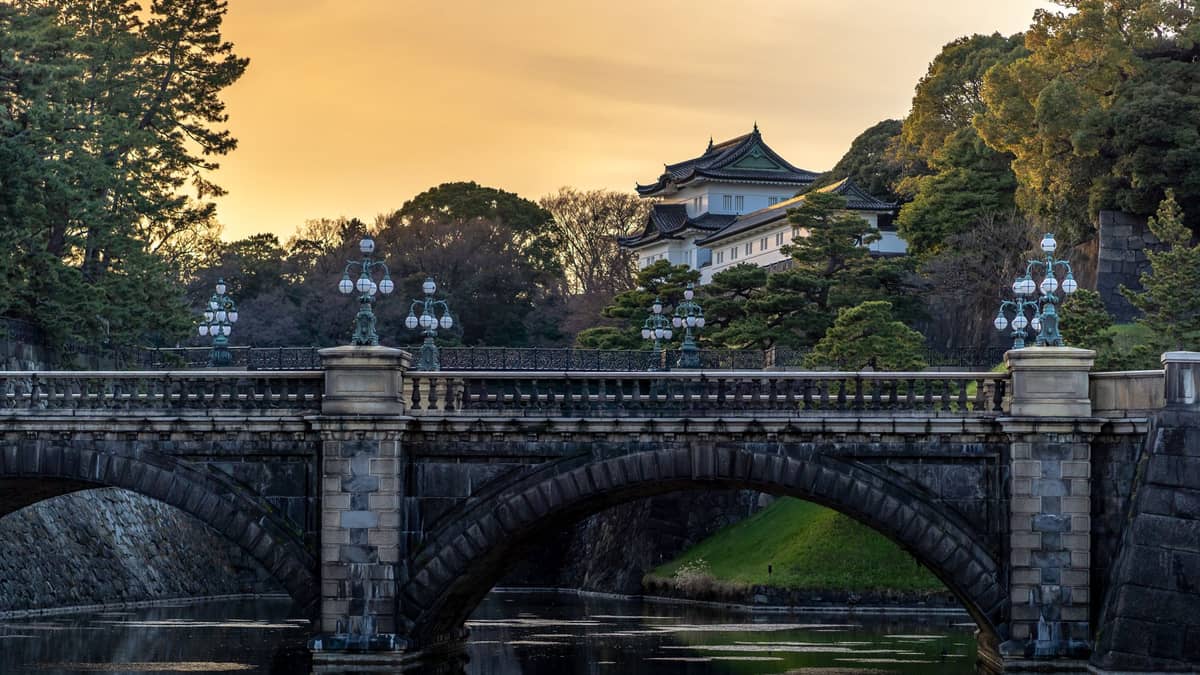
The Kokyo Gaien National Garden, the gravel plaza area to the south, is always accessible and is where most visitors take their photographs of Nijubashi, the double-arched bridge reflected in the moat. The bridge itself is technically two bridges overlapping in perspective, not two bridges side by side. The plaza is also one of the city's prime hanami spots during cherry blossom season, when the moat edges and surrounding trees put on a significant show.
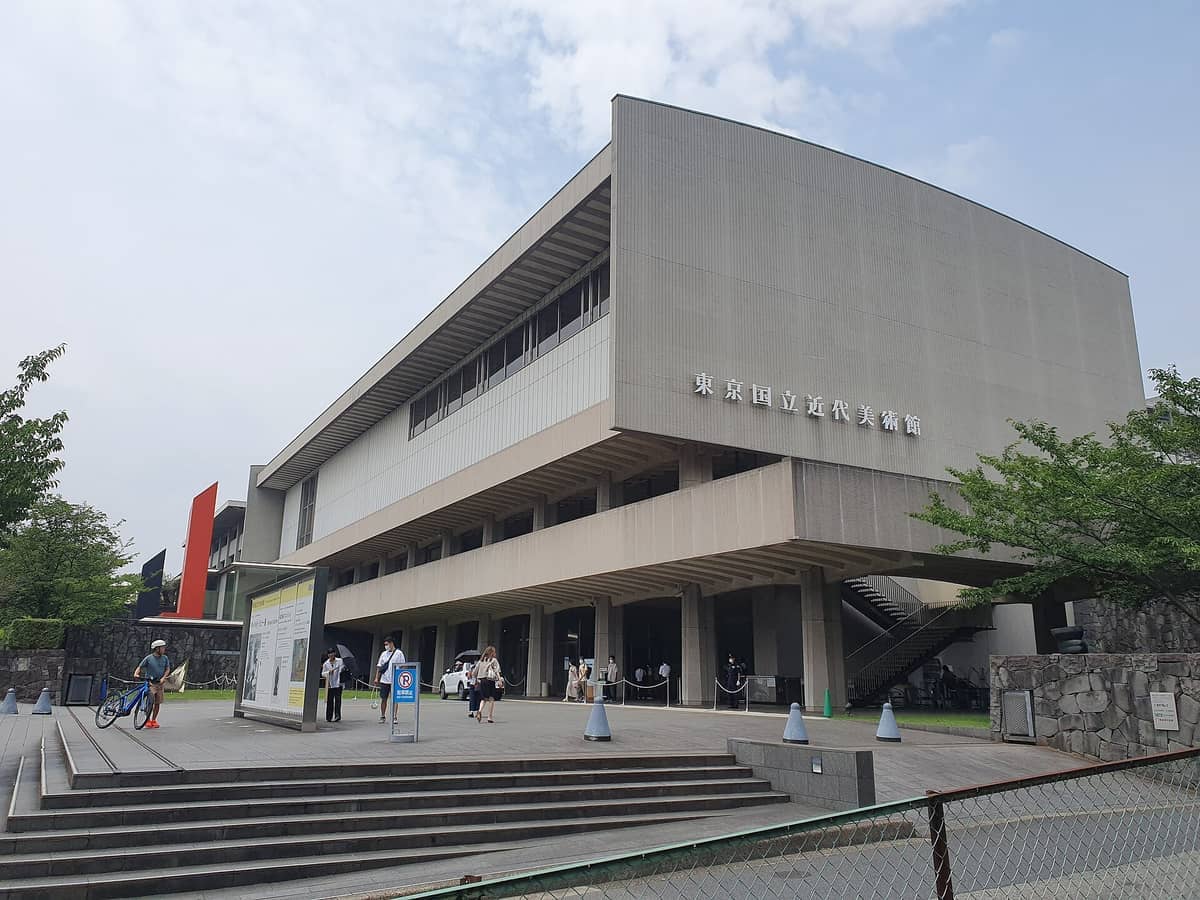
North of the palace, Kitanomaru Park is a quieter, less-visited green space that holds the National Museum of Modern Art, Tokyo (National Museum of Modern Art Tokyo). The permanent collection there, covering Japanese art from the Meiji period through the present, is genuinely excellent and frequently overlooked by travelers focused on Ueno.
Just east of the palace, the Hie Shrine is technically in neighboring Minato Ward but is closely linked to this area historically as the guardian shrine of Edo Castle. A short walk south through Kasumigaseki brings you to the Hie Shrine, known for its tunnel of torii gates climbing the hillside. It rewards the detour.
Imperial Palace East Gardens: free entry, generally open Tuesday–Thursday and Saturday–Sunday (closed Monday and Friday), Ote-mon gate entrance
Kokyo Gaien National Garden: always open, best in early morning or during cherry blossom season
Nijubashi Bridge viewpoint: the essential photography stop, southeast of the palace
National Museum of Modern Art, Tokyo (MOMAT): Kitanomaru Park, extensive Japanese modern art collection
Kitanomaru Park: relaxed greenery, less crowded than Ueno, good for a midday pause
National Diet Building: guided tours available on weekdays, Japan's parliament building
Jimbocho book district: 15 minutes on foot north, dense street of secondhand bookshops
⚠️ What to skip
The Imperial Palace East Gardens close on Mondays and Fridays, as well as during imperial ceremonies and events. On public holidays that fall on those days, the closure pattern shifts. Always check the Imperial Household Agency website before visiting. During major imperial events, security throughout the wider Kokyo Gaien area is significantly increased and parts of the outer plaza may be restricted.
Eating & Drinking
Chiyoda is not a neighborhood with a distinctive food culture in the way that Asakusa or Shibuya are. The eating here is largely shaped by the demands of office workers and business visitors. That means high-quality lunch options are plentiful on weekdays, and dinner choices are more concentrated in Marunouchi's commercial buildings than scattered across residential streets.
Marunouchi Building and the adjacent Shin-Marunouchi Building, both a short walk from Tokyo Station's western exits, contain dozens of restaurants across multiple floors covering Japanese, French, Italian, and international cuisines. Prices skew upward, reflecting the corporate clientele, but quality is generally reliable. The basement food halls of these buildings also sell excellent bento boxes and prepared foods, useful for a picnic lunch in the palace gardens.
The Kitte building, adjacent to Tokyo Station's Marunouchi South exit, has a solid food floor including several restaurants serving traditional Japanese cuisine in surroundings that feel less rushed than the main office-tower dining. The rooftop garden there provides a view of Tokyo Station's historic red-brick facade and is free to access.
For budget eating, the underground shopping streets threading through Otemachi and Marunouchi stations have ramen shops, soba counters, and set-lunch teishoku restaurants that see heavy lunchtime traffic from office workers. Arriving before noon or after 1:30pm avoids the worst queues. Most set lunches run between 900 and 1,500 yen, though some higher-end spots charge more. After 3pm on weekdays and through the weekend, several of these spots close early or switch to evening-only menus, so options narrow.
The palace garden area itself has no food vendors within the East Gardens. Bring water and snacks if you plan to spend time there. The nearest convenience stores are near Otemachi Station, about a 10-minute walk from the Ote-mon entrance.
💡 Local tip
For a picnic near the palace, pick up food at the basement level of Kitte or the Marunouchi Building before heading to Kokyo Gaien. The gravel plaza and the benches inside Kitanomaru Park both work well. This is especially worthwhile during cherry blossom season, when the moat path near Chidorigafuchi (just north of the palace) becomes one of Tokyo's finest flower-viewing walks.
Getting There & Around
The area is exceptionally well-served by rail. Tokyo StationTokyo Station sits on the eastern edge of the palace grounds and is walkable in 10 to 15 minutes from the Marunouchi Central Exit. The station is served by the JR Yamanote Line, Keihin-Tohoku Line, Chuo Line, Sobu Line, Tokaido and Tohoku Shinkansen lines, and the Tokyo Metro Marunouchi Line. It is one of the most connected points in Japan.
For the palace grounds specifically, Otemachi Station is the most convenient subway stop. It is served by five lines: the Tokyo Metro Marunouchi, Tozai, Chiyoda, and Hanzomon lines, plus the Toei Mita Line. From Otemachi's exits on the palace side, the Ote-mon gate entrance to the East Gardens is roughly a 5-minute walk. Takebashi Station on the Tozai Line provides direct access to Kitanomaru Park and MOMAT. Nijubashi-mae Station on the Chiyoda Line is the closest stop to the Kokyo Gaien outer plaza and the Nijubashi bridge viewpoint.
From Haneda Airport, the most direct route is the Tokyo Monorail to Hamamatsucho Station followed by the JR Yamanote Line to Tokyo Station, taking around 30 minutes total. From Narita Airport, the JR Narita Express (N'EX) runs directly to Tokyo Station in approximately one hour. Both connections put you within walking distance of the palace area on arrival.
Within the neighborhood, walking is practical for most routes. The palace perimeter is flat. Tokyo Station to the Nijubashi viewpoint is about 15 minutes on foot. For broader exploration of central Tokyo from this base, the Tokyo transit system makes day-trips to any part of the city straightforward. Ginza is two stops or a 20-minute walk south. Ueno is 20 minutes northeast by subway.
Where to Stay
Staying in Chiyoda puts you at Tokyo's geographic center, which means outstanding transit access to every part of the city. The tradeoff is that the neighborhood itself is quiet at night, with little in the way of local street life once the office buildings empty. This suits certain travelers well: those on business, those who want maximum rail connectivity, and those who prefer a calm base after long days of sightseeing.
Marunouchi and the area immediately around Tokyo Station have a concentration of large, internationally operated hotels, several of them in the upper and luxury tiers. The iconic Imperial Hotel Tokyo, which has stood near the palace grounds for over a century, remains one of the area's landmark properties. For travelers interested in luxury stays in Tokyo, this district offers some of the city's most prestigious addresses.
There are also business hotels in the Otemachi and Kanda areas at more accessible price points, particularly useful for travelers who need to be near Tokyo Station for early Shinkansen departures. Booking well in advance is advisable for this area, as business demand keeps occupancy high year-round.
Travelers who want more neighborhood character while staying close to the palace might consider basing themselves in nearby areas. Ginza and TsukijiGinza and Yurakucho are a short walk or one subway stop south and offer more dining variety and evening atmosphere. For a broader comparison of accommodation zones across the city, the where to stay in Tokyo guide covers all the main options.
Practical Considerations
The Marunouchi area around Tokyo Station is among the safest subareas in the entire city, with very low crime rates consistent with its corporate character. The broader Chiyoda Ward has mixed statistics across its diverse neighborhoods, but the palace-adjacent areas are genuinely low-risk at all hours.
Within the palace grounds, the Imperial Household Agency enforces clear rules: no drones, no large luggage, no commercial photography, no animals other than guide dogs, no smoking outside designated areas. These rules are posted at entrances and enforced by guards. Visitors are expected to stay on designated paths and not approach restricted zones. Behaving respectfully is both required and straightforward.
Spring is peak season here. The Chidorigafuchi moat path on the palace's northern edge is one of Tokyo's most photographed cherry blossom locations, and it draws significant crowds in late March and early April. If you are planning a spring visit, the Tokyo in spring guide covers timing and what to expect. Autumn brings another quieter wave of visitors for the East Gardens' autumn foliage, which tends to peak in late November.
English signage is good throughout the area, particularly around Tokyo Station and the palace grounds. The Imperial Household Agency website publishes English information on garden opening hours and palace events. Staff at the East Gardens entrance can communicate basic information in English. Ticket machines for most of the area's subway stations have English-language interfaces.
TL;DR
Chiyoda and the Imperial Palace area is Tokyo's ceremonial and governmental core, best understood as context for the city as much as a destination in itself.
The Imperial Palace East Gardens and the Nijubashi plaza are worthwhile visits for any first-time visitor to Tokyo, especially in spring (cherry blossoms) and autumn (foliage).
The area suits business travelers, history-focused visitors, and anyone who wants immediate access to Tokyo Station and the Shinkansen network.
Nightlife and neighborhood dining are minimal. For evening options, Ginza is a 20-minute walk south and Marunouchi has corporate dining in its tower buildings.
Not ideal for travelers seeking local residential atmosphere or street-food culture. Those wanting that should base themselves in Asakusa, Nakameguro, or Shimokitazawa instead.
Three days in Tokyo is enough to cover the city's iconic districts, sample its legendary food scene, and get a genuine feel for how the place works. This itinerary is structured by neighborhood logic, not just a checklist of sights, so you spend less time on trains and more time actually exploring.
Tokyo's museum scene spans 1,400 years of Japanese art history, Le Corbusier architecture, midnight-open contemporary galleries, and fully immersive digital worlds. This guide covers the best museums in Tokyo across every category, with practical tips on tickets, timing, and what to prioritize.
Tokyo has hundreds of shrines and temples, from grand imperial foundations to quiet neighborhood sanctuaries. This guide cuts through the noise to highlight the most rewarding sacred sites, whether you have one afternoon or a full week to explore.
Tokyo rewards visitors in every season, but the experience varies dramatically depending on when you go. This guide breaks down the weather, crowd levels, hotel prices, and standout events for each time of year, so you can choose the visit that actually suits you.
Tokyo rewards those who look up. Whether you want a free 202-meter perch over Shinjuku, a paid rooftop with Shibuya Crossing directly below, or a romantic tower glowing orange at night, this guide covers every major viewpoint in the city, ranked by what makes each one worth the trip.
Tokyo rewards those who venture beyond the city limits. Within two hours by train or bus, you can reach a UNESCO shrine town, a volcanic mountain resort, a coastal city of Zen temples, and Japan's most iconic mountain view. This guide covers the best day trips from Tokyo, with practical transport details for each.
Tokyo is one of the world's great cities for budget travelers. From free observation decks and ancient temple grounds to world-class parks and atmospheric street walks, you can fill days of exploration without paying a single admission fee. This guide covers the best genuinely free experiences across the city.
Tokyo's transport network is one of the most efficient in the world, but its sheer scale can overwhelm first-time visitors. This guide covers everything: IC cards, subway passes, airport transfers from Haneda and Narita, buses, taxis, and the key mistakes to avoid.
Tokyo rewards the curious traveler who ventures beyond the obvious landmarks. From a temple blanketed in lucky cat figurines to a natural valley cutting through residential Setagaya, these are the places locals love and guidebooks overlook.
Tokyo sets the global standard for luxury travel. With more Michelin-starred restaurants than any city on earth, world-class hotels, and bespoke private experiences, it rewards travelers who plan carefully. This guide covers everything from three-star dining reservations to high-end seasonal timing.
Everything you need to plan a Mount Fuji day trip from Tokyo, from train and bus options to climbing season restrictions, entrance fees, and the best spots to actually see the mountain. Practical, specific, and honest about what to expect.
Seven days is enough to cover Tokyo's essential neighborhoods, iconic landmarks, and a few surprises — if you plan smart. This day-by-day itinerary covers where to go, how to get there, what things actually cost, and what most visitors get wrong about spending a week in one of the world's most complex cities.
Tokyo rewards couples who plan ahead. This guide covers the city's best romantic experiences, from immersive art installations and panoramic night views to riverside strolls and intimate izakayas, with clear advice on what to book early and what to skip.
Tokyo now has two large-scale teamLab museums, and they are nothing alike. This guide covers the real differences between teamLab Planets in Toyosu and teamLab Borderless at Azabudai Hills, with practical advice on tickets, timing, and which experience is worth your time.
Tokyo is one of the most rewarding cities on earth, but its sheer scale can be overwhelming. This guide cuts through the noise with practical, specific advice on the top things to do in Tokyo — from iconic landmarks and seasonal festivals to quieter experiences most visitors miss entirely.
Tokyo has two main international airports: Haneda, close to the city center, and Narita, located in Chiba Prefecture about 60 km out. This guide breaks down the key differences, every transport option available, realistic travel times, and how to avoid the common mistakes that cost travelers time and money.
Tokyo is the global capital of anime and manga culture, with dedicated museums, iconic shopping districts, seasonal conventions, and pilgrimage sites spread across the city. This guide breaks down exactly where to go, how to book, what to budget, and how to avoid the most common planning mistakes.
Tokyo's architecture spans over a thousand years in the space of a single subway ride. This guide covers the city's most significant modern and traditional structures, with practical details on opening hours, ticket prices, access routes, and what to know before you go.
Tokyo's café culture spans three distinct worlds: atmospheric kissaten frozen in the 1960s, precision-driven specialty coffee shops, and themed cafés where you sip coffee alongside cats, owls, or hedgehogs. This guide breaks down pricing, etiquette, booking requirements, and the best neighbourhoods for each type.
Tokyo has become one of the world's leading destinations for digital and immersive art, and teamLab is just the beginning. From yokai-themed projection installations to grand European masterworks reimagined in light, this guide covers every major venue, ticket prices, seasonal timing, and practical logistics for experiencing Tokyo's full digital art landscape.
Tokyo is one of the most rewarding cities in the world to visit, and also one of the easiest to navigate once you know the basics. This guide covers everything a first-time visitor needs: how to get in, how to move around, when to go, what to expect, and how to avoid the most common mistakes.
Tokyo's fish market scene split in 2018 when wholesale operations moved from Tsukiji to the new Toyosu Market. This guide cuts through the confusion: where the tuna auctions actually happen, how to get a coveted auction viewing spot, and why Tsukiji's outer market is still worth your morning.
Tokyo is one of the world's great garden cities, with Edo-period strolling gardens, forested shrine grounds, and expansive modern parks distributed across the metropolis. This guide covers the finest green spaces in Tokyo, from the iconic to the quietly spectacular.
Tokyo's autumn foliage season runs from mid-November into early December, transforming gardens, parks, and temple grounds across the city. This guide covers the best spots, exact peak timing, admission costs, and practical advice for planning your visit.
December in Tokyo is one of the city's most visually spectacular months, with thousands of lights transforming major boulevards and neighborhoods. But it also comes with genuine planning challenges: year-end closures, holiday crowds on trains, and illumination events that end before Christmas. This guide covers everything you need to know.
Spring in Tokyo runs from mid-March through May, with cherry blossom season as the centerpiece. This guide covers bloom forecasts, the best hanami spots, crowd strategy, spring weather, and practical planning advice for one of Japan's most spectacular seasonal events.
Izakaya are the beating heart of Tokyo's after-work food and drink culture. This guide covers what to expect, how much to budget, where to go, and the customs that separate confident regulars from confused first-timers.
Tokyo's 23 special wards contain dozens of distinct neighborhoods, each with its own personality, price point, and crowd. This guide breaks down the key areas to help you decide where to spend your time — and what to skip.
Tokyo's after-dark scene runs from intimate jazz bars and golden-era izakayas to multi-floor clubs that peak at 2am. This guide covers the best neighborhoods, realistic costs, how cover charges actually work, and everything you need to plan a great night out.
Tokyo has a reputation for being expensive, but the reality is more nuanced. With smart transport choices, free-entry attractions, and a food culture built around affordable meals, a trip to Japan's capital can cost far less than most visitors expect. This guide breaks down exactly where to spend, where to save, and what to skip.
Tokyo has a surprisingly rich bathing culture, from genuine hot spring onsen drawing geothermal water to affordable neighborhood sento charging just ¥550. This guide breaks down the difference, explains the etiquette, and points you to the best options across the city.
Tokyo takes ramen seriously. This guide covers every major broth style found in the city, which neighborhoods to target for each, exactly how to order at a ticket-machine shop, and what to budget per bowl in 2026. Whether you want a classic shoyu at a stand-up counter in Shinjuku or a next-level tori paitan in Shibuya, this is your starting point.
Tokyo consistently ranks among the safest major cities on earth, but that reputation can breed overconfidence. This guide covers the real crime picture, common scams targeting tourists, night safety, seasonal hazards, and exactly what to do if something goes wrong.
Tokyo is one of the world's great shopping cities, with entire neighborhoods built around specific categories of retail. This guide breaks down the best areas by what you actually want to buy, explains Japan's tax-free system, and tells you what to skip.
Tokyo's street food scene runs through markets, covered shotengai, and narrow yokocho alleys rather than roaming carts. This guide covers the best locations by neighborhood, what each area does best, realistic prices for 2026, and the seasonal quirks that determine what's worth eating when.
Tokyo's summer festival season runs from late June through mid-August, packed with massive fireworks displays, Bon Odori dancing, and lantern festivals. This guide covers the major events, ticket options, crowd logistics, and practical advice for making the most of hanabi season without the rookie mistakes.
Tokyo hosts three Grand Sumo tournaments every year at Ryogoku Kokugikan in Sumida Ward. This guide covers 2026 tournament dates, how to buy tickets before they sell out, seat types, what to expect inside the arena, and everything else you need to plan a visit.
Tokyo has more sushi restaurants than any city on earth, spanning ¥150 conveyor belt plates to ¥88,000 trophy omakase. This guide breaks down every tier, explains what you actually get at each price point, and tells you how to book, what to avoid, and when to go.
The Tokaido Shinkansen is one of the world's great train journeys, covering roughly 450 km between Tokyo and Kyoto in just over two hours. This guide breaks down every train type, fare tier, JR Pass rule, and booking option so you can plan the trip without second-guessing yourself.
Three options connect Tokyo and Osaka: the Tokaido Shinkansen, overnight highway buses, and short-haul flights. This guide breaks down real costs, door-to-door times, and the clear pros and cons of each so you can book the right one for your trip.
Tokyo rewards walkers like few cities do. This guide covers the best self-guided walking tours across Tokyo's most interesting neighborhoods, with free official maps, transport pass options, seasonal advice, and honest assessments of each route's strengths and trade-offs.
Tokyo is one of the world's most rewarding cities to explore with children. From immersive digital art to classic theme parks, this guide covers the best family activities, practical logistics, seasonal timing, and money-saving tips to make your trip run smoothly.
Tokyo Japanese cuisine spans everything from ¥800 ramen bowls to reservation-only omakase counters. This guide covers the city's defining dishes, where to find them by neighborhood, what things actually cost, and how to eat well on any budget.
Tokyo has no single best neighborhood for every traveler. This guide breaks down the top areas to stay, from the transit powerhouse of Shinjuku to the traditional lanes of Asakusa, with clear advice on who each area suits, what to expect from hotels at every price point, and when to book.