Tokyo Onsen Guide: Hot Springs, Sento Baths & Bathing Etiquette
Tokyo has a surprisingly rich bathing culture, from genuine hot spring onsen drawing geothermal water to affordable neighborhood sento charging just ¥550. This guide breaks down the difference, explains the etiquette, and points you to the best options across the city.
Plan and book this trip
Tools from our partner Travelpayouts help you compare flights and hotels. If you book through them, we may earn a commission at no extra cost to you.
Flights
Hotels map
TL;DR
- Onsen and sento are not the same thing: onsen use natural hot spring water, while sento are public bathhouses that heat tap water. Many Tokyo facilities marketed as 'onsen' are technically sento.
- Standard adult entry to a Tokyo sento is a regulated ¥550 (as of July 2024), making it one of the city's most affordable experiences.
- Shower before entering any bath, keep your towel out of the water, and tie up long hair. These rules are non-negotiable.
- Tokyo has several genuine onsen options within the city limits, plus easy access to classic hot spring towns via day trip. See our day trips from Tokyo guide for Hakone and beyond.
- Most sento open in the late afternoon and close around midnight. Always check the specific facility's website before visiting, especially on public holidays.
Onsen vs. Sento: Understanding the Difference
The terms onsen and sento get used interchangeably in tourist marketing, but they describe two genuinely different things. An onsen is a hot spring bath that uses geothermal water meeting specific mineral content standards defined by Japanese law. A sento is a public bathhouse that heats municipal water, functioning more like a communal bathing facility than a natural spa. In Tokyo, the honest answer is that most bathing venues are sento, not onsen. That does not make them less worthwhile, but it is worth knowing what you are actually paying for.
True onsen within Tokyo city limits do exist, but they are rarer than the marketing suggests. Several facilities in areas like Ota Ward (near Heiwajima) and along the Tama River corridor draw genuine geothermal water. The Go Tokyo official city guide explicitly distinguishes between the two categories, which is a useful starting point when researching specific facilities. If a venue does not state its water source or certification, assume it is a sento.
ℹ️ Good to know
Under Japanese law, water must meet specific temperature and mineral composition thresholds to qualify as onsen water. Facilities that use geothermal water typically display their spring water analysis certificate (泉質, senshitsu) on-site or on their website. If you cannot find this information, ask at the front desk.
Sento Culture in Tokyo: The Neighborhood Public Bath
Sento have been a fixture of Tokyo life for centuries, predating private home bathrooms. Historically, most urban residents did not have baths at home, so the neighborhood sento was a daily necessity. As private bathrooms became standard in postwar housing, sento numbers declined, but hundreds still operate across the 23 special wards. What was once a utility has become a cultural institution.
The regulated adult admission fee across Tokyo sento is ¥550, set by the Tokyo Bathhouse Association (as of July 2024). Children aged 6 to 12 pay ¥200, and children under 6 pay ¥100. This flat pricing is one of the better value propositions in the city. For reference, a single subway ride costs around ¥170 to ¥200, so a sento visit costs about three train rides.
- Classic neighborhood sento Simple, no-frills public baths found across residential wards. Entry typically ¥550 for adults. Often recognizable by their tall chimney stacks and traditional wooden architecture.
- Super sento Larger commercial bathing complexes offering multiple pools, saunas, restaurants, and rest areas. Entry fees range from around ¥700 to ¥2,500 or more depending on the facility and time of day.
- Onsen facilities (genuine hot springs) Less common within central Tokyo but available in outer wards and near the bay area. Heiwajima Onsen in Ota Ward is one well-known example. Entry fees typically start around ¥1,000 to ¥2,500.
- Rooftop and themed sento Some newer or renovated sento have added design features, craft beer taps, or outdoor baths. These appeal to younger and tourist audiences while preserving the core bathing format.
Essential Bathing Etiquette: What You Must Know Before You Go
Bathing etiquette in Japan is not a set of optional suggestions. Getting it wrong will earn you disapproving stares at minimum and may result in being asked to leave. The rules exist for hygiene and respect toward other bathers, and they apply universally at both sento and onsen.
- Shower thoroughly before entering any bath. Each washing station has a showerhead, stool, and basin. Wash your entire body and rinse off completely first.
- Do not bring your towel into the bath water. Keep your small modesty towel on your head or folded beside the bath.
- Tie up long hair so it does not trail into the water.
- Do not drain or splash water from the hot tub. Move calmly and quietly.
- Tattoos are a genuine issue. Many traditional sento and onsen prohibit visible tattoos due to historical associations. Some newer venues have adopted more flexible policies, but always check before visiting if this applies to you.
- Bathing is done entirely without swimwear at traditional facilities. Mixed-gender bathing is rare in Tokyo; most sento have separate men's and women's sections.
- Do not use your phone or take photographs inside the bathing area.
⚠️ What to skip
Tattoo policies vary significantly between facilities. Some sento and onsen prohibit tattoos entirely, some allow small or covered tattoos, and a growing number of newer venues welcome all guests. Research the specific venue's policy before visiting to avoid an awkward situation at the door.
Where to Go: Notable Tokyo Onsen and Sento Options
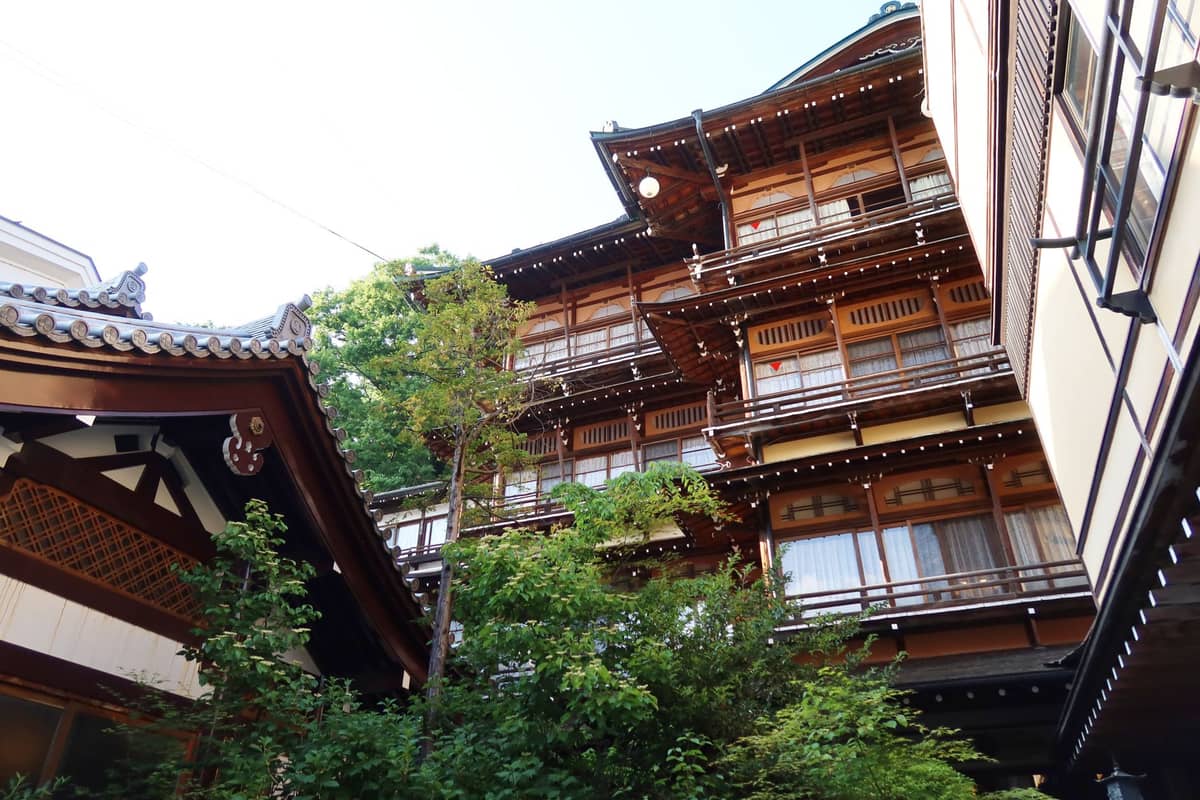
Recommending specific facilities requires a caveat: hours, prices, and policies change. The Tokyo Bathhouse Association (1010.or.jp) maintains an updated directory in English, and Go Tokyo's official listings are the most reliable starting points for current information. That said, several facilities have strong reputations and are worth naming.
Natural Hot Spring Heiwajima in Ota Ward is one of the most accessible genuine hot spring facilities within Tokyo proper. It draws natural spring water and has multiple bath types including outdoor pools. Access details are published on the facility's official site. Ota Ward also places you near Tsukiji and Ginza for a full day itinerary combining sightseeing and bathing.
For a more traditional sento experience, the neighborhoods of Asakusa and Yanaka still have working neighborhood baths that feel genuinely local rather than tourist-oriented. Yanaka in particular retains a high concentration of older sento buildings, some with classic mosaic tile work and painted Mount Fuji murals inside the men's section, a traditional decorative feature of Tokyo bathhouses.
If you want a full-day onsen resort experience without leaving the metropolitan area, facilities in the Tama area and outer western wards offer more land and larger complexes than central Tokyo. Alternatively, Hakone is roughly 90 minutes from Shinjuku by Romancecar express train and has some of Japan's most celebrated ryokan onsen. For a day trip focused specifically on hot springs, it is hard to beat.
✨ Pro tip
Visit a sento on a weekday evening around 7 to 9 PM for the most authentic experience. The after-work crowd is regulars, not tourists, and the atmosphere is relaxed. Weekend afternoons tend to be busier and draw more families with children.
Practical Logistics: Hours, Pricing, and What to Bring
Most traditional sento operate on a late-afternoon to late-night schedule, typically opening between 3 PM and 5 PM and closing around midnight. Some open earlier or stay open later, and hours on public holidays or maintenance days vary. Do not assume a sento is open without checking: many take one day off per week, and closures for cleaning or repairs happen without much notice on tourist channels.
Admission is paid at a front desk (番台, bandai) or automated ticket machine. At traditional sento you can usually rent or buy a small towel on-site, and shampoo, soap, and conditioner are often available for purchase if you do not bring your own. Lockers require a small coin deposit (typically ¥100, usually returned). Larger super sento facilities may charge extra for towel rental and amenity kits, which can add ¥200 to ¥500 to your visit.
- Small towel (about 30cm x 90cm), used for modesty and drying
- Shampoo, conditioner, and body soap (available at most venues but cheaper to bring your own)
- Change of clothes and underwear
- Sandals or flip-flops for the changing room (optional but useful)
- Cash: many neighborhood sento do not accept cards, though larger facilities increasingly do
Seasonal Considerations and When to Visit
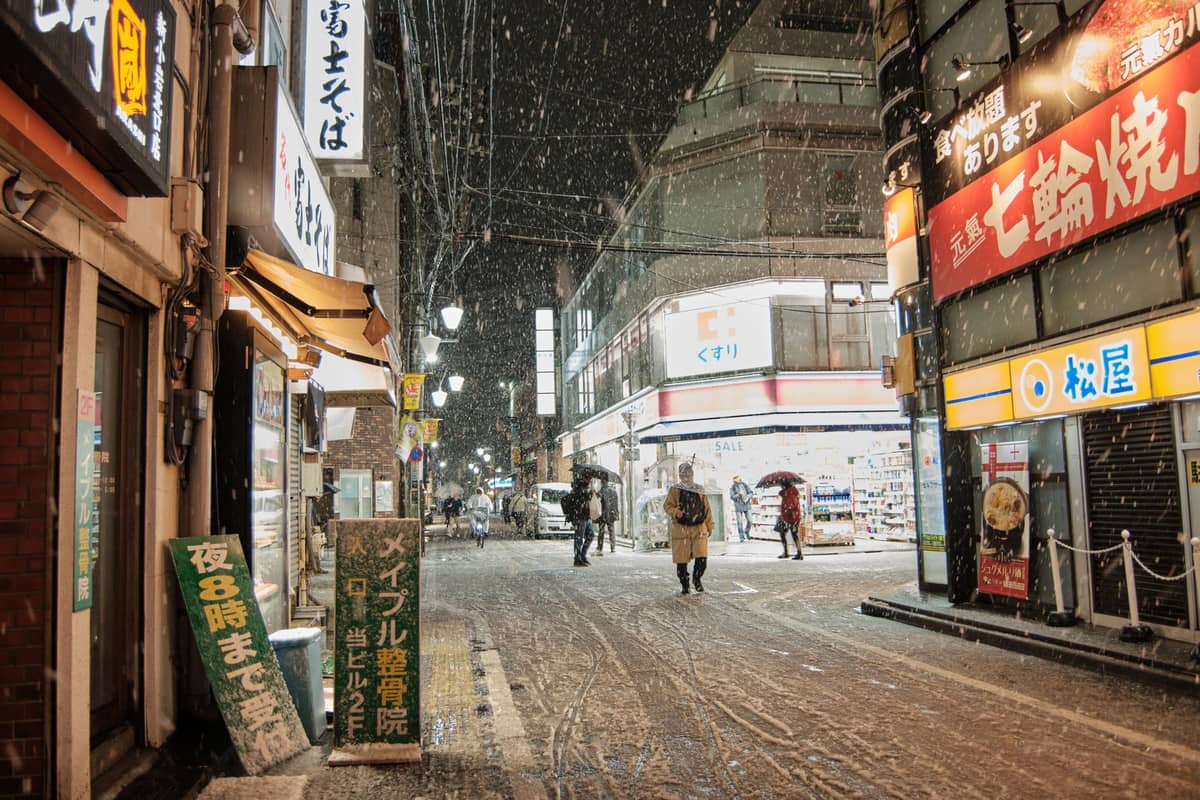
Tokyo's bathing culture does not have an off-season, but usage patterns shift with the weather. Winter months, roughly December through February, see the highest demand for both sento and onsen. Soaking in a hot bath when Tokyo temperatures typically drop to around 1 to 3°C overnight is a genuinely restorative experience. This is also when visiting Tokyo in December pairs particularly well with a bathhouse visit.
Summer bathing might seem counterintuitive given Tokyo's humidity and heat (August highs around 31°C), but many sento add cold plunge pools and sauna rotations during summer months. The contrast between a hot sauna, cold bath, and outdoor cooling area (known as the sauna-cold-rest cycle, or totonou) has a dedicated following and has driven renewed interest in sento among younger Tokyo residents.
Spring and autumn are pleasant for visiting outdoor onsen areas. If you are planning a trip around cherry blossom season or autumn foliage, combining spring in Tokyo with an evening at a good sento makes for a well-rounded day. Tokyo's public holidays, particularly Golden Week (late April to early May), can cause significant crowding at popular facilities, so either book ahead or visit on weekday evenings.
💡 Local tip
Many sento close one day per week for cleaning. This closure day is rarely consistent across facilities and is not always listed prominently in English. The Tokyo Bathhouse Association directory (1010.or.jp) includes weekly closure information for member sento.
FAQ
Are there onsen in Tokyo city itself, or do I need to travel to Hakone?
There are genuine onsen (natural hot spring baths) within Tokyo's city limits, though they are fewer than many tourists expect. Facilities like Natural Hot Spring Heiwajima in Ota Ward draw actual geothermal spring water. However, for the classic ryokan onsen experience with mountain scenery, Hakone (about 90 minutes from Shinjuku) and other surrounding prefectures offer significantly more variety. Day trips are straightforward and worth it if onsen bathing is a priority.
Can foreigners go to sento and onsen in Tokyo?
Yes, foreign visitors are welcome at the vast majority of Tokyo sento and onsen. The main practical considerations are tattoo policies (which vary by facility), the communal nude bathing format (no swimwear at traditional venues), and knowing basic etiquette. Some facilities have posted English instructions or pictogram guides. Checking the venue's website or calling ahead resolves most uncertainty.
How much does a typical Tokyo sento cost?
The regulated adult admission fee for a standard Tokyo sento is a capped ¥550 (as of July 2024), set by the Tokyo Bathhouse Association. Children ages 6 to 12 pay ¥200, and children under 6 pay ¥100. Larger super sento and genuine onsen facilities charge more, typically ¥1,000 to ¥2,500 for entry, sometimes with additional fees for towel rental or amenities.
What happens if I have tattoos? Can I still use a Tokyo onsen or sento?
Tattoo policies vary widely. Traditional sento and onsen often prohibit visible tattoos entirely. Newer or tourist-oriented facilities are more likely to allow them, and some specifically advertise tattoo-friendly policies. The safest approach is to check the venue's website before visiting. Showing up at the door and being turned away is a frustrating outcome that takes 30 seconds of research to prevent.
What are typical sento opening hours in Tokyo?
Most neighborhood sento open between 3 PM and 5 PM and close around midnight. Hours vary by facility, and many close one day per week. Larger super sento often have extended hours, sometimes opening in the morning. Always verify hours directly with the specific venue before visiting, particularly on public holidays or during maintenance periods.