Tokyo in December: The Complete Winter Illuminations & Year-End Guide
December in Tokyo is one of the city's most visually spectacular months, with thousands of lights transforming major boulevards and neighborhoods. But it also comes with genuine planning challenges: year-end closures, holiday crowds on trains, and illumination events that end before Christmas. This guide covers everything you need to know.
Plan and book this trip
Tools from our partner Travelpayouts help you compare flights and hotels. If you book through them, we may earn a commission at no extra cost to you.
Flights
Hotels map
TL;DR
- December is one of Tokyo's driest months with average highs around 11-12°C, so layering is essential but rain is rarely a problem.
- Winter illuminations run from mid-November through late December across Marunouchi, Roppongi, Omotesando, and Shinjuku, most ending December 25-28.
- Major illumination spots like Marunouchi Nakadori and Shinjuku Southern Terrace extend lights to midnight throughout December.
- Government offices and many businesses close December 29 to January 3; key museums and gardens also shut for several days around New Year.
- Tokyo does NOT completely shut down: Tokyo Skytree, Tokyo Disney Resort, and department stores largely stay open through the New Year period.
What December Weather Actually Feels Like in Tokyo
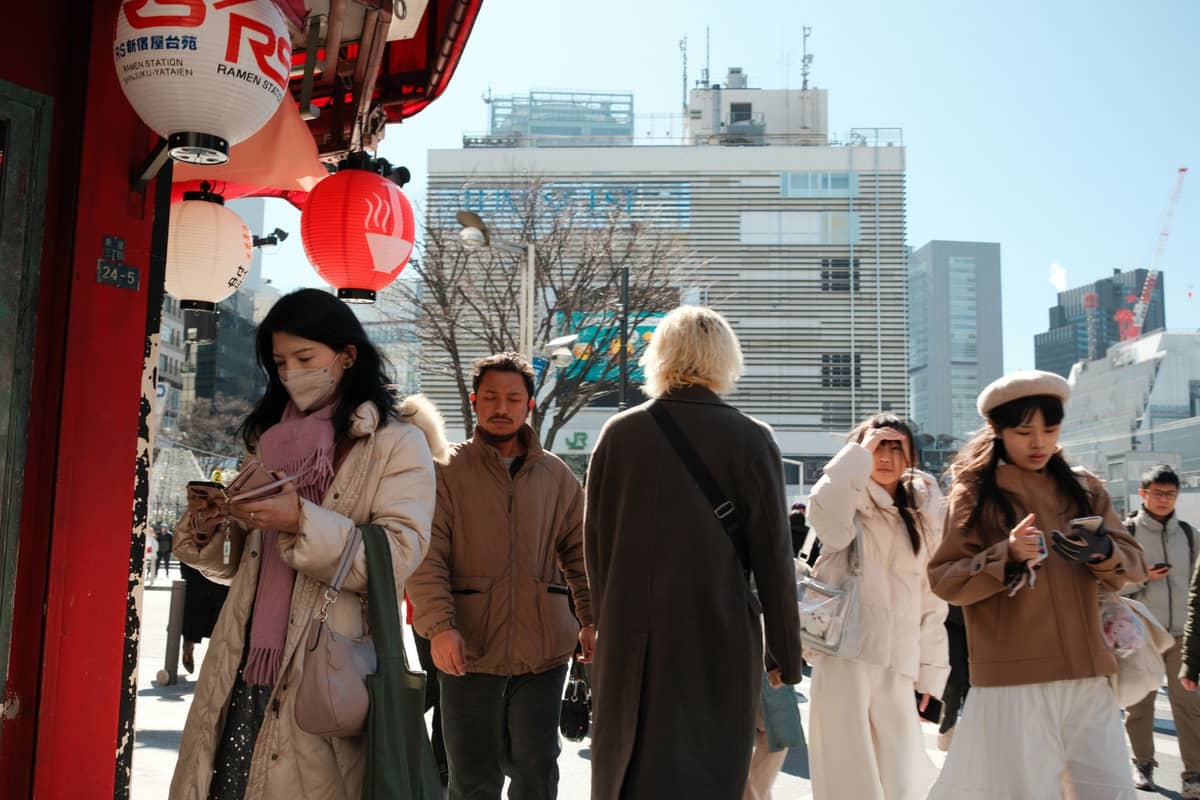
Tokyo in December sits in a genuinely comfortable winter range for sightseeing. Average daytime highs hover around 11-12°C throughout the month, with nights often falling to 3-4°C, so evenings at outdoor illumination events require a proper coat, not just a jacket. The good news: December is one of Tokyo's driest months, with around 60mm of rainfall—slightly lower than January—meaning you are unlikely to lose an evening to rain. Expect clear skies and low humidity, which also makes this one of the best months for views of Mount Fuji from elevated spots around the city.
Sunset happens early, around 16:30 in mid-December, which is actually convenient: most illumination displays switch on between 16:00 and 17:00, so you can move from one location to the next entirely after dark without staying out until midnight. The flip side is that sightseeing days feel short. Plan daytime activities for mornings and save late afternoons for the illumination circuits.
💡 Local tip
Pack thermal underlayers rather than a heavy single coat. Tokyo's December days involve a lot of walking in and out of heated train stations, department stores, and restaurants, so layering lets you regulate temperature far more comfortably than one bulky jacket.
Tokyo's Winter Illuminations: Where to Go and When
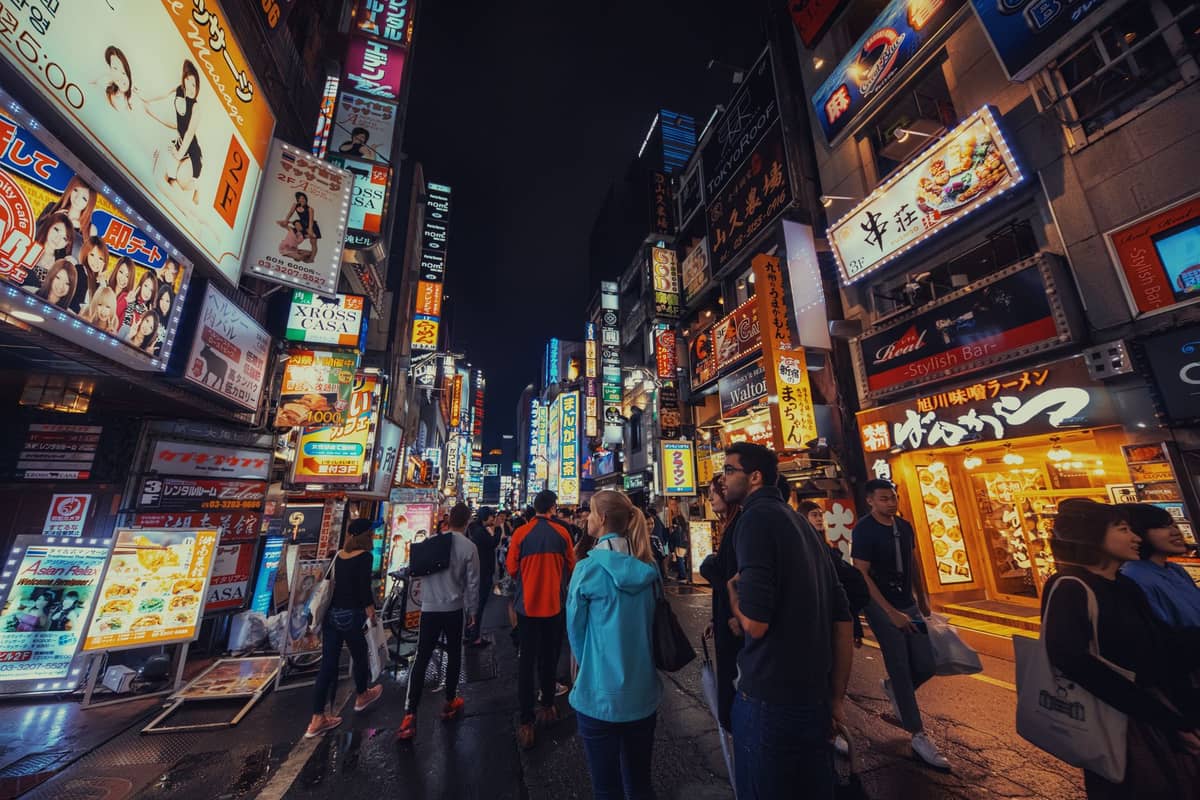
The winter illumination season is Tokyo's answer to European Christmas markets: it is wide, photogenic, and extremely well-organized. The best displays are concentrated in the Marunouchi and Ginza area, Roppongi, and the Harajuku and Omotesando corridor. Each has a distinct character and a different end date, so knowing the schedule matters.
- Marunouchi Nakadori Avenue The most reliably impressive display in the city. Roughly 240 trees along the main Marunouchi shopping boulevard are wrapped in warm white LEDs from mid-November to mid-February. In December, lights run until midnight rather than the usual 23:00. The street connects directly to Tokyo Station, making it easy to combine with arrival or departure.
- Gyoko-dori Avenue (Imperial Palace to Tokyo Station) The grand boulevard between the Imperial Palace and Tokyo Station is illuminated from late November to December 25, typically 16:00-23:00, extended to midnight throughout December. This is one of the most dramatic settings in the city given the scale of the avenue.
- Roppongi Hills Keyakizaka Street The zelkova trees along Keyakizaka are lit from early November to December 25, running 17:00-24:00 in some sections. Combined with the Roppongi Hills complex itself, this area offers a full evening of illumination alongside restaurants and the Mori Art Museum.
- Tokyo Midtown (Roppongi) The garden and plaza of Tokyo Midtown typically hosts illuminations from mid-November to December 25, around 17:00-23:00. The garden section includes projection mapping some years, which makes it worth checking the current year's program.
- Omotesando Avenue The tree-lined main avenue runs illuminations from approximately December 2 to December 28, 17:00-22:00. Earlier closing than Marunouchi, so prioritize it on the same evening as Harajuku activity.
- Shinjuku Southern Terrace Runs from mid-November to mid-February, with lights switching on around 16:30 in December and running to midnight. Conveniently located at Shinjuku Station's south exit, this is one of the easiest to visit on arrival or departure.
⚠️ What to skip
Most Christmas-themed illuminations end on December 25, and the majority of the rest close by December 28. If you arrive in Tokyo on December 29 or later, you will find most major light displays already taken down. Late December visitors should focus on New Year preparations at shrines and temples instead.
Year-End Closures: What's Open and What's Not
The period from December 29 to January 3 is when Tokyo's calendar shifts most sharply. Under the Act on Holidays of Administrative Organs, December 29 to January 3 are designated non-working days for government offices. Many private companies follow the same pattern. For visitors, the practical impact falls into three categories: cultural institutions, transportation, and retail.
Several of Tokyo's best-known attractions close for the New Year period. The Imperial Palace East Gardens typically close December 28 to January 3. Hamarikyu Gardens close December 29 to January 1. The Tokyo National Museum in Ueno often closes December 26 to January 1. Check the official website of any specific attraction before booking travel around this window.
A common misconception is that the entire city shuts down. Tokyo Skytree, Tokyo Disney Resort, major department stores in Shinjuku and Shibuya, convenience stores, and most restaurants in tourist areas remain open through December 31 and into January. In fact, department stores and electronics retailers hold major year-end sales, and the crowds around Shinjuku and Shibuya on December 30 and 31 are significant. January 1 is the single day when the city is at its most subdued, but even then, shrine and temple precincts fill quickly with hatsumode visitors.
ℹ️ Good to know
Only January 1 (Ganjitsu) is a statutory national holiday. January 2 and 3 are customary closure days observed by many businesses but not legal public holidays. This distinction matters: some smaller restaurants, local shops, and private attractions may reopen January 2 or 3 when others stay shut until January 4 or 5.
Things to Do in Tokyo in December Beyond the Lights
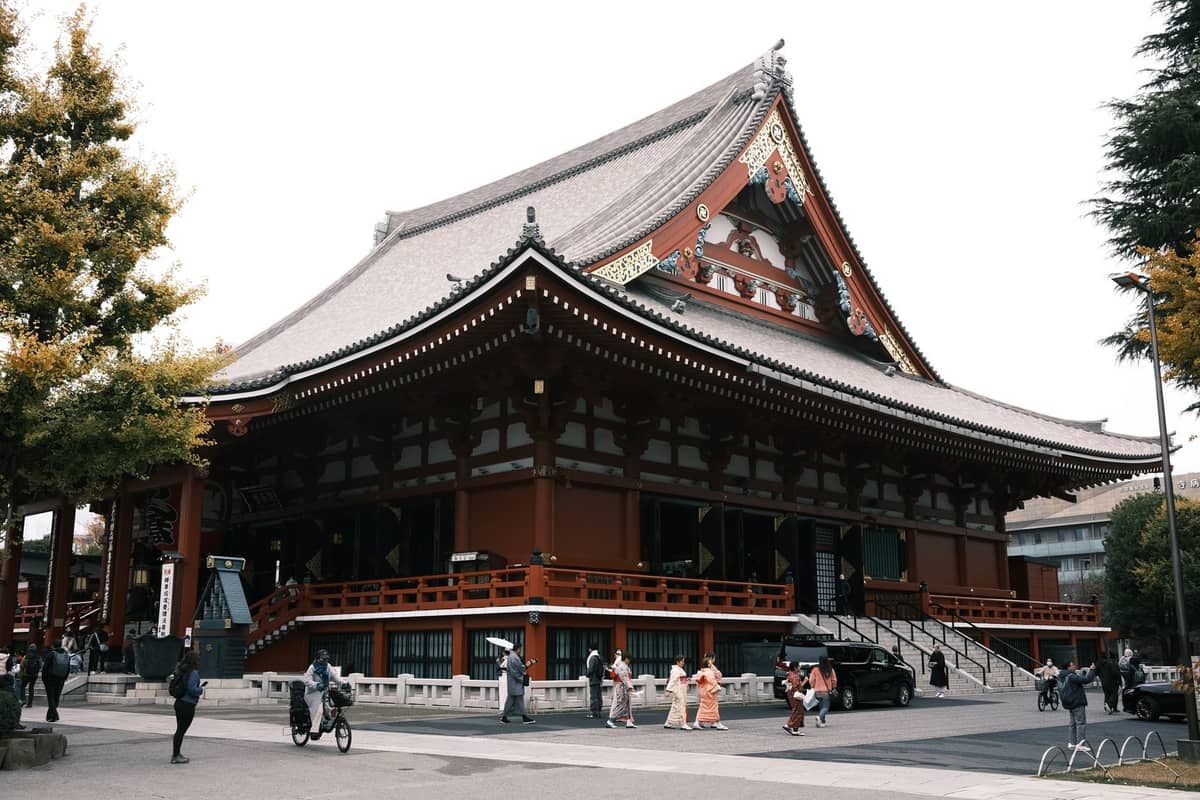
Winter is one of the better seasons for Tokyo's temples and shrines, both for atmosphere and for crowd patterns. Senso-ji in Asakusa is genuinely atmospheric in December: the incense smoke, the dark evenings, and the relative quiet before the enormous hatsumode crowds arrive on January 1 all make it worth visiting in the weeks before New Year. Meiji Jingu is similarly worth a December visit: the forested approach is bare-branched but striking, and the shrine holds some of the largest New Year crowds in Japan (over 3 million in the first three days), so early December visits are far calmer.
For museum-going, December works well if you stay ahead of the New Year closure window. The Mori Art Museum in Roppongi Hills typically stays open through late December and has excellent city views from the adjacent Tokyo City View. teamLab Planets in Toyosu operates year-round and is not subject to the same New Year closure patterns as government-run institutions.
December is also the season for bonenkai, the Japanese year-end party tradition. From early December, izakayas and restaurants across the city are heavily booked by office and social groups. If you plan to eat at popular spots without reservations, go early (before 18:00) or choose weekday lunches. The density of diners in popular areas like Shinjuku and Ginza on Friday and Saturday evenings in December is genuinely high.
- Visit Shinjuku Gyoen in early December for late autumn foliage, which can persist into the first two weeks of the month.
- Watch a sumo tournament: the Fukuoka Basho ends in November, but the January Basho (Hatsu Basho) begins in mid-January at Ryogoku Kokugikan, making late December a good time to book tickets.
- Browse Ameyoko market in Ueno, which becomes one of Tokyo's most energetic food markets in the final days before New Year as vendors sell seafood, snacks, and produce at discounted end-of-year prices.
- Take a day trip to Nikko or Kawagoe before the year-end rush, as both are quieter and often have early winter scenery that differs sharply from Tokyo's urban landscape.
- Check the Kabukiza Theatre schedule in Ginza: December programs often include special year-end performances, and single-act tickets (hitomakumi) are available without advance booking.
Getting Around Tokyo in December
Tokyo's public transport network runs reliably through December. The Yamanote Line, Tokyo Metro, and Toei Subway lines connect all major illumination spots and neighborhoods efficiently. For a full breakdown of transport options, including IC card setup and airport connections, see the complete guide to getting around Tokyo.
The main transport caveat in December is the December 29-30 shinkansen and intercity train peak. Outbound trains from Tokyo to Osaka, Kyoto, and other major cities see extreme demand as residents travel home for New Year. If you are planning to travel between cities in this window, book reserved seats well in advance. Within Tokyo itself, trains are crowded on major shopping days (December 24-25 and December 30-31) but run at full frequency, so delays are rare.
From Haneda Airport, the Tokyo Monorail to Hamamatsucho takes around 30 minutes to central Tokyo at fares around ¥500-¥700. From Narita, the JR Narita Express (N'EX) reaches Tokyo Station in approximately one hour. For a detailed comparison of airport transfer options and current pricing, the Tokyo airports guide covers all options including the Keisei Skyliner to Ueno.
Where to Stay and Practical Tips for December
December hotel prices vary considerably. Early to mid-December is relatively affordable compared to Tokyo's peak spring season. The Christmas week (December 23-25) sees mild price increases at higher-end hotels, particularly in Shinjuku, Shibuya, and the Marunouchi area. The actual New Year window (December 30 to January 2) can be surprisingly competitive if booked early, as many domestic travelers leave Tokyo. For area-by-area accommodation recommendations, the Tokyo accommodation guide breaks down neighborhoods by type and budget.
- Carry cash: many smaller restaurants, izakayas, and market stalls at year-end events are cash-only.
- Tipping is not customary in Japan and is generally not expected or required in restaurants, taxis, or hotels.
- Tokyo's tap water is safe to drink, which matters for budget travelers staying in apartments or hostels.
- Emergency numbers: 110 for police, 119 for fire and ambulance. Japan's country code is +81.
- Electrical outlets use mainly Type A plugs at 100V/50Hz in Tokyo, with some Type B sockets also present; most modern devices handle this, but check adapters for anything voltage-sensitive.
- Dress modestly when visiting temples and shrines, especially during New Year preparation periods when religious significance is higher.
✨ Pro tip
For the best view of the illuminations at Marunouchi, arrive on a weeknight rather than the weekend. Weekend evenings between December 20-25 attract significant crowds that make photography and walking difficult. A Tuesday or Wednesday evening in early December gives you the same lights with a fraction of the people.
FAQ
Is Tokyo worth visiting in December?
Yes, particularly for the winter illuminations and the unique atmosphere of the year-end period. December has Tokyo's most reliably dry winter weather, excellent museum exhibitions, and the illumination displays that run through Christmas make for spectacular evenings. The main drawback is that cultural institutions close for several days around New Year, so late December visitors (arriving after December 28) need to plan around those closures.
When do the winter illuminations start and end in Tokyo?
Most major illuminations begin in mid-November and run through Christmas Day (December 25). A smaller number, including Marunouchi Nakadori and Shinjuku Southern Terrace, continue through mid-February. If you arrive in Tokyo after December 26, the majority of Christmas-style light displays will already be down, though the Marunouchi area remains illuminated.
What is closed in Tokyo over New Year (December 29 to January 3)?
Government offices and many businesses close December 29 to January 3. Key attractions with confirmed closures include the Imperial Palace East Gardens (typically December 28 to January 3), Hamarikyu Gardens (December 29 to January 1), and the Tokyo National Museum (often December 26 to January 1). However, Tokyo Skytree, Tokyo Disney Resort, major department stores, convenience stores, and most restaurants in tourist areas remain open. January 1 is the most broadly closed day of the year.
How cold is Tokyo in December?
Average daytime highs range from 12-13°C in early December to 9-10°C by late month. Nights typically fall to 3-5°C. December is one of Tokyo's driest months, so cold but sunny days are the norm. Thermal underlayers and a mid-weight coat are sufficient for most days; evenings at outdoor illumination events require warmer outerwear.
Is December a good time to see Mount Fuji from Tokyo?
December is actually one of the best months for Fuji views. The dry winter air, low humidity, and snow-capped summit from late November onward make the mountain highly visible from elevated viewpoints around Tokyo on clear days. Tokyo Skytree, the Tokyo Metropolitan Government Building observatory in Shinjuku, and Shibuya Sky all offer potential Fuji views on clear December mornings.