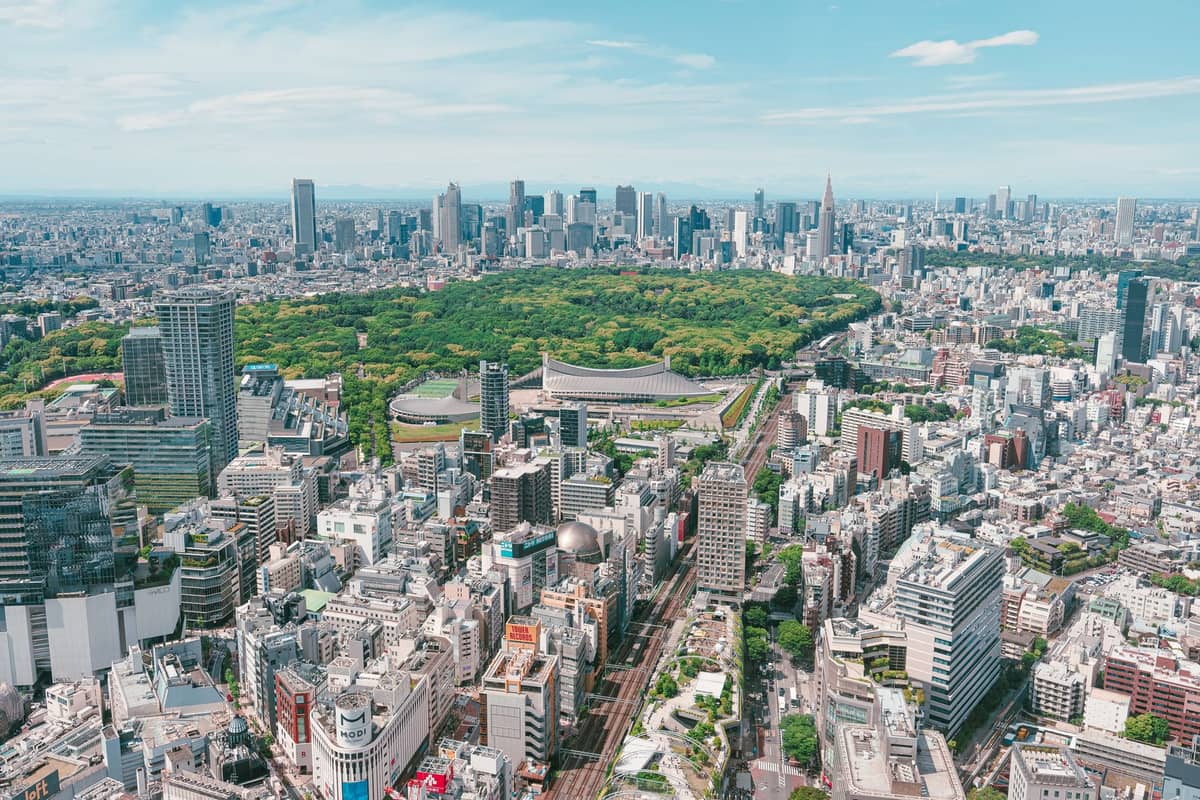
Harajuku and Omotesando occupy a stretch of western central Tokyo where youth street culture and high-end architecture exist side by side. The area runs from Meiji Shrine's forested approach in the north through Takeshita Street's compact chaos to the wide, zelkova-lined boulevard of Omotesando, finishing near the galleries and concept stores of Minami-Aoyama.
Harajuku and Omotesando sit next to each other geographically but feel like entirely different cities. One side delivers Takeshita Street's high-voltage teen fashion and crepe stands; the other offers a serene, tree-lined boulevard studded with flagship stores designed by some of the world's most celebrated architects. Together they form Tokyo's most visually layered neighborhood.
Orientation
Harajuku and Omotesando occupy the northern edge of Shibuya Ward, roughly corresponding to Jingumae 1 through 4 chome on official ward maps. The neighborhood is anchored by two rail stations: Harajuku Station on the JR Yamanote Line, and Meiji-jingumae (Harajuku) Station on the Tokyo Metro Chiyoda and Fukutoshin lines. A third station, Omotesando, sits at the southeastern end of the main boulevard where the Ginza, Chiyoda, and Hanzomon lines converge.
The spine of the area is Omotesando, the wide boulevard that runs southwest from the entrance of Meiji Shrine toward Aoyama-dori. Takeshita Street runs parallel to the north, tucked between Harajuku Station and the main avenue. To the west, the forested grounds of Meiji Shrine and Yoyogi Park provide a rare pocket of urban quiet. To the east, Omotesando gradually becomes Minami-Aoyama, where galleries, concept stores, and quiet residential lanes take over.
Shibuya is a ten-minute walk south, and Shibuya's commercial core is close enough that many visitors combine both areas in a single day. Shinjuku is reachable in under fifteen minutes by Yamanote Line from Harajuku Station, making the neighborhood easy to slot into most Tokyo itineraries.
Character & Atmosphere
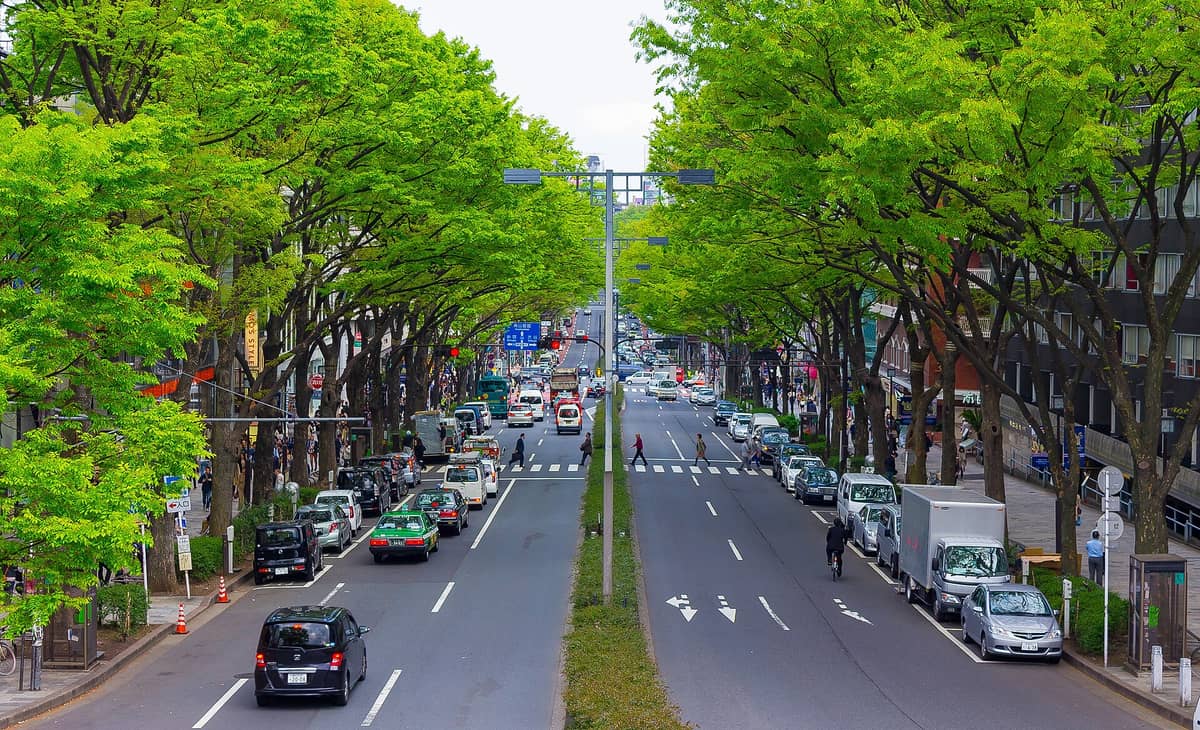
The contrast between Harajuku and Omotesando is sharpest in the morning. Before ten o'clock, Omotesando is calm. The zelkova trees cast dappled shadows across wide pavements, a few joggers cut through Yoyogi Park, and the only real activity is the steady flow of worshippers along the gravel path toward Meiji Shrine. The boulevard's flagship stores, all glass and polished concrete, are still shuttered. It feels nothing like the Tokyo of popular imagination.
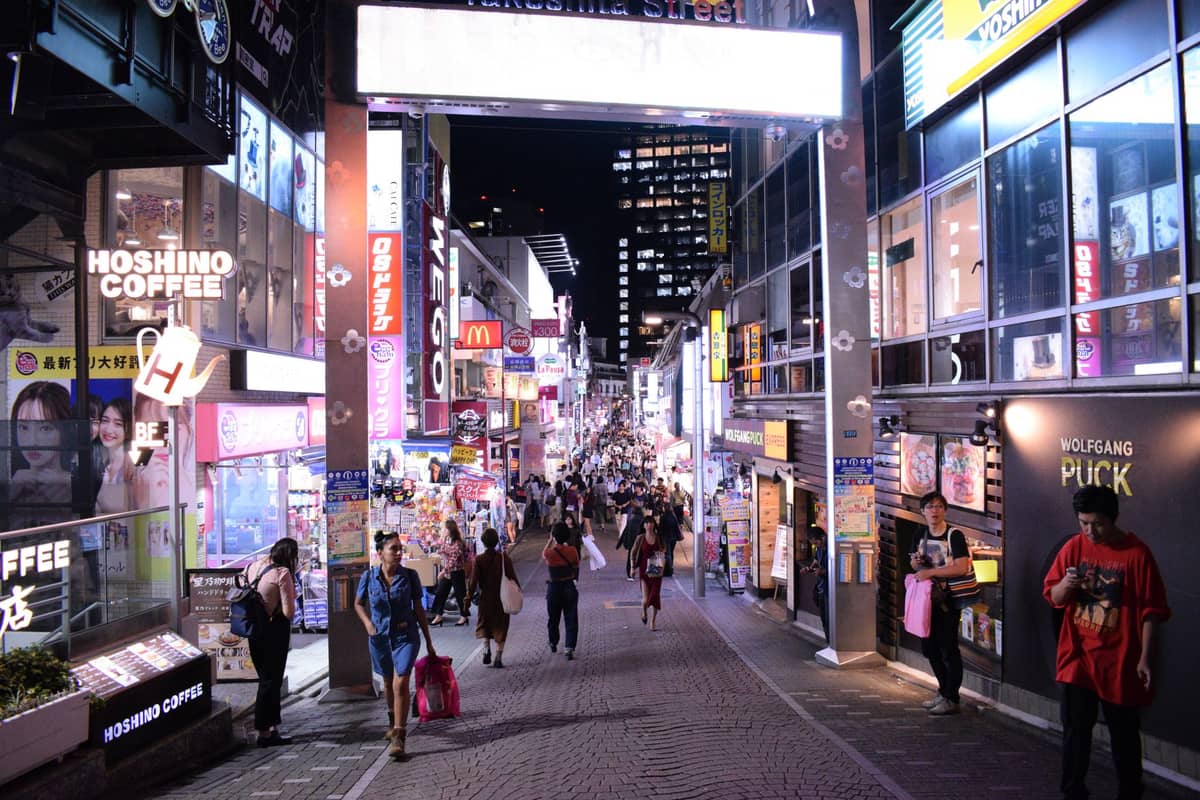
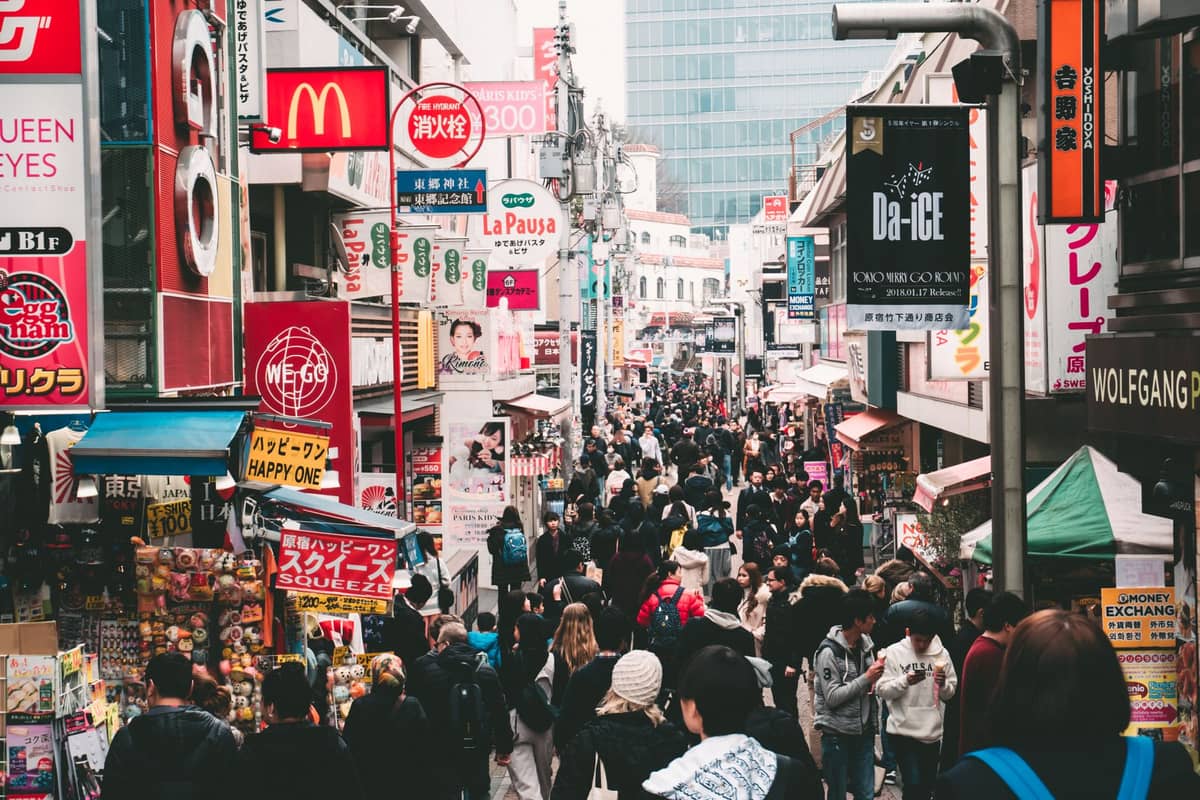
Then the crowds arrive. By midday, Takeshita Street is operating at full intensity: a narrow pedestrian lane packed shoulder to shoulder, filled with the smell of fresh crepes and cotton candy burritos, lined with racks of pastel-colored clothing and booths selling wigs, character accessories, and platform shoes. The noise level is genuine, the pace is fast, and personal space is a luxury. If you are sensitive to crowds, Takeshita Street on a weekend afternoon is genuinely challenging.
Omotesando itself operates at a different register. The boulevard is wide enough to absorb large numbers of people without feeling claustrophobic, and the rows of mature zelkova trees give the avenue a European feel that no other street in Tokyo quite replicates. In autumn, the foliage turns amber and gold, and the effect on a clear October afternoon is striking. Boutiques, terrace cafes, and architectural set pieces line both sides all the way to Omotesando Station.
After dark, the energy shifts again. Takeshita Street empties quickly. Omotesando stays animated through the evening with diners and cafe-goers, but it never becomes rowdy. The side streets running south off the main boulevard, known loosely as the Ura-Harajuku or Cat Street area, attract a younger crowd browsing independent boutiques well into the evening. This is not a nightlife neighborhood in the Roppongi sense; the area quiets down by midnight.
⚠️ What to skip
Harajuku is one of Tokyo's most-visited areas on weekends. Takeshita Street in particular becomes extremely congested on Saturday and Sunday afternoons. If you want to experience the street without the worst of the crowds, arrive before 11am or come on a weekday morning.
What to See & Do
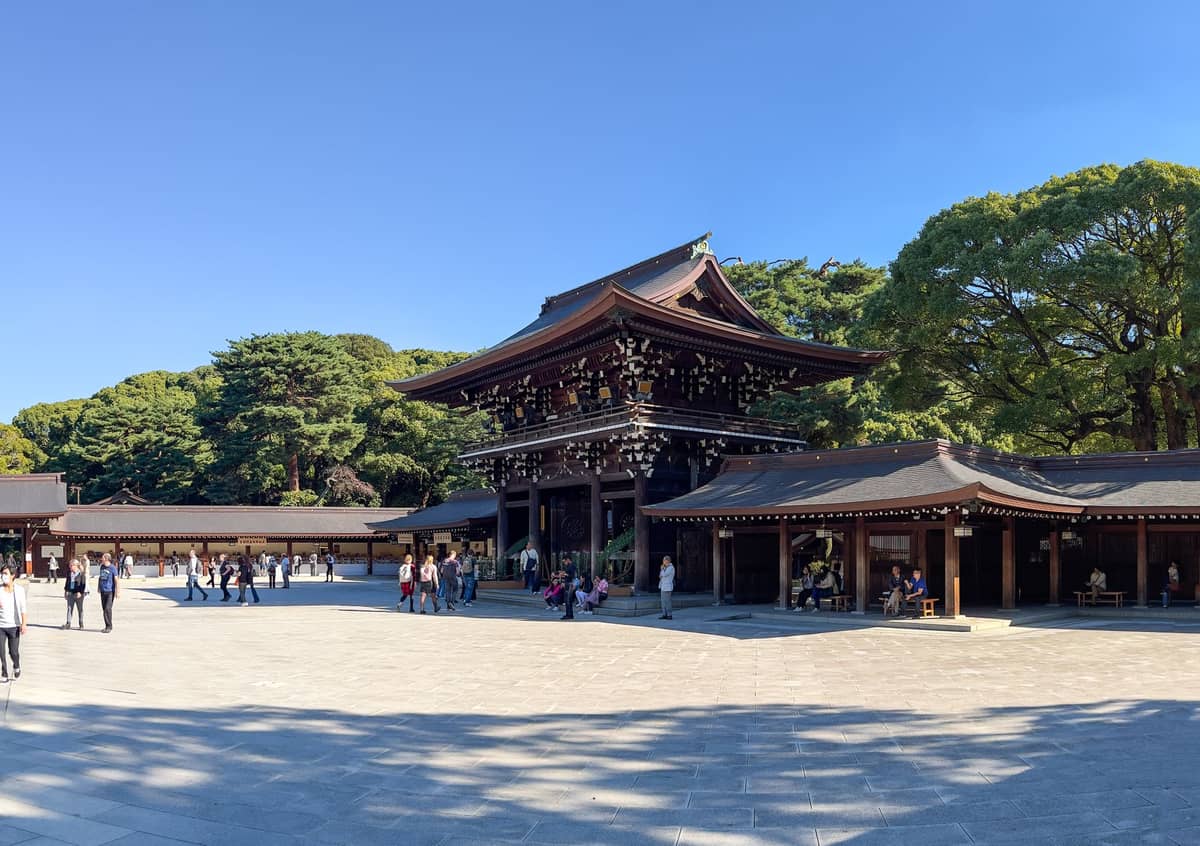
The single most important site in the area is Meiji Jingu Shrine, the large Shinto shrine dedicated to Emperor Meiji and Empress Shoken. Entering from the Harajuku Station side, you walk for nearly ten minutes through forested grounds before reaching the main hall, a gradual transition that genuinely separates the shrine from the city around it. Early mornings are the best time to visit, when the light filters through the cypress trees and the path is mostly quiet.
Immediately adjacent to the shrine, Yoyogi Park is one of Tokyo's largest green spaces and one of the few places in central Tokyo where the city seems to exhale. Weekends bring picnic groups, musicians, and informal sports, but even on busy days the park is large enough to find a quiet corner. The combination of the shrine and the park makes the western edge of Harajuku feel genuinely restorative, which is unusual for a district better known for shopping.
Back on the commercial side of the neighborhood, Takeshita Street is worth seeing even if it is not your scene. The concentration of youth fashion subcultures, from decora and Lolita to streetwear hybrids that do not yet have names, is genuinely unlike anywhere else in the world. The street has been toned down from its peak years in the 1990s and early 2000s, but it remains the most honest expression of Harajuku's original identity.
Along Omotesando itself, the architecture is as much the attraction as the shops. Omotesando Hills, the large terraced complex designed by Tadao Ando, replaces the old Dojunkai Aoyama apartments and organizes retail floors around a spiraling atrium. The Prada building by Herzog and de Meuron, its faceted glass skin bulging slightly outward, and the LVMH building by Jun Aoki are both visible from the pavement. For a broader overview of Tokyo's architectural ambition, the Tokyo architecture guide covers this district in depth alongside other major design landmarks.
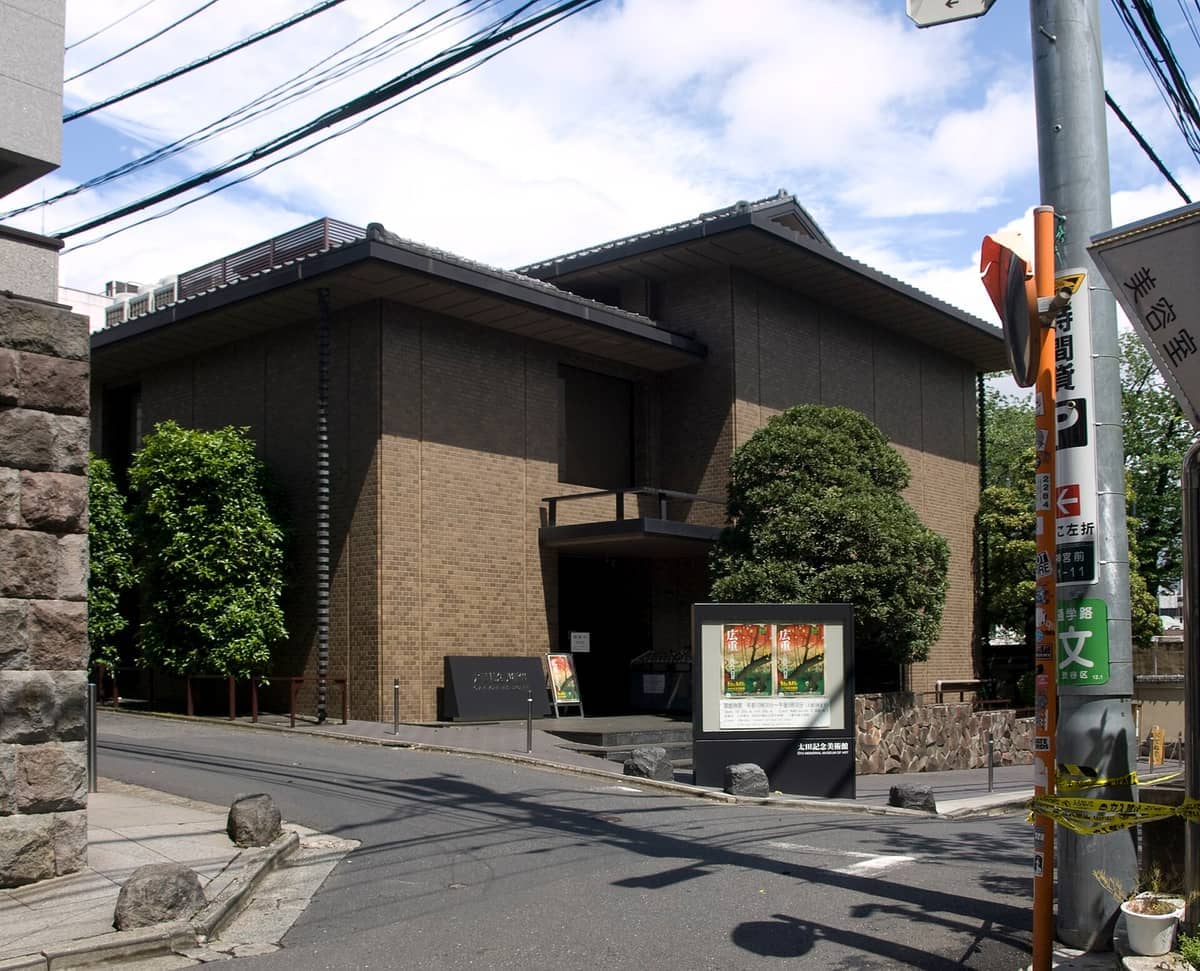
The Omotesando area also contains the Ukiyo-e Ota Memorial Museum of Art near Harajuku Station, a small institution with a rotating collection of woodblock prints that offers a quiet counterpoint to the fashion scene outside. Admission is modest and the gallery is rarely crowded.
Meiji Jingu Shrine: forested Shinto shrine, open from sunrise to sunset, free entry
Takeshita Street: youth fashion, street food, independent boutiques
Omotesando Hills: Tadao Ando-designed retail complex with a spiraling atrium
Ukiyo-e Ota Memorial Museum of Art: rotating woodblock print exhibitions near Harajuku Station
Cat Street (Ura-Harajuku): independent fashion labels, vintage stores, cafes running south toward Shibuya
Eating & Drinking
The food scene in Harajuku and Omotesando covers a wider range than most visitors expect. Takeshita Street is the obvious starting point for street food: the area's long association with crepes is no exaggeration. Several crepe stands have operated on or near the street for decades, folding thin pancakes around combinations of cream, fruit, and chocolate into a portable cone. More recent arrivals include rainbow cotton candy towers and versions of the rolled ice cream trend. These are tourist-facing by design, affordable, and worth trying once.
Omotesando and its side streets operate at a different price point. The terrace cafes along the main boulevard attract a well-dressed local crowd and command premium prices for coffee and light meals, though the setting justifies the markup. Moving south along Cat Street and into the backstreets between Omotesando and Aoyama-dori, the density of independent cafes, brunch restaurants, and small restaurants increases. This is where residents of the neighborhood actually eat, and where the best value sits.
The broader Aoyama area bordering Omotesando contains some of Tokyo's most serious dining, from long-established kaiseki restaurants to modern French and Italian kitchens with strong local reputations. For those wanting to explore Tokyo's full restaurant culture, the guide to what to eat in Tokyo provides useful context on food categories and neighborhoods.
Bars in the area skew toward cocktail lounges and wine bars rather than the izakaya format common elsewhere in Tokyo. There are exceptions in the backstreets, but this is not the neighborhood to come looking for cheap draft beer and shared skewers. Budget-conscious drinkers and diners will find better value in Shibuya or Shinjuku.
💡 Local tip
The side streets running perpendicular to Omotesando, particularly those heading south between Harajuku and Minami-Aoyama, hide some of Tokyo's best independent cafes. Prices are lower than on the main boulevard and the setting is considerably calmer. A thirty-second walk off Omotesando can cut your coffee bill in half.
Getting There & Around
Harajuku Station on the JR Yamanote Line is the most convenient entry point for Meiji Shrine, Yoyogi Park, and Takeshita Street. The station has three exits: the Takeshita Exit drops you directly at the entrance to Takeshita Street, the East Exit faces Omotesando boulevard, and the West Exit faces the shrine approach. The Yamanote Line connects Harajuku directly to Shibuya (two stops, about four minutes) and Shinjuku (one stop, about three minutes), making the station one of the best-connected in the area.
Meiji-jingumae (Harajuku) Station on the Tokyo Metro Chiyoda and Fukutoshin lines sits just below Omotesando at the Harajuku end of the boulevard. This station is useful if you are arriving from Akihabara or Ikebukuro on the Chiyoda and Fukutoshin lines respectively. Omotesando Station, at the southeastern end of the boulevard, serves the Ginza, Chiyoda, and Hanzomon lines and is the better arrival point if you are coming from Ginza, Aoyama, or Shibuya on the subway.
The neighborhood is walkable once you arrive. The full length of Omotesando from Harajuku Station to Omotesando Station is about 1.8 kilometers, a flat twenty-minute walk. Cat Street runs roughly parallel about one block south and adds another fifteen to twenty minutes if you explore it. Connecting to Daikanyama and Nakameguro on foot from the southern end of Cat Street takes around twenty minutes and makes for a logical half-day route.
ℹ️ Good to know
IC cards (Suica or Pasmo) work on all rail and subway lines serving this neighborhood and are the most convenient payment method. They can be loaded at any station and are accepted on JR, Tokyo Metro, and Toei lines without needing separate tickets.
Where to Stay
Harajuku and Omotesando are not primarily hotel districts. The neighborhood has limited accommodation compared to Shinjuku or Shibuya, and the options that do exist skew toward boutique hotels and design-led properties rather than large business hotels or budget hostels. For travelers who prioritize fashion, architecture, and proximity to the upscale end of Tokyo's retail and cafe culture, the location is genuinely convenient.
Most travelers staying near Harajuku choose to base themselves in adjacent Shibuya instead, which offers a wider range of hotels at multiple price points while keeping Harajuku and Omotesando within easy walking or subway distance. For a broader comparison of Tokyo neighborhoods for accommodation, the guide to where to stay in Tokyo covers the trade-offs in detail.
If you do stay in the neighborhood, aim for the quieter streets south of Omotesando rather than the area immediately around Takeshita Street. Takeshita and its surrounding blocks are considerably noisier during the day and the immediate surroundings are less attractive in the morning. The streets toward Minami-Aoyama are calmer and better placed for accessing the full length of Omotesando on foot.
Practical Notes
Harajuku and Omotesando fit naturally into a broader itinerary covering western central Tokyo. From Harajuku, the logical extension is Shibuya to the south. From Omotesando Station, the Ginza line connects directly to Ginza in about fifteen minutes. For first-time visitors trying to structure their time, the Tokyo first-time visitor guide suggests pairing Harajuku with Shibuya as a single day's route, which works well logistically.
The area also contains some of Tokyo's best shopping. Omotesando is the address for international luxury flagships, while the backstreets toward Aoyama concentrate designer streetwear, vintage, and Japanese independent labels. The Tokyo shopping guide covers the full range of shopping districts including Harajuku's place in the wider retail landscape.
In spring, the zelkova trees along Omotesando leaf out quickly and the boulevard is at its most attractive from late March through May. In autumn, the same trees turn yellow and orange, typically peaking in late November. Both periods are among the most pleasant times to walk the neighborhood. Summer is hot and humid by Tokyo's already demanding standards, and the Takeshita Street crowds do not diminish with the heat.
TL;DR
Harajuku and Omotesando cover two distinct personalities in a compact area: youth street culture around Takeshita Street and architectural retail culture along Omotesando boulevard.
Best for: fashion-conscious travelers, architecture enthusiasts, visitors combining it with Shibuya or a visit to Meiji Shrine and Yoyogi Park.
Not ideal for: travelers on tight budgets who want cheap eats and drinks, or anyone who finds weekend crowds genuinely difficult.
Easiest access via Harajuku Station (JR Yamanote Line) for the shrine and Takeshita Street, or Omotesando Station (Tokyo Metro Ginza/Chiyoda/Hanzomon lines) for the boutique end of the boulevard.
Combine with Daikanyama and Nakameguro to the south for a full day of design, food, and independent retail without needing to use the train.
Three days in Tokyo is enough to cover the city's iconic districts, sample its legendary food scene, and get a genuine feel for how the place works. This itinerary is structured by neighborhood logic, not just a checklist of sights, so you spend less time on trains and more time actually exploring.
Tokyo's museum scene spans 1,400 years of Japanese art history, Le Corbusier architecture, midnight-open contemporary galleries, and fully immersive digital worlds. This guide covers the best museums in Tokyo across every category, with practical tips on tickets, timing, and what to prioritize.
Tokyo has hundreds of shrines and temples, from grand imperial foundations to quiet neighborhood sanctuaries. This guide cuts through the noise to highlight the most rewarding sacred sites, whether you have one afternoon or a full week to explore.
Tokyo rewards visitors in every season, but the experience varies dramatically depending on when you go. This guide breaks down the weather, crowd levels, hotel prices, and standout events for each time of year, so you can choose the visit that actually suits you.
Tokyo rewards those who look up. Whether you want a free 202-meter perch over Shinjuku, a paid rooftop with Shibuya Crossing directly below, or a romantic tower glowing orange at night, this guide covers every major viewpoint in the city, ranked by what makes each one worth the trip.
Tokyo rewards those who venture beyond the city limits. Within two hours by train or bus, you can reach a UNESCO shrine town, a volcanic mountain resort, a coastal city of Zen temples, and Japan's most iconic mountain view. This guide covers the best day trips from Tokyo, with practical transport details for each.
Tokyo is one of the world's great cities for budget travelers. From free observation decks and ancient temple grounds to world-class parks and atmospheric street walks, you can fill days of exploration without paying a single admission fee. This guide covers the best genuinely free experiences across the city.
Tokyo's transport network is one of the most efficient in the world, but its sheer scale can overwhelm first-time visitors. This guide covers everything: IC cards, subway passes, airport transfers from Haneda and Narita, buses, taxis, and the key mistakes to avoid.
Tokyo rewards the curious traveler who ventures beyond the obvious landmarks. From a temple blanketed in lucky cat figurines to a natural valley cutting through residential Setagaya, these are the places locals love and guidebooks overlook.
Tokyo sets the global standard for luxury travel. With more Michelin-starred restaurants than any city on earth, world-class hotels, and bespoke private experiences, it rewards travelers who plan carefully. This guide covers everything from three-star dining reservations to high-end seasonal timing.
Everything you need to plan a Mount Fuji day trip from Tokyo, from train and bus options to climbing season restrictions, entrance fees, and the best spots to actually see the mountain. Practical, specific, and honest about what to expect.
Seven days is enough to cover Tokyo's essential neighborhoods, iconic landmarks, and a few surprises — if you plan smart. This day-by-day itinerary covers where to go, how to get there, what things actually cost, and what most visitors get wrong about spending a week in one of the world's most complex cities.
Tokyo rewards couples who plan ahead. This guide covers the city's best romantic experiences, from immersive art installations and panoramic night views to riverside strolls and intimate izakayas, with clear advice on what to book early and what to skip.
Tokyo now has two large-scale teamLab museums, and they are nothing alike. This guide covers the real differences between teamLab Planets in Toyosu and teamLab Borderless at Azabudai Hills, with practical advice on tickets, timing, and which experience is worth your time.
Tokyo is one of the most rewarding cities on earth, but its sheer scale can be overwhelming. This guide cuts through the noise with practical, specific advice on the top things to do in Tokyo — from iconic landmarks and seasonal festivals to quieter experiences most visitors miss entirely.
Tokyo has two main international airports: Haneda, close to the city center, and Narita, located in Chiba Prefecture about 60 km out. This guide breaks down the key differences, every transport option available, realistic travel times, and how to avoid the common mistakes that cost travelers time and money.
Tokyo is the global capital of anime and manga culture, with dedicated museums, iconic shopping districts, seasonal conventions, and pilgrimage sites spread across the city. This guide breaks down exactly where to go, how to book, what to budget, and how to avoid the most common planning mistakes.
Tokyo's architecture spans over a thousand years in the space of a single subway ride. This guide covers the city's most significant modern and traditional structures, with practical details on opening hours, ticket prices, access routes, and what to know before you go.
Tokyo's café culture spans three distinct worlds: atmospheric kissaten frozen in the 1960s, precision-driven specialty coffee shops, and themed cafés where you sip coffee alongside cats, owls, or hedgehogs. This guide breaks down pricing, etiquette, booking requirements, and the best neighbourhoods for each type.
Tokyo has become one of the world's leading destinations for digital and immersive art, and teamLab is just the beginning. From yokai-themed projection installations to grand European masterworks reimagined in light, this guide covers every major venue, ticket prices, seasonal timing, and practical logistics for experiencing Tokyo's full digital art landscape.
Tokyo is one of the most rewarding cities in the world to visit, and also one of the easiest to navigate once you know the basics. This guide covers everything a first-time visitor needs: how to get in, how to move around, when to go, what to expect, and how to avoid the most common mistakes.
Tokyo's fish market scene split in 2018 when wholesale operations moved from Tsukiji to the new Toyosu Market. This guide cuts through the confusion: where the tuna auctions actually happen, how to get a coveted auction viewing spot, and why Tsukiji's outer market is still worth your morning.
Tokyo is one of the world's great garden cities, with Edo-period strolling gardens, forested shrine grounds, and expansive modern parks distributed across the metropolis. This guide covers the finest green spaces in Tokyo, from the iconic to the quietly spectacular.
Tokyo's autumn foliage season runs from mid-November into early December, transforming gardens, parks, and temple grounds across the city. This guide covers the best spots, exact peak timing, admission costs, and practical advice for planning your visit.
December in Tokyo is one of the city's most visually spectacular months, with thousands of lights transforming major boulevards and neighborhoods. But it also comes with genuine planning challenges: year-end closures, holiday crowds on trains, and illumination events that end before Christmas. This guide covers everything you need to know.
Spring in Tokyo runs from mid-March through May, with cherry blossom season as the centerpiece. This guide covers bloom forecasts, the best hanami spots, crowd strategy, spring weather, and practical planning advice for one of Japan's most spectacular seasonal events.
Izakaya are the beating heart of Tokyo's after-work food and drink culture. This guide covers what to expect, how much to budget, where to go, and the customs that separate confident regulars from confused first-timers.
Tokyo's 23 special wards contain dozens of distinct neighborhoods, each with its own personality, price point, and crowd. This guide breaks down the key areas to help you decide where to spend your time — and what to skip.
Tokyo's after-dark scene runs from intimate jazz bars and golden-era izakayas to multi-floor clubs that peak at 2am. This guide covers the best neighborhoods, realistic costs, how cover charges actually work, and everything you need to plan a great night out.
Tokyo has a reputation for being expensive, but the reality is more nuanced. With smart transport choices, free-entry attractions, and a food culture built around affordable meals, a trip to Japan's capital can cost far less than most visitors expect. This guide breaks down exactly where to spend, where to save, and what to skip.
Tokyo has a surprisingly rich bathing culture, from genuine hot spring onsen drawing geothermal water to affordable neighborhood sento charging just ¥550. This guide breaks down the difference, explains the etiquette, and points you to the best options across the city.
Tokyo takes ramen seriously. This guide covers every major broth style found in the city, which neighborhoods to target for each, exactly how to order at a ticket-machine shop, and what to budget per bowl in 2026. Whether you want a classic shoyu at a stand-up counter in Shinjuku or a next-level tori paitan in Shibuya, this is your starting point.
Tokyo consistently ranks among the safest major cities on earth, but that reputation can breed overconfidence. This guide covers the real crime picture, common scams targeting tourists, night safety, seasonal hazards, and exactly what to do if something goes wrong.
Tokyo is one of the world's great shopping cities, with entire neighborhoods built around specific categories of retail. This guide breaks down the best areas by what you actually want to buy, explains Japan's tax-free system, and tells you what to skip.
Tokyo's street food scene runs through markets, covered shotengai, and narrow yokocho alleys rather than roaming carts. This guide covers the best locations by neighborhood, what each area does best, realistic prices for 2026, and the seasonal quirks that determine what's worth eating when.
Tokyo's summer festival season runs from late June through mid-August, packed with massive fireworks displays, Bon Odori dancing, and lantern festivals. This guide covers the major events, ticket options, crowd logistics, and practical advice for making the most of hanabi season without the rookie mistakes.
Tokyo hosts three Grand Sumo tournaments every year at Ryogoku Kokugikan in Sumida Ward. This guide covers 2026 tournament dates, how to buy tickets before they sell out, seat types, what to expect inside the arena, and everything else you need to plan a visit.
Tokyo has more sushi restaurants than any city on earth, spanning ¥150 conveyor belt plates to ¥88,000 trophy omakase. This guide breaks down every tier, explains what you actually get at each price point, and tells you how to book, what to avoid, and when to go.
The Tokaido Shinkansen is one of the world's great train journeys, covering roughly 450 km between Tokyo and Kyoto in just over two hours. This guide breaks down every train type, fare tier, JR Pass rule, and booking option so you can plan the trip without second-guessing yourself.
Three options connect Tokyo and Osaka: the Tokaido Shinkansen, overnight highway buses, and short-haul flights. This guide breaks down real costs, door-to-door times, and the clear pros and cons of each so you can book the right one for your trip.
Tokyo rewards walkers like few cities do. This guide covers the best self-guided walking tours across Tokyo's most interesting neighborhoods, with free official maps, transport pass options, seasonal advice, and honest assessments of each route's strengths and trade-offs.
Tokyo is one of the world's most rewarding cities to explore with children. From immersive digital art to classic theme parks, this guide covers the best family activities, practical logistics, seasonal timing, and money-saving tips to make your trip run smoothly.
Tokyo Japanese cuisine spans everything from ¥800 ramen bowls to reservation-only omakase counters. This guide covers the city's defining dishes, where to find them by neighborhood, what things actually cost, and how to eat well on any budget.
Tokyo has no single best neighborhood for every traveler. This guide breaks down the top areas to stay, from the transit powerhouse of Shinjuku to the traditional lanes of Asakusa, with clear advice on who each area suits, what to expect from hotels at every price point, and when to book.