Mount Fuji from Tokyo: The Complete Day Trip & Viewing Guide
Everything you need to plan a Mount Fuji day trip from Tokyo, from train and bus options to climbing season restrictions, entrance fees, and the best spots to actually see the mountain. Practical, specific, and honest about what to expect.
Plan and book this trip
Tools from our partner Travelpayouts help you compare flights and hotels. If you book through them, we may earn a commission at no extra cost to you.
Flights
Hotels map
TL;DR
- The fastest and most comfortable way to reach the Fuji Five Lakes area is the Fuji Excursion limited express from Shinjuku to Kawaguchiko, around 1 hour 55 minutes and approximately ¥4,200 one way.
- Direct highway buses from Busta Shinjuku to the 5th Station run mainly spring to autumn and cost around ¥4,800 one way.
- Official climbing season on the Yoshida Trail runs early July to early September. An entrance fee of ¥4,000 per person applies at the 5th Station, and a daily cap of 4,000 climbers is enforced. Check day trips from Tokyo for other options beyond Fuji.
- Clear views of the mountain are most reliable on cold, dry mornings in winter and early spring, not in July and August when haze and clouds dominate.
- A self-guided Kawaguchiko viewing day trip costs roughly ¥5,000–¥8,000 per person including transport, the Retro Bus day pass, and the ropeway.
How Far Is Mount Fuji from Tokyo, and Is a Day Trip Realistic?
Mount Fuji sits about 100 km southwest of central Tokyo, close enough to visit in a day but demanding enough to punish poor planning. The mountain itself straddles the border of Yamanashi and Shizuoka prefectures, and most Tokyo-based trips approach from the Yamanashi side via Kawaguchiko, the largest of the Fuji Five Lakes. The lake sits at around 830 m elevation and offers some of the most iconic views of the mountain's north face, especially when the summit holds snow.
A day trip is absolutely realistic for viewing and exploring the lake area. Climbing to the summit in a single day from Tokyo is technically possible but leaves very little margin for weather delays, altitude adjustment, or the inevitable crowds at the 5th Station. If climbing is your goal, an overnight stay near Kawaguchiko or at one of the mountain huts on the trail is a much stronger plan.
⚠️ What to skip
Mount Fuji is not always visible from Tokyo or even from Kawaguchiko. Summer is the worst time for clear views: humidity, haze, and afternoon cloud frequently obscure the summit entirely. The most reliable viewing windows are cold, clear mornings from late November through March.
Getting from Tokyo to Kawaguchiko: Train vs Bus
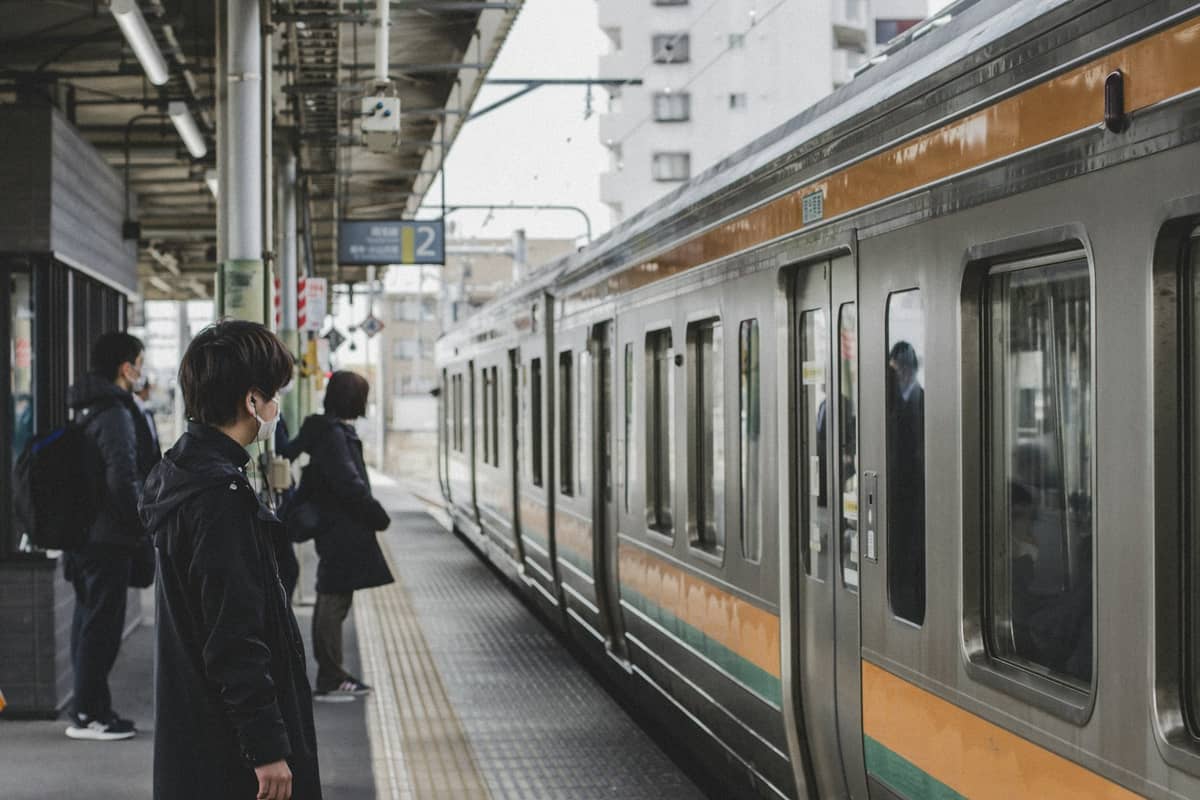
Two main options connect Shinjuku to the Fuji area: the Fuji Excursion limited express train and highway buses. Each has clear trade-offs depending on your priorities.
- Fuji Excursion Train (Shinjuku to Kawaguchiko) Operated jointly by JR East and Fujikyu Railway. Travel time is approximately 1 hour 50–55 minutes. Departures from Shinjuku typically run around 7:30, 8:30, 9:30, and 10:30, getting you to Kawaguchiko late morning. One-way fare is around ¥4,200 (base fare plus limited express surcharge). Reserved seating is strongly recommended, especially on weekends. Note: many rail passes cover the base fare but NOT the limited express surcharge, so check your pass terms carefully before assuming it is fully covered.
- Highway Bus (Busta Shinjuku to Fuji Subaru Line 5th Station) Direct buses run from Busta Shinjuku mainly spring through autumn, with higher frequency during the official July–September climbing season. Journey time is around 150 minutes depending on traffic on the Chuo Expressway. One-way adult fare is approximately ¥4,800; late-night buses cost around ¥5,800. The key advantage: this bus drops you directly at the 5th Station, so it is the right choice if climbing or exploring higher elevations is the plan.
- Highway Bus to Kawaguchiko (Not the 5th Station) Separate highway bus services connect Shinjuku to Kawaguchiko itself, which is the better option for a lake-based viewing day. These typically cost around ¥2,000 one way and take about 1 hour 45 minutes, making them slightly cheaper than the train but less comfortable and more susceptible to traffic delays.
If you are driving, the most direct route from Tokyo is via the Chuo Expressway, exiting at Kawaguchiko IC. During climbing season and on autumn color weekends, road congestion can be severe. The Fujisan Parking Lot at the base of the Fuji Subaru Line road serves as the staging point: a shuttle bus from there to the 5th Station costs around ¥2,000 one way or roughly ¥2,600–¥3,000 round trip for adults. Private vehicles cannot drive up to the 5th Station during the climbing season restricted period. For more on navigating Tokyo's broader transport network before you even leave the city, see the guide to getting around Tokyo.
✨ Pro tip
Book the Fuji Excursion train well in advance on peak summer weekends. Seats sell out, and the unreserved option leaves you standing in a narrow car with luggage for almost two hours. Booking online via JR East's English site or at a Midori no Madoguchi (JR ticket office) is straightforward.
Climbing Mount Fuji: Season, Fees, and Restrictions
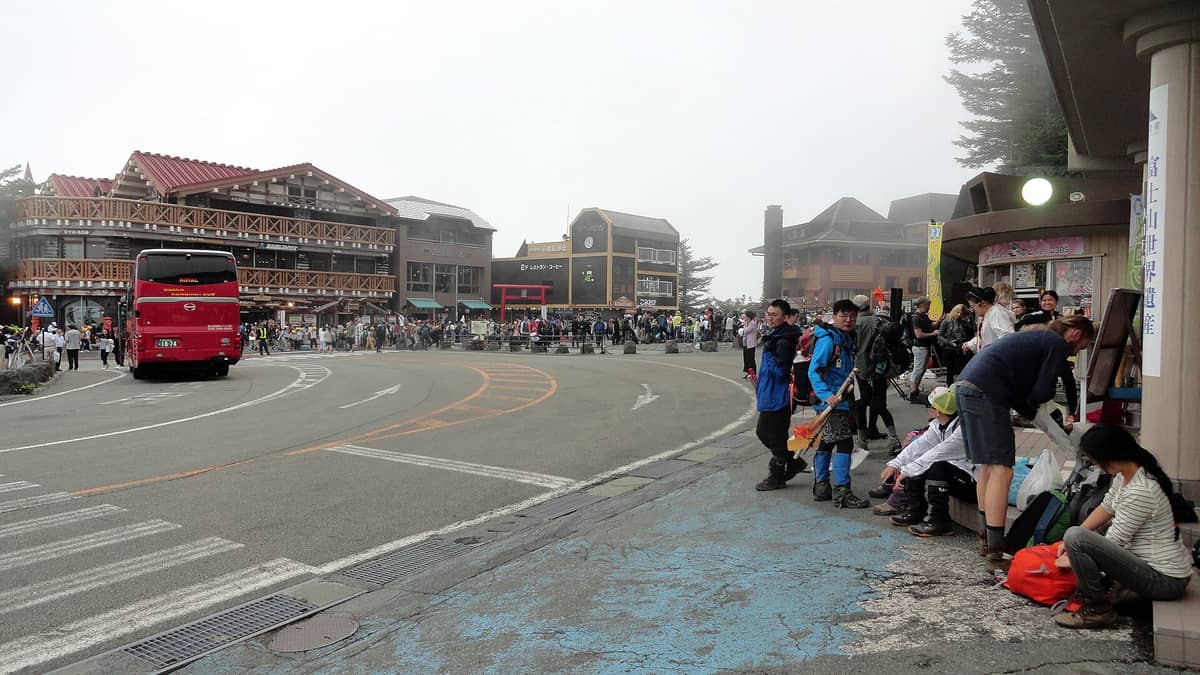
The Yoshida Trail, which starts from the Fuji Subaru Line 5th Station on the Yamanashi side, is the most popular climbing route and the one most relevant for Tokyo-based visitors. The official climbing season runs from approximately early July to early September. Outside this window, the trail is officially closed, rescue services are not guaranteed, and conditions at higher elevations can be genuinely dangerous even for experienced hikers.
From 2024 onward, Fujiyoshida City introduced a ¥4,000 per-person entrance fee for climbers accessing the trail above the 5th Station. Payment can be made online in advance or at the gate. A daily cap of approximately 4,000 climbers is also in effect, and the 5th Station gate closes between 2:00 p.m. and 3:00 a.m. to discourage dangerous overnight ascents by underprepared visitors. If the daily cap is reached, entry is refused regardless of preparation level.
- Wear proper hiking boots and layered clothing: temperatures at the summit are typically 0–6°C even in July.
- Altitude sickness affects a significant number of climbers, especially those rushing upward. Acclimatizing at the 5th Station for at least 30 minutes before ascending helps.
- The round trip from the 5th Station to the summit and back takes roughly 6–8 hours for most people. Plan your timing around bus and train departure windows.
- The Fujinomiya Trail on the Shizuoka side offers an alternative approach, but road access above the 5th Station is closed outside climbing season, and it is less practical as a standalone day trip from Tokyo.
- Off-season climbing is strongly discouraged and increasingly restricted. Several deaths occur each year on the mountain outside official season.
⚠️ What to skip
The idea that you can 'quickly pop up Fuji and back' in an afternoon is one of the most dangerous misconceptions about this trip. Weather on the upper mountain changes fast, altitude affects people differently, and the last buses back to Tokyo leave Kawaguchiko in the early evening. Budget the full day, not half of it.
Kawaguchiko: The Best Base for a Viewing Day Trip
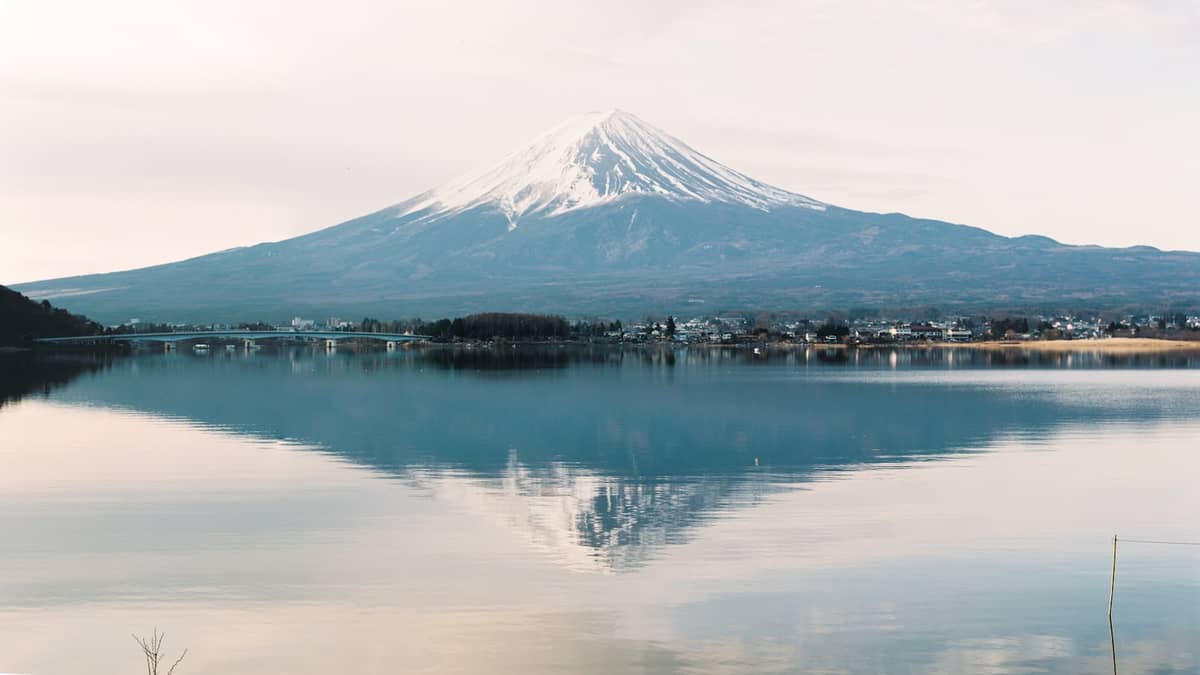
If climbing is not the goal, Kawaguchiko delivers the classic Mount Fuji experience: lake reflections, the Kachi Kachi Ropeway for elevated views, and the photogenic north shore. The area around Kawaguchiko is compact enough to explore without a car using the Retro Bus network, which runs hop-on hop-off loops around the lake and connecting routes to the Subaru Line 5th Station. A day pass costs around ¥1,500 and covers most of the useful stops.
The Kachi Kachi Ropeway runs from the lake's northern shore up to a viewing platform at around 1,075 m. On a clear day, the perspective of Fuji over the lake from this point is outstanding. Adult round-trip fare is approximately ¥1,000. The ropeway runs year-round but is worth skipping entirely on overcast days when the mountain is invisible.
For the classic 'Fuji with cherry blossoms' shot, Chureito Pagoda in nearby Fujiyoshida is the location. It requires a steep uphill walk of roughly 400 steps from Shimoyoshida Station on the Fujikyu Railway line, but the composition, a five-story pagoda with Fuji behind, is one of the most reproduced images of Japan. Peak timing is typically late March to mid-April, though exact bloom dates shift by a week or more year to year.
💡 Local tip
Arrive at Kawaguchiko on the earliest possible train or bus. Morning light and cooler temperatures mean fewer clouds over the summit, and you will have the north shore almost to yourself before tour groups arrive mid-morning. By 11 a.m. in summer the mountain is often hidden entirely.
When to Go: Viewing vs Climbing vs Photography
There is no single 'best' time to visit Mount Fuji because the answer depends entirely on what you want to do. The goals of viewing, climbing, and photography have almost opposite optimal seasons.
- Best for clear views (photography and lake visits) Late November through February. The air is dry, haze is minimal, and the summit is consistently snow-capped. This is when Fuji looks like it does on postcards. The trade-off: it is cold at the lake, and transport services to higher elevations are restricted or closed entirely.
- Best for cherry blossoms with Fuji Late March to mid-April. The combination of sakura at low elevations and snow still covering the upper mountain is visually spectacular. Book transport and accommodation well ahead as this is peak season.
- Best for climbing Mid-July to mid-August. Weather is most stable, all services are running, and mountain huts are open. It is also the most crowded period: expect lines on the trail and heavily booked buses.
- Autumn color October to early November. Foliage around the lake turns vivid orange and red. Views of Fuji are reasonable, crowds are manageable compared to summer, and the Retro Bus network is still fully operational.
- Avoid for viewing June through August (excluding early July mornings) tends to be the worst for clear views. The rainy season runs through mid-July, and summer humidity means the mountain is frequently cloud-covered or hazy for days at a stretch.
Seasonal planning for Mount Fuji aligns closely with the broader question of when to visit Tokyo itself. Spring and autumn deliver the best overall conditions for both. For a comprehensive breakdown by month and season, the guide to the best time to visit Tokyo covers the full picture including typhoon risk and public holiday crowd spikes.
Practical Costs and What to Budget
A self-guided viewing day trip to Kawaguchiko from Tokyo typically costs ¥5,000–¥8,000 per person all-in. Here is how that breaks down: round-trip train or bus fare to Kawaguchiko (roughly ¥4,000–¥5,000), Retro Bus day pass (around ¥1,500), the Kachi Kachi Ropeway (around ¥1,000 round trip), and a meal or two lakeside (¥1,000–¥2,000). If you skip the ropeway and pack a lunch, you can come in under ¥5,000.
A climbing day from the 5th Station adds significantly to the cost: the ¥4,000 per-person entrance fee is now mandatory on the Yoshida Trail, on top of transport to the 5th Station (highway bus around ¥4,800 one way, or the Fuji Excursion train plus Retro Bus). Budget at least ¥12,000–¥15,000 per person for a climbing day if doing it independently, including rental gear (trekking poles, warm layers) if you do not already own them.
Guided day tours from Tokyo are widely available and typically cost ¥8,000–¥15,000 per person depending on inclusions. They handle transport logistics and usually include a guide, which is genuinely useful if it is your first time navigating the Fuji Five Lakes area. If you are working with a tighter budget, the Tokyo on a budget guide includes tips on stretching transport costs further, including which rail passes offer partial savings on the Fuji Excursion route.
Seeing Mount Fuji Without Leaving Tokyo
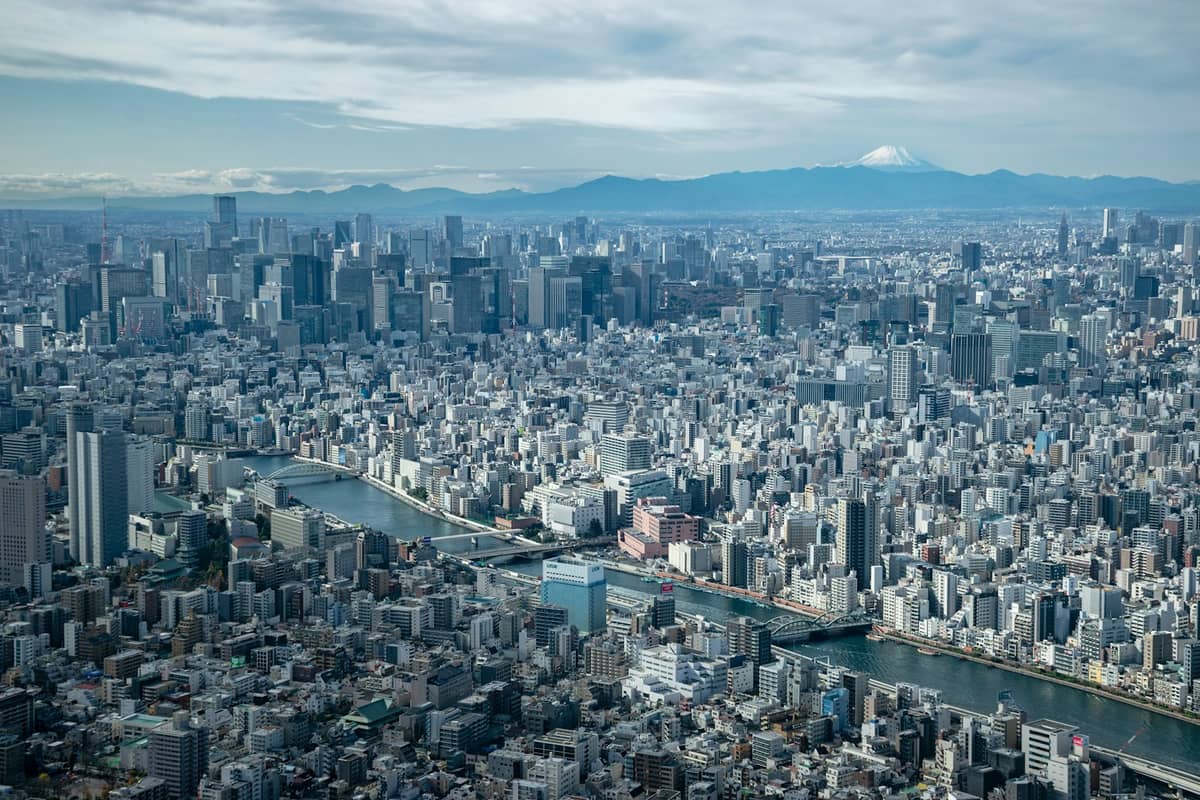
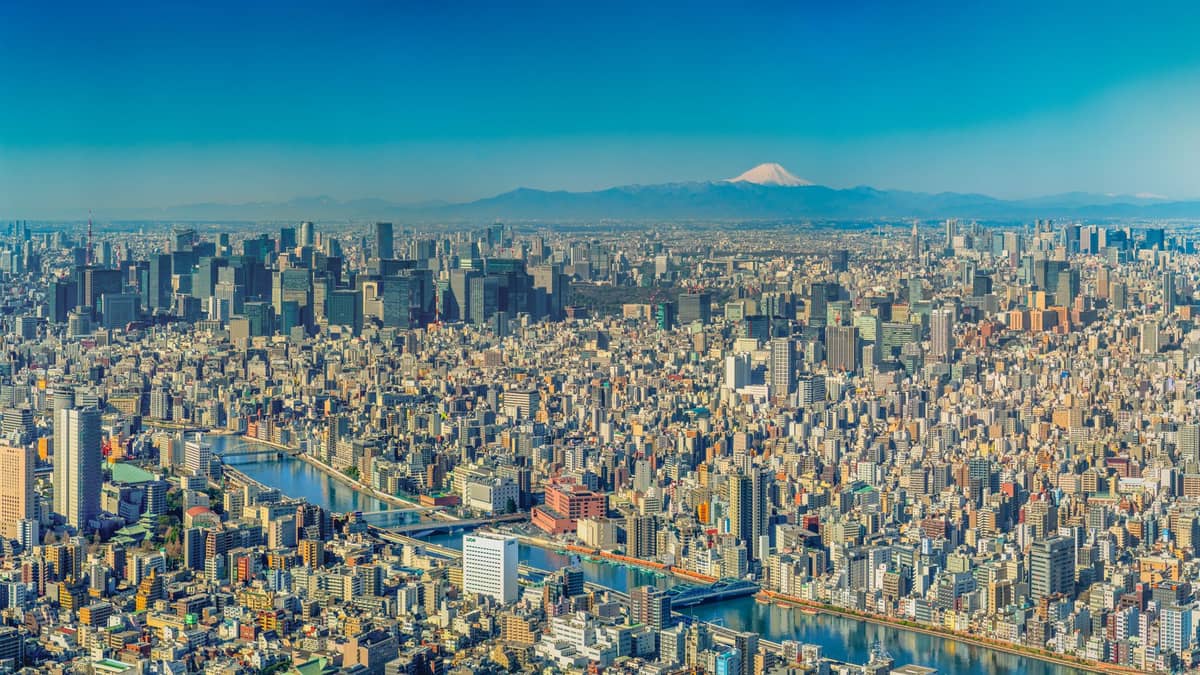
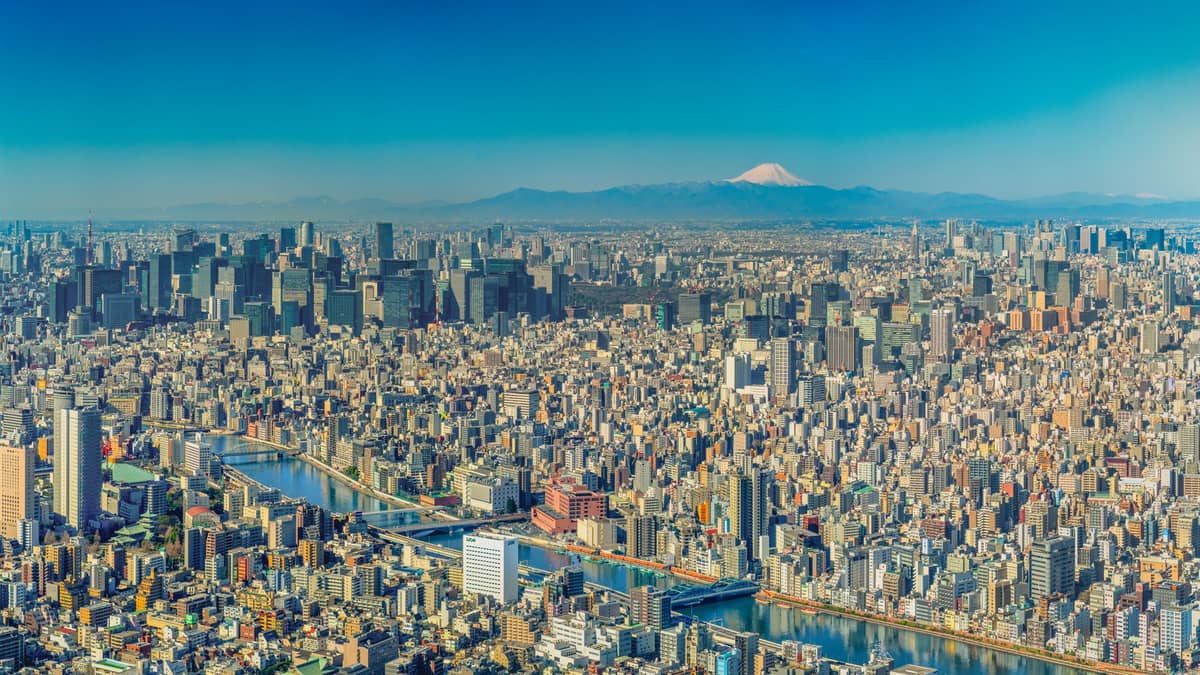
On exceptionally clear winter mornings, Mount Fuji is visible from several elevated points in Tokyo itself. The observation decks of the Tokyo Skytree (634 m) and Tokyo Metropolitan Government Building in Shinjuku both offer sightlines to the mountain on the right conditions. The Shibuya Sky observation deck and the Mori Art Museum tower in Roppongi are also reliable when weather cooperates.
These in-city views are never guaranteed and depend on atmospheric conditions, but on a cold, clear January or February morning they can be striking. If you are specifically chasing skyline-plus-Fuji shots, the guide to the best views in Tokyo lists the most reliable observation points ranked by clarity and access.
For travelers who want to explore a broader range of destinations around Tokyo, Mount Fuji pairs naturally with nearby Hakone, which offers its own dramatic views of the mountain from Ashigarashimo District with far less climbing involved. The town of Hakone is accessible via the Romancecar express from Shinjuku and can be combined with a Fuji Five Lakes visit on a longer itinerary.
FAQ
Can you climb Mount Fuji as a day trip from Tokyo?
Technically yes, but it is not recommended. The round trip from the 5th Station takes 5–8 hours, and the last buses back to Shinjuku depart Kawaguchiko in the early evening. If you are slow or the weather turns, you have very little buffer. An overnight stay at the mountain or in Kawaguchiko makes the climb far less stressful and lets you summit for sunrise, the classic experience.
Is the Fuji Excursion train covered by the Japan Rail Pass?
The base fare portion on JR East lines to Otsuki is covered by the JR Pass, but the Fujikyu Railway segment to Kawaguchiko and the limited express (tokkyu) surcharge are NOT included and must be paid separately. Some regional passes like the JR Tokyo Wide Pass do cover the full Fuji Excursion fare including the surcharge. Always verify with the pass issuer before assuming full coverage.
What is the entrance fee for climbing Mount Fuji in 2025?
As of 2024 through at least 2026, a ¥4,000 per-person conservation and safety fee applies to climbers using the Yoshida Trail above the 5th Station. This is in addition to transport costs. A daily cap of approximately 4,000 climbers is also enforced. Check the Fujiyoshida City official English site for the latest rules before your trip.
When is Mount Fuji clearly visible from Tokyo?
Clear sightlines from Tokyo city are most common on cold, dry mornings from late November through February. Summer is the worst season for visibility due to humidity and haze. Even at Kawaguchiko, cloud cover frequently obscures the summit from late morning onward, particularly in July and August.
How much does a Mount Fuji day trip from Tokyo cost?
A Kawaguchiko viewing day trip (no climbing) typically costs ¥5,000–¥8,000 per person, covering round-trip transport, the Retro Bus day pass, and the ropeway. A climbing day adds the ¥4,000 entrance fee on top of higher transport costs to the 5th Station, bringing the total to around ¥12,000–¥15,000 per person.