Tokyo on a Budget: How to Visit Without Breaking the Bank
Tokyo has a reputation for being expensive, but the reality is more nuanced. With smart transport choices, free-entry attractions, and a food culture built around affordable meals, a trip to Japan's capital can cost far less than most visitors expect. This guide breaks down exactly where to spend, where to save, and what to skip.
Plan and book this trip
Tools from our partner Travelpayouts help you compare flights and hotels. If you book through them, we may earn a commission at no extra cost to you.
Flights
Hotels map
TL;DR
- Tokyo Metro single fares start at ¥180; an IC card (Suica or Pasmo) gives slightly lower fares and works on nearly all trains and buses.
- The Tokyo Metro + Toei Subway Common 1-Day Pass (¥1,100) is worth buying on days with heavy sightseeing; skip the nationwide JR Pass for a Tokyo-only trip as it costs from ¥50,000 for 7 days. See our guide to getting around Tokyo for a full breakdown.
- Convenience store meals, ramen shops, and standing sushi bars keep food costs to ¥500-¥1,000 per meal without sacrificing quality.
- Many of Tokyo's best experiences cost nothing: the observation deck at the Tokyo Metropolitan Government Building, temple grounds, and public parks are all free.
- Tipping is not customary in Japan; service charges are included, so there are no hidden costs on restaurant and taxi bills.
Getting Your Transport Costs Under Control
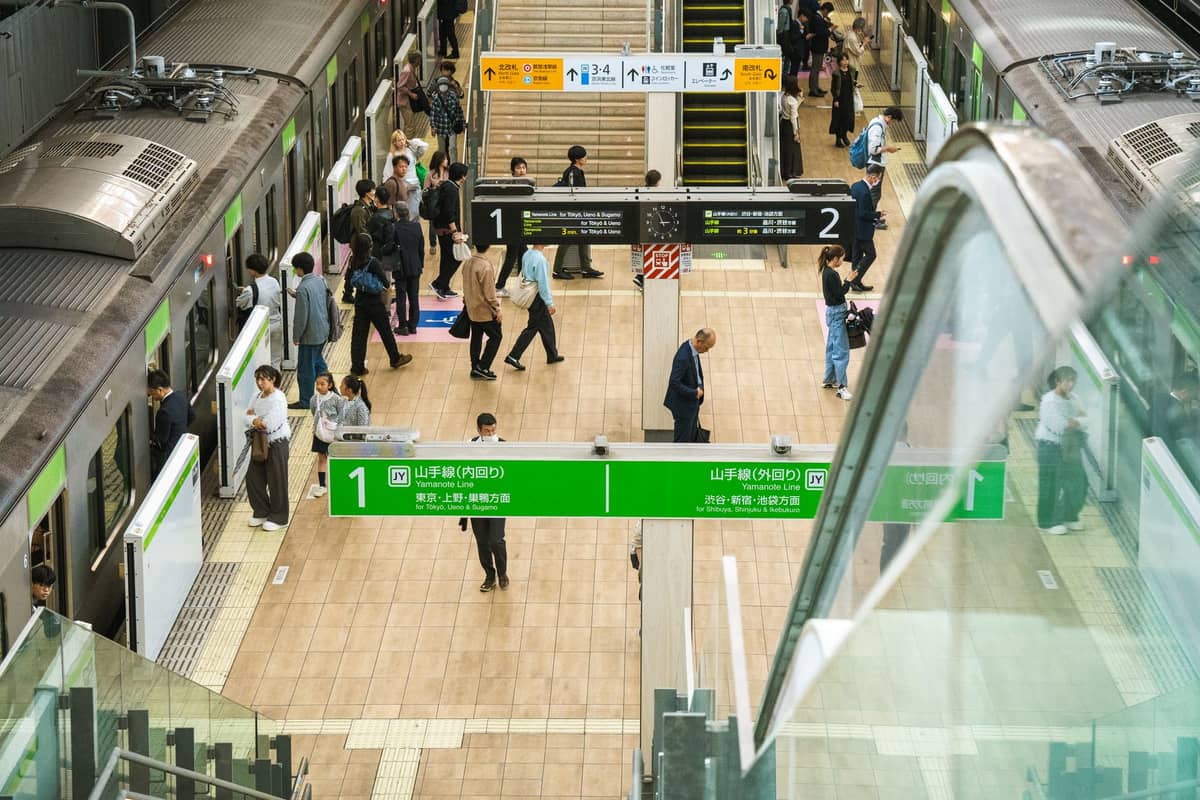
Transport is where most first-time visitors overspend in Tokyo, usually by purchasing passes they don't need or taking taxis when the train is cheaper. The city's rail network, covering 23 special wards across a metropolitan prefecture of roughly 2,200 km², is the most practical way to move around, and it's more affordable than it looks.
The first thing to do on arrival is load a Suica or Pasmo IC card. These rechargeable smart cards work across Tokyo Metro, Toei Subway, JR East lines, most private railways, and many buses. IC card fares are fractionally lower than buying individual tickets, and you avoid the time cost of queuing at ticket machines. Load ¥2,000-¥3,000 at the start of each day and top up as needed.
Tokyo Metro single fares start at ¥180 for short hops (1-6 km) and rise to ¥330 for 28-40 km. Most journeys within the central wards fall in the ¥180-¥260 range. If you plan to ride the subway four or more times in a day across both the Tokyo Metro and Toei Subway networks, the Tokyo Metro + Toei Subway Common 1-Day Pass at ¥1,100 pays for itself quickly. On lighter sightseeing days, just pay as you go.
⚠️ What to skip
Do not buy the nationwide Japan Rail Pass for a Tokyo-only trip. At ¥50,000 for 7 days (Ordinary class) for purchases through September 2026, it covers mainly JR Shinkansen and intercity trains. Tokyo's subway is operated by Tokyo Metro and Toei, which the JR Pass does not cover. The pass only makes financial sense if your itinerary includes multiple long-distance trips, for example to Kyoto, Hiroshima, or Osaka.
If you are combining Tokyo with day trips, the JR East Tokyo Wide Pass covers select regional trains and is more reasonably priced than the nationwide pass. For reaching major sights outside the city, check our day trips from Tokyo guide for the most cost-effective routes.
- IC Card (Suica/Pasmo) Pay-as-you-go across almost all trains and buses. Best for most visitors. Requires a ¥500 deposit, refunded when you return the card.
- Tokyo Metro + Toei 1-Day Pass (¥1,100) Covers unlimited rides on both Tokyo Metro and Toei Subway lines. Worth it on busy sightseeing days with 4+ rides.
- Tokyo Metro 24/48/72-Hour Tickets Metro-only passes at ¥800/¥1,200/¥1,500 respectively. Useful if you are staying close to Metro-served areas.
- JR Yamanote Line (IC card fare) The circular line connecting Shinjuku, Shibuya, Harajuku, Ueno, and Akihabara is a JR line covered by IC card at standard fares, not included in Metro passes.
- Buses Flat-fare Toei buses cost around ¥210 per ride and are useful for routes not covered by the subway. Less beginner-friendly but covered by IC cards.
Free and Low-Cost Attractions
Tokyo's assumption of being expensive partly comes from looking at its paid attractions: the Tokyo Skytree observation decks cost ¥2,100-¥3,100, and teamLab digital art installations run ¥3,200 or more. These are worth it for specific interests, but the city offers a substantial amount at no cost.
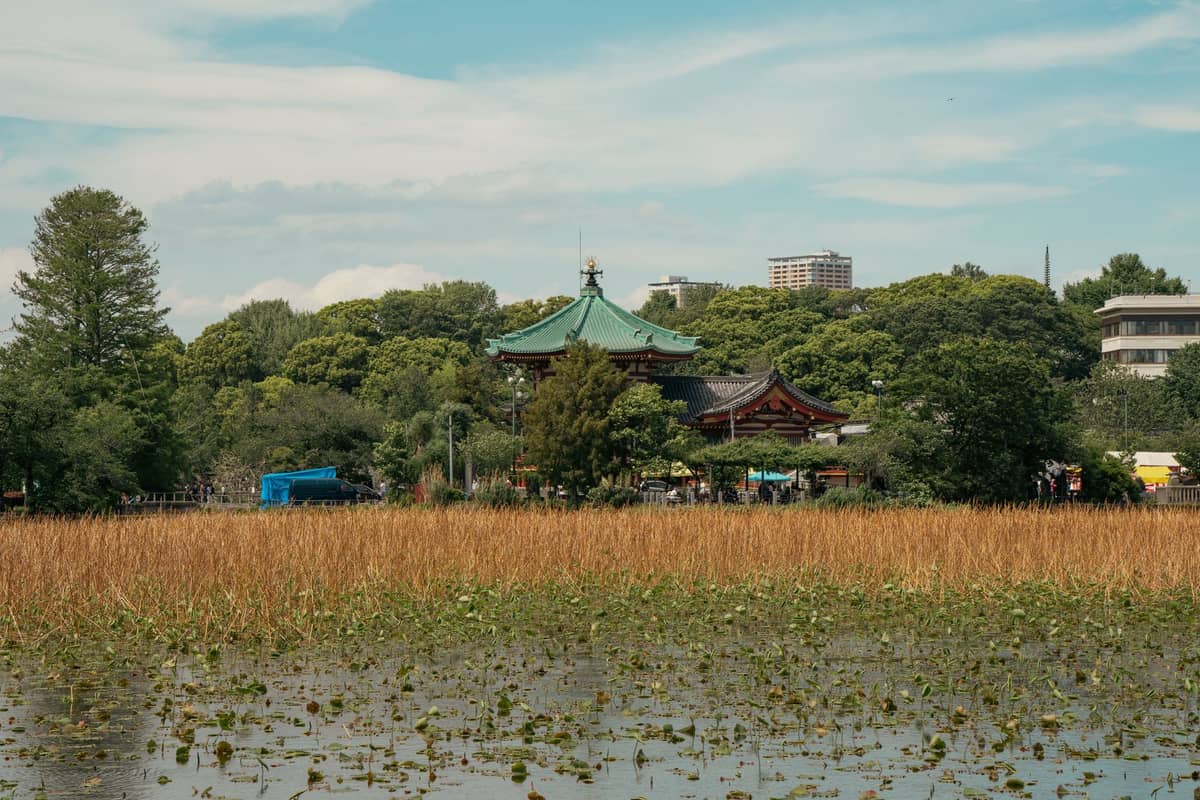
The 45th-floor observation deck at the Tokyo Metropolitan Government Building in Shinjuku is free and open most evenings until 10:30pm. The views across the city are comparable to paid alternatives. In Ueno, the park itself is free, and the grounds of Ueno Zoo's outer areas, Shinobazu Pond, and Toshogu Shrine can be explored without entry fees, though individual museums charge separately.
- Tokyo Metropolitan Government Building observation deck: free, generally open daily but closed on specific Mondays or Tuesdays each month and over the year-end/New Year holidays
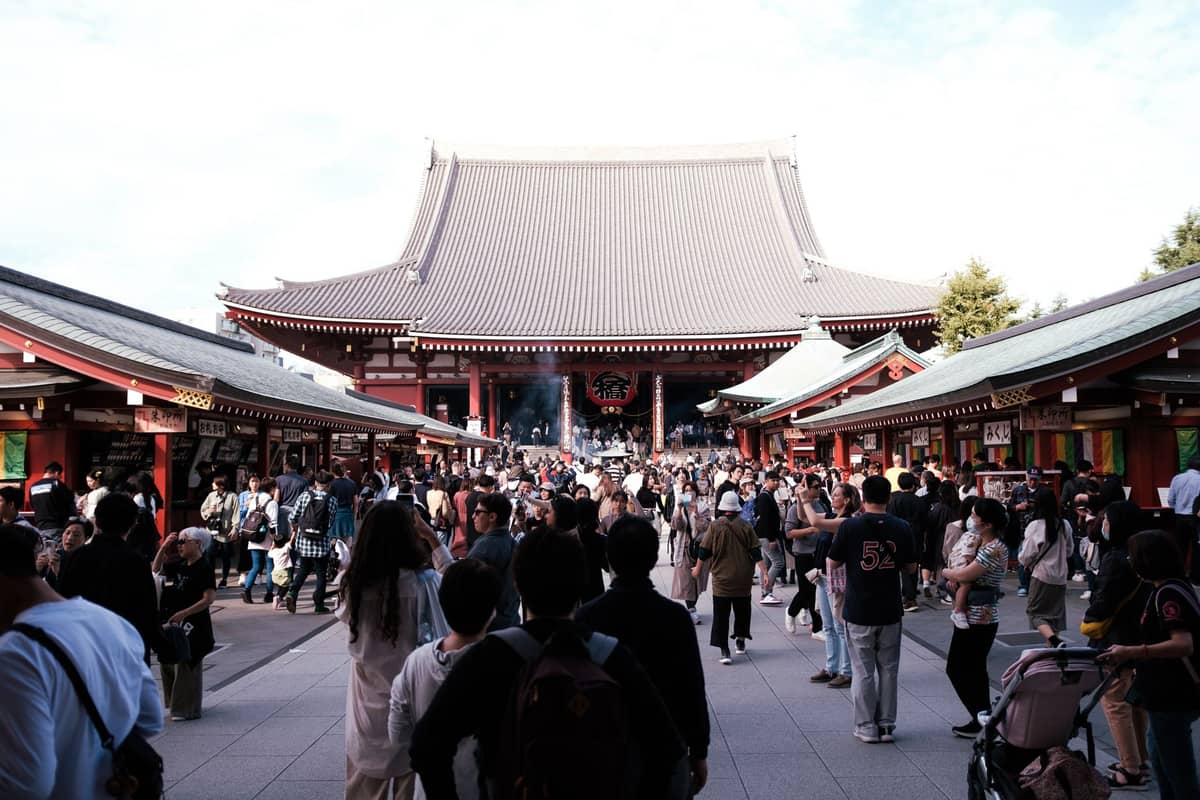
- Senso-ji Temple grounds (Asakusa): free to enter; the main hall interior has no admission charge
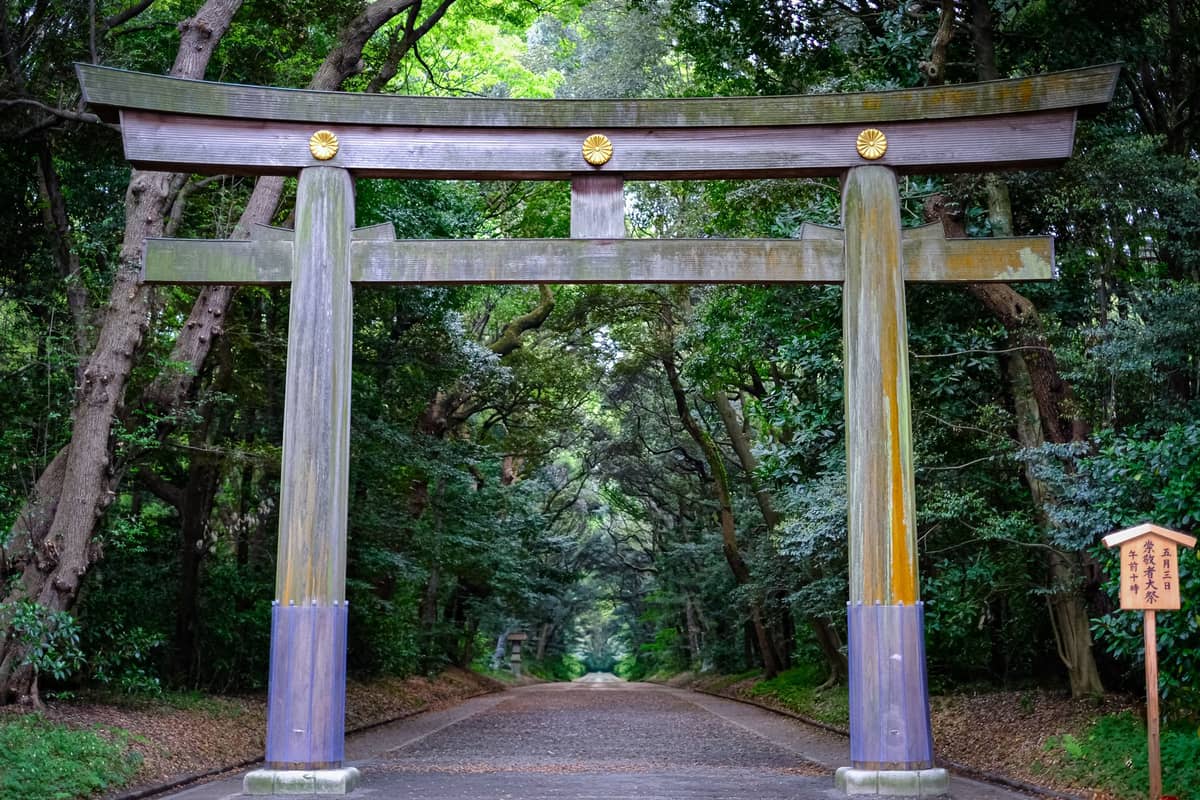
- Meiji Jingu Shrine and surrounding Yoyogi Park: free; the forested walk through the shrine approach alone is worthwhile
- Shinjuku Gyoen: ¥500 per adult, one of the best value parks in Asia given its size and quality
- Hamarikyu Gardens: ¥300 per adult, a feudal-era garden near Shiodome between Tsukiji and the waterfront
- Imperial Palace East Gardens: free on most days; closed Mondays and Fridays
- Yanaka Ginza shopping street: free to wander; small snacks from ¥100-¥300
- Shibuya Crossing and surrounding streets: free to observe; the surrounding scramble is one of Tokyo's most cinematic experiences at no cost
💡 Local tip
Many of Tokyo's national museums offer free admission on specific days or for certain age groups. The Tokyo National Museum in Ueno, for example, offers free entry to visitors aged 70 and over and to those under 18, and occasionally holds free admission events. Check the official museum site before your visit.
Eating Well Without Spending Much
Tokyo has more Michelin-starred restaurants than any other city in the world, which skews perceptions of what eating here costs. In practice, the same city that hosts ¥30,000 omakase dinners also runs a parallel food economy where excellent meals cost ¥500-¥1,200. The key is knowing which formats to use.
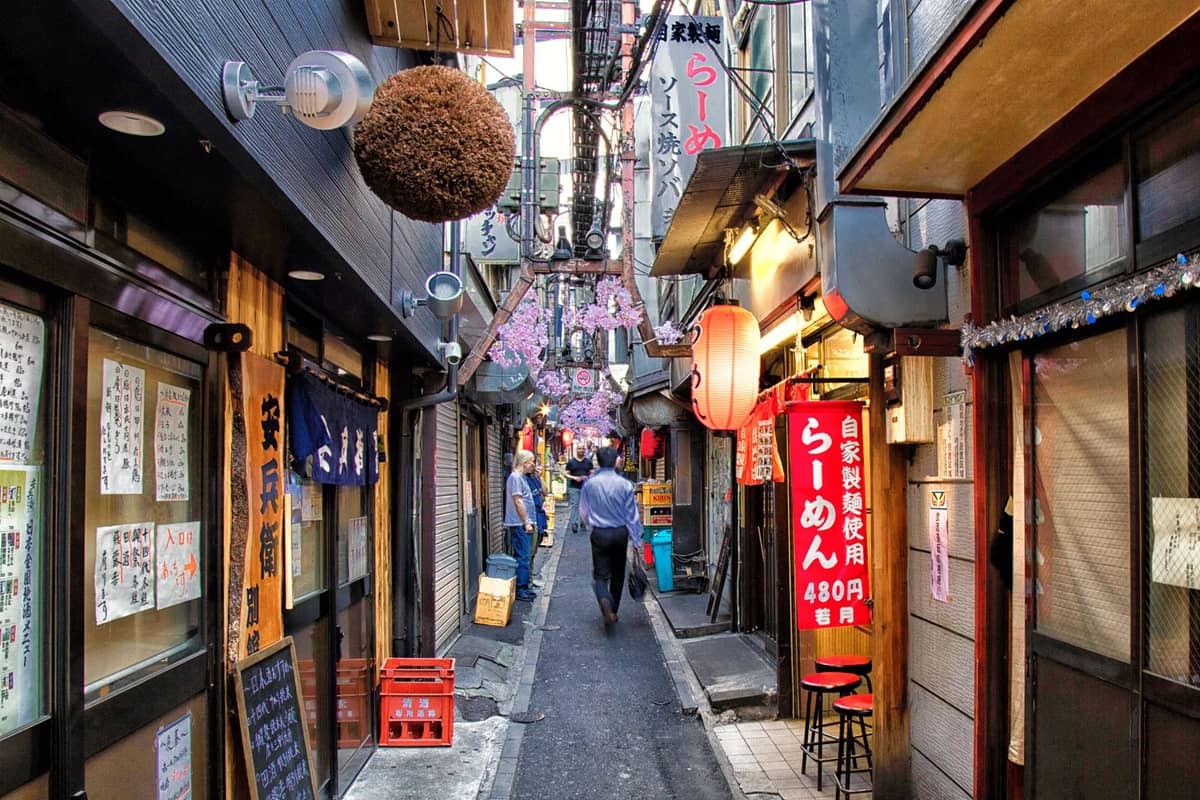
Convenience stores (7-Eleven, FamilyMart, Lawson) are not a fallback option in Tokyo; they are a legitimate food source. Onigiri cost roughly ¥130-¥220, prepared sandwiches around ¥200-¥300, and hot dishes at the counter typically ¥300-¥500. For a more complete meal, ramen shops across the city serve bowls from ¥800-¥1,200, and most operate on a ticket vending machine system, which removes language barriers entirely.
Standing sushi (kaiten-zushi, or conveyor belt sushi) can cost as little as around ¥150 per plate at chains like Sushiro or Kura Sushi. For a fuller picture of what to eat and where, the Tokyo food guide covers everything from street food to izakaya. Lunch sets (teishoku) at sit-down restaurants typically cost ¥800-¥1,500 and include a main dish, rice, miso soup, and pickles. The same restaurants charge significantly more at dinner, so front-loading your larger meals to lunchtime is a reliable way to cut costs.
Avoid eating at major tourist chokepoints: the restaurants immediately adjacent to Senso-ji Temple in Asakusa or the food courts under Shibuya Station charge 20-40% more than equivalent places two streets away. Walking one or two blocks from any major attraction almost always reveals better value options.
Where to Stay on a Budget
Accommodation is typically the largest single cost in Tokyo. Budget travelers have three realistic options: capsule hotels, hostels, and business hotels. Capsule hotels in well-located areas like Shinjuku or Asakusa start at around ¥3,000-¥4,500 per night. Hostels with dormitory beds run from ¥2,500-¥4,500. Budget business hotels (Toyoko Inn, Dormy Inn, APA) offer private rooms from roughly ¥7,000-¥10,000 per night, which is significantly cheaper than Western-equivalent chain hotels. For a detailed breakdown by neighborhood and price tier, the Tokyo accommodation guide covers the tradeoffs between location and cost.
Location matters more in Tokyo than in most cities because of how the rail network is structured. Staying near a Yamanote Line station (Shinjuku, Ueno, Shibuya, Ikebukuro) puts you within one or two stops of most major sights and reduces daily transport costs. Staying in outer wards to save on accommodation can easily cost more in transport and time than the saving is worth.
✨ Pro tip
Tokyo's accommodation prices spike sharply during cherry blossom season (late March to early April), Golden Week (late April to early May), and autumn foliage peak (mid-November). If you can shift your trip two weeks earlier or later than these windows, you will typically pay 20-40% less for the same room. The best time to visit Tokyo on a budget from a purely cost-and-crowd perspective is late January to mid-February or mid-June through early July during the rainy season (tsuyu), when demand drops.
Practical Money Tips for Tokyo
Japan operates largely on cash, and Tokyo is no exception outside of major hotels and department stores. Credit cards are accepted more widely than a decade ago, but many small restaurants, temples, and local shops still require yen. The most reliable ATMs for foreign cards are at 7-Eleven convenience stores and Japan Post offices, which accept international Visa and Mastercard. Airport currency exchange rates are reasonable but not optimal; withdrawing yen from a 7-Eleven ATM on arrival is typically the most efficient approach.
Tipping is not practiced in Japan. Adding gratuity to a restaurant bill, handing cash to a taxi driver, or attempting to tip hotel staff can cause confusion or mild embarrassment. Service is included in the price as a cultural baseline, not added separately. This is a genuine cost saving compared to destinations where tipping norms add 15-20% to every meal.
Tax-free shopping is available to foreign passport holders at thousands of stores, including electronics retailers in Akihabara and department stores in Ginza. Look for the 'Tax Free' sign; you will need your passport and must spend a minimum of ¥5,000 at a single retailer in one transaction on the same day. The 10% consumption tax saving is meaningful on electronics or cosmetics purchases.
- Tap water Tokyo's tap water meets Japanese drinking standards and is safe to drink. Carry a reusable bottle and refill for free rather than buying bottled water at ¥100-¥150 per bottle.
- SIM cards and pocket WiFi A local data SIM for your trip costs ¥2,000-¥4,000 for 7-10 days of data. This is significantly cheaper than roaming charges and essential for navigating the train network via Google Maps or the Navitime Japan app.
- Airport transfer costs From Haneda, the Tokyo Monorail or Keikyu Line to central Tokyo costs around ¥500-¥700. From Narita, the Keisei Access Express to Ueno costs around ¥1,330, substantially cheaper than the N'EX at around ¥3,070 to Tokyo Station. Taxis from either airport cost ¥4,000-¥20,000 depending on destination.
- Free WiFi Tokyo Free Wi-Fi is available at major stations, tourist areas, and convenience stores. Coverage is good enough for map checking, but a local SIM remains more reliable for navigation while in motion.
Budget Itinerary: What a Low-Cost Day in Tokyo Looks Like
To put figures in context: a realistic budget day in Tokyo might look like this. Start at Asakusa, arriving at Senso-ji before 8am when the crowds are thin and entry is free. Pick up breakfast from a 7-Eleven for ¥300-¥400. Take the Metro to Ueno (¥180), walk through Ueno Park for free, and visit the National Museum of Nature and Science if science interests you (¥630 admission). Lunch at a nearby ramen shop: ¥900-¥1,000.
In the afternoon, take the Yamanote Line to Harajuku (IC card fare, around ¥170) and walk through Meiji Jingu Shrine for free, then browse Takeshita Street for street food (crepes, candy floss, ¥300-¥600). End the day at the Tokyo Metropolitan Government Building in Shinjuku for free panoramic views at sunset. Dinner at a kaiten-zushi chain: ¥800-¥1,200. Total daily spend excluding accommodation: roughly ¥3,500-¥5,000, covering transport, three meals, one paid museum entry, and a street food snack.
FAQ
Is Tokyo expensive to visit compared to other major cities?
Tokyo is often cheaper in practice than cities like London, Paris, or New York, particularly for food and public transport. Budget travelers spending carefully can manage on ¥5,000-¥8,000 per day excluding accommodation. The city earns its expensive reputation mainly from high accommodation costs and paid attractions, both of which can be managed with planning.
What is the cheapest way to get around Tokyo?
Use a Suica or Pasmo IC card loaded with yen for all train and bus travel. Tokyo Metro single fares start at ¥180. For days with four or more subway rides, the Tokyo Metro + Toei Subway Common 1-Day Pass at ¥1,100 is better value. Avoid taxis for routine transport: a short taxi ride in Tokyo typically costs ¥700-¥1,200 for journeys that a ¥180 subway fare covers.
Is the Japan Rail Pass worth buying for a Tokyo trip?
No, for a Tokyo-only trip. The nationwide JR Pass starts at ¥50,000 for 7 days and covers JR Shinkansen and intercity trains, not Tokyo Metro or Toei Subway lines. Tokyo's local transport is handled separately, so the JR Pass provides almost no value for visitors staying within the city. It only becomes cost-effective if you plan multiple long-distance trips, for example Tokyo to Kyoto, Hiroshima, and Osaka in a single journey sequence.
What are the best free things to do in Tokyo?
The Tokyo Metropolitan Government Building observation deck (Shinjuku, free until around 10:00pm), the grounds of Senso-ji Temple (Asakusa), Meiji Jingu Shrine and Yoyogi Park (Harajuku), the Imperial Palace East Gardens (Chiyoda), Yanaka Ginza shopping street, and Shibuya Crossing itself. Many of Tokyo's best experiences require nothing more than a subway fare to reach them.
When is the cheapest time to visit Tokyo?
Late January to mid-February and mid-June through early July (the rainy season, or tsuyu) see the lowest hotel prices and smallest crowds. Avoid Golden Week (late April to early May), cherry blossom season (late March to early April), and the peak autumn foliage period (mid-November), when accommodation prices increase sharply and popular spots become very crowded.