Where to Stay in Tokyo: Best Neighborhoods & Hotels
Tokyo has no single best neighborhood for every traveler. This guide breaks down the top areas to stay, from the transit powerhouse of Shinjuku to the traditional lanes of Asakusa, with clear advice on who each area suits, what to expect from hotels at every price point, and when to book.
Plan and book this trip
Tools from our partner Travelpayouts help you compare flights and hotels. If you book through them, we may earn a commission at no extra cost to you.
Flights
Hotels map
TL;DR
- Shinjuku and Shibuya offer the best transport access and widest hotel selection, from budget capsules to luxury towers.
- Asakusa is the top pick for traditional atmosphere and budget-friendly options; Ginza and Marunouchi suit business travelers and those searching for tokyo 5 star hotels.
- Spring (late March to early May) and autumn (October to mid-November) are peak seasons: book at least 2-3 months ahead or expect inflated rates.
- Tokyo hotels start around US$37 per night, but mid-range rooms in central areas typically run US$100-200; luxury properties start at US$300-500.
- No matter where you stay, Tokyo's rail network means most attractions are within 20-40 minutes. Read our guide to getting around Tokyo before choosing your base.
How to Think About Where to Stay in Tokyo
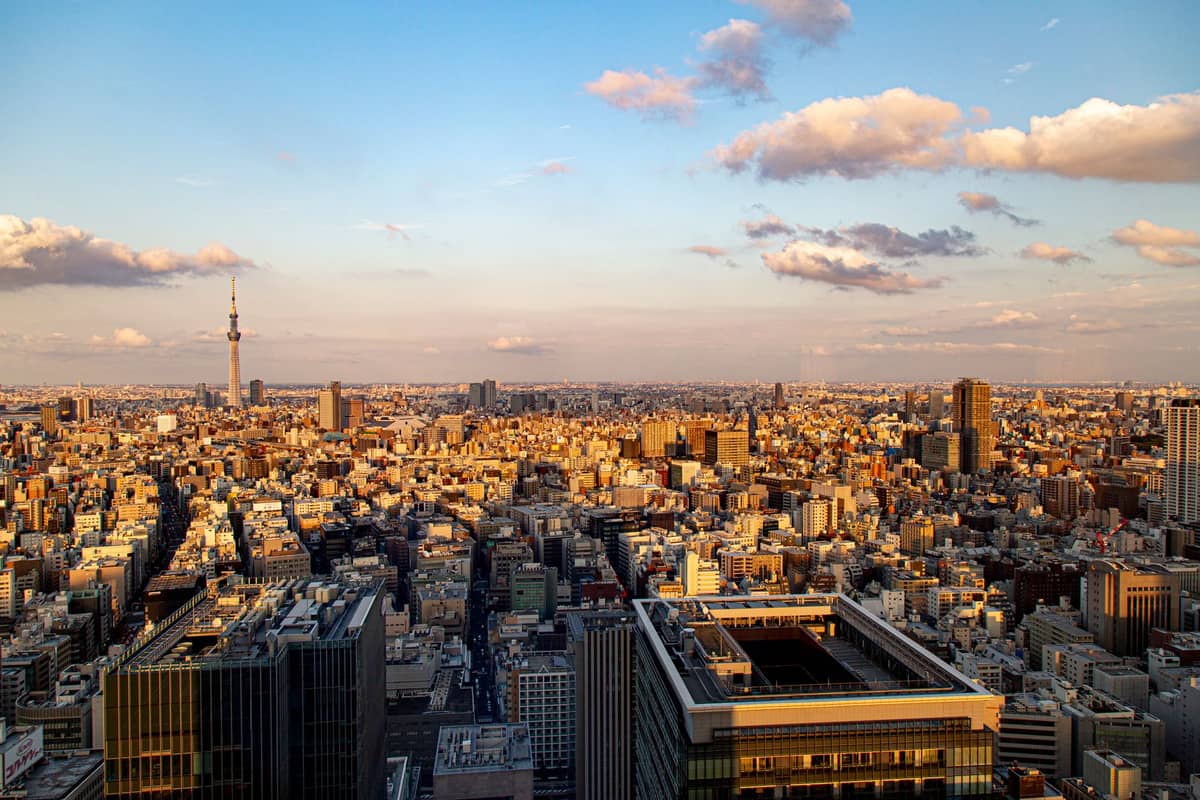
Tokyo is a metropolitan prefecture of roughly 14 million people spread across about 2,190 square kilometers. It is not a city where one neighborhood dominates. The question is not which area is best in general, but which area is best for how you plan to spend your time. A first-timer doing temples, shrines, and classic sightseeing will be poorly served by a Ginza hotel. A business traveler needing Shinkansen access has no reason to stay in Asakusa. Getting this decision right saves real time and money.
The backbone of Tokyo's transit system is the JR Yamanote Line, a loop line that connects Shinjuku, Shibuya, Harajuku, Ueno, and Akihabara. Most visitors staying on or near this loop can reach any major sight within 20-40 minutes. For a deeper breakdown of transit options including the Tokyo Metro and Toei Subway networks, the getting around Tokyo guide explains IC cards, day passes, and route planning in detail.
💡 Local tip
When comparing neighborhoods, prioritize proximity to a Yamanote Line station or a major Tokyo Metro interchange. Hotels just 5-10 minutes walk from a major hub can be significantly cheaper than ones directly above the station, with almost no practical difference in convenience.
Shinjuku: Best for Transit, Nightlife, and Variety
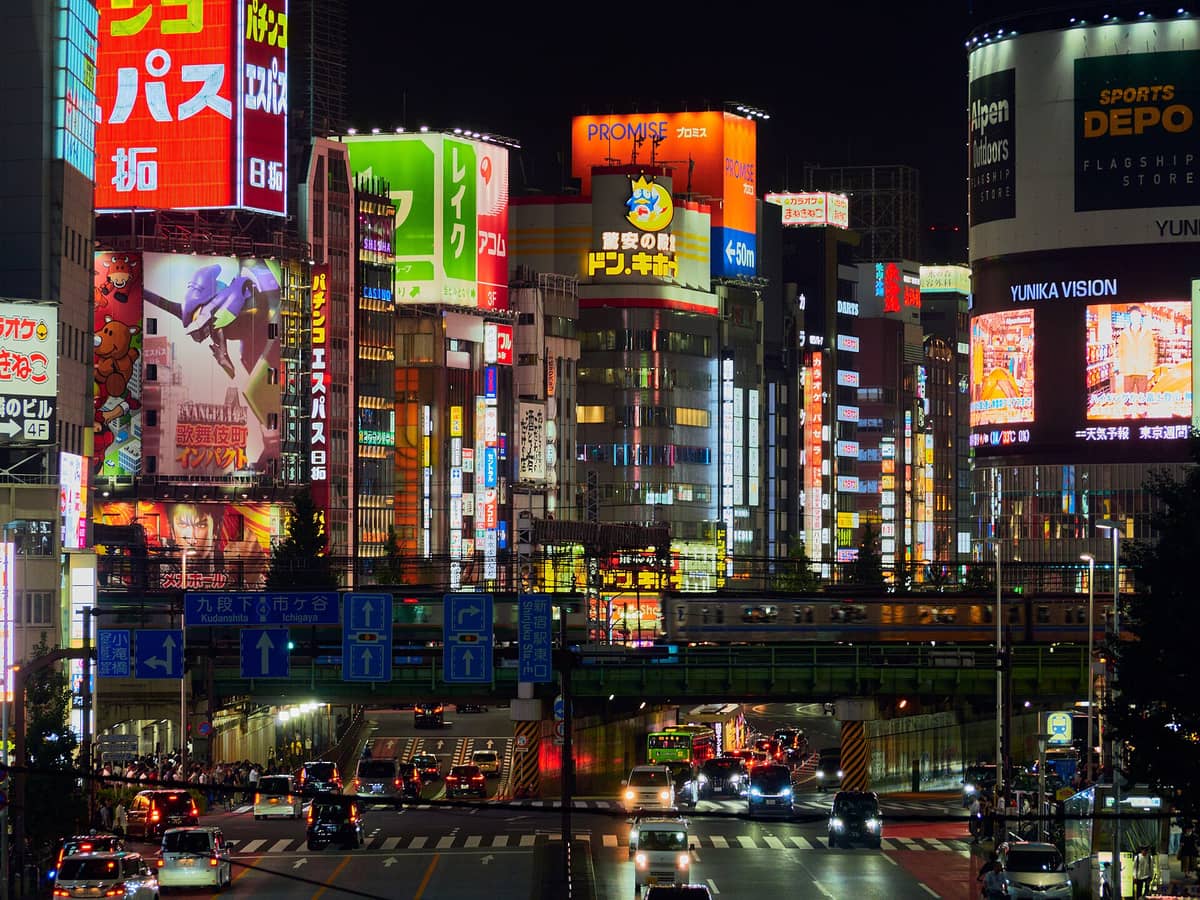
Shinjuku is the most practical base for the majority of first-time visitors. Shinjuku Station processes over 3 million passengers daily and connects JR lines, Toei Subway lines, and private railways including the Odakyu Line toward Hakone and the Keio Line toward Mount Takao. From Shinjuku, you can reach Shibuya in 4 minutes, Harajuku in 2 minutes, and Akihabara in about 20 minutes.
The hotel range in Shinjuku is wider than anywhere else in Tokyo. Budget travelers will find capsule hotels and business hotels starting around US$50-70 per night in the Kabukicho and east-side areas. Mid-range options run US$100-200 and are plentiful. At the top end, Shinjuku has genuine luxury options including several properties with high-floor rooms overlooking the city from near the Tokyo Metropolitan Government Building. Shinjuku is also where you will find the densest concentration of restaurants, izakayas, department stores, and late-night entertainment in the city.
The drawback is noise and crowding. Shinjuku's east side, particularly around Kabukicho, is loud well past midnight on weekends. If you value quiet evenings and early nights, ask specifically for rooms on higher floors or facing away from the street when booking. Families with young children may find the overall energy of Shinjuku slightly overwhelming, though it is perfectly safe.
Shibuya: Best for Shopping, Youth Culture, and Central Access
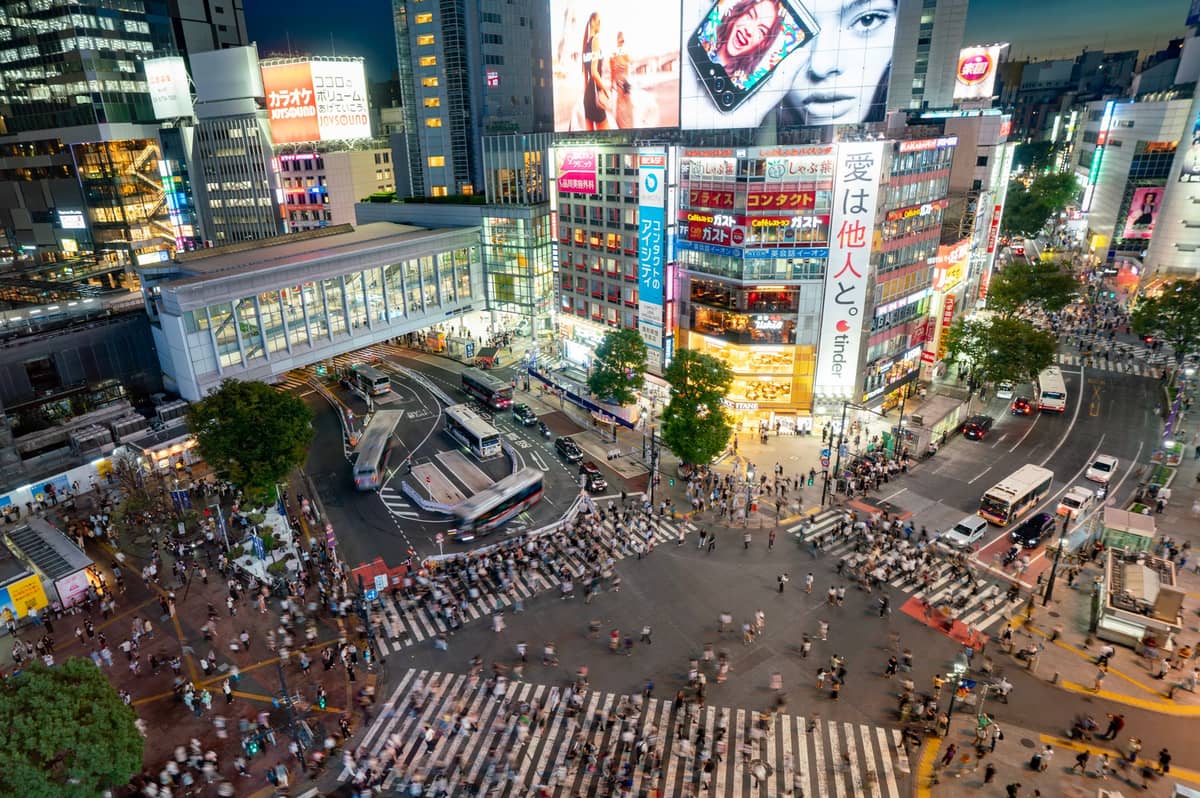
Shibuya is the right base if your priorities are fashion, shopping, and quick access to Harajuku and Omotesando. The famous Shibuya Crossing is a 2-minute walk from most Shibuya hotels, which in itself draws a certain type of visitor. More practically, Shibuya Station connects JR, Tokyu, Keio Inokashira, Tokyo Metro Ginza and Hanzomon lines, making it nearly as well-connected as Shinjuku.
Hotel prices in Shibuya tend to run slightly higher than equivalent properties in Shinjuku, partly because the immediate station area has been heavily redeveloped into premium mixed-use towers. Budget options exist but are fewer. The neighborhood is better suited to travelers in their 20s and 30s who want proximity to Daikanyama, Nakameguro, and Harajuku, all within a short walk or one train stop. Families and older travelers often find Shinjuku or Asakusa more comfortable.
Asakusa: Best for Traditional Atmosphere and Budget Value
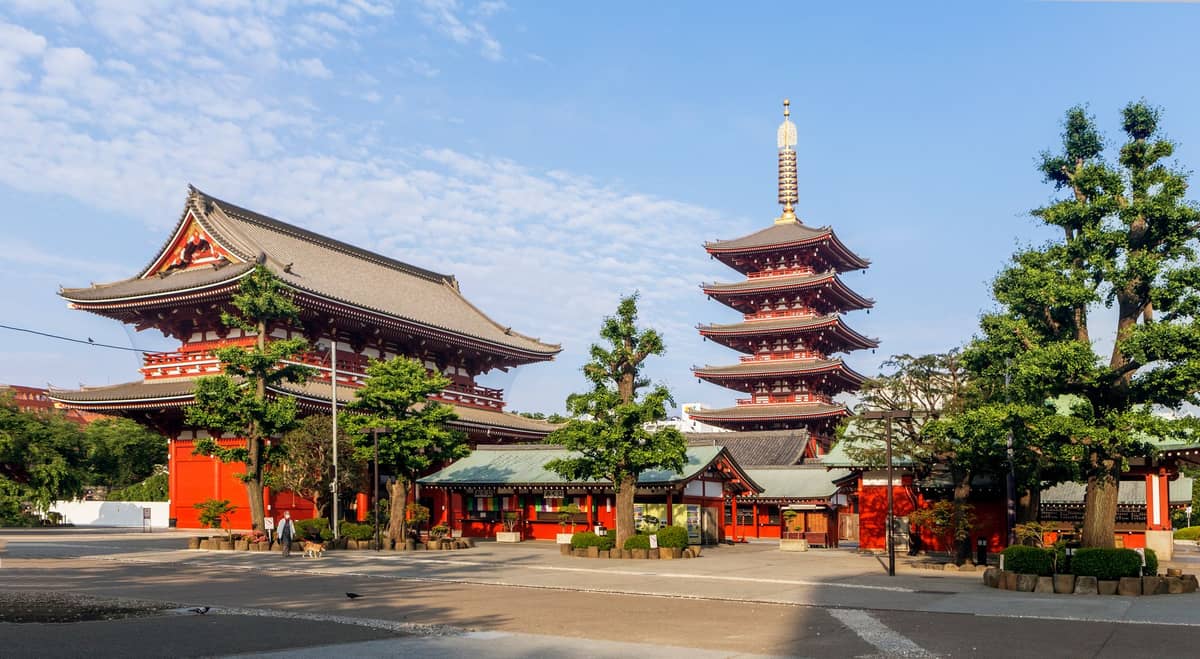
Asakusa is Tokyo's most historically layered neighborhood and the best place to stay if you want old-Tokyo atmosphere without sacrificing access. The area centers on Senso-ji Temple, Tokyo's oldest Buddhist temple, but extends into a network of craft shops, street food vendors, and riverside promenades along the Sumida River.
Asakusa has the best concentration of traditional ryokan-style accommodation in central Tokyo, many at surprisingly reasonable prices. Japanese-style rooms with futon bedding, communal baths, and included breakfast start around US$80-120 per night for good-quality properties. Western-style business hotels are also available and often cheaper here than in Shinjuku or Shibuya for comparable standards.
The trade-off is transit. Asakusa is served by the Toei Asakusa Line and the Tokyo Metro Ginza Line, which are useful but not as central as the Yamanote Line. Getting to Shibuya takes around 30-40 minutes. That said, Asakusa sits directly on the Ginza Line, meaning Ginza itself is 20 minutes away, and the area is walkable to Tokyo Skytree in around 20–25 minutes. For itineraries focused on the east side of the city, Ueno, Akihabara, and the Sumida area, Asakusa is an excellent base.
⚠️ What to skip
Asakusa crowds peak sharply during cherry blossom season (late March to early April) and during the Sanja Matsuri festival in May. Hotel prices spike accordingly. If you want Asakusa during spring, book 3-4 months in advance or expect rates 40-60% above typical levels.
Ginza and Marunouchi: Best for Luxury and Business Travel
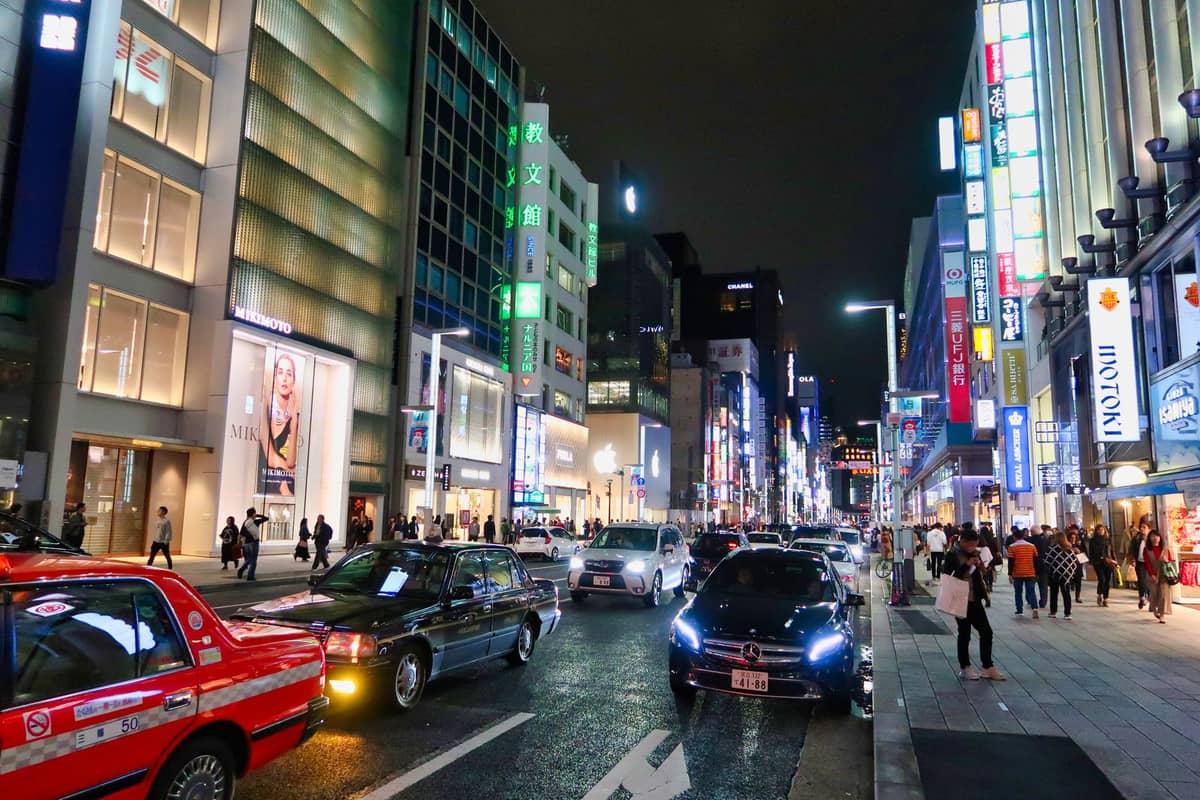
Ginza and the adjacent Tokyo Station/Marunouchi corridor are where Tokyo's 5-star hotel landscape concentrates. Properties here include internationally recognized luxury brands with rooms starting around US$400-600 per night, rising to US$1,000 or more during peak season. The area around Ginza is Tokyo's premier upscale retail and dining district, with flagship stores, high-end restaurants, and direct access to the Shinkansen network via Tokyo Station.
For business travelers, the Tokyo Station/Marunouchi address is close to ideal. You are 5 minutes from the Shinkansen to Osaka, Kyoto, or Nagoya, within walking distance of major corporate headquarters and government offices in the Chiyoda district, and a short taxi or Metro ride from the Imperial Palace grounds. The Ginza/Marunouchi hotel corridor does not suit budget or mid-range travelers particularly well; the neighborhood is oriented around premium spending, and cheaper hotels here tend to be poor value compared to equivalent properties in Shinjuku.
- Shinjuku Best all-round base: widest hotel range (US$50-500+), unmatched rail connections, great food and nightlife options.
- Shibuya Best for shoppers and younger travelers: fast access to Harajuku, Daikanyama, Nakameguro; mid-range to luxury hotels.
- Asakusa Best for traditional atmosphere and ryokan stays: good budget value, historic setting, slightly less central transit.
- Ginza and Marunouchi Best for luxury stays and business travel: Tokyo 5 star hotels, Shinkansen access, premium dining and retail on the doorstep.
- Roppongi Best for art, nightlife, and international crowd: home to Mori Art Museum and Tokyo Midtown; higher prices, lively but noisy.
- Ueno Best budget alternative to Asakusa: close to museums, Ueno Park, and Narita Express connections; practical but less atmospheric.
Roppongi, Ueno, and Other Areas Worth Considering
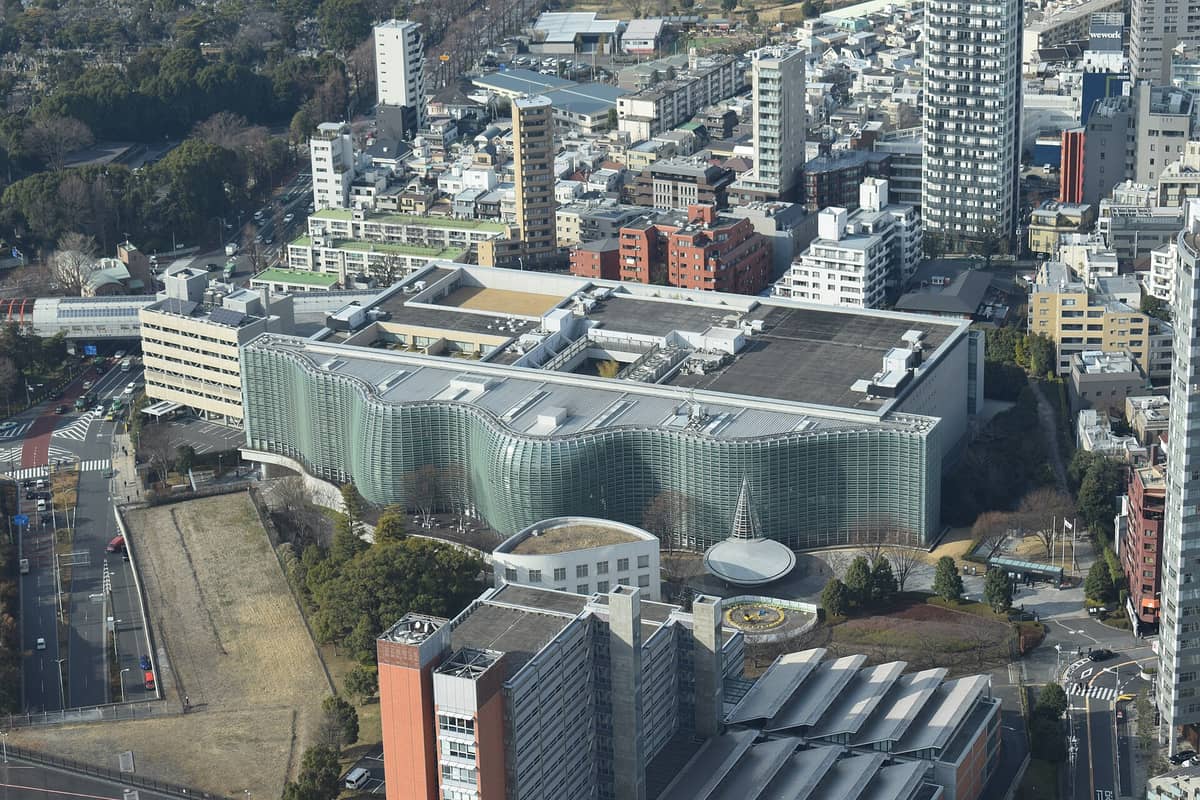
Roppongi sits in Minato Ward and is worth considering for travelers interested in Tokyo's contemporary art scene. The Mori Art Museum and the National Art Center are both here, alongside a dense concentration of international restaurants and bars. Hotels in Roppongi skew toward business and luxury; mid-range options are thinner on the ground. The area is genuinely lively at night, which is a positive for some travelers and a drawback for light sleepers.
Ueno, anchored by Ueno Park and a cluster of national museums, offers good budget hotel options and direct Narita Express connections, making it a practical choice for travelers arriving from Narita who want to skip a complicated transfer. The neighborhood is less immediately charming than Asakusa, which is a 10-minute walk away, but hotel prices are often noticeably lower for comparable room quality.
✨ Pro tip
If you are splitting a trip between Tokyo and Kyoto or Osaka, consider staying near Tokyo Station for your last night. Early Shinkansen departures start before 7am, and being 5 minutes from the platforms rather than 40 minutes from Shinjuku makes a meaningful difference on a travel day. The Shinkansen to Kyoto takes about 2 hours 15 minutes on the Nozomi service.
Practical Booking Advice: Timing, Prices, and What to Avoid
Tokyo hotel prices follow clear seasonal patterns. The two most expensive periods are cherry blossom season (typically late March to mid-April, though the exact dates shift by a week or two each year) and autumn foliage season (mid-October to mid-November). During these windows, mid-range hotels in central areas that normally cost US$100-150 can jump to US$200-250. Golden Week, the cluster of national holidays from late April to early May, causes a second spike driven primarily by domestic Japanese travel.
Summer (July and August) is hot, humid, and crowded with domestic school holiday travelers but is not as expensive as spring and autumn. Budget travelers who can tolerate heat and occasional rain will find summer the best window for value in central Tokyo. Winter (December to February) is the least expensive season outside of the New Year holiday period (roughly December 28 to January 3), and the cold is generally mild by international standards, with average highs around 8-9 degrees Celsius in January.
- Book cherry blossom and autumn foliage periods 2-3 months in advance minimum, especially for popular neighborhoods.
- Tokyo hotels rarely include breakfast in the base rate at international chains; ryokans and some guesthouses often do.
- Room sizes in Tokyo are genuinely small by Western standards, even at mid-range prices. Read room size specifications (square meters) before booking, not just the photos.
- Neighborhoods with the cheapest hotels are not necessarily less safe. Tokyo is consistently ranked among the world's safest major cities.
- Airport transfers matter: Haneda (HND) is around 20-30 minutes from central Tokyo by rail; Narita (NRT) is around 60 minutes. Staying near your arriving airport on day one can reduce jet-lag stress significantly.
- Avoid booking hotels labeled 'near Shinjuku' or 'near Shibuya' on mapping apps without checking actual walking times. A 1km walk with luggage in Tokyo's heat or rain is not the same as a 1km walk elsewhere.
For travelers planning an extended stay or trying to understand how each neighborhood connects to specific sightseeing priorities, the Tokyo neighborhoods guide goes deeper on character, eating, and local life by district. If budget is a key constraint, Tokyo on a budget covers accommodation strategies alongside food, transport, and free activities.
FAQ
What is the best area to stay in Tokyo for first-time visitors?
Shinjuku is the most practical base for first-timers. It has Tokyo's best train connections, the widest range of hotels at every price point, and proximity to major sights like Shinjuku Gyoen, Kabukicho, and Harajuku. Asakusa is the better choice if you specifically want a traditional Tokyo atmosphere and are comfortable with slightly less central transit.
How much do hotels in Tokyo cost per night?
Budget capsule hotels and hostels start around US$30-50 per night. Decent mid-range business hotels in central areas cost US$80-150. Good mid-range options with more space run US$150-250. Luxury and 5-star hotels in areas like Ginza, Marunouchi, and Roppongi start around US$350-500 and go significantly higher. Prices spike 30-60% during cherry blossom season and Golden Week.
Is it better to stay near Shinjuku or Shibuya?
Shinjuku wins on pure transit efficiency and hotel value. Shibuya is better if your itinerary is concentrated around Harajuku, Daikanyama, Nakameguro, and the southwest side of the Yamanote Line. Both are excellent bases; the difference matters most if you plan to walk rather than take trains between your hotel and sights.
When is the best time to book a hotel in Tokyo?
For cherry blossom season (late March to mid-April) and Golden Week (late April to early May), book 2-3 months ahead. For autumn foliage (mid-October to mid-November), book at least 6-8 weeks out. Summer and winter offer more last-minute flexibility and better rates, though the New Year holiday period (late December to early January) fills quickly with domestic travelers.
Which Tokyo neighborhood is best for luxury hotels?
Ginza and Marunouchi have the highest concentration of internationally branded 5-star hotels with easy Shinkansen access. Roppongi and Akasaka also have premium options, particularly suited to travelers focused on art, dining, and nightlife. Shinjuku has luxury high-rise hotels with impressive city views at slightly more competitive rates than Ginza.