Tokyo Ramen Guide: Styles, Neighborhoods & How to Order
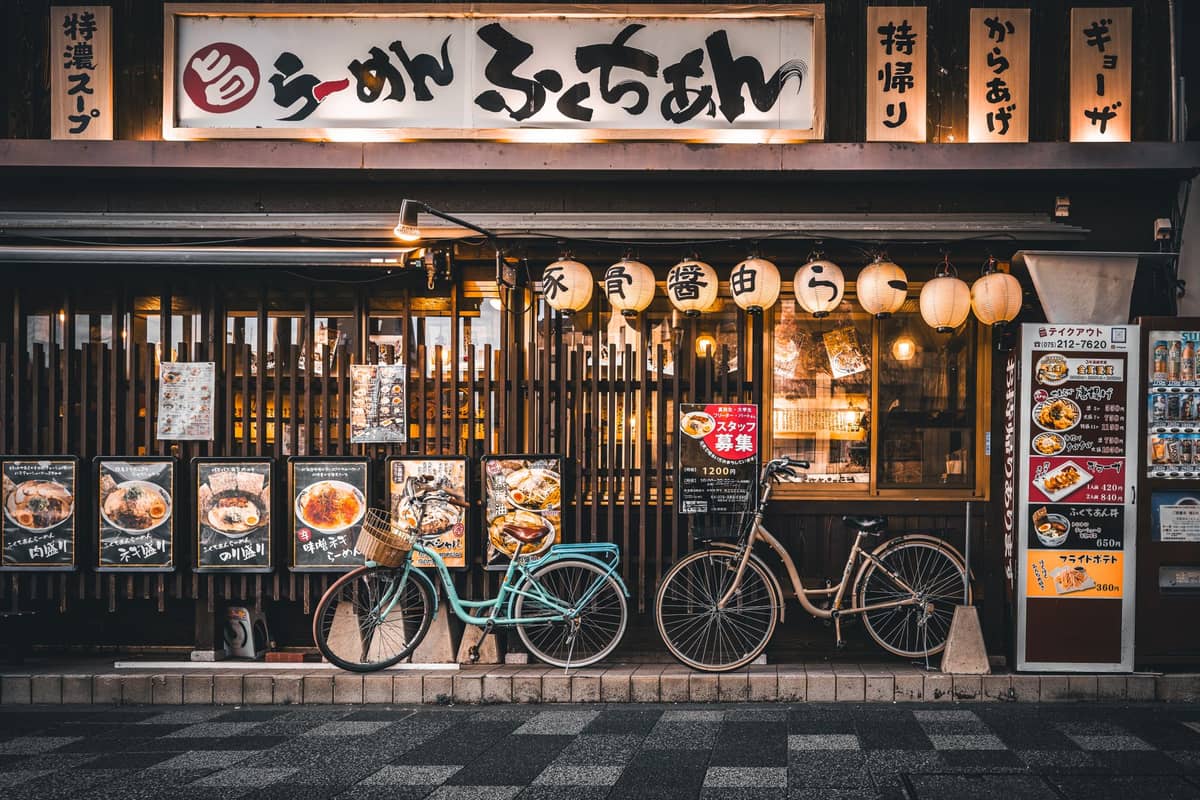
Tokyo takes ramen seriously. This guide covers every major broth style found in the city, which neighborhoods to target for each, exactly how to order at a ticket-machine shop, and what to budget per bowl in 2026. Whether you want a classic shoyu at a stand-up counter in Shinjuku or a next-level tori paitan in Shibuya, this is your starting point.
Plan and book this trip
Tools from our partner Travelpayouts help you compare flights and hotels. If you book through them, we may earn a commission at no extra cost to you.
Flights
Hotels map
TL;DR
- A standard bowl at a neighborhood ramen shop in Tokyo costs ¥700–¥1,200; famous or chef-driven shops can reach ¥1,500–¥2,000+.
- Most shops use a ticket machine (shokken-ki) near the entrance — insert cash, press the button for your bowl, and hand the ticket to staff.
- Tokyo's four dominant ramen styles are shoyu (soy sauce), shio (salt), miso, and tonkotsu — each suits a different mood and neighborhood. See our full breakdown in the Tokyo food guide for context.
- Slurping is fine; lingering after you finish is not — especially when there's a queue outside.
- Carry ¥1,000 and ¥5,000 notes. Many ticket machines still don't accept cards.
The Four Core Ramen Styles You'll Encounter in Tokyo
Tokyo is not associated with a single ramen style the way Sapporo is with miso or Hakata with tonkotsu. Instead, the city functions as a clearing house for every regional style Japan has produced, plus several Tokyo-original variations. Understanding the four main broths before you walk in the door makes ordering far less stressful.
- Shoyu (Soy Sauce) The default Tokyo style, with a clear-to-amber chicken or pork-chicken broth seasoned with soy tare. Expect straight or wavy noodles, chashu pork, menma (bamboo shoots), and nori. Tokyo-style shoyu ramen tends to be lighter and more aromatic than its regional cousins.
- Shio (Salt) The palest and most delicate broth, often built on chicken, seafood, or a combination of both. Shio lets the quality of the dashi speak — a well-made bowl is subtle and deeply satisfying. Look for it at shops that specialize in seafood-forward flavors.
- Miso Originally from Sapporo, miso ramen has been enthusiastically adopted in Tokyo. Broth is rich and earthy, often topped with corn, butter, and a mound of bean sprouts. Tokyo versions tend to be less heavy than the Hokkaido original.
- Tonkotsu (Pork Bone) Hakata-style tonkotsu — the cloudy, collagen-rich pork bone broth — has major representation in Tokyo. Expect rich, porky flavor, thin straight noodles, and the option to order kaedama (a replacement noodle serving) when your bowl is nearly empty.
Beyond these four, Tokyo has a thriving scene for tsukemen (dipping noodles, where you dip cold or room-temperature noodles into a concentrated hot broth), mazesoba (brothless mixed noodles), and tori paitan (a thick, creamy chicken broth that's become a Tokyo specialty in its own right). If you see a queue outside a shop serving any of these, it's worth investigating.
✨ Pro tip
At any ramen shop, the top-left button on the ticket machine is almost always the shop's signature or recommended bowl. If you're unsure, press that one. It's the dish the chef is most proud of and the reason most regulars are there.
Best Neighborhoods for Ramen in Tokyo
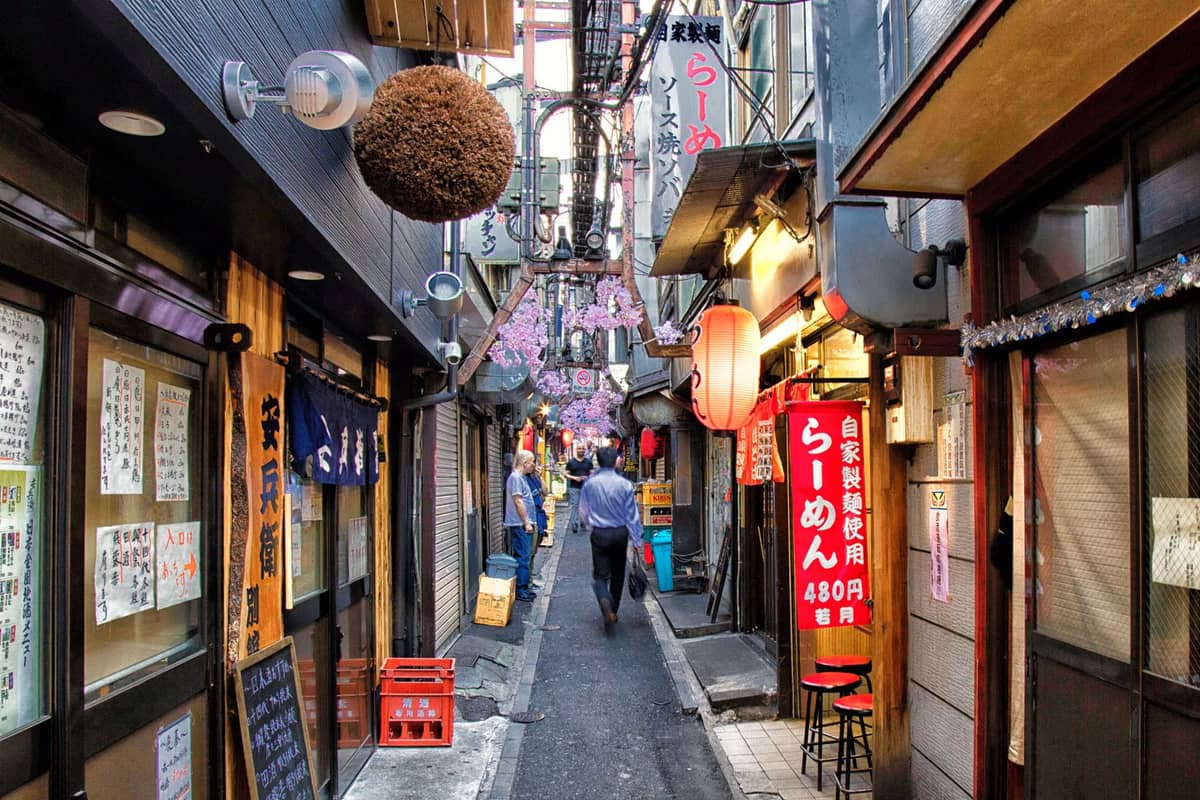
Ramen shops are distributed across the entire city, but certain neighborhoods have critical mass — either in sheer volume of shops or in the concentration of highly rated, specialist bowls. Knowing where to focus saves time.
- Shinjuku Dense with options across every price point. The streets east of Shinjuku Station — especially around Kabukicho and the smaller alleys heading toward Okubo — have dozens of shops within a five-minute walk. Good for a quick bowl between sightseeing. Expect more competition and therefore higher quality across the board.
- Shibuya and Daikanyama Shibuya's ramen scene skews younger and more experimental. You'll find tori paitan specialists, fusion broths, and shops that open late to catch the after-drinks crowd. Daikanyama and Nakameguro have a smaller number of highly curated shops that reward research before you go.
- Ikebukuro Often overlooked by first-time visitors, Ikebukuro has earned a strong reputation for tonkotsu ramen, with several Hakata-style shops that match anything in the city. The west exit area has a particularly tight cluster of affordable, high-quality bowls.
- Asakusa and Ueno Shoyu ramen is the natural match for the historic atmosphere here. Several shops in the Asakusa area serve old-school Tokyo-style chicken-shoyu broth that traces its lineage back decades. Less trendy, but often more honest.
- Takadanobaba and Shin-Okubo A university area with strong student-budget pricing and a rotating cast of newer shops testing experimental styles. Shin-Okubo's Korean food influence has even produced a handful of fusion bowls worth trying if you're curious.
For a broader view of how these neighborhoods fit into Tokyo's food landscape, the Tokyo neighborhoods guide gives detailed character descriptions of each area. If you're building a full day of eating, check the Tokyo street food guide to pair ramen with other stops.
⚠️ What to skip
High-profile Tokyo ramen shops frequently close once the day's broth is finished — sometimes as early as 2pm. Always check the shop's official website or its Tabelog listing before making a trip, especially on weekdays. A wasted 40-minute train journey to a closed shuttered door is a rite of passage for many visitors, but it doesn't have to be yours.
How to Order Ramen in Tokyo: The Ticket Machine Explained
The ticket machine (shokken-ki or kenbaiki, written as 食券機 or 券売機) sits near the entrance of most mid-range and casual ramen shops in Tokyo. The process is straightforward once you've done it once, but the first time can be disorienting — especially if the machine interface is entirely in Japanese.
- Insert coins or notes before selecting anything. The machine won't respond to button presses until it sees money.
- Prices appear on or beside each button. Select your bowl, then add any extras — extra chashu, a seasoned egg (ajitama), extra nori — as additional tickets.
- The machine dispenses paper tickets and change. Take all of them.
- Wait to be shown to a seat (at a counter or table), then hand your tickets to the staff. Some shops ask you to place the tickets face-up on the counter in front of you.
- If you want kaedama (extra noodles, mainly at tonkotsu shops), tell staff verbally or purchase a separate ticket marked 替え玉. Do this before your bowl arrives so you're ready when the moment comes.
- Carrying ¥1,000 notes is strongly recommended. Many machines do not accept ¥10,000 notes, and some do not take cards at all.
Not every shop uses a machine. Some smaller or higher-end spots take verbal orders and settle the bill at the end, more like a regular restaurant. If there's no machine visible near the entrance, wait to be seated and order from staff or a paper menu. When in doubt, standing near the entrance looking slightly uncertain will usually prompt someone to guide you.
💡 Local tip
On ticket machines with no English labels, the largest button (or the top-left button) is nearly always the shop's standard bowl — the most ordered item and the safest choice. Medium-sized buttons below it are usually size upgrades or premium toppings. Tiny buttons at the bottom are often sides like rice or gyoza.
What a Bowl of Ramen Costs in Tokyo in 2025
National data from May 2025 put the average ramen price across Japan at around ¥716, and Tokyo runs higher; at a neighborhood shop, a standard bowl generally lands between ¥700 and ¥1,000. Most casual ramen restaurants charge ¥800–¥1,500, which covers a straightforward bowl plus one topping. Tourist-heavy areas and well-known chains typically range ¥850–¥1,200 for entry-level bowls.
Chef-driven or specialty shops — the kinds that appear on Tabelog's top rankings or have earned international attention — usually charge ¥1,500–¥2,000 or more for a single bowl. A mid-range specialty bowl like a flavored dashi soba at a highlighted shop might be priced around ¥1,100 plus tax, which represents reasonable value for the craftsmanship involved. Ramen is still one of the best-value meals in Tokyo compared with most restaurant categories. For a broader picture of eating affordably across the city, the Tokyo on a budget guide puts ramen pricing in context alongside other food options.
A full meal — bowl, extra topping, and a soft drink or beer — typically comes to ¥1,200–¥1,800 at a mid-range shop. There are no table charges, no service fees, and tipping is not practiced anywhere in Japan. What you see on the ticket machine button is what you pay.
Ramen Etiquette: What's Expected, What's Optional
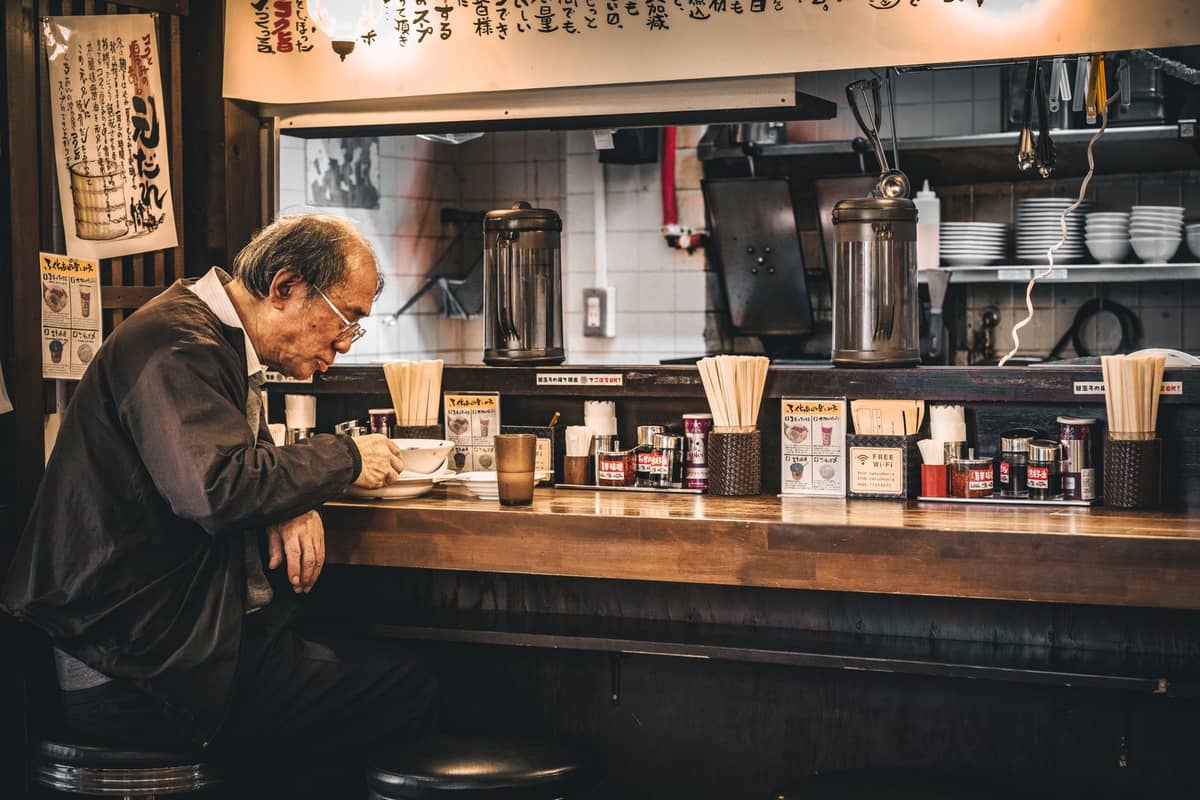
Ramen shops operate on an unspoken social contract that's worth understanding before you sit down. The rules aren't strict, but following them makes the experience better for you and for everyone around you.
- Slurping is completely normal and expected. It cools the noodles as they enter your mouth and, according to Japanese food culture, enhances the aroma. Don't suppress it.
- Eat at a reasonable pace and leave promptly after finishing. If there's a queue outside — and at any well-regarded shop, there will be — lingering over an empty bowl is considered inconsiderate.
- Solo dining is the default at counter-heavy ramen shops. Ordering one bowl per person is standard; splitting a single bowl is not done.
- Phones at the counter: taking a quick photo of your bowl is completely normal. Extended setup shots or blocking staff flow is not.
- Don't add condiments aggressively before tasting the broth. Most Tokyo ramen is seasoned to the chef's specification, and the table condiments (chili oil, sesame, vinegar) are there for adjustment, not overhaul.
Ramen shops are casual places with low ceremony, which makes them excellent entry points for solo travel dining. If the wider Tokyo dining scene feels intimidating, starting with a ramen counter is a good way to get comfortable. The Tokyo izakaya guide covers the next level up if you want a longer, more social meal after your ramen.
Seasonal Timing and Practical Planning
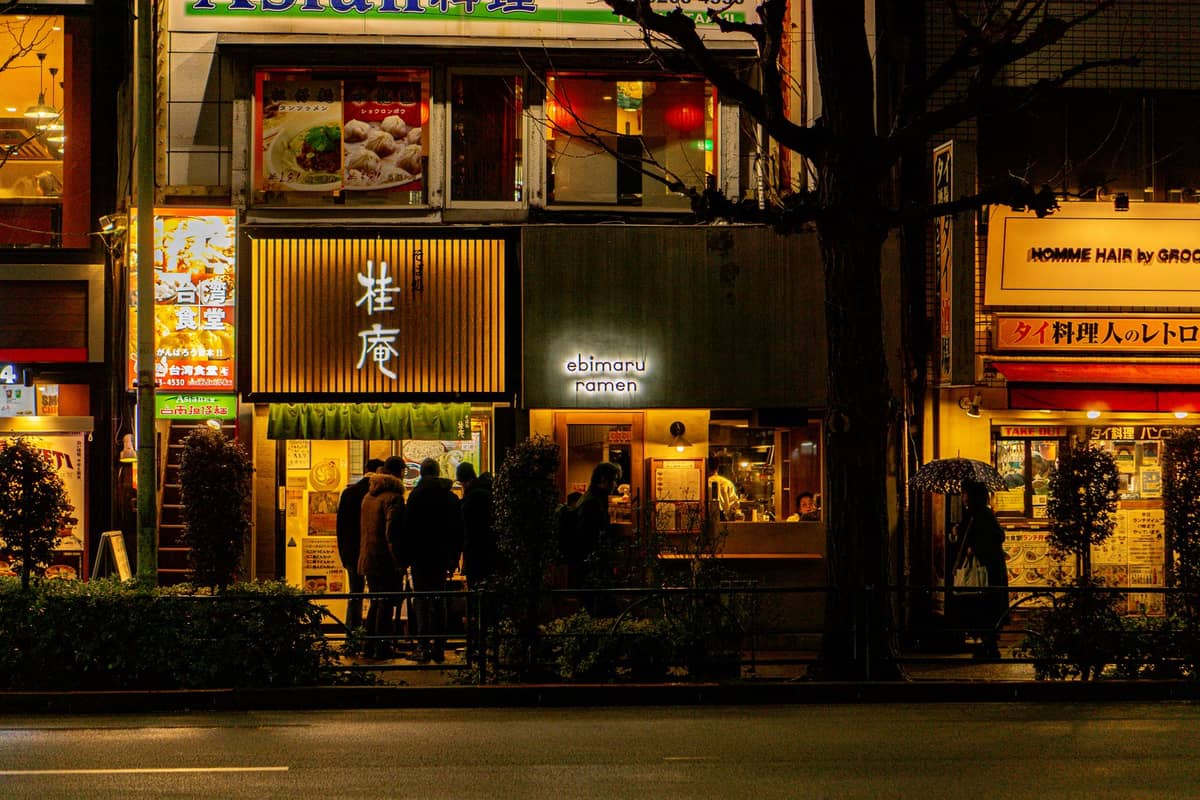
Ramen is a year-round food in Tokyo, but demand patterns shift with the calendar. Queues at well-known shops are longest on cold winter evenings from November through February — a bowl of hot tonkotsu at 7pm in January is exactly what every commuter wants, and you'll be competing with all of them. Summer doesn't eliminate demand; Tokyo's humid August heat doesn't deter regulars, and tsukemen (cold-dip noodles) specifically peaks in popularity during warmer months.
Peak tourism seasons — cherry blossom in late March to mid-April and autumn foliage in late October to mid-November — add tourist demand on top of regular local traffic. If you're visiting during these windows, arrive at popular shops right when they open, or target a mid-afternoon slot between 2pm and 5pm when lunch queues have cleared and dinner hasn't started. For more on timing your Tokyo trip overall, the best time to visit Tokyo guide covers all seasons in detail.
Opening hours vary widely. Some shops open at 11am and close when the broth runs out — which at a busy shop in Shinjuku or Shibuya could mean 3pm on a Saturday. Others open for a lunch service, close mid-afternoon, reopen for dinner at 6pm, and close at 10pm or midnight. A minority of shops near entertainment districts keep late-night hours past midnight. Checking the shop's current hours on Tabelog or its own website on the day of your visit is not optional; it's necessary.
FAQ
What is the most popular type of ramen in Tokyo?
Shoyu (soy sauce) ramen is considered the classic Tokyo style and has the deepest local roots. That said, tonkotsu and tsukemen shops draw some of the longest queues in the city, and tori paitan (creamy chicken broth) has become a Tokyo specialty in its own right over the past decade. What's 'most popular' depends heavily on neighborhood and time of day.
How much does ramen cost in Tokyo?
At a neighborhood shop, expect to pay ¥700–¥1,000 for a basic bowl. Most mid-range casual ramen restaurants in Tokyo charge ¥800–¥1,500. Well-known or chef-driven specialty shops can reach ¥1,500–¥2,000+. A full meal with an extra topping and a drink typically comes to ¥1,200–¥1,800.
Do ramen shops in Tokyo accept credit cards?
Many do not, especially shops that use ticket machines. Cash is the safe default. Carry ¥1,000 and ¥5,000 notes. Higher-end or newer shops are more likely to accept IC cards (like Suica) or credit cards, but you cannot assume this — check before you go.
Can you order ramen in Tokyo without speaking Japanese?
Yes. Ticket machines with picture menus or price buttons make verbal communication unnecessary at most casual shops. Point-and-press works fine. Staff at many Tokyo ramen shops have handled international customers before and will usually guide you through the process with gestures if needed. Having a translation app on your phone for the occasional all-kanji menu helps.
What is kaedama and how do I order it?
Kaedama (替え玉) is an extra serving of noodles added to your remaining broth when your bowl is nearly empty — common at tonkotsu shops in the Hakata style. Order it by saying 'kaedama kudasai' when your bowl is almost done, or by using a separate ticket if the shop has one on the machine. It usually costs ¥100–¥200 extra and keeps the broth experience going without wasting it.