Lake Kawaguchiko: The Best Place to See Mount Fuji Reflected on Water
Lake Kawaguchiko sits at the northern foot of Mount Fuji in Yamanashi Prefecture, offering some of the most photogenic views of Japan's most iconic peak. Free to access year-round, the lake rewards early risers with mirror-calm reflections and draws visitors through every season for cherry blossoms, summer fireworks, autumn foliage, and winter snow.
Quick Facts
- Location
- Fujikawaguchiko Town, Yamanashi Prefecture (approx. 115 km from central Tokyo)
- Getting There
- Direct highway bus from Shinjuku to Kawaguchiko Station (~2 hours); or JR Chuo Line to Otsuki, then Fujikyuko Line to Kawaguchiko Station
- Time Needed
- Half day minimum; full day recommended to circle the lake and visit surrounding attractions
- Cost
- Free (lakeside access); individual facilities such as ropeways and sightseeing boats typically ¥300–¥1,200 per adult
- Best for
- Mount Fuji views, photography, seasonal scenery, nature walks, day trips from Tokyo
- Official website
- en.kawaguchiko.net
What Makes Kawaguchiko Worth the Trip
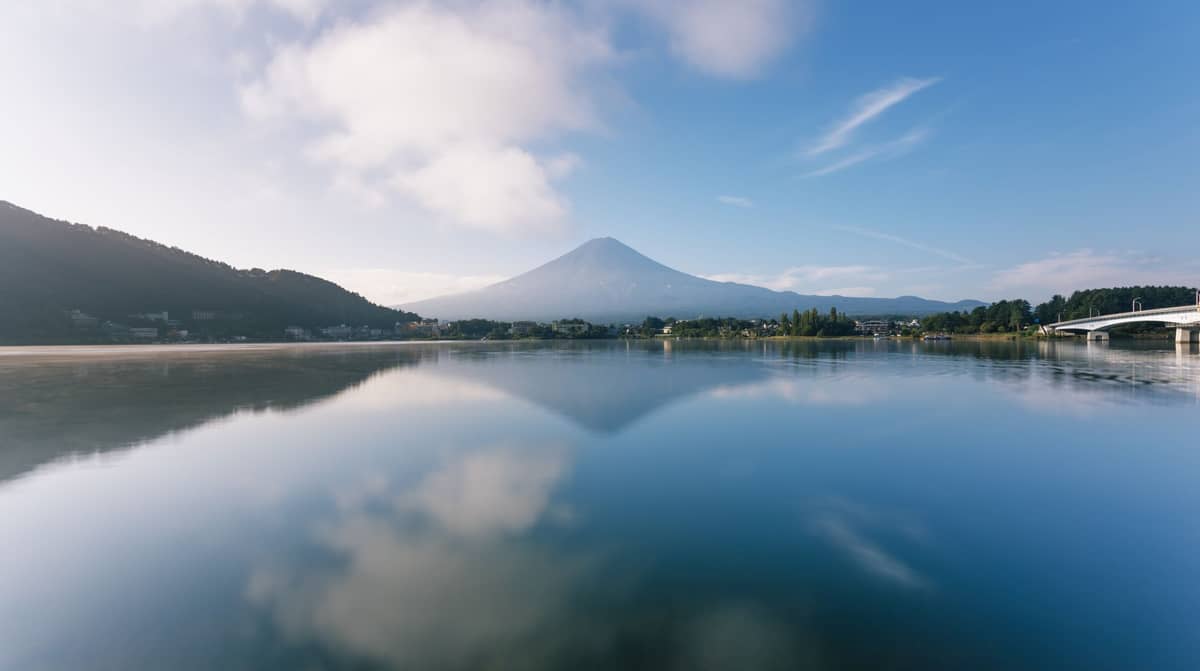
Lake Kawaguchiko is the most visited of the Fuji Five Lakes, and for good reason. It sits on the northern side of Mount Fuji at an elevation of around 830 metres, which puts the mountain at a dramatic angle from the northern shore. On still mornings, the lake surface reflects the cone almost perfectly, creating the double-Fuji image that appears on travel posters, social feeds, and a Japan Tourism Agency poster that became so popular tourists flocked to replicate it from a specific convenience store car park.
The lake itself is the second largest of the Fuji Five Lakes by area, with a shoreline measuring roughly 20 to 21 kilometres in circumference and a maximum depth of 14.6 metres. It was formed by lava flows from historical eruptions of Mount Fuji that dammed river drainage, so the water you are looking at is geologically direct evidence of the volcano across the water. That backstory lends the place a quiet weight that goes beyond scenic prettiness.
💡 Local tip
The northern shore between Kawaguchiko Station and Oishi Park gives the cleanest, most unobstructed views of Fuji. Arrive before 9 a.m. on clear days for calm water and soft light. By mid-morning, wind typically picks up and breaks the reflection.
Kawaguchiko makes a natural pairing with other destinations in the Fuji area. The Mount Fuji climbing season runs from early July to early September, and many climbers use Kawaguchiko as their base the night before or for recovery the day after. Non-climbers come for the views alone, which are often sharper from the lake than from the summit itself when clouds cap the peak.
How the Lake Changes Through the Day
The experience at Kawaguchiko shifts significantly depending on what time you arrive. Early morning, roughly between 6 and 9 a.m., is when the lake performs at its best. The air is cool and often still, the tourist traffic has not yet built up from the Tokyo buses, and the light falls from the east in long warm angles across the water. In autumn and winter especially, you can hear almost nothing except birds and the occasional lapping of water against wooden boat docks.
By mid-morning the highway buses from Shinjuku start delivering large groups. The main viewing spots along the northern shore, particularly near Oishi Park, fill with tour groups. The atmosphere changes: louder, more festive in its own way, but the intimate quality of the early hours is gone. If photography is your main goal, the afternoon light comes from behind you on the northern shore, which means harsher shadows on Fuji's face.
Sunset on clear days draws a different crowd: photographers with tripods, couples, and solo travellers who want the pink alpenglow that can colour Fuji's snow cap in late afternoon. After dark, the lake is quiet again and the mountain becomes a silhouette, sometimes with a few lights from huts on the upper slopes. The lakeside promenade has no closing time, so late evening visits are possible and genuinely peaceful in the warmer months.
Tickets & tours
Hand-picked options from our booking partner. Prices are indicative; availability and final rates are confirmed when you complete your booking.
Day Trip to Mount Fuji, Yamanaka Lake, and Kawaguchiko Lake
From 39 €Instant confirmationFree cancellationMt. Fuji Twin Lakes Scenic, Kawaguchiko, Yamanaka, and Onsen 1-Day Tour
From 40 €Instant confirmationFree cancellationMount Fuji with Kawaguchiko Ropeway Tour from Tokyo
From 59 €Instant confirmationFree cancellationTsukiji Fish Market Walking Food Tour
From 40 €Instant confirmationFree cancellation
Seasonal Highlights: When to Go and What to Expect
Spring, specifically late March through early May, is the busiest season at Kawaguchiko. Cherry trees bloom along the northern shore and at Oishi Park, framing Fuji behind layers of pink flowers. The Kawaguchiko Cherry Blossom Festival draws large crowds, and accommodation books out weeks or months in advance. If you are travelling during this window, arriving on a weekday morning gives you a more manageable experience.
Summer (July and August) is warm and occasionally overcast, with Mount Fuji itself frequently hidden by clouds in the afternoons. The best Fuji visibility in summer tends to come early in the morning before weather systems build. The Kawaguchiko Fireworks Festival in late July and August draws visitors for evening spectacles over the water, when the reflections of fireworks on the lake surface compete with the mountain as the main visual.
Autumn, from mid-October through mid-November, rivals spring for scenery. The Momiji Tunnel, a short road lined with Japanese maple trees near the northern shore, turns a concentrated scarlet. Crowds are substantial but slightly more spread out than during cherry blossom season. Winter offers the clearest air and the highest chance of seeing Fuji capped in thick snow, which sharpens its silhouette against a blue sky. The cold is real: temperatures at the lake can drop well below freezing on winter mornings, so dress accordingly.
⚠️ What to skip
Mount Fuji is frequently obscured by clouds, particularly on summer afternoons and after rainy days. There is no guarantee of a clear view on any given visit. Check local webcams or weather forecasts the morning of your trip before committing to the journey.
Getting There from Tokyo
The highway bus from Shinjuku Station's highway bus terminal is the simplest option for most visitors. Services run regularly to Kawaguchiko Station and take approximately 1 hour 45 minutes under normal traffic conditions. Booking in advance is strongly recommended during peak seasons, as buses sell out. Return journeys in the late afternoon on weekends can also fill up quickly.
The rail option involves taking the JR Chuo Line from Shinjuku to Otsuki, then transferring to the Fujikyuko Line for the final stretch to Kawaguchiko Station. The total journey time is comparable to the bus but can be slightly longer with connection waits. The Fujikyuko Line itself is enjoyable: the small two-car trains wind through mountain valleys and start revealing glimpses of Fuji as you approach the lake.
From Kawaguchiko Station, the lake's northern shore is about a 15- to 20-minute walk. The sightseeing loop bus circles the entire lake and is the easiest way to reach Oishi Park, the Kachi Kachi Ropeway, and the western shore without a rental car. For those combining Kawaguchiko with other parts of the Fuji area, the region is covered in the broader Mount Fuji from Tokyo guide, which details transport options, combined routes, and seasonal timing.
What to Do Around the Lake
Walking the northern shore between the station and Oishi Park takes roughly 30 to 40 minutes at a leisurely pace and passes several open viewing spots with unobstructed angles toward Fuji. Oishi Park itself is a low-key lakeside garden with flower beds, a small souvenir area, and what many consider the best standard view of the mountain over the water. Entry to the park is free.
The Kachi Kachi Ropeway ascends from the eastern shore to a viewpoint on Tenjozan, where the summit station sits roughly 1,075 metres above sea level. From the top, the lake sits below you like a mirror and Fuji rises directly across. The ropeway charges a fee and has limited capacity, so wait times can be long on busy days. The view from the top is genuinely different from the lakeside perspective and worth the extra stop if time allows.
Sightseeing boats operate on the lake and offer the unusual experience of being out on the water with Fuji rising above the shore you just left. The western and southern shores are quieter than the tourist-dense northern edge and reward exploration by bicycle, which can be rented near the station. A full circuit of the lake by bike takes two to three hours depending on pace and stops.
Kawaguchiko is the most accessible starting point for day trips from Tokyo in the Fuji region, but travellers with more time can extend the visit into the other four lakes: Yamanakako, Saiko, Shojiko, and Motosuko, each with its own character and quieter visitor numbers.
Photography Tips and Practical Notes
For the reflection shot that made this lake famous, position yourself on the northern shore in the calm between dawn and around 8:30 a.m. A wide-angle lens captures both mountain and reflection comfortably. Polarising filters reduce glare on the water surface and can intensify the blue of Fuji's shadowed slopes. In winter, frost patterns on the shoreline grasses add foreground texture.
The lakeside promenade is paved and level for most of its accessible sections, making it workable for wheelchairs and pushchairs in good weather. The sightseeing boats and ropeway have their own accessibility conditions: check with the Fujikawaguchiko Tourist Information Center, located near the station at 3641-1 Funatsu, Fujikawaguchiko-machi, Yamanashi Prefecture, for current details before visiting.
There are few ATMs in the immediate lakeshore area that reliably accept foreign cards. Withdraw cash at a convenience store or post office ATM in Kawaguchiko Station before exploring further. If you are planning a longer stay in the area, the best time to visit Tokyo and surroundings guide covers seasonal conditions that also apply to the Fuji Lakes region.
Who Should Reconsider This Trip
Kawaguchiko is not an attraction that works well if your schedule allows only one shot at Fuji and cloud cover is forecast. The mountain disappears entirely behind cloud for stretches of days, and there is no substitute view at the lake itself when Fuji is hidden. Visitors who make the two-hour journey from Tokyo on a cloudy day and find nothing but a grey smudge on the horizon will find the lakeside pleasant but not exceptional.
Solo travellers who dislike crowds may want to avoid golden week in late April and early May, the cherry blossom peak, and summer weekends. At those times the northern shore becomes genuinely crowded and the loop buses run at capacity. The lake's off-season reputation as a calm, contemplative destination is accurate, but the peak-season reality can be far from it.
Insider Tips
- Book your highway bus from Shinjuku at least a week ahead during cherry blossom season and autumn foliage. Return buses on weekend afternoons sell out by mid-morning on busy days, which can strand you at the lake longer than planned.
- The southern shore and the area around Saiko (the next lake west) see a fraction of Kawaguchiko's visitor numbers and offer quieter lakeside scenery with more elbow room. The loop bus connects to this area on some routes.
- Check the Fujisan Telenet webcam or the lake's official site the night before your trip for a current cloud forecast. If a solid cloud band sits over the summit, consider delaying by a day if your schedule allows.
- Oishi Park's best flower displays face south toward the lake and mountain. Walk past the main car park to the lower lawn nearest the water for the cleanest compositional line between flowers, lake, and Fuji.
- A standard SUICA or PASMO card covers the Fujikyuko Line, the sightseeing loop bus, and many small purchases in the area, reducing the need for exact change or separate ticket purchases at each stop.
Who Is Kawaguchiko (Fuji Five Lakes) For?
- Photography enthusiasts seeking Japan's most iconic landscape compositions
- First-time visitors to Japan who want a memorable day out from Tokyo combining nature and cultural symbolism
- Couples and travellers who appreciate seasonal scenery: cherry blossoms, autumn maples, and winter snowscapes
- Hikers using Kawaguchiko as a base before or after climbing Mount Fuji in the July to early September climbing season
- Travellers on a flexible schedule who can time their visit around clear-sky forecasts for maximum Fuji visibility
Nearby Attractions
Combine your visit with:
- Akasaka Palace (State Guest House)
The State Guest House, Akasaka Palace is Japan's principal diplomatic residence and one of the few Western-style palaces in Asia open to the public. Built in neo-baroque style for the Crown Prince in the early 20th century, it now receives heads of state and, on select days, ordinary visitors. The combination of ornate gilded interiors, formal French gardens, and a Japanese-style annex makes it one of the most architecturally unusual stops in Tokyo.
- Edo-Tokyo Open Air Architectural Museum
Spread across the grounds of Koganei Park, the Edo-Tokyo Open-Air Architectural Museum rescues and reassembles more than 30 historic structures spanning the Edo period through the early 20th century. From a dismantled farmhouse to a reconstruction of a Showa-era Tokyo streetscape, it is one of the most thoughtful and undervisited cultural sites in the metropolitan area.
- Enoshima
A small island off the Shonan coast of Kanagawa Prefecture, Enoshima packs a surprising amount into a short walk: a three-part Shinto shrine, ancient sea caves, a hilltop botanical garden, a lighthouse observation tower, and seafood stalls lining a stone-paved shopping street. It works as a half-day excursion or a full day if you combine it with nearby Kamakura.
- Gotokuji Temple
Gotokuji Temple in Setagaya is a working Soto Zen Buddhist temple that happens to be one of the claimed birthplaces of the maneki-neko, Japan's iconic beckoning cat. Hundreds of white ceramic cats line the shelves of a dedicated shrine, creating one of Tokyo's most quietly striking visual spectacles. Entry is free, crowds are manageable, and the surrounding grounds offer genuine calm.