3 Days in Tokyo: The Perfect Itinerary
Three days in Tokyo is enough to cover the city's iconic districts, sample its legendary food scene, and get a genuine feel for how the place works. This itinerary is structured by neighborhood logic, not just a checklist of sights, so you spend less time on trains and more time actually exploring.
Plan and book this trip
Tools from our partner Travelpayouts help you compare flights and hotels. If you book through them, we may earn a commission at no extra cost to you.
Flights
Hotels map
TL;DR
- Three days covers Tokyo's core districts well if you plan by geography, grouping nearby sights together each day.
- Get a TOURIST PASMO or a 72-hour subway pass (¥2,000 adults) on arrival — it covers most journeys on the Tokyo Metro and Toei Subway networks.
- Spring (late March to mid-May) and autumn (October to mid-November) offer the most comfortable weather and the best scenery, but also the largest crowds — book timed-entry attractions in advance.
- Tipping is not practiced in Tokyo. Tap water is safe to drink. English signage is widespread in tourist areas and on the rail network.
- For a deeper look at planning your time, see the complete Tokyo travel guide.
Before You Arrive: Transport and Logistics
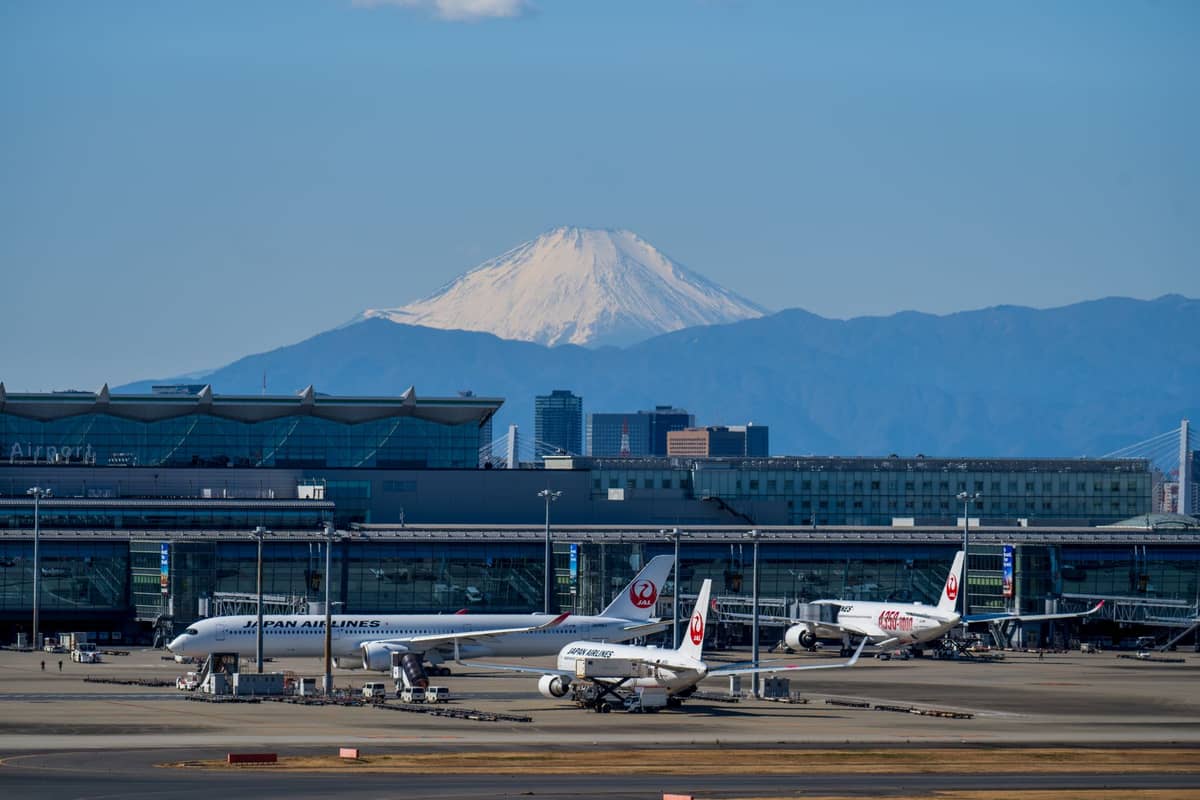
Tokyo has two major international airports. Haneda (HND) is roughly 15-20 km from central Tokyo and is the faster, more convenient option: the Tokyo Monorail reaches Hamamatsuchō in around 15-20 minutes, and from there the Yamanote Line connects to every major hub. The Keikyu Line is another fast option to Shinagawa, with onward metro connections. Fares from Haneda run around ¥500-¥800 total depending on your destination. Airport limousine buses (around ¥1,200-¥1,400) are slower but convenient if your hotel is on a served route.
Narita (NRT) is about 50-60 km from central Tokyo. The JR Narita Express (N'EX) is the premium option, taking roughly one hour to Tokyo Station with direct services also running to Shibuya and Shinjuku. The Keisei Skyliner is faster to Ueno (around 40-45 minutes) and often cheaper. Always verify current fares before travel — prices are updated periodically and some N'EX services have scheduled suspensions.
💡 Local tip
Pick up a TOURIST PASMO card at Narita or Haneda on arrival. As of May 2026, the card is valid for 28 days and works on IC-card-compatible trains, buses, and many convenience stores and vending machines. The Narita version costs ¥2,000 and comes loaded with ¥2,000 in credit. Alternatively, the 72-hour subway ticket (¥2,000 adults, ¥1,000 children) covers unlimited rides on Tokyo Metro and Toei lines — very good value over three full days of sightseeing.
One important point: no single pass covers every rail and bus line in Tokyo. The city's network is operated by multiple companies — Tokyo Metro, Toei, JR East, and numerous private railways. The 72-hour subway pass covers Metro and Toei routes well, but JR lines (including the Yamanote Loop) require separate payment. An IC card like TOURIST PASMO handles all of them seamlessly. For full details on navigating the network, the getting around Tokyo guide breaks it all down.
Day 1: Asakusa, Ueno, and Tokyo Skytree
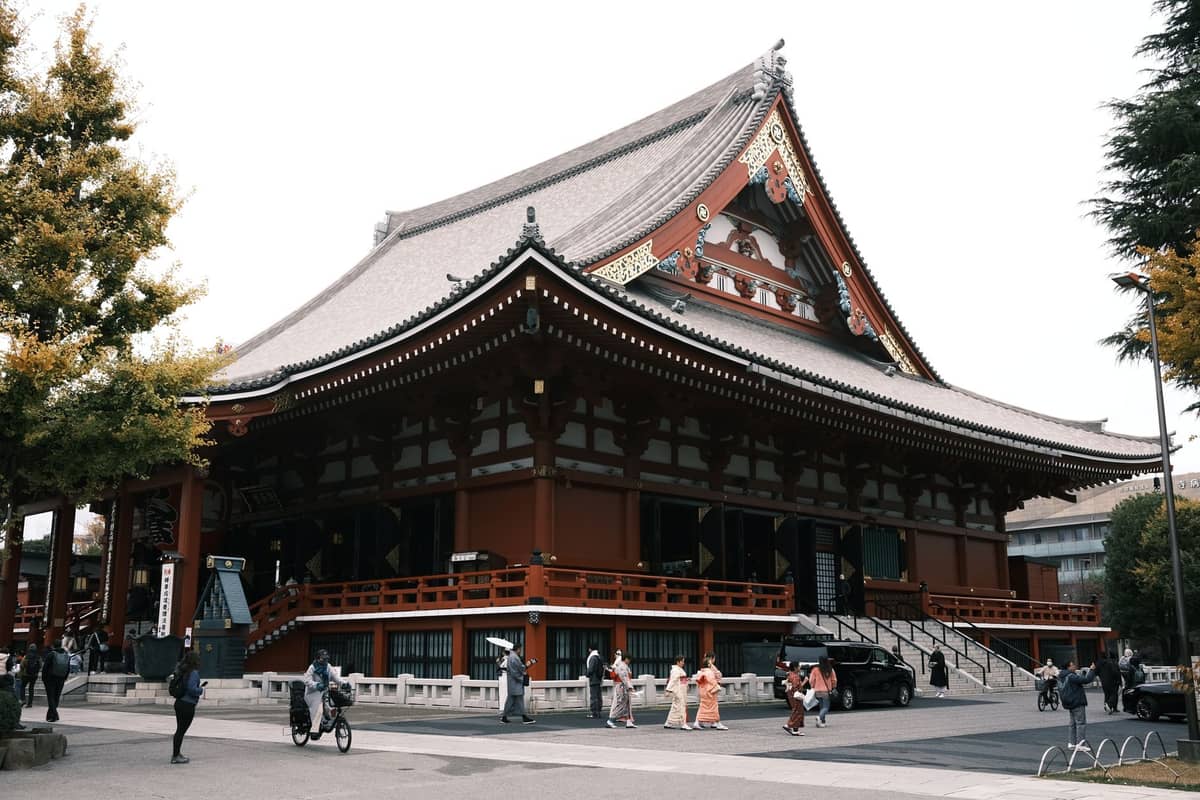
Start your first morning in Asakusa, Tokyo's most atmospheric historic district. Arrive before 9am if possible. Sensō-ji Temple — Tokyo's oldest temple, founded in the 7th century — is genuinely worth the visit, but the approach along Nakamise-dōri shopping street gets very crowded by mid-morning. Early arrival gives you the stone lanterns and incense smoke without the selfie-stick traffic.
From Asakusa, walk or take a short train ride to Ueno. The area around Ueno Park contains a remarkable concentration of museums. The Tokyo National Museum is the largest museum in Japan and holds the world's most significant collection of Japanese art — budget at least 90 minutes. If science interests you, the National Museum of Nature and Science next door is excellent. The park itself is free and one of the best places in the city during cherry blossom season (late March to early April) and autumn foliage (November).
End the afternoon at Tokyo Skytree, a 10-minute walk from Asakusa. At 634 metres, it's the tallest structure in Japan. The Tembo Deck observation floor sits at 350 metres; the Tembo Galleria adds another 100 metres. Book tickets online in advance — queue times at the counter can add 30-45 minutes on busy days, especially weekends and public holidays. Sunset visits (around 4-6pm depending on season) offer the best light for photography.
⚠️ What to skip
Asakusa's Nakamise-dōri sells largely tourist-oriented souvenirs at inflated prices. For better quality crafts and more interesting shopping, explore the smaller streets off the main approach — Shin-Nakamise and the lanes around Kappabashi (the kitchenware district, a 10-minute walk west) offer more authentic goods.
Day 2: Shibuya, Harajuku, and Shinjuku
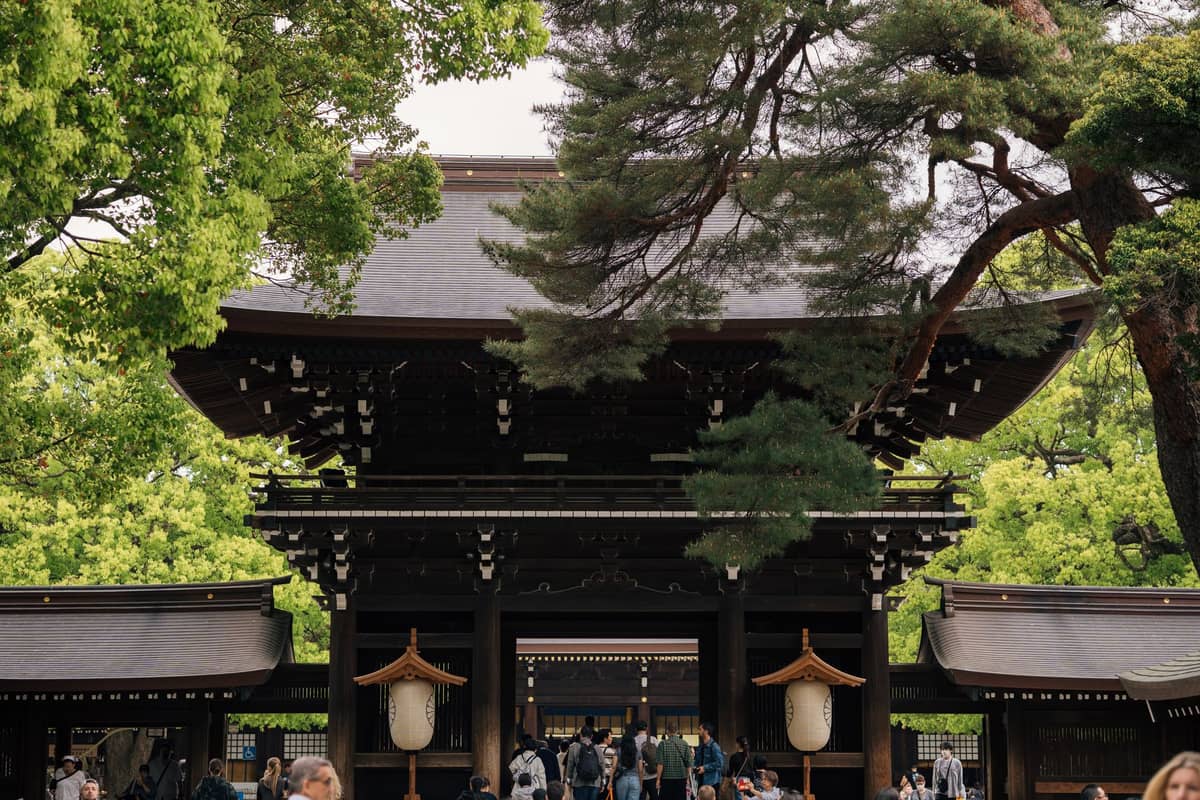
Day two covers the west side of central Tokyo, where three of the city's most distinctive districts sit within easy reach of each other. Start at Harajuku in the morning. Meiji Jingū Shrine sits inside a 70-hectare forested compound in the heart of the city — it takes about 20-25 minutes to walk from the main entrance to the inner shrine. The contrast between the dense woods and the surrounding urban grid is genuinely striking. Entry is free.
After the shrine, walk south through Yoyogi Park or cut directly to Takeshita Street for a 15-minute immersion in Tokyo's youth fashion culture. It's chaotic and intentionally so. For a calmer, more design-focused contrast, walk south to Omotesando — Tokyo's most architecturally interesting shopping boulevard, lined with flagship stores designed by Tadao Ando, Herzog and de Meuron, SANAA, and others. The architecture along this stretch alone is worth the walk.
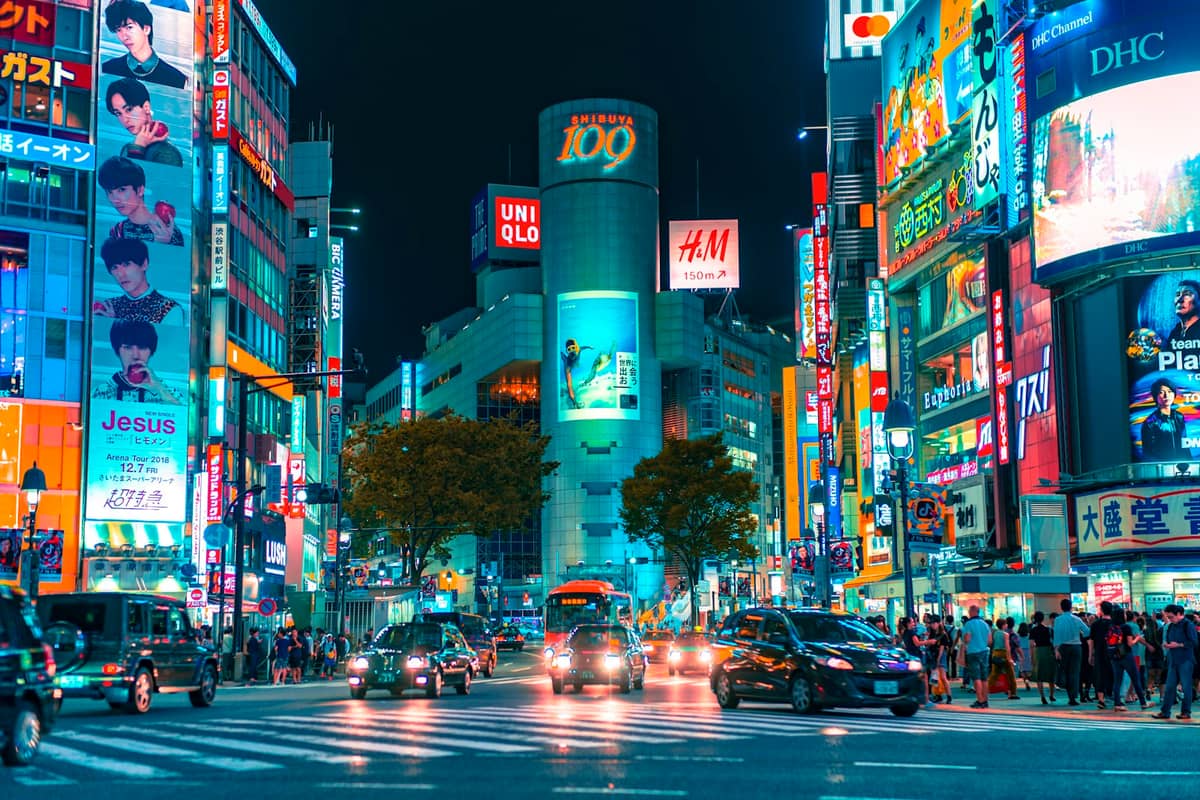
Lunch in Harajuku or Omotesando, then head to Shibuya — a 5-minute train ride or 15-minute walk south. The famous Shibuya Crossing is most impressive from above. The observation decks at Shibuya Sky (atop Shibuya Scramble Square) put you directly over the intersection — book a timed entry online, as walk-up tickets frequently sell out. Then explore Shibuya's covered shopping streets, or head up to the smaller Daikanyama and Nakameguro neighborhoods (two stops west) for a more relaxed evening atmosphere with independent cafes, bookshops, and restaurants along the Meguro River.
End the day in Shinjuku. For dinner, Omoide Yokochō (Memory Lane) — a narrow alley of tiny yakitori and ramen stalls just west of the station — is atmospheric and genuinely good, though small. For a post-dinner drink, Golden Gai (a grid of around 200 tiny bars, each seating 5-10 people) is one of the most distinctive drinking experiences in the city. The bars are tiny by design; some have cover charges of ¥500-¥1,000 for first-time visitors.
Day 3: Ginza, the Imperial Palace, and a Choice of Digital Art
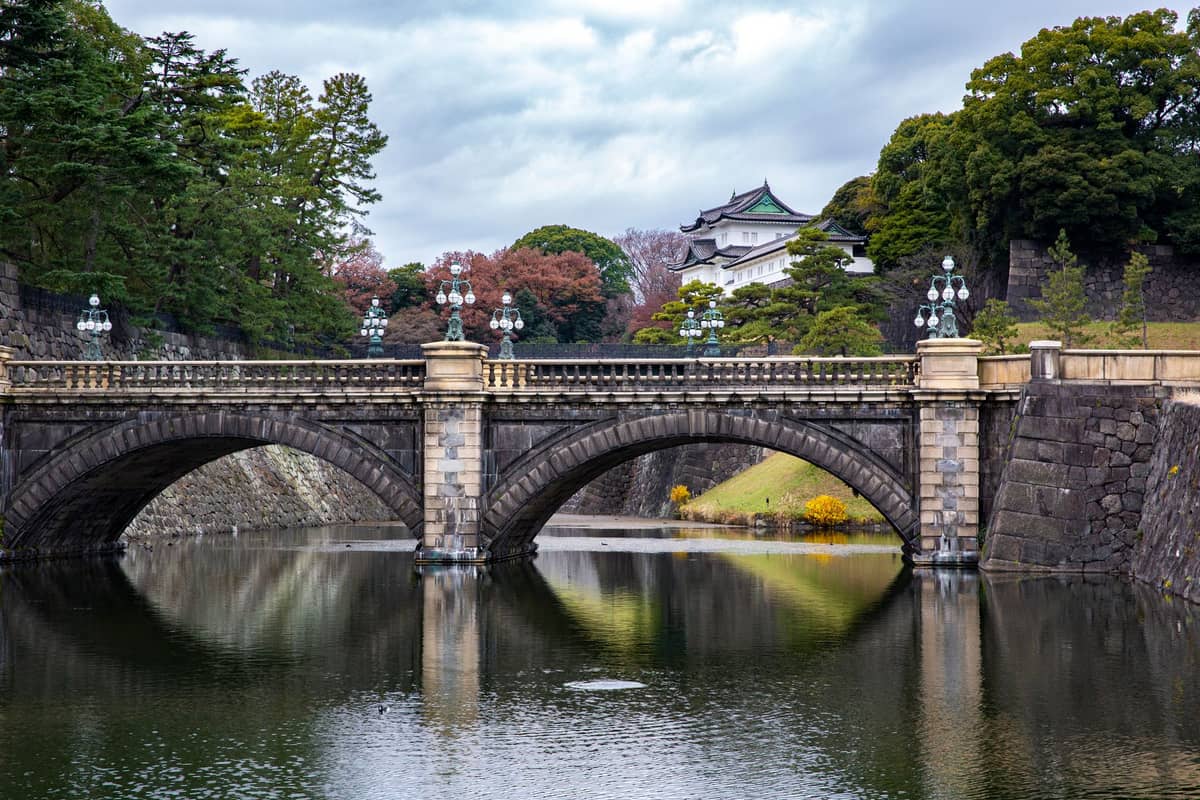
Your third day covers central and east Tokyo. Start at the Imperial Palace East Gardens in Chiyoda, which open at 9am (free entry, closed Mondays and Fridays). The gardens sit on the former inner citadel of Edo Castle. The broad plaza on the outer grounds is one of the city's most photographed spots, especially with the stone bridges and moat in frame.
Walk or take the metro south to Ginza for late morning. Tokyo's most upscale shopping district is worth a walk even if you're not buying anything — the density of flagship architecture and the contrast between traditional department stores and newer concept spaces is distinctive. The Ginza and Tsukiji area also puts you near Tsukiji Outer Market, where the stalls and small restaurants around the perimeter of the old wholesale fish market remain excellent for a mid-morning snack — fresh tamagoyaki (grilled egg rolls), grilled seafood skewers, and matcha treats.
For the afternoon, you have a genuine choice depending on your interests. If immersive digital art appeals, teamLab Planets TOKYO in Toyosu is a 40-60 minute ticketed experience (adult tickets from ¥3,600, online booking only) that requires advance reservation, especially on weekends. It's genuinely unlike most art experiences and not an overcrowded novelty — but it is popular, so book at least a week ahead during spring and autumn. The full teamLab guide covers both Planets and Borderless.
If you'd rather skip the digital art queues, consider Roppongi for the afternoon instead. The Mori Art Museum on the 53rd floor of Roppongi Hills puts contemporary international and Japanese art alongside some of the best city views in Tokyo — the combination of good art and a 250-metre vantage point is hard to beat. The National Art Center Tokyo, a five-minute walk away, is one of Japan's largest exhibition spaces and is free to enter (ticketed for major exhibitions).
Practical Tips for Getting the Most Out of Three Days
- Group sights by geography, not popularity Tokyo's neighborhoods are distinct; crossing the city to hit one attraction wastes an hour of transit time. This itinerary clusters Day 1 in the east (Asakusa, Ueno, Skytree), Day 2 in the west-center (Harajuku, Shibuya, Shinjuku), and Day 3 in the central-south (Chiyoda, Ginza, Roppongi or Toyosu).
- Book timed-entry tickets before you arrive Tokyo Skytree, Shibuya Sky, teamLab Planets, and Ghibli Museum (if you go) all benefit from advance booking. During spring cherry blossom season (late March to early April) and autumn foliage season (mid-November), competition for slots intensifies significantly.
- Convenience stores are your friend 7-Eleven, FamilyMart, and Lawson in Tokyo carry genuinely good prepared food, freshly brewed coffee, and useful supplies. They also have ATMs that reliably accept foreign cards — a practical advantage since many smaller restaurants and shops are still cash-preferred.
- Subway etiquette matters Queue on the marked lines on the platform, do not talk on the phone in carriages, and keep noise low. Eating on local metro lines is considered poor form (Shinkansen and long-distance trains are different). Bags go on the overhead rack or in front of you during busy hours.
- Understand the no-tipping rule Tipping is not customary in Japan and can cause confusion or embarrassment. Service charges are built into prices. At high-end restaurants, a service charge (around 10-15%) is sometimes added to the bill automatically.
When to Go and What Changes by Season
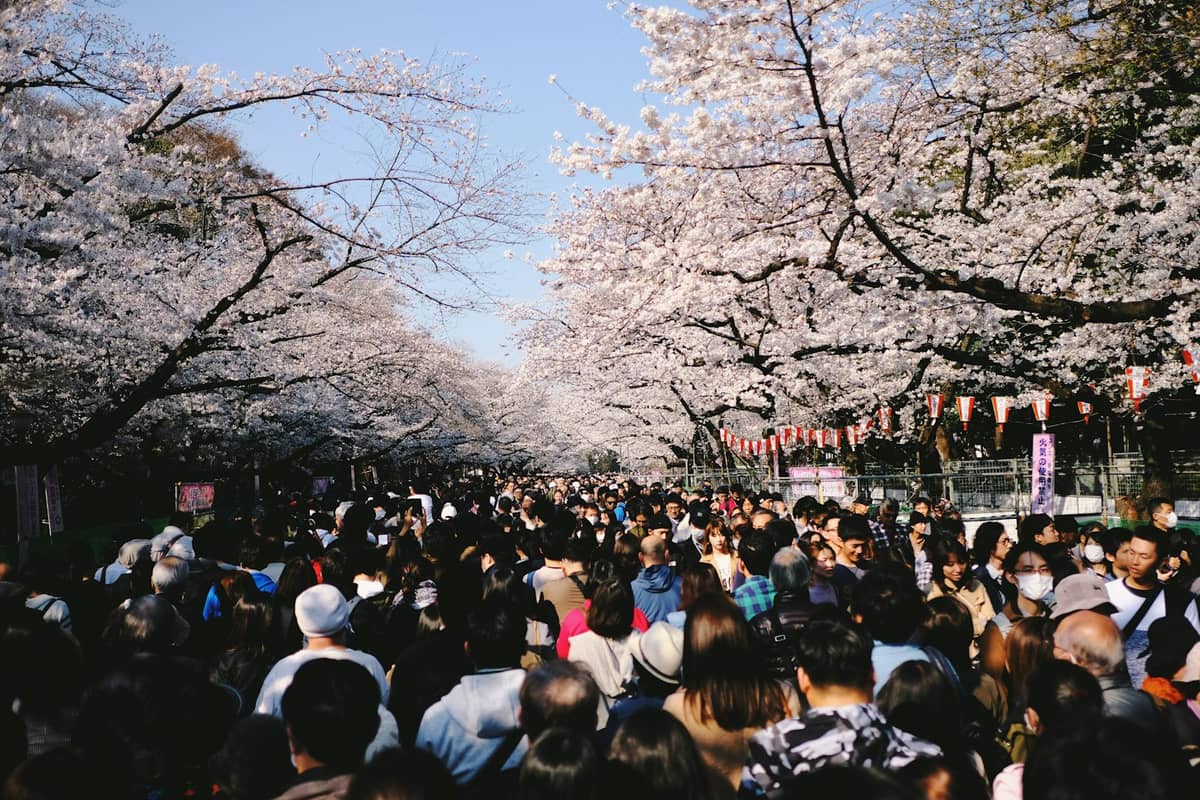
Tokyo's climate is humid subtropical. Winters (December to February) are dry and cold, with daytime highs around 9-10°C and very little rain — excellent for clear views from observation decks, less good if you dislike cold. Spring (March to May) brings the cherry blossoms (usually peak late March to early April in central Tokyo) and increasingly warm weather, but crowds at parks like Ueno and Shinjuku Gyoen hit their annual maximum. Mid-April to mid-May, after the blossoms have fallen, is arguably the sweet spot: warm, green, and notably less congested.
Summer (June to August) is hot and humid, with July and August regularly reaching 31°C with high humidity. June brings the tsuyu rainy season (typically early June to mid-July). Not the most comfortable season, but summer compensates with festivals, fireworks events, and a different energy to the city. Autumn (September to November) starts rainy with typhoon risk through September, then becomes Tokyo's most reliably beautiful season from October onward — cooler temperatures, lower humidity, and the koyo (autumn foliage) peaking in mid-to-late November across parks and gardens. For a detailed seasonal breakdown, the best time to visit Tokyo guide covers each month in depth.
✨ Pro tip
If your trip falls during cherry blossom season, add Shinjuku Gyoen (one of the best blossom parks in the city, entry around ¥500) and Ueno Park to your Day 1 or Day 2 morning. Arrive by 8am at Ueno to beat the crowds. The blossoms typically last 7-10 days at peak; the exact timing varies by year and is tracked closely by the Japan Meteorological Corporation.
FAQ
Is 3 days enough time to see Tokyo?
Three days is enough to cover the major districts and get a real feel for the city, but Tokyo rewards longer stays. With three days you can do Asakusa and Ueno, Shibuya and Shinjuku, and the central area around Ginza and the Imperial Palace without feeling rushed — provided you plan by geography and don't try to sprint between too many distant sights. A week lets you add Akihabara, Koenji, Yanaka, day trips to Kamakura or Nikko, and more.
What transport pass is best for 3 days in Tokyo?
The 72-hour combined Tokyo Metro and Toei Subway ticket (¥2,000 for adults, ¥1,000 for children) covers the bulk of sightseeing journeys over three days. For maximum flexibility, the TOURIST PASMO IC card (available from Narita and Haneda as of May 2026) works on all lines including JR and private railways, plus buses and many shops. Note that no single pass covers every operator — always verify which lines your pass covers before the journey.
What should I not miss on a first visit to Tokyo?
Sensō-ji Temple at dawn, the view from Tokyo Skytree, Shibuya Crossing from above, an evening in Golden Gai or Omoide Yokochō, and at least one sit-down ramen or sushi meal at a proper dedicated restaurant. Meiji Jingū Shrine is worth the visit even if you've seen other Japanese shrines. Ueno Park and the Tokyo National Museum round out a solid cultural foundation.
How much does a 3-day Tokyo trip cost per day?
A realistic mid-range budget is around ¥10,000-¥18,000 per person per day excluding accommodation. This covers a 72-hour subway pass (¥2,000 total), three meals (roughly ¥500-¥1,500 for a ramen or set lunch, ¥2,000-¥5,000 for a proper dinner), plus 1-2 paid attractions (Tokyo Skytree costs around ¥2,100 for Tembo Deck, teamLab Planets from ¥3,600). Budget travelers eating at convenience stores and skipping paid observation decks can get well below ¥10,000/day.
Do I need to speak Japanese to navigate Tokyo?
No. English signage covers the metro, JR rail, and most major tourist areas. Restaurant menus often have photos or English translations, and Google Translate's camera mode handles written Japanese well. That said, learning a few basics — sumimasen (excuse me), arigatou gozaimasu (thank you), and knowing how to read katakana (used for many foreign words and place names) — makes navigating smaller neighborhood restaurants and shops significantly easier.