teamLab Tokyo: Planets vs Borderless — Which One Should You Visit?
Tokyo now has two large-scale teamLab museums, and they are nothing alike. This guide covers the real differences between teamLab Planets in Toyosu and teamLab Borderless at Azabudai Hills, with practical advice on tickets, timing, and which experience is worth your time.
Plan and book this trip
Tools from our partner Travelpayouts help you compare flights and hotels. If you book through them, we may earn a commission at no extra cost to you.
Flights
Hotels map
TL;DR
- Tokyo has two separate teamLab venues: Planets in Toyosu and Borderless at Azabudai Hills. They are different experiences with different ticket prices and locations.
- Planets is a compact, body-immersive walk-through with water pools and barefoot sections. Borderless is a sprawling multi-room labyrinth of interconnected projection art.
- Adult tickets run around ¥3,600 for Planets and ¥3,800–¥4,800 for Borderless. Both use timed-entry, and both can sell out weeks in advance, especially during Tokyo's peak travel seasons. See the best times to visit Tokyo for crowd patterns.
- The old Odaiba Borderless is permanently closed. If you booked under that assumption, update your plans: the current Borderless is in Minato-ku's Azabudai Hills.
- If you only have time for one, Planets suits first-timers wanting something visceral and short (around 60–90 minutes). Borderless rewards people who want to spend two to three hours exploring without a fixed path.
Two Museums, Two Completely Different Experiences
teamLab is a Tokyo-based art collective that builds digital installations on a scale that most museums cannot attempt. The confusion around their Tokyo venues is understandable: both carry the teamLab name, both use projection and sensor technology, and both require advance tickets. But the similarities stop there.
teamLab Planets TOKYO sits in the Toyosu district of Koto-ku, a waterfront area east of central Tokyo. teamLab Borderless TOKYO reopened in early 2024 at Azabudai Hills, a brand-new mixed-use development in Minato-ku. The venues are about 8 km apart by road, and neither is close to the other, so combining both in one day is possible but tiring.
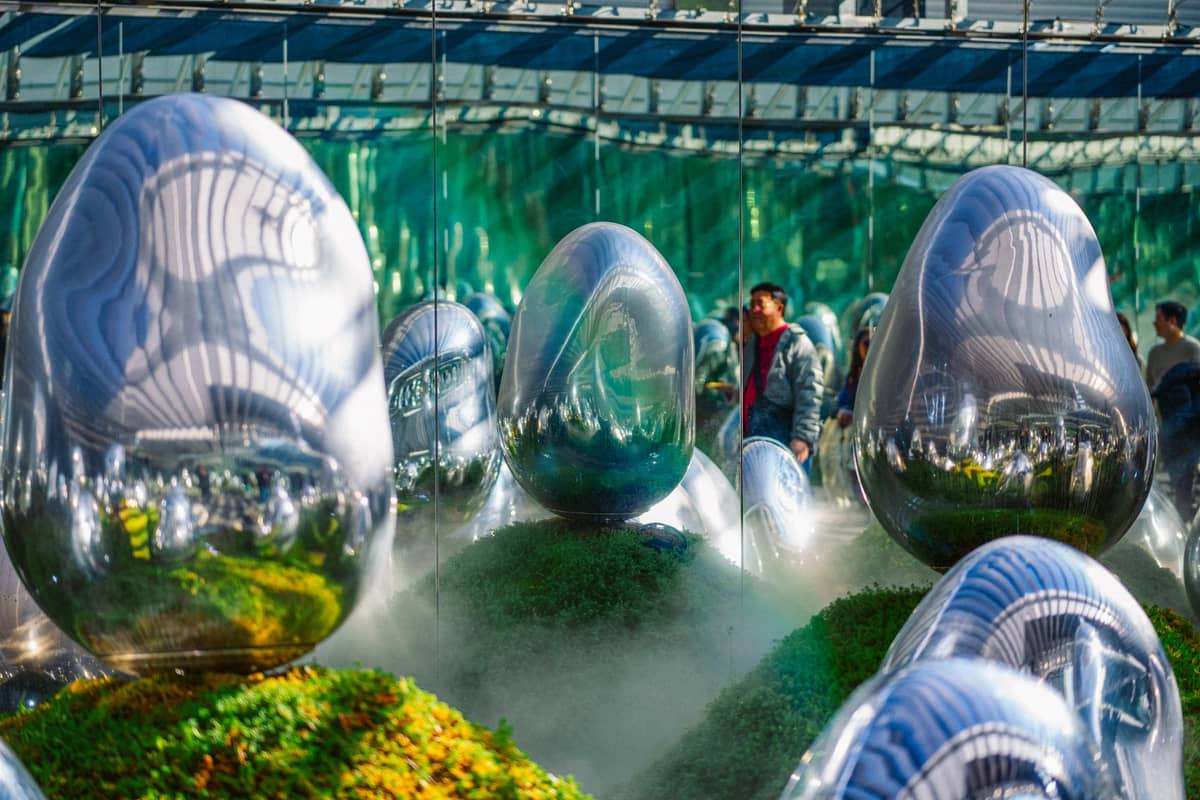
Planets is intentionally compact. The exhibition guides visitors through a small number of large-scale rooms, several of which involve wading through shallow water or moving through dense fields of hanging materials. You go barefoot for most of it. The whole route takes around 60 to 90 minutes depending on how long you linger. Borderless is the opposite: a non-linear labyrinth of more than 50 interconnected artworks spread across a large underground floor. There is no fixed route, artworks shift and change, and you can easily spend two to three hours without seeing everything.
⚠️ What to skip
The original teamLab Borderless in Odaiba closed permanently in 2024. The current Borderless is at Azabudai Hills Garden Plaza B, 1-2-4 Azabudai, Minato-ku. Double-check your booking confirmation — some third-party sites still reference the old Odaiba address.
teamLab Planets: What to Expect
Planets is the more physically demanding of the two. Before entering, visitors remove their shoes and socks and store bags in lockers. The first major room involves walking through a shallow pool of water, roughly ankle-deep, while light patterns move across the surface. Several rooms use dense ceiling-to-floor mirrored surfaces and projection to create disorienting infinity effects. One installation fills the space with floating flowers that react to your movement. Another is a room of plants and water that feels closer to a garden than a gallery.
Because it is body-immersive by design, Planets is not ideal for everyone. Anyone with mobility issues should check accessibility information directly with the venue before booking. Visitors who dislike sensory intensity or confined spaces may find some rooms uncomfortable. For most people, though, the water room alone justifies the visit. It photographs extremely well, which is part of why this venue draws large crowds on weekends.
- Address 6-1-16 Toyosu, Koto-ku, Tokyo
- Nearest station Shin-Toyosu (Yurikamome Line), about 3 minutes on foot
- Typical hours Around 8:30–22:00, last admission approximately 1 hour before closing. Confirm the official calendar before booking.
- Adult ticket price Around ¥3,600. Book via teamlabplanets.dmm.com or authorised resellers.
- Clothing note Wear clothes you don't mind getting wet. Long skirts and dresses are not recommended. Waterproof shorts are available to borrow on-site.
- Visit duration Most visitors spend 60–90 minutes.
💡 Local tip
Arrive at opening time on a weekday morning if crowds bother you. Planets is a relatively small space, and the water rooms in particular feel very different when they are at half capacity versus full. Evening slots after 18:00 on weekdays are also generally quieter than weekend afternoons.
teamLab Borderless: What to Expect
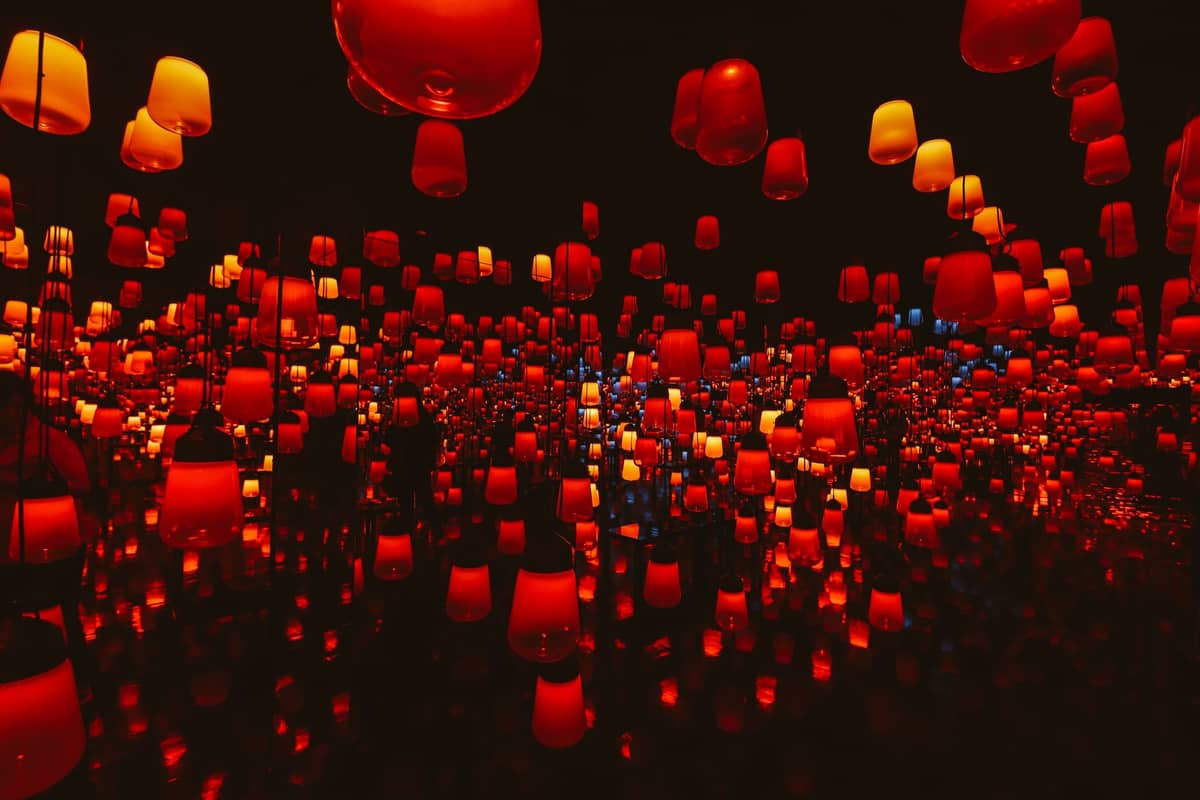
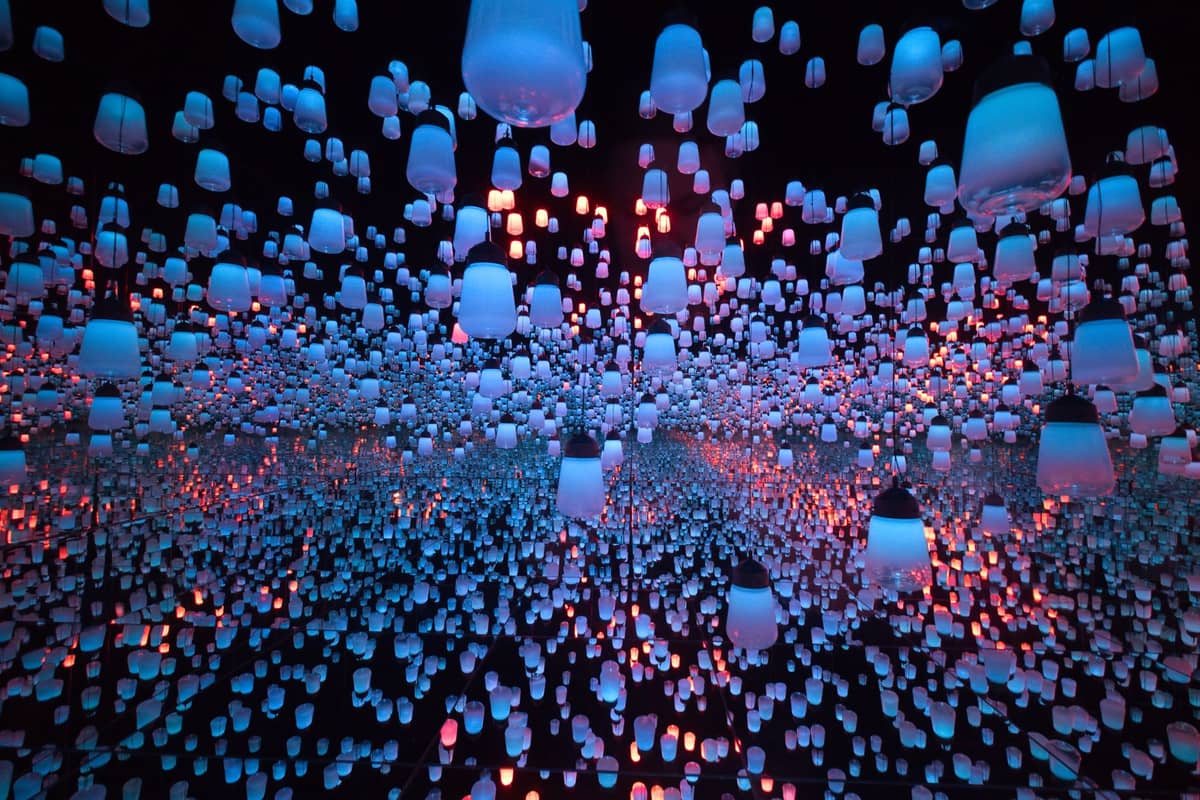
The Azabudai Hills Borderless is a larger and more conceptually ambitious experience than Planets. The core idea is that artworks are not contained in separate rooms — they spill across boundaries, move between spaces, and respond to each other and to visitors. Walking through a corridor, you might find that an installation from one room has drifted into the hallway. teamLab Borderless rewards wandering more than it rewards following a map.
The new Azabudai Hills location is notably more polished than the original Odaiba version, with a better floor plan and stronger integration between artworks. The venue also includes a Forest of Resonating Lamps installation and a dedicated area called the Athletics Forest, which is more physical and interactive. There is a café on-site. Most visitors spend two to three hours, though you could easily fill more time if you return to favourite rooms.
- Address Azabudai Hills Garden Plaza B, B1F, 1-2-4 Azabudai, Minato-ku, Tokyo
- Nearest station Roppongi-Itchome (Nanboku Line) or Kamiyacho (Hibiya Line), both under 10 minutes on foot
- Typical hours Around 10:00–21:00, last entry 20:00. Generally closed on the 1st and 3rd Tuesday of each month, but always confirm the official calendar.
- Adult ticket price Around ¥3,800–¥4,800 (dynamic pricing by date). Student and child rates are lower.
- Visit duration 2–3 hours is typical. The non-linear layout means you can loop back through rooms.
✨ Pro tip
Borderless uses dynamic pricing, meaning tickets on peak dates (Golden Week, Obon, school holidays, weekends in cherry blossom season) cost significantly more than a standard weekday. If your schedule is flexible, booking a Tuesday-to-Thursday slot in late January or late November can save ¥800–¥1,000 per person compared to peak weekend rates.
Tickets, Booking, and the Walk-Up Myth
Both venues use timed-entry tickets. This is non-negotiable. You select a date and entry window when you buy, and the ticket is tied to that slot. Neither venue guarantees entry for walk-up visitors, and on busy weekends, both can be fully booked two to four weeks out. There is no benefit to showing up early and hoping for cancellations.
For Planets, the primary booking channel is teamlabplanets.dmm.com. Authorised resellers including Klook also sell tickets. For Borderless, book directly through the teamLab official site or Klook. Third-party resellers sometimes charge a markup of ¥200–¥500 per ticket, which is worth paying for the convenience of guaranteed English-language support if something goes wrong with your booking.
Pricing at Borderless is dynamic, so the earlier you book, the more likely you are to get a lower rate. Both venues accept major credit cards and many IC transport cards at the door for any add-ons, but the entry ticket itself must be purchased in advance online. If you are visiting Tokyo on a tight itinerary, treat ticket booking as part of your initial planning, not an afterthought. For general trip planning, the 3 days in Tokyo itinerary has a sample schedule that includes one teamLab visit without overloading the day.
Which One Should You Actually Visit?
If you have only one slot, the choice comes down to what kind of experience you want. Planets is shorter, more physically engaging, and delivers a handful of genuinely jaw-dropping moments in a tight package. It is the better choice for people who want an intense, sensory experience without committing a full afternoon. It also works better with children who are comfortable removing shoes and navigating water, though the sensory intensity of some rooms can overwhelm younger kids.
Borderless is the better choice if you want breadth over intensity, if you enjoy wandering without a fixed route, and if you want the full scale of what teamLab can do. It also sits in Azabudai Hills, a genuinely interesting neighbourhood to spend time in before or after — the development itself has quality restaurants and is a short walk from Roppongi, which has strong options for dinner and further exploration.
If budget and time allow, visiting both is worth doing on separate days rather than back-to-back. The emotional bandwidth for immersive digital art is real: most people feel saturated after one visit. If you are already planning to explore Tokyo's waterfront districts, combining Planets with a Toyosu morning makes geographic sense. If you are spending time in Roppongi and Minato-ku, Borderless fits naturally into that day.
- Choose Planets if: you want a visceral, physical experience, have 60–90 minutes, are visiting with older kids, or are on a tighter budget.
- Choose Borderless if: you want to spend a full afternoon in an art environment, enjoy non-linear exploration, or want to combine the visit with Roppongi's other cultural venues.
- Visit both if: you have a week or more in Tokyo and plan strategically — one visit in each neighbourhood on separate days.
Getting There and Practical Logistics
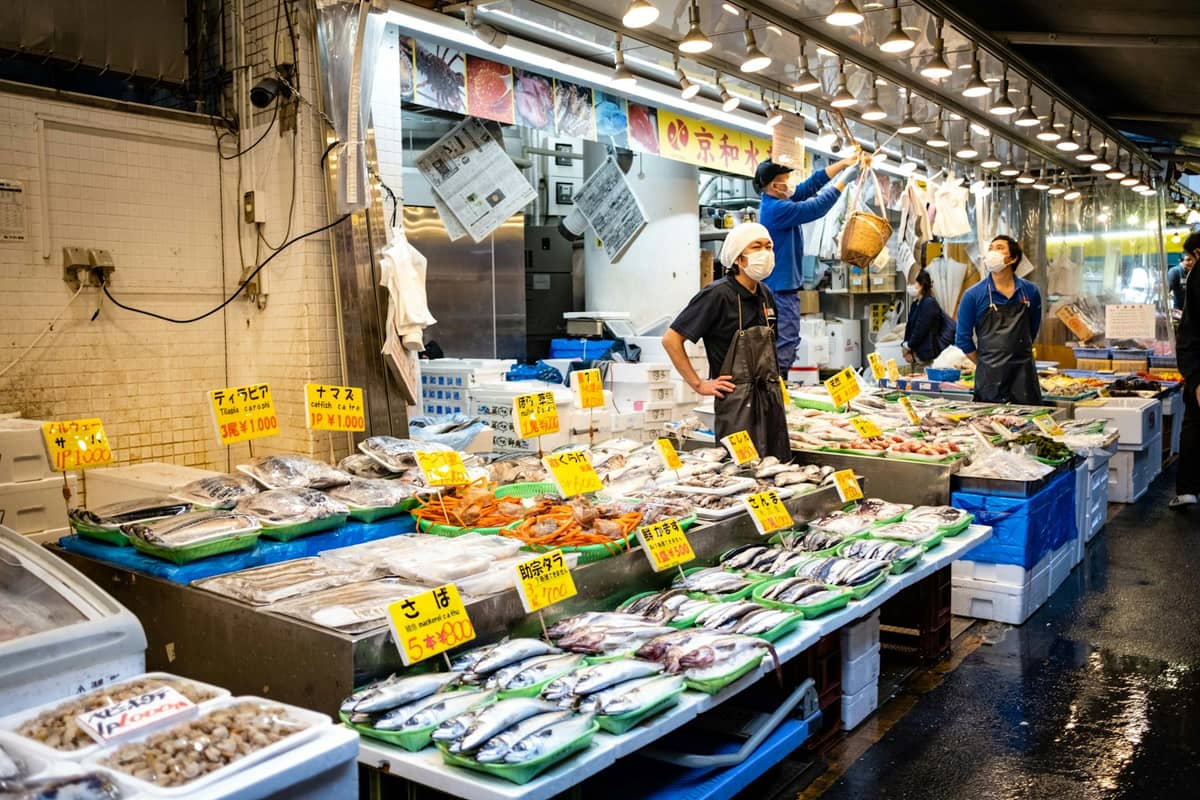
Planets in Toyosu is straightforward to reach via the Yurikamome Line from Shimbashi Station (around 30 minutes) or via Tatsumi Station on the Rinkai Line. Toyosu is also near the Toyosu fish market, so pairing an early market visit with a late-morning Planets slot is a popular approach. Note that the market's tuna auction requires separate advance lottery registration.
Borderless at Azabudai Hills is accessible from several subway lines. Roppongi-Itchome on the Nanboku Line is the closest exit. Kamiyacho on the Hibiya Line is slightly further but works well if you are coming from central Tokyo. Azabudai Hills is a large complex — allow five to ten minutes to navigate from the station exit to the museum entrance. For a broader look at navigating Tokyo's transport network, the guide to getting around Tokyo covers IC card setup, line transfers, and common navigation mistakes.
ℹ️ Good to know
Both venues have lockers for bags and valuables. At Planets, locker use is mandatory for most large bags before entering the water sections. At Borderless, lockers are available but optional. Neither venue allows tripods or selfie sticks. Photography with smartphones is generally permitted throughout both museums.
Tokyo's digital art scene extends well beyond teamLab. If you want to compare experiences, the Mori Art Museum in Roppongi and 21_21 Design Sight in Minato both offer serious design and media art programming, typically at lower price points and with no pre-booking required.
FAQ
Is teamLab Planets or Borderless better for first-time visitors to Tokyo?
Planets is generally better for a first-time visit if you want a high-impact experience in a short time. The water rooms are unlike anything else in Tokyo. Borderless rewards repeat visitors or those with more time, but its scale also makes it impressive for first-timers who want to spend a full afternoon in an art environment.
Do I need to book teamLab tickets in advance?
Yes. Both Planets and Borderless use timed-entry ticketing and can sell out weeks in advance, particularly on weekends, public holidays, and during spring and autumn peak seasons. Walk-up entry is not guaranteed and is generally not possible on busy dates. Book via the official teamLab sites or authorised resellers like Klook.
Is the old teamLab Borderless in Odaiba still open?
No. The original Odaiba Borderless closed permanently in 2024. The current teamLab Borderless TOKYO is located at Azabudai Hills Garden Plaza B, 1-2-4 Azabudai, Minato-ku. Always verify the address on your ticket before travelling.
Can I visit both teamLab Planets and Borderless in one day?
Technically yes, but it is not ideal. The venues are about 8 km apart, and each visit is mentally and physically tiring. Most people find one teamLab experience per day is enough. If you do combine them, visit Planets in the morning (it opens earlier, around 8:30) and Borderless in the late afternoon.
What should I wear to teamLab Planets?
Avoid long skirts, dresses, or wide-leg trousers. Several rooms involve walking through shallow water (roughly ankle-deep), so you will want clothing you don't mind getting wet below the knee. Waterproof shorts are available to borrow on-site. All visitors go barefoot for most of the exhibition, so shoes and socks are stored in lockers at the entrance.