Digital Art in Tokyo: Beyond TeamLab
Tokyo has become one of the world's leading destinations for digital and immersive art, and teamLab is just the beginning. From yokai-themed projection installations to grand European masterworks reimagined in light, this guide covers every major venue, ticket prices, seasonal timing, and practical logistics for experiencing Tokyo's full digital art landscape.
Plan and book this trip
Tools from our partner Travelpayouts help you compare flights and hotels. If you book through them, we may earn a commission at no extra cost to you.
Flights
Hotels map
TL;DR
- Tokyo's digital art scene extends well beyond teamLab, with major new venues opening in 2026 in Ariake and limited‑run shows in Tennozu.
- The Moving Yokai Exhibition (March–June 2026) and RÊVE DES LUMIÈRES (from June 2026) are the two biggest alternatives to teamLab Borderless right now.
- Ticket prices range from around ¥700 for children to ¥3,800+ for adults at teamLab Planets; advance online booking is almost always cheaper than door prices.
- Most immersive art venues are not in the same neighborhood, so plan your routing carefully across Tokyo's transit network.
- For full context on planning your time in the city, see the complete Tokyo things-to-do guide.
Why Tokyo Leads the World in Digital Art
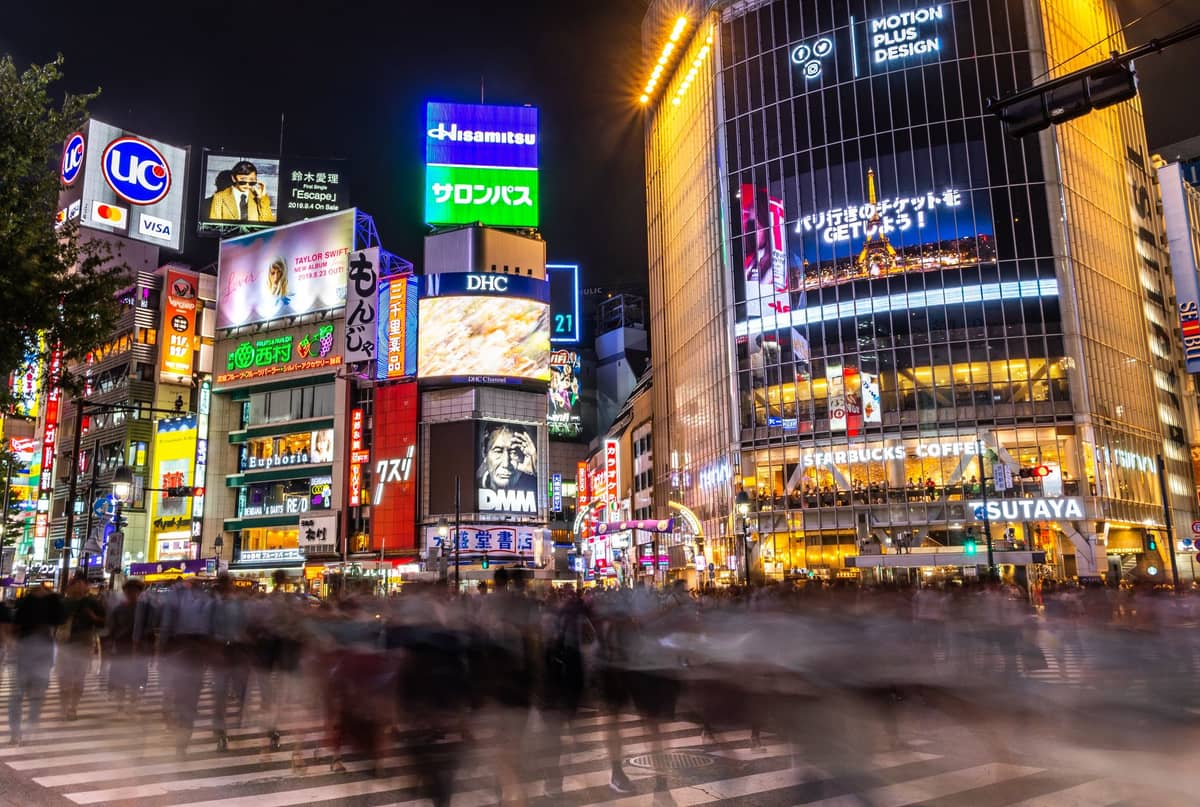
Tokyo's relationship with digital art is not a trend imported from elsewhere. It grew from the city's own cultural roots: a deep tradition of craftsmanship, an obsession with precision technology, and a pop culture ecosystem that has always blurred the line between art and entertainment. The result is a city where purpose-built digital art museums attract millions of visitors annually and new immersive venues open every year.
teamLab, founded in Tokyo in 2001, is the studio most associated with the city's international reputation for digital art. Their two permanent venues, teamLab Planets in Toyosu and the reopened teamLab Borderless in Azabudai Hills, draw the largest crowds. But they are far from the only show in town. The past few years have seen an acceleration of new venues, temporary exhibitions, and international touring shows choosing Tokyo as a flagship destination.
What distinguishes Tokyo's digital art venues from similar experiences in Paris or New York is the integration of Japanese cultural content: classical woodblock print aesthetics translated into light and motion, traditional folklore rendered in projection mapping, and architectural spaces designed with the kind of spatial sensitivity that Japan's interior design culture demands. The technology serves the concept, not the other way around.
The Major Venues to Know in 2026
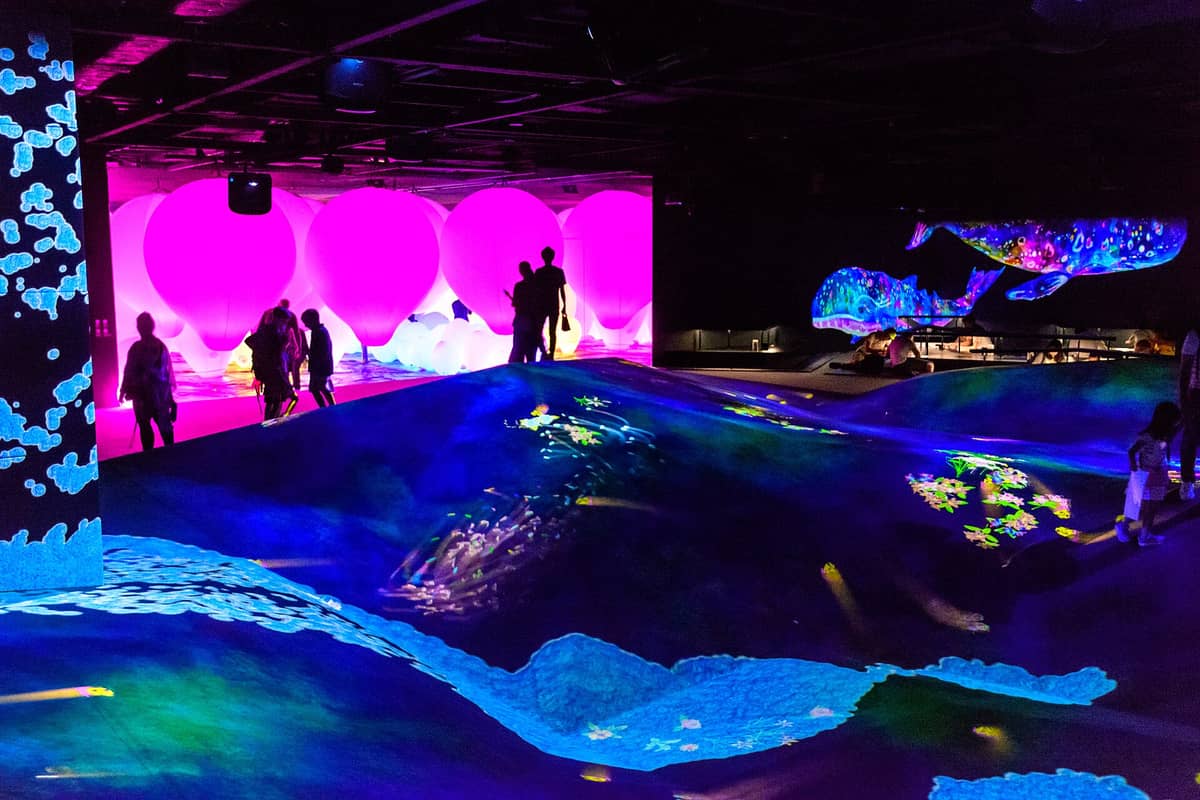
Tokyo's digital art landscape in 2026 is defined by three venues that together cover a wide range of experiences, price points, and aesthetic approaches. Whether you want Japanese folklore, European fine art reimagined in light, or the sensory-immersion of walking barefoot through digital water, there is a venue suited to your interest.
- Moving Yokai Exhibition TOKYO (Tennozu, Shinagawa) Running March 27 to June 28, 2026 at the Terada Soko G1 Building in Tennozu, this limited-run immersive exhibition blends traditional yokai imagery with large-scale projection mapping and sculptural installations. Hours: 9:30–20:00 (last entry 19:30); on the final day, last entry is 16:30. Prices: adults ¥2,400 advance / ¥2,600 same-day; high school and university students ¥1,600 / ¥1,800; children aged 4 to junior high school ¥700 / ¥800; seniors 65+ ¥2,300 / ¥2,500. Visitors in kimono or yukata receive ¥100 off the same-day venue ticket. On-site cash machines only; advance tickets online.
- RÊVE DES LUMIÈRES – Tokyo Dream Park (Ariake, Koto Ward) Opened June 12, 2026 at EX STUDIO 8 on the 8th floor of Tokyo Dream Park (3-1-9 Ariake, Koto Ward), this large-format digital experience immerses visitors in the works of Van Gogh and Gaudí through floor-to-ceiling light projections and spatial audio. Hours: 10:00–19:00 (subject to change). Weekday advance online tickets: adults ¥3,000; university/vocational students ¥2,200; junior high and high school students ¥1,500; elementary school students ¥1,200; children under 5 free. Book via the Tokyo Dream Park official ticketing page.
- teamLab Planets TOKYO DMM.com (Toyosu) The most physically distinctive of the three: visitors remove shoes and walk barefoot through water installations, overgrown flower rooms, and mirror-infinity spaces. Located at 6-1-16 Toyosu, Koto-ku. General hours: 8:30–22:00, last admission one hour before closing (times vary by date). Tickets from around ¥3,800 for adults (18+), with pricing varying by date and booking window. Advance booking online is strongly recommended as timed-entry slots sell out, especially on weekends.
⚠️ What to skip
The Moving Yokai Exhibition closes June 28, 2026. It is a limited-run show with no confirmed extension. If it falls within your travel window, book advance tickets online — same-day venue tickets cost more and can sell out during Golden Week (late April to early May) and school holiday periods.
teamLab: What It Is and What It Is Not
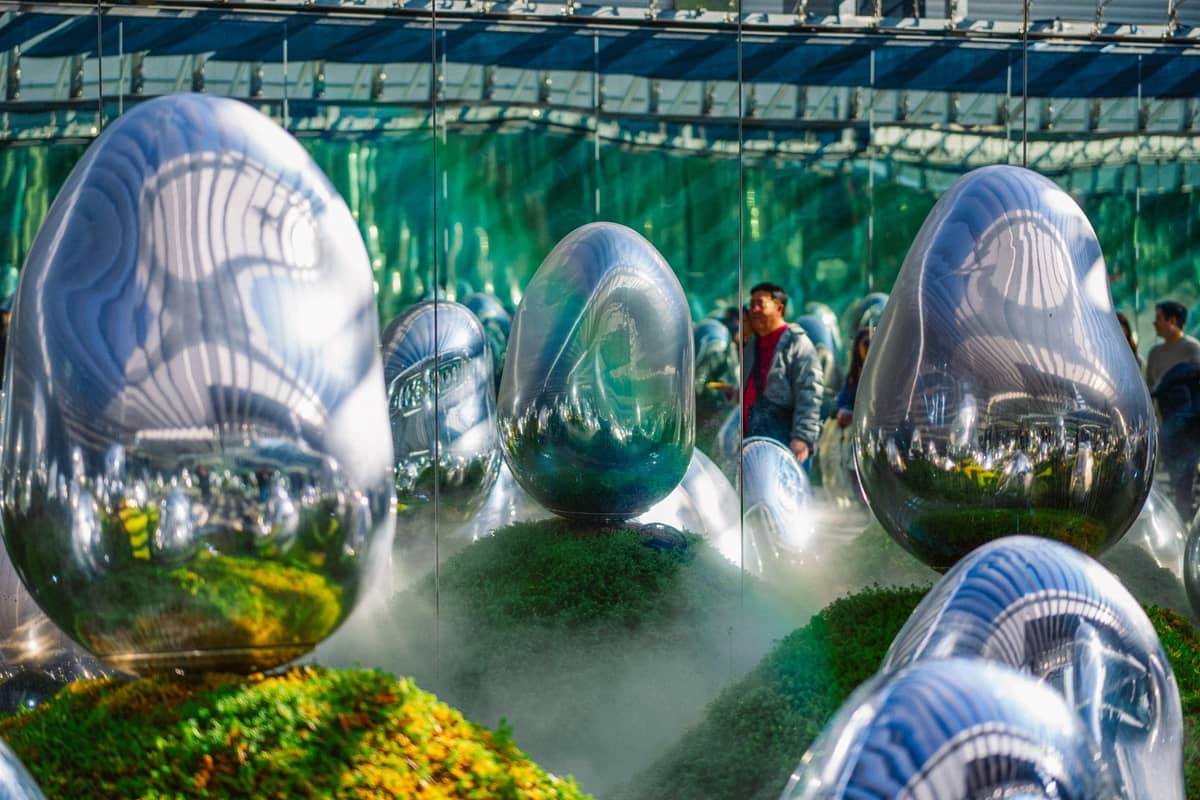
It is worth being precise about teamLab, because confusion between the two main venues leads to real disappointment. teamLab Planets in Toyosu and teamLab Borderless in Azabudai Hills are separate experiences with different installation sets, different spatial configurations, and different ticketing. They are not interchangeable, and seeing one does not mean you have seen the other.
teamLab Planets is the more physical experience. The barefoot walk through water rooms, the overgrown flower corridors, and the body-scaled projection spaces make it genuinely different from standing and watching projections on a wall. For many visitors, especially those traveling with children, it is the more memorable of the two. Our full teamLab guide covers both venues in detail, including which one to prioritize if you only have time for one.
The honest caveat: teamLab Planets, for all its visual sophistication, has become extremely popular with tourists seeking social media content. During peak periods (spring cherry blossom season, summer school holidays, Golden Week), the queues and the density of visitors inside the installations can undercut the immersive quality. If you visit, go on a weekday morning for the first timed-entry slot. The difference in crowd levels between 8:30 and 12:00 on a Saturday is significant.
✨ Pro tip
For teamLab Planets, book the earliest available timed-entry slot on a weekday. The water floor installations in particular feel genuinely meditative with 10 people in the room. They feel chaotic with 50. The experience you get at 9:00 on a Tuesday is meaningfully different from a Saturday afternoon.
Practical Logistics: Getting to Each Venue
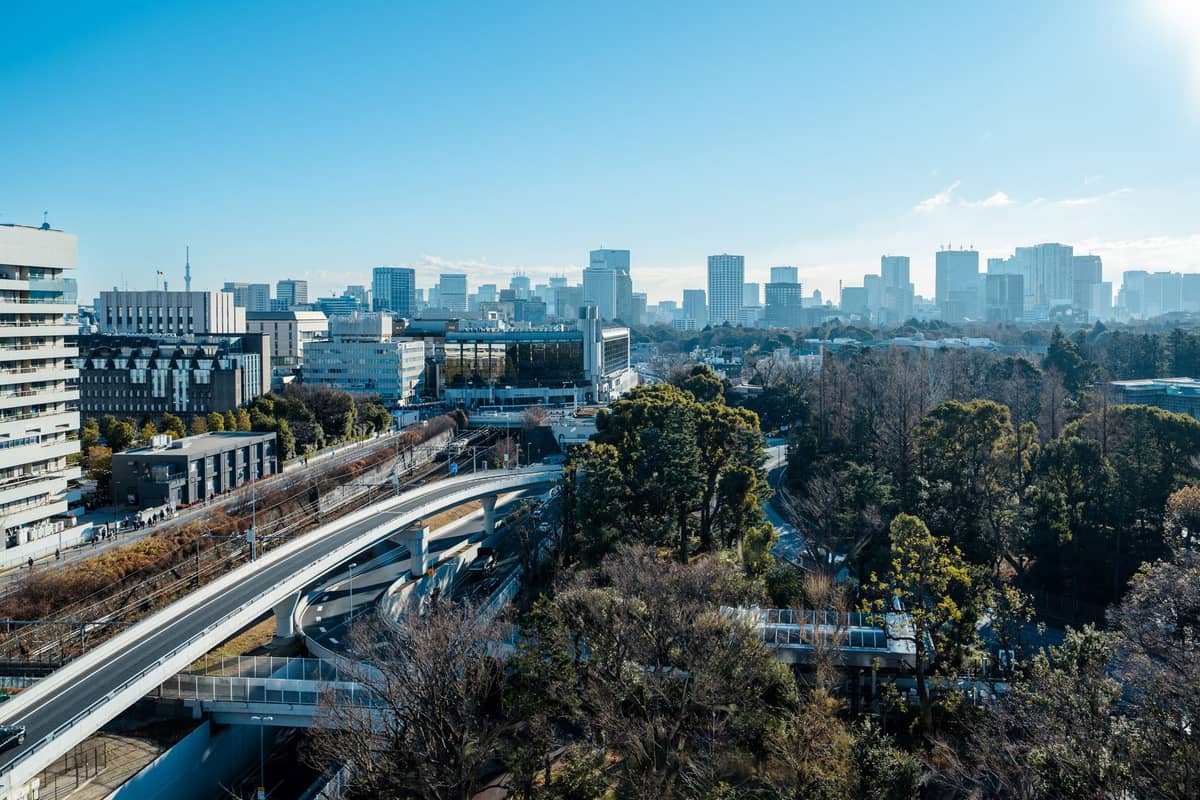
Tokyo's digital art venues are spread across different wards and require deliberate routing. None of them cluster in a single neighborhood you can easily walk between, so this is not an experience you can chain together in an afternoon without planning.
- Moving Yokai Exhibition (Terada Soko G1, Tennozu) Take the Tokyo Monorail to Tennozu Isle Station, or the Rinkai Line to the same station. The Terada Soko warehouse complex is a short walk from either exit. From Shinagawa Station, the Monorail ride takes about 5 minutes. The Tennozu area is also home to several galleries and creative studios, making it worth arriving early to explore.
- RÊVE DES LUMIÈRES (Tokyo Dream Park, Ariake) Take the Rinkai Line to Kokusai-Tenjijo Station (International Exhibition Center), then walk approximately 10 minutes to Tokyo Dream Park in Ariake. The Yurikamome Line to Ariake Station is also an option, about a 5-minute walk from there. Ariake is the same general area as Odaiba, so combining a visit with the waterfront makes sense for day-trippers.
- teamLab Planets (Toyosu) Take the Yurikamome Line to Shin-Toyosu Station; teamLab Planets is a 3-minute walk from the station. Alternatively, the Tokyo Metro Yurakucho Line runs to Toyosu Station, about 10 minutes on foot. Toyosu is also home to the Toyosu Market, so early-risers can combine a fish market visit with a late-morning digital art session.
All three venues sit on or near Tokyo Bay's waterfront districts. In principle, you could visit Toyosu in the morning and then cross to Ariake or Tennozu by afternoon via the Rinkai Line, but factor in 60–90 minutes per venue minimum. For getting around Tokyo efficiently, load a Suica or Pasmo IC card: it works on every train, subway, and monorail line without needing to buy individual tickets each time. See the full guide to getting around Tokyo for complete transit advice.
💡 Local tip
The Rinkai Line connects Tennozu Isle and Kokusai-Tenjijo (for Ariake) on the same line. If you plan to visit both the Moving Yokai Exhibition and RÊVE DES LUMIÈRES on the same day, this makes the logistics simple: board at Tennozu Isle and ride a few stops to Kokusai-Tenjijo. Total transit time is under 10 minutes.
Seasonal Timing: When to Visit
Digital art venues are indoor, climate-controlled spaces, which makes them more weather-independent than most Tokyo attractions. That said, crowds are not weather-independent. Tokyo's peak tourist periods, particularly cherry blossom season in late March to mid-April and Golden Week from late April through early May, bring significantly higher visitor numbers to all major attractions. For more on timing your trip, the best time to visit Tokyo guide breaks down crowds, weather, and events by month.
For the Moving Yokai Exhibition specifically, the spring timing is both an opportunity and a challenge. The exhibition runs through the heart of cherry blossom season and Golden Week. Demand will be high, and advance tickets are the only sensible option. The upside: Tokyo in late March and April is genuinely beautiful, and the Tennozu area combines well with a spring waterfront walk.
RÊVE DES LUMIÈRES opens in June, which coincides with the start of Tokyo's rainy season (tsuyu, typically early June to mid-July). Rain does not affect the indoor venue, and June actually tends to see fewer foreign tourists than spring or autumn, which can mean shorter queues. Summer in Tokyo (July–August) is hot and humid, with highs around 31°C, but the Ariake area is well-served by air-conditioned transit and the Tokyo Dream Park facility itself is indoor.
Ticketing, Pricing, and Common Mistakes
Across all three major venues, advance online booking is cheaper and more reliable than buying at the door. This is not a minor difference: for teamLab Planets, same-day availability during peak periods is often zero. For the Moving Yokai Exhibition, advance adult tickets are ¥200 cheaper than same-day tickets. The only exception is if you qualify for the kimono/yukata discount at the Moving Yokai Exhibition, which applies only to same-day venue purchases.
Price levels across all venues are broadly comparable to international equivalents. An adult paying ¥3,000–¥3,800 for 60–90 minutes of high-production immersive digital art is in line with similar experiences in Paris or London. Student and children's discounts are meaningful: a family of four with two junior-high-school-age children can save ¥2,000–¥3,000 at RÊVE DES LUMIÈRES compared to paying adult prices for everyone.
- Always book advance online tickets: cheaper, guarantees entry, avoids queues at ticket machines.
- Check official venue websites directly for the most current prices; third-party resellers sometimes charge premiums.
- For teamLab Planets, timed-entry slots are mandatory: choose your date and time when booking, not just the date.
- The Moving Yokai Exhibition's on-site ticket machines are cash only; credit card purchases must be made online in advance.
- Opening hours can change without extensive notice, especially for newer venues like RÊVE DES LUMIÈRES. Verify schedules within 48 hours of your planned visit.
- If you wear kimono or yukata to the Moving Yokai Exhibition, you save ¥100 on the same-day ticket — a small discount, but a fun incentive if you were planning to dress up anyway.
Tokyo's immersive art venues fit naturally into a broader cultural itinerary. If you are interested in how contemporary digital work relates to Japan's visual art history, pairing a venue visit with a stop at the Tokyo National Museum in Ueno or the Mori Art Museum in Roppongi adds useful context. The Mori Art Museum in particular regularly shows works that engage with technology and the digital environment alongside more traditional contemporary art.
FAQ
Is digital art in Tokyo worth it if I've already seen similar experiences elsewhere?
It depends on what you've seen. Generic 'Van Gogh projections' shows exist in many cities. What Tokyo does differently is scale, spatial design, and cultural specificity. teamLab Planets in particular is hard to replicate: the barefoot-in-water format and the quality of the physical build are unlike anything in most other cities. The Moving Yokai Exhibition is unique to Tokyo's 2026 programme. If you've already done the European touring light shows, RÊVE DES LUMIÈRES may feel familiar, but the Japanese venues have a distinct character.
Can I visit multiple digital art venues in one day?
Technically yes, but it is tiring and the experiences lose impact when compressed. The Tennozu and Ariake venues (Moving Yokai and RÊVE DES LUMIÈRES) are on the same train line and could be combined in one day with good timing. Adding teamLab Planets in Toyosu makes a third stop that is logistically feasible but experientially exhausting. A better approach: dedicate a full morning or afternoon to one venue and pair it with something low-key nearby.
Do I need to book tickets in advance for Tokyo's digital art venues?
For teamLab Planets, advance booking with a specific timed-entry slot is essential, especially on weekends and during school holidays. For the Moving Yokai Exhibition and RÊVE DES LUMIÈRES, advance booking is strongly recommended for cost savings and to avoid same-day sellouts during busy periods. Same-day tickets may be available at less popular times, but availability is not guaranteed.
Are Tokyo's digital art museums suitable for children?
Most are well-suited for children, with age-based pricing reflecting this. teamLab Planets has a barefoot water-walking element that many children find exciting. The Moving Yokai Exhibition features Japanese folklore characters that may be unfamiliar to young international visitors but are visually engaging regardless. RÊVE DES LUMIÈRES, with its European art references, skews toward an older audience but children under 5 enter free. Check age or height restrictions for specific installations before visiting.
What should I wear to digital art venues in Tokyo?
For teamLab Planets, you must be able to roll up trousers or skirts above the knee for the water areas; shorts or lightweight trousers work well. The venue provides lockers for shoes and bags. For the Moving Yokai Exhibition, visitors in kimono or yukata receive a small same-day ticket discount, making traditional dress a fun optional choice. For RÊVE DES LUMIÈRES, there are no dress requirements, but dark clothing helps you blend into the projection environments and reduces distraction in photos.