Best Things to Do in Tokyo: The Definitive 2026 Guide
Tokyo is one of the most rewarding cities on earth, but its sheer scale can be overwhelming. This guide cuts through the noise with practical, specific advice on the top things to do in Tokyo — from iconic landmarks and seasonal festivals to quieter experiences most visitors miss entirely.
Plan and book this trip
Tools from our partner Travelpayouts help you compare flights and hotels. If you book through them, we may earn a commission at no extra cost to you.
Flights
Hotels map
TL;DR
- Tokyo has 14.27 million residents across roughly 2,200 km² — plan by neighborhood to avoid spending your trip on trains.
- Spring (late March to mid-May) and autumn (late October to mid-November) offer the best weather — see when to visit Tokyo for a month-by-month breakdown.
- Book Tokyo Skytree tickets online in advance — same-day walk-ups add a ¥500 service fee per ticket and often sell out on weekends.
- The Tokyo Subway Ticket covers Tokyo Metro and Toei lines only — it does not cover JR trains, including the Yamanote Line.
- For first-timers overwhelmed by choices, our first-time visitor guide to Tokyo provides a focused starting point.
How to Approach Tokyo: Think in Neighborhoods, Not Cities
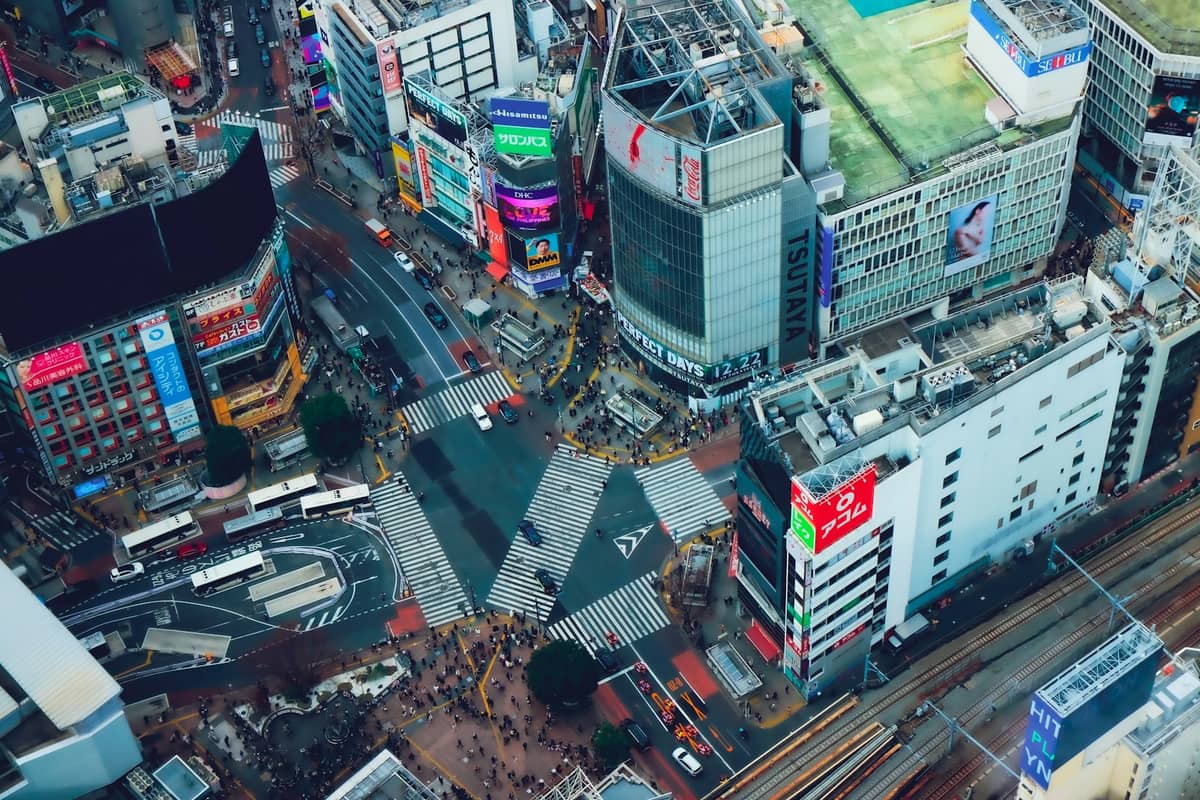
Tokyo is not a single city in the way that Paris or London are. It is a metropolitan prefecture of 23 special wards and dozens of additional municipalities, covering roughly 2,200 km². Trying to see it without a geographic strategy leads to exhaustion. The best things to do in Tokyo become far more accessible once you treat each major district as its own day trip. Understanding Tokyo's neighborhoods is arguably the single most useful thing a first-timer can do before arriving.
The practical backbone of the city is its rail network. Tokyo Metro and Toei Subway cover the central wards densely, while JR East's Yamanote Line loops around major hubs like Shinjuku, Shibuya, Akihabara, and Ueno. Private railways extend further into the suburbs. A tourist-oriented Tokyo Subway Ticket (24h around ¥1,000, 72h around ¥2,000 depending on current pricing — verify before purchase) covers unlimited Metro and Toei rides, but remember: it does not cover JR lines or private railways. Load an IC card like Suica or Pasmo for everything else.
💡 Local tip
Group your itinerary by train line, not by interest category. Visiting Senso-ji (Asakusa) and Tokyo Skytree (Oshiage) on the same day makes sense geographically. Pairing Shibuya with Harajuku and Omotesando is another natural combination. Crossing the city multiple times in a single day is the fastest way to waste time and money.
Iconic Tokyo Landmarks Worth the Hype
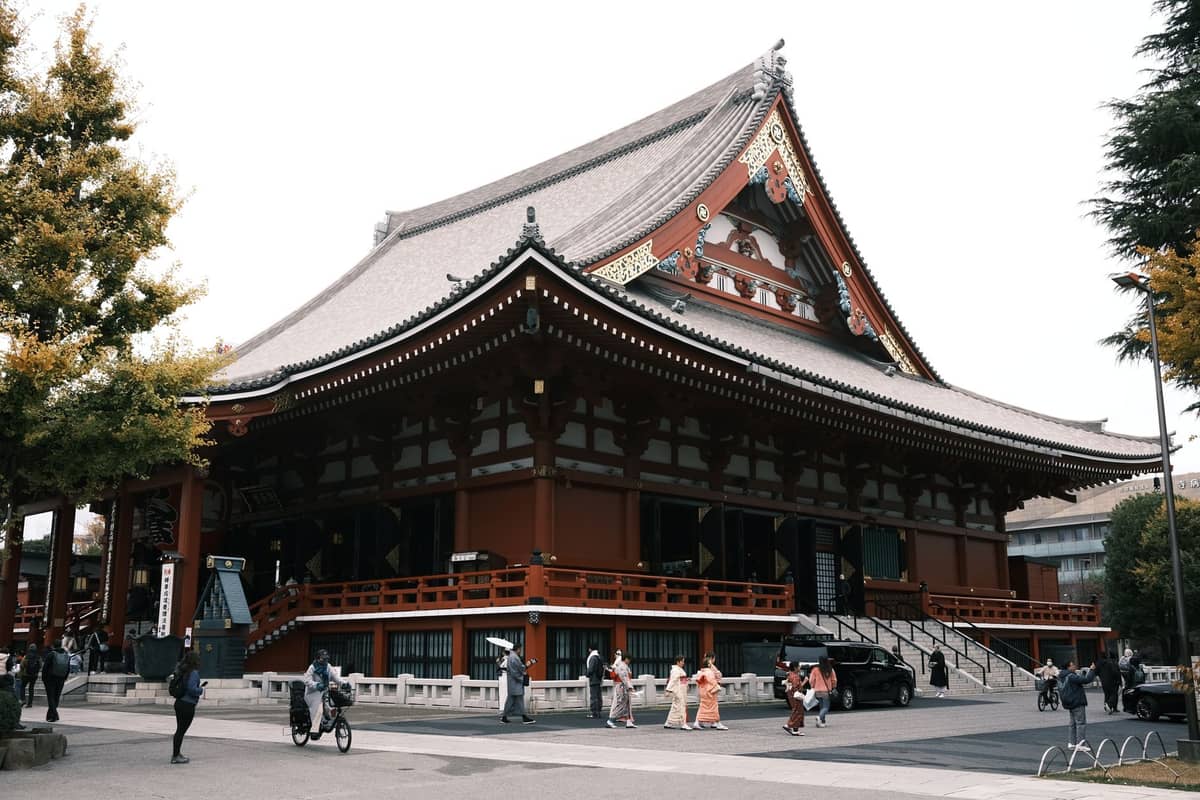
Some of Tokyo's most-visited attractions genuinely earn their reputation. Senso-ji Temple in Asakusa is the city's oldest Buddhist temple, dating to the 7th century. The approach via Nakamise-dori is crowded by 10am on weekends — arrive before 8am for a quieter, more atmospheric experience. The surrounding Asakusa district rewards slow exploration beyond the main temple grounds, particularly the streets west of the Kaminarimon gate.
Tokyo Skytree stands at 634 metres and offers the city's highest observation deck at 450 m (Tembo Galleria). The Tembo Deck at 350 m starts from ¥1,800 for adults (15+); a combo ticket including the Galleria starts from ¥3,000. Same-day tickets at the 4F counter carry a ¥500 surcharge per person and often sell out by midday on weekends and holidays. Book online in advance. Clear days in winter and early spring give the best visibility, sometimes extending to Mount Fuji.
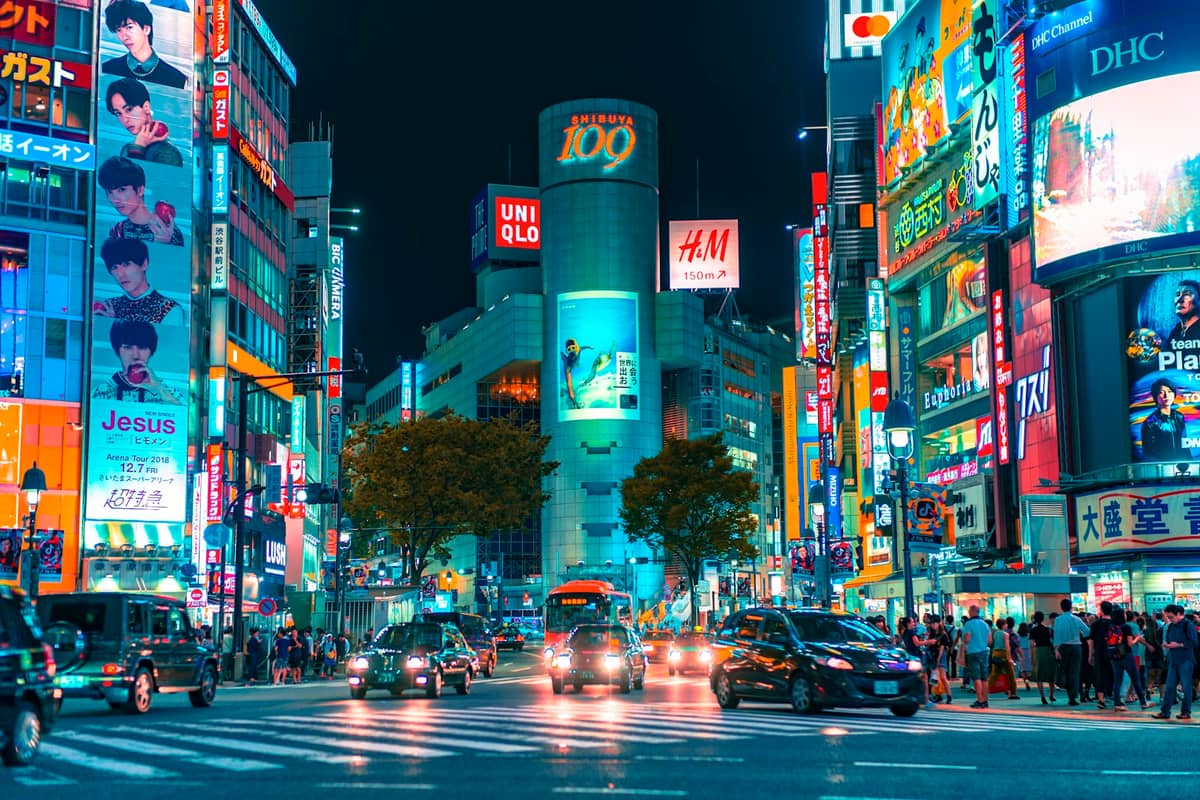
At street level, few experiences in Tokyo match Shibuya Crossing at rush hour. Around 5–7pm on weekdays, several thousand pedestrians cross simultaneously from all directions — watching from the second-floor Starbucks window or from Shibuya Sky observation deck above Shibuya Station gives a different perspective. The crossing itself is free and open 24 hours; the spectacle peaks on Friday evenings.
- Senso-ji Temple (Asakusa) Free to enter the grounds. Arrive before 8am on weekends. The 5-storey pagoda and main hall are open daily.
- Tokyo Skytree (Oshiage) Tembo Deck from ¥1,800 adults. Book online to avoid the ¥500 walk-up surcharge. Best visibility in clear winter weather.
- Meiji Jingu Shrine (Harajuku) Free entry to the forested shrine grounds. The inner garden charges a small fee (around ¥500). Quietest on weekday mornings.
- Shibuya Crossing Free. Peak spectacle at rush hour (5–7pm weekdays). View from above at Shibuya Sky (¥2,200 adults, advance booking recommended).
- Imperial Palace East Gardens (Chiyoda) Free entry; closed Mondays and Fridays (plus 28 Dec–3 Jan). One of the few parts of the Imperial Palace grounds open to the public without prior reservation.
Culture, Art, and Museums Worth Your Time
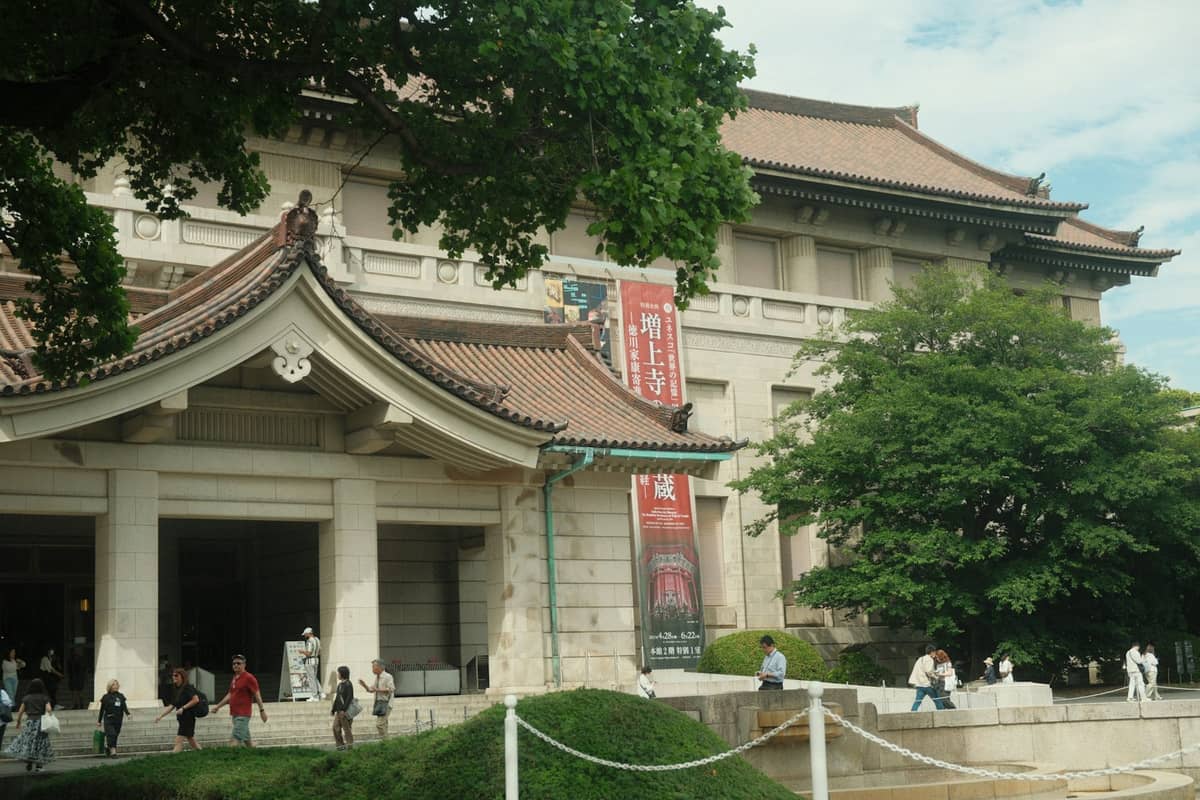
Tokyo has an extraordinary concentration of museums, and knowing which ones justify the ticket price matters. Tokyo National Museum in Ueno holds the world's largest collection of Japanese art and archaeology — allow at least three hours. The Honkan (Japanese Gallery) alone contains hundreds of National Treasures. Entry is ¥1,000 for adults, with special exhibitions costing extra. The Ueno area clusters several major institutions within walking distance, making it efficient for culture-focused itineraries.
For contemporary art, Mori Art Museum in Roppongi Hills combines rotating exhibitions with city views from the 53rd floor. teamLab's immersive digital art installations at teamLab Planets in Toyosu draw enormous crowds — timed entry tickets sell out days or weeks in advance, particularly on weekends and during school holidays. These are not overrated, but they are not for everyone: the experiences are physical and sensory, and some visitors find the queues disproportionate to the payoff. Book early or not at all.
✨ Pro tip
The Tokyo Metropolitan Government Building in Shinjuku offers free observation decks on both the north and south towers, with at least one tower open most evenings until around 10:30pm (hours and closing days vary by tower; check the latest schedule). For a 202-metre city view with no ticket cost, it is one of the best free things to do in Tokyo — particularly impressive at night when you can see the Shinjuku skyline up close.
Seasonal Events and Festivals
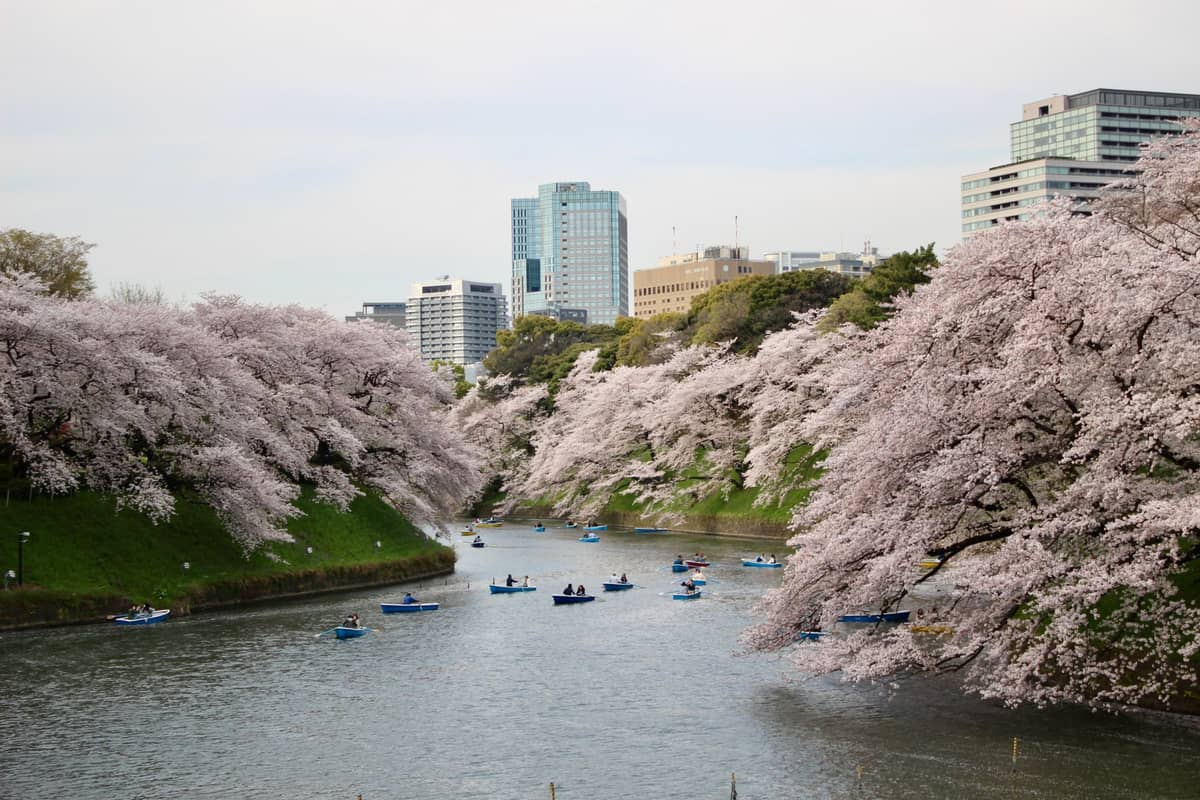
Tokyo's calendar is anchored by seasonal events that draw millions of visitors and require advance planning. Cherry blossom season (sakura) typically runs from late March to mid-April, with peak bloom in central Tokyo usually falling in the first two weeks of April, though this varies by year. Parks like Shinjuku Gyoen, Ueno Park, and the Meguro River are the most photogenic spots, but also the most crowded. Go early on weekday mornings if possible, and check the Japan Meteorological Corporation's official blossom forecast, which is updated daily during spring.
In summer, the Tokyo summer festival season culminates in the Sumida River Fireworks Festival, one of the city's oldest and most atmospheric. In 2026, the 49th edition is scheduled for Saturday, July 25, running approximately 19:00–20:30. The riverside banks near Asakusa offer free viewing, though crowds arrive hours in advance. Paid sponsor seats (roughly ¥7,000–¥20,000 depending on type) provide more comfort and guaranteed sightlines but sell out quickly through official channels. Critically: there is no rain date. If the weather is severe, the event is cancelled without a postponement.
Autumn foliage (koyo) typically peaks in Tokyo from mid-November to early December, depending on the year. Rikugien Garden and Shinjuku Gyoen are among the best spots, with some parks offering special evening illuminations during peak foliage. For a full seasonal breakdown, the Tokyo in autumn guide covers timing, locations, and what to realistically expect.
Food, Markets, and Eating Like a Local
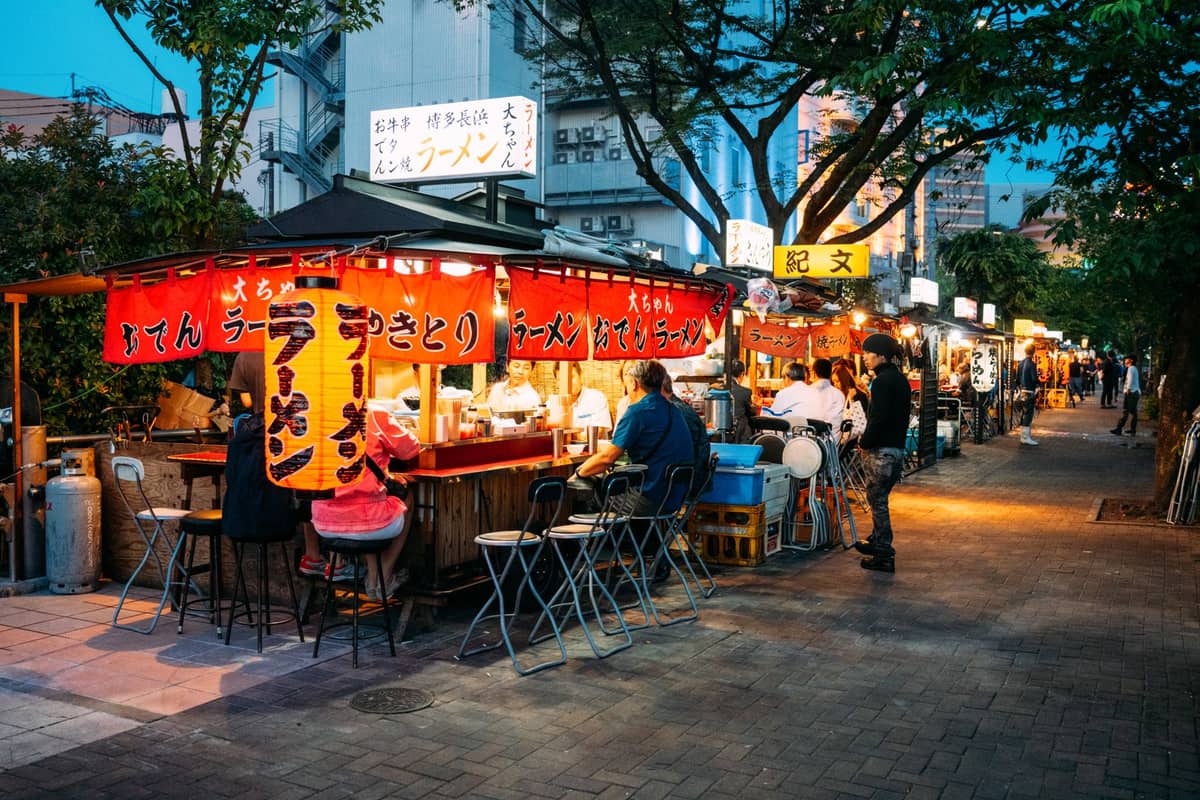
Eating is one of the great pleasures of any Tokyo itinerary, and the city rewards specificity. For ramen, different neighborhoods have different styles: Shinjuku tends toward rich, hearty broths; Shimokitazawa leans toward smaller, inventive shops. The Tokyo ramen guide breaks this down by style and location. For sushi, the range goes from standing sushi bars around ¥100–¥200 per piece to multi-course omakase at ¥30,000 or more per person. Quality at the affordable end is genuinely high in Tokyo; you do not need to spend a fortune.
The Tsukiji Outer Market remains the most accessible food market experience in the city. The inner wholesale market moved to Toyosu in 2018, but the outer market's vendors, tamagoyaki stalls, and seafood snacks are still very much active. It is busiest between 9am and noon. For a deeper dive into Tokyo's market culture, including the Toyosu tuna auction lottery system, the Tokyo fish market guide has the specifics.
⚠️ What to skip
Avoid eating while walking in Tokyo — it is considered poor etiquette in most contexts outside of festival stalls. Convenience stores (konbini) like 7-Eleven, FamilyMart, and Lawson are genuinely excellent for quick, affordable meals. A full meal from a konbini costs ¥500–¥900 and the quality is several tiers above comparable Western equivalents. Do not overlook them.
Practical Planning: Timing, Transport, and What to Skip
Tokyo is a year-round destination, but timing matters for specific experiences. Spring and autumn are climatically ideal, with temperatures ranging from around 13–23°C in spring and 15–22°C in mid-autumn. Summer (July–August) is hot and humid, with average highs around 29–31°C, high rainfall, and extremely dense crowds at outdoor events and major viewpoints. The rainy season (tsuyu) typically runs from early June to mid-July. Winter (December–February) is the driest season and often the clearest for views, with highs around 9–10°C — cold but manageable with layers.
For most visitors, three to five days covers Tokyo's highlights without rushing. A week allows deeper exploration of neighborhoods like Yanaka, Shimokitazawa, or Koenji that rarely appear in standard itineraries. If you are extending into the rest of Japan, Tokyo makes a natural base for day trips: Kamakura (about 1 hour by train), Nikko (around 2 hours), and Hakone (around 1.5 hours from Shinjuku) are all accessible without an overnight stay.
- Skip the robot restaurants in Shinjuku — they are expensive (¥8,000–¥15,000+), performative, and aimed entirely at tourists without providing meaningful cultural insight.
- The Shibuya 109 building is worth seeing from outside, but the interior shopping floors are primarily fast fashion aimed at Japanese teenagers — not the unique Tokyo shopping experience most visitors are looking for.
- Many visitors overestimate how much Odaiba rewards a full day. Its highlights (teamLab, the waterfront views) can be done in a half-day; the rest is largely a suburban mall.
- Don't pay for multiple observation decks on the same trip — pick one or two based on time of day and weather. Skytree for daytime, Tokyo Tower or Shibuya Sky for sunset or evening, and the free Tokyo Metropolitan Government Building for a no-cost option.
FAQ
What are the best things to do in Tokyo for first-timers?
Start with the geographic anchors: Senso-ji in Asakusa, Shibuya Crossing, Shinjuku (for its scale and energy), and Harajuku/Meiji Shrine on the same day. Add one focused experience — a museum, a food market, or a day trip — per remaining day. Tokyo rewards depth over breadth; spending three hours in one neighborhood beats sprinting through five.
How many days do you need in Tokyo?
Three days covers the highlights at a rushed pace. Five days is more comfortable and allows a day trip or two. A week lets you get genuinely beneath the surface into neighborhoods and experiences most tourists miss. Beyond a week, you are likely better off combining Tokyo with another Japanese city like Kyoto or Osaka.
What is the best time of year to visit Tokyo?
Late March to mid-May (spring, including cherry blossom season) and late October to mid-November (autumn foliage) are consistently the most pleasant. Spring is more crowded. Winter is dry and clear, good for views, and significantly less busy outside of the New Year period. Summer is hot, humid, and peak-crowded — visit for summer festivals specifically, not for general comfort.
Is Tokyo expensive for tourists?
It depends heavily on your choices. Accommodation is the biggest variable — budget hostels run ¥3,000–¥5,000 per night, mid-range hotels ¥12,000–¥25,000, and premium options go much higher. Food can be very affordable: a filling ramen bowl is ¥900–¥1,400, convenience store meals ¥500–¥900, and standing sushi bars are excellent value. Major attractions like Skytree and teamLab cost ¥2,000–¥3,000 per person. With sensible choices, a comfortable daily budget of ¥8,000–¥12,000 excluding accommodation is realistic.
Do I need to speak Japanese to get around Tokyo?
No. Major train stations, tourist attractions, and most hotels have English signage and staff. Google Maps works reliably for navigation. That said, learning a few phrases (sumimasen for excuse me, arigatou gozaimasu for thank you) goes a long way socially. Outside of central Tokyo, English becomes less common — but even then, pointing and phone translation apps fill most gaps.