Tokyo Summer Festivals & Fireworks: The Definitive Guide
Tokyo's summer festival season runs from late June through mid-August, packed with massive fireworks displays, Bon Odori dancing, and lantern festivals. This guide covers the major events, ticket options, crowd logistics, and practical advice for making the most of hanabi season without the rookie mistakes.
Plan and book this trip
Tools from our partner Travelpayouts help you compare flights and hotels. If you book through them, we may earn a commission at no extra cost to you.
Flights
Hotels map
TL;DR
- The main fireworks season runs late July through early August, with each display a single-evening event, not a recurring summer show.
- The Sumida River Fireworks (late July) is Tokyo's most iconic display, around 20,000 shells, but also the most crowded. Arrive 2+ hours early.
- Free riverside viewing exists at most events, but prime spots sell out fast. Paid reserved seating starts around ¥8,250 via platforms like e+ or Tokyo's official event portals.
- Not all summer festivals involve fireworks. Mitama Matsuri and Tsukiji Bon Odori are lantern and dance events with no major fireworks display.
- Summer heat in Tokyo is serious: temperatures regularly hit 31°C with high humidity. Plan for hydration, shade, and crowd delays.
Understanding Tokyo's Summer Festival Season
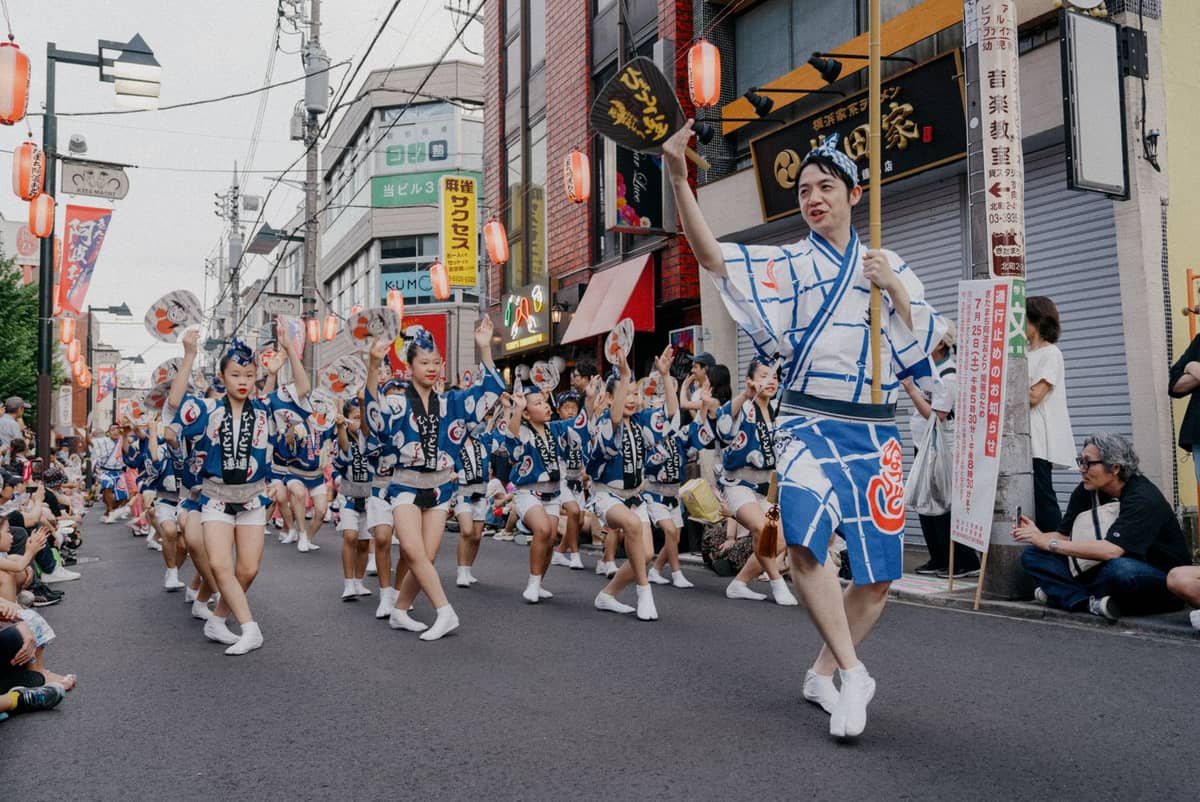
Tokyo summer festivals fall broadly into two categories: hanabi taikai (fireworks competitions) and matsuri (traditional festivals involving processions, dancing, and religious observances). They overlap in the calendar but are very different experiences. If you're chasing fireworks, knowing which events actually launch shells matters. For context on planning your wider Tokyo trip around the season, the best time to visit Tokyo guide breaks down seasonal trade-offs in detail.
The core fireworks season concentrates in late July and the first two weeks of August, aligned with the Obon period when families traditionally honor ancestors. This timing means the city is simultaneously hosting religious observances and massive public spectacles. The heat during this period is not trivial: August highs regularly reach 31°C with humidity that makes it feel considerably worse. Events typically run 19:00 to 20:30, which helps, but the surrounding riverside areas absorb and radiate heat even after sunset.
⚠️ What to skip
Fireworks events can be cancelled outright due to thunderstorms, not rescheduled. Check same-day announcements from ward offices or official organizer social media before heading out. The Edogawa Fireworks in particular has been cancelled in previous years due to weather with no postponement.
The Major Fireworks Festivals: What to Expect
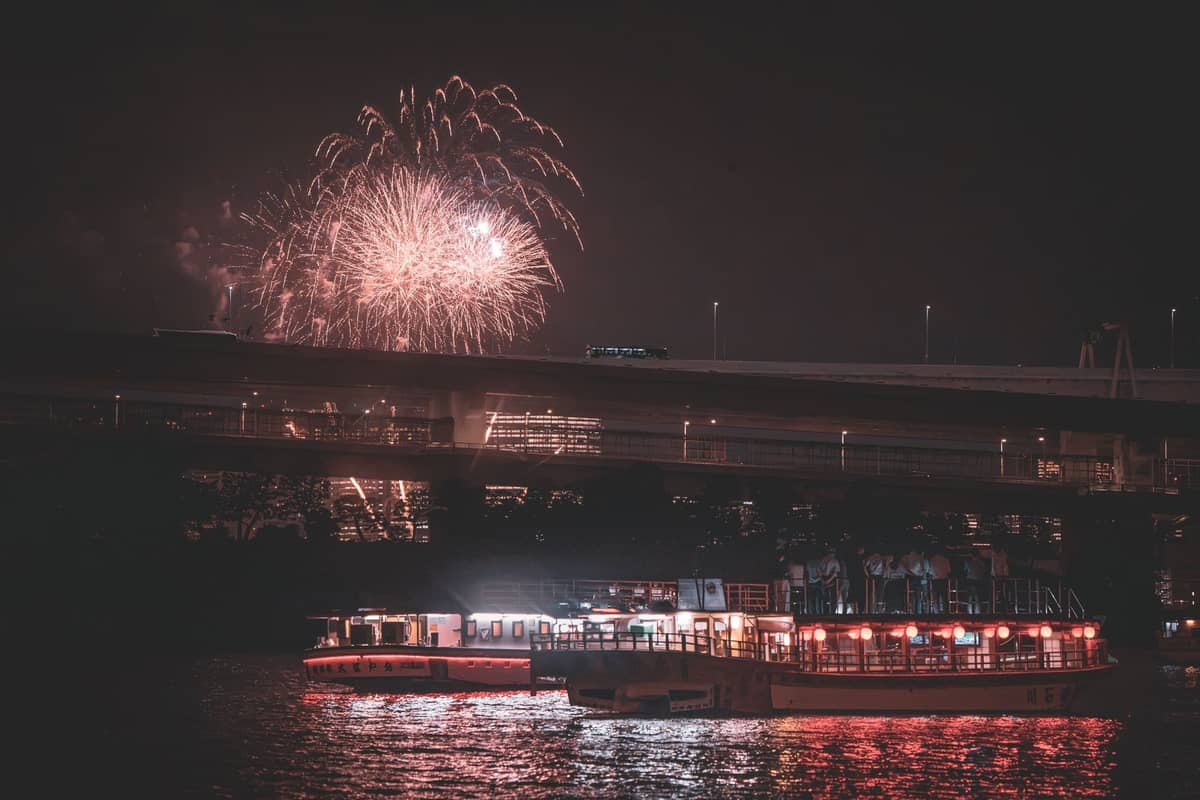
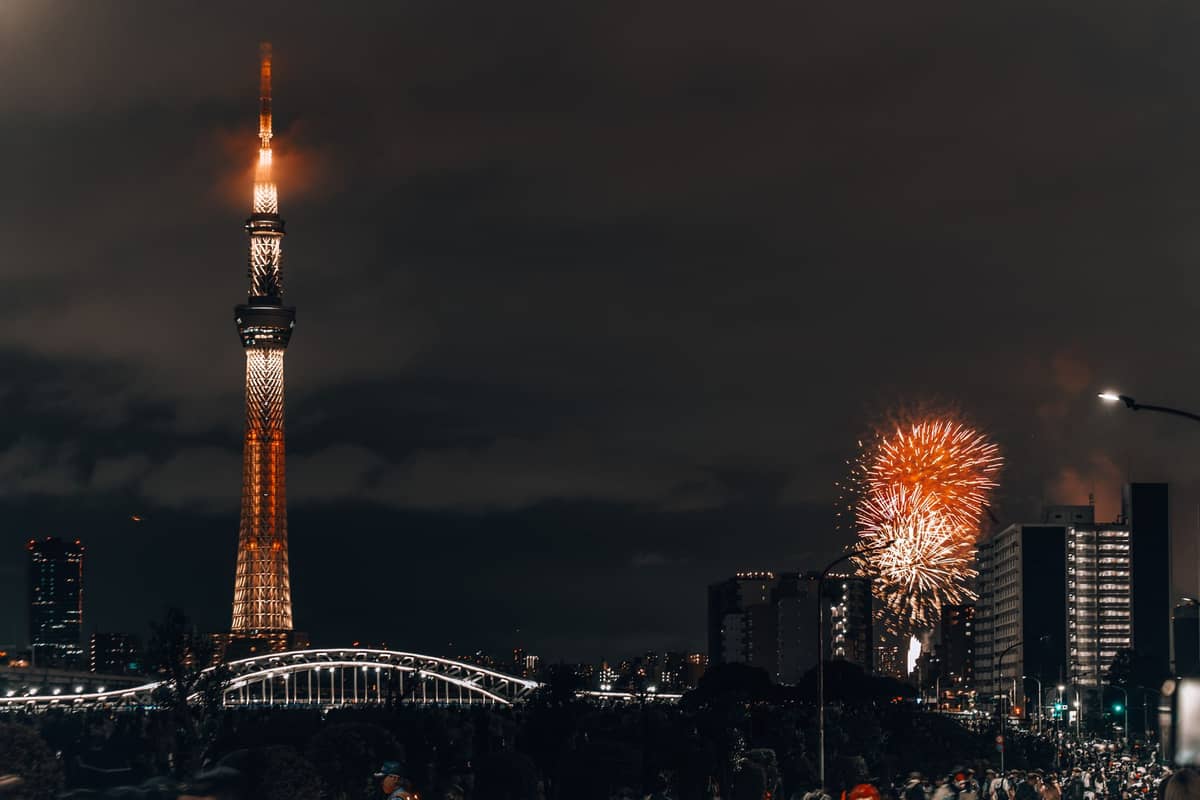
The Sumida River Fireworks Festival (Sumidagawa Hanabi Taikai) is Tokyo's oldest and most famous display, typically held on the last Saturday of July, running 19:00 to 20:30 along the river between Asakusa and Mukojima in Taito and Sumida wards. Around 20,000 shells are launched from two sites simultaneously, drawing crowds estimated in the hundreds of thousands. Roads close for hours before and after, and JR and subway lines serving the area see severe crowding. If you want a decent free view, arrive by 17:00 and accept that you'll be sitting on a tarp on a footpath with limited sightlines.
The Edogawa Fireworks Festival takes place in early August, typically August 1, running 19:15 to 20:20 on the Edogawa River near Shinozaki Park at the Tokyo-Chiba border. Around 13,000 to 14,000 shells are fired in themed segments, making it one of the more theatrically structured displays. The location is less central, which means slightly thinner crowds than Sumida, but getting there still requires planning: the nearest stations fill quickly after the event ends.
The Jingu Gaien Fireworks Festival (Meiji Jingu Gaien Hanabi) is a more polished affair. Held in early August around August 8, it runs 19:30 to 20:30 near Jingu Stadium. Around 10,000 shells are set to music, giving it a concert atmosphere rather than a pure spectacle. Paid stadium seating is available, and surrounding streets offer free viewing. A rain date (often the following day) is sometimes announced in advance, which reduces cancellation anxiety.
The Adachi Fireworks (Adachi no Hanabi) is worth noting for a different reason: it operates almost entirely on a paid-ticket model. Reserved seating is sold through CN Playguide and convenience store terminals (Lawson, FamilyMart). The event draws a more organized crowd than the free-for-all of Sumida, and the sightlines for ticket holders are genuinely excellent. If you want comfort over authenticity, this is the one to book.
- Sumida River Fireworks Late July, 19:00–20:30. ~20,000 shells, two launch sites. Free riverside viewing but intense crowds. Arrive by 17:00 minimum.
- Edogawa Fireworks Festival Early August, ~August 1, 19:15–20:20. ~13,000–14,000 shells near Shinozaki Park. Themed segments, slightly less crowded than Sumida. No postponement policy if cancelled.
- Jingu Gaien Fireworks Early August, ~August 8, 19:30–20:30. ~10,000 shells set to music near Jingu Stadium. Paid seating available, rain date typically announced.
- Adachi Fireworks (Adachi no Hanabi) Late July or early August. Primarily paid reserved seating via convenience store ticket terminals. Best comfort-to-experience ratio of the major displays.
ℹ️ Good to know
All major fireworks festivals confirm their exact annual dates no earlier than a few months in advance. Never book non-refundable accommodation or travel based on assumed dates. Check the Tokyo Metropolitan Government's official tourism portal (Go Tokyo) and individual ward websites each spring for confirmed schedules.
Summer Matsuri: Festivals That Aren't About Fireworks
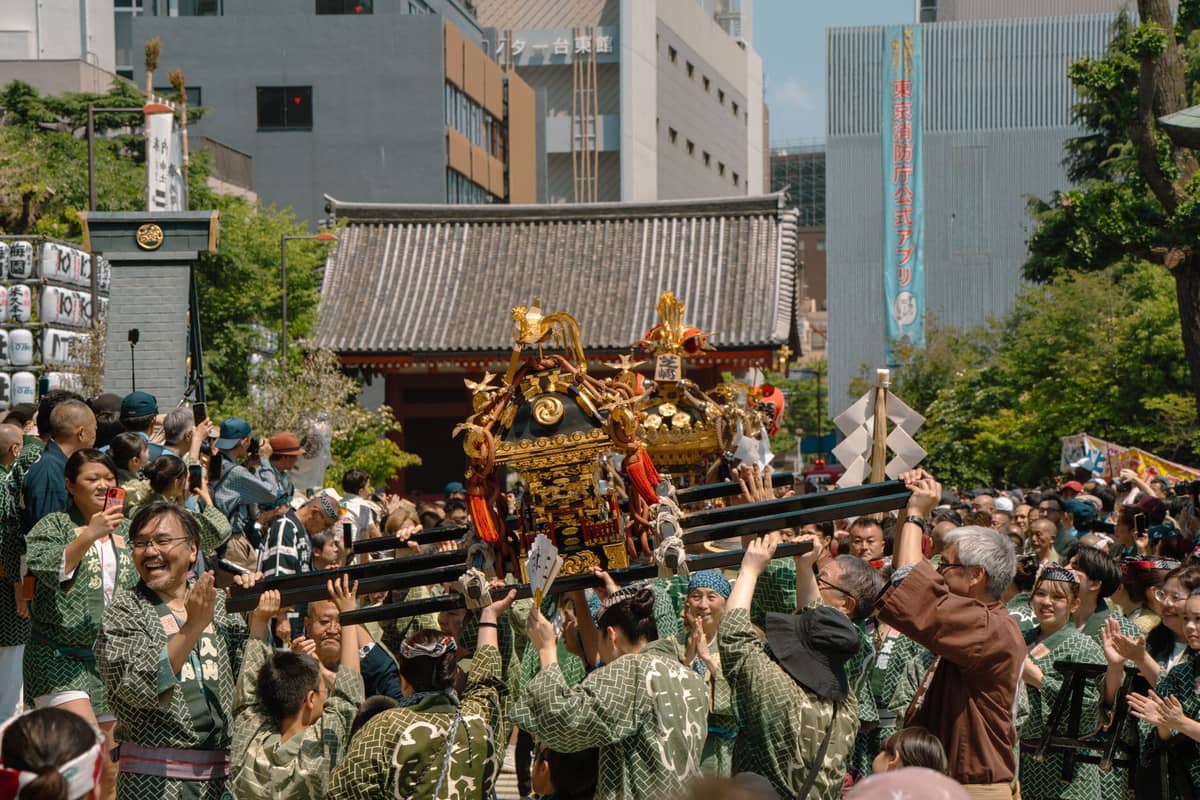
The Mitama Matsuri at Yasukuni Shrine in Kudanshita runs four days in mid-July, typically July 13 to 16, from 18:00 to 21:30. Thousands of paper lanterns illuminate the shrine precincts, and traditional performances including Bon Odori dancing and mikoshi processions fill the evenings. There are no fireworks. The atmosphere is genuinely striking, particularly as the lanterns come on at dusk, and the crowds, while substantial, are more manageable than at riverside fireworks events. The shrine's political associations are well-documented; for some visitors this is context worth knowing before attending. The nearest station is Kudanshita on the Tozai and Hanzomon lines. For more on Tokyo's shrine culture, the best temples and shrines in Tokyo guide provides useful background.
The Tsukiji Hongwanji Bon Odori runs for several evenings in late July to early August, typically July 31 to August 3, at the Tsukiji Hongwanji temple in Ginza-Tsukiji. Bon Odori is community circle dancing tied to the Buddhist practice of welcoming ancestral spirits during Obon. The Tsukiji version is unusually accessible for visitors: recorded instructions and visual cues make it easy to join in even without knowing the steps. Food stalls operate throughout. Again, no large-scale fireworks. Think of it as a neighborhood block party with a spiritual underpinning.
💡 Local tip
Bon Odori events happen across Tokyo's neighborhoods throughout July and August. Local shopping street associations (shotengai) and community centers often run smaller, less crowded versions in areas like Koenji, Nakameguro, and Kichijoji. These are free, low-key, and worth stumbling into.
Tickets, Viewing Spots, and Getting a Good View
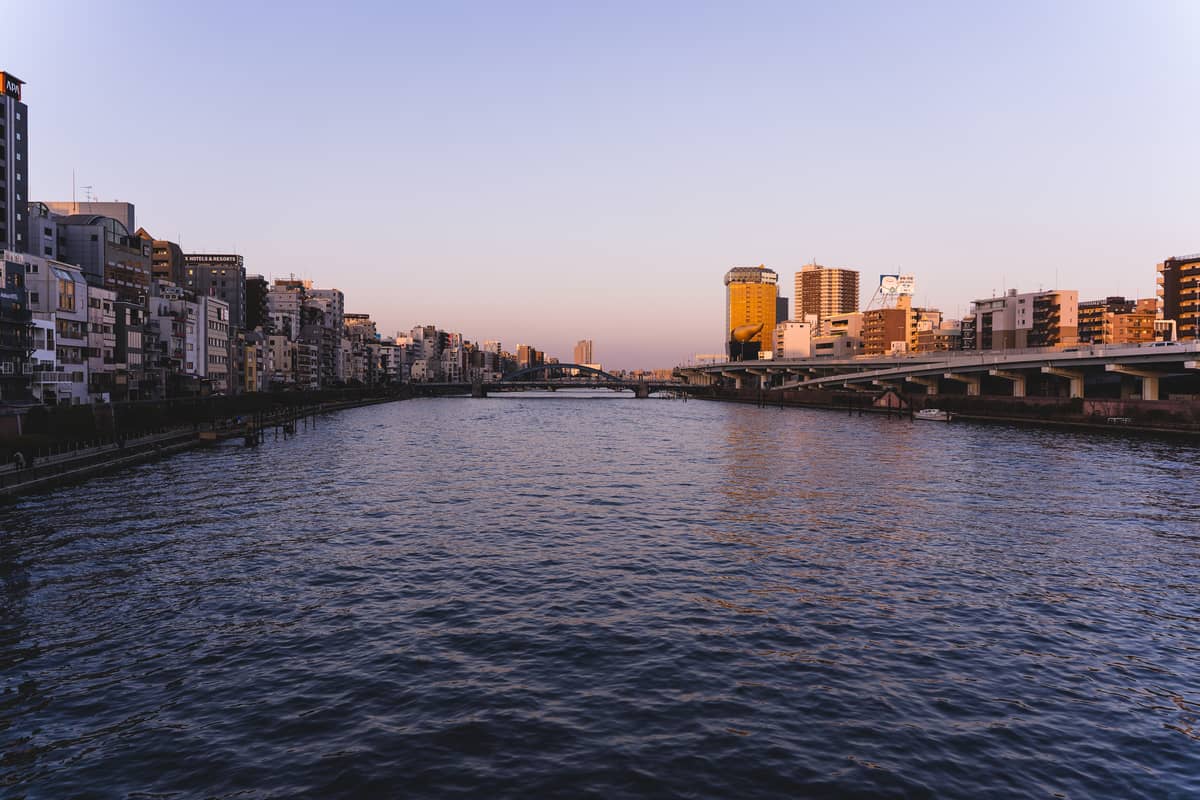
Free viewing is available at all the major fireworks events, but 'free' understates the logistics. Riverside areas fill with spectators sitting on tarps from late afternoon. The best free positions along the Sumida are between Komagata Bridge and Kototoi Bridge, but these require arriving 3 to 4 hours before the display. Viewing spaces on the opposite (Sumida ward) bank often have better sightlines and slightly thinner crowds than the Asakusa side.
Paid reserved seating at events like Adachi and Jingu Gaien typically starts around ¥5,000 to ¥6,000 per person for basic categories, with premium positions higher. Tickets go on sale several months in advance through Japanese ticketing platforms including e+ (eplus.jp) and ticket board (t.pia.jp), plus convenience store terminals at Lawson and FamilyMart. The process is straightforward if you have a Japanese phone number or use a ticket proxy service; without one, reserved seats are difficult to secure.
For a less conventional option, some riverside hotels and bars near Asakusa and Sumida offer fireworks-view packages from upper floors or rooftop terraces. These aren't cheap, typically running ¥15,000 to ¥30,000 or more per person including food and drink, but the combination of air conditioning, seating, and unobstructed views over the river makes them attractive. Book these in February or March for late-July events.
- Arrive at least 2–3 hours early for free riverside positions at Sumida. For Edogawa, 90 minutes is usually sufficient.
- Paid reserved seats book out within hours of going on sale. Set alerts and purchase as soon as dates are confirmed.
- Tokyo Skytree's observation deck sometimes offers fireworks views depending on the display location, but sightlines can be partially blocked by the tower structure itself.
- Rooftop bars and restaurant packages near the river cost significantly more but provide comfort, air conditioning, and guaranteed sightlines.
- Avoid watching from train platforms or moving trains: JR and Tokyo Metro have restrictions during events and transit delays are significant.
Surviving the Heat: Practical Logistics for Summer Festivals
August in Tokyo is genuinely uncomfortable. Average highs of 31°C combined with humidity that keeps lows above 23°C means that even evening events at 19:00 feel oppressive. Heatstroke at crowded outdoor events is a documented risk, not an exaggeration. Bring a 1-liter water bottle minimum, a hand towel or small towel for sweat management, a folding fan (sold everywhere for ¥200 to ¥500), and sunscreen even for evening events if you're arriving in afternoon heat.
Yukata (cotton summer kimono) are widely worn to fireworks events and festivals. Rental shops near Asakusa offer day packages starting around ¥3,000 to ¥6,000 including dressing assistance. While wearing one is optional, it does enhance the atmosphere and is entirely appropriate for visitors. Comfortable footwear matters: you'll walk and stand on hard surfaces for several hours. Check the Tokyo seasonal guide format for how other seasons compare on the comfort scale.
Transport after major fireworks events is slow regardless of how you plan. Stations near Sumida River (Asakusa, Honjo-Azumabashi, Oshiage) implement one-directional crowd flow and temporary capacity restrictions immediately after events. Expect 30 to 60 minutes of queuing just to enter a station. Walking 2 to 3 stations away before boarding is often faster. Alternatively, wait out the initial rush at a nearby restaurant or convenience store for 45 minutes post-event.
✨ Pro tip
IC cards (Suica or Pasmo) are essential at summer events. Avoid buying single-trip tickets at festival venues: ticket machines queue for 20+ minutes after events end. Load sufficient credit before you go and keep your card accessible, not buried in a bag.
Planning Your Summer Festival Visit: The Honest Assessment
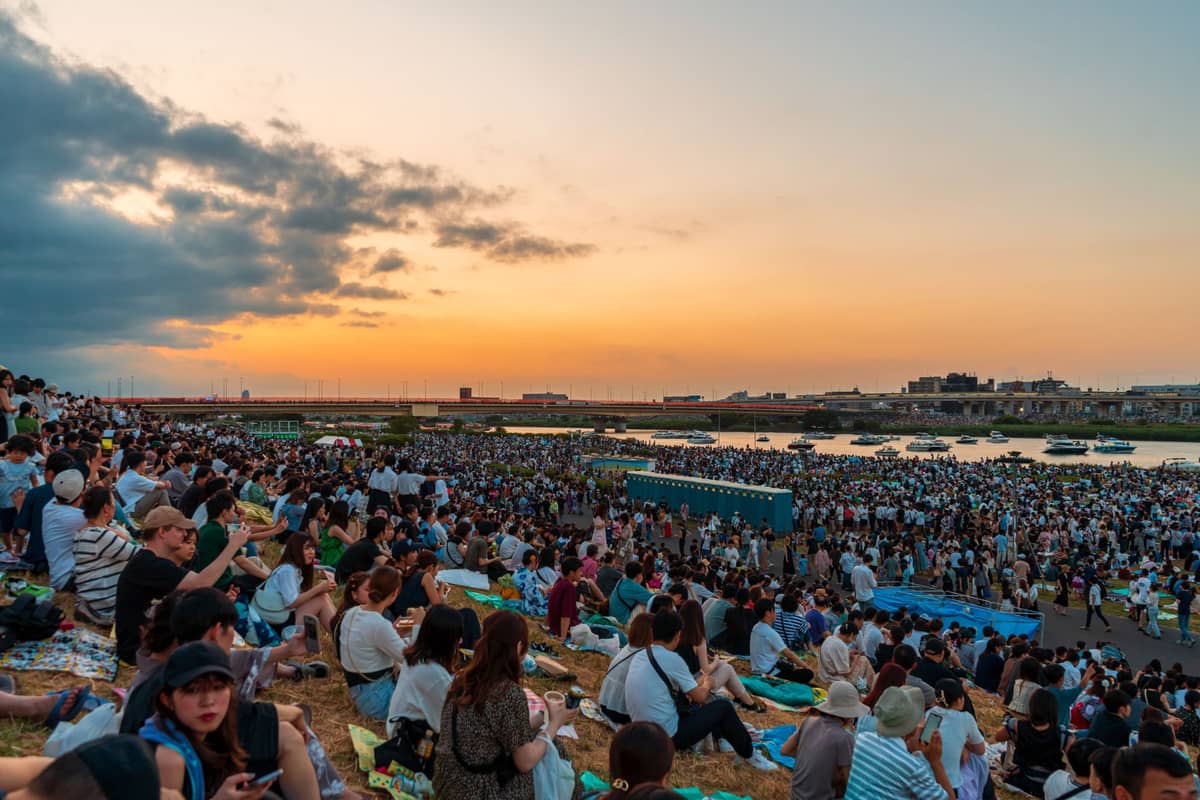
Tokyo's summer festivals are genuinely spectacular, but they reward preparation and punish improvisation. The Sumida River Fireworks is the event most visitors target, and rightly so: 20,000 shells over the river with the Tokyo Skytree as a backdrop is hard to beat. But the crowd management, heat, and transport logistics are real obstacles. For first-time visitors to Tokyo, the Jingu Gaien event often delivers a better experience per unit of effort, with more manageable crowds and the option of paid seating.
If festivals are a priority, the summer season has real trade-offs versus spring or autumn. The rainy season (tsuyu) in the Tokyo area runs roughly June 7 to July 19, meaning early summer events operate under significant weather uncertainty. Late July through early August is reliably dry but oppressively hot. Anyone sensitive to heat, or traveling with young children or elderly family members, should plan accordingly. The Tokyo with kids guide has specific advice on managing summer conditions with families.
For those visiting Tokyo in summer but not specifically for fireworks, the broader calendar still has appeal: Sumida Park and the river district are worth visiting for atmosphere even outside event nights, and smaller neighborhood matsuri happen almost every weekend throughout July and August. Combine these with indoor cultural options during the hottest afternoon hours, using Tokyo's excellent subway network to stay cool. The getting around Tokyo guide covers all transport options in detail.
FAQ
When are Tokyo's major fireworks festivals in 2025?
Exact dates are confirmed by organizers each spring. Historically, the Sumida River Fireworks falls on the last Saturday of July, the Edogawa Fireworks around August 1, and the Jingu Gaien Fireworks around August 8. Always verify the current year's dates on ward office websites or the Go Tokyo official tourism portal before booking travel.
Is it free to watch fireworks in Tokyo?
General riverside viewing at most major events is free, but prime spots require arriving 2 to 4 hours early. Paid reserved seating at events like Adachi Fireworks and Jingu Gaien typically starts around ¥5,000 to ¥6,000 per person. Some hotels and bars near event sites offer fireworks-view packages at significantly higher prices.
What should I wear to a Tokyo summer festival?
Light, breathable clothing is essential given the heat. Yukata (cotton summer kimono) are culturally appropriate and widely worn; rentals are available near Asakusa from around ¥3,000 to ¥6,000. Comfortable flat shoes matter as you'll stand and walk for hours. Bring a towel, fan, water bottle, and sunscreen regardless of the time of day.
What happens if it rains during a Tokyo fireworks festival?
Light rain usually doesn't stop events, but thunderstorms or high winds can cause outright cancellation. Unlike some festivals, major Tokyo fireworks events are often cancelled rather than postponed. The Edogawa Fireworks in particular has no postponement policy. Check same-day announcements from the organizing ward office or their official social media accounts.
Are Tokyo summer festivals worth attending if I hate crowds?
The major fireworks events draw hundreds of thousands of people and involve significant transport delays. If crowds are a serious concern, the Jingu Gaien event with paid reserved seating offers the best crowd management. Alternatively, smaller neighborhood Bon Odori events in areas like Koenji or Nakameguro provide genuine festival atmosphere with a fraction of the congestion.