Tokyo with Kids: The Definitive Family Travel Guide
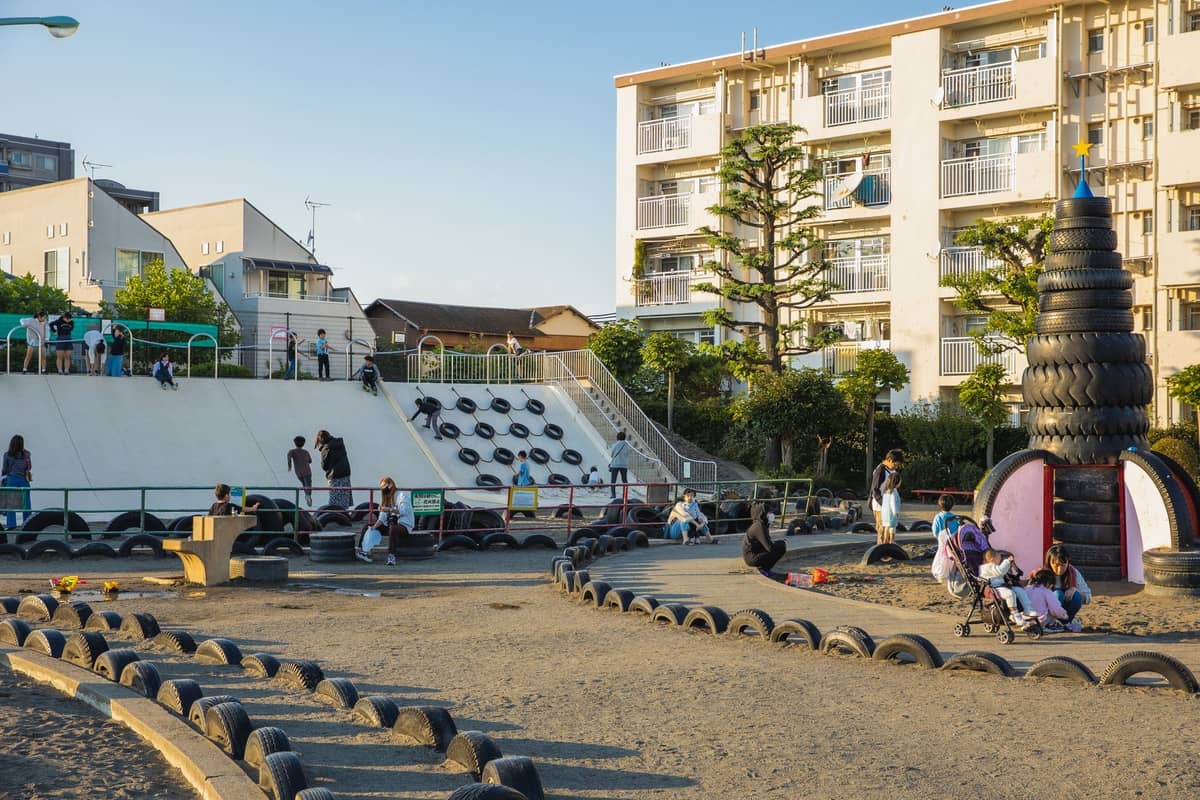
Tokyo is one of the world's most rewarding cities to explore with children. From immersive digital art to classic theme parks, this guide covers the best family activities, practical logistics, seasonal timing, and money-saving tips to make your trip run smoothly.
Plan and book this trip
Tools from our partner Travelpayouts help you compare flights and hotels. If you book through them, we may earn a commission at no extra cost to you.
Flights
Hotels map
TL;DR
- Tokyo is genuinely family-friendly: public transport is safe and stroller-accessible, attractions cater to all ages, and the city is very low crime.
- Book Tokyo Disney Resort and teamLab Planets tickets online in advance. Both use date-based pricing and can sell out weeks ahead, especially during Golden Week and summer holidays.
- Spring (mid-April to mid-May) and autumn (late October to mid-November) offer the most comfortable weather for families exploring outdoors.
- Children under 3 ride Tokyo Metro for free, and elementary-school-age children pay roughly half the adult fare, making day passes worthwhile for multi-stop days.
- Beyond the big ticket parks, Tokyo has world-class free options: Ueno Park, the Ghibli Museum, and countless department store food halls that kids love.
Why Tokyo Works So Well for Families
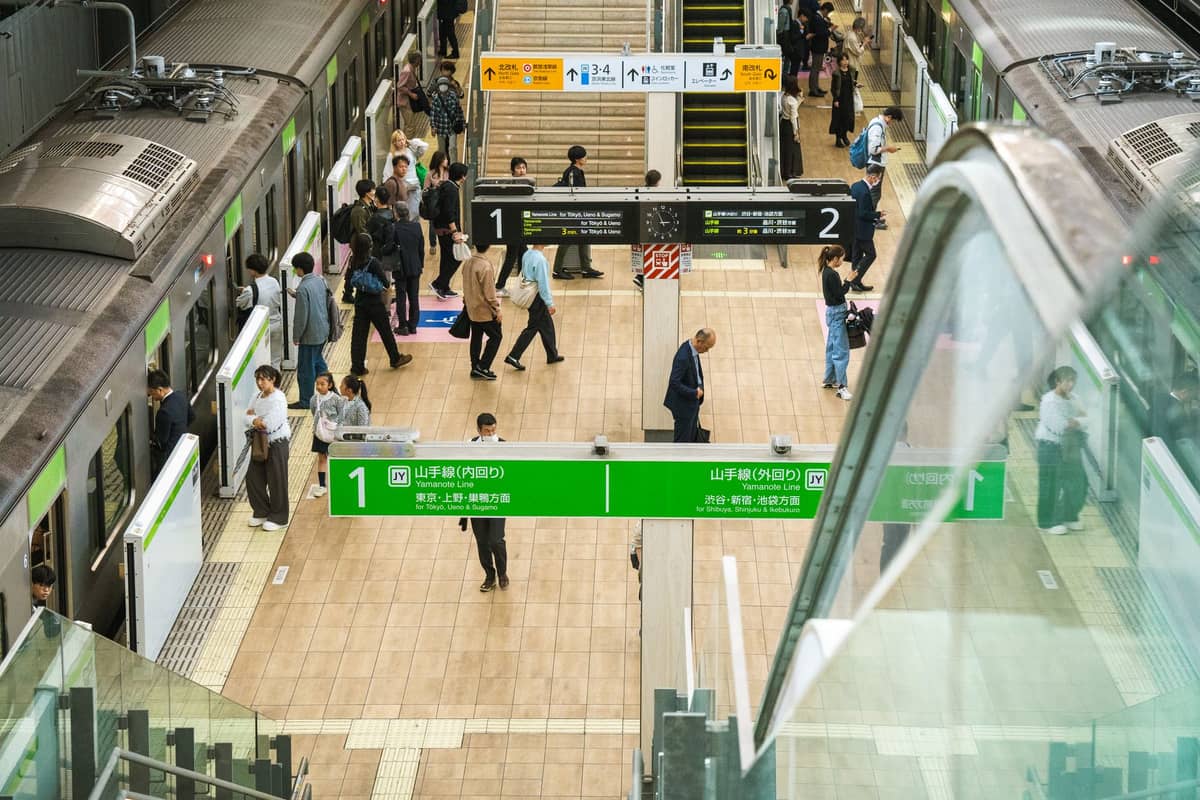
Tokyo with kids is far less daunting than its scale suggests. With 14.27 million residents across 2,199 km², the city could easily feel overwhelming, but its infrastructure is so well-organized that navigating it with children is genuinely manageable. Trains run on time to the minute, stations have elevators in most major hubs, and convenience stores (konbini) are everywhere for snacks, nappies, and emergency supplies.
Safety is rarely a concern. Tokyo consistently ranks among the world's safest large cities, and it's common to see Japanese children as young as six travelling the subway unaccompanied. That said, the sheer size of major stations like Shinjuku or Shibuya means it is worth agreeing on a meeting point with older kids before entering crowded areas.
The city's layout rewards planning. Cluster your days by neighborhood so you're not crossing the city repeatedly. A day in Ueno can combine the national zoo, the science museum, and a stroll through the park without a single train change. Pairing Asakusa with a Tokyo Skytree visit makes geographic sense and keeps younger children from spending their energy commuting.
💡 Local tip
Pick up an IC card (Suica or Pasmo) for the whole family at any major station. Tap in, tap out — no fumbling with individual tickets. Children's IC cards are issued at station counters for kids aged 6-11 and charge roughly half the adult fare automatically.
Top Family Attractions in Tokyo
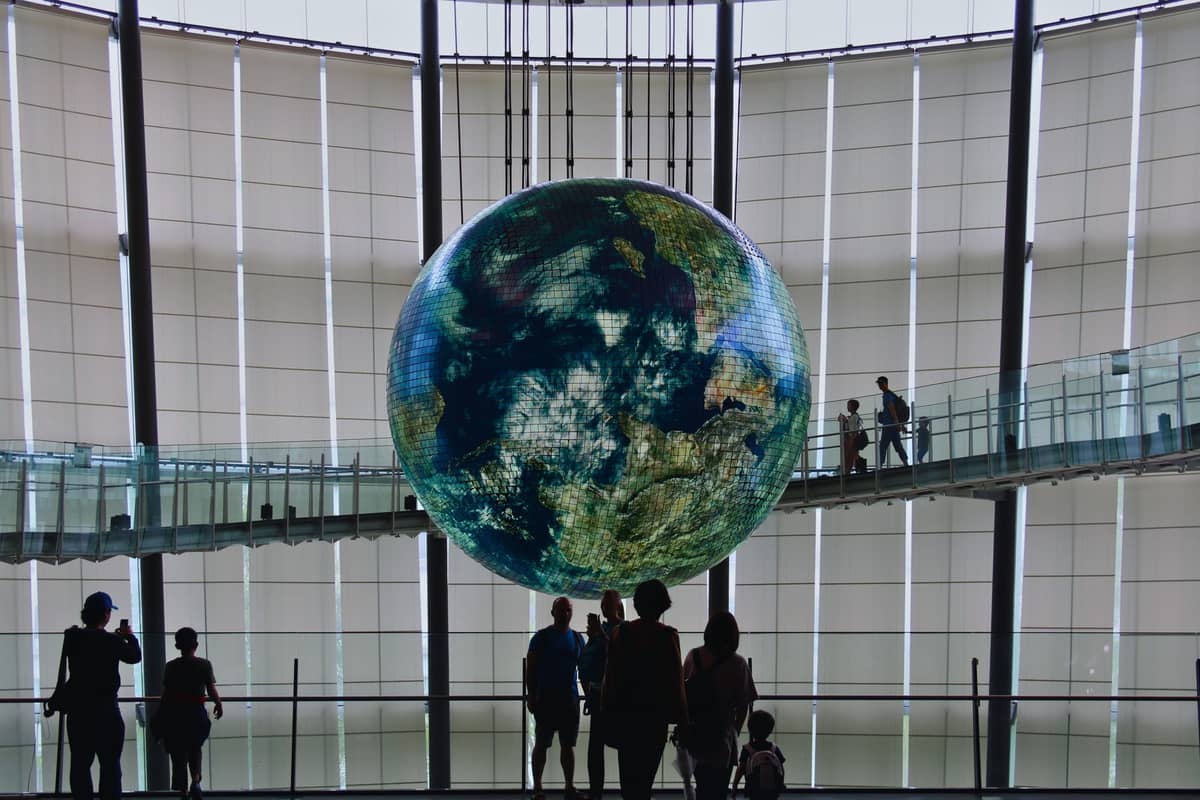
Tokyo's range of child-friendly attractions is genuinely impressive. The challenge is not finding things to do, but prioritising them across a limited number of days.
- Tokyo Disneyland and Tokyo DisneySea (Urayasu, Chiba) The gold standard for family days out. Tickets use date-based pricing: adults (18+) pay roughly ¥7,900 to ¥10,900 for a 1-Day Passport, juniors (12-17) around ¥6,600 to ¥9,000, and children (4-11) approximately ¥4,700 to ¥5,600 depending on the date. Book directly through the official Tokyo Disney Resort site well in advance. Weekdays outside school holidays are noticeably less crowded.
- teamLab Planets TOKYO (Toyosu, Koto-ku) An immersive digital art space that genuinely delights children. Standard adult entry starts from around ¥3,600, with children aged 4-12 paying approximately ¥1,500 and under-3s entering free. Some installations involve paddling barefoot through water (around 10 cm deep), so pack a spare change of clothes for small children. Opening hours are typically 08:30 to 22:00 daily, last admission one hour before close.
- Ueno Zoo and Ueno Park Japan's oldest zoo, set within Ueno Park. The zoo houses over 3,000 animals including giant pandas. Admission is modest (around ¥600 for adults, free for under-13s on certain days). The surrounding park adds cherry blossoms in spring and autumn foliage later in the year.
- Ghibli Museum (Mitaka) A pilgrimage site for families who love Studio Ghibli films. Entry is strictly by advance ticket (purchased via the official Lawson ticketing system), and slots sell out months ahead. Children under 4 enter free. Budget a half-day and combine it with a visit to Inokashira Park next door.
- Tokyo Skytree (Sumida) At 634 metres, the world's tallest broadcast tower. The lower Tembo Deck at 350 metres is sufficient for most children and noticeably cheaper than the upper gallery. Pre-book tickets online to skip queues, especially on weekends.
- National Museum of Nature and Science (Ueno) Consistently underrated by foreign visitors. Dinosaur skeletons, a life-size blue whale model, and interactive science exhibits keep children occupied for hours. Admission is around ¥630 for adults, with children under 18 entering free.
⚠️ What to skip
Do not assume you can buy tickets at the gate for Tokyo Disney Resort or teamLab Planets on popular dates. Both venues strongly encourage advance online booking, and same-day availability at busy periods can be very limited or nonexistent. The Disney app also lets you manage same-day Premier Access bookings once inside the park.
Navigating Tokyo with Children: Transport Practicalities
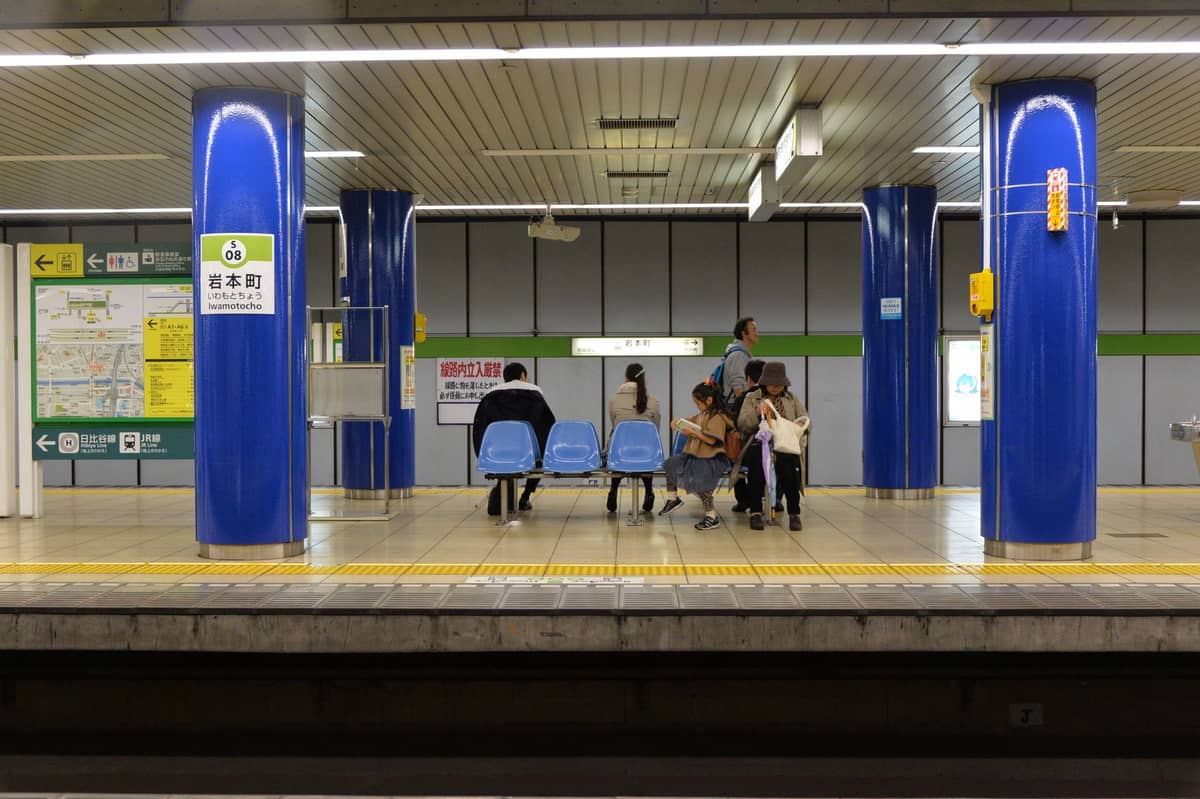
Tokyo's public transport network is the backbone of any family visit. The combined Tokyo Metro and Toei Subway lines cover the central wards comprehensively, while JR East lines (including the Yamanote Loop) connect outer districts. For families, the key facts are: children under 6 travel free when accompanied, and children aged 6-11 pay child fares set at roughly half the adult fare.
For days when you plan to make four or more separate train journeys, a day pass often saves money. Tokyo Metro offers one-day and 24-hour passes; if your itinerary mixes Tokyo Metro and Toei lines, a combined pass is available. Check the official Tokyo Metro website for current pricing before you travel, as fares are periodically revised.
Getting in from the airports is straightforward with children. From Haneda (around 15–20 km from central Tokyo), the Tokyo Monorail to Hamamatsucho takes around 15 minutes and costs roughly ¥500–600 per adult. From Narita (approximately 60 km out), the JR Narita Express (N'EX) reaches Tokyo Station in about one hour. For detailed airport-to-city options, see our Tokyo airports guide. Families with very young children or heavy luggage sometimes prefer an airport limousine bus directly to their hotel, trading speed for comfort.
✨ Pro tip
Most major Tokyo Metro and JR stations in tourist areas now have elevators, but they are not always obvious. Download the Tokyo Metro app before you arrive: it has an accessibility route option that routes you via lifts rather than stairs or escalators — invaluable when pushing a stroller.
Best Time to Visit Tokyo with Kids
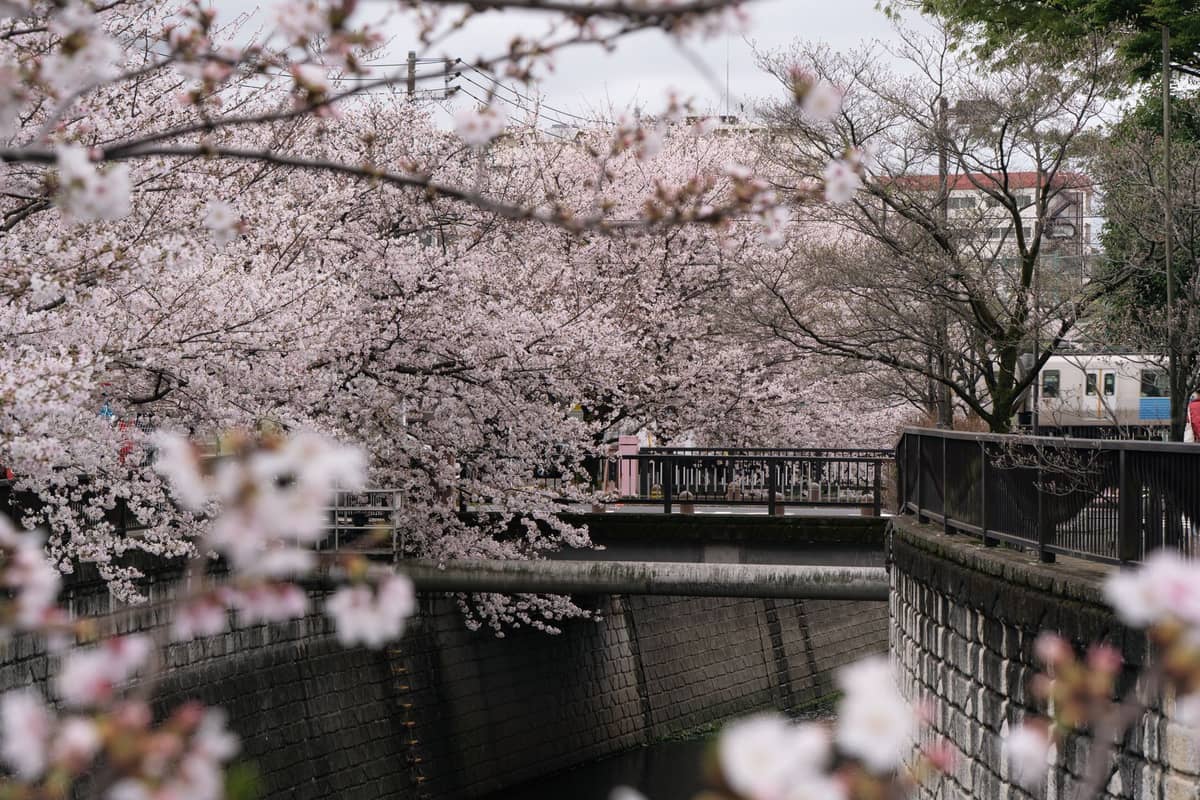
Timing your trip makes an enormous difference to the experience. Tokyo has four distinct seasons, and each affects both logistics and enjoyment for families.
Spring (mid-March to mid-May) is the most popular time overall. Cherry blossom season (typically late March to mid-April) is spectacular, and temperatures range from around 13°C to 23°C by May, perfect for outdoor exploring. The trade-off is crowds: Shinjuku Gyoen and Ueno Park are packed during peak blossom weekends. Golden Week (late April to early May) is a Japanese national holiday cluster: Tokyo theme parks hit maximum crowds and Disney ticket prices reach the top of their range.
Summer (July to August) means heat and humidity, with August highs around 31°C and significant moisture. For families with children who struggle in heat, shift your outdoor activities to early morning (before 10:00) and plan indoor attractions for midday. Aquariums, indoor play zones, and air-conditioned shopping mall food courts are genuine lifesavers. Summer also brings excellent festivals: Sumida's fireworks display in late July is one of the largest in Japan and free to watch from several public spots along the river.
Autumn (October to mid-November) is arguably the best season for families. Temperatures drop to a comfortable 15-22°C, humidity falls, and the autumn foliage (koyo) turns parks like Rikugien Garden into something genuinely extraordinary. Crowds are lower than spring, and school holiday timing outside Japan means fewer international tourists than peak season.
Winter (December to February) is dry and often sunny, with temperatures rarely dropping below freezing in central Tokyo. It's actually a comfortable time for walking, and attractions are far less crowded. The downside is that some outdoor gardens and parks look bare, and New Year (December 31 to January 3) brings its own surge of domestic tourists to temple areas.
- Best overall for families: mid-October to mid-November
- Best for cherry blossoms: late March to early April (book ahead for all attractions)
- Avoid if possible: Golden Week (late April to early May) and Obon week (mid-August) for busy parks and pricier Disney tickets
- Rainy season (early June to mid-July): prepare with indoor backup plans and rain gear for any outdoor activities
- Winter advantage: lower crowds, clear skies, and often discounted hotel rates
Practical Family Tips: Food, Costs, and Daily Life
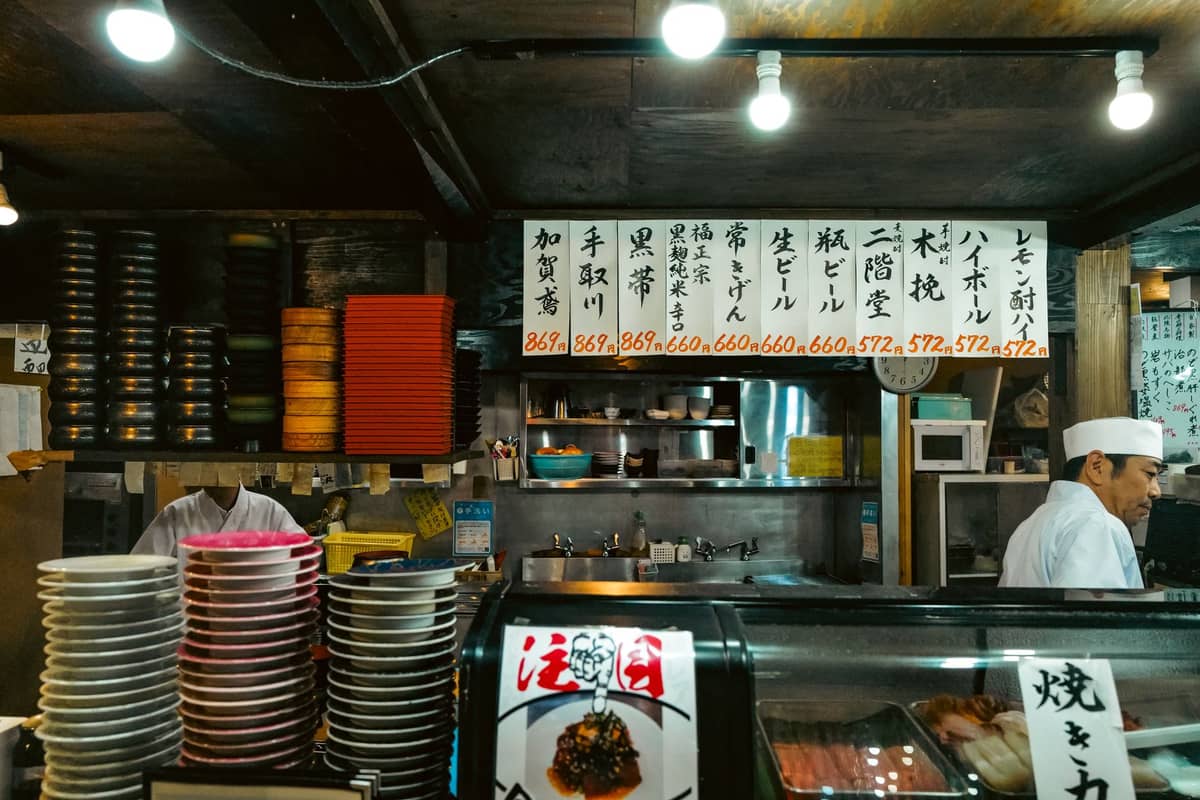
Feeding children in Tokyo is rarely a problem. Japanese cuisine is broadly child-friendly: ramen, udon, sushi conveyor belts (kaiten-zushi), and rice dishes are staples that most kids take to immediately. Restaurants almost universally offer kids' menus or smaller portions on request. Convenience stores (7-Eleven, FamilyMart, Lawson) stock onigiri, sandwiches, hot snacks, and fresh fruit at very reasonable prices, making them reliable lunch stops when exploring.
Tokyo can be done on a range of budgets. For a family of four, a day at Tokyo Disney can easily cost ¥40,000 to ¥50,000 in tickets alone, before food. By contrast, a day combining Ueno Zoo, Ueno Park, and the Science Museum might cost around ¥5,000–¥6,000 total in tickets. For more free and low-cost options, see our guide to free things to do in Tokyo.
A few practical notes: Japan does not have a tipping culture, which removes awkwardness when dining out with children. Tap water is safe to drink throughout Tokyo, so bring refillable bottles and avoid paying for bottled water at every stop. Toilets are ubiquitous and famously clean, and most tourist-area facilities have baby-changing stations. The 100V electricity and Type A/B plugs mean US appliances work without plug shape adapters, but European visitors will need one.
ℹ️ Good to know
Many Tokyo attractions offer free entry for children on specific days. The Tokyo Metropolitan Government Building observatory is free for all ages. Ueno Zoo is free for children through 6th grade and for some junior-high students, and several national museums waive child admission entirely. It is worth checking each venue's official site, as these policies are updated periodically.
Neighborhood Planning: Where to Base Yourself
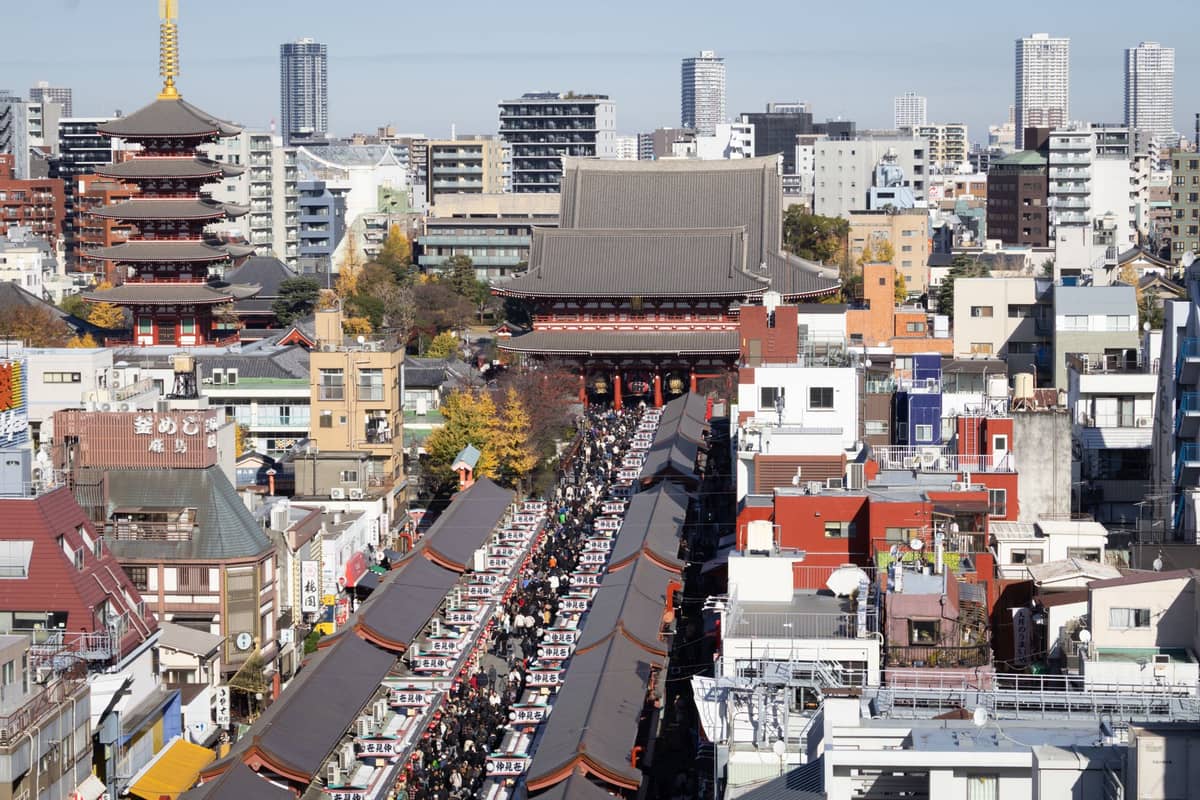
Where you stay shapes how manageable the city feels with children. Families tend to do best in areas with straightforward train connections and lower evening noise. Asakusa is a strong choice: it feels distinctly Japanese, Senso-ji Temple and Nakamise shopping street entertain kids immediately, and Ueno is just two stops away on the Ginza subway line. It also tends to offer better value hotels than Shinjuku or Ginza.
Shinjuku works well for families who want maximum transport flexibility. It connects to virtually everywhere in Tokyo, and areas like Shinjuku Gyoen offer open green space for children to decompress after busy days. The west side of Shinjuku is quieter in the evenings than Kabukicho. For families targeting Odaiba attractions, Odaiba itself has several hotels and the Yurikamome monorail from Shimbashi is a ride children genuinely enjoy for the elevated bay views.
For a broader breakdown of Tokyo's districts and how they connect, our Tokyo neighborhoods guide covers each area's character and logistics in detail. If you're weighing accommodation options more broadly, our guide to where to stay in Tokyo covers the main areas with honest assessments of each.
FAQ
Is Tokyo safe to visit with young children?
Yes, Tokyo is extremely safe for families. Street crime is very low, the city is clean, and public spaces including trains and parks are welcoming to children. The main practical risk is getting separated in very large train stations. Agree on a meeting point and consider a simple ID card in your child's pocket with your phone number.
How much does a day at Tokyo Disneyland cost for a family of four?
Using 2024-era pricing as a guide, a family of two adults and two children aged 4-11 could expect to pay roughly ¥24,600 to ¥32,000 in tickets alone on a standard date, rising to the upper end on peak days like holidays and weekends. Food and merchandise inside the park add significantly to this. Buy tickets through the official Tokyo Disney Resort website — third-party resellers are not authorized.
What is the best age to take children to teamLab Planets?
teamLab Planets suits children broadly from about age 4 upward. Toddlers can enjoy the visual elements but the water-wading room (shallow, around 10 cm) and some dark immersive spaces may be unsettling for very young children. Children 3 and under enter free. Bring a change of clothes and bare feet are required in the water room, so skip shoes that are difficult to remove.
Do I need to book Tokyo family attractions in advance?
For Tokyo Disney Resort and teamLab Planets, advance booking is strongly recommended and often essential during school holidays and weekends. The Ghibli Museum requires pre-purchased tickets through Lawson's online system and regularly sells out months ahead. Ueno Zoo, the National Museum of Nature and Science, and the Tokyo Skytree (non-peak) have walk-up availability but online booking skips queues.
What is the best season to visit Tokyo with kids?
Autumn (mid-October to mid-November) offers the most comfortable conditions: mild temperatures between 15-22°C, low humidity, beautiful foliage, and fewer tourists than cherry blossom season. Spring (late March to early May) is beautiful but crowded, and Golden Week in late April to early May pushes Disney ticket prices to their maximum. Summer works if you plan indoor activities for the midday heat. Winter is underrated: cool, dry, and much less crowded.