Tokyo Airports: Narita vs Haneda — Which to Use and How to Get Into the City
Tokyo has two main international airports: Haneda, close to the city center, and Narita, located in Chiba Prefecture about 60 km out. This guide breaks down the key differences, every transport option available, realistic travel times, and how to avoid the common mistakes that cost travelers time and money.
Plan and book this trip
Tools from our partner Travelpayouts help you compare flights and hotels. If you book through them, we may earn a commission at no extra cost to you.
Flights
Hotels map
TL;DR
- Tokyo has two main international airports: Haneda (HND), about 15–20 km from central Tokyo, and Narita (NRT), about 60 km away in Chiba Prefecture.
- Haneda is faster and generally more convenient for most central Tokyo destinations — rail connections reach major hubs in around 25–35 minutes.
- Narita has more long-haul international routes; the Narita Express (N'EX) reaches Tokyo Station in about 53–55 minutes, the Keisei Skyliner reaches Ueno in roughly 40 minutes.
- Always take the train over airport buses during public holidays — Golden Week, Obon, and New Year congestion can push bus times to 2+ hours from Narita.
- For broader Tokyo logistics, see our getting around Tokyo guide and first-time visitor guide.
The Core Difference: Location and What It Means for You
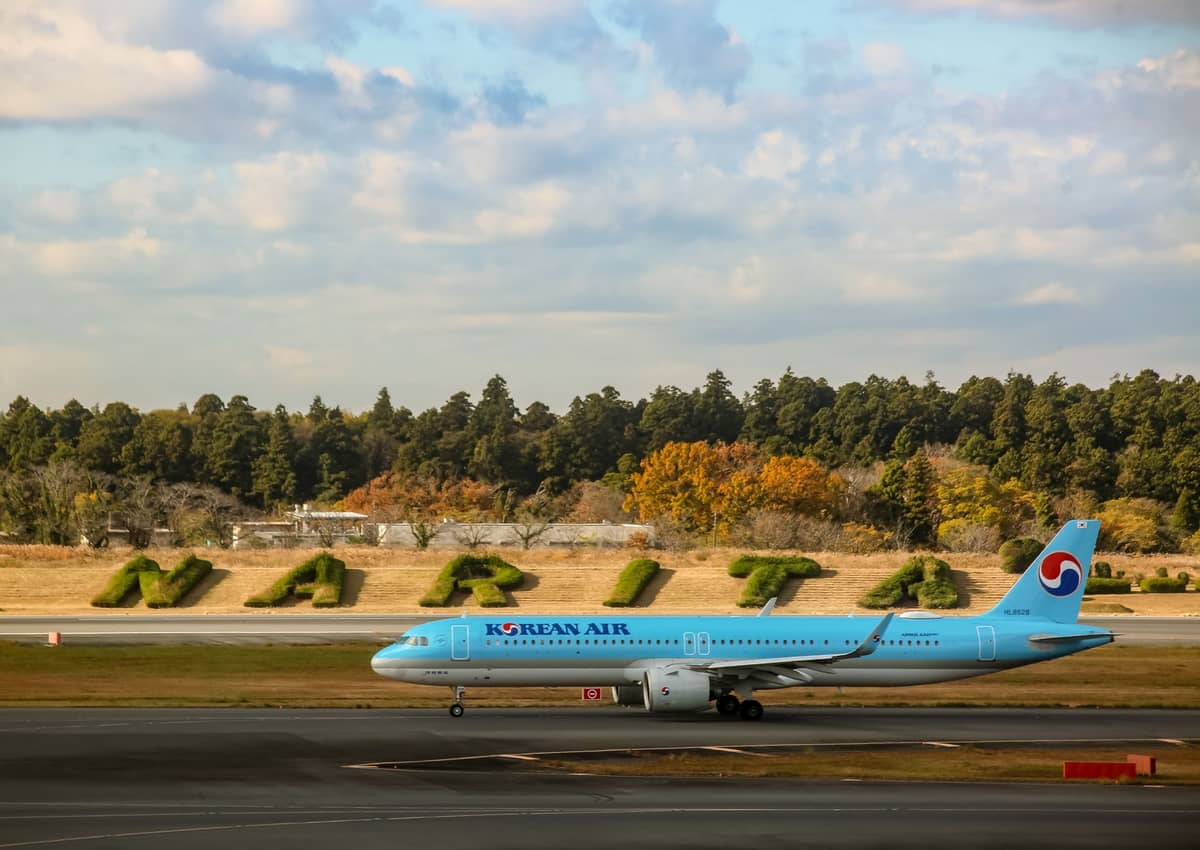
Narita International Airport (NRT) is not in Tokyo. It sits in Narita City, Chiba Prefecture, approximately 60–65 km east of central Tokyo. This is the single most important fact to understand before booking flights. Many first-time visitors assume the airport labeled 'Tokyo Narita' is conveniently close to the city. It is not. The distance is comparable to flying into an airport that serves a city from the next county over.
Haneda Airport (HND), officially Tokyo International Airport, is located in Ota Ward, Tokyo, just 14–20 km from central areas like Tokyo Station and Shinjuku. Even accounting for check-in times, ground transport from Haneda is substantially less effort. If your flight choices are otherwise equal, Haneda wins on convenience for almost any central Tokyo destination.
ℹ️ Good to know
Narita handles a larger share of long-haul international routes — particularly from North America, Europe, and Southeast Asia. Haneda has significantly expanded its international operations and now covers many of the same routes, but availability varies by airline and season. Check both airports before assuming only one serves your origin city.
Getting from Haneda Airport to Central Tokyo
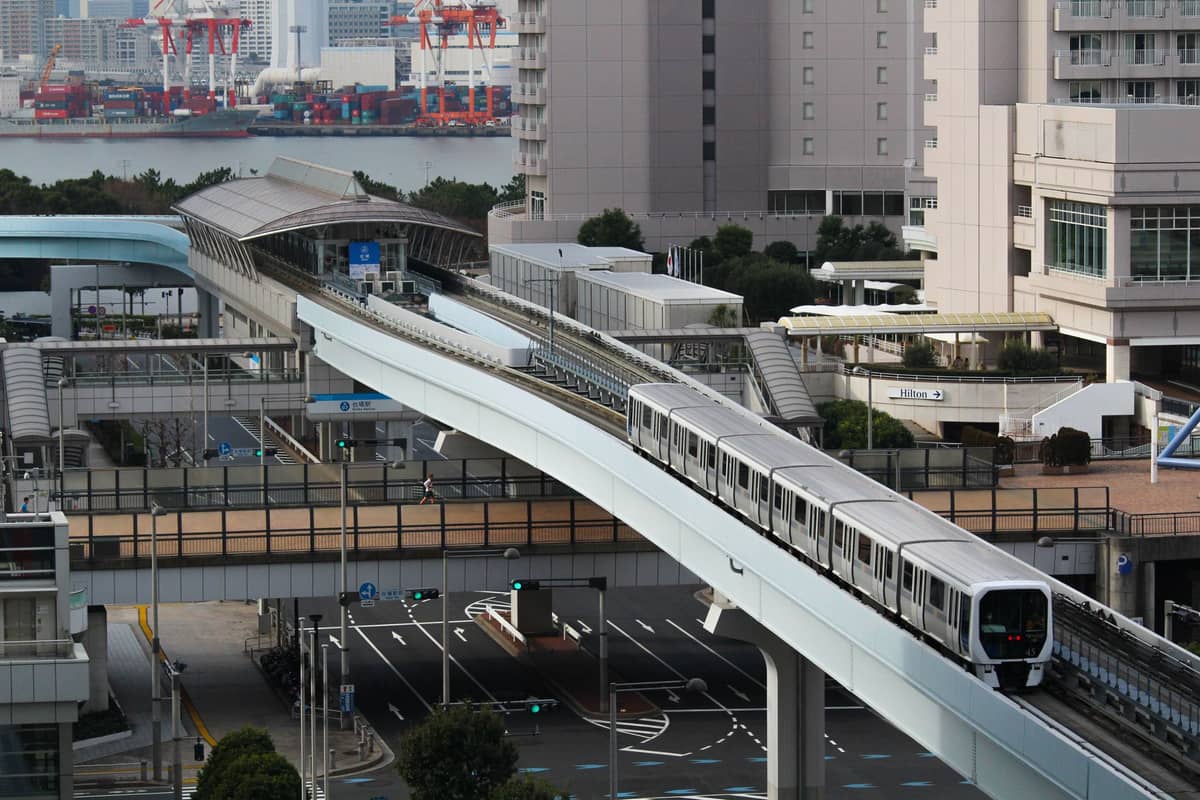
Haneda's proximity to the city means you have fast, affordable rail options that make taxis and buses largely unnecessary for most travelers. The two main rail routes are the Tokyo Monorail and the Keikyu Line, and the choice between them often depends on your final destination.
- Tokyo Monorail to Hamamatsuchō Departs from the airport and connects to Hamamatsuchō Station on the JR Yamanote Line. Total journey to central hubs like Tokyo Station or Shibuya runs around 30–35 minutes. Fare is roughly ¥500–¥700 depending on your final stop.
- Keikyu Line to Shinagawa (and beyond) Slightly faster for reaching Shinagawa, from where the Yamanote Line connects to Shibuya, Shinjuku, and the rest of the loop. Some Keikyu services run directly into the Toei Asakusa subway line, which is useful for travelers heading to Asakusa or Ginza without a transfer. Fares from around ¥300–¥500.
- Airport Limousine Bus Buses run from Haneda directly to major hotel areas and neighborhoods, including Shinjuku and Shibuya. Typical fares are around ¥1,300–¥1,500 per adult. Journey times are 30–60 minutes but can stretch significantly in traffic. Useful if you have heavy luggage and are staying near a bus stop.
- Taxi Readily available, but expect fares of ¥4,000–¥7,000 or more to central Tokyo depending on destination and traffic. Fine for groups splitting costs or travelers with a lot of baggage arriving late at night.
💡 Local tip
Haneda has three terminals: Terminal 1 (mainly ANA domestic), Terminal 2 (mainly JAL domestic), and Terminal 3 (international). Free shuttle buses connect all three, but factor in 10–15 minutes if you need to switch terminals. Check the terminal for your flight before heading to the rail station.
Getting from Narita Airport to Central Tokyo
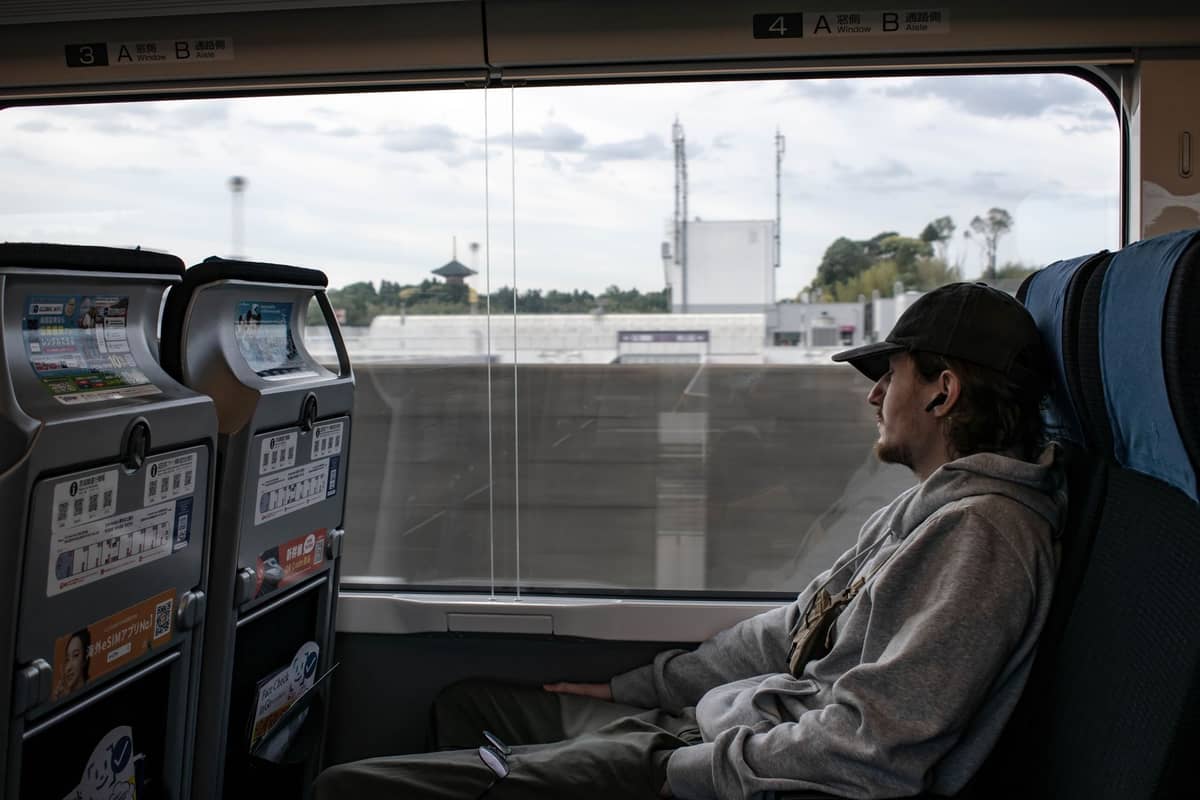
The distance from Narita means you should plan this leg properly. The good news: Japan's rail connections from Narita are genuinely excellent. The bad news: taking the cheap option (bus or local train) during a public holiday can turn a 60 km journey into a two-hour ordeal. Rail is almost always the right call.
- JR Narita Express (N'EX) The fastest and most direct JR option, connecting Narita Airport Terminals 1, 2, and 3 directly to Tokyo Station in around 53–55 minutes. Services continue to Shibuya, Shinjuku, Ikebukuro, and Yokohama. Adult fares to Tokyo Station are typically around ¥3,000–¥3,100. N'EX also offers a round-trip discount ticket that can reduce the per-trip cost significantly — worth buying on arrival if you know your departure airport. Trains run roughly every 30 minutes during peak hours.
- Keisei Skyliner The fastest rail option to Ueno and Nippori, reaching Ueno in approximately 40–45 minutes. Fares to Ueno are around ¥2,500–¥2,600. Nippori (the first stop before Ueno) connects to the JR Yamanote Line, which is useful for reaching Shibuya, Shinjuku, or Ikebukuro. If your hotel is in or near Ueno, Asakusa, or Akihabara, the Skyliner is often faster overall than the N'EX.
- Keisei Access Express A cheaper alternative to the Skyliner that runs on the same Keisei tracks but stops more frequently and connects into the Tokyo Metro Asakusa and Oshiage lines. Slower (around 70–80 minutes to central Tokyo) but fares are roughly ¥1,200–¥1,400 depending on destination. Good value if budget is a priority and you're not in a rush.
- Airport Limousine Bus Multiple operators run buses from Narita to major Tokyo neighborhoods and hotels. Fares are typically ¥2,800–¥3,200. Travel times are officially listed as 70–90 minutes but can reach 120 minutes or more in traffic. Useful for travelers with significant luggage going directly to a hotel near a bus stop, but unreliable in timing.
⚠️ What to skip
During Golden Week (late April to early May), Obon (mid-August), and New Year (late December to early January), road congestion from Narita can be severe. Bus journeys advertised as 80 minutes have been known to take over two hours. On these dates, take the N'EX or Skyliner without exception — the extra fare is worth it.
Narita Airport has three terminals. Terminals 1 and 2 are connected by a free shuttle bus and an inter-terminal train. Terminal 3 (used mainly by low-cost carriers) is a short walk or bus ride from Terminal 2. If you're flying with a budget airline like Jetstar or Scoot, confirm your terminal well in advance — the walk from Terminal 3 to the Narita Express platforms at Terminal 2 takes around 5–10 minutes. Full arrival procedures including immigration, baggage claim, and customs are outlined on the getting around Tokyo resource.
Choosing Between Haneda and Narita: A Practical Framework
The decision rarely comes down to preference alone — it usually comes down to which airlines fly to which airport from your origin. That said, when you do have a choice, here is a straightforward way to think about it.
Choose Haneda if: your destination is central Tokyo (Shinjuku, Shibuya, Roppongi, Ginza, Minato), you value minimal transfer time, or you are arriving late at night and want to be in your hotel quickly. Haneda's shorter distance makes it the practical winner for the majority of leisure travelers staying in the central 23 wards.
Choose Narita if: your airline only operates from there, you are catching a connecting flight to another international destination (Narita handles more long-haul routes), or you are staying in eastern neighborhoods like Ueno or Akihabara where the Skyliner drops you directly. For travelers heading to Asakusa, the Keisei Access Express running into the Asakusa line can be surprisingly convenient despite the distance.
✨ Pro tip
If you are doing a multi-city Japan trip and plan to continue to Kyoto or Osaka after Tokyo, consider flying into Narita and out of Haneda (or vice versa). Both airports are well-connected to the Shinkansen network via Tokyo Station, so routing around a single airport is unnecessary. Flying into one and out of the other avoids any backtracking.
Transport Passes, IC Cards, and Practical Tips
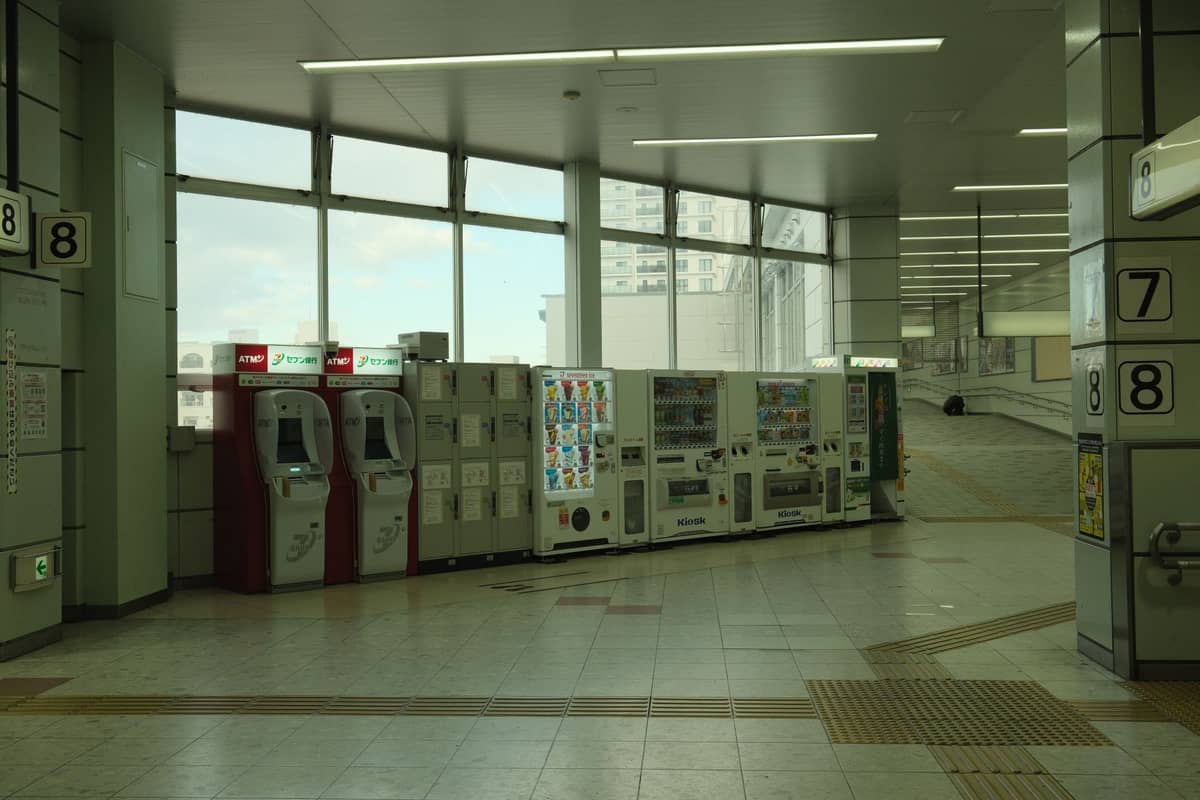
For most travelers, an IC card (Suica or Pasmo) loaded with cash is the simplest way to pay for rail and subway fares throughout Tokyo. Both cards work on the Tokyo Monorail, Keikyu Line, JR lines, Tokyo Metro, and Toei Subway. You can buy and top up a Suica card at ticket machines in Haneda's international terminal and at Narita's JR ticket counters. IC cards do not cover the full Narita Express or Keisei Skyliner fare — you still need a reserved-seat limited express ticket in addition to tapping your card.
If you are planning an intensive rail-heavy trip, the JR N'EX round-trip discount ticket is worth investigating at the JR East Travel Service Centers in the arrivals halls at both airports. For broader Tokyo transit, the Tokyo Metro 24/48/72-hour passes offer unlimited subway rides and can be worthwhile depending on your itinerary. More detail on navigating Tokyo's transit system is in the complete guide to getting around Tokyo.
- Japan runs on 100V / 50Hz electricity with Type A plugs (two flat parallel pins) — standard North American plugs work, but European two-pin plugs need an adapter.
- Tap water at both airports and throughout Tokyo is safe to drink.
- Tipping is not customary in Japan — do not tip taxi drivers, bus staff, or anyone assisting with luggage.
- Both airports have currency exchange desks in the arrivals halls, but rates are typically better at 7-Eleven and Japan Post ATMs, which accept international cards.
- English signage is good at both airports, and both have extensive English-language airport apps and websites for real-time navigation.
Connecting Onward: Tokyo as a Hub
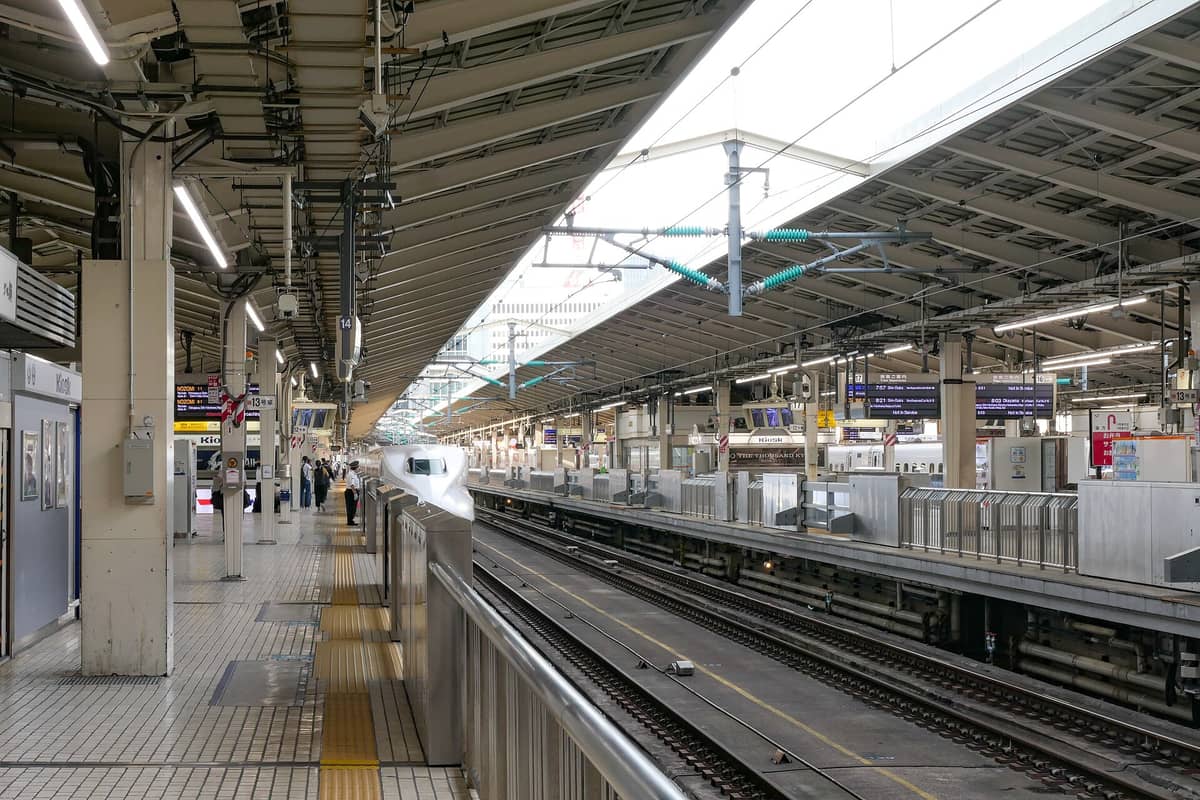
If Tokyo is a base rather than a final destination, both airports feed well into the wider Japan rail network. From central Tokyo, the Shinkansen connects to Kyoto in around 2h 15m and Osaka in about 2h 40m via Tokaido Shinkansen from Tokyo Station. For trips in that direction, see the Tokyo to Kyoto guide and Tokyo to Osaka guide.
For day trips from Tokyo, both airports are near several popular destinations. Narita City itself has a worthwhile historic district around Naritasan Shinshoji Temple if you have time before a flight. From central Tokyo, destinations like Kamakura, Nikko, and Hakone are all accessible as day trips and are covered in the day trips from Tokyo guide.
FAQ
Which Tokyo airport is closer to the city center?
Haneda (HND) is significantly closer, at roughly 14–20 km from central Tokyo. Narita (NRT) is about 60–65 km away in Chiba Prefecture, not technically within Tokyo at all. Rail travel from Haneda to central hubs takes around 25–35 minutes; from Narita, the fastest option (Keisei Skyliner to Ueno) takes about 40 minutes, while the N'EX to Tokyo Station takes around 53–55 minutes.
How much does it cost to get from Narita Airport to Tokyo?
The Narita Express (N'EX) to Tokyo Station costs around ¥3,000–¥3,100 per adult. The Keisei Skyliner to Ueno costs roughly ¥2,500–¥2,600. The cheaper Keisei Access Express runs about ¥1,200–¥1,400. Airport limousine buses are typically ¥2,800–¥3,200 but are slower and subject to traffic. Fares are subject to change — verify current prices at the official Narita Airport access page before travel.
Is Narita Airport actually in Tokyo?
No. Despite being marketed as 'Tokyo Narita,' the airport is in Narita City, Chiba Prefecture — about 60 km east of central Tokyo. This is one of the most common misconceptions among first-time visitors to Japan. Haneda is the airport that is physically located within Tokyo Metropolis.
Can I use a Suica or Pasmo IC card to travel from the airports?
Yes, for most rail and bus services. IC cards work on the Tokyo Monorail, Keikyu Line, JR local services, Tokyo Metro, and Toei Subway. However, the Narita Express and Keisei Skyliner require separate reserved-seat tickets and do not accept IC card payment alone. Buy those tickets at dedicated counters or vending machines in the arrivals hall.
What is the best way to travel between Narita and Haneda airports?
The most straightforward route is the Airport Limousine Bus, which runs a direct service between the two airports in roughly 65–90 minutes (longer in traffic), with fares around ¥3,200–¥3,500. Alternatively, you can take the N'EX or Skyliner into central Tokyo and then the Tokyo Monorail or Keikyu Line back to Haneda — this can take 90–120 minutes but may be faster in heavy traffic and keeps you on reliable rail.