First Time in Tokyo: The Complete Beginner's Guide (2026)
Tokyo is one of the most rewarding cities in the world to visit, and also one of the easiest to navigate once you know the basics. This guide covers everything a first-time visitor needs: how to get in, how to move around, when to go, what to expect, and how to avoid the most common mistakes.
Plan and book this trip
Tools from our partner Travelpayouts help you compare flights and hotels. If you book through them, we may earn a commission at no extra cost to you.
Flights
Hotels map
TL;DR
- Tokyo has two international airports: Haneda (HND, closer to the city) and Narita (NRT, about 60 km out). Haneda is the better arrival point for most first-timers.
- Get a Welcome Suica IC card on arrival. It works on almost every train, subway, and bus in the city and removes the need to buy individual tickets. See our guide to getting around Tokyo for a full breakdown.
- Spring (late March to early May) and autumn (October to mid-November) are the best times to visit for comfortable weather and manageable crowds.
- Tokyo does not have a tipping culture. Do not tip in restaurants, taxis, or hotels.
- The city is large and divided into distinct neighborhoods. Understanding a few key areas like Shinjuku, Shibuya, and Asakusa will help you plan without wasting time.
Essential Facts Before You Arrive
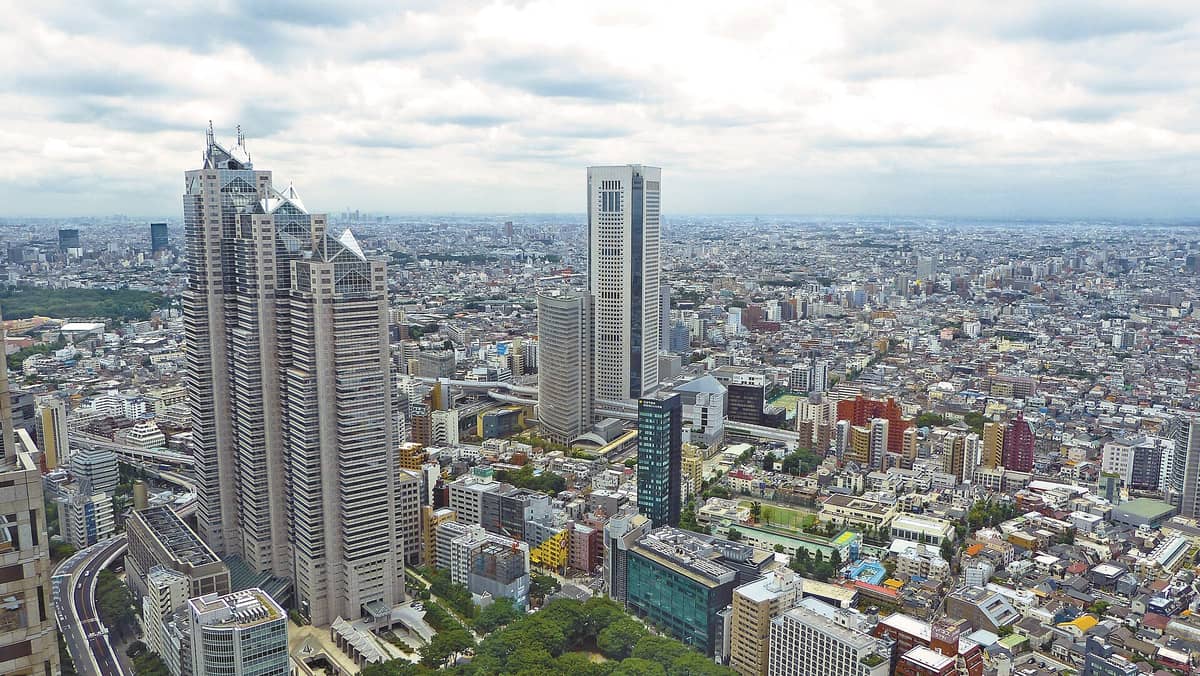
Tokyo is the capital of Japan and the seat of the Japanese government. Officially called Tokyo Metropolis (Tokyo-to), it functions as both a city and a prefecture, covering approximately 2,200 km² with a population of around 14.273 million residents as of October 2025. The Greater Tokyo Area, which extends into neighboring prefectures, is home to roughly 37 million people, making it one of the largest metropolitan concentrations on the planet.
The official language is Japanese. In practice, English is widely used in tourist-facing contexts: station signage, ticket machines, and major transit hubs all have English support. Staff at larger hotels, tourist information centers, and many restaurants in central areas can communicate in basic English. Outside of heavily tourist-trafficked zones, English proficiency drops significantly, so learning a few Japanese phrases and downloading a translation app is genuinely useful.
- Currency Japanese yen (JPY). As of 2025, ¥100 is roughly equivalent to USD $0.65–0.70, though rates fluctuate. Always check current rates before travel.
- Time Zone Japan Standard Time (JST), UTC+9. Japan does not observe daylight saving time, which simplifies planning.
- Electricity 100V AC, 50Hz in eastern Japan (including Tokyo). Plug type is Type A (two flat parallel pins). Most modern electronics tolerate the voltage difference, but check your devices.
- Emergency Numbers 110 for police; 119 for fire and ambulance. Japan's country dialing code is +81.
- Tap Water Safe to drink. Tokyo's water supply meets Japanese drinking water standards. Bring a reusable bottle.
- Visas Japan offers visa-free short stays (typically up to 90 days) for nationals of many countries in Europe, North America, and Oceania. Verify current rules at the Japan Ministry of Foreign Affairs website before travel, as conditions change.
⚠️ What to skip
Do not tip in Tokyo. In Japan, tipping is not customary and can cause confusion or embarrassment. Service charges are either included or simply not charged. This applies to restaurants, taxis, hotel staff, and tour guides.
Getting to Tokyo: Airports and City Access
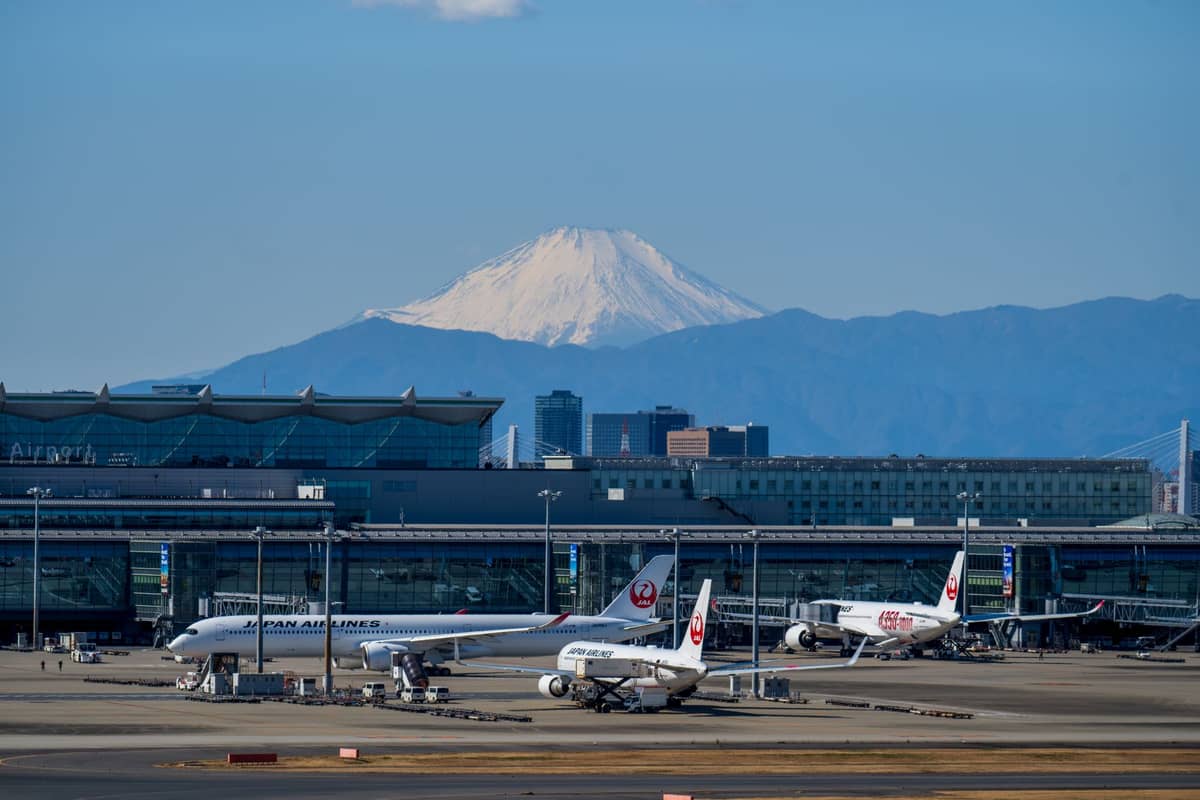
Tokyo is served by two major international airports. Haneda Airport (HND) is located in Ota Ward, about 15-20 km from central Tokyo, and handles a large share of both domestic and international flights. Narita International Airport (NRT) is in Chiba Prefecture, roughly 60 km east of central Tokyo. For most first-time visitors, arriving into Haneda is a clear advantage: the journey to central Tokyo is faster and cheaper.
From Haneda, the Tokyo Monorail connects to Hamamatsucho Station on the JR Yamanote Line in around 13 minutes, with total travel time to major hubs like Shinjuku or Shibuya around 30 minutes and fares in the ¥500-700 range. The Keikyu Line is an alternative, connecting Haneda directly to Shinagawa (then onwards via JR or subway) in around 15-20 minutes for approximately ¥300-500. Limousine buses are convenient for those with heavy luggage and go directly to major hotels and districts, but allow 30-60 minutes depending on traffic, with fares around ¥1,300-1,500.
From Narita, the JR Narita Express (N'EX) is the most direct option, running to Tokyo Station in about 60 minutes and continuing to Shibuya and Shinjuku. The Keisei Skyliner reaches Ueno in roughly 40-45 minutes and is often slightly cheaper than N'EX for destinations in eastern Tokyo. Both are reliable and run frequently. Budget travelers can use slower limited express trains on the same lines for considerably less, though journey times increase significantly.
💡 Local tip
Fares for airport rail and bus services change periodically. Always verify current prices directly on the JR East, Keisei, or Tokyo Monorail websites before your trip. The figures cited here are indicative and were accurate as of mid-2025.
Navigating Tokyo's Transit System
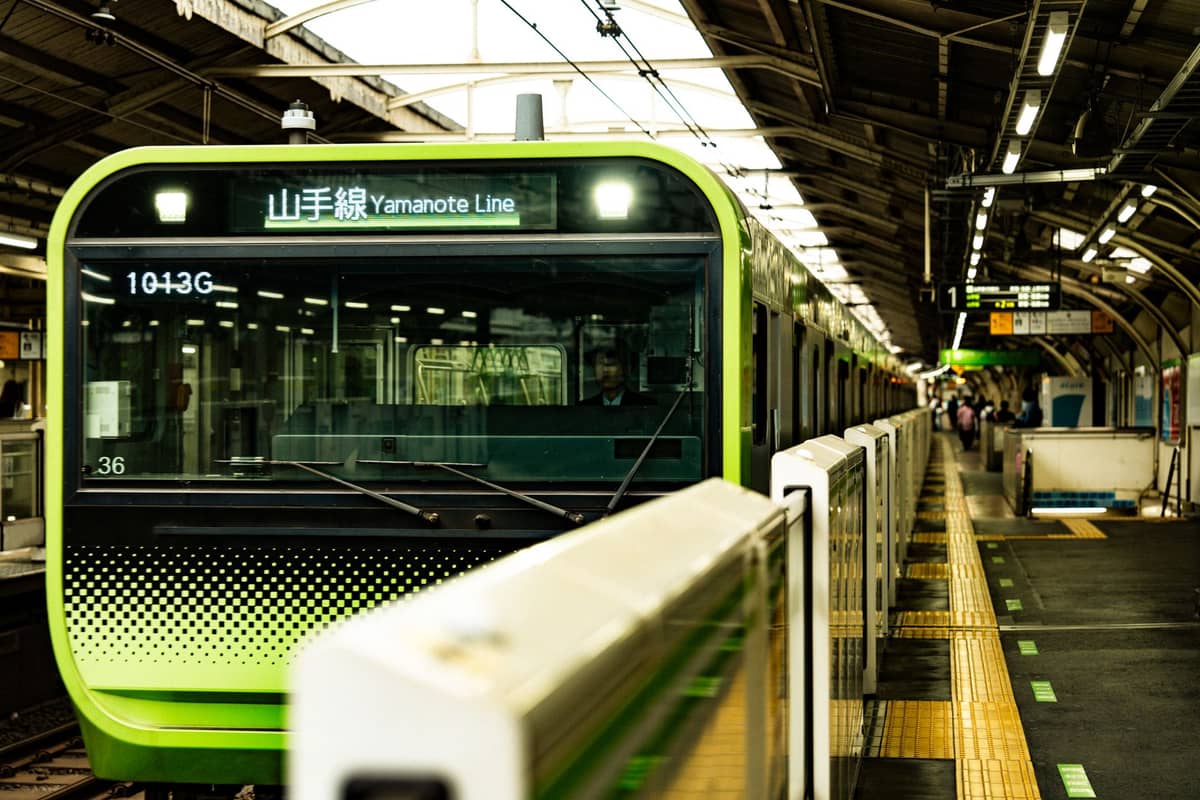
Tokyo's public transport network is among the most comprehensive in the world, but it confuses first-time visitors because it is operated by multiple competing companies. The two subway systems are Tokyo Metro and Toei Subway. On top of those, JR East runs the iconic Yamanote Line (the loop line connecting major hubs) along with other urban rail services. Then there are numerous private railways like Tokyu, Odakyu, Keio, and Seibu. A Tokyo Metro pass does not cover JR lines, and a JR pass does not cover the subway. Understanding this upfront saves real frustration. Check our complete guide to getting around Tokyo for a deeper breakdown of all lines and passes.
The simplest approach for first-timers is to get an IC card and use it everywhere. The Welcome Suica is the tourist-specific version: it requires no deposit, is valid for 28 days from the date of purchase, and works on virtually all trains, subways, and buses in Tokyo, as well as at convenience stores and many vending machines. Load it at airport kiosks on arrival. Regular Suica and PASMO cards are also fine but require a ¥500 deposit.
If you plan to spend several days riding the subway frequently, the Tokyo Subway Ticket (covering both Tokyo Metro and Toei Subway) offers good value. The 24-hour pass costs ¥1,000 for adults, the 48-hour pass ¥1,500, and the 72-hour pass ¥2,000. These are sold at Narita and Haneda airports and at major stations. For individual rides without a pass, IC card fares run from roughly ¥178 for the shortest journeys up to ¥324 for longer cross-city trips. Most central journeys land in the ¥180-260 range.
✨ Pro tip
The nationwide Japan Rail Pass is designed for long-distance travel between cities, not for getting around within Tokyo. If your trip is Tokyo-only, skip it. The JR Pass only starts making financial sense if you plan shinkansen trips to Kyoto, Osaka, or beyond.
- Welcome Suica Best for most first-timers. No deposit, 28-day validity, accepted on all major Tokyo rail and bus networks plus convenience stores.
- Tokyo Subway Ticket (24/48/72hr) Worth it if you are riding the subway multiple times per day. Does not cover JR lines including the Yamanote Line.
- IC card (Suica/PASMO) Flexible pay-as-you-go option. Requires ¥500 deposit but is rechargeable and can be used on return visits.
- Single-ride paper tickets Inconvenient and slightly more expensive than IC card fares. Avoid unless you have no other option.
When to Go: Tokyo's Seasons
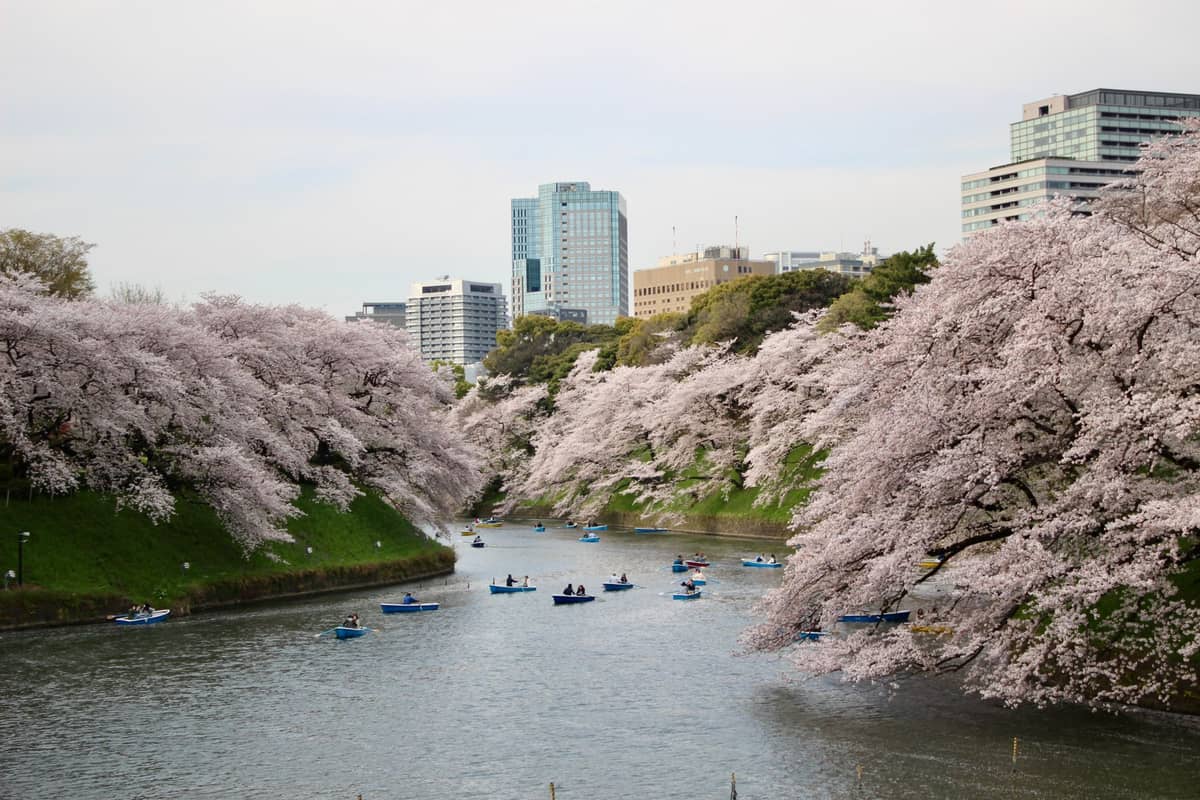
Tokyo has a humid subtropical climate with four distinct seasons. The two most popular windows for first-time visitors are spring and autumn, for good reason. For a deeper seasonal breakdown, see our best time to visit Tokyo guide.
Spring (March to early May) brings cherry blossom season, typically peaking in late March to early April in central Tokyo. The flowers last only about two weeks, and crowds at popular spots like Shinjuku Gyoen, Ueno Park, and Meguro River are significant. Hotel prices spike during peak bloom. That said, the weeks immediately after the flowers fall are often underrated: temperatures are pleasant (highs around 18-22°C), crowds thin out, and the city is still green. Mid-April to mid-May is arguably the most comfortable time to visit from a pure weather standpoint.
Summer (June to September) is genuinely challenging. June brings the tsuyu rainy season, which typically runs from early June to around mid-July, with persistent humid rain. July and August are hot and muggy: average highs of 30-32°C with high humidity makes extended outdoor walking uncomfortable. Late September can bring typhoons. Summer is not recommended for a first visit unless you have a specific reason like summer festivals. If you do visit, budget extra time for the heat and stay hydrated.
Autumn (October to mid-November) is the other peak season, and with good reason. Temperatures drop to comfortable highs of 18-25°C, humidity falls, and autumn foliage in parks and gardens is genuinely striking. Late November sees crowds peak at popular koyo (fall color) spots. Winter (December to February) is cold with average lows around 1-4°C in January and February, but it is the driest season and tourist numbers drop. Clear winter days often provide the best views of Mount Fuji from Tokyo vantage points.
Tokyo's Key Neighborhoods: Where to Focus
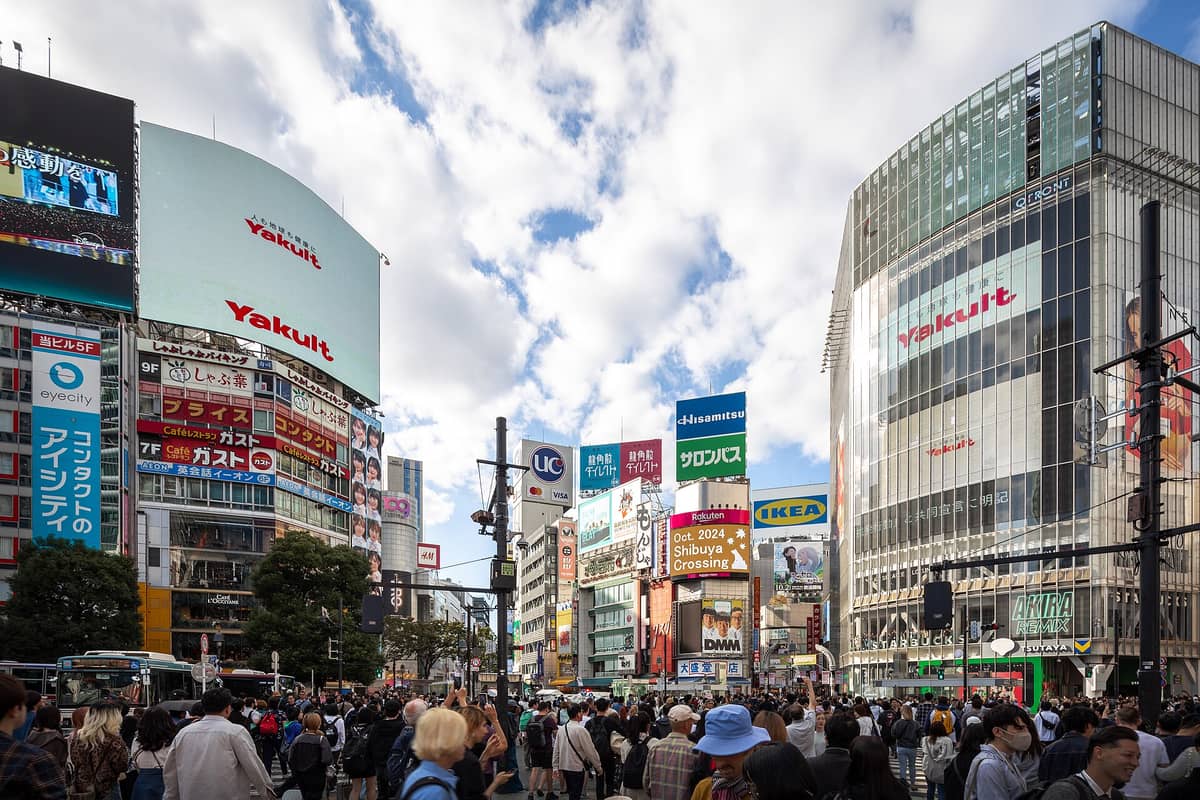
Tokyo's 23 special wards cover a large area, and first-timers often underestimate how long it takes to move between neighborhoods. A practical approach is to cluster your days by area rather than zigzagging across the city. Below are the neighborhoods most relevant to first-time visitors, with honest assessments of each.
Shinjuku is the city's largest transport hub and a logical base for first-timers. The west side hosts skyscrapers, the free observation deck at the Tokyo Metropolitan Government Building, and major department stores. The east side around Kabukicho and Golden Gai is the entertainment and nightlife district. Shinjuku is not the most atmospheric neighborhood in Tokyo, but its convenience is hard to beat.
Shibuya is worth a visit mainly for the Shibuya Crossing and the surrounding energy of the youth fashion district. The Shibuya Sky observation deck is one of the best elevated views in the city. Nearby Daikanyama and Nakameguro offer a quieter, more upscale alternative if Shibuya feels overwhelming.
Asakusa is where Tokyo's older, more traditional character is most visible. Senso-ji Temple is the city's most visited temple and is particularly striking early in the morning before crowds build. The surrounding Nakamise shopping street sells tourist souvenirs, but the side alleys have craft shops and food stalls worth exploring. Asakusa is also the best base for day trips to areas like Ueno, which houses the Tokyo National Museum and a cluster of major cultural institutions.
ℹ️ Good to know
Tokyo's neighborhoods have very different characters and are genuinely spread out. Shinjuku to Asakusa is about 30-40 minutes by subway. Plan itineraries geographically and avoid scheduling Harajuku in the morning and Asakusa in the afternoon on the same day without building in significant transit time.
Money, Costs, and Practical Logistics
Tokyo is often perceived as expensive, but the reality is more nuanced. Budget travelers can eat extremely well for ¥800-1,500 per meal at ramen shops, teishoku lunch sets, and convenience store meals. Mid-range sit-down restaurants run ¥1,500-4,000 per person. High-end sushi and kaiseki dinners can exceed ¥20,000 per person easily. Accommodation costs vary widely: business hotels in central areas start around ¥8,000-12,000 per night for a compact single room, while mid-range options run ¥15,000-25,000.
Cash is still important in Tokyo. While IC cards and credit cards are accepted at most convenience stores, transport hubs, and major chain restaurants, smaller ramen shops, izakayas, and traditional establishments often remain cash-only. Carry at least ¥5,000-10,000 in cash at all times. 7-Eleven ATMs and Japan Post ATMs reliably accept foreign cards with Visa, Mastercard, and Cirrus networks. Currency exchange at airports is convenient but typically offers worse rates than bank ATMs. For more on stretching your budget, see our guide to visiting Tokyo on a budget.
- Buy a prepaid SIM card or pocket WiFi at the airport arrivals hall. Reliable mobile data is essential for navigation and translation apps.
- Download Google Maps offline for Tokyo before you land. It handles subway routing well and works without constant data.
- IC cards (Suica/PASMO/Welcome Suica) can be used at convenience stores and many vending machines, not just on transit.
- Convenience stores (7-Eleven, FamilyMart, Lawson) serve genuinely good food and are open 24 hours. Do not underestimate them.
- Luggage forwarding services (takuhaibin) at airports and major hotels let you send bags to your next destination cheaply, typically ¥1,500-2,500 per bag. Highly recommended if moving between cities.
- Avoid rush hour on major subway lines: 7:30-9:00am and 5:30-7:30pm on weekdays. Trains are functional but sardine-packed.
FAQ
Do I need to speak Japanese to visit Tokyo for the first time?
No. Tokyo is one of the more accessible cities in Asia for non-Japanese speakers. Station signage, ticket machines, and most official tourist infrastructure have English. A translation app like Google Translate with camera mode helps enormously in restaurants and smaller shops. Learning a few basic phrases (sumimasen for excuse me, arigatou gozaimasu for thank you) is appreciated but not required.
Is Tokyo safe for first-time visitors?
Tokyo consistently ranks among the safest large cities in the world for visitors. Violent crime affecting tourists is rare. The main practical concerns are common to any major city: keep an eye on belongings in crowded areas like Shibuya Crossing, and be aware of overpriced tourist-trap venues in Kabukicho. The emergency number for police is 110; fire and ambulance is 119.
How many days do I need in Tokyo for a first visit?
A minimum of four full days lets you cover the main neighborhoods without feeling rushed. Five to seven days is better if you want to explore beyond the core tourist circuit into areas like Yanaka, Shimokitazawa, or Koenji, or take a day trip to Kamakura or Nikko. Tokyo rewards slower, more focused itineraries far more than a whirlwind sprint through the top sights.
What is the best way to get from Narita Airport to central Tokyo?
The JR Narita Express (N'EX) is the most direct option, connecting Narita Airport to Tokyo Station in about 60 minutes and running onwards to Shibuya and Shinjuku. The Keisei Skyliner reaches Ueno in around 40-45 minutes and is useful if you are staying in eastern Tokyo or Asakusa. Both are reliable. Limousine buses are slower due to traffic but convenient for hotels in Shinjuku or Marunouchi.
Should I get the Japan Rail Pass for a trip focused mainly on Tokyo?
No. The Japan Rail Pass is designed for long-distance travel on the shinkansen network. For a Tokyo-only trip, it is not cost-effective. A Welcome Suica IC card and a Tokyo Subway Ticket (24, 48, or 72 hours) will cover all your transit needs for considerably less. The JR Pass only makes financial sense if you are also traveling to Kyoto, Osaka, Hiroshima, or other cities by bullet train.