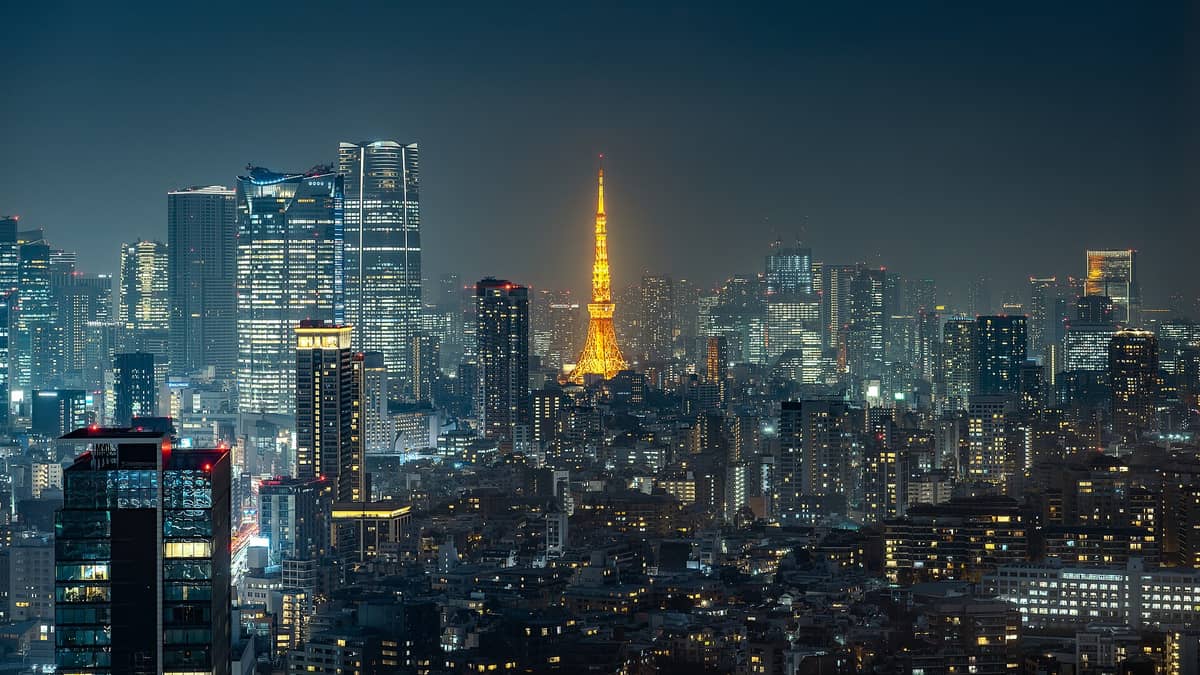
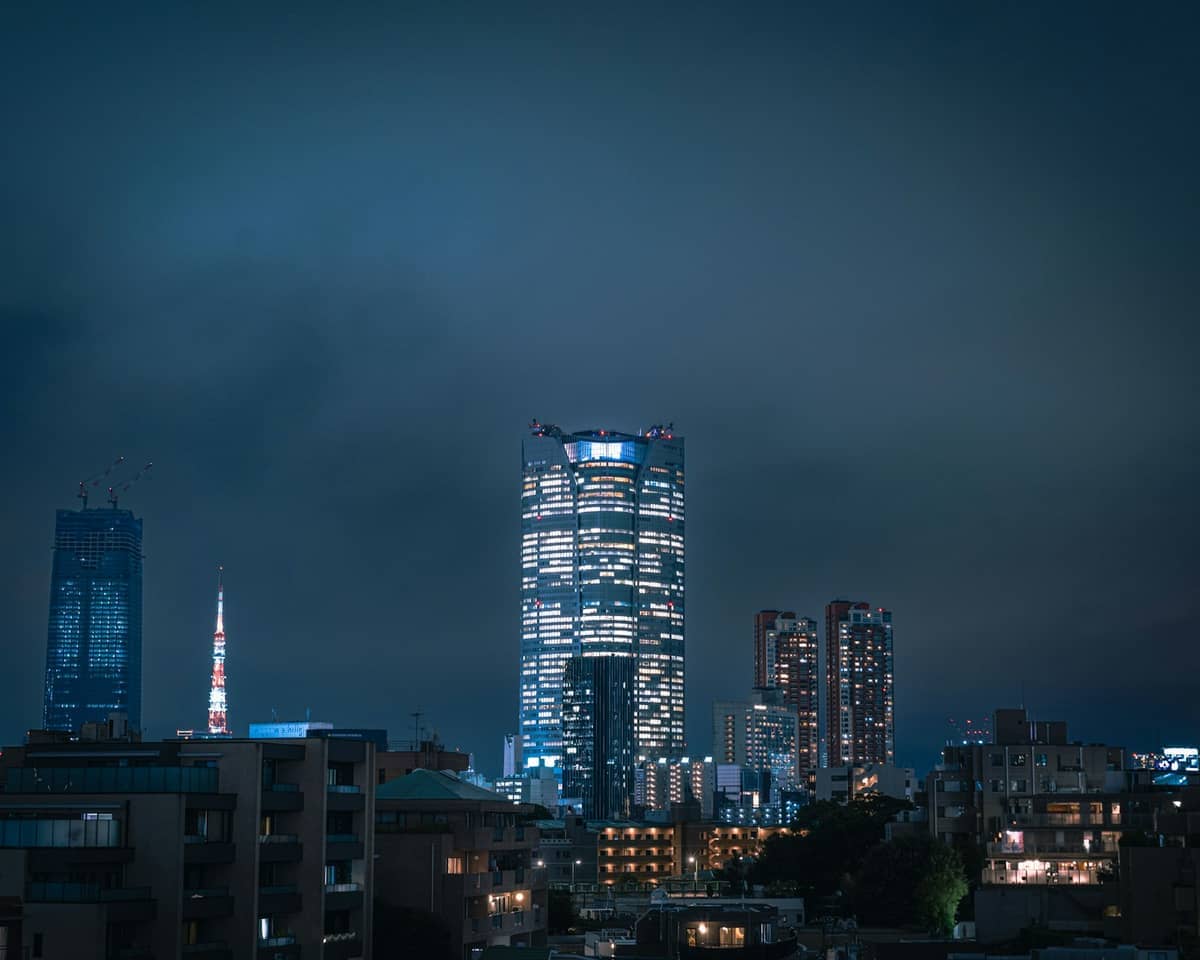
Roppongi sits at an unusual intersection of high culture and late-night excess. Home to the Art Triangle Roppongi, two of Tokyo's most ambitious mixed-use developments, and a nightlife strip that runs until dawn, it is a neighborhood of genuine contrasts that rewards visitors who understand what they're walking into.
Roppongi is the neighborhood that Tokyo's other districts don't quite know what to make of: part world-class art destination, part corporate tower district, part late-night playground that outlasts almost everywhere else in the city. That combination makes it one of the most polarizing places to spend time in Tokyo, and one of the most interesting.
Orientation
Roppongi sits in Minato Ward, roughly in the center of the arc formed by Tokyo's most expensive real estate. It covers Roppongi 1-chome through 7-chome, a compact grid anchored by Roppongi-dori, the main avenue that runs northeast toward Akasaka and southwest toward Azabu-Juban. Nishi-Azabu borders it to the west, where the nightlife gradually gives way to quieter residential streets. Minami-Aoyama lies to the north, and the leafy embassy district of Motoazabu and Hiroo sits to the south.
The neighborhood's geography is deceptive. From the street-level chaos around Roppongi Station, you might not guess that within ten minutes' walk in almost any direction, the streets narrow into low-rise lanes of traditional homes, embassies behind high walls, and corner izakayas that have been there for decades. Roppongi itself is relatively small, but it sits at the center of a cluster of some of Tokyo's most prestigious addresses.
Its position between Shibuya to the west and Ginza to the east makes it a natural stopping point on any route through central Tokyo. For a broader sense of how the neighborhood fits into the city's layout, the Tokyo neighborhoods guide is a useful starting point before you plan your time.
Character & Atmosphere
Roppongi at 9am is almost unrecognizable from Roppongi at 2am. In the mornings, the area around Roppongi Station is surprisingly ordinary: suited office workers heading toward Roppongi Hills or Tokyo Midtown, convenience stores doing brisk business, delivery trucks blocking the side streets. The great glass towers catch the morning light well, and the Keyakizaka-dori promenade linking Roppongi Hills to the main road has a certain calm to it before the lunch crowds arrive.
By afternoon, the art museums draw a steady flow of visitors, gallery crowds mix with business lunchers in the plazas, and the terraces at Roppongi Hills fill up. The Mori Garden below the tower, a quietly maintained Japanese garden that most visitors overlook, offers a rare moment of stillness in the middle of one of Tokyo's densest commercial precincts. The light in autumn turns the garden gold around late October, and it's one of the more atmospheric corners of this otherwise very modern neighborhood.
After dark is when Roppongi becomes itself. The strip along Roppongi-dori between the station and the Nishi-Azabu intersection is where the bars, clubs, and restaurants run almost wall to wall. It is loud, often crowded on weekends, and frequented by a notably international crowd: foreign residents, tourists, business travelers, and a large contingent of people who have come specifically because Roppongi's clubs stay open later than almost anywhere else in Tokyo. The area has a sizeable expat population, partly because several foreign embassies are based in the surrounding wards, and that gives the nightlife a character that feels different from Shibuya or Shinjuku.
⚠️ What to skip
The stretch of Roppongi-dori around the main intersection is well known for aggressive touts outside bars and clubs, especially at night. Avoid establishments where staff pull people in from the street. These venues often charge inflated prices or add unexpected fees to the bill. Reputable bars and restaurants in Roppongi Hills or Tokyo Midtown do not operate this way.
The international atmosphere is genuine: this is one of the few parts of Tokyo where English is commonly spoken at most establishments, menus are regularly bilingual, and staff in shops and restaurants are accustomed to non-Japanese speakers. That accessibility makes it an easy first base for first-time visitors to Tokyo, though it also means the neighborhood can feel less distinctively Japanese than areas like Yanaka or Koenji.
What to See & Do
The single most important thing to understand about Roppongi for cultural visitors is the Art Triangle. Three major institutions sit within easy walking distance of each other, forming one of the densest concentrations of contemporary art in Asia.
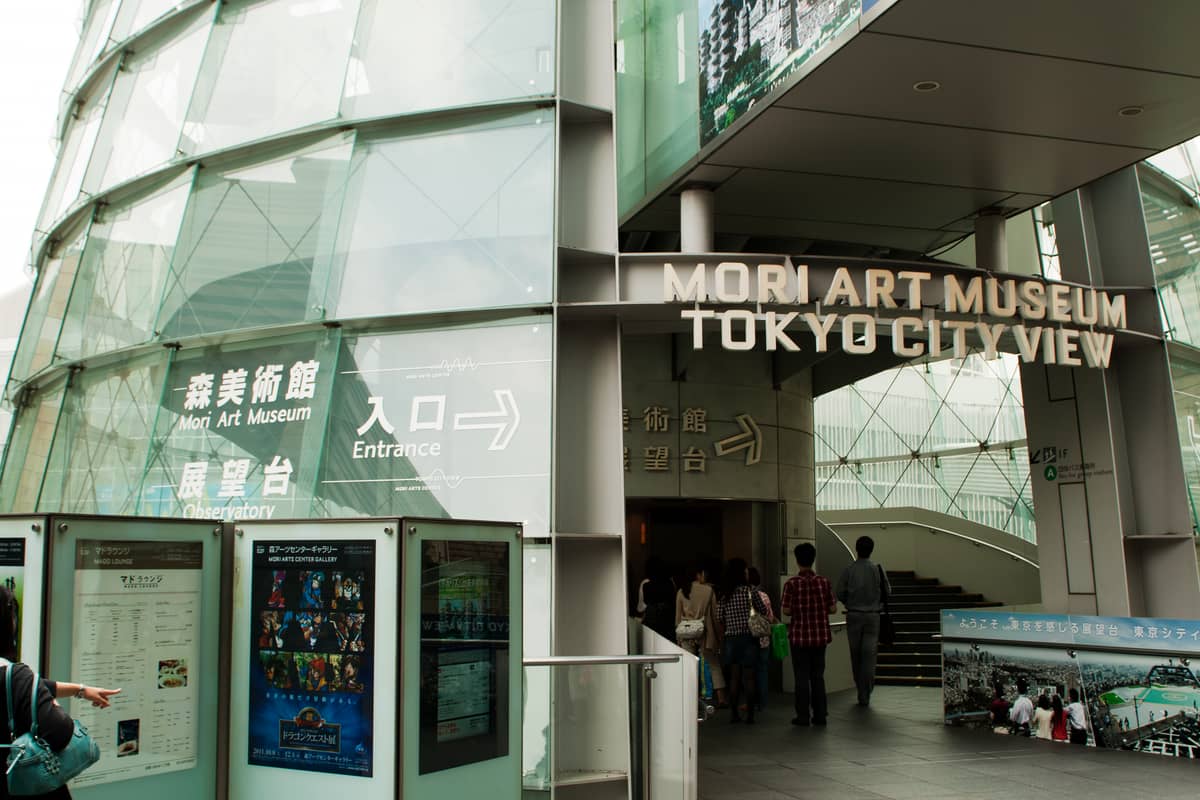
Mori Art Museum, housed high in Mori Tower in Roppongi Hills, shows large-scale international contemporary art with a strong focus on Asian artists. The adjacent Tokyo City View observation deck shares the ticket, giving you art and a 360-degree view of the city in one visit.
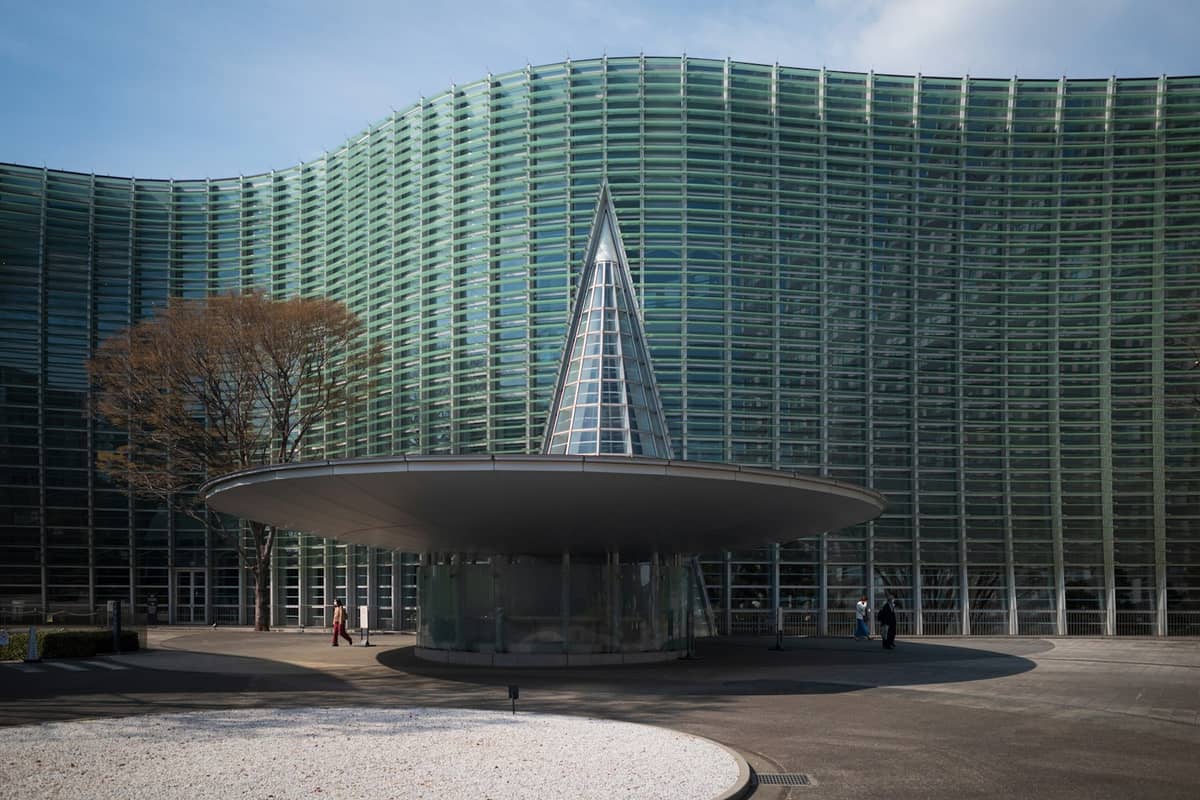
National Art Center, Tokyo, is the largest exhibition space in Japan by floor area, a Kisho Kurokawa-designed building with a distinctive curved glass facade a short walk from Roppongi Hills. It has no permanent collection but hosts major loan exhibitions from Japanese national museums and international institutions.
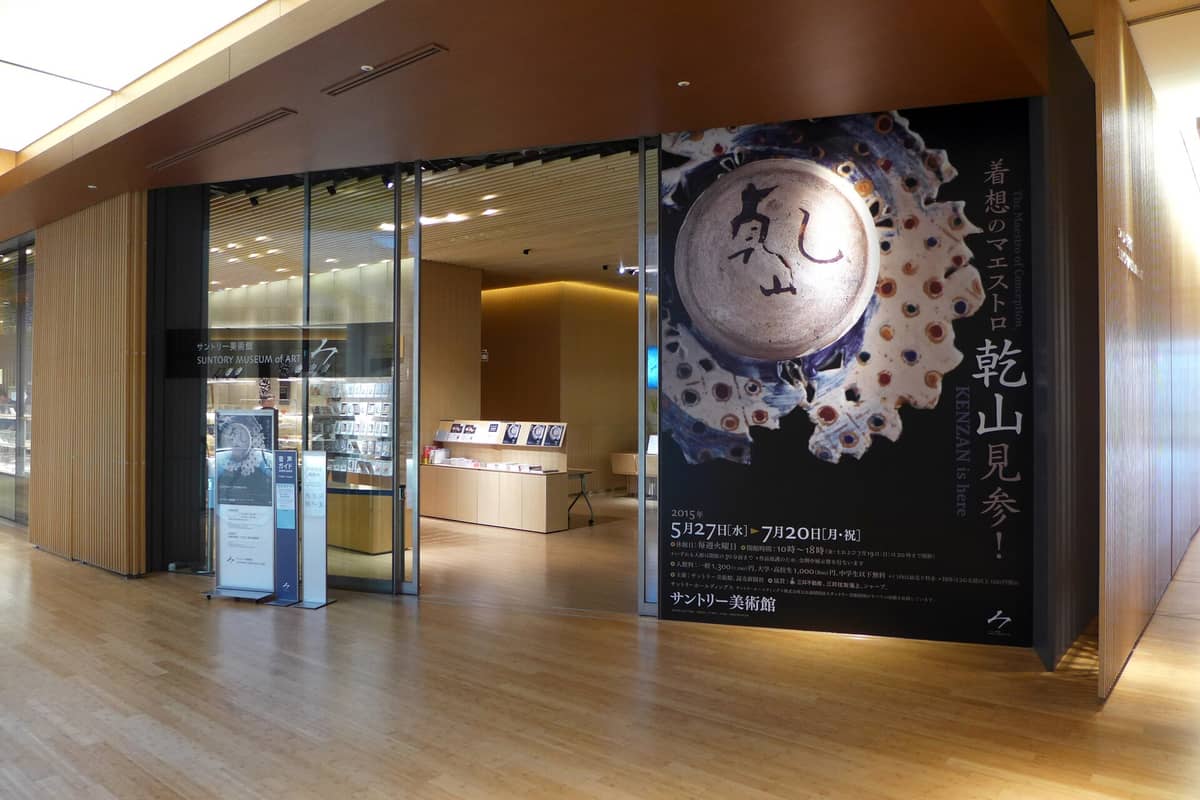
Suntory Museum of Art inside Tokyo Midtown focuses on Japanese aesthetics across lacquerware, glass, ceramics, and textile arts. The collection is smaller and more intimate than the other two but consistently excellent.
Together, the three museums make Mori Art Museum, the National Art Center, and Suntory Museum of Art worth combining into a single day if you have the stamina. A joint pass for some combination of these institutions is often available; check each museum's website before visiting.
Beyond the art institutions, Roppongi Hills is worth spending time in as a piece of urban design in its own right. The complex, developed by Mori Building and opened in 2003, covers 11 hectares and includes cinemas, a TV studio, a hotel, hundreds of shops and restaurants, and the Mori Garden at its base. It was conceived as a self-contained city-within-a-city, and it largely succeeds on those terms.
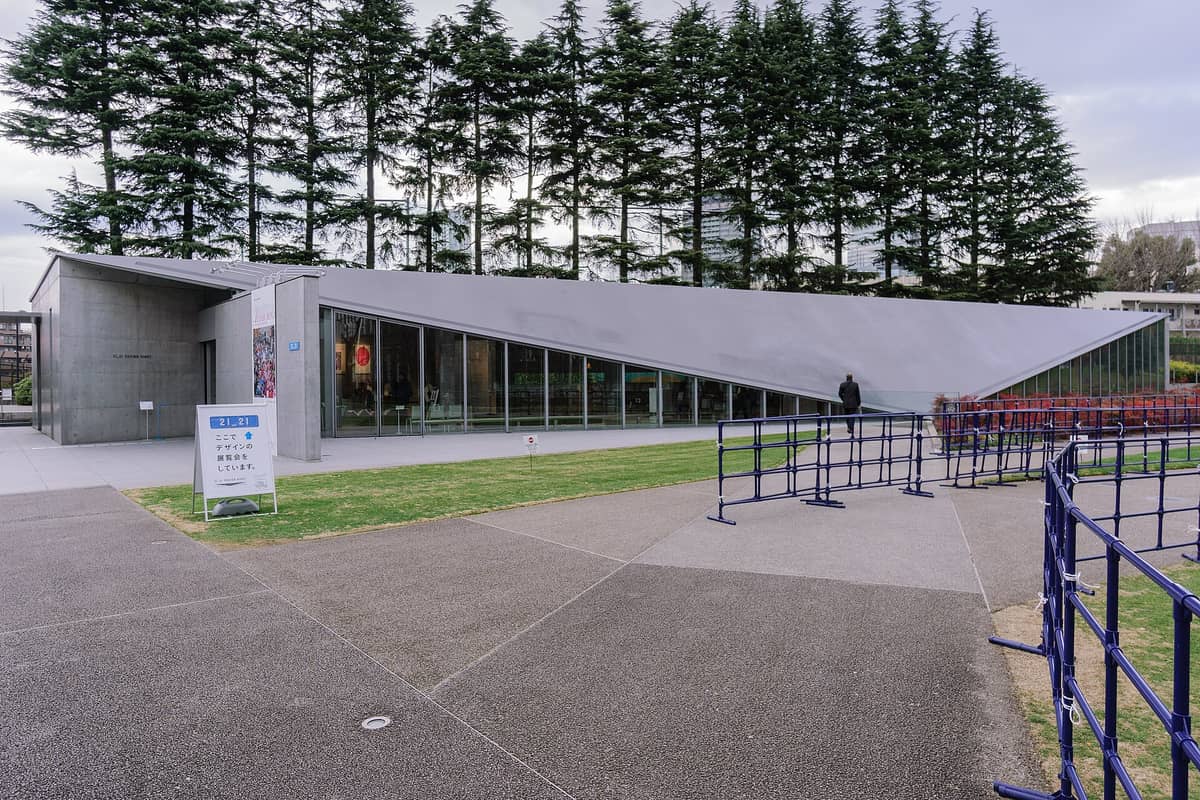
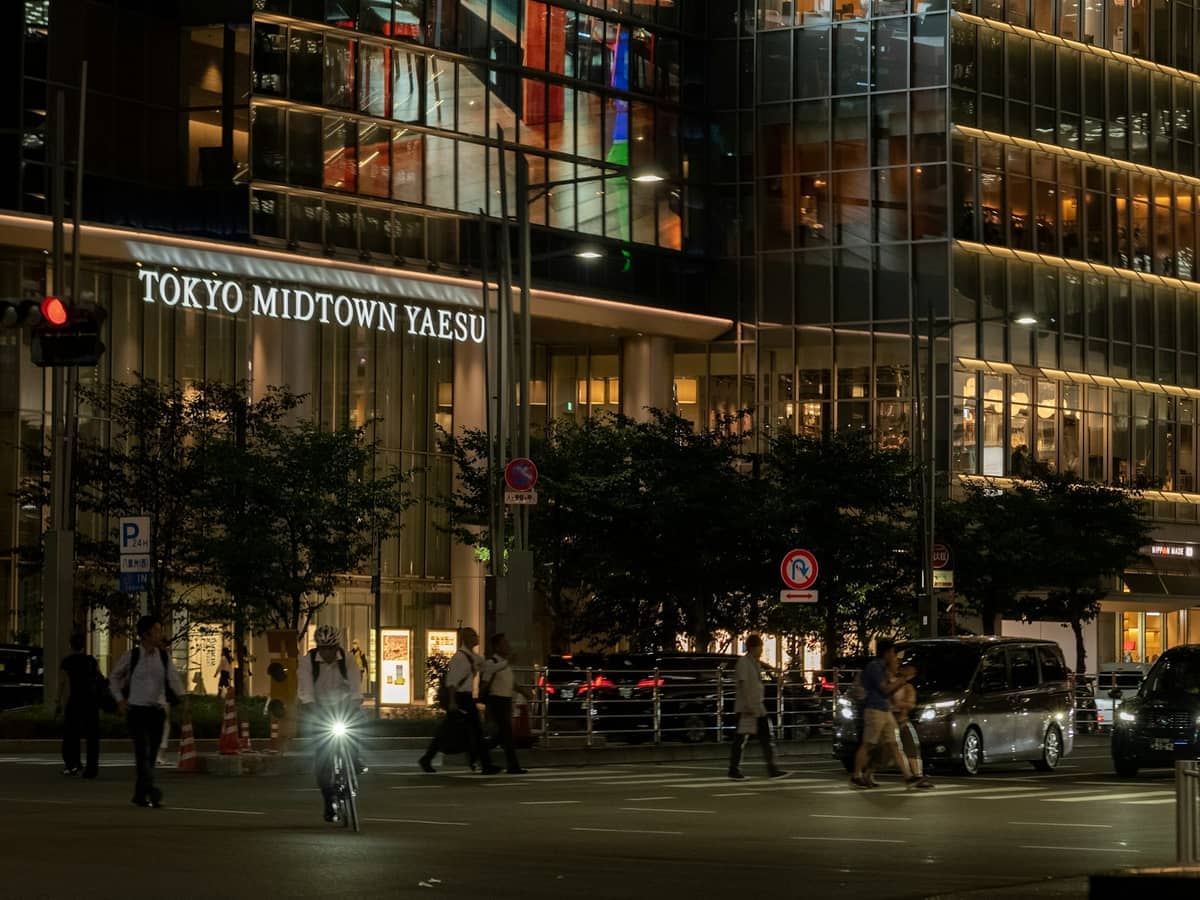
Tokyo Midtown opened in 2007 on the former site of the Japan Defense Agency headquarters and takes a slightly different approach: its layout is more open, with a large park running alongside the complex and a design district called the Midtown Design Hub within the building. The 21_21 Design Sight, a small but consistently interesting design museum in the Midtown Garden designed by Tadao Ando, is one of Roppongi's most underrated attractions.
💡 Local tip
The Tokyo City View observation deck at the top of Mori Tower is one of the best high-altitude viewpoints in the city, with a rooftop Sky Deck that opens in good weather. For a guide to the city's best aerial perspectives, see the best views in Tokyo guide.
Eating & Drinking
Roppongi's food scene divides cleanly into two registers. Inside Roppongi Hills and Tokyo Midtown, you'll find an unusually high concentration of well-regarded restaurants: Japanese and international, with price points that reflect the real estate. These are reliable, quality-focused venues serving everything from omakase sushi to Neapolitan pizza to Korean barbecue. The basement food halls in both complexes are worth exploring for a more accessible lunch.
Outside the towers, the streets around Roppongi Station hold a different kind of eating and drinking. The side streets running off Roppongi-dori toward Nishi-Azabu contain some genuinely good small restaurants: ramen shops, yakitori counters, small izakayas that fill quickly after 7pm with a mix of local residents and office workers. The stretch of Gaien Higashi-dori running north from the main intersection has a particular density of restaurants on multiple floors, the kind of place where you can wander and pick based on what looks busy.
For late-night drinking, Roppongi has more options than almost anywhere in Tokyo. The challenge is avoiding the overpriced tourist traps near the main intersection. Small bars tucked into upper floors of older buildings, particularly toward Nishi-Azabu, tend to be better value and more atmospheric. The Tokyo nightlife guide covers the broader landscape if you're trying to calibrate expectations before arriving.
Coffee culture is well-represented here. Several specialty cafes have opened near the art museums, catering to the gallery crowd, and the larger hotels in the area run lobby cafes that are perfectly pleasant for an afternoon break without requiring you to be a guest.
ℹ️ Good to know
Roppongi is more expensive than most Tokyo neighborhoods for food and drink. A meal at a sit-down restaurant near the main strip will typically run from around 1,500 yen for a casual lunch to 5,000 yen and above for dinner. Budget travelers will find better value in the basement food courts of Roppongi Hills or Tokyo Midtown, or by walking ten minutes toward Azabu-Juban, where the local shopping street has more affordable everyday options.
Getting There & Around
Roppongi Station is the main access point and is served by two lines: the Tokyo Metro Hibiya Line (station H-04, with exits including 1a, 1b, 2 and 4a) and the Toei Oedo Line (station E-23, typically accessed from exits such as 3 or 7). The Hibiya Line connects directly to Ginza, Ueno, and Akihabara to the northeast, and to Ebisu and Naka-Meguro to the southwest. The Oedo Line is a loop that hits Shinjuku, Shiodome, and Daimon, making connections to the broader JR network straightforward.
Roppongi is also within reasonable walking distance of several adjacent areas. Akasaka is about fifteen minutes on foot heading north along Roppongi-dori. Azabu-Juban, the more residential and local neighborhood to the south, is ten to twelve minutes walking down Azabu-dori. Nishi-Azabu, an area of quieter bars and restaurants, begins immediately to the west of the main intersection. The neighborhood is genuinely walkable once you're in it.
For those arriving from Haneda Airport, the most direct route is the Keikyu Line to Shinagawa, then the JR or subway toward Roppongi, though a taxi from Haneda is reasonable given the relatively short distance. From Narita, the Narita Express to Shibuya or Shinjuku with an onward subway connection is the most practical option. See the getting around Tokyo guide for full transit logistics across the city.
Taxis in Roppongi are plentiful at night, which matters because late-night subway service ends around midnight to 1am depending on the line. After last trains, cabs queue near the main intersection. Ride-hailing apps including GO (the major Japanese platform) operate in the area, and flagging taxis from the street remains straightforward.
Where to Stay
Roppongi skews toward high-end accommodation. The Grand Hyatt Tokyo sits inside Roppongi Hills and is one of the area's flagship luxury hotels, with the price to match. The Ritz-Carlton Tokyo occupies the upper floors of Tokyo Midtown Tower and is consistently ranked among the best hotels in the city for views and service. Several mid-range business hotels operate on the quieter side streets between Roppongi and Azabu-Juban.
Staying in Roppongi makes sense for travelers prioritizing the art museums or who want to be in central Tokyo with easy access to both the Hibiya and Oedo subway lines. It is less ideal for travelers on a tight budget or those who want a more locally-flavored residential experience: the neighborhood's identity is shaped significantly by its towers and its nightlife, neither of which are quiet. Rooms in the main complexes can start from around 30,000 yen per night and rise considerably from there.
For travelers weighing Roppongi against other central Tokyo neighborhoods as a base, the where to stay in Tokyo guide compares all major options in detail.
Honest Assessment: Who Roppongi Is For
Roppongi is not the neighborhood to go to if you want to feel like you've escaped the tourist circuit. It is cosmopolitan by design, commercially polished in its main precincts, and carries a nightlife reputation that shapes how some people experience it regardless of why they're there. Those things are real.
What it offers in return is significant: a genuine world-class contemporary art scene, two of the most architecturally ambitious urban developments in Japan, excellent transit connections, and a food and bar culture that runs later and wider than most of the city. For travelers who have already done the temple districts and the old Tokyo neighborhoods and want to engage with the city at its most internationally-facing, modern, and culturally ambitious, Roppongi is where to spend the time.
TL;DR
The Art Triangle Roppongi (Mori Art Museum, National Art Center Tokyo, and Suntory Museum of Art) makes this one of the best single neighborhoods in Asia for contemporary and design-focused art.
Roppongi Hills and Tokyo Midtown are landmark pieces of urban development worth visiting even if you're not shopping or eating inside them.
Nightlife here runs later than almost anywhere else in Tokyo, with a notably international crowd, but the area around the main intersection requires some caution regarding touts and overpriced venues.
Not a budget destination: food, drinks, and accommodation all trend expensive, particularly inside the main complexes.
Best suited to art and architecture enthusiasts, business travelers, nightlife-oriented visitors, and those wanting strong central transit connections in a thoroughly modern part of Tokyo.
Three days in Tokyo is enough to cover the city's iconic districts, sample its legendary food scene, and get a genuine feel for how the place works. This itinerary is structured by neighborhood logic, not just a checklist of sights, so you spend less time on trains and more time actually exploring.
Tokyo's museum scene spans 1,400 years of Japanese art history, Le Corbusier architecture, midnight-open contemporary galleries, and fully immersive digital worlds. This guide covers the best museums in Tokyo across every category, with practical tips on tickets, timing, and what to prioritize.
Tokyo has hundreds of shrines and temples, from grand imperial foundations to quiet neighborhood sanctuaries. This guide cuts through the noise to highlight the most rewarding sacred sites, whether you have one afternoon or a full week to explore.
Tokyo rewards visitors in every season, but the experience varies dramatically depending on when you go. This guide breaks down the weather, crowd levels, hotel prices, and standout events for each time of year, so you can choose the visit that actually suits you.
Tokyo rewards those who look up. Whether you want a free 202-meter perch over Shinjuku, a paid rooftop with Shibuya Crossing directly below, or a romantic tower glowing orange at night, this guide covers every major viewpoint in the city, ranked by what makes each one worth the trip.
Tokyo rewards those who venture beyond the city limits. Within two hours by train or bus, you can reach a UNESCO shrine town, a volcanic mountain resort, a coastal city of Zen temples, and Japan's most iconic mountain view. This guide covers the best day trips from Tokyo, with practical transport details for each.
Tokyo is one of the world's great cities for budget travelers. From free observation decks and ancient temple grounds to world-class parks and atmospheric street walks, you can fill days of exploration without paying a single admission fee. This guide covers the best genuinely free experiences across the city.
Tokyo's transport network is one of the most efficient in the world, but its sheer scale can overwhelm first-time visitors. This guide covers everything: IC cards, subway passes, airport transfers from Haneda and Narita, buses, taxis, and the key mistakes to avoid.
Tokyo rewards the curious traveler who ventures beyond the obvious landmarks. From a temple blanketed in lucky cat figurines to a natural valley cutting through residential Setagaya, these are the places locals love and guidebooks overlook.
Tokyo sets the global standard for luxury travel. With more Michelin-starred restaurants than any city on earth, world-class hotels, and bespoke private experiences, it rewards travelers who plan carefully. This guide covers everything from three-star dining reservations to high-end seasonal timing.
Everything you need to plan a Mount Fuji day trip from Tokyo, from train and bus options to climbing season restrictions, entrance fees, and the best spots to actually see the mountain. Practical, specific, and honest about what to expect.
Seven days is enough to cover Tokyo's essential neighborhoods, iconic landmarks, and a few surprises — if you plan smart. This day-by-day itinerary covers where to go, how to get there, what things actually cost, and what most visitors get wrong about spending a week in one of the world's most complex cities.
Tokyo rewards couples who plan ahead. This guide covers the city's best romantic experiences, from immersive art installations and panoramic night views to riverside strolls and intimate izakayas, with clear advice on what to book early and what to skip.
Tokyo now has two large-scale teamLab museums, and they are nothing alike. This guide covers the real differences between teamLab Planets in Toyosu and teamLab Borderless at Azabudai Hills, with practical advice on tickets, timing, and which experience is worth your time.
Tokyo is one of the most rewarding cities on earth, but its sheer scale can be overwhelming. This guide cuts through the noise with practical, specific advice on the top things to do in Tokyo — from iconic landmarks and seasonal festivals to quieter experiences most visitors miss entirely.
Tokyo has two main international airports: Haneda, close to the city center, and Narita, located in Chiba Prefecture about 60 km out. This guide breaks down the key differences, every transport option available, realistic travel times, and how to avoid the common mistakes that cost travelers time and money.
Tokyo is the global capital of anime and manga culture, with dedicated museums, iconic shopping districts, seasonal conventions, and pilgrimage sites spread across the city. This guide breaks down exactly where to go, how to book, what to budget, and how to avoid the most common planning mistakes.
Tokyo's architecture spans over a thousand years in the space of a single subway ride. This guide covers the city's most significant modern and traditional structures, with practical details on opening hours, ticket prices, access routes, and what to know before you go.
Tokyo's café culture spans three distinct worlds: atmospheric kissaten frozen in the 1960s, precision-driven specialty coffee shops, and themed cafés where you sip coffee alongside cats, owls, or hedgehogs. This guide breaks down pricing, etiquette, booking requirements, and the best neighbourhoods for each type.
Tokyo has become one of the world's leading destinations for digital and immersive art, and teamLab is just the beginning. From yokai-themed projection installations to grand European masterworks reimagined in light, this guide covers every major venue, ticket prices, seasonal timing, and practical logistics for experiencing Tokyo's full digital art landscape.
Tokyo is one of the most rewarding cities in the world to visit, and also one of the easiest to navigate once you know the basics. This guide covers everything a first-time visitor needs: how to get in, how to move around, when to go, what to expect, and how to avoid the most common mistakes.
Tokyo's fish market scene split in 2018 when wholesale operations moved from Tsukiji to the new Toyosu Market. This guide cuts through the confusion: where the tuna auctions actually happen, how to get a coveted auction viewing spot, and why Tsukiji's outer market is still worth your morning.
Tokyo is one of the world's great garden cities, with Edo-period strolling gardens, forested shrine grounds, and expansive modern parks distributed across the metropolis. This guide covers the finest green spaces in Tokyo, from the iconic to the quietly spectacular.
Tokyo's autumn foliage season runs from mid-November into early December, transforming gardens, parks, and temple grounds across the city. This guide covers the best spots, exact peak timing, admission costs, and practical advice for planning your visit.
December in Tokyo is one of the city's most visually spectacular months, with thousands of lights transforming major boulevards and neighborhoods. But it also comes with genuine planning challenges: year-end closures, holiday crowds on trains, and illumination events that end before Christmas. This guide covers everything you need to know.
Spring in Tokyo runs from mid-March through May, with cherry blossom season as the centerpiece. This guide covers bloom forecasts, the best hanami spots, crowd strategy, spring weather, and practical planning advice for one of Japan's most spectacular seasonal events.
Izakaya are the beating heart of Tokyo's after-work food and drink culture. This guide covers what to expect, how much to budget, where to go, and the customs that separate confident regulars from confused first-timers.
Tokyo's 23 special wards contain dozens of distinct neighborhoods, each with its own personality, price point, and crowd. This guide breaks down the key areas to help you decide where to spend your time — and what to skip.
Tokyo's after-dark scene runs from intimate jazz bars and golden-era izakayas to multi-floor clubs that peak at 2am. This guide covers the best neighborhoods, realistic costs, how cover charges actually work, and everything you need to plan a great night out.
Tokyo has a reputation for being expensive, but the reality is more nuanced. With smart transport choices, free-entry attractions, and a food culture built around affordable meals, a trip to Japan's capital can cost far less than most visitors expect. This guide breaks down exactly where to spend, where to save, and what to skip.
Tokyo has a surprisingly rich bathing culture, from genuine hot spring onsen drawing geothermal water to affordable neighborhood sento charging just ¥550. This guide breaks down the difference, explains the etiquette, and points you to the best options across the city.
Tokyo takes ramen seriously. This guide covers every major broth style found in the city, which neighborhoods to target for each, exactly how to order at a ticket-machine shop, and what to budget per bowl in 2026. Whether you want a classic shoyu at a stand-up counter in Shinjuku or a next-level tori paitan in Shibuya, this is your starting point.
Tokyo consistently ranks among the safest major cities on earth, but that reputation can breed overconfidence. This guide covers the real crime picture, common scams targeting tourists, night safety, seasonal hazards, and exactly what to do if something goes wrong.
Tokyo is one of the world's great shopping cities, with entire neighborhoods built around specific categories of retail. This guide breaks down the best areas by what you actually want to buy, explains Japan's tax-free system, and tells you what to skip.
Tokyo's street food scene runs through markets, covered shotengai, and narrow yokocho alleys rather than roaming carts. This guide covers the best locations by neighborhood, what each area does best, realistic prices for 2026, and the seasonal quirks that determine what's worth eating when.
Tokyo's summer festival season runs from late June through mid-August, packed with massive fireworks displays, Bon Odori dancing, and lantern festivals. This guide covers the major events, ticket options, crowd logistics, and practical advice for making the most of hanabi season without the rookie mistakes.
Tokyo hosts three Grand Sumo tournaments every year at Ryogoku Kokugikan in Sumida Ward. This guide covers 2026 tournament dates, how to buy tickets before they sell out, seat types, what to expect inside the arena, and everything else you need to plan a visit.
Tokyo has more sushi restaurants than any city on earth, spanning ¥150 conveyor belt plates to ¥88,000 trophy omakase. This guide breaks down every tier, explains what you actually get at each price point, and tells you how to book, what to avoid, and when to go.
The Tokaido Shinkansen is one of the world's great train journeys, covering roughly 450 km between Tokyo and Kyoto in just over two hours. This guide breaks down every train type, fare tier, JR Pass rule, and booking option so you can plan the trip without second-guessing yourself.
Three options connect Tokyo and Osaka: the Tokaido Shinkansen, overnight highway buses, and short-haul flights. This guide breaks down real costs, door-to-door times, and the clear pros and cons of each so you can book the right one for your trip.
Tokyo rewards walkers like few cities do. This guide covers the best self-guided walking tours across Tokyo's most interesting neighborhoods, with free official maps, transport pass options, seasonal advice, and honest assessments of each route's strengths and trade-offs.
Tokyo is one of the world's most rewarding cities to explore with children. From immersive digital art to classic theme parks, this guide covers the best family activities, practical logistics, seasonal timing, and money-saving tips to make your trip run smoothly.
Tokyo Japanese cuisine spans everything from ¥800 ramen bowls to reservation-only omakase counters. This guide covers the city's defining dishes, where to find them by neighborhood, what things actually cost, and how to eat well on any budget.
Tokyo has no single best neighborhood for every traveler. This guide breaks down the top areas to stay, from the transit powerhouse of Shinjuku to the traditional lanes of Asakusa, with clear advice on who each area suits, what to expect from hotels at every price point, and when to book.