Romantic Tokyo: Best Things to Do for Couples
Tokyo rewards couples who plan ahead. This guide covers the city's best romantic experiences, from immersive art installations and panoramic night views to riverside strolls and intimate izakayas, with clear advice on what to book early and what to skip.
Plan and book this trip
Tools from our partner Travelpayouts help you compare flights and hotels. If you book through them, we may earn a commission at no extra cost to you.
Flights
Hotels map
TL;DR
- Tokyo's most romantic experiences, like teamLab Planets and Tokyo Skytree sunset slots, sell out on weekends and holidays, so book at least a week in advance.
- Spring (late March to May) and autumn (October to November) offer the best weather for couples — see our best time to visit Tokyo guide for seasonal details.
- Tokyo Bay dinner cruises start around ¥6,000–¥10,000 per person; teamLab Planets adult tickets start from ¥3,600; Tokyo Skytree combo tickets start around ¥3,000 online.
- Many of Tokyo's most atmospheric romantic spots — garden walks, temple lantern evenings, riverside paths — cost little to nothing.
- Neighborhoods like Daikanyama and Nakameguro are far better for a romantic evening stroll than the tourist-heavy main streets.
Why Tokyo Works So Well for Couples
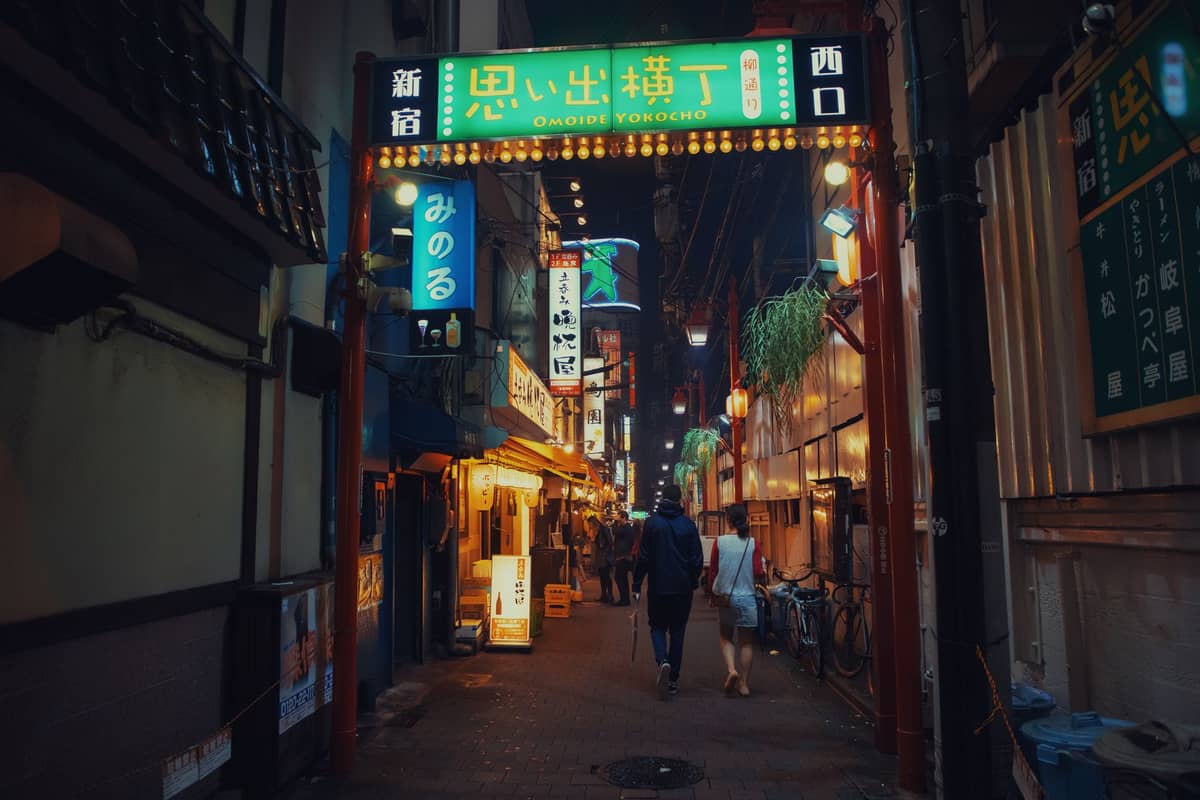
Tokyo is one of the best cities in the world for couples, though it rarely gets credit for it. The instinct is to think of it as overwhelming and impersonal, but the city operates at multiple speeds simultaneously. Beneath the scale is extraordinary intimacy: narrow alley bars with room for eight people, lantern-lit shrines tucked between apartment blocks, canal-side paths where you can walk for an hour without seeing a tourist. The romantic things to do in Tokyo range from high-production spectacle, like a Tokyo Bay dinner cruise with Mount Fuji on the horizon, to almost accidental beauty, like stumbling into a moss garden at dusk.
The city also makes logistics easy for couples. Tokyo's rail network is dense enough that you can move between Asakusa and Nakameguro in under 40 minutes, meaning a single day can move naturally from a morning temple walk to an afternoon art exhibition to a candlelit dinner. The one genuine requirement is a willingness to book ahead for the headline experiences, particularly on weekends.
Panoramic Views and Sunset Spots
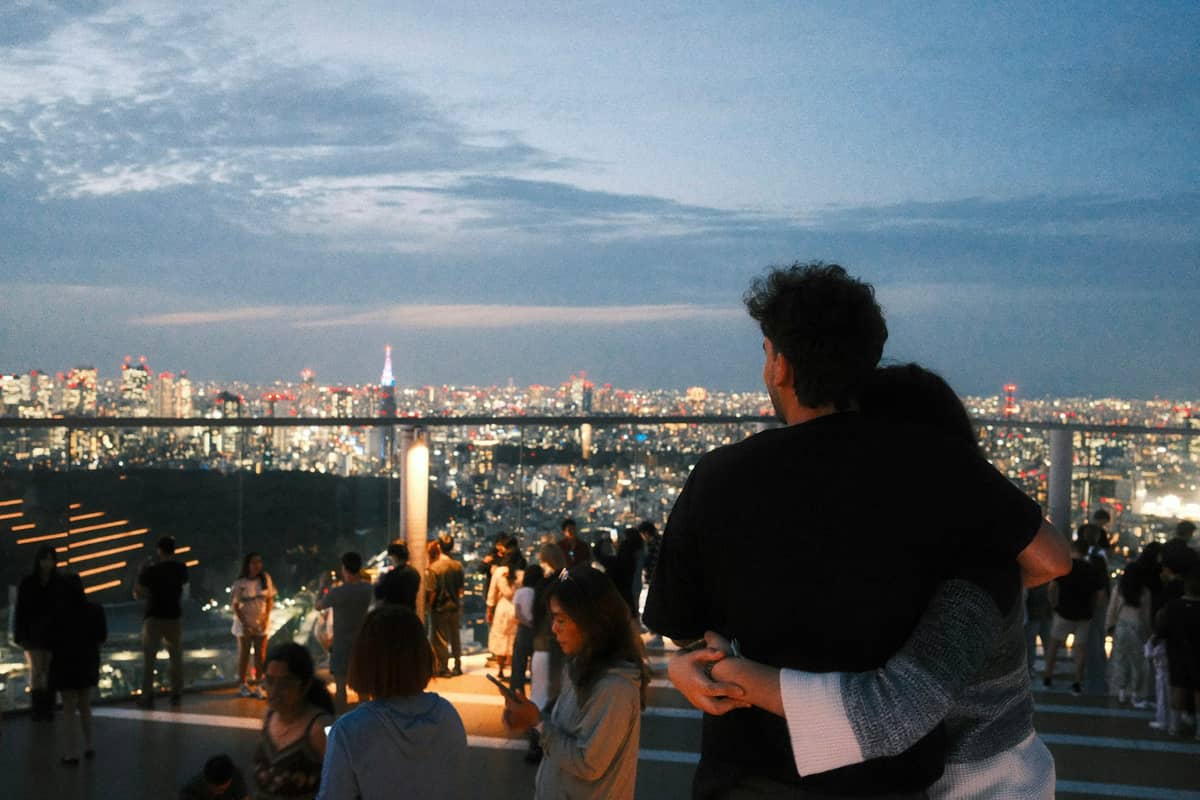
Tokyo's skyline is most dramatic at dusk, when the last light catches the towers and the city begins to glow. The two observation decks most popular with couples are Tokyo Skytree and Shibuya Sky, and they offer genuinely different experiences worth choosing between rather than combining.
Tokyo Skytree stands at 634 metres and has two viewing levels: the Tembo Deck at 350 m and the Tembo Galleria at 450 m. Access to the Galleria requires a separate or combo ticket, and buying it at the counter on the day costs more than booking online in advance. As of mid-2026, adult online prices start at around ¥1,800 for the Tembo Deck only and approximately ¥3,000 for the combo. Same-day or holiday prices rise to around ¥3,400 for the combo. The view east toward Tokyo Bay and Asakusa is exceptional at golden hour, and the surrounding Solamachi shopping complex makes it easy to extend the evening.
Shibuya Sky sits atop Shibuya Scramble Square and offers an open-air rooftop at 229 m, which gives it a completely different character from Skytree. You are outside, wind in your face, looking west over an unbroken carpet of city lights. On clear days in winter, you can see Mount Fuji. It is, by most accounts, the more viscerally exciting of the two, though you need warm layers outside the summer months. Tickets typically cost around ¥2,700–¥3,400 for adults depending on time slot and are available online. See our full guide to the best views in Tokyo for the complete list of rooftop and observation options.
✨ Pro tip
For Skytree, book the 30-minute window that straddles sunset: arrive while it's light and watch the city transition to night from the same spot. The combination effect — golden hour into full illumination — is considerably more impressive than either alone. Check sunset times for your travel dates before booking a time slot.
Immersive Art: teamLab Planets and Digital Experiences
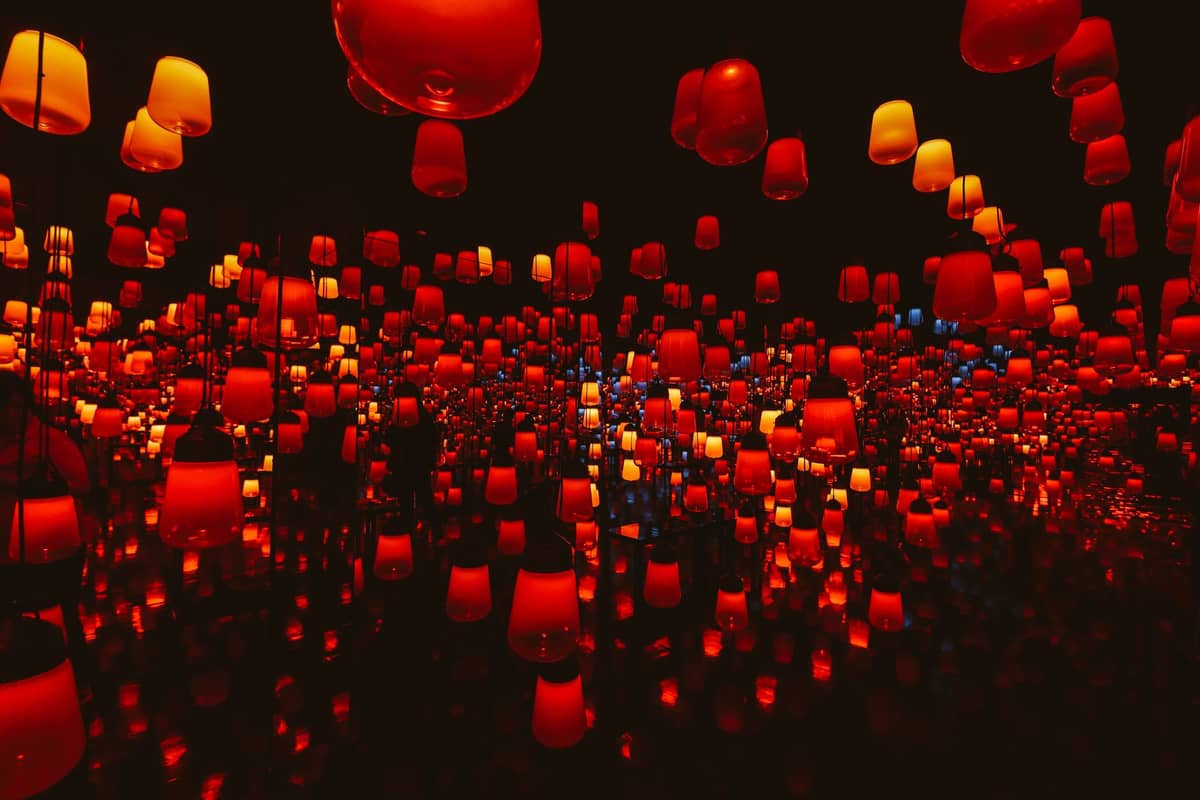
teamLab Planets TOKYO in Toyosu has become one of the defining couple experiences in the city, and its popularity is well-earned. The installation is genuinely participatory: guests walk barefoot through shallow reflective water, pass through rooms where flowers bloom in response to movement, and stand inside what feel like living paintings. It is one of those rare experiences that is difficult to describe and easy to feel. Adult tickets (18+) start from ¥3,600 as of August 2026, with youth (13–17) from ¥2,800 and children (4–12) from ¥1,500. Tickets are sold via the official DMM ticket store. Read the full teamLab Tokyo guide for a detailed comparison of Planets versus Borderless.
⚠️ What to skip
teamLab Planets is not a permanent installation. Its run has been extended multiple times but is not guaranteed to continue indefinitely. Verify current end dates on the official site before including it in trip plans, especially if booking more than a few months ahead.
Seasonal comfort matters at Planets. In winter, some rooms are cool due to the water elements and air conditioning, so bringing an easily removable layer is practical. In the hot, humid months of July and August, the indoor environment is a welcome escape. Weekday morning slots are significantly less crowded than weekend evenings, which matters for the experience quality: the reflective water rooms are most striking when you are not sharing them with 40 other people.
Tokyo Bay Dinner Cruises
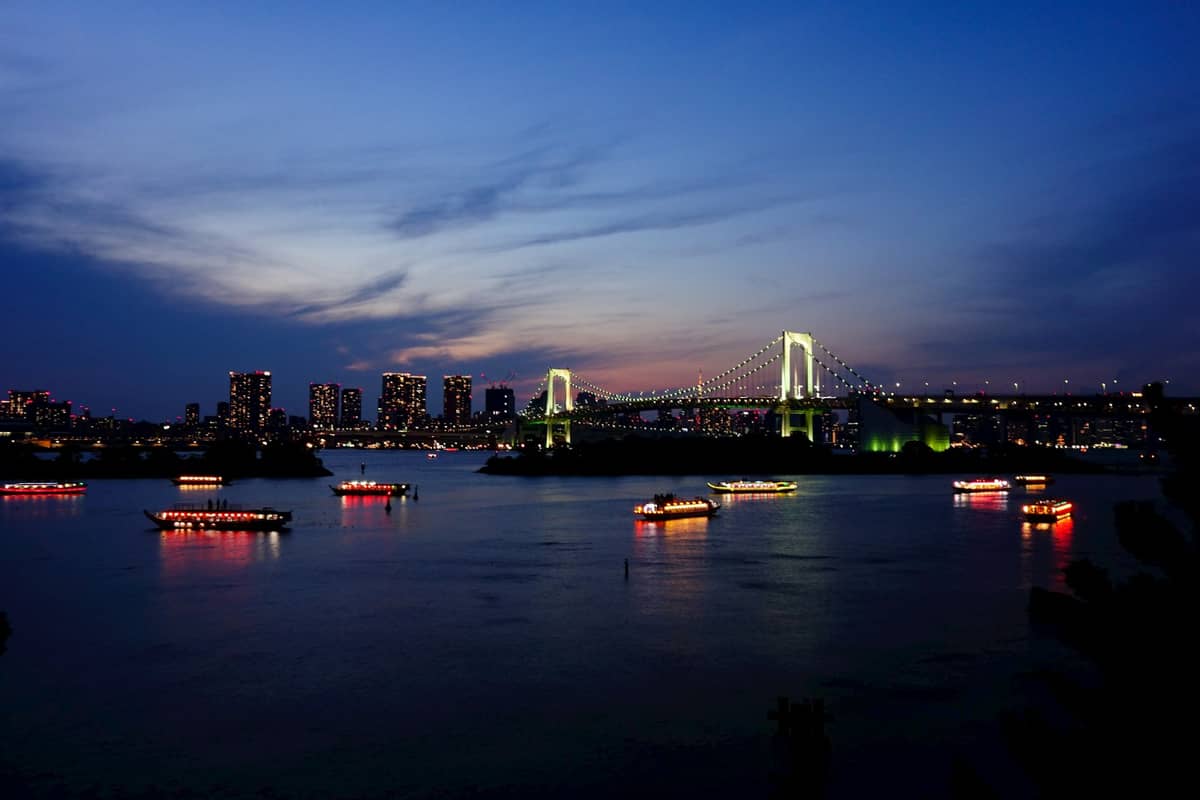
A Tokyo Bay dinner cruise is one of the few experiences in the city designed explicitly for romance. Departures from Hinode Pier or Takeshiba put you on the water with views of Rainbow Bridge, Odaiba's illuminated waterfront, and the whole Tokyo skyline shifting from dusk into night. Most cruises run for two to three hours and offer fixed-course meals, typically French or Italian, with the food quality generally competent rather than exceptional. The setting is the point.
Prices commonly start around ¥10,000 per person for dinner cruises, with significant variation by operator, day of week, and time of year. Special Christmas Eve, New Year's Eve, and summer fireworks plans cost considerably more and sell out weeks in advance. Booking through the operator's website directly is usually the most reliable route. If you are visiting during Sumida or Jingu fireworks nights in late July, a bay cruise with a fireworks view is worth planning around specifically.
💡 Local tip
In winter, even enclosed cruise cabins can feel cold when docking or on deck. Bring an extra layer regardless of what the forecast says. Summer cruises in July and August benefit from the evening breeze off the water, making them more comfortable than the daytime heat suggests.
Gardens, Shrines, and Atmospheric Walks
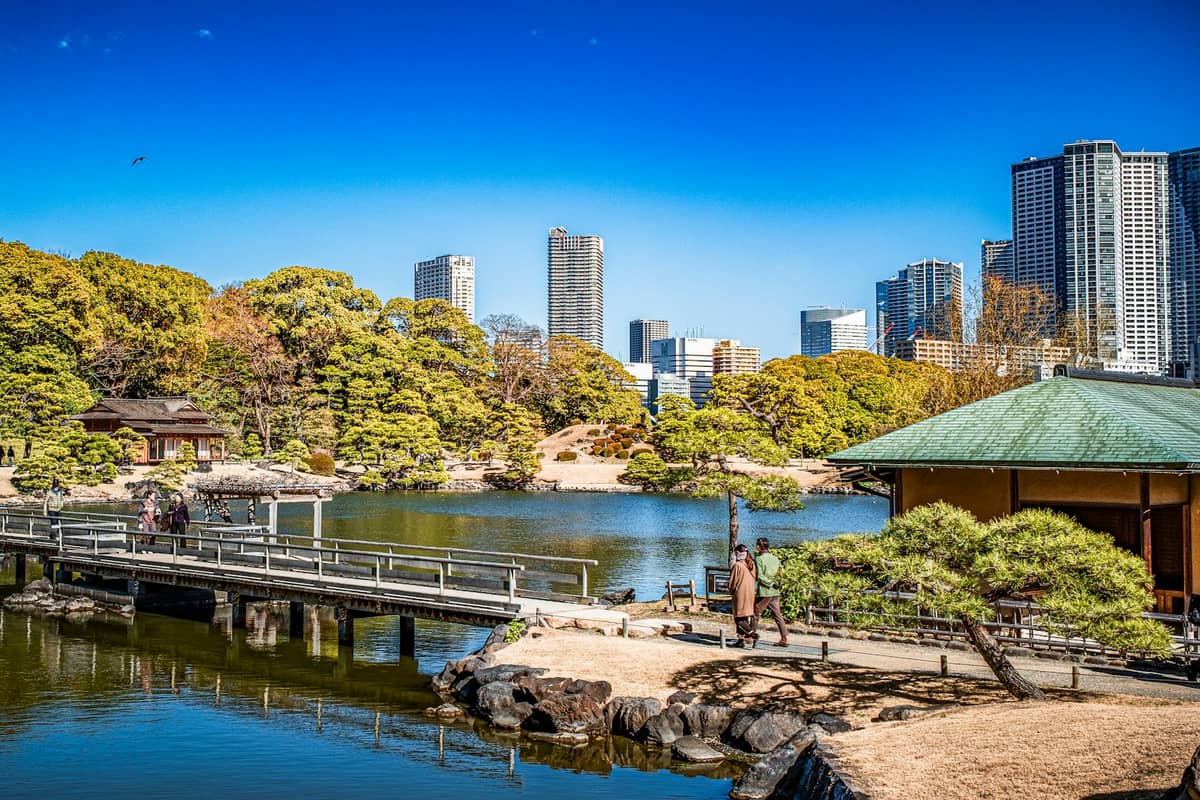
Some of the best romantic things to do in Tokyo cost almost nothing. The traditional gardens scattered across the city offer a kind of seclusion that is remarkable given the urban density around them. Hamarikyu Gardens in Shiodome sits against the bay and has a tidal pond that reflects the surrounding skyscrapers in a way that is genuinely surreal. Rikugien Garden in Bunkyo is considered one of the finest traditional strolling gardens in Japan, best visited in autumn when the maples turn, or during its February plum blossom illumination evenings. Admission to most gardens runs ¥150–¥500 per person.
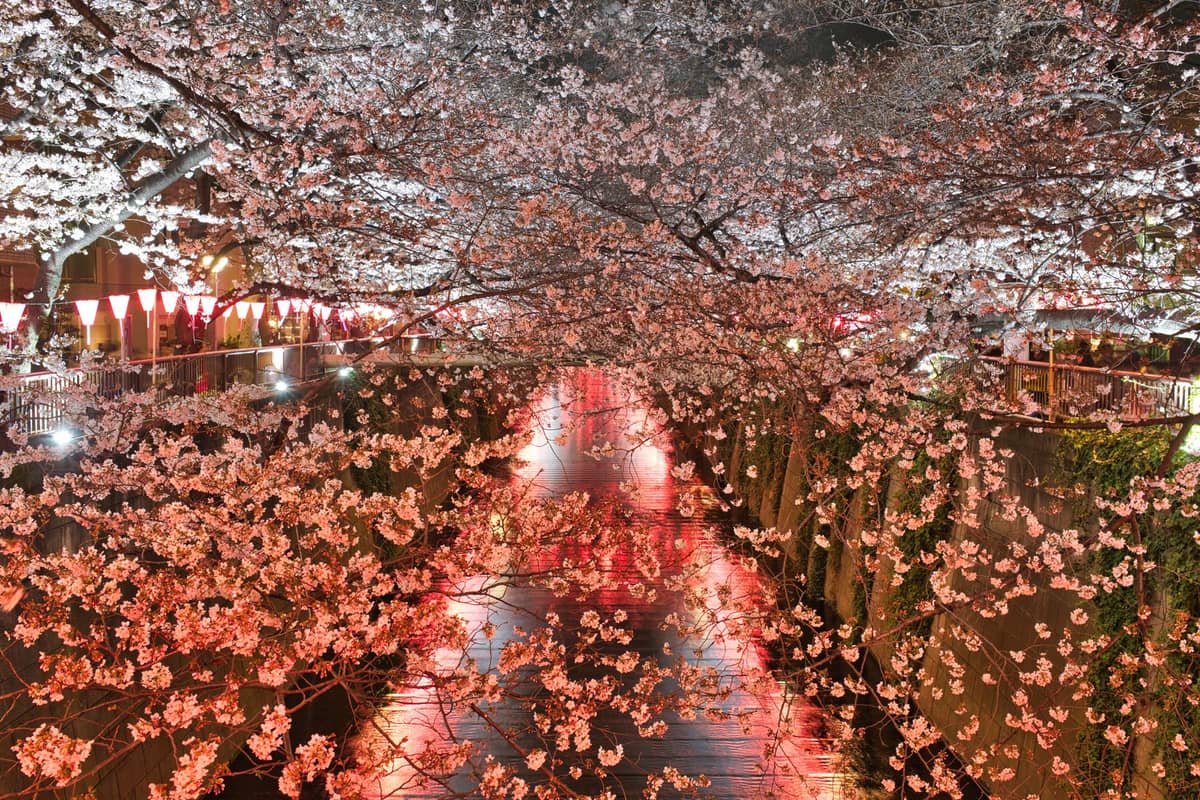
For evening walks, the Meguro River in Nakameguro is the obvious choice in late March and early April when the cherry trees arch over the water and the lanterns come on after dark. It is crowded during peak bloom, but the atmosphere justifies it. Outside cherry blossom season, the canal-side cafes and independent boutiques make this stretch pleasant year-round. For a quieter alternative, the Kanda River in Koenji offers a similar tree-lined path with far fewer visitors.
- Shinjuku Gyoen Large park combining French, English, and Japanese garden styles. Cherry blossoms peak here 3–7 days after Ueno and the Meguro River, making it a reliable backup during crowded seasons. Admission around ¥500.
- Yanaka Ginza at dusk This preserved shitamachi (old downtown) shopping street takes on a genuinely cinematic quality in the evening. Fewer tourists than Asakusa, more authentic atmosphere, and close to several excellent small restaurants.
- Nezu Shrine Less photographed than Fushimi Inari in Kyoto but similarly dramatic tunnel of torii gates. Best visited on a weekday morning before crowds arrive. Free entry.
- Koishikawa Korakuen One of Tokyo's oldest gardens, adjacent to Tokyo Dome City. Autumn colour here is excellent and less visited than Rikugien. Admission around ¥300.
Dining, Drinks, and Evening Atmospheres
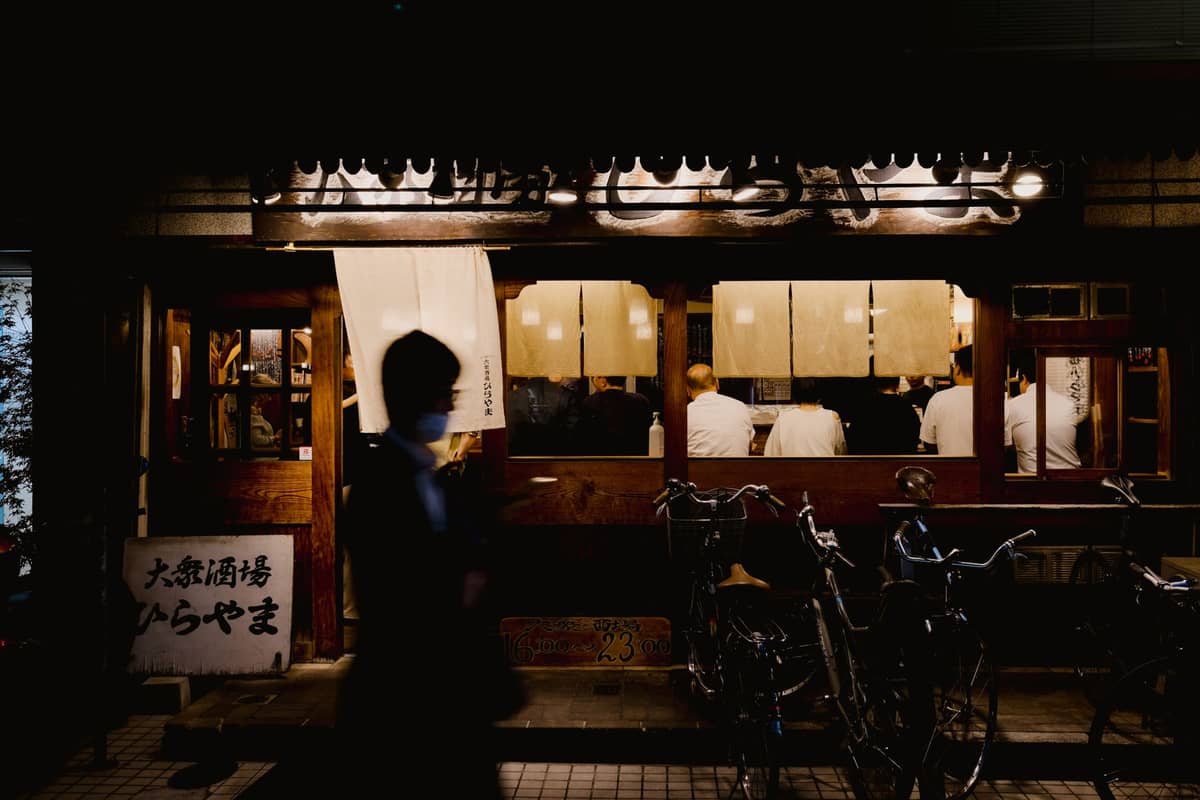
Tokyo's food and drink scene gives couples more options per city block than almost anywhere else. For a properly intimate dinner, the small kappo and omakase restaurants in Ginza and Yanaka are worth the investment. A counter-seated omakase sushi experience, where the chef prepares each piece directly in front of you, is one of the most memorable meals possible in Tokyo, and mid-range options start around ¥15,000 per person. The Tokyo sushi guide covers the full range from affordable standing sushi bars to high-end omakase.
For drinks, the high-rise bars above Shinjuku and Roppongi offer views as good as paid observation decks without an admission fee, though drinks are correspondingly priced. The bar at the Park Hyatt Shinjuku (the Lost in Translation hotel) is the most famous, with an evening cover charge from around ¥2,500 and cocktails priced on top of that. A different kind of romantic evening exists in Golden Gai in Shinjuku, where dozens of tiny bars, each seating six to ten people, create extraordinary intimacy. Most have a cover charge of ¥500–¥1,000. See the Tokyo nightlife guide for a fuller breakdown of evening options by neighbourhood.
- Book omakase and kappo restaurants at least two to three weeks ahead; popular places fill quickly on weekends.
- Japan has no tipping culture — service charges are either included or not expected, so the bill you see is the bill you pay.
- Many intimate small bars in Golden Gai and Omoide Yokocho only accept cash; carry yen for evening plans.
- Last train times in Tokyo typically fall between midnight and 1:00 a.m. Plan your evening so you are not stranded, or budget for a taxi home.
- Alcohol is widely available, but the culture favours pace over volume. A two-hour izakaya session with food is more the local template than a pub crawl.
Seasonal Planning for Romantic Trips
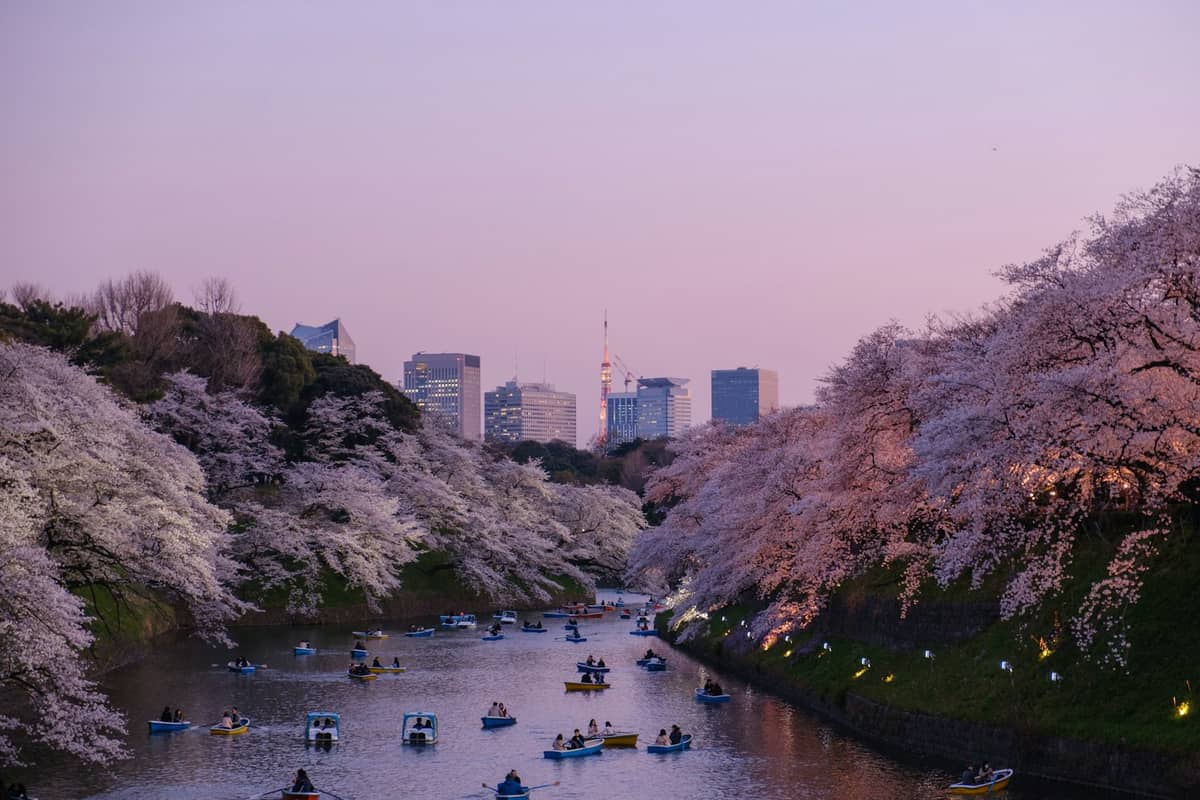
The timing of a Tokyo trip shapes the romantic experience considerably. Spring and autumn are the consensus best seasons for couples, but each has specific peaks worth planning around rather than just avoiding crowds.
Late March to mid-April brings cherry blossom season, which transforms parks and riversides into some of the most photographed scenery in the world. Hanami (flower viewing) picnics under the trees are one of the great free romantic experiences available in Tokyo. The flip side: accommodation prices rise sharply, popular spots like Ueno Park and the Meguro River are intensely crowded on weekends, and the weather can still turn cold unexpectedly. Booking accommodation three to four months ahead is not excessive. The full Tokyo in spring guide covers timing, best spots, and what to expect in detail.
October and November bring autumn foliage (koyo), which is generally less crowded than cherry blossom season while offering comparable visual drama. Temperatures are comfortable, ranging from around 15–22°C in October, and the clear skies of this period are ideal for observation deck visits and bay cruises. In central Tokyo, foliage often peaks from late November into early December. December turns romantic in a different way: Tokyo's Christmas illuminations are elaborate and genuinely beautiful, particularly in Roppongi Hills, Marunouchi, and Shinjuku. For that season, the Tokyo in December guide has specific recommendations.
ℹ️ Good to know
Tokyo's rainy season (tsuyu) runs roughly from early June to mid-July. It is not a downpour every day, but persistent grey skies and humidity can affect outdoor plans. If travelling in this window, lean into indoor romantic experiences: teamLab, high-rise bars, museum days, and covered shopping arcades like those in Nakameguro and Daikanyama.
FAQ
What is the most romantic thing to do in Tokyo?
It depends on what kind of romance you are after. For spectacle, a Tokyo Bay dinner cruise during summer fireworks season or a Shibuya Sky sunset is hard to beat. For intimacy, an omakase sushi counter in Ginza or an evening in Golden Gai's tiny bars creates a different kind of magic. Many couples find that the unplanned moments — stumbling into a lantern-lit shrine at night or finding a quiet bench in Rikugien Garden — are what they remember most.
How much should a couple budget for a romantic day in Tokyo?
A high-end romantic day, including teamLab Planets (¥7,200 for two), Tokyo Skytree combo tickets (¥6,000 for two), and a mid-range dinner (¥15,000 per person), could run ¥30,000–¥40,000 per couple excluding accommodation. A beautiful but budget-conscious day — garden walks, a standing sushi lunch, the Meguro River at dusk, and drinks at a neighbourhood bar — could come in well under ¥10,000 for two.
Do you need to book romantic experiences in Tokyo in advance?
Yes, for the headline experiences. teamLab Planets and Tokyo Skytree both have timed entry slots and sell out on weekends and public holidays. Tokyo Bay dinner cruises, particularly special event nights around Christmas and New Year, sell out weeks or even months ahead. Omakase restaurants often require reservations two to three weeks in advance. Gardens, shrines, and neighbourhood walks need no booking at all.
When is the best time of year for a romantic trip to Tokyo?
Late March to mid-April for cherry blossom season and late October to mid-November for autumn foliage are the most atmospheric times. Both offer comfortable temperatures for outdoor activities. Cherry blossom season brings larger crowds and higher accommodation prices; autumn foliage is generally quieter. December is excellent for illuminations and clear skies ideal for observation decks, though temperatures drop to around 5–10°C at night.
Are there free romantic things to do in Tokyo?
Many. The Meguro River walk in Nakameguro is free. Nezu Shrine's torii tunnel is free. Most parks, including Yoyogi Park and the Imperial Palace East Gardens, have no admission charge. Watching the sun set from the steps of Zojo-ji Temple with Tokyo Tower in the background costs nothing. Golden Gai has a small cover charge per bar (¥500–¥1,000) but is otherwise inexpensive compared with hotel bars.