Tokyo Sumo Guide: How to Watch a Tournament at Ryogoku Kokugikan
Tokyo hosts three Grand Sumo tournaments every year at Ryogoku Kokugikan in Sumida Ward. This guide covers 2026 tournament dates, how to buy tickets before they sell out, seat types, what to expect inside the arena, and everything else you need to plan a visit.
Plan and book this trip
Tools from our partner Travelpayouts help you compare flights and hotels. If you book through them, we may earn a commission at no extra cost to you.
Flights
Hotels map
TL;DR
- Tokyo hosts three of Japan's six annual Grand Sumo tournaments (basho): Hatsu Basho in January, Natsu Basho in May, and Aki Basho in September, each running 15 days.
- All Tokyo tournaments take place at Ryogoku Kokugikan in Sumida Ward, about 1–2 minutes from Ryogoku Station on the JR Sobu Line.
- Tickets sell out fast, especially for popular mid-tournament days and the final weekend (senshuraku). Book through the Ryogoku Kokugikan official channels or the Japan Sumo Association portal as early as possible.
- Doors open around 8:30–8:45 AM; lower-division bouts run all morning, with top-division (makuuchi) action from roughly 2:30–6:00 PM.
- Any day of the tournament is worth attending — you do not need to hold out for the final Sunday.
Tokyo's Three Annual Sumo Tournaments
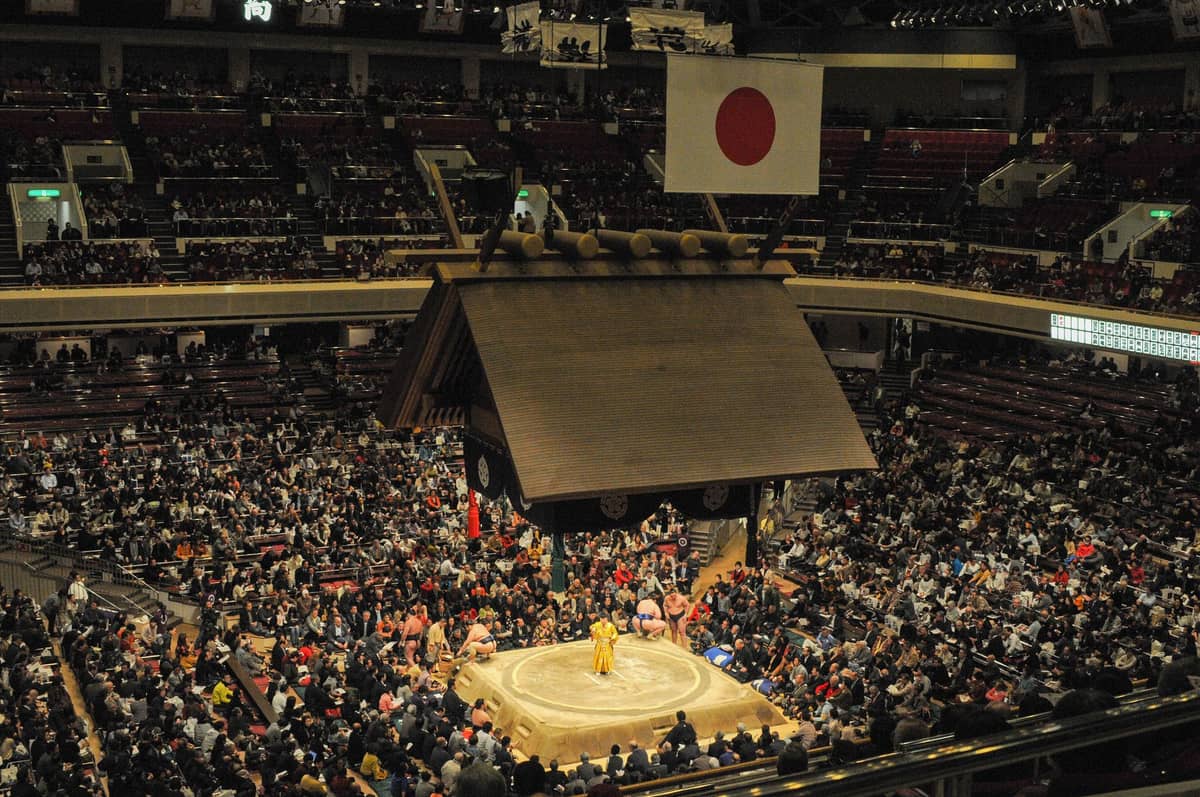
Japan's professional sumo calendar runs six Grand Tournaments (honbasho) per year, spread across four cities. Tokyo gets three of them, more than any other city, which is one reason the sport feels so embedded in the city's identity. All three are held at Ryogoku Kokugikan, a purpose-built sumo arena in the Ryogoku district of Sumida Ward.
- Hatsu Basho (New Year Tournament) Held in January, typically starting the second Sunday of the month. 2026 dates: January 11–25. Cold outside, but the arena is heated. Opening tournament of the year, and the atmosphere reflects that freshness.
- Natsu Basho (Summer Tournament) Held in May, typically starting the second Sunday of the month. 2026 dates: May 10–24. Mild weather makes this the most comfortable tournament for tourists combining sumo with a spring Tokyo trip.
- Aki Basho (Autumn Tournament) Held in September, typically starting the second Sunday of the month. 2026 dates: September 13–27. Late-summer humidity outside, but bouts are entirely indoors. High demand: the September 2026 tournament was already listed as sold out on the official Japan Sumo Association site well in advance.
ℹ️ Good to know
The other three annual Grand Tournaments take place in Osaka (March), Nagoya (July), and Fukuoka (November). If your Tokyo travel dates don't align with a basho, those cities are worth considering — though the Osaka and Nagoya venues have a different atmosphere from Kokugikan.
Ryogoku Kokugikan: The Venue
Ryogoku Kokugikan opened in 1985 and seats around 11,100 spectators. It sits in the heart of Ryogoku, a neighborhood historically associated with sumo stables (heya) and chankonabe restaurants. The area around the arena still has this sporting identity: you'll often spot wrestlers in yukata walking the streets on tournament days, which is one of the understated pleasures of attending.
Getting there is straightforward. The closest station is Ryogoku on the JR Sobu Line (about 1 minute on foot from the East Exit). The Toei Oedo Line also has a Ryogoku Station, a 5-minute walk away. From Shinjuku, the JR Sobu Line runs direct in around 20 minutes. From Akihabara, it's two stops.
💡 Local tip
Arrive well before the top-division bouts if you want to walk the concourse, browse the Sumo Museum (free, inside the building), and pick up tournament merchandise. Lines for popular items can run long before the afternoon session.
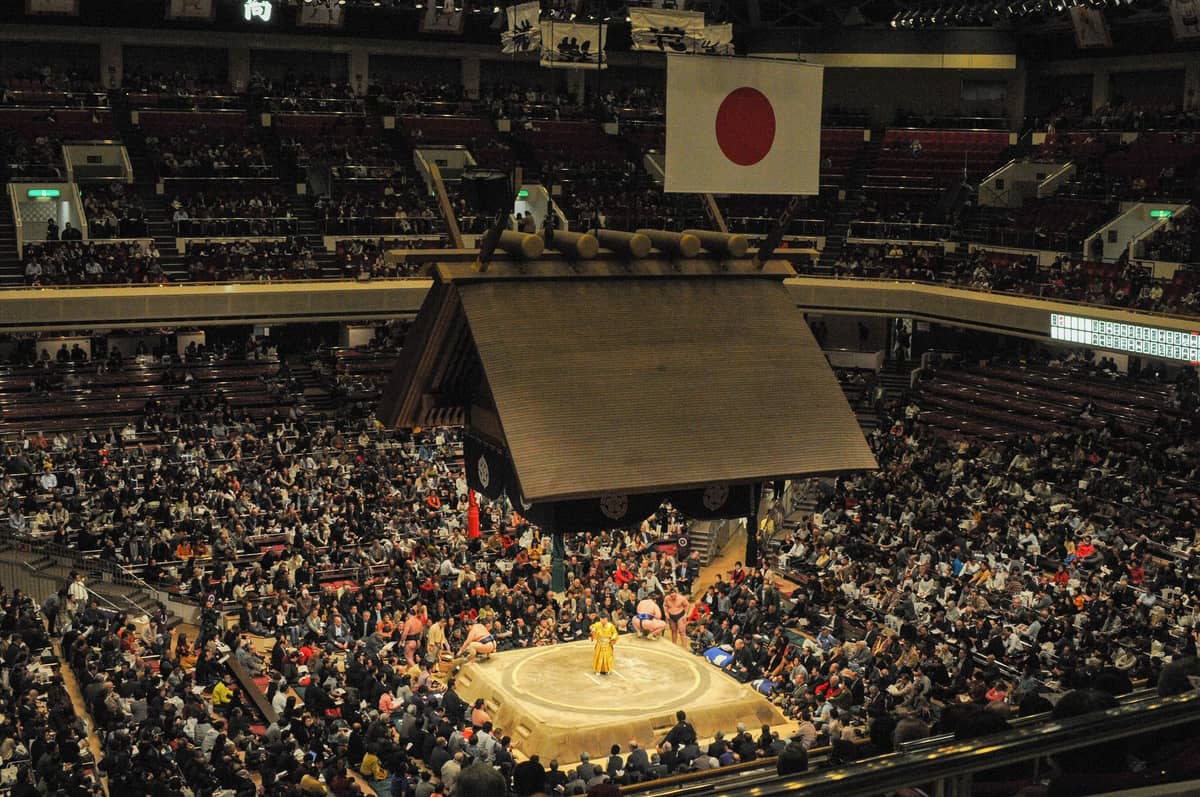
Inside the arena, the dohyo (clay ring) sits at ground level under a suspended roof styled after a Shinto shrine. Seating wraps around on multiple levels. The lower floor has the traditional box seats (masu-seki); upper levels have standard arena chairs. Sightlines from the upper tiers are surprisingly good given the compact design. Concession stands sell bento boxes, beer, yakitori, and tournament-branded snacks throughout the day.
Tickets: Types, Prices, and How to Book
This is where most first-time visitors run into trouble. Sumo tickets are not like concert tickets where you can show up at the door. Popular days — particularly the opening Sunday, the middle weekend, and the final Sunday (senshuraku) — sell out weeks or months in advance. For the September 2026 tournament, the official Japan Sumo Association site was already showing sold-out notices across all dates well ahead of the event.
- Masu-seki (Box Seats) Traditional floor-level boxes that fit 2–4 people, with cushions rather than chairs. Priced per box, not per person, so they work out expensive for solo travelers but feel authentic. Food service is sometimes available to these seats. Book early: they go first.
- Chair Seats (Upper Arena) Individual seats on the upper levels, cheaper and more practical for solo visitors or couples. Still offer a clear view of the dohyo. Generally available longer than box seats, but mid-tournament weekends sell out regardless.
- Same-Day Tickets (Ippan Seats) A limited number of unreserved seats are occasionally available at the box office on the day, typically from early morning. There is no guarantee of availability, and the queue can start before 6 AM for popular days. Not a reliable plan for the final weekend.
The primary booking channel for overseas visitors is the Japan Sumo Association's official English-language ticket page. Third-party platforms and resellers also carry tickets, often at a markup. If you're booking through a hotel concierge service or a Japan travel specialist, confirm they're sourcing from legitimate channels. Resale prices for sold-out tournaments can be substantially higher than face value.
⚠️ What to skip
Do not assume you can buy tickets on the day unless you are prepared to queue from early morning and accept the possibility of walking away empty-handed. For the September Aki Basho especially, advance booking is essential.
What Happens During a Tournament Day
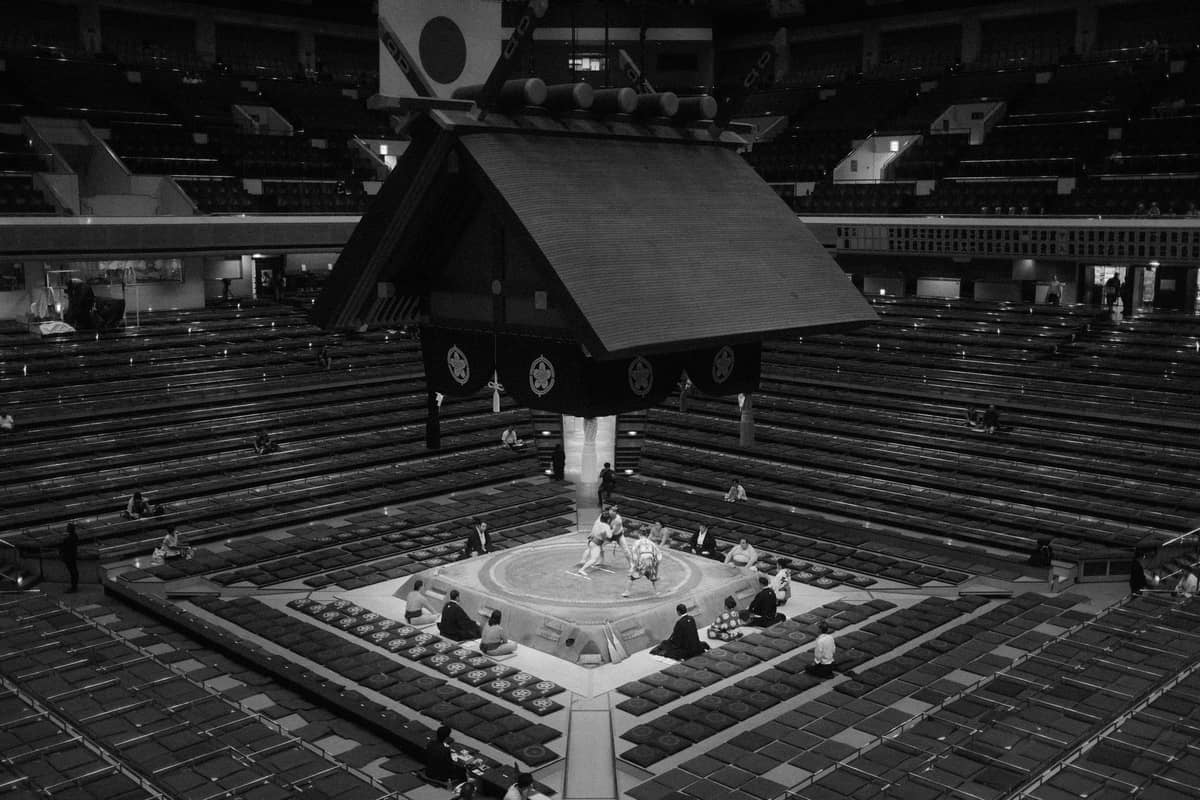
Doors at Ryogoku Kokugikan typically open around 8:45 AM. The day starts with lower-division bouts (jonokuchi, jonidan, sandanme), which run through the morning with modest crowds. This is actually a good time to settle in, absorb the atmosphere, and watch wrestlers earlier in their careers. The pace is relaxed, and you can walk freely around the concourse.
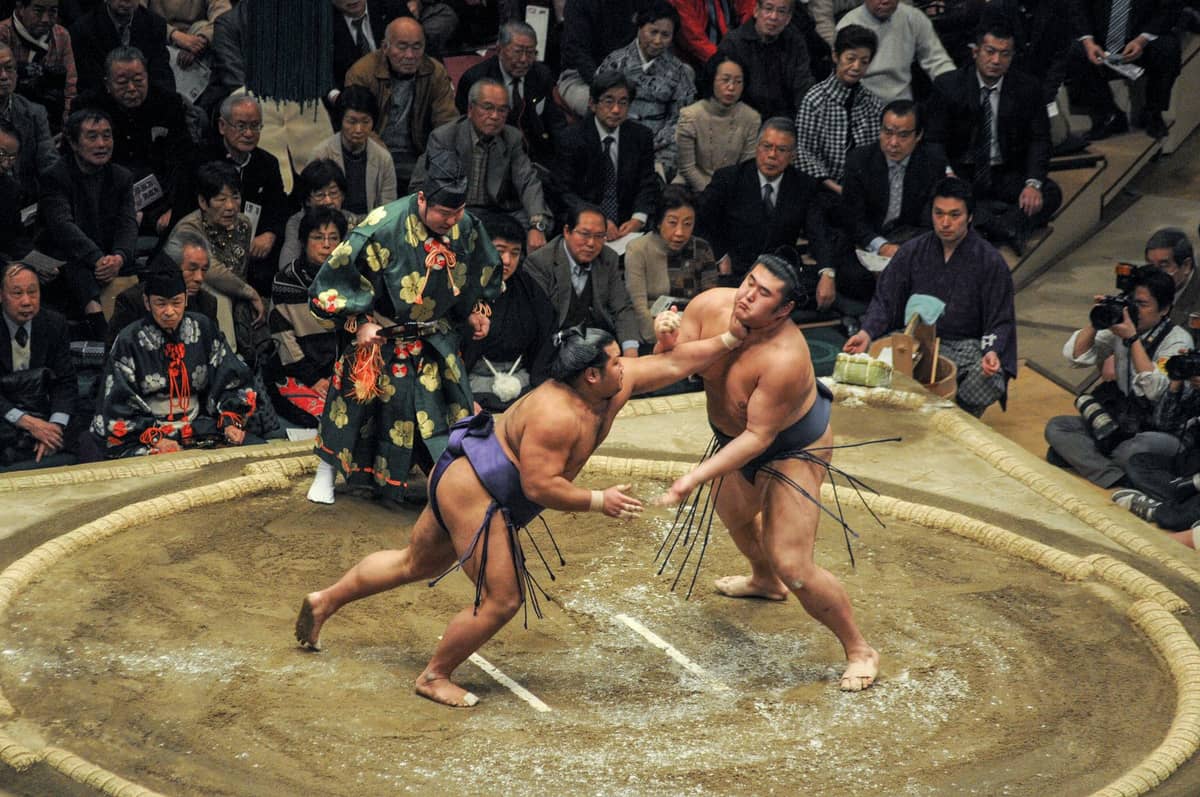
The crowd builds noticeably through the afternoon. Juryo division bouts start around 2:10–2:30 PM, and by the time the top-division makuuchi bouts begin around 3:30 PM, the arena is filling fast. The final hour — typically 5:00–6:00 PM — features the yokozuna and ozeki, the highest-ranked wrestlers. These bouts rarely last more than a minute each, but the pre-bout rituals (shiko stomping, salt throwing, extended psychological standoffs) can run five to ten minutes per match. That theatre is as much a part of the experience as the actual wrestling.
The day closes with the bow-twirling ceremony (yumitori-shiki), performed by a lower-division wrestler after the final bout. The whole thing usually wraps up around 6:00–6:15 PM. You don't need to arrive at 8:30 to have a full experience — arriving around lunchtime gives you juryo and makuuchi without the full-day commitment — but if you have box seats, arriving early maximizes value.
✨ Pro tip
Mid-tournament weekdays (days 4–10) often offer the best combination of high-quality bouts and a slightly less frantic atmosphere than opening or closing weekends. If your schedule allows flexibility, aim for a Tuesday through Thursday.
Practical Tips for Attending
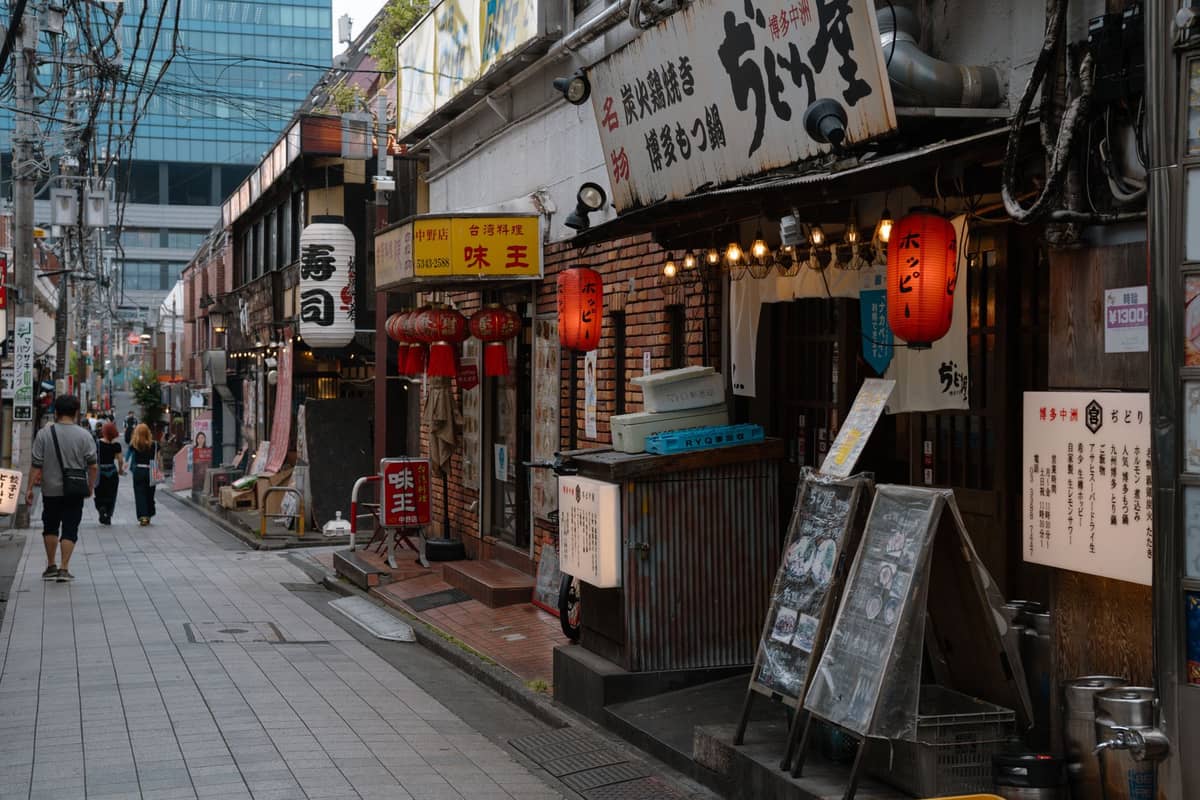
The Ryogoku neighborhood rewards time before and after the tournament. The Edo-Tokyo Museum is a short walk from the arena, and the surrounding streets have multiple chankonabe restaurants — the protein-heavy stew that sumo wrestlers eat during training. Eating chankonabe near Kokugikan on tournament day is a well-worn ritual that's entirely worth doing.
- Photography is generally allowed from your seat with non-professional cameras; check current arena policy as rules can vary.
- Alcohol is sold inside, but behavior is expected to remain measured. The crowd is knowledgeable and relatively quiet compared to many sports venues.
- Dress code is casual. There is no requirement for formal attire.
- Japanese commentary is the default, but the Japan Sumo Association provides English-language guides and basic information materials at the venue.
- If you're visiting Tokyo in a non-tournament month, you can still tour Kokugikan and visit the Sumo Museum inside (free, small) on days it's open to the public.
For broader context on the Ryogoku area, including the sumo stable district and local dining, see the Ryogoku neighborhood guide. If you're planning a longer Tokyo itinerary around a tournament, the one-week Tokyo itinerary can help you build out the rest of your trip.
Common Misconceptions About Watching Sumo in Tokyo
Several persistent myths lead visitors to make avoidable mistakes when planning a sumo trip.
The biggest one: that the final day is the only day worth attending. Senshuraku is special because championship titles are decided and the atmosphere peaks, but every day of a 15-day tournament features the full makuuchi division in action. Days 13–15 often see genuine tension as wrestlers compete to protect records and rankings. Days 1–3 are festive and high-energy. There is no genuinely bad day. A related misconception is that sumo is only in Tokyo. The sport's Grand Tournament circuit rotates across four cities; Tokyo happens to host three of the six annual basho, but Osaka's Haru Basho in March is also worth planning around if you're flexible. For more on timing your Tokyo visit around specific events, the best time to visit Tokyo guide covers seasonal considerations beyond just sumo.
Another common mistake: assuming that any day's tickets will be available at the door. Demand for Tokyo basho has increased significantly in recent years, partly driven by international interest following sumo's growing global media presence. The September 2026 tournament's early sellout is not unusual. If you want specific dates, especially the final weekend, plan months ahead.
FAQ
When are the 2026 sumo tournaments in Tokyo?
The three 2026 Tokyo Grand Sumo Tournaments at Ryogoku Kokugikan are: Hatsu Basho (January 11–25), Natsu Basho (May 10–24), and Aki Basho (September 13–27). Each runs 15 consecutive days. Verify exact dates on the Japan Sumo Association's official website before booking travel, as schedules are confirmed annually.
How do I buy sumo tickets in Tokyo as a foreigner?
The most reliable route is the Japan Sumo Association's official English-language ticket portal. Some tickets are also available through authorized third-party platforms and hotel concierge services. Masu-seki (box seats) sell out faster than upper-level chair seats. For popular days, book as soon as tickets go on sale — sometimes months in advance.
What is the best day to attend a sumo tournament?
Any day works. Mid-tournament weekdays (days 4–10) offer excellent bouts with slightly less crowding than opening and closing weekends. The final Sunday (senshuraku) has the highest emotional stakes but also the most demand and highest resale prices. If you want a full day, earlier is better — doors open around 8:30 AM.
What should I eat and do around Ryogoku Kokugikan?
The Ryogoku area has several chankonabe restaurants (the wrestler's staple stew), which are a natural pre- or post-match meal. The Edo-Tokyo Museum is a short walk away. Inside the arena, food stalls sell bento boxes, yakitori, beer, and tournament snacks. Budget some time to browse the merchandise area and the free sumo museum in the basement of Kokugikan.
Can I watch sumo in Tokyo outside of a tournament?
Yes, with some planning. Early morning keiko (training practice) sessions at some sumo stables (heya) in the Ryogoku area are occasionally open to visitors, usually through formal advance requests rather than walk-ins. The Sumo Museum inside Kokugikan is open on non-tournament days. Ryogoku itself retains a strong sumo culture year-round, with stable buildings and chankonabe restaurants concentrated in the neighborhood.