Ryogoku is a compact, historically rooted district on the east bank of the Sumida River, known above all as Tokyo's sumo headquarters. Beyond the wrestling, it holds some of the city's best museums and a slower, more residential pace that contrasts sharply with the tourist corridors across the river.
Ryogoku is Tokyo's sumo town, built around the Ryogoku Kokugikan arena and shaped by centuries of Edo-period culture. It is one of the few neighborhoods in the city where a single sport defines not just an attraction but an entire local economy, from the training stables to the chanko-nabe lunch spots.
Orientation
Ryogoku sits in Sumida Ward (Sumida-ku) on the east bank of the Sumida River, roughly two kilometers northeast of Tokyo Station. Its western boundary is the river itself, with the ornate Ryogoku Bridge connecting it to Higashi-Nihonbashi in Chūō Ward. To the north the district blends into the Yokoami and Midori areas of Sumida Ward; to the south it borders Chitose and Yanagibashi, where the ward boundary with Taitō-ku runs.
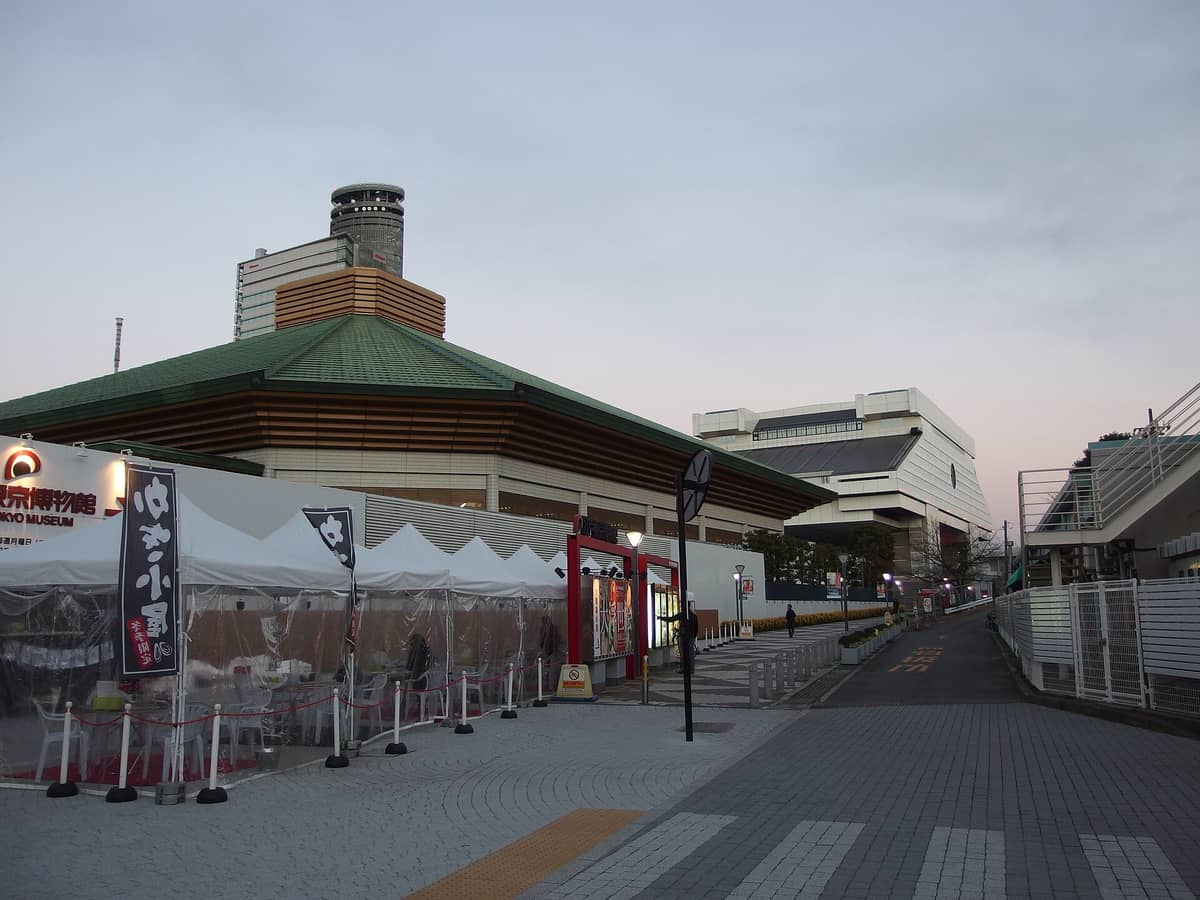
The neighborhood is compact enough to cover on foot in an afternoon. Almost everything worth seeing sits within a ten to fifteen minute walk of JR Ryogoku Station, and most of the major draws are clustered north of the tracks. The Ryogoku Kokugikan arena and the Edo-Tokyo Museum occupy an open precinct directly beside the station, while the Sumida Hokusai Museum, Kyu-Yasuda Garden, and several sumo training stables are scattered in the blocks to the north and east.
Because Ryogoku is in Sumida Ward rather than the central wards that most tourists focus on, it often gets treated as a side trip rather than a base. That assessment is fair for most travelers, though it sits comfortably between Ueno and Akihabara to the west and the Skytree area to the north, making it easy to combine with a broader east-Tokyo day.
Character & Atmosphere
Ryogoku has a pace that is noticeably different from Tokyo's main tourist corridors. There are no flashing screens, no dense streams of shoppers pushing past each other, no competing audio from adjacent stores. On a weekday morning the streets near the station smell faintly of dashi stock drifting out from the chanko-nabe restaurants preparing for lunch, and the only real noise comes from the JR Chūō-Sōbu Line trains rattling overhead.
The neighborhood has two distinct registers. On days when a sumo tournament is not running, Ryogoku is genuinely quiet: a mid-sized residential and museum district with wide footpaths, low-rise buildings, and the occasional stretch of empty space that feels rare in central Tokyo. But during the three grand tournaments held at the Kokugikan each year (in January, May, and September), the character shifts entirely. The streets fill with spectators in yukata, vendors set up outside the arena, and every chanko restaurant hangs a full-house sign by early afternoon.
In the early morning, if you are walking through the residential streets north of the station between roughly 6am and 8am, you may pass one of the active sumo stables. The sounds of training, the low thud of bodies against practice dummies, and the calling of the stablemaster carry through the walls of otherwise unremarkable buildings. You are not likely to see anything directly, but the proximity to that world gives the neighborhood a texture you cannot find anywhere else in Tokyo.
By evening, outside of tournament season, Ryogoku is quiet to the point of feeling almost residential. The restaurants near the station keep reasonable hours but the area is not a nightlife district by any measure. If you are after bars and late-night energy, this is not the neighborhood. What it does offer after dark is a relaxed dinner in a chanko-nabe restaurant with few tourists and genuinely local atmosphere.
ℹ️ Good to know
The three annual grand sumo tournaments at the Kokugikan run for 15 days each: the Hatsu Basho in January, the Natsu Basho in May, and the Aki Basho in September. Tournament periods are when Ryogoku is at its most alive. If your timing allows it, planning your visit around a tournament day is worth the effort.
What to See & Do
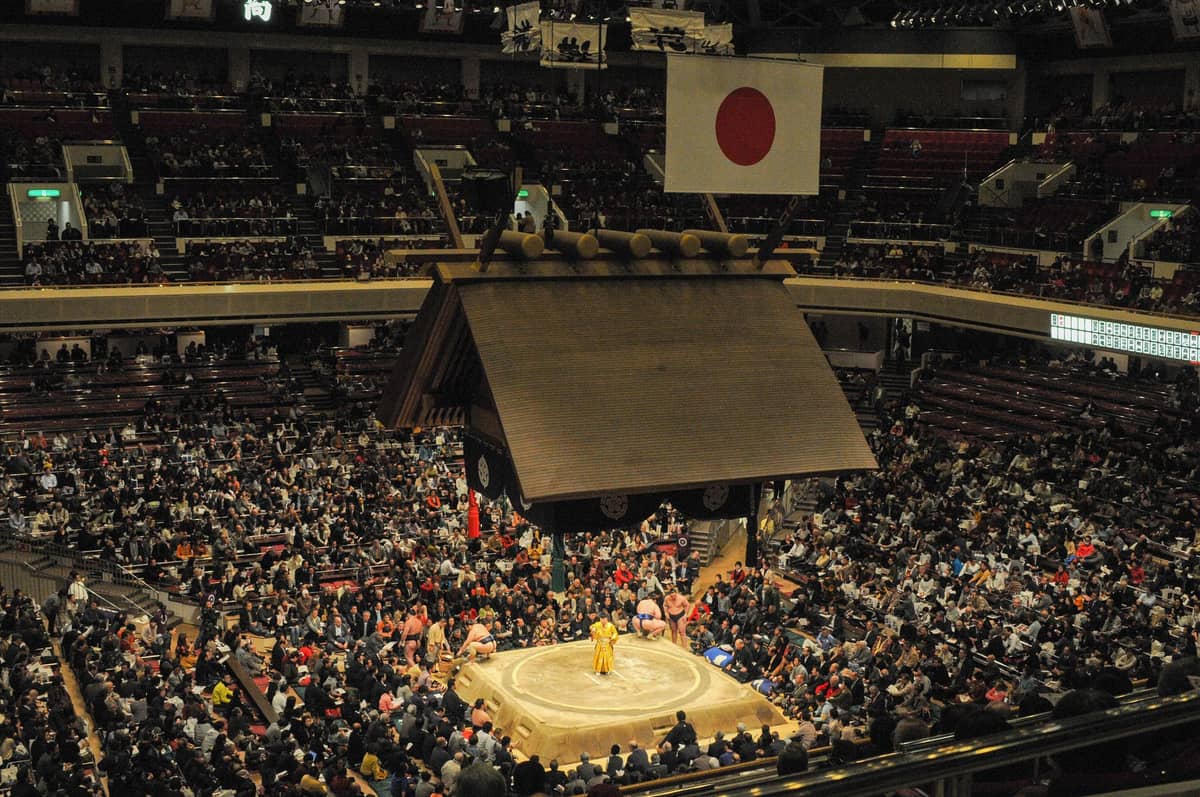
The Ryogoku Kokugikan is the reason most people come to this neighborhood, and it earns its reputation. The arena holds around 11,000 spectators and the atmosphere on a tournament day, with the crowd reacting to every charge and throw, is unlike anything else in Tokyo sport. Tickets can sell out weeks in advance for the final days of a tournament, so book early if you want good seats. Outside of tournament season the arena is still worth a look from the outside, and the attached sumo museum (free entry with a match ticket, or free to enter on weekdays when the arena is not in use for events) houses rotating exhibitions of woodblock prints, ceremonial belts, and portraits of grand champions.
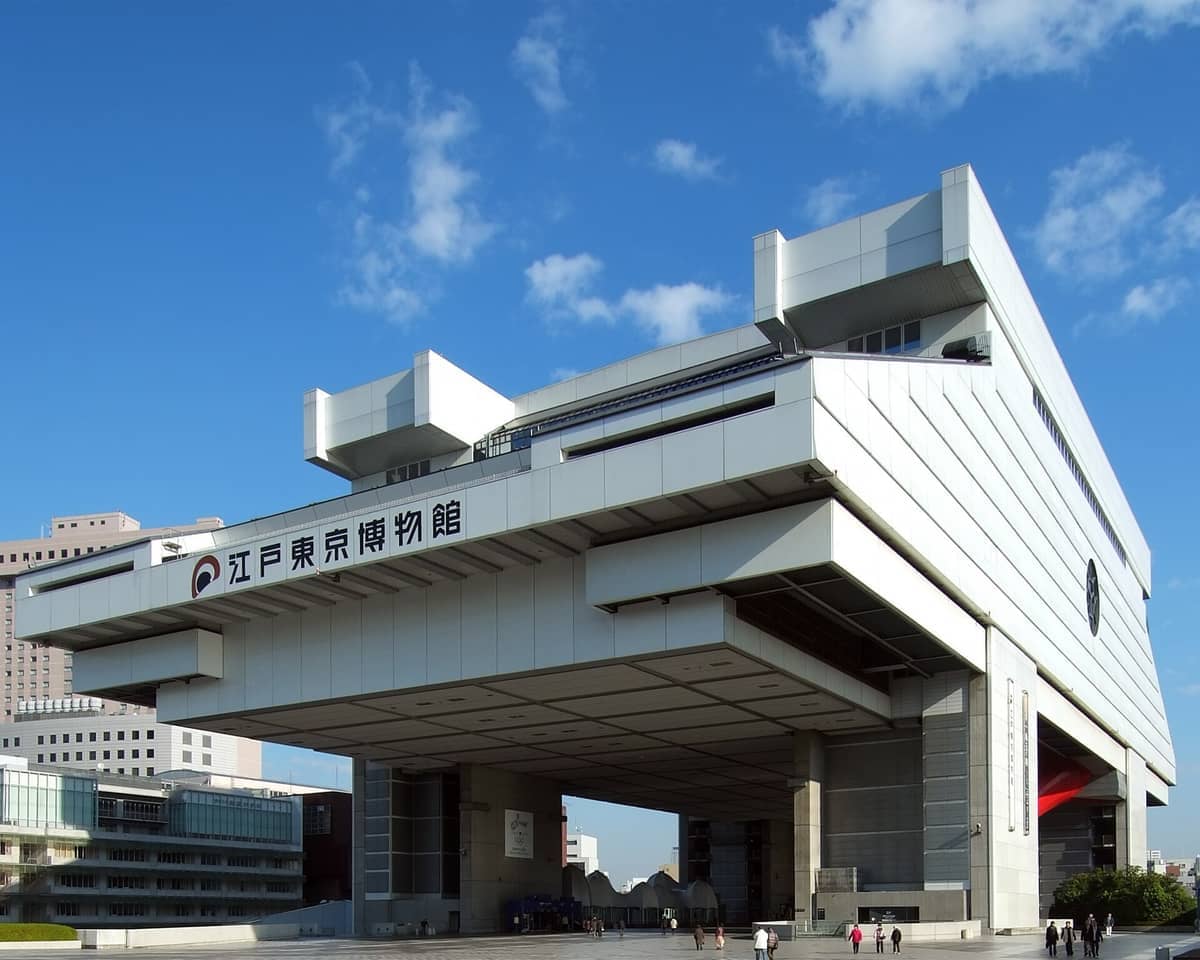
Directly beside the Kokugikan, the Edo-Tokyo Museum is one of the most substantial history museums in the city. The permanent exhibition traces Tokyo from its origins as the Edo-period shogunal capital through to the mid-twentieth century, using large-scale models, reconstructed interiors, and original artifacts. The scale model of old Edo that greets you on the main floor is genuinely impressive. Budget at least two hours, more if you want to read the panel text carefully.
A fifteen-minute walk north of the station, the Sumida Hokusai Museum is dedicated to Katsushika Hokusai, the ukiyo-e artist who was born in what is now Sumida Ward and whose Great Wave print is one of the most reproduced images in art history. The building itself, designed by architect Kazuyo Sejima, is worth noting: a sharp-angled aluminum structure that looks striking against the surrounding low-rise neighborhood. The permanent collection includes reproductions and originals, with rotating special exhibitions exploring different periods of Hokusai's work.
Kyu-Yasuda Garden, a few minutes' walk from the Kokugikan, is a small traditional stroll garden that sees far fewer visitors than the great gardens of Hama-rikyu or Rikugien. It dates to the early Edo period and retains its central pond and stone arrangements in decent condition. It is not a destination in itself, but a worthwhile twenty-minute stop if you are already in the area.
Ryogoku Kokugikan: sumo arena and museum, best visited on a tournament day
Edo-Tokyo Museum: major history museum tracing the city's development from Edo to the modern era
Sumida Hokusai Museum: dedicated to ukiyo-e artist Hokusai, with a striking contemporary building
Kyu-Yasuda Garden: a quiet Edo-period stroll garden near the arena
Eko-in Temple: small temple with historical connections to sumo tournaments and mass burial sites from the Edo period
Sumo stable districts: the streets north of the station have several active training stables, best passed on a morning walk
💡 Local tip
If you want to watch sumo practice (keiko) at a stable, some stables allow observation with prior permission, usually arranged through your hotel. Do not simply show up unannounced at a stable and expect entry. Early morning, around 6am to 8am, is when training typically happens.
Eating & Drinking
Chanko-nabe is the dish that defines Ryogoku's food identity. This is the protein-heavy hot pot that sumo wrestlers eat in large quantities to build and maintain mass. A typical chanko-nabe contains chicken, tofu, vegetables, and various other ingredients simmered in a dashi-based broth, often soy or salt-seasoned. In Ryogoku, several restaurants serving chanko-nabe are run by retired wrestlers, and the portions are generous. Prices for a full chanko set lunch typically range from around 1,500 to 3,000 yen per person, with dinner running higher.
The highest concentration of chanko-nabe restaurants sits along the street running west from JR Ryogoku Station toward the river, sometimes informally called Chanko-dori. On tournament days, these places are packed and often operate waiting lists by midday. Outside of tournament season you can usually walk in without a reservation at lunch, though evenings may require booking.
Beyond sumo cuisine, Ryogoku has a modest but functional neighborhood food scene. There are several ramen shops near the station, a handful of izakaya, and the usual convenience store options. The area is not a food destination in the way that Tsukiji or Koenji are, but you will not go hungry, and eating chanko-nabe in the neighborhood where sumo wrestlers actually train carries a context that improves the meal.
For a broader understanding of Tokyo's food culture before you visit, the guide to what to eat in Tokyo covers the full range of dishes worth seeking out across the city, from ramen to tempura to yakitori.
⚠️ What to skip
On the final weekend days of a sumo tournament, the chanko-nabe restaurants near the Kokugikan can be genuinely overwhelmed. If you are visiting during a tournament period and want to eat chanko, aim for a weekday lunch or book your table in advance. Showing up hungry at 1pm on a Sunday will likely mean a long wait.
Getting There & Around
Ryogoku has two stations serving it, and knowing which one to use saves time. JR Ryogoku Station on the Chūō-Sōbu Line is the main entry point for most visitors, putting you directly in front of the Kokugikan and a short walk from the Edo-Tokyo Museum. From Akihabara it is about four minutes by JR; from Shinjuku about twenty minutes on the same line without transfers. From Tokyo Station, the quickest route involves a transfer at Akihabara, adding up to around ten minutes total.
The second option is Ryogoku Station on the Toei Ōedo Line, located a few hundred meters west of the JR station. Exits A3 and A4 from this station bring you up directly in front of the Edo-Tokyo Museum. The Ōedo Line connects Ryogoku to Shiodome, Daimon, Shinjuku, and Iidabashi without requiring a transfer, which makes it useful if you are coming from Shinjuku or the Roppongi area. Journey time from Shinjuku on the Ōedo Line is roughly twenty minutes.
Within the neighborhood, walking is the only practical way to get around. The core sights sit within a radius of about 700 meters from JR Ryogoku Station, and the streets are flat and easy to navigate. The Sumida Hokusai Museum is the furthest of the main attractions, around fifteen minutes on foot heading northeast from the JR station. There is no particular reason to take a taxi or bus within Ryogoku itself.
For a broader map of how Tokyo's transit network fits together, the guide to getting around Tokyo explains the JR, subway, and private rail lines in practical terms.
Where to Stay
Ryogoku is not a neighborhood with a wide accommodation offer, and for most travelers it makes more sense as a day trip than as a base. The hotel stock near the station is limited, leaning toward business hotels and a small number of guesthouses. That said, staying here does have one specific advantage: if you have tickets to a sumo tournament, rolling out of your hotel and walking to the Kokugikan in ten minutes is a meaningful convenience.
Travelers who want to base themselves in east Tokyo while keeping reasonable access to Asakusa, Akihabara, and Ueno will find Ryogoku a quiet and affordable alternative to those more tourist-facing neighborhoods. The Chūō-Sōbu Line gives direct, transfer-free access to Akihabara and onward connections to most of central Tokyo.
If you are still deciding which part of Tokyo to base yourself in, the Tokyo accommodation guide breaks down each major neighborhood's strengths, price ranges, and who each area suits best.
How Ryogoku Fits Into a Wider Tokyo Itinerary
Ryogoku pairs naturally with the neighborhoods directly around it. A day that starts with the Edo-Tokyo Museum in the morning, follows with a chanko-nabe lunch, and then continues west across the Sumida River to Asakusa makes logical geographic sense and covers a genuine range of Tokyo's historical and cultural layers.
Alternatively, Ryogoku works well as part of an east-Tokyo museum day combined with the Ueno and Akihabara area. The Tokyo Skytree in nearby Oshiage is about twenty minutes by foot from Ryogoku Station or a short train ride on the Toei Ōedo Line to Oshiage, making it a reasonable addition to a longer day in this part of the city.
For first-time visitors trying to work out how Ryogoku fits into a multi-day plan, the first-time visitor guide to Tokyo provides a practical framework for structuring time across the city's distinct neighborhoods.
ℹ️ Good to know
The Edo-Tokyo Museum has undergone renovation work in recent years. Check its official website before visiting to confirm current opening hours and which galleries are accessible. Hours and admission prices are subject to change.
TL;DR
Ryogoku is Tokyo's sumo district, defined by the Kokugikan arena, chanko-nabe restaurants, and active training stables: it has a character found nowhere else in the city.
Outside of tournament season (January, May, September) the neighborhood is quiet and uncrowded, making it easy to move through the main sights without competition.
The Edo-Tokyo Museum and Sumida Hokusai Museum make Ryogoku one of the strongest museum clusters in east Tokyo, worth a half-day even without sumo on the calendar.
It is best treated as a day trip or a single-night stay rather than a primary base, unless you have sumo tickets or a specific interest in the area.
Best for: sumo fans, history and museum visitors, travelers who want to see a less-touristed side of Tokyo, and anyone building an east-Tokyo day that combines Ryogoku with Asakusa or Akihabara.
Three days in Tokyo is enough to cover the city's iconic districts, sample its legendary food scene, and get a genuine feel for how the place works. This itinerary is structured by neighborhood logic, not just a checklist of sights, so you spend less time on trains and more time actually exploring.
Tokyo's museum scene spans 1,400 years of Japanese art history, Le Corbusier architecture, midnight-open contemporary galleries, and fully immersive digital worlds. This guide covers the best museums in Tokyo across every category, with practical tips on tickets, timing, and what to prioritize.
Tokyo has hundreds of shrines and temples, from grand imperial foundations to quiet neighborhood sanctuaries. This guide cuts through the noise to highlight the most rewarding sacred sites, whether you have one afternoon or a full week to explore.
Tokyo rewards visitors in every season, but the experience varies dramatically depending on when you go. This guide breaks down the weather, crowd levels, hotel prices, and standout events for each time of year, so you can choose the visit that actually suits you.
Tokyo rewards those who look up. Whether you want a free 202-meter perch over Shinjuku, a paid rooftop with Shibuya Crossing directly below, or a romantic tower glowing orange at night, this guide covers every major viewpoint in the city, ranked by what makes each one worth the trip.
Tokyo rewards those who venture beyond the city limits. Within two hours by train or bus, you can reach a UNESCO shrine town, a volcanic mountain resort, a coastal city of Zen temples, and Japan's most iconic mountain view. This guide covers the best day trips from Tokyo, with practical transport details for each.
Tokyo is one of the world's great cities for budget travelers. From free observation decks and ancient temple grounds to world-class parks and atmospheric street walks, you can fill days of exploration without paying a single admission fee. This guide covers the best genuinely free experiences across the city.
Tokyo's transport network is one of the most efficient in the world, but its sheer scale can overwhelm first-time visitors. This guide covers everything: IC cards, subway passes, airport transfers from Haneda and Narita, buses, taxis, and the key mistakes to avoid.
Tokyo rewards the curious traveler who ventures beyond the obvious landmarks. From a temple blanketed in lucky cat figurines to a natural valley cutting through residential Setagaya, these are the places locals love and guidebooks overlook.
Tokyo sets the global standard for luxury travel. With more Michelin-starred restaurants than any city on earth, world-class hotels, and bespoke private experiences, it rewards travelers who plan carefully. This guide covers everything from three-star dining reservations to high-end seasonal timing.
Everything you need to plan a Mount Fuji day trip from Tokyo, from train and bus options to climbing season restrictions, entrance fees, and the best spots to actually see the mountain. Practical, specific, and honest about what to expect.
Seven days is enough to cover Tokyo's essential neighborhoods, iconic landmarks, and a few surprises — if you plan smart. This day-by-day itinerary covers where to go, how to get there, what things actually cost, and what most visitors get wrong about spending a week in one of the world's most complex cities.
Tokyo rewards couples who plan ahead. This guide covers the city's best romantic experiences, from immersive art installations and panoramic night views to riverside strolls and intimate izakayas, with clear advice on what to book early and what to skip.
Tokyo now has two large-scale teamLab museums, and they are nothing alike. This guide covers the real differences between teamLab Planets in Toyosu and teamLab Borderless at Azabudai Hills, with practical advice on tickets, timing, and which experience is worth your time.
Tokyo is one of the most rewarding cities on earth, but its sheer scale can be overwhelming. This guide cuts through the noise with practical, specific advice on the top things to do in Tokyo — from iconic landmarks and seasonal festivals to quieter experiences most visitors miss entirely.
Tokyo has two main international airports: Haneda, close to the city center, and Narita, located in Chiba Prefecture about 60 km out. This guide breaks down the key differences, every transport option available, realistic travel times, and how to avoid the common mistakes that cost travelers time and money.
Tokyo is the global capital of anime and manga culture, with dedicated museums, iconic shopping districts, seasonal conventions, and pilgrimage sites spread across the city. This guide breaks down exactly where to go, how to book, what to budget, and how to avoid the most common planning mistakes.
Tokyo's architecture spans over a thousand years in the space of a single subway ride. This guide covers the city's most significant modern and traditional structures, with practical details on opening hours, ticket prices, access routes, and what to know before you go.
Tokyo's café culture spans three distinct worlds: atmospheric kissaten frozen in the 1960s, precision-driven specialty coffee shops, and themed cafés where you sip coffee alongside cats, owls, or hedgehogs. This guide breaks down pricing, etiquette, booking requirements, and the best neighbourhoods for each type.
Tokyo has become one of the world's leading destinations for digital and immersive art, and teamLab is just the beginning. From yokai-themed projection installations to grand European masterworks reimagined in light, this guide covers every major venue, ticket prices, seasonal timing, and practical logistics for experiencing Tokyo's full digital art landscape.
Tokyo is one of the most rewarding cities in the world to visit, and also one of the easiest to navigate once you know the basics. This guide covers everything a first-time visitor needs: how to get in, how to move around, when to go, what to expect, and how to avoid the most common mistakes.
Tokyo's fish market scene split in 2018 when wholesale operations moved from Tsukiji to the new Toyosu Market. This guide cuts through the confusion: where the tuna auctions actually happen, how to get a coveted auction viewing spot, and why Tsukiji's outer market is still worth your morning.
Tokyo is one of the world's great garden cities, with Edo-period strolling gardens, forested shrine grounds, and expansive modern parks distributed across the metropolis. This guide covers the finest green spaces in Tokyo, from the iconic to the quietly spectacular.
Tokyo's autumn foliage season runs from mid-November into early December, transforming gardens, parks, and temple grounds across the city. This guide covers the best spots, exact peak timing, admission costs, and practical advice for planning your visit.
December in Tokyo is one of the city's most visually spectacular months, with thousands of lights transforming major boulevards and neighborhoods. But it also comes with genuine planning challenges: year-end closures, holiday crowds on trains, and illumination events that end before Christmas. This guide covers everything you need to know.
Spring in Tokyo runs from mid-March through May, with cherry blossom season as the centerpiece. This guide covers bloom forecasts, the best hanami spots, crowd strategy, spring weather, and practical planning advice for one of Japan's most spectacular seasonal events.
Izakaya are the beating heart of Tokyo's after-work food and drink culture. This guide covers what to expect, how much to budget, where to go, and the customs that separate confident regulars from confused first-timers.
Tokyo's 23 special wards contain dozens of distinct neighborhoods, each with its own personality, price point, and crowd. This guide breaks down the key areas to help you decide where to spend your time — and what to skip.
Tokyo's after-dark scene runs from intimate jazz bars and golden-era izakayas to multi-floor clubs that peak at 2am. This guide covers the best neighborhoods, realistic costs, how cover charges actually work, and everything you need to plan a great night out.
Tokyo has a reputation for being expensive, but the reality is more nuanced. With smart transport choices, free-entry attractions, and a food culture built around affordable meals, a trip to Japan's capital can cost far less than most visitors expect. This guide breaks down exactly where to spend, where to save, and what to skip.
Tokyo has a surprisingly rich bathing culture, from genuine hot spring onsen drawing geothermal water to affordable neighborhood sento charging just ¥550. This guide breaks down the difference, explains the etiquette, and points you to the best options across the city.
Tokyo takes ramen seriously. This guide covers every major broth style found in the city, which neighborhoods to target for each, exactly how to order at a ticket-machine shop, and what to budget per bowl in 2026. Whether you want a classic shoyu at a stand-up counter in Shinjuku or a next-level tori paitan in Shibuya, this is your starting point.
Tokyo consistently ranks among the safest major cities on earth, but that reputation can breed overconfidence. This guide covers the real crime picture, common scams targeting tourists, night safety, seasonal hazards, and exactly what to do if something goes wrong.
Tokyo is one of the world's great shopping cities, with entire neighborhoods built around specific categories of retail. This guide breaks down the best areas by what you actually want to buy, explains Japan's tax-free system, and tells you what to skip.
Tokyo's street food scene runs through markets, covered shotengai, and narrow yokocho alleys rather than roaming carts. This guide covers the best locations by neighborhood, what each area does best, realistic prices for 2026, and the seasonal quirks that determine what's worth eating when.
Tokyo's summer festival season runs from late June through mid-August, packed with massive fireworks displays, Bon Odori dancing, and lantern festivals. This guide covers the major events, ticket options, crowd logistics, and practical advice for making the most of hanabi season without the rookie mistakes.
Tokyo hosts three Grand Sumo tournaments every year at Ryogoku Kokugikan in Sumida Ward. This guide covers 2026 tournament dates, how to buy tickets before they sell out, seat types, what to expect inside the arena, and everything else you need to plan a visit.
Tokyo has more sushi restaurants than any city on earth, spanning ¥150 conveyor belt plates to ¥88,000 trophy omakase. This guide breaks down every tier, explains what you actually get at each price point, and tells you how to book, what to avoid, and when to go.
The Tokaido Shinkansen is one of the world's great train journeys, covering roughly 450 km between Tokyo and Kyoto in just over two hours. This guide breaks down every train type, fare tier, JR Pass rule, and booking option so you can plan the trip without second-guessing yourself.
Three options connect Tokyo and Osaka: the Tokaido Shinkansen, overnight highway buses, and short-haul flights. This guide breaks down real costs, door-to-door times, and the clear pros and cons of each so you can book the right one for your trip.
Tokyo rewards walkers like few cities do. This guide covers the best self-guided walking tours across Tokyo's most interesting neighborhoods, with free official maps, transport pass options, seasonal advice, and honest assessments of each route's strengths and trade-offs.
Tokyo is one of the world's most rewarding cities to explore with children. From immersive digital art to classic theme parks, this guide covers the best family activities, practical logistics, seasonal timing, and money-saving tips to make your trip run smoothly.
Tokyo Japanese cuisine spans everything from ¥800 ramen bowls to reservation-only omakase counters. This guide covers the city's defining dishes, where to find them by neighborhood, what things actually cost, and how to eat well on any budget.
Tokyo has no single best neighborhood for every traveler. This guide breaks down the top areas to stay, from the transit powerhouse of Shinjuku to the traditional lanes of Asakusa, with clear advice on who each area suits, what to expect from hotels at every price point, and when to book.