Tokyo for Anime & Manga Fans: The Complete Guide
Tokyo is the global capital of anime and manga culture, with dedicated museums, iconic shopping districts, seasonal conventions, and pilgrimage sites spread across the city. This guide breaks down exactly where to go, how to book, what to budget, and how to avoid the most common planning mistakes.
Plan and book this trip
Tools from our partner Travelpayouts help you compare flights and hotels. If you book through them, we may earn a commission at no extra cost to you.
Flights
Hotels map
TL;DR
- Akihabara and Ikebukuro's Otome Road are the two non-negotiable districts for anime and manga shopping; each has a distinct character worth understanding before you go.
- The Ghibli Museum requires advance tickets released on the 10th of each month for the following month. Walk-up entry does not exist.
- Suginami Animation Museum in Ogikubo offers free admission and is one of the most underrated stops for anyone interested in how anime is actually made.
- Major anime events cluster around Golden Week (late April to early May), summer (July to August), and New Year holidays. Plan accommodation and tickets well ahead during these windows.
- Spring and autumn are the best seasons to visit Tokyo overall. See the best time to visit Tokyo guide for a full seasonal breakdown.
Why Tokyo Is the Epicentre of Anime and Manga Culture
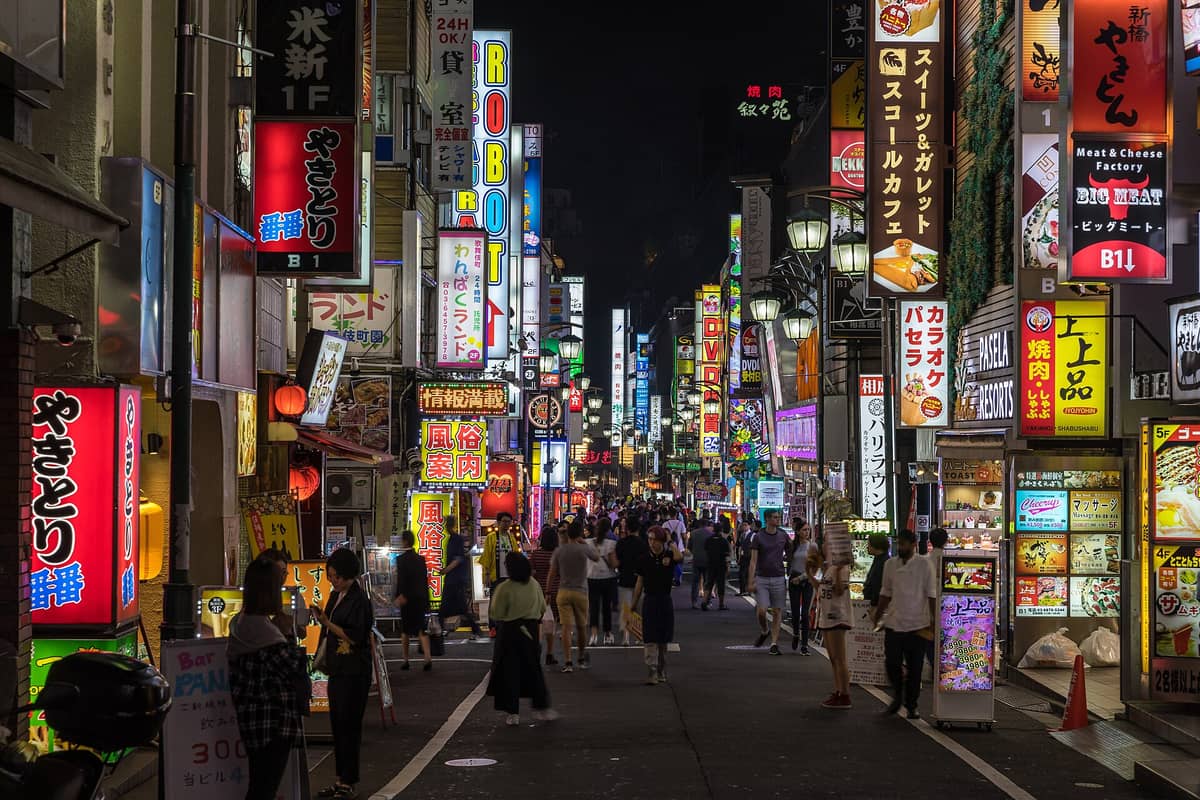
Tokyo Metropolis is home to around 14.27 million people and sits at the center of the Greater Tokyo Area, which has roughly 33 million residents. It is also the headquarters of nearly every major manga publisher, anime production studio, and game developer in Japan. This concentration of industry means that Tokyo does not just sell anime culture to tourists. It produces it. The stores, museums, and events you encounter here are direct extensions of an active creative ecosystem, not theme park recreations of one.
For first-time visitors, the sheer density of options across different neighborhoods can be disorienting. The city's major neighborhoods each have a distinct anime and manga identity: Akihabara caters to a broad otaku audience with electronics, figures, and doujinshi; Ikebukuro's Sunshine City area and Otome Road lean toward manga aimed at women and BL (boys' love) content; Nakano Broadway is the veteran collector's destination; and Shibuya and Harajuku carry streetwear and fashion-forward anime crossover culture.
Akihabara: Ground Zero for Anime Shopping
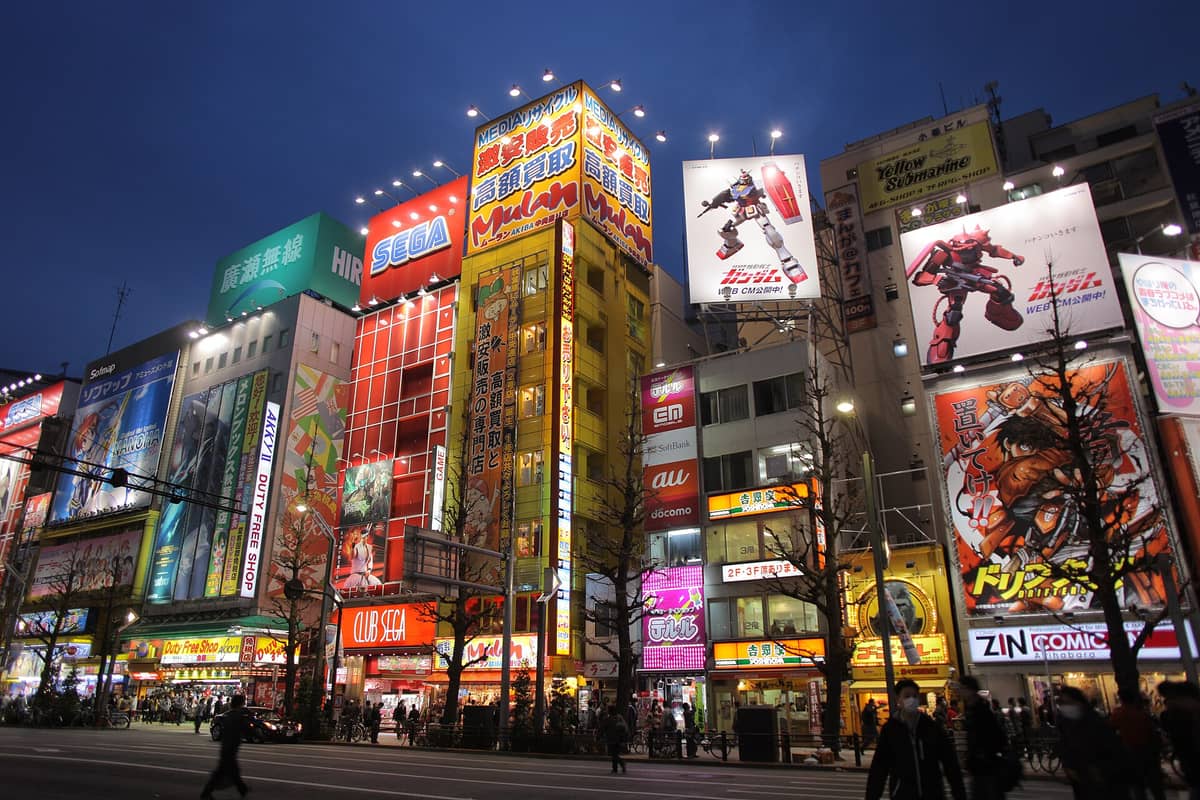
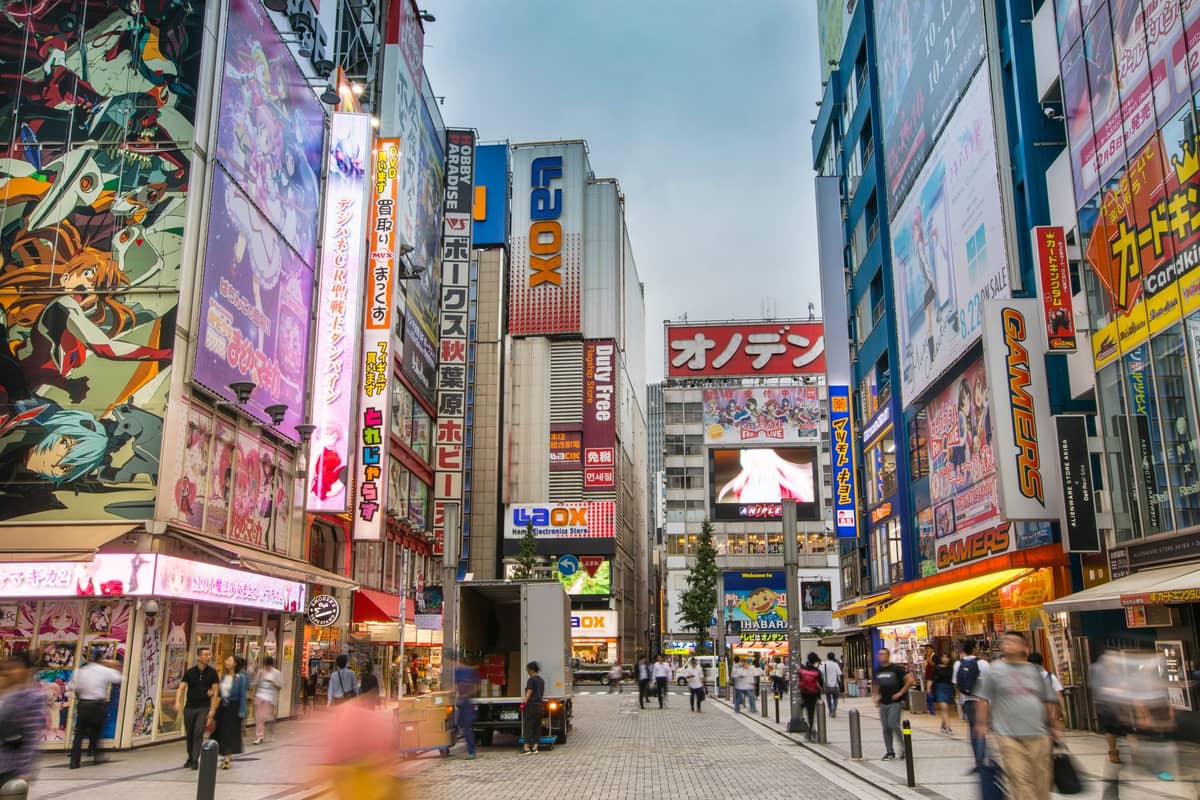
No Tokyo anime itinerary skips Akihabara. The district's main drag, Chuo-dori, is lined with multi-floor electronics stores that have long since expanded into figurines, trading cards, cosplay supplies, and floor-to-ceiling walls of manga. Yodobashi Camera Akiba and Sofmap are the anchor stores. For anime merchandise specifically, Animate Akihabara is the flagship branch of Japan's largest anime goods chain, and Kotobukiya sells high-end figures and model kits at street level with a dedicated collector's floor above.
The side streets are where serious collectors spend most of their time. Used goods shops like Mandarake Akihabara stock older figures, out-of-print manga volumes, and vintage goods at prices that can undercut new retail significantly. Prices vary enormously depending on condition and rarity, so it pays to have a list of what you are looking for before you arrive rather than browsing blindly. Budget a minimum of three hours for Akihabara if shopping is the goal. On weekends, Chuo-dori is partially pedestrianized in the afternoon, which reduces traffic stress but increases crowds.
💡 Local tip
Akihabara's maid cafes are a cultural fixture and genuinely represent a distinct subculture, but many of the ones on the main street target tourists with high prices and brief experiences. If you want to try one, ask locally or check Japanese review sites for venues that regulars actually attend.
- Animate Akihabara Japan's largest anime goods retailer flagship. Reliable for current season merchandise, voice actor goods, and officially licensed products.
- Mandarake Akihabara Specialist used goods complex covering figures, manga, doujinshi, and vintage items. Serious collector destination.
- Kotobukiya Akihabara Premium figures, model kits, and collaborative merchandise. Strong selection of ARTFX and bishoujo statue lines.
- Radio Kaikan A multi-tenant building housing dozens of small specialist shops. Good for rare finds and niche hobby items.
- Nakano Broadway About 20 minutes by train via the JR Chuo Line. Less tourist-heavy than Akihabara, with Mandarake's main complex and a strong vintage market.
Ghibli Museum: The Most Visited Anime Attraction in Tokyo
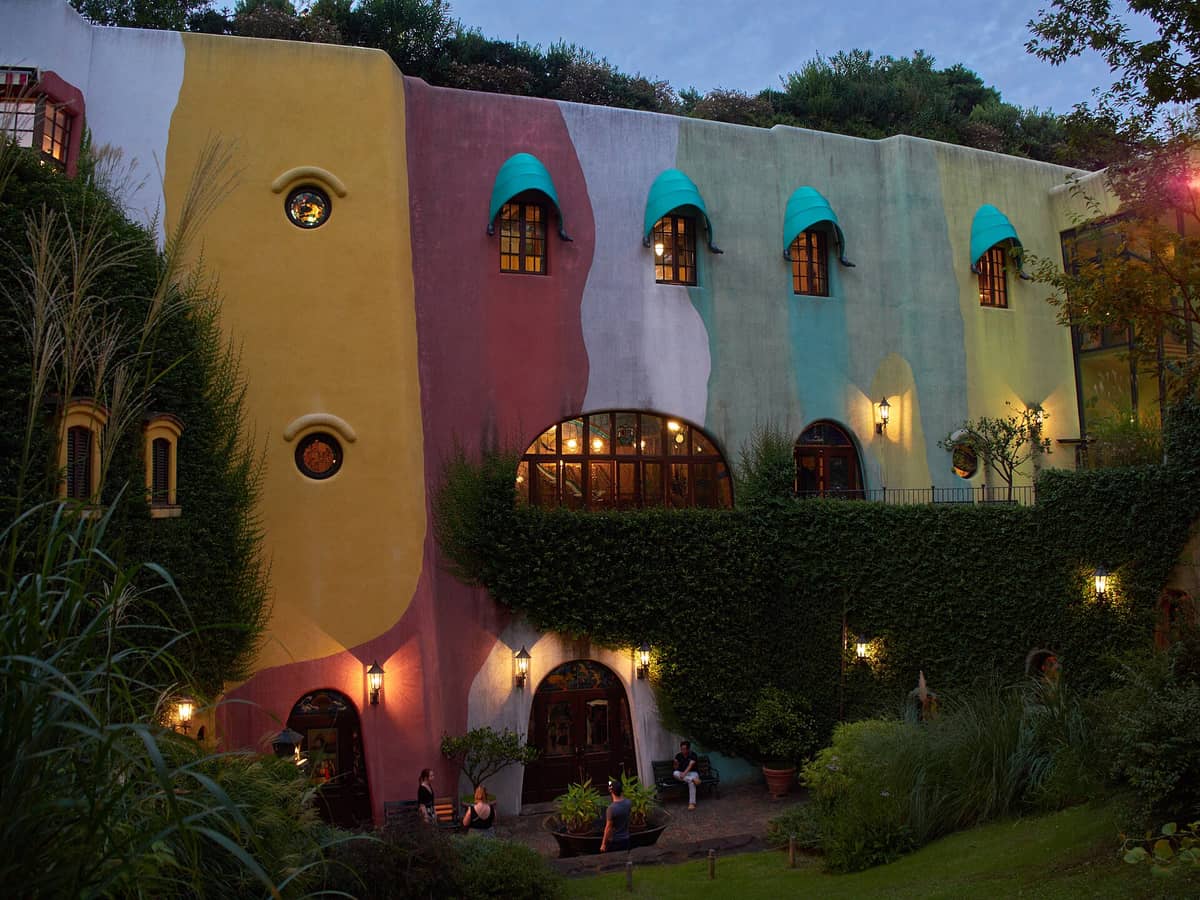
The Ghibli Museum in Mitaka is the centerpiece of any anime-focused Tokyo trip. Designed by Hayao Miyazaki himself, the building is as deliberate and layered as the films it celebrates. Exhibits cover the animation process from storyboard to final frame, and a short exclusive film that cannot be seen anywhere else screens in the Saturn Theatre on each visit. The rooftop holds a life-size version of the robot soldier from Castle in the Sky. None of this is a spoiler; the experience is in the atmosphere of the place, which photographs poorly and rewards slow, attentive visitors.
The museum is located at 1-1-83 Shimorenjaku, Mitaka. From JR Mitaka Station, it is a 15 to 20 minute walk through Inokashira Park, or a short ride on the Ghibli Museum Bus from the station's south exit (adult fare around ¥230 each way). Hours are 10:00 to 18:00. Admission for adults (19 and over) is ¥1,000, ages 13 to 18 pay ¥700, ages 7 to 12 pay ¥400, ages 4 to 6 pay ¥100, and children 3 and under are free. These prices are accurate as of 2026 but should be confirmed on the official site before booking.
⚠️ What to skip
No tickets are sold at the museum. Entry is strictly by advance reservation only. Tickets go on sale at 10:00 JST on the 10th of each month for visits in the following month. They sell out within hours, sometimes within minutes for peak dates. International visitors can book via the official overseas portal or through designated partner agencies. Missing the release window usually means missing the month entirely.
Entry is tied to one of four timed slots: 10:00, 12:00, 14:00, or 16:00. You can stay as long as you like after entering, but re-entry is not permitted. The museum closes on Tuesdays and has periodic maintenance closures. Check the official calendar at ghibli-museum.jp before finalizing travel dates. The gift shop, called Mamma Aiuto, stocks exclusive merchandise not available elsewhere, so factor in extra time and budget if you plan to shop there.
✨ Pro tip
Combine the Ghibli Museum with a walk through Inokashira Park on the same day. The park has a small zoo, rowboat rentals on the central pond, and food stalls on weekends. It takes about 30 minutes to walk the park end-to-end, and the route back to Kichijoji Station passes through good coffee and food options.
Beyond Ghibli: Other Anime Museums and Cultural Spaces
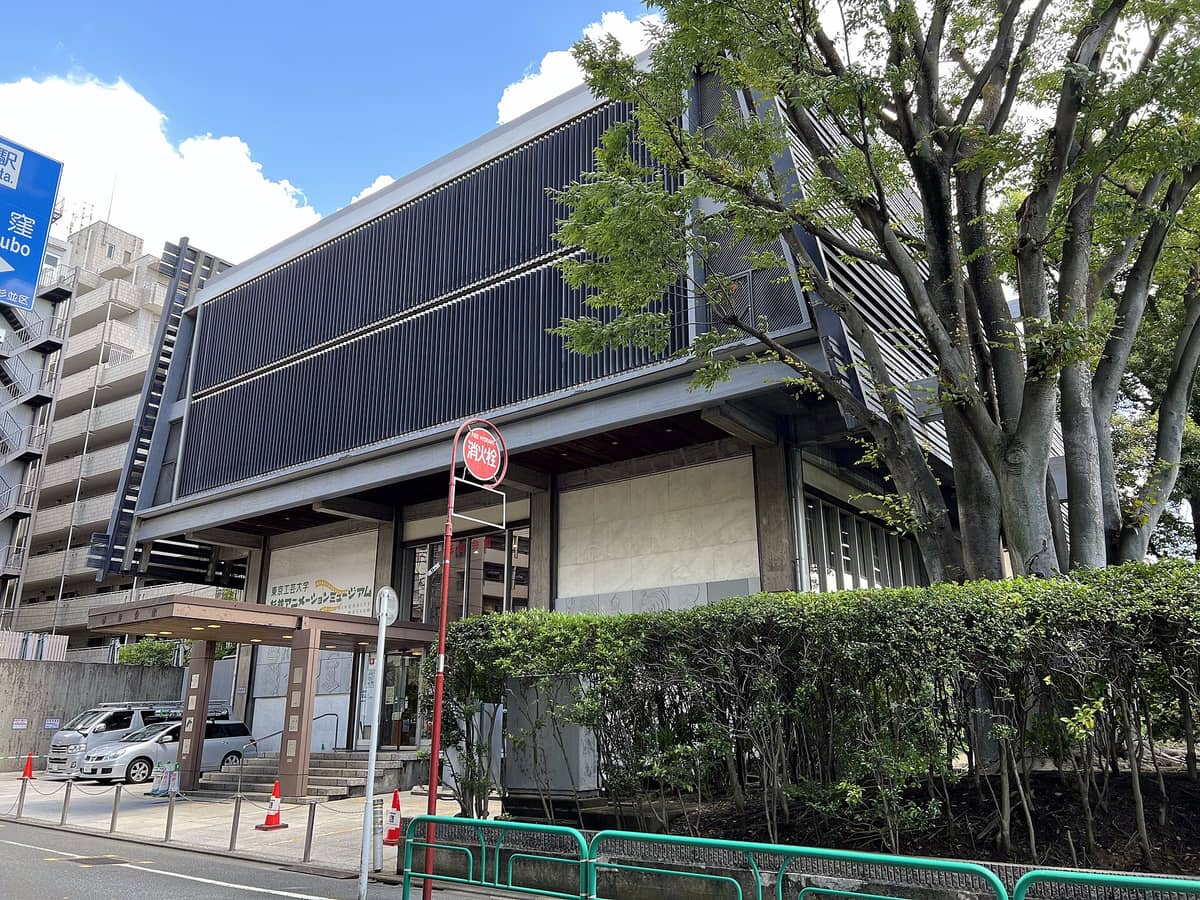
The Suginami Animation Museum in Ogikubo is one of the most undervalued stops on the anime circuit, partly because it charges no admission at all. It covers the technical side of anime production through storyboards, layout sheets, cel art, and interactive voice-acting booths where visitors can try dubbing a scene. Ogikubo is on the JR Chuo Line, about 10 minutes from Shinjuku. The museum is on the 3rd floor of Suginami Kaikan and is closed on Mondays.
For contemporary digital art with strong connections to Japanese visual culture, teamLab Planets in Toyosu and teamLab Borderless (now relocated to Azabudai Hills in Minato) offer large-scale immersive environments that draw heavily on visual traditions running through manga and anime aesthetics. Neither is an anime museum in the conventional sense, but both are essential for visitors interested in how Japanese visual artists are pushing the form forward. Tickets for both require advance booking and start from around ¥3,600–3,800 for adults. See the Tokyo digital art guide for a full comparison.
The Nakano Broadway shopping complex deserves mention as a museum-adjacent experience. The upper floors are a labyrinth of Mandarake branches, each specializing in a different category: idol goods, vintage games, doujinshi, rare figures. It is significantly less crowded than Akihabara on weekends and attracts a more collector-focused crowd. Nakano Station is on the JR Chuo Line, about 5 minutes from Shinjuku.
Ikebukuro and the Rest of Tokyo's Anime Districts
Ikebukuro functions as a counterpoint to Akihabara. The east side of Ikebukuro Station anchors Sunshine City, the Animate flagship for the area, and a cluster of shops along what fans call Otome Road, a short stretch of Higashi-Ikebukuro that concentrates on manga and merchandise oriented toward female audiences. Shops like K-Books and Lashinbang on this stretch stock BL manga, seiyuu (voice actor) goods, and character merchandise from titles popular with that demographic. It is worth knowing about before you arrive if Akihabara's focus does not match your interests.
In Shibuya and Harajuku, the anime connection is less concentrated but still present. Tower Records Shibuya stocks a dedicated anime music floor. The Harajuku backstreets carry cosplay fashion and character-inspired streetwear from brands that blur the line between fandom and fashion. Shibuya's Mandarake branch in Shibuya BEAM building is smaller than the Akihabara and Nakano locations but useful if you are already in the area.
- Akihabara: Electronics, figures, all-format merchandise, maid cafes. Best for broad anime shopping and first-time visitors.
- Nakano Broadway: Vintage and rare collector items, Mandarake complex. Best for collectors and those avoiding Akihabara crowds.
- Ikebukuro Otome Road: Shoujo, BL, seiyuu goods, female-oriented fandom merchandise. Best for audiences underserved by Akihabara.
- Shibuya/Harajuku: Anime-adjacent fashion, streetwear crossover, scattered specialty stores. Best as an add-on to other sightseeing.
- Ogikubo (Suginami Museum): Free entry, production-focused exhibits. Best for animation enthusiasts and budget travelers.
Anime Events, Conventions, and Seasonal Planning
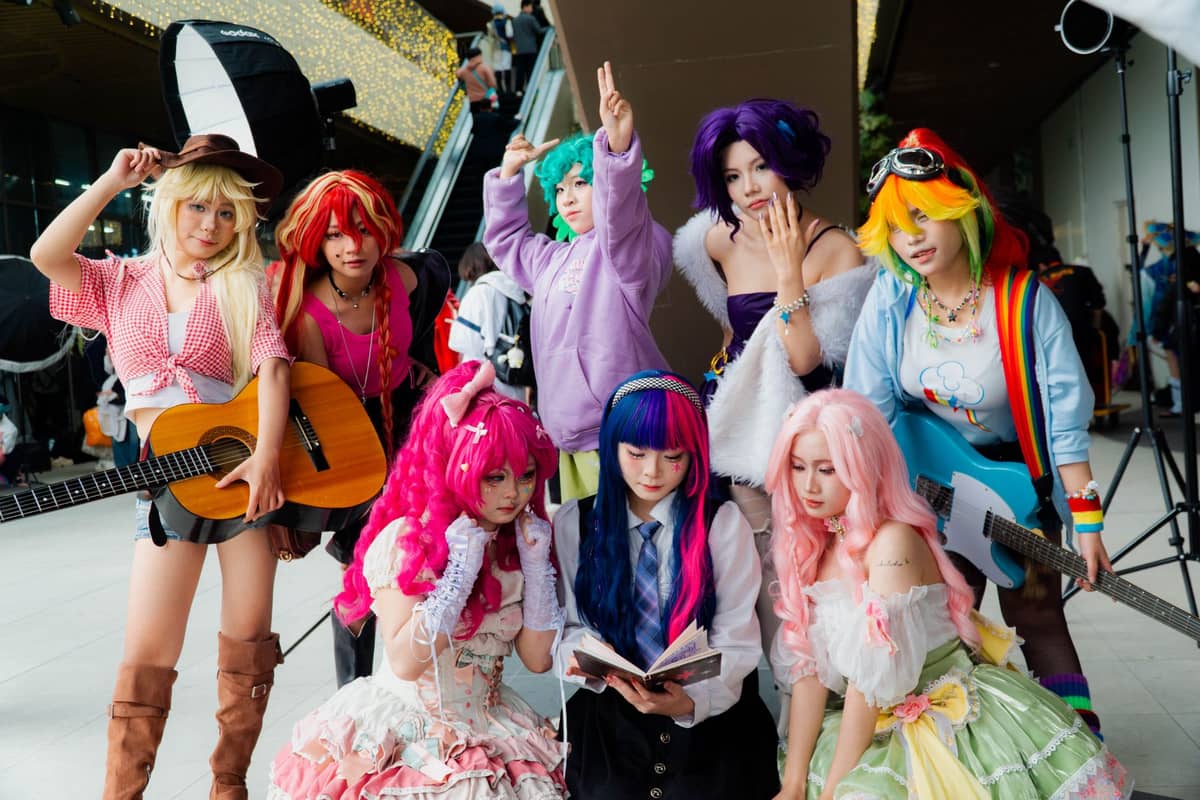
Tokyo's anime event calendar runs year-round but concentrates around Japan's major holiday windows. Golden Week (late April to early May), the Obon summer period (mid-August), and the New Year holiday (late December to early January) all see a surge in conventions, pop-up stores, and manufacturer events. Ticket prices vary significantly: free community events exist, and larger productions like AnimeJapan (held at Tokyo Big Sight in late March) charge a separate admission fee that should be confirmed on the official site.
Comiket, the biannual doujinshi fair held at Tokyo Big Sight in summer and winter, is the largest fan-run event in the world by attendance and operates on a different logic from commercial conventions. Attendance is free but the event draws hundreds of thousands of visitors over three to four days. The summer edition runs in mid-August; the winter edition in late December. Lines at popular circles form before the doors open and sell out within minutes. If Comiket is on your list, research the catalog system and circle locations in advance. Walking in without a plan wastes most of the day.
ℹ️ Good to know
Tokyo Big Sight (Tokyo International Exhibition Center) in Odaiba hosts most large-scale anime and manga events including AnimeJapan and Comiket. It is accessible via the Yurikamome Line from Shimbashi or the Rinkai Line from Osaki. Factor in 45 to 60 minutes from central Tokyo plus queue time on major event days.
For visitors planning around events, the best time to visit Tokyo matters beyond just weather. Spring (mid-March to mid-May) and autumn (October to November) offer comfortable temperatures between roughly 13°C and 23°C, manageable rainfall, and a strong event calendar without the extreme crowds of summer. Summer is peak anime event season but also peak heat and humidity, with August temperatures regularly hitting 31°C with high humidity. The rainy season runs from early June to mid-July.
Practical Planning: Getting Around and Budgeting
Tokyo's public transport network connects all the major anime districts efficiently. The JR Yamanote Line forms a loop around the city center and serves Akihabara, Shibuya, Shinjuku, Ikebukuro, and the transfer points for Mitaka and Nakano. A rechargeable IC card (Suica or Pasmo) works across JR, Tokyo Metro, Toei Subway, and most private rail lines. Load it at any major station and tap in and out without needing to buy individual tickets. See the full getting around Tokyo guide for IC card setup and rail pass comparisons.
From Haneda Airport (HND), the fastest routes to central Tokyo take around 20 to 45 minutes via the Tokyo Monorail to Hamamatsucho or the Keikyu Line to Shinagawa, with fares around ¥330 to ¥700. From Narita Airport (NRT), the JR Narita Express reaches Tokyo Station in about one hour with adult fares a little over ¥3,000; the Keisei Skyliner reaches Ueno in about 40 to 45 minutes with adult fares around ¥2,500. Fares and timetables change periodically, so confirm current prices before travel.
Budget planning for an anime-focused trip is highly variable. Museum admissions range from free (Suginami) to ¥1,000 (Ghibli) to around ¥3,600–¥3,800 (teamLab). Shopping is the major variable cost: figures range from a few hundred yen for blind box items to tens of thousands for limited edition statues. Set a hard shopping budget before arriving in Akihabara. Japan is largely a cash-based society for smaller purchases, though major stores accept credit cards. Tipping is not practiced and should not be offered.
FAQ
Do I need to book Ghibli Museum tickets before arriving in Japan?
Yes. Tickets are not sold at the museum and cannot be purchased on the day. They go on sale at 10:00 JST on the 10th of each month for the following month's visits via Lawson Ticket online, Loppi machines in Lawson convenience stores, or the official overseas portal for international visitors. Popular dates sell out quickly, sometimes within minutes. Book as early as possible and check the official site at ghibli-museum.jp for the current purchase procedure.
How long should I spend in Akihabara?
Allow a minimum of three hours for a focused shopping visit, and up to a full day if you plan to visit multiple stores across different categories. Serious collectors often spend a full day just working through Mandarake's various branches and comparing prices across shops. The area is most crowded on weekend afternoons.
Is there a free anime museum in Tokyo?
Yes. The Suginami Animation Museum in Ogikubo charges no admission and covers anime production techniques through hands-on exhibits including storyboards, cel art, and voice-acting booths. It is closed on Mondays and is accessible via the JR Chuo Line from Shinjuku in about 15 minutes.
What is the best time of year to visit Tokyo for anime events?
Late March to early April offers AnimeJapan at Tokyo Big Sight. Summer (mid-August) hosts Comiket's summer edition at the same venue. Late December brings the winter Comiket. Golden Week (late April to early May) concentrates many manufacturer pop-up events and store campaigns. Spring and autumn offer the most comfortable weather overall, though summer is the most event-dense season.
Is Nakano Broadway worth visiting if I have already been to Akihabara?
For collectors, yes. Nakano Broadway hosts Mandarake's main multi-floor complex and is notably less crowded than Akihabara on weekends. It specializes in vintage items, rare figures, out-of-print manga, and second-hand goods. For casual shoppers looking for current season merchandise, Akihabara has greater variety. The two districts have a different character and different stock, so they complement rather than duplicate each other.