Ghibli Museum, Mitaka: The Complete Visitor Guide
The Ghibli Museum in Mitaka is one of Tokyo's most sought-after ticketed experiences, a meticulously designed space that blurs the line between architecture and animation. Tickets require advance booking and sell out fast. Here is everything you need to plan a smooth, rewarding visit.
Quick Facts
- Location
- 1-1-83 Shimorenjaku, Mitaka-shi, Tokyo 181-0013
- Getting There
- JR Mitaka Station (south exit), then ~15 min walk or Mitaka Community Bus to museum
- Time Needed
- 2 to 3 hours
- Cost
- From ¥1,000 for adults; advance reservation required via Lawson Ticket
- Best for
- Studio Ghibli fans, families with children, architecture and design enthusiasts
- Official website
- www.ghibli-museum.jp/en
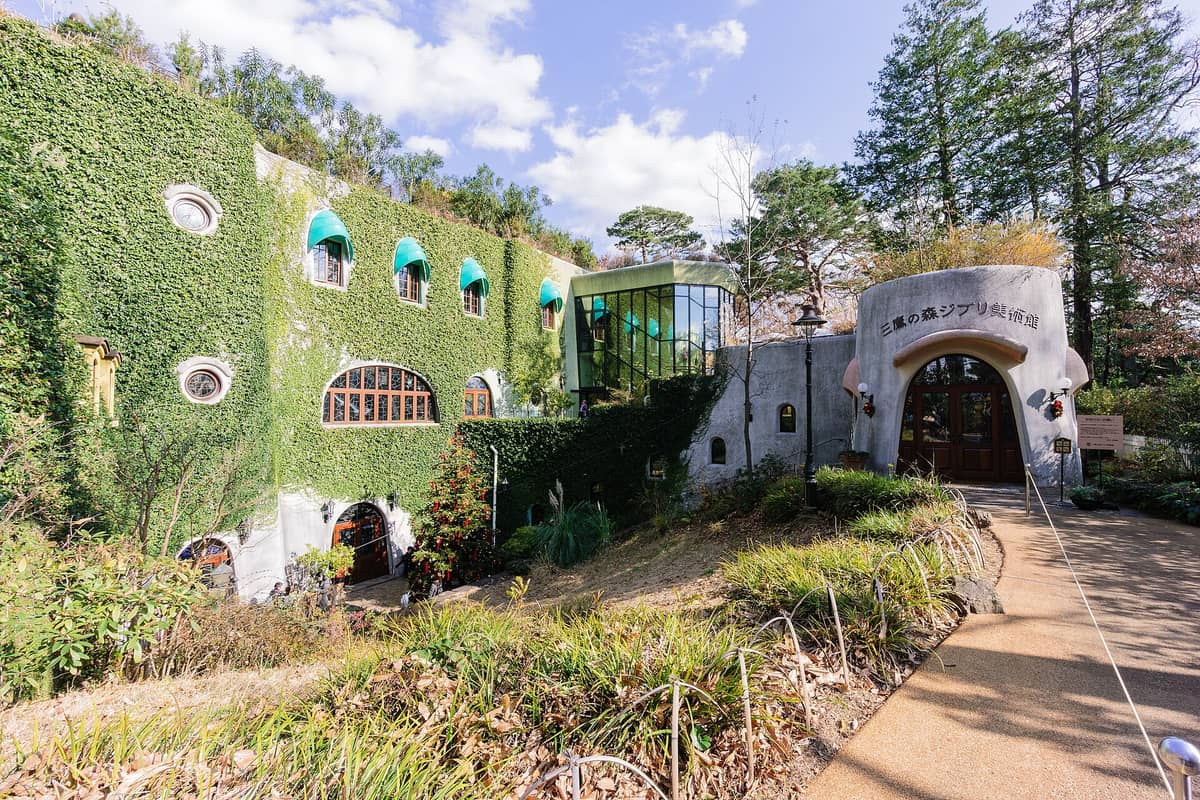
What the Ghibli Museum Actually Is
The official name is 三鷹の森ジブリ美術館, Mitaka no Mori Ghibli Bijutsukan, or in English, Ghibli Museum, Mitaka. It opened in 2001 and sits in Mitaka, a quiet city that borders western Tokyo. This is not a theme park, not a merchandise hall, and not a conventional animation museum. It is closer to what you might get if Hayao Miyazaki were handed a building and told to design it for curious children and the adults who have not stopped being curious.
The museum is run by Studio Ghibli and reflects the studio's visual philosophy at every turn. Stairwells spiral unexpectedly. Passages open into rooms that were not visible from outside. Iron grille work overhead shows the silhouette of Totoro. The whole structure operates like a Ghibli film: legible enough to follow, strange enough to stay surprising. That internal logic is part of what makes it worth the effort of securing a ticket.
⚠️ What to skip
No tickets are sold at the museum entrance. All admission is by advance reservation only, purchased through Lawson Ticket. Tickets for a given month go on sale at 10:00 JST on the 10th of the previous month. Plan well ahead, especially for weekends and school holidays.
Getting Your Ticket: The Most Important Step
Securing admission is the single biggest practical challenge for visitors. The museum operates on fixed entry time slots, and adult tickets are priced at ¥1,000 as of mid-2026, though prices vary by age category. Verify current pricing on the official ticket page before booking, as these figures are subject to change.
Overseas visitors can purchase through the English-language portal on Lawson Ticket, which opens alongside the Japanese portal on the 10th of the preceding month. The 10:00 and 12:00 slots are the most competitive and often sell out within minutes. If you miss the release, check back periodically as cancellations do appear, but do not count on it. Building your Tokyo itinerary around your Ghibli Museum ticket date, rather than the reverse, is the smarter approach.
💡 Local tip
Set a reminder for 09:55 JST on the 10th of the month before your visit. Have your Lawson Ticket account created and payment details ready in advance. The window moves fast.
Tickets & tours
Hand-picked options from our booking partner. Prices are indicative; availability and final rates are confirmed when you complete your booking.
Tsukiji Fish Market Walking Food Tour
From 40 €Instant confirmationFree cancellationMt.Fuji,Owakudani, Hakone Cruise & Ropeway, Oshino Hakkai 1-Day Trip
From 54 €Instant confirmationFree cancellationTour to Mt. Fuji Area, Oshino Hakkai and Kawaguchi Lake from Tokyo
From 57 €Instant confirmationFree cancellationNikko UNESCO Shrine and Nature View 1-Day Tour from Tokyo
From 78 €Instant confirmationFree cancellation
Getting There: JR Mitaka Station and the Walk Through the Park
From central Tokyo, take the JR Chuo Line to Mitaka Station and exit from the south gate. The museum is approximately 15 minutes on foot, or a short ride on the Mitaka Community Bus that runs a dedicated route to the museum area. The bus is useful when it is raining or if you are traveling with young children, but the walk itself is pleasant: it passes through the green southern reaches of Inokashira Park, under tree cover, with the sound of birdsong replacing the usual urban ambient noise of Tokyo.
Mitaka Station is on the JR Chuo Line, accessible directly from Shinjuku in around 20 minutes. If you are basing yourself in Kichijoji, which is one stop east on the Chuo Line, the commute to Mitaka is just three minutes by train. The Inokashira Park walk to the museum is one of the nicest short walks in western Tokyo, particularly in spring when the cherry trees along the park's central pond are in bloom.
Inside the Museum: What You Will Actually See
The permanent exhibits focus on the art and craft of animation rather than simply showcasing Ghibli film merchandise. One of the most engaging rooms is the hands-on display showing how animation works at its most fundamental level, using stroboscopic light and sculpted figures to demonstrate the persistence of vision principle. It is the kind of exhibit that makes adults stop and stare as much as children.
The Saturn Theater in the basement screens a short original film exclusive to the museum, roughly 15 minutes long and not available anywhere else. The film changes periodically. Seating is limited and allocated at entry, so check your screening time when you arrive. This exclusive content is one of the main reasons Ghibli devotees return for multiple visits over the years.
The recreation of Miyazaki's studio workspace is another standout: shelves of reference books, animation cels, scattered pencil sketches, and the general productive chaos of a working creative office, frozen mid-process. It gives a rare sense of how films are made at the conceptual stage, before the polished final frames appear on screen.
The roof garden hosts a large-scale Robot Soldier from Castle in the Sky, one of the museum's most recognisable sights. It is visible from outside the museum perimeter and makes for one of the better photographs of the day. The Mamma Aiuto cafe on the ground floor serves simple food and drinks; it fills up quickly around the lunch slot entry time, so either visit early in your session or wait until the initial rush passes.
How the Experience Changes by Time of Day
The 10:00 slot is the quietest inside the museum, with the smallest initial crowd and the best light coming through the stained-glass windows on the upper floors. By the 12:00 and 14:00 entries, the spaces become noticeably more crowded, particularly in the children's reading room, where small visitors settle in among the large illustrated books and are reluctant to leave.
The 16:00 slot gives less overall time before the 18:00 close, but the late-afternoon light through the curved windows of the upper galleries has a warmth that works well for photography. The gardens and outdoor areas are calmer at this hour. If you are primarily there for the atmosphere and architecture rather than the educational exhibits, the last entry of the day has its own quiet appeal.
💡 Local tip
Book the 10:00 slot if you want the most time and the least crowding. The Saturn Theater exclusive film is a highlight regardless of which slot you attend, so confirm your screening allocation at the entrance desk as soon as you arrive.
Practical Details: Accessibility, Photography, and What to Bring
The museum provides wheelchair-accessible restrooms on all floors, including unisex facilities in the main building. Wheelchairs are available for loan from the museum, and the main three-story building, with the exception of the roof garden, is navigable by wheelchair via elevators. Some interior corridors are narrow, and staff are experienced in guiding wheelchair users through step-free routes. The basement floor also has a nursing room, diaper-changing tables, and a toilet for ostomates.
Photography rules inside the museum are restrictive. The permanent exhibit rooms and the Saturn Theater do not allow photography. The outdoor areas, the cafe, and the shop are generally fine for personal photographs. Check signage at each area, as rules can shift with temporary exhibitions. The Lawatan soldier on the roof is consistently popular for photos and draws a short queue at peak times.
The Ghibli Museum shop sells museum-original items not widely available elsewhere in Tokyo, including exhibition-related goods tied to the current special show. If shopping matters to you, budget time at the end of your visit rather than the start, and note that the selection can vary considerably depending on which temporary exhibition is running.
Who Will Love It, and Who Might Not
Visitors with a genuine connection to Studio Ghibli's films will find the museum deeply rewarding. The level of detail built into every corner of the space rewards slow, attentive exploration. Families with children between roughly 4 and 12 tend to have particularly strong responses: the scale of the building, the interactive elements, and the exclusive short film are calibrated precisely for that age group. Design and architecture enthusiasts with no particular Ghibli background will still find the building itself worth studying. For broader context on Tokyo's museum landscape, the best museums in Tokyo guide covers a range of options across the city.
The museum is not ideal for visitors who have not seen any Ghibli films and have no particular interest in animation as a medium. The ticket booking process is demanding relative to what a casual visitor gains, and the internal exhibits assume some baseline familiarity with the studio's work. Similarly, if your Tokyo itinerary is already tight and Mitaka is out of your way, the logistics may outweigh the return. It is not an attraction that rewards a reluctant visit.
If you are building a full day around the Kichijoji and Mitaka area, the Ghibli Museum pairs naturally with a walk through Inokashira Park and time in the Kichijoji neighbourhood, which has some of Tokyo's best independent cafes, vintage shops, and a relaxed pace that suits a half-day of wandering after the museum. For broader trip planning, the things to do in Tokyo guide can help you structure the rest of your itinerary.
Insider Tips
- Tickets go live at exactly 10:00 JST on the 10th of the previous month. High-demand slots for weekends and public holidays can sell out in under five minutes. Create your Lawson Ticket account and log in before the window opens.
- The exclusive Saturn Theater short film is not screened on a fixed loop; your viewing time is assigned at entry based on your slot. Ask the staff at the entrance desk immediately when you arrive so you can plan the rest of your visit around it.
- The children's reading room contains oversize hand-illustrated books that are genuinely beautiful, but it fills quickly. Visit early in your session before families with young children settle in for extended stays.
- The walk from Mitaka Station through Inokashira Park takes about 15 minutes and is one of the nicest approaches to any museum in Tokyo. Skip the bus unless the weather is poor or you are managing a stroller, because the park path is part of the experience.
- The museum shop stocks items that are exclusive to this location and are not available at Studio Ghibli outlets elsewhere. If you are a collector or buying gifts, allow 20 to 30 minutes at the shop and visit toward the end of your session when the initial crowd has thinned.
Who Is Ghibli Museum For?
- Studio Ghibli fans of any age who want to understand how the films were made
- Families with children aged roughly 4 to 12, who respond strongly to the interactive and immersive elements
- Architecture and design enthusiasts interested in a building that functions as a creative statement
- Tokyo visitors with a full day allocated to the Kichijoji and Mitaka area
- Collectors and Ghibli merchandise hunters seeking museum-exclusive items
Nearby Attractions
Other things to see while in Kichijoji:
- Inokashira Park
Spread across 38 hectares in Kichijoji, Inokashira Park is one of Tokyo's oldest and most beloved green spaces. Free to enter, open around the clock, and anchored by a serene pond, it rewards visitors year-round with seasonal scenery, street musicians, rowing boats, and a compact zoo opened in 1942.