Cafés in Tokyo: Kissaten, Specialty Coffee & Themed Cafés
Tokyo's café culture spans three distinct worlds: atmospheric kissaten frozen in the 1960s, precision-driven specialty coffee shops, and themed cafés where you sip coffee alongside cats, owls, or hedgehogs. This guide breaks down pricing, etiquette, booking requirements, and the best neighbourhoods for each type.
Plan and book this trip
Tools from our partner Travelpayouts help you compare flights and hotels. If you book through them, we may earn a commission at no extra cost to you.
Flights
Hotels map
TL;DR
- Tokyo has three main café categories: traditional kissaten (¥800–1,200 per coffee), specialty coffee shops (¥500–800), and themed cafés (cat cafés are typically priced by the minute; many others are session-based and start around ¥1,700–3,300 per session).
- Kissaten are not cheaper than modern cafés — the higher price reflects an unhurried atmosphere and extended stay, often with a full set menu.
- Cat cafés are often walk-in and priced by the minute; owl, hedgehog, and micro-pig cafés almost always require advance booking and prepayment.
- Neighbourhood matters: specialty coffee clusters in Daikanyama and Nakameguro, while kissaten are densest in Shinjuku and Ueno.
- Themed cafés open, rebrand, and close frequently — always confirm hours and booking requirements on the official site before visiting.
Understanding Tokyo's Café Landscape
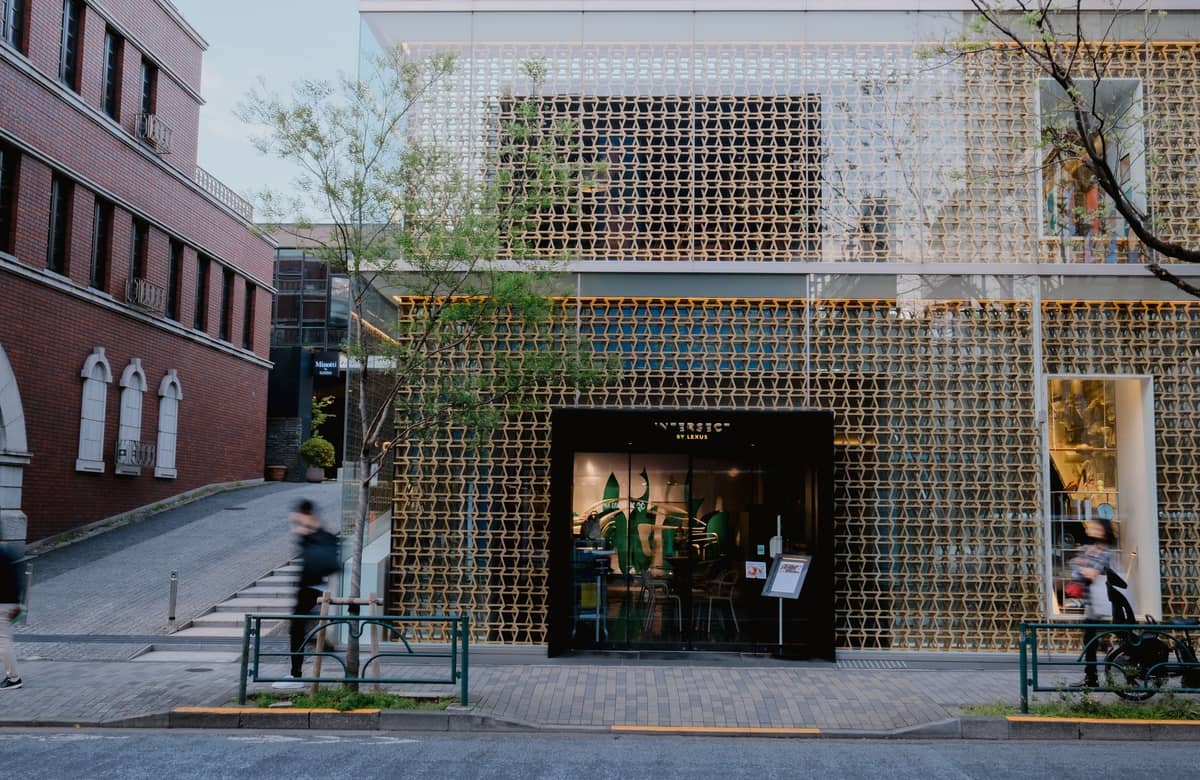
Tokyo has an exceptionally dense café culture, and the range is genuinely staggering. On one block you might find a Showa-era kissaten with velvet banquettes and a siphon brewer that hasn’t changed much in decades. Around the corner, a third-wave roaster is pulling single-origin espresso. Three stops away by train, someone is paying ¥2,200 to spend 25 minutes with a micro-pig. Each of these is a legitimate, worthwhile experience — they just serve completely different purposes.
The most common mistake first-time visitors make is treating all three categories as interchangeable. They are not. Kissaten reward slow mornings, long conversations, and a specific kind of quiet that modern cafés rarely replicate. Specialty coffee shops are for people who care about extraction ratios and terroir. Themed cafés are essentially ticketed entertainment with a drink attached. Understanding which category you're entering sets the right expectations for price, timing, and atmosphere.
ℹ️ Good to know
Dedicated coffee platforms list hundreds of specialty cafés in Tokyo with maps, current hours, and directions. Checking these before your visit is worthwhile — some specialty shops operate only a few days per week to balance roasting schedules with service.
Kissaten: Tokyo's Original Café Culture
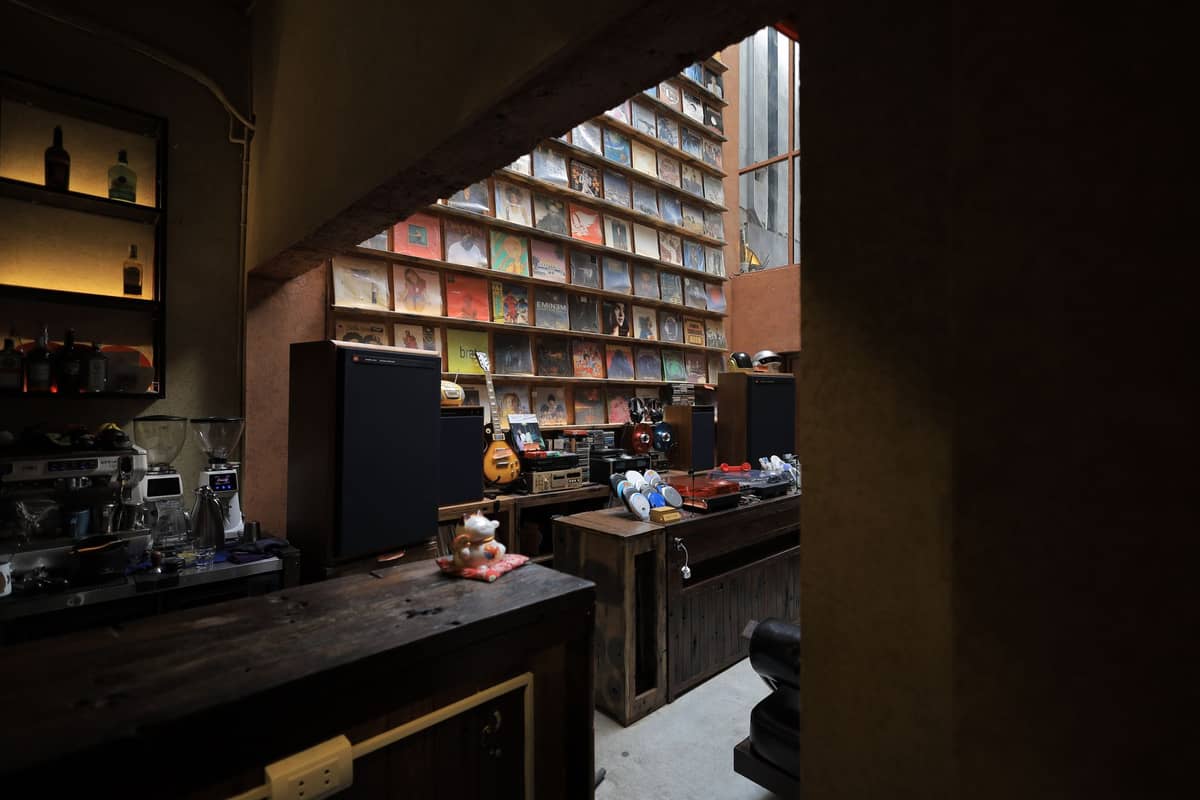
The word kissaten (喫茶店) literally means 'tea-drinking shop', but these places are defined far more by their atmosphere than their menu. Classic kissaten date to the postwar economic boom and became especially widespread in the 1960s and 70s. The defining features are consistent: low lighting, jazz or classical music at a careful volume, leather or velvet seating, and a proprietor who treats coffee as a serious craft. Siphon brewing is common. The menu is short. The expectation is that you stay for a while.
Pricing at kissaten is higher than most visitors expect. A coffee typically costs ¥800–1,200, and a set with a small dessert or toast adds another ¥300–500. Some Showa-era spots list classics like anmitsu around ¥850 and seasonal drinks around ¥680. The price isn't just for the coffee — it covers the seat, the atmosphere, and the implicit understanding that nobody will rush you. If you're looking for a quick caffeine fix, kissaten are the wrong choice. For a two-hour morning with a novel, they are unbeatable. The densest concentrations of surviving kissaten are in older commercial districts: Shinjuku, Ueno and Kanda, and parts of Ginza where the buildings are old enough to have survived redevelopment.
- What to order A blend coffee (ブレンドコーヒー) is the house standard at most kissaten — often the best thing on the menu. Morning sets (モーニングセット) typically include toast and a boiled egg at no extra charge before around 11:00.
- Etiquette You seat yourself, order when you're ready, and signal for the bill when you leave. Don't expect WiFi or power outlets — kissaten predate both, and many owners prefer it that way.
- Finding them Kissaten rarely appear in English on Google Maps. Search for 喫茶 or use Japanese café aggregator sites. The best ones are often basement or second-floor spaces with hand-lettered signage.
Specialty Coffee in Tokyo: Where to Go and What to Expect
Tokyo’s specialty coffee scene matured rapidly through the 2010s and is now legitimately world-class. Shops like Koffee Mameya in Omotesando operate on a consultation model — a barista asks about your preferences and recommends a single-origin from their current selection, which you can take as espresso, pour-over, or cold brew. Prices for a single cup typically run ¥500–800, though many shops price by drink and method. You’re paying for the coffee itself, not the extended stay.
The best neighbourhoods for specialty coffee cluster in the southwest of central Tokyo. Daikanyama and Nakameguro have the highest concentration of independent roasters and concept cafés, many of them operating out of renovated residences or small retail units. Harajuku and Omotesando skew more design-forward, with flagship locations from Japanese roasters who've gained international recognition. Both areas reward slow walking and spontaneous discovery more than pre-planned itineraries.
✨ Pro tip
Some of Tokyo's best specialty roasters open only Thursday to Monday or Saturday to Monday, reserving mid-week for roasting. A quick check on their Instagram or Google Maps listing before making a detour can save significant frustration — especially if you're in town for only a few days.
Expect most specialty shops to open between 8:00 and 10:00 and close by 17:00 or 18:00. Weekend mornings are often the busiest period — queues at popular spots can be long on a good Saturday. Arriving before 9:30 or after 14:00 on a weekday is often the best way to get a seat without waiting. Seating capacity is often small: many top specialty shops seat fewer than 20 people. Laptops are generally tolerated for an hour or so, but working for three hours during a busy period is considered poor form.
Themed Cafés: A Practical Guide to Animal Cafés and Beyond
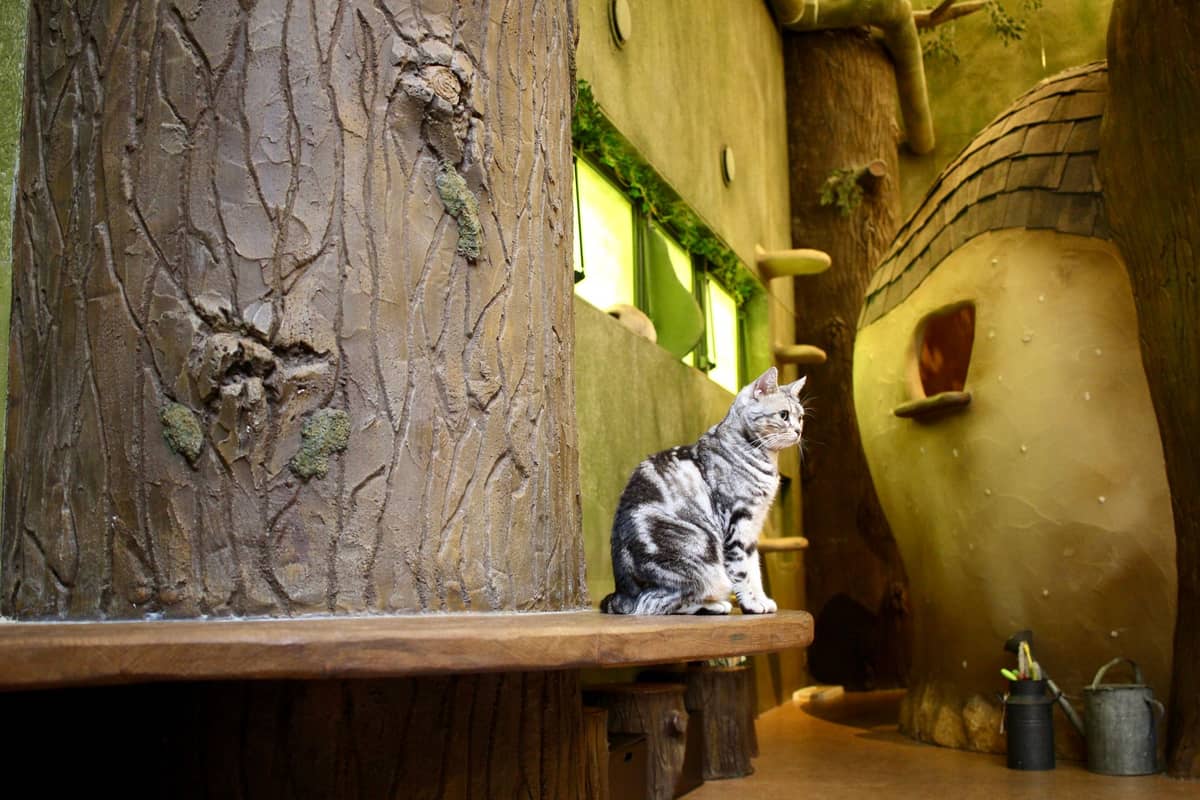
Tokyo’s themed café sector divides sharply into two booking models, and conflating them causes real logistical problems. Cat cafés are often walk-in, first-come-first-served, and priced by time. Everything else — owl cafés, hedgehog cafés, micro-pig cafés, and most other animal venues — typically requires advance reservation and prepayment. This distinction matters when planning your day.
- Cat cafés Walk-in only, priced by the minute. One major Tokyo chain charges approximately ¥270 per 10 minutes (¥297 with tax) on weekdays and ¥350 (¥385 with tax) on weekends and holidays, with daily caps around ¥3,600–4,200. Drinks are usually included or available as add-ons.
- Owl cafés Session-based, typically reservation-required. One Tokyo owl café charges ¥1,700 for adults and ¥1,200 for high-school age and younger, with no time limit per session, and free entry for children under three. Handling instructions are given by staff.
- Micro-pig cafés Approximately ¥2,200 for 25 minutes or ¥3,300 for 55 minutes. Pre-booking essential — walk-ins are rarely accommodated.
- Hedgehog cafés Around ¥2,310 for 45 minutes, reservation-only. These are among the more unusual options and tend to appeal to visitors who've already done cat and owl cafés.
⚠️ What to skip
Themed cafés in Tokyo have a high turnover rate. Several Shinjuku cat café branches have rebranded or relocated in recent years. Always verify current status and booking requirements on the official website before visiting — not on third-party aggregators, which frequently show outdated information.
Beyond animal cafés, Tokyo's themed café scene includes manga and anime-concept spaces, retro game cafés, and character collaboration pop-ups tied to seasonal releases. Most of the latter operate for limited periods and require advance booking through specific ticketing platforms. If themed cafés are a priority, Ikebukuro has the highest concentration — particularly around Sunshine City — and is worth treating as the primary destination for this style of café.
Neighbourhoods: Where to Find Each Type
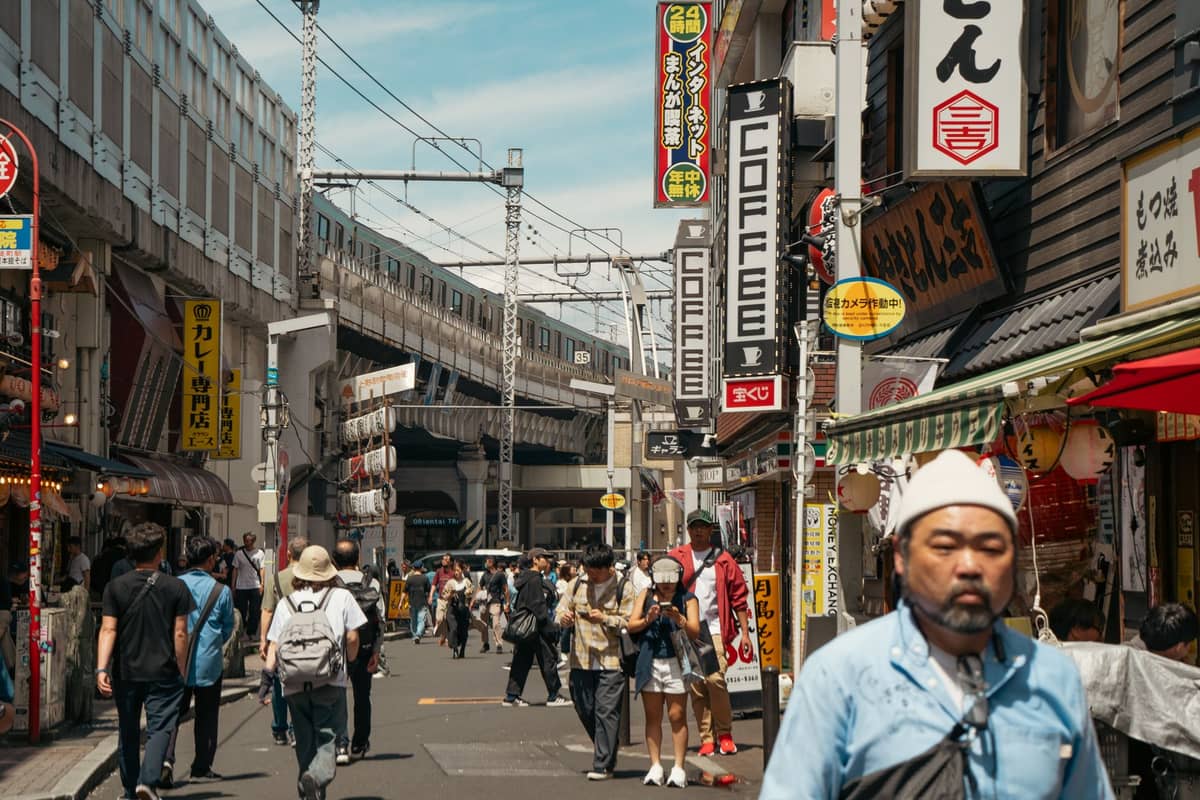
Café type and neighbourhood are closely linked in Tokyo. Knowing which area to prioritise saves transit time and increases your chances of finding something genuinely good rather than settling for whatever's nearest.
- Daikanyama and Nakameguro The core of Tokyo's specialty coffee scene. Independent roasters, concept cafés, and serious espresso bars in a walkable, low-rise neighbourhood. Best visited on a weekday morning.
- Shinjuku A mix of old-school kissaten in the back streets of Kabukicho and around the station's east exit, plus international chains and a few specialty shops. Golden Gai has tiny bars that function as kissaten by day at some locations.
- Ikebukuro The capital of themed cafés in Tokyo. Highest density of cat cafés, character cafés, and manga-concept spaces. Also has good chain options if you need a quick working café.
- Koenji and Shimokitazawa Both are strongholds for eccentric, long-running independent cafés that sit somewhere between kissaten and specialty. Lower prices, higher character, and much better for solo travel than Harajuku.
- Ginza and Nihonbashi Upmarket cafés attached to department stores, as well as a handful of surviving classic kissaten that have been operating since the postwar era. Prices are at the higher end across all categories.
If you're planning a focused café day, the Nakameguro to Daikanyama stretch is the most rewarding single walk for coffee quality. Pair it with a visit to Daikanyama T-Site and the area around the Meguro River for a half-day that combines books, coffee, and one of the city's best walking routes.
Practical Tips: Timing, Booking, and Getting the Most Out of It
Summer weekends and national holidays create the most pressure on popular cafés across all three categories. Themed cafés in Ikebukuro can have queues well before opening on a Saturday in July or August. Specialty cafés in Daikanyama face their longest waits on Sunday between 10:00 and 13:00. If you're visiting during cherry blossom season (late March to early April) or autumn colour season (mid-November), build extra time into any café plan — the surrounding parks draw large crowds that spill into nearby café queues.
Tokyo's café scene also intersects with its broader food culture. Many specialty shops stock single-origin beans to buy and take home, making them worthwhile stops even if you don't plan to sit down. For a deeper dive into where Tokyo's food culture is strongest by neighbourhood, the Tokyo neighbourhoods guide gives context on which areas to prioritise based on your interests. If you're visiting on a tight budget, note that international chains remain the most economical sit-down option at ¥350–600 per coffee — not the most interesting, but consistent and widely available. The Tokyo on a budget guide covers how to keep food and drink costs manageable across the city.
💡 Local tip
Many Tokyo specialty cafés post same-day schedule changes on Instagram rather than updating Google Maps. Following the accounts of the two or three shops you most want to visit before your trip costs nothing and prevents wasted journeys.
For first-time visitors trying to fit cafés into a broader sightseeing itinerary, the easiest approach is to match café type to neighbourhood rather than making special trips. If you're already going to Asakusa to see Senso-ji, look for a kissaten in the surrounding backstreets — they're easy to find and far more atmospheric than the tourist-facing chains near the main approach. If you're in Omotesando for shopping, that's where the flagship specialty shops are. Let geography guide the experience.
FAQ
Are kissaten more expensive than modern specialty coffee shops in Tokyo?
Yes, typically. Kissaten usually charge ¥800–1,200 for a coffee, compared to ¥500–800 at most specialty shops. The higher price at kissaten reflects the extended stay, the atmosphere, and often a set menu that includes food. If you're expecting a quick, cheap coffee, a kissaten is the wrong choice — but if you want to sit undisturbed for two hours, the price is reasonable.
Do I need to book in advance for themed cafés in Tokyo?
It depends on the type. Cat cafés are almost always walk-in and first-come-first-served. Owl, hedgehog, micro-pig, and most other animal cafés typically require advance reservation and prepayment, with sessions at fixed times. Character and anime-themed pop-up cafés also generally require booking through specific ticketing platforms. Always check the official website of the specific venue before visiting.
What is a kissaten, and how is it different from a regular café?
A kissaten (喫茶店) is a traditional Japanese coffee shop, most commonly associated with the 1960s to 1980s Showa era. They typically feature siphon brewing, low lighting, jazz or classical background music, and a slow, unhurried atmosphere. Unlike modern specialty cafés, kissaten are not focused on coffee origin or extraction technique — they're about the experience of sitting and staying. Many are family-run and have been operating for decades without significant changes.
Where is the best area in Tokyo for specialty coffee?
Daikanyama and Nakameguro are the strongest neighbourhoods for specialty coffee, with the highest concentration of independent roasters and concept cafés in a walkable, low-rise area. Harajuku and Omotesando are also strong for flagship locations from notable Japanese roasters. Both areas are best visited on weekday mornings to avoid queues.
Can I work from cafés in Tokyo?
Yes, but with caveats. International chains (Starbucks, Doutor, Excelsior) are the most reliable options for long working sessions — they have WiFi, power outlets, and a culture of laptop use. Specialty cafés tolerate laptops for an hour or so but are not designed as coworking spaces, and using one during busy service hours is considered poor etiquette. Kissaten generally have neither WiFi nor power outlets, and most owners would find extended laptop use out of place in the atmosphere they've created.