Hidden Gems in Tokyo: 18 Off-the-Beaten-Path Places Worth Finding
Tokyo rewards the curious traveler who ventures beyond the obvious landmarks. From a temple blanketed in lucky cat figurines to a natural valley cutting through residential Setagaya, these are the places locals love and guidebooks overlook.
Plan and book this trip
Tools from our partner Travelpayouts help you compare flights and hotels. If you book through them, we may earn a commission at no extra cost to you.
Flights
Hotels map
Tokyo's most famous sights are famous for a reason, but the city's real character lives in its quieter corners. The neighborhoods and spots on this list sit within 30 minutes of central hubs like Shinjuku or Shibuya, yet most visitors never reach them. You'll find old-town shopping streets where shopkeepers still know their regulars, Meiji-era estates that survive intact behind high walls, and bars so small they feel like someone's living room. For a broader sense of which parts of the city to base yourself in, our Tokyo neighborhoods guide is a good starting point. If you're working with limited time, see how these fit into a 3-day Tokyo itinerary. And for travelers keeping costs down, nearly everything on this list is free or very low cost, which pairs well with our free things to do in Tokyo guide.
Old Tokyo Neighborhoods
These are the corners of Tokyo that escaped the postwar redevelopment and the relentless march of chain stores. Walking through Yanaka or along the Meguro River in Nakameguro gives you a sense of the city's texture that no museum or observation deck can replicate.
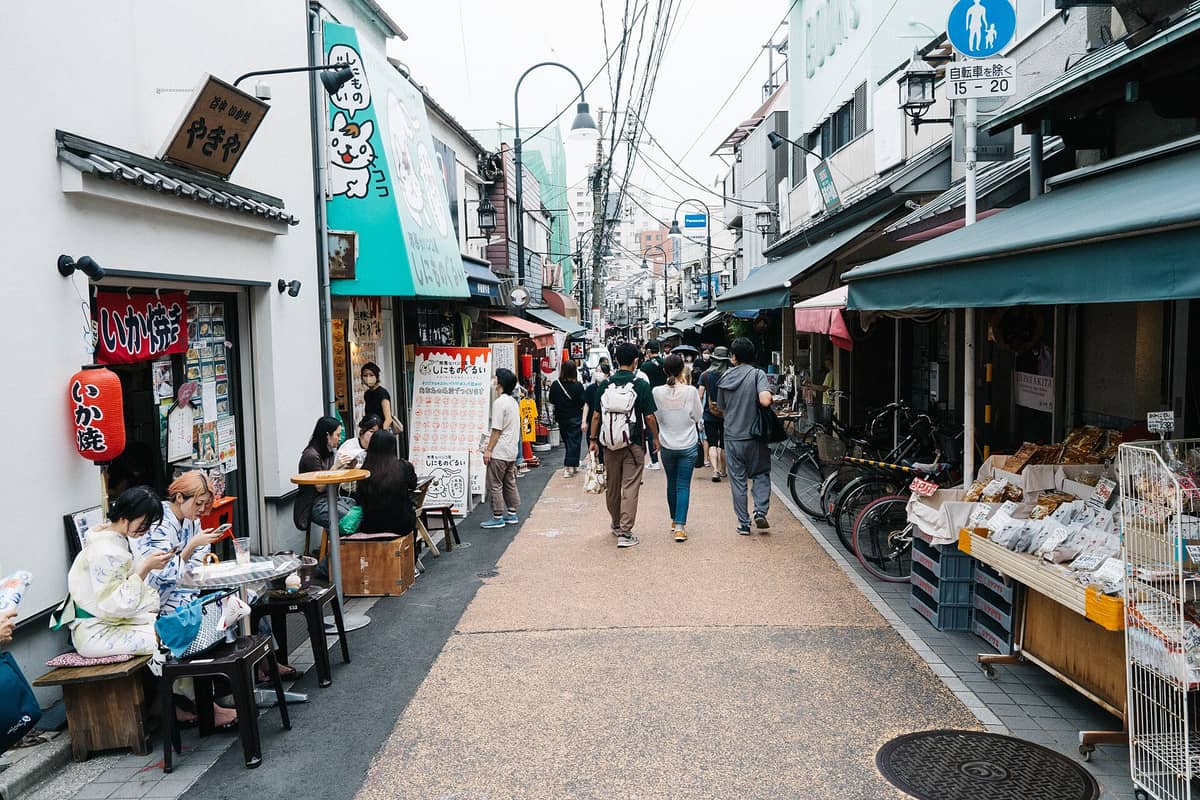
1. Wander Yanaka Ginza, Tokyo's Most Authentic Old Shopping Street
A Showa-era shopping lane in Yanaka lined with tofu shops, rice crackers, handmade crafts, and grilled skewers. Arrive around noon when stalls open, spend an hour browsing, then wander the surrounding temple-dotted backstreets. Free to explore.
Explore1. Wander Yanaka Ginza, Tokyo's Most Authentic Old Shopping Street
A Showa-era shopping lane in Yanaka lined with tofu shops, rice crackers, handmade crafts, and grilled skewers. Arrive around noon when stalls open, spend an hour browsing, then wander the surrounding temple-dotted backstreets. Free to explore.
Explore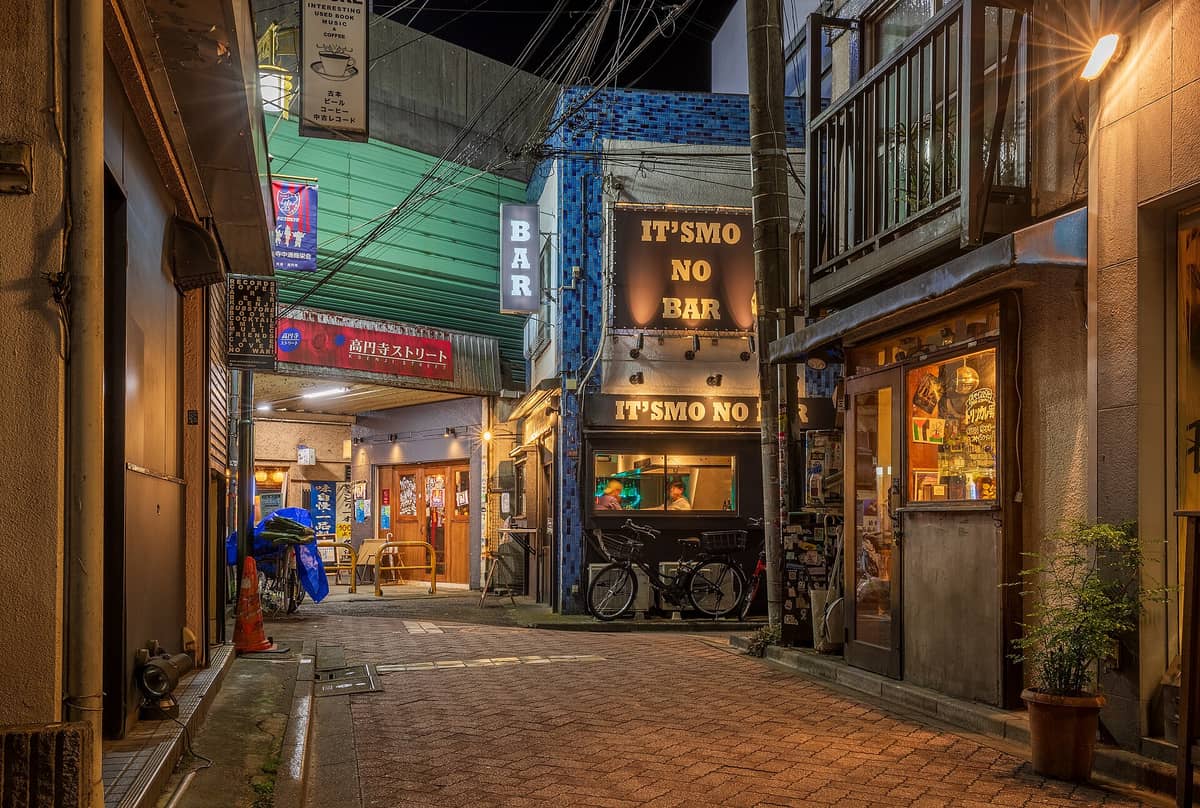
2. Explore Koenji, Tokyo's Bohemian Counterculture Hub
Tokyo's underground arts neighborhood, where vinyl record shops, vintage clothing dealers, and small live music venues occupy the streets around JR Koenji Station. Sundays bring a flea market. Far less polished than Shimokitazawa and better for it.
Explore2. Explore Koenji, Tokyo's Bohemian Counterculture Hub
Tokyo's underground arts neighborhood, where vinyl record shops, vintage clothing dealers, and small live music venues occupy the streets around JR Koenji Station. Sundays bring a flea market. Far less polished than Shimokitazawa and better for it.
Explore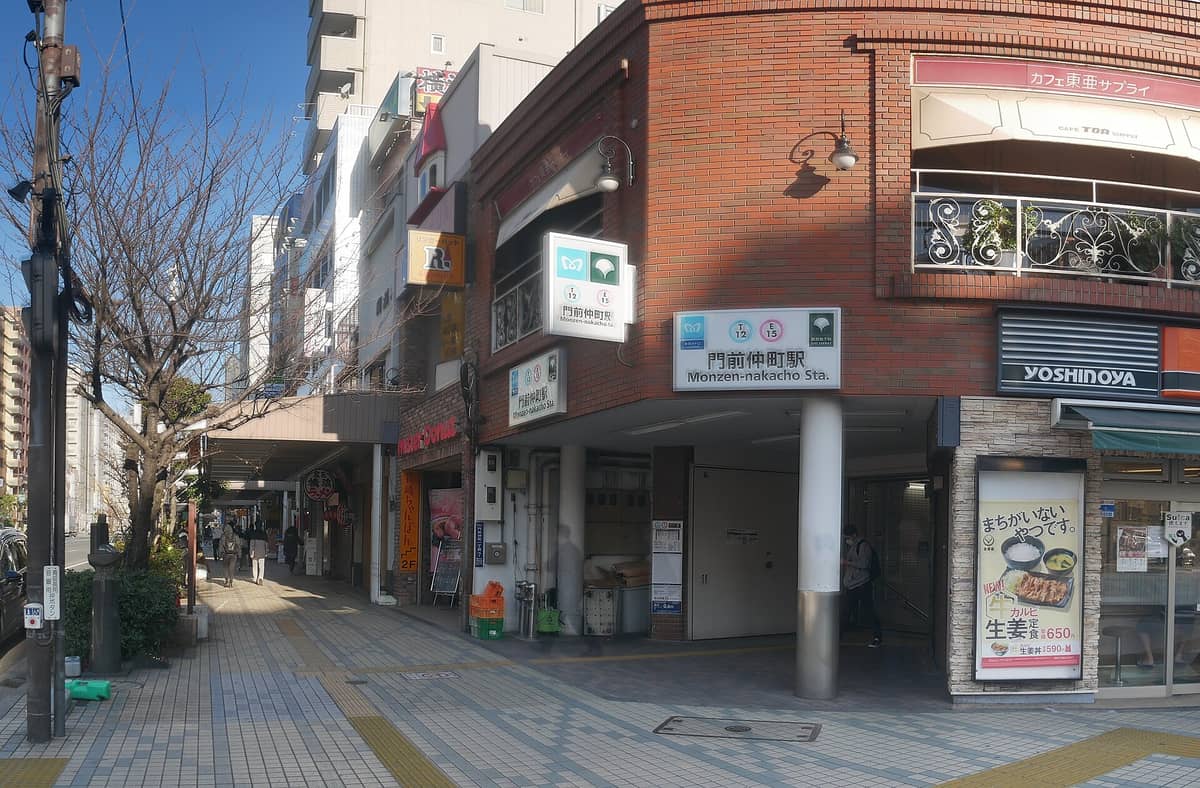
3. Drink Like a Local in Monzen-Nakacho
One of Tokyo's last great old-town drinking neighborhoods, built around the Tomioka Hachimangu Shrine. The izakayas here are unpretentious and well-priced. Go on a weekday evening when the salaryman crowd fills the narrow lanes with conversation and cigarette smoke.
Explore3. Drink Like a Local in Monzen-Nakacho
One of Tokyo's last great old-town drinking neighborhoods, built around the Tomioka Hachimangu Shrine. The izakayas here are unpretentious and well-priced. Go on a weekday evening when the salaryman crowd fills the narrow lanes with conversation and cigarette smoke.
Explore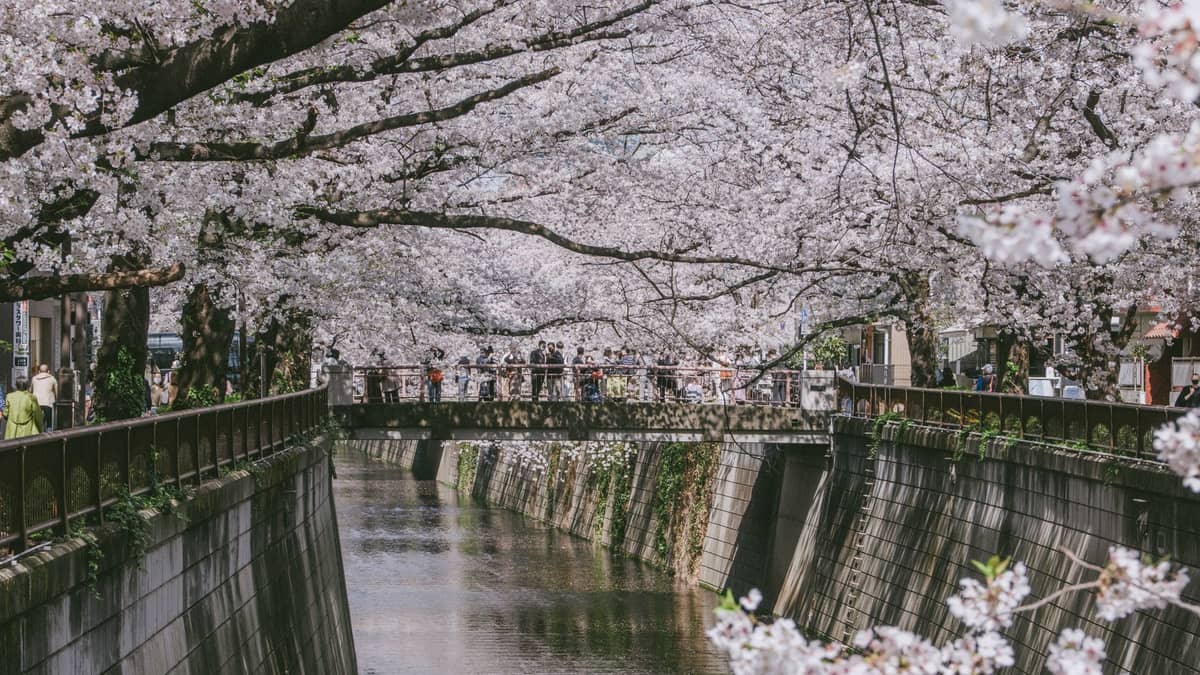
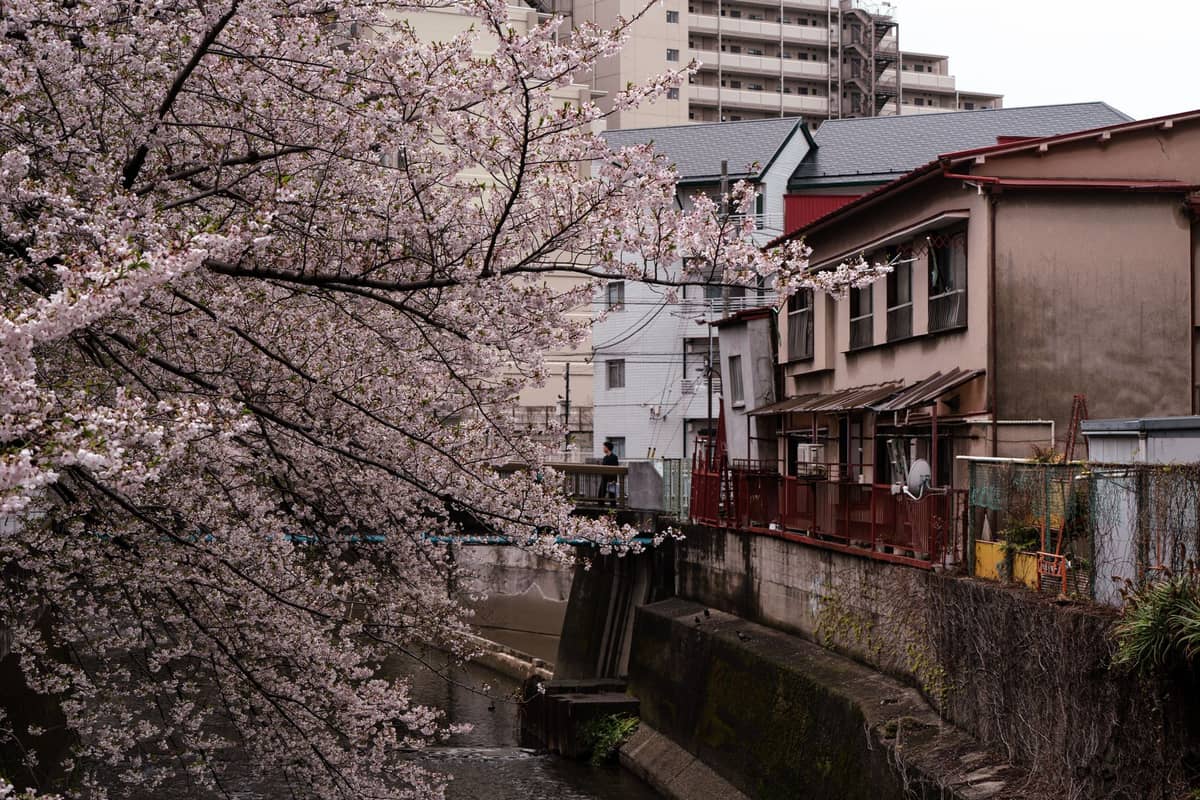
4. Walk the Meguro River Canal in Nakameguro
A narrow urban canal lined year-round with independent cafes and boutiques. In late March, the overhanging cherry trees form a pink tunnel that draws crowds, but the rest of the year it remains one of Tokyo's most pleasant low-key walks. Allow 45 minutes for the full stretch.
Explore4. Walk the Meguro River Canal in Nakameguro
A narrow urban canal lined year-round with independent cafes and boutiques. In late March, the overhanging cherry trees form a pink tunnel that draws crowds, but the rest of the year it remains one of Tokyo's most pleasant low-key walks. Allow 45 minutes for the full stretch.
ExploreSecret Shrines & Quiet Temples
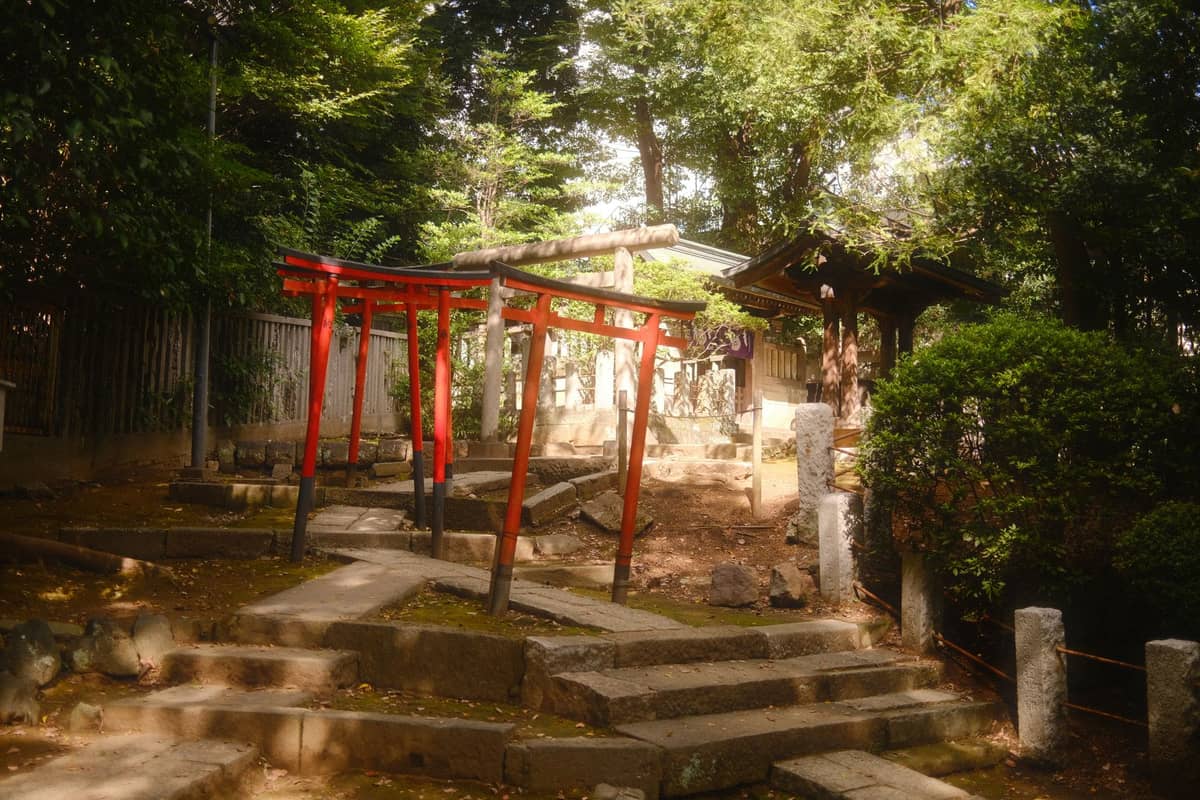
Tokyo has hundreds of shrines and temples beyond the famous names. For a full survey of the city's sacred sites, our best temples and shrines in Tokyo guide covers the complete picture. But the three places below earn their place on any off-the-beaten-path list specifically because they're consistently overlooked.
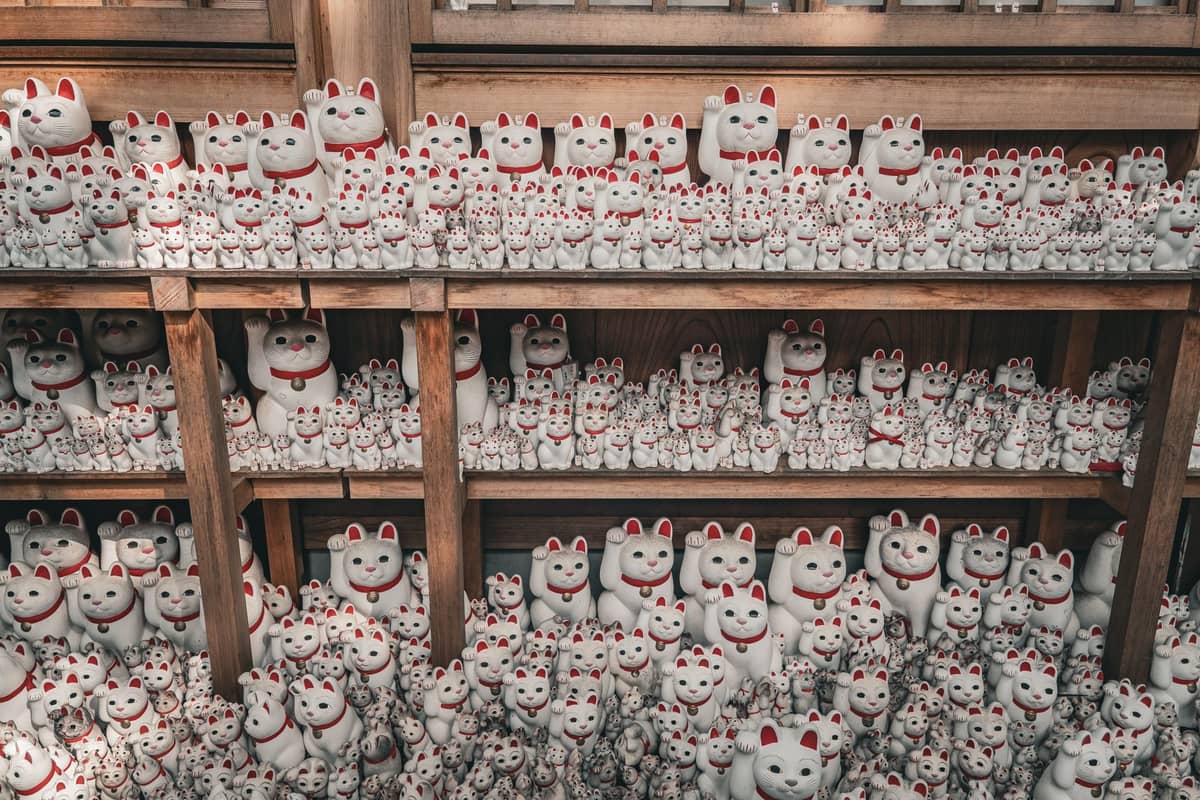
5. Visit Gotokuji Temple, Birthplace of the Lucky Cat
A Zen temple in residential Setagaya where hundreds of ceramic maneki-neko figurines cover the hillside shrine, donated by visitors over decades. Reach it via the Setagaya Line tram from Sangen-jaya. The grounds are free and rarely crowded even on weekends.
Explore5. Visit Gotokuji Temple, Birthplace of the Lucky Cat
A Zen temple in residential Setagaya where hundreds of ceramic maneki-neko figurines cover the hillside shrine, donated by visitors over decades. Reach it via the Setagaya Line tram from Sangen-jaya. The grounds are free and rarely crowded even on weekends.
Explore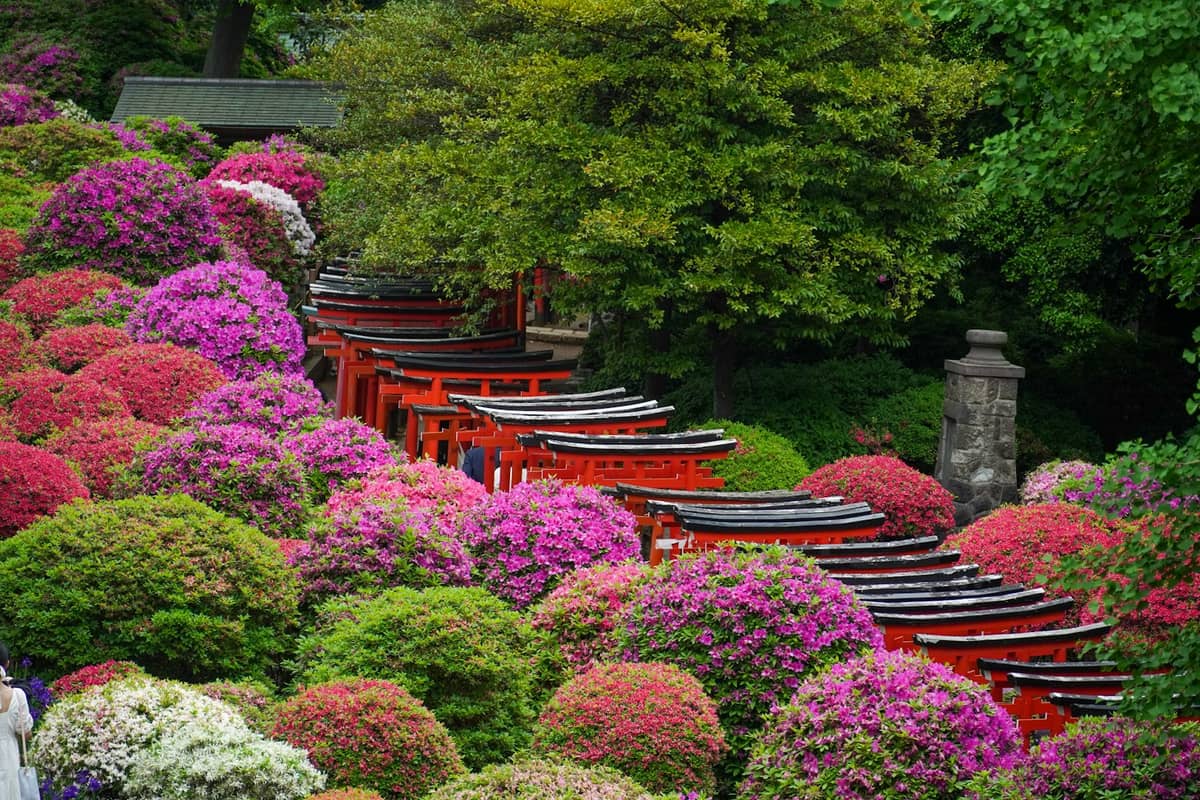
6. Walk the Torii Tunnel at Nezu Shrine Without the Kyoto Crowds
A 1,300-year-old shrine in Yanaka with a hillside tunnel of vermilion torii gates and a celebrated azalea garden in late April. It offers the same visual drama as Kyoto's Fushimi Inari at a fraction of the footfall. Metro Chiyoda Line to Nezu Station.
Explore6. Walk the Torii Tunnel at Nezu Shrine Without the Kyoto Crowds
A 1,300-year-old shrine in Yanaka with a hillside tunnel of vermilion torii gates and a celebrated azalea garden in late April. It offers the same visual drama as Kyoto's Fushimi Inari at a fraction of the footfall. Metro Chiyoda Line to Nezu Station.
Explore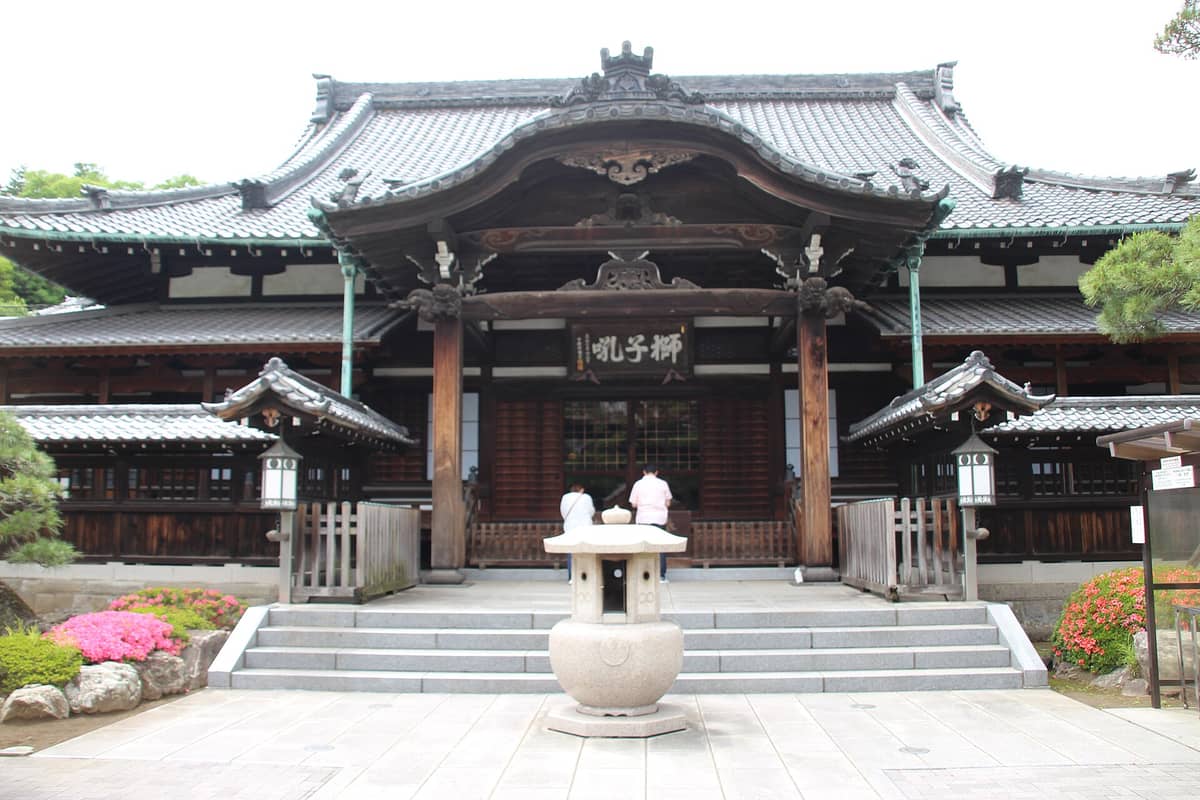
7. Pay Respects at Sengaku-ji, Burial Site of the 47 Ronin
The graves of Japan's most celebrated samurai, who avenged their master's death in 1703, are still tended by visitors leaving burning incense. A small museum sits on-site. The atmosphere is quiet and genuinely moving, unlike any other historic site in Tokyo.
Explore7. Pay Respects at Sengaku-ji, Burial Site of the 47 Ronin
The graves of Japan's most celebrated samurai, who avenged their master's death in 1703, are still tended by visitors leaving burning incense. A small museum sits on-site. The atmosphere is quiet and genuinely moving, unlike any other historic site in Tokyo.
Explore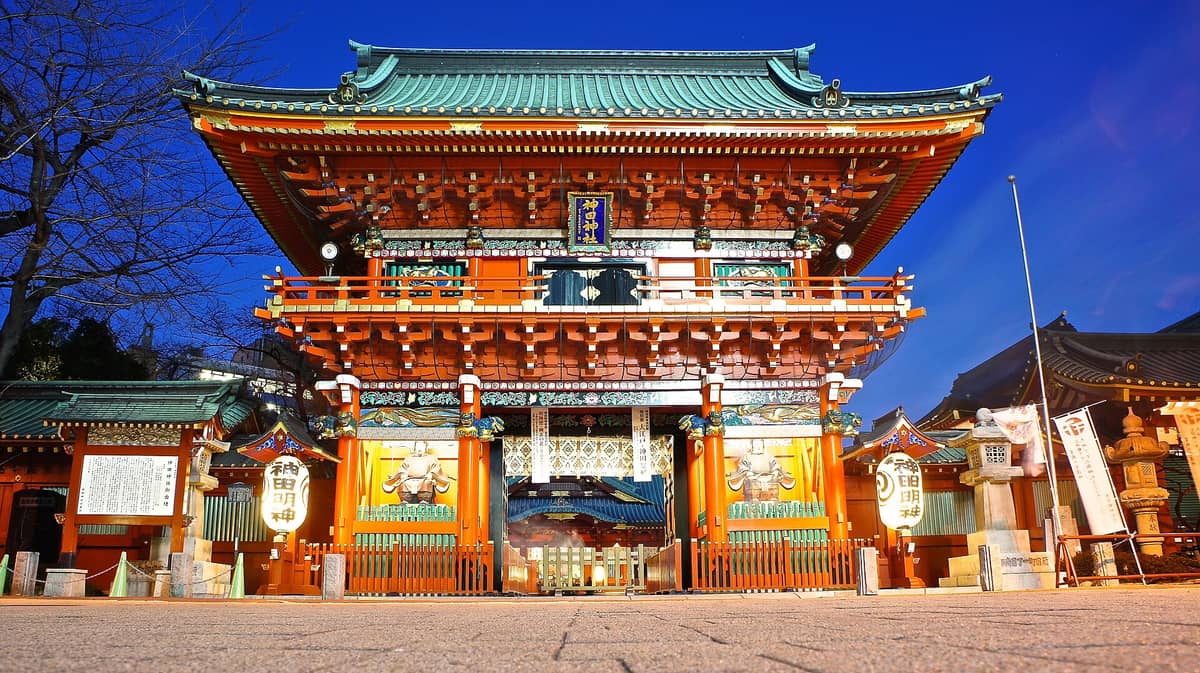
8. Discover Kanda Myojin, Where Anime Culture Meets 1,300 Years of History
One of Tokyo's oldest shrines sits a short walk from Akihabara, creating an unlikely collision of ancient Shinto ritual and contemporary pop culture. Ema prayer boards feature anime characters alongside traditional wishes. Free to enter; the Sanno Festival happens every other June.
Explore8. Discover Kanda Myojin, Where Anime Culture Meets 1,300 Years of History
One of Tokyo's oldest shrines sits a short walk from Akihabara, creating an unlikely collision of ancient Shinto ritual and contemporary pop culture. Ema prayer boards feature anime characters alongside traditional wishes. Free to enter; the Sanno Festival happens every other June.
ExploreGardens & Natural Escapes
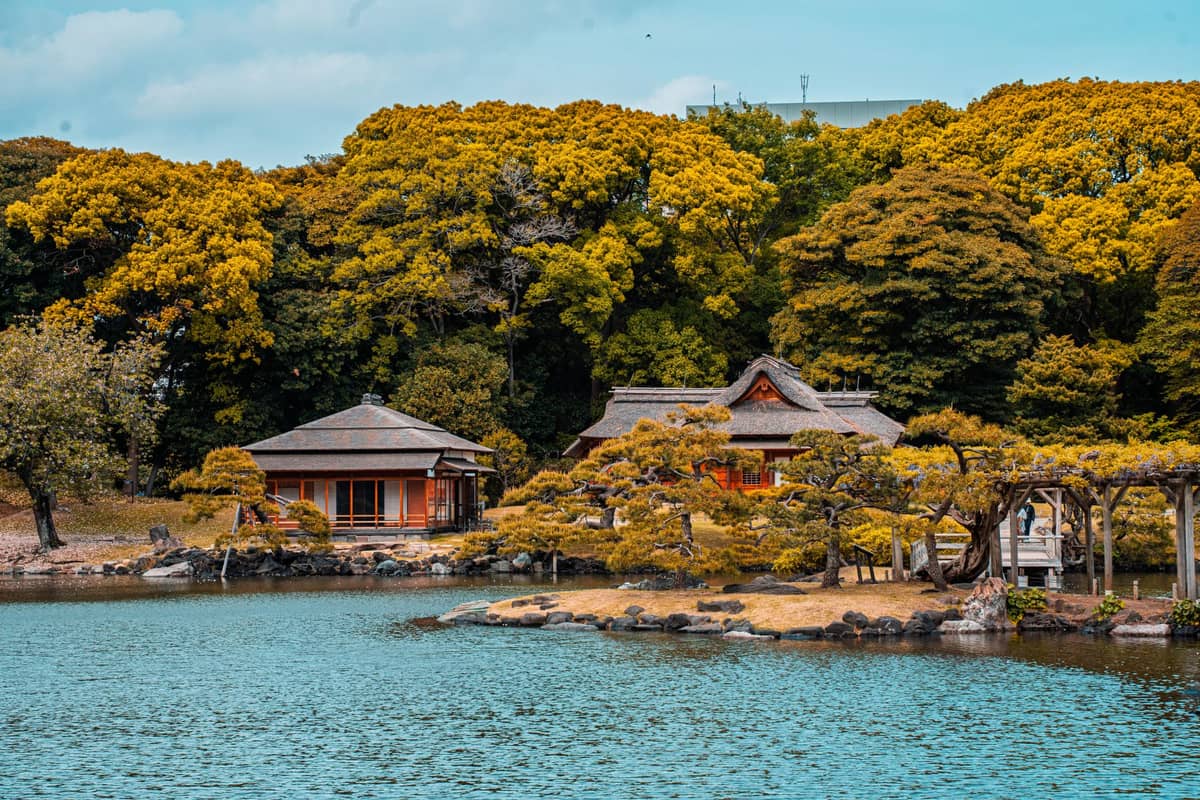
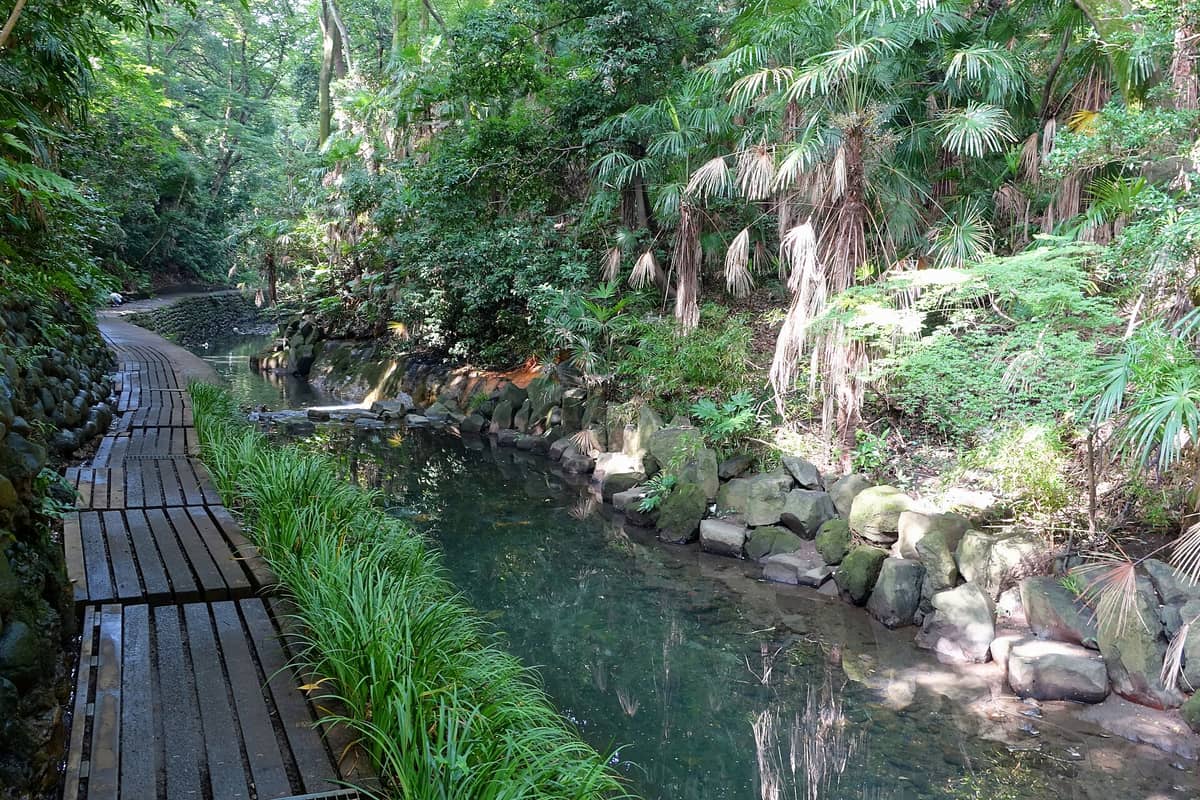
9. Hike Todoroki Valley, Tokyo's Only Natural Gorge
A surprisingly wild stream-side path cutting through a Setagaya residential area, with bamboo groves, a small Shinto shrine, and dense woodland. The walk takes about 20 minutes end-to-end. Entry is free and the contrast with surrounding suburban streets is extraordinary.
Explore9. Hike Todoroki Valley, Tokyo's Only Natural Gorge
A surprisingly wild stream-side path cutting through a Setagaya residential area, with bamboo groves, a small Shinto shrine, and dense woodland. The walk takes about 20 minutes end-to-end. Entry is free and the contrast with surrounding suburban streets is extraordinary.
Explore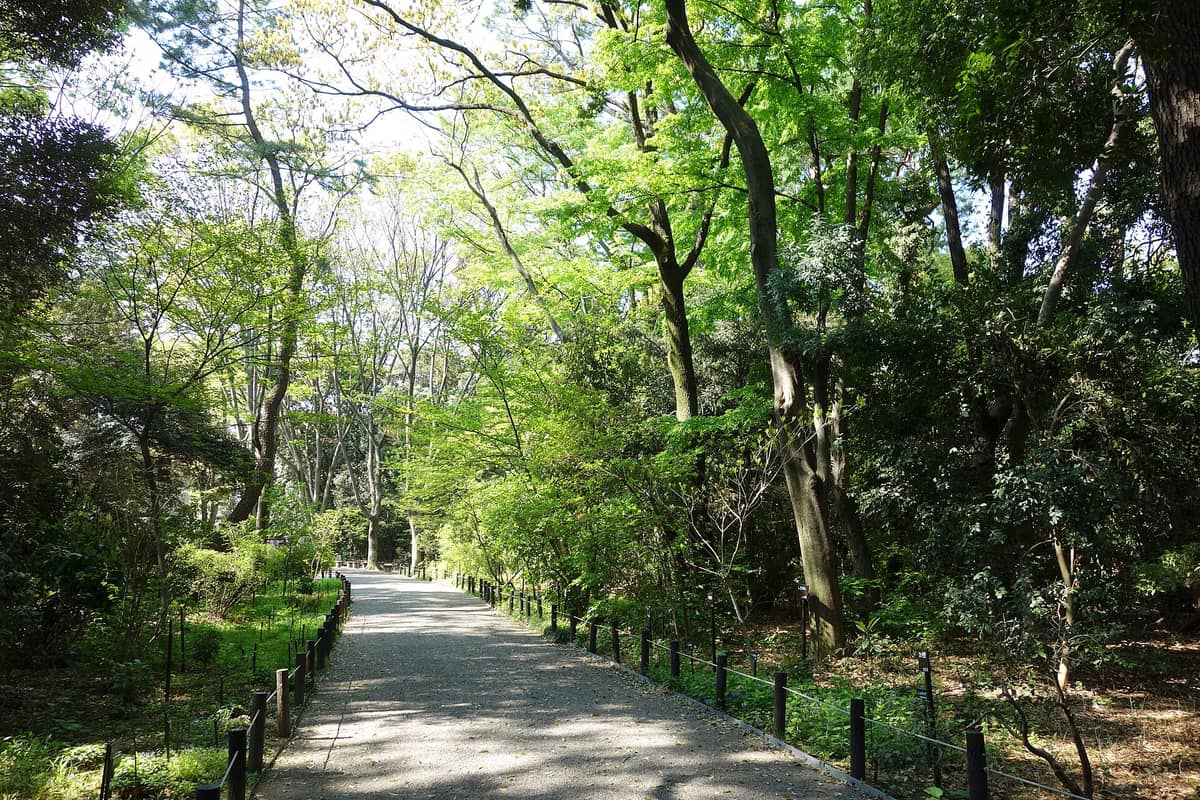
10. Step Into Ancient Woodland at the Institute for Nature Study
A preserved patch of original Tokyo forest in Shirokanedai, maintained as a natural science reserve with ancient trees, ponds, and meadows. Visitor numbers are capped daily to protect the ecosystem. One of the few places in central Tokyo that feels genuinely wild.
Explore10. Step Into Ancient Woodland at the Institute for Nature Study
A preserved patch of original Tokyo forest in Shirokanedai, maintained as a natural science reserve with ancient trees, ponds, and meadows. Visitor numbers are capped daily to protect the ecosystem. One of the few places in central Tokyo that feels genuinely wild.
Explore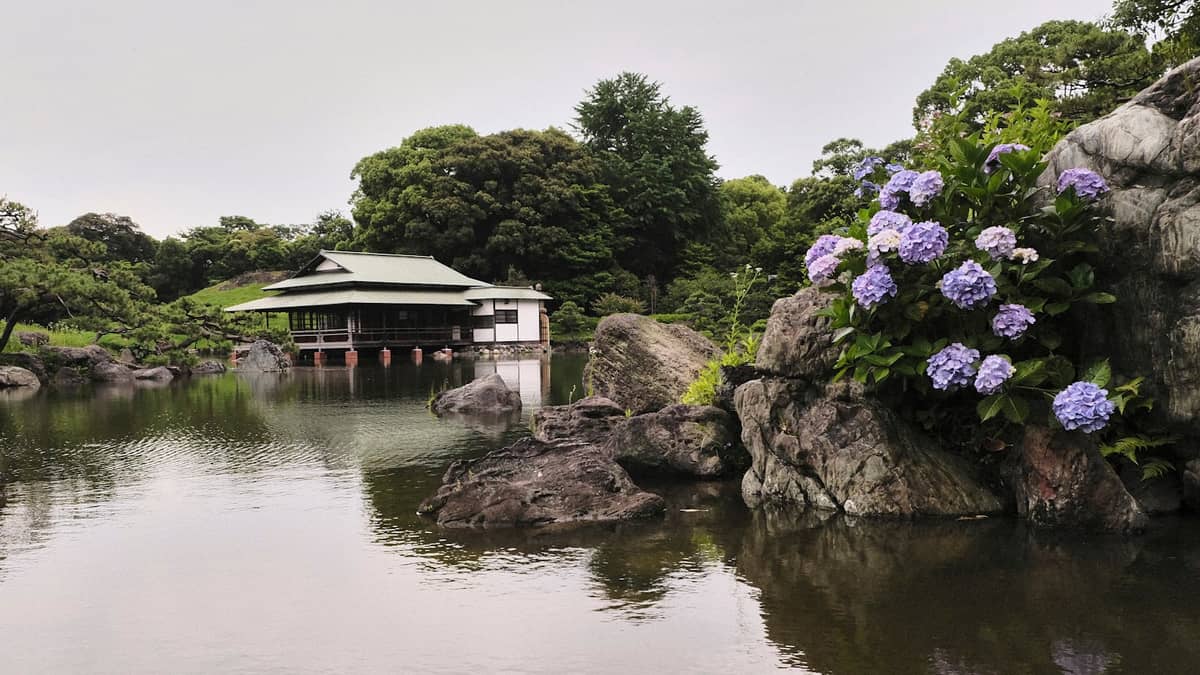
11. Step Across the Kiyosumi Garden Stepping Stones
A Meiji-era strolling garden in Kiyosumi-Shirakawa featuring a large central pond, rare stones transported from across Japan, and stepping stones that cross the water. The garden is rarely busy and pairs well with coffee at the specialty cafes lining the surrounding streets.
Explore11. Step Across the Kiyosumi Garden Stepping Stones
A Meiji-era strolling garden in Kiyosumi-Shirakawa featuring a large central pond, rare stones transported from across Japan, and stepping stones that cross the water. The garden is rarely busy and pairs well with coffee at the specialty cafes lining the surrounding streets.
Explore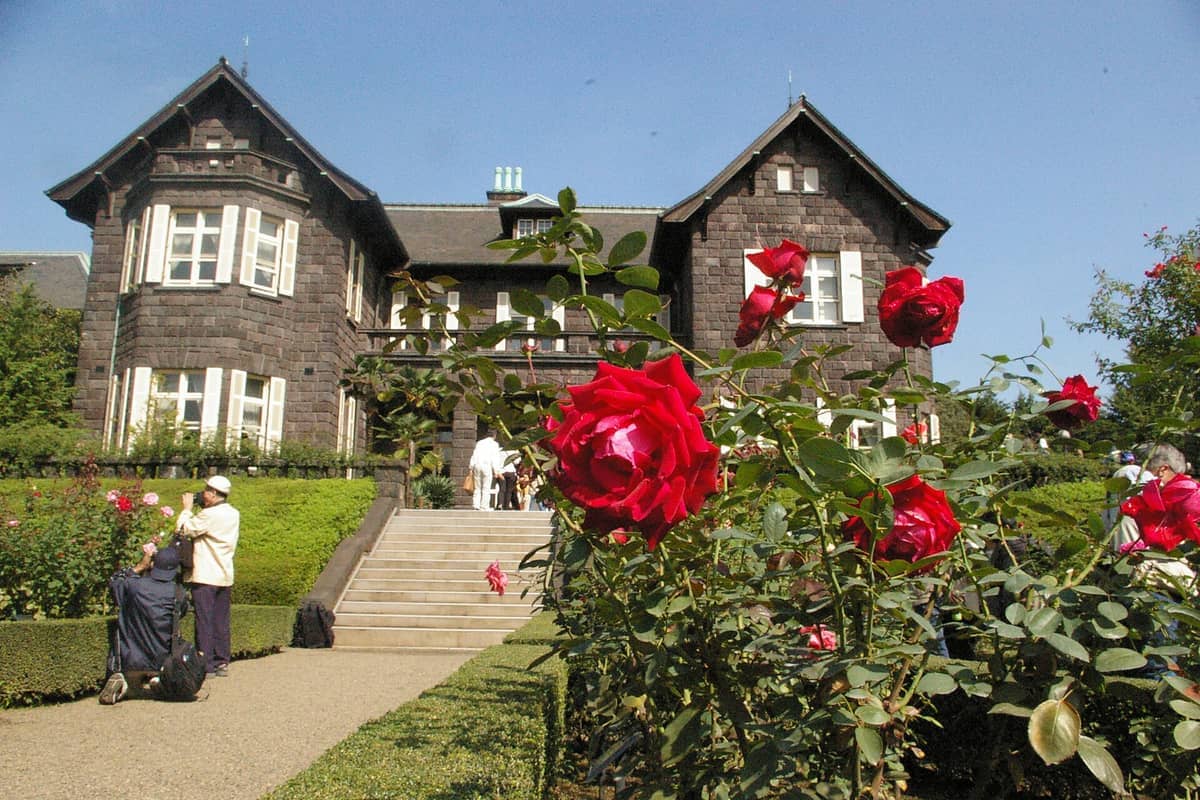
12. Visit the Kyu-Furukawa Gardens During Rose Season
A Meiji-era estate in Kita ward combining a Western mansion by Josiah Conder, a formal rose garden, and a traditional Japanese strolling garden. Best visited in May or October when the roses peak. The combination of Western and Japanese garden design on one site is unique in Tokyo.
Explore12. Visit the Kyu-Furukawa Gardens During Rose Season
A Meiji-era estate in Kita ward combining a Western mansion by Josiah Conder, a formal rose garden, and a traditional Japanese strolling garden. Best visited in May or October when the roses peak. The combination of Western and Japanese garden design on one site is unique in Tokyo.
ExploreBookshops, Markets & Specialist Streets
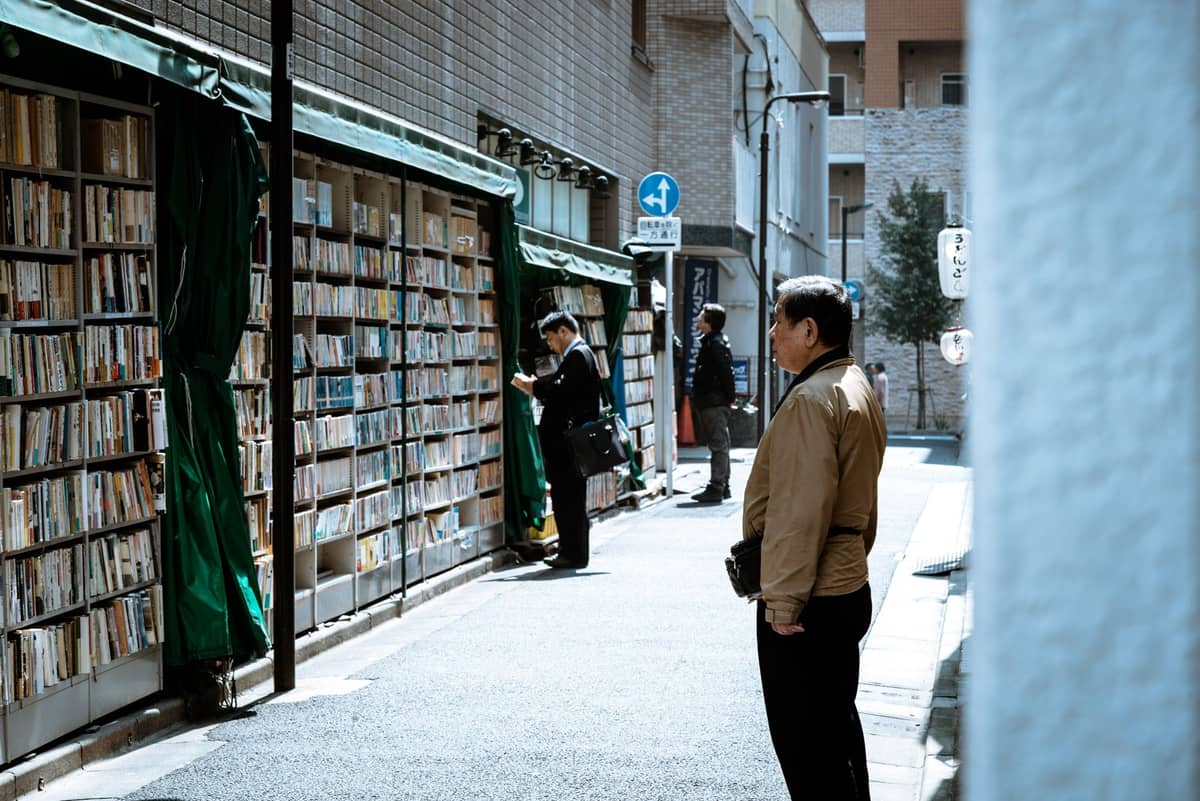
Some of Tokyo's most satisfying hours are spent on streets that exist entirely to serve one passion. The Tokyo shopping guide covers the full retail landscape, but these three streets offer something more specific: a sense of obsessive, decades-long commitment to a single subject.
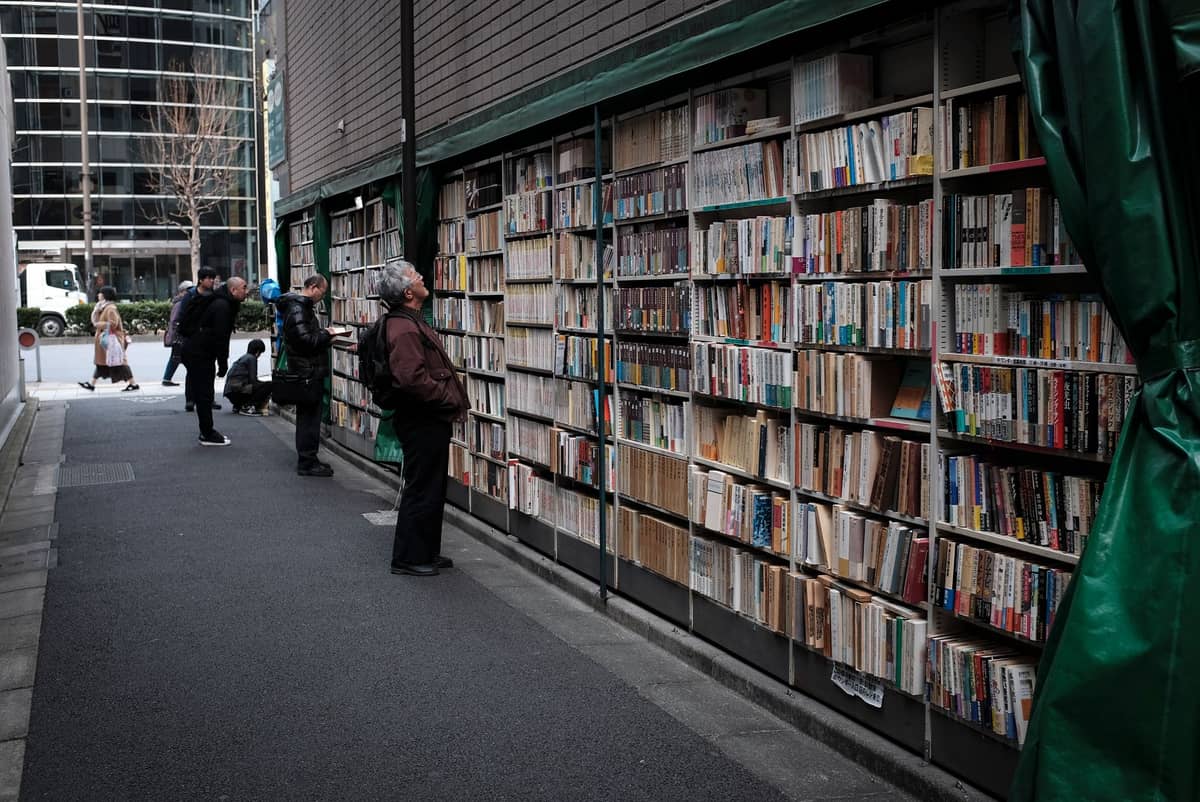
13. Browse 170 Specialist Bookshops in Jimbocho
Tokyo's intellectual heartland, where rare books, vintage manga, antique maps, and academic texts fill over 170 shops on a single stretch of streets near Jimbocho Station. The neighborhood has been the city's bookselling center since the Meiji era. Budget at least two hours.
Explore13. Browse 170 Specialist Bookshops in Jimbocho
Tokyo's intellectual heartland, where rare books, vintage manga, antique maps, and academic texts fill over 170 shops on a single stretch of streets near Jimbocho Station. The neighborhood has been the city's bookselling center since the Meiji era. Budget at least two hours.
Explore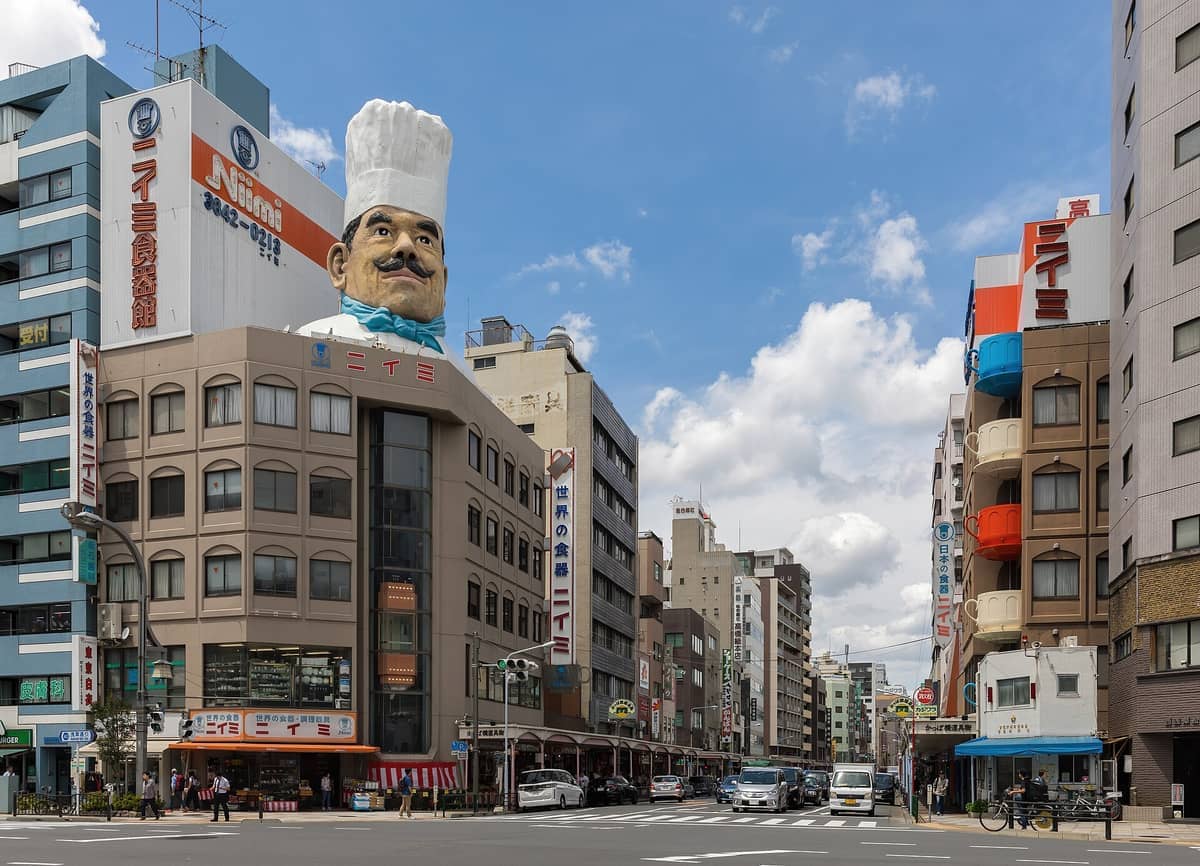
14. Shop for Professional Knives and Plastic Food on Kappabashi Street
A one-kilometer street of kitchen supply specialists between Asakusa and Ueno, selling professional knives, ceramics, lacquerware, and the plastic food models used in restaurant windows. Even non-cooks find it fascinating. Most shops open around 9:00 and close by 17:00.
Explore14. Shop for Professional Knives and Plastic Food on Kappabashi Street
A one-kilometer street of kitchen supply specialists between Asakusa and Ueno, selling professional knives, ceramics, lacquerware, and the plastic food models used in restaurant windows. Even non-cooks find it fascinating. Most shops open around 9:00 and close by 17:00.
Explore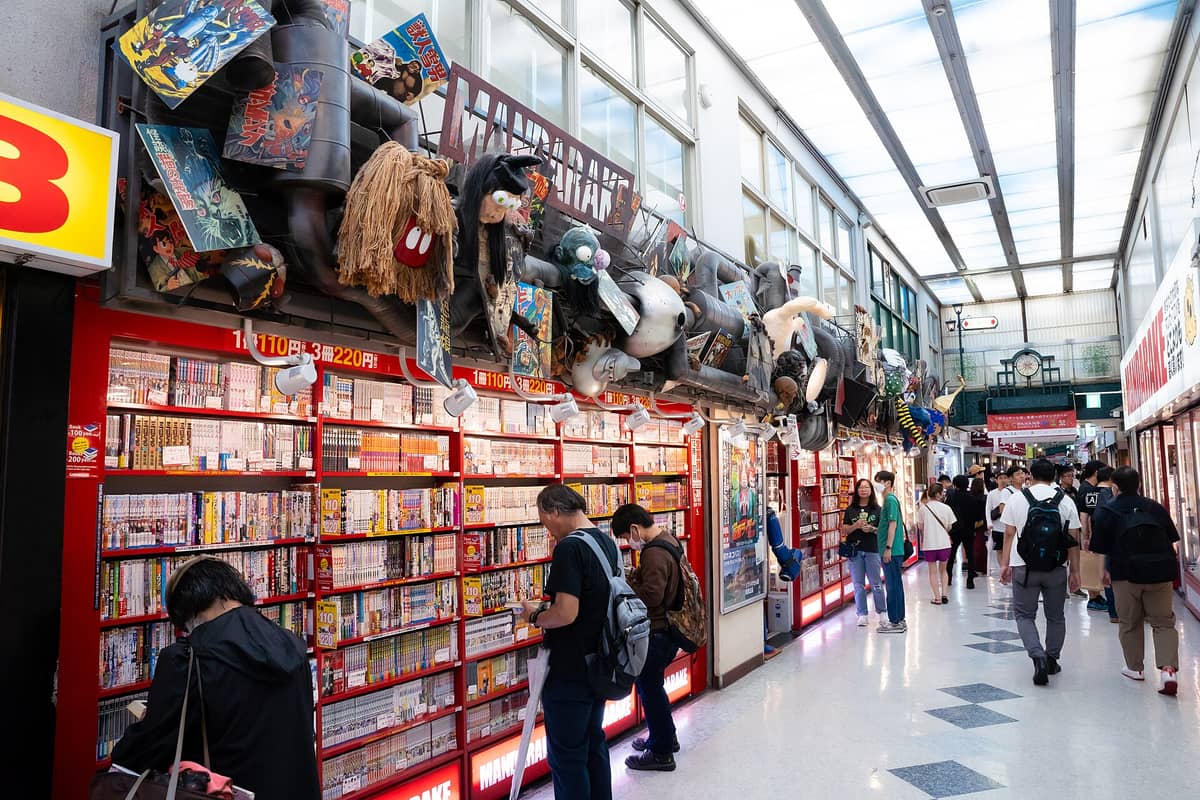
15. Go Deeper Into Otaku Culture at Nakano Broadway
A multi-story mall in Nakano considered by serious collectors to be more authentic than Akihabara, stocked with vintage anime figures, rare game cartridges, and retro merchandise. The surrounding Nakano Sun Mall shopping arcade has a pleasantly local, non-touristy feel.
Explore15. Go Deeper Into Otaku Culture at Nakano Broadway
A multi-story mall in Nakano considered by serious collectors to be more authentic than Akihabara, stocked with vintage anime figures, rare game cartridges, and retro merchandise. The surrounding Nakano Sun Mall shopping arcade has a pleasantly local, non-touristy feel.
ExploreArchitecture & Design Off the Main Route
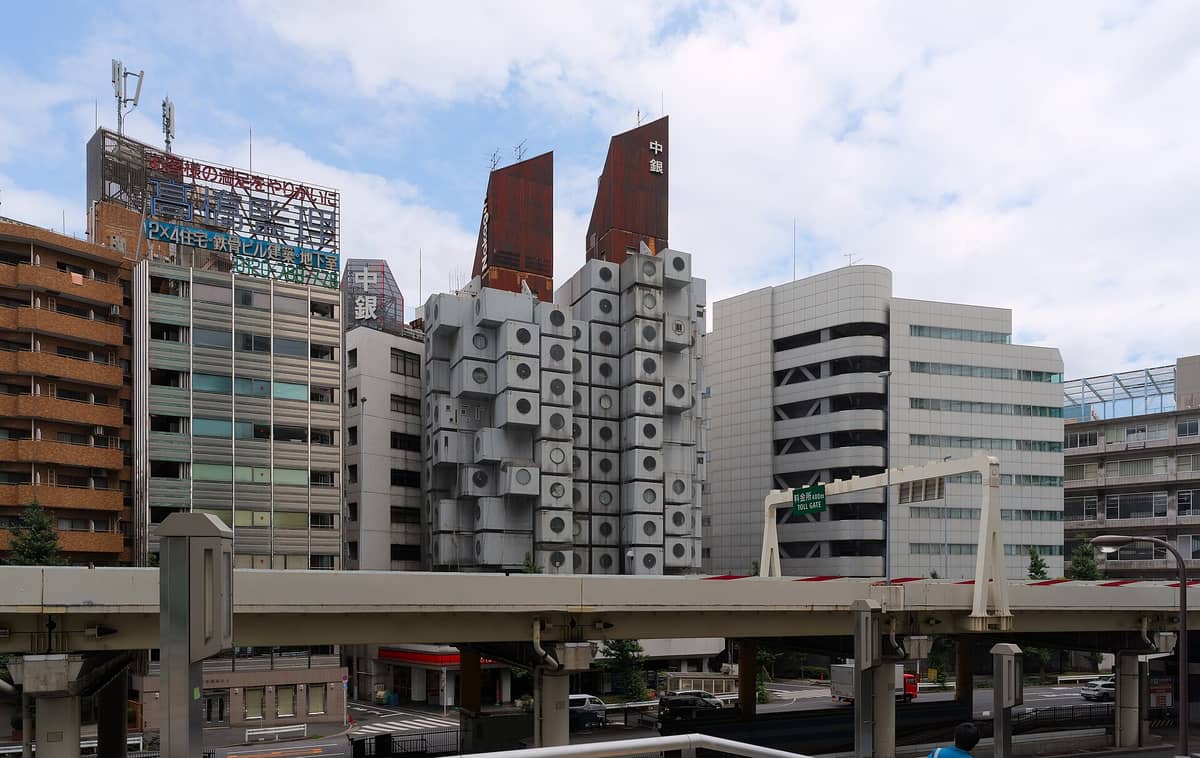
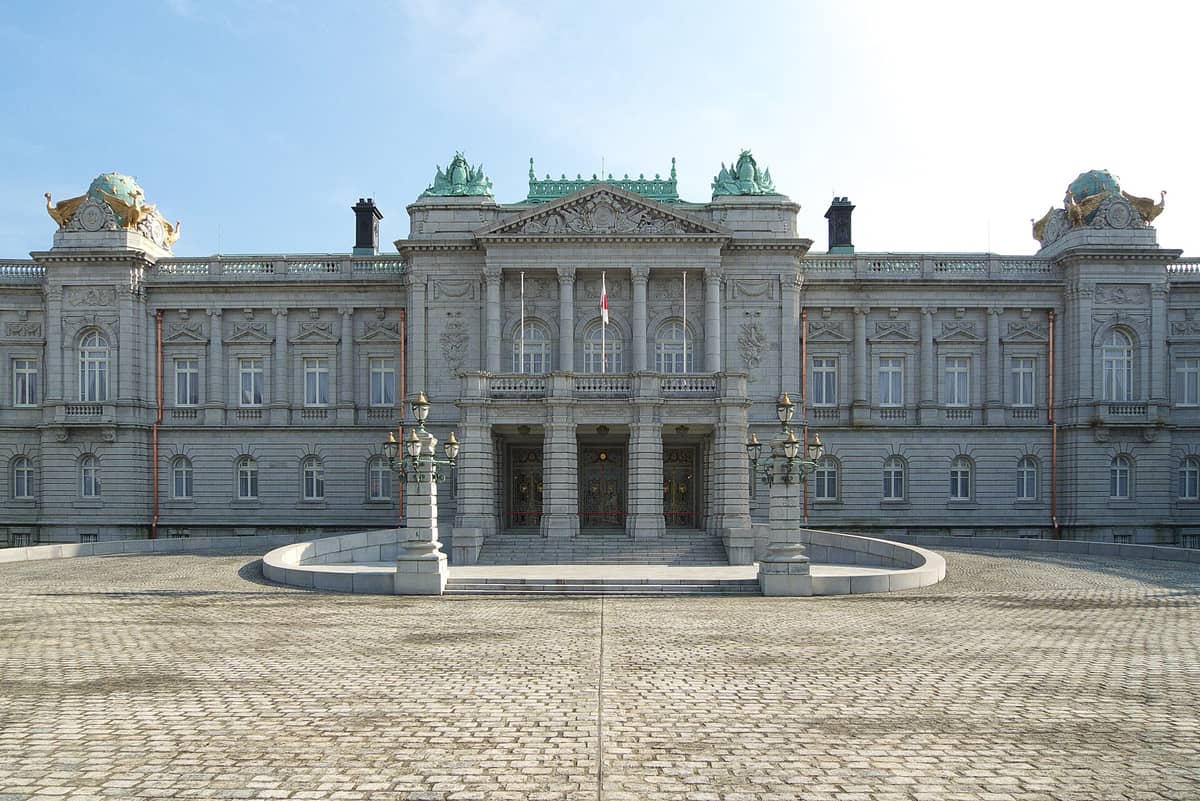
16. Tour Japan's Only Western-Style Palace at Akasaka
A Neo-Baroque state guest house modeled on Versailles, open to the public most days. The formal French gardens and ornate interior are genuinely spectacular. Admission is around ¥1,500 and visitor numbers are capped, giving it an uncrowded atmosphere unusual for a Tokyo landmark.
Explore16. Tour Japan's Only Western-Style Palace at Akasaka
A Neo-Baroque state guest house modeled on Versailles, open to the public most days. The formal French gardens and ornate interior are genuinely spectacular. Admission is around ¥1,500 and visitor numbers are capped, giving it an uncrowded atmosphere unusual for a Tokyo landmark.
Explore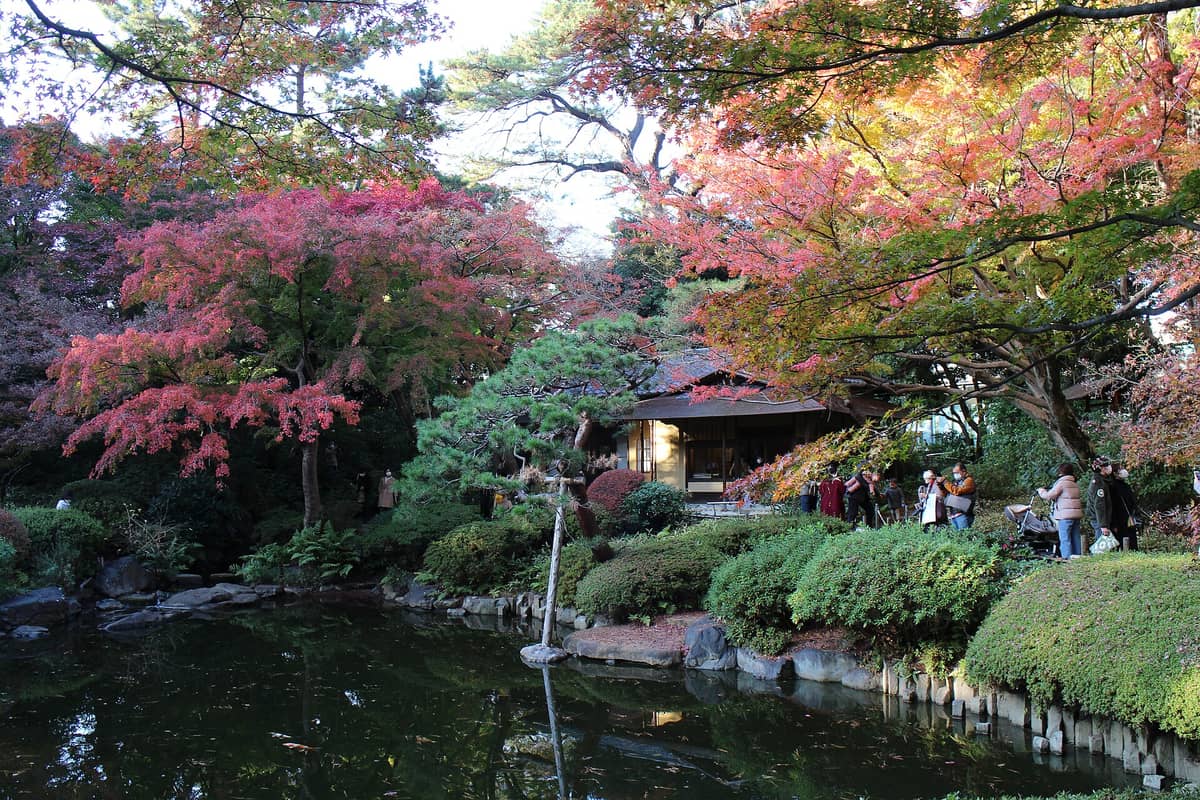
17. Explore a Preserved Art Deco Palace in Shirokanedai
A 1933 Art Deco residence built for Prince Asaka, now an art museum with one of the finest preserved interiors in Asia. The original light fixtures, carved glass, and tiled bathrooms are intact. The adjoining Japanese garden is included in the admission price.
Explore17. Explore a Preserved Art Deco Palace in Shirokanedai
A 1933 Art Deco residence built for Prince Asaka, now an art museum with one of the finest preserved interiors in Asia. The original light fixtures, carved glass, and tiled bathrooms are intact. The adjoining Japanese garden is included in the admission price.
Explore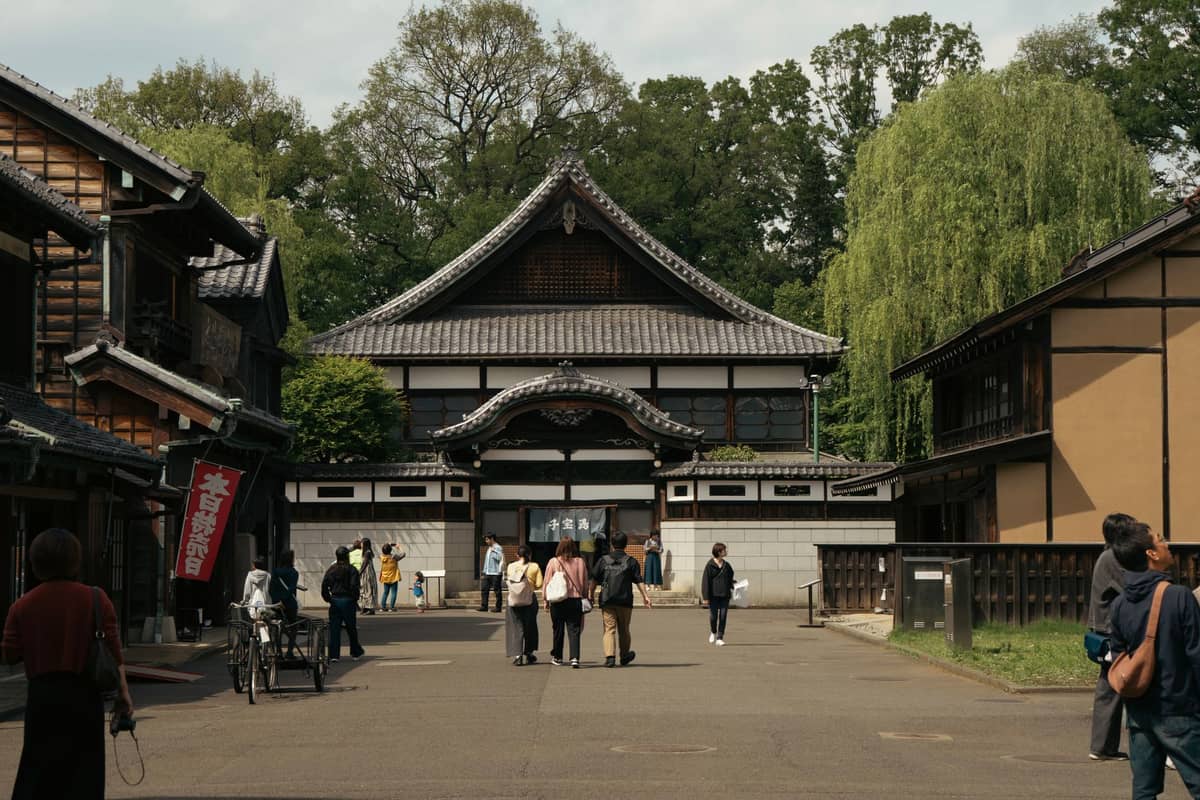
18. Walk Through 30 Rescued Historic Buildings at the Open Air Museum
Over 30 relocated historic structures in Koganei Park, including a 1930s bathhouse said to have inspired the setting of Spirited Away. A Meiji-era farmhouse, a 1920s barber shop, and a traditional merchant's residence are among the highlights. Allow at least two hours.
Explore18. Walk Through 30 Rescued Historic Buildings at the Open Air Museum
Over 30 relocated historic structures in Koganei Park, including a 1930s bathhouse said to have inspired the setting of Spirited Away. A Meiji-era farmhouse, a 1920s barber shop, and a traditional merchant's residence are among the highlights. Allow at least two hours.
Explore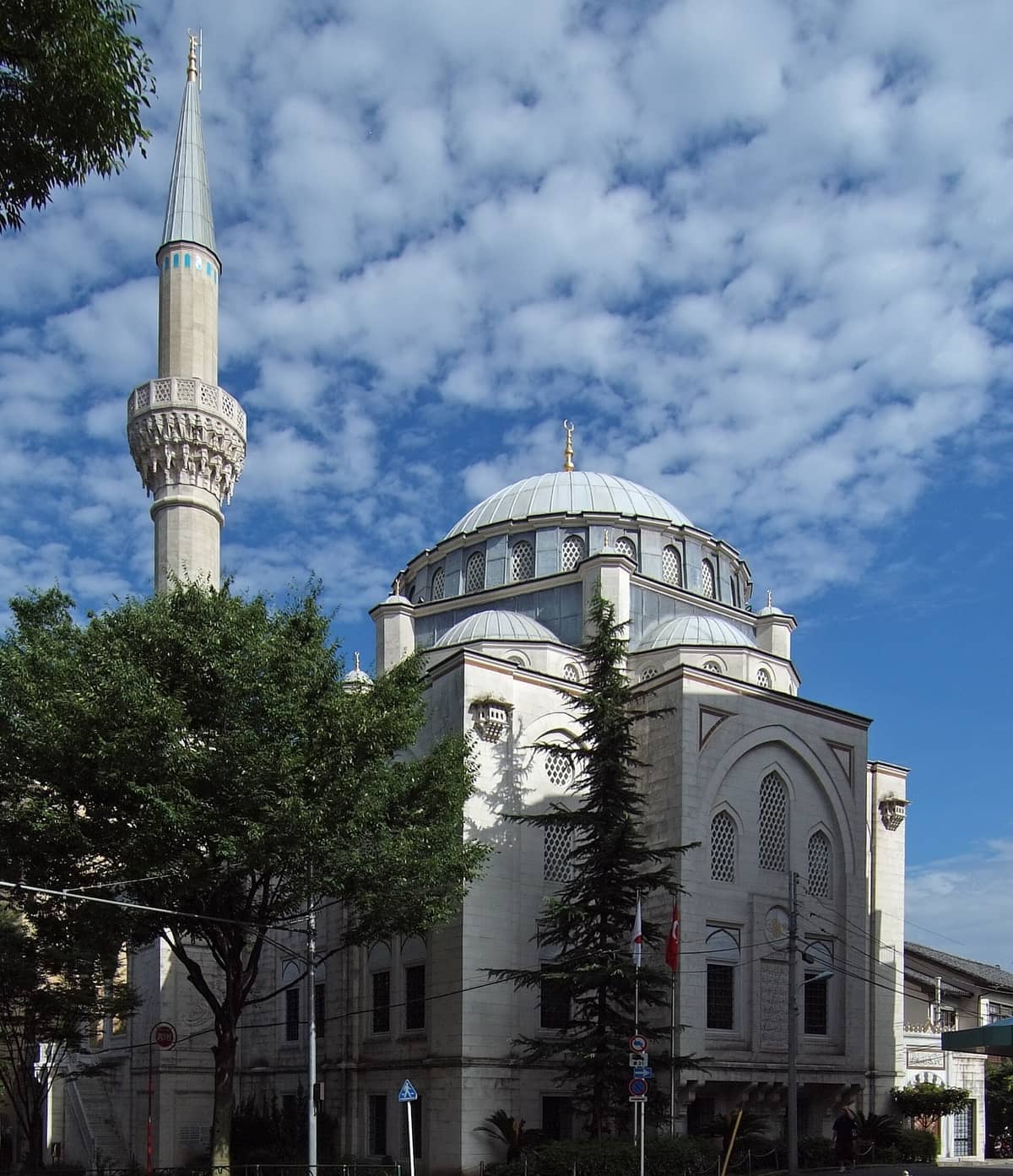
19. Find the Ottoman Mosque Hidden in Yoyogi-Uehara
The largest mosque in Japan, an Ottoman-style building with hand-painted tiles, carved woodwork, and a soaring dome in the quiet Yoyogi-Uehara neighborhood. Open to non-Muslim visitors outside prayer times. The contrast with the surrounding suburban streets is genuinely startling.
Explore19. Find the Ottoman Mosque Hidden in Yoyogi-Uehara
The largest mosque in Japan, an Ottoman-style building with hand-painted tiles, carved woodwork, and a soaring dome in the quiet Yoyogi-Uehara neighborhood. Open to non-Muslim visitors outside prayer times. The contrast with the surrounding suburban streets is genuinely startling.
ExploreAtmospheric Bars & Evening Escapes
20. Drink in a Six-Seat Bar in Shinjuku's Golden Gai
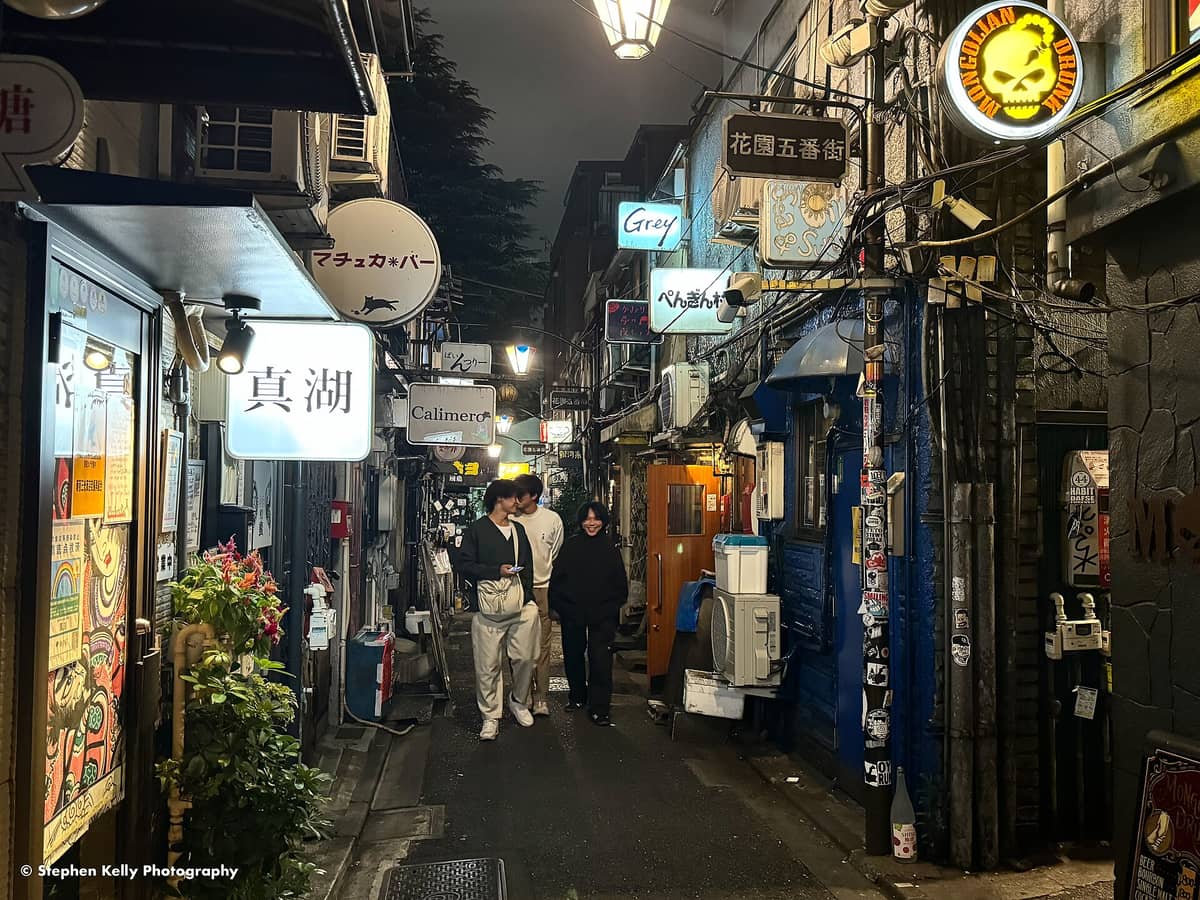
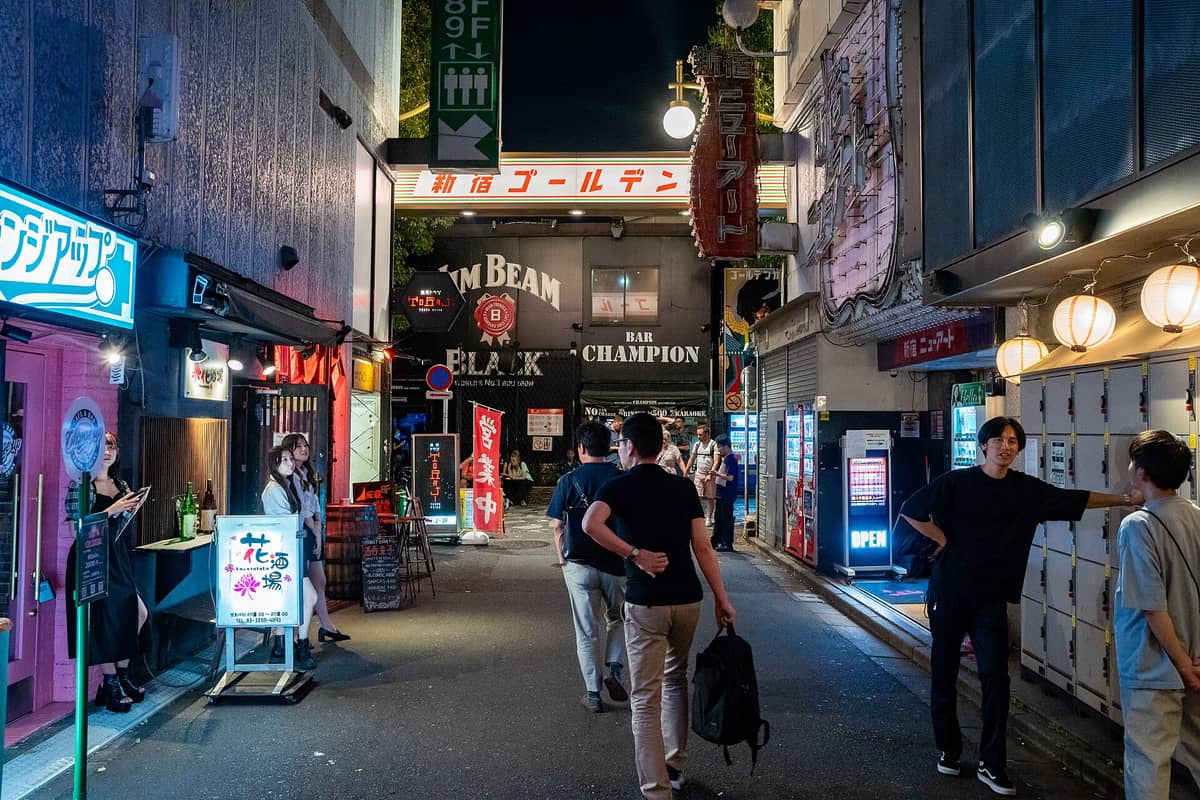
Around 200 micro-bars in a Shinjuku alley network, each seating 5-8 people and many with strict themes ranging from jazz to horror films. Look for bars displaying 'Welcome' signs if you're a first-timer. The experience of drinking cheek-to-cheek with strangers in Tokyo is irreplaceable.
Explore20. Drink in a Six-Seat Bar in Shinjuku's Golden Gai
Around 200 micro-bars in a Shinjuku alley network, each seating 5-8 people and many with strict themes ranging from jazz to horror films. Look for bars displaying 'Welcome' signs if you're a first-timer. The experience of drinking cheek-to-cheek with strangers in Tokyo is irreplaceable.
Explore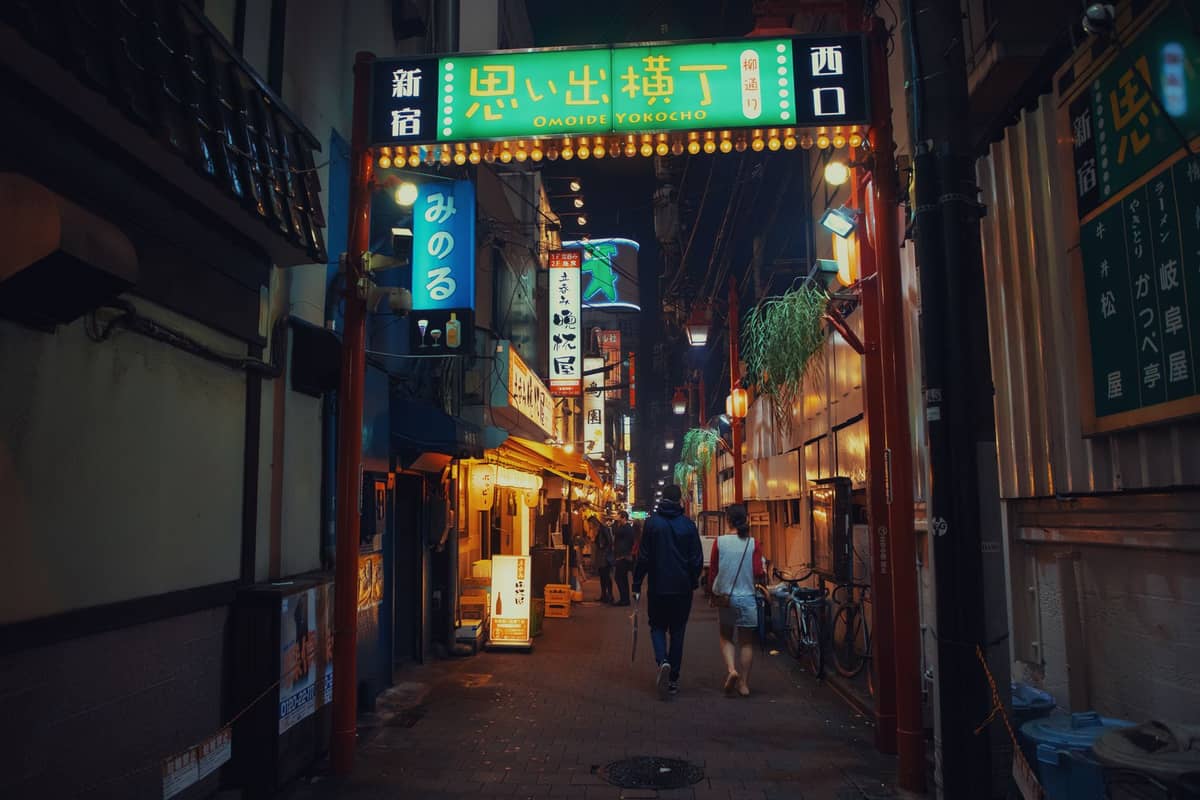
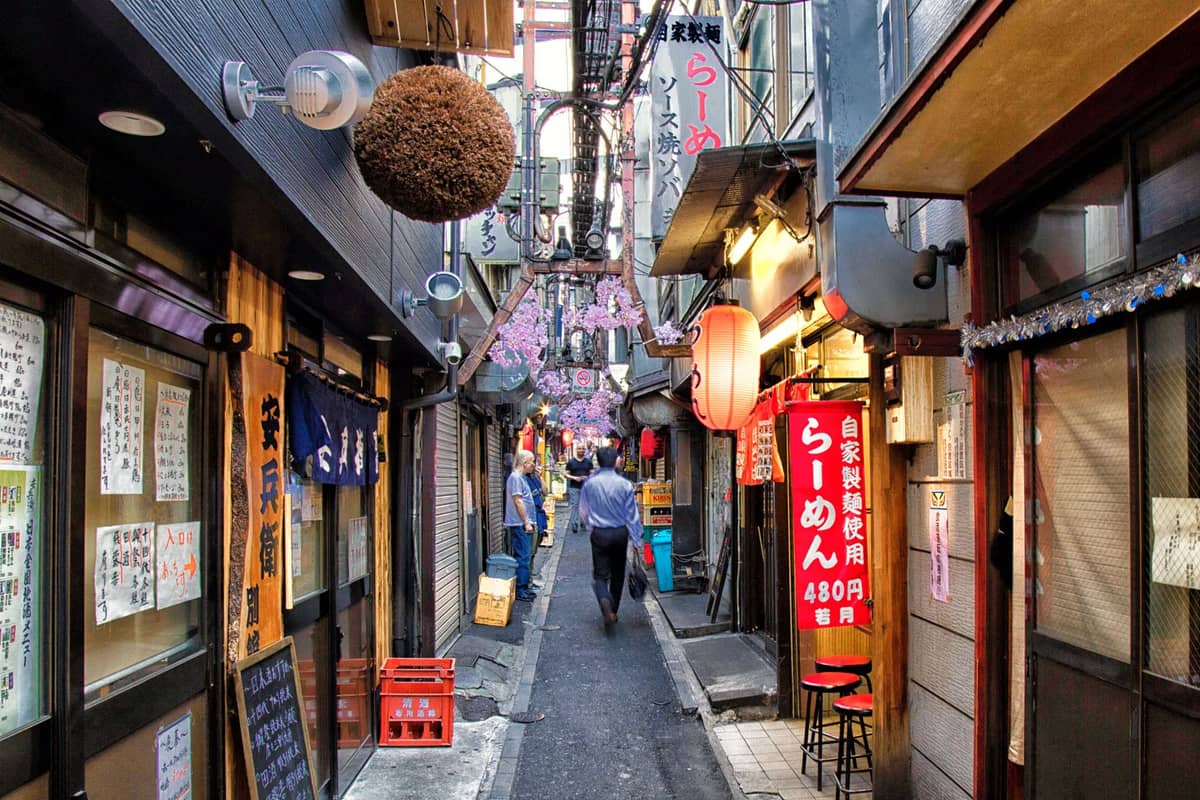
21. Eat Yakitori Under the Smoke at Memory Lane
A narrow alley of smoky yakitori and ramen stalls behind Shinjuku Station, largely unchanged since the postwar era. Arrive hungry around 19:00 when the grills are running hot. Each stall seats about eight people; the tight quarters make conversation with neighbors inevitable.
Explore21. Eat Yakitori Under the Smoke at Memory Lane
A narrow alley of smoky yakitori and ramen stalls behind Shinjuku Station, largely unchanged since the postwar era. Arrive hungry around 19:00 when the grills are running hot. Each stall seats about eight people; the tight quarters make conversation with neighbors inevitable.
Explore✨ Pro tip
Golden Gai bars often charge a cover (¥500-¥1,000) for first-time visitors. This is normal and stated upfront. If a bar's door is closed with no signage, it's usually a regulars-only spot — move on to the next one.
FAQ
Are Tokyo's hidden gems far from the city center?
No. Yanaka, Jimbocho, Koenji, Monzen-Nakacho, and Nakameguro are all within 30 minutes of Shibuya or Shinjuku by standard train. Todoroki Valley and Gotokuji Temple are in Setagaya and reachable in around 30 minutes or less. None of these require special travel passes.
How much do these off-the-beaten-path attractions cost?
Most are free or very cheap. Temple and shrine grounds, Yanaka Ginza, Jimbocho, Kappabashi, the Meguro River walk, and Todoroki Valley cost nothing to visit. Kyu-Furukawa Gardens charges ¥150, and Akasaka Palace about ¥1,500. Budget ¥1,000-¥2,000 per person for meals in local neighborhoods.
When is the best time to visit Nezu Shrine and Gotokuji Temple?
Nezu Shrine is spectacular during the azalea festival in mid to late April, though crowds increase then. For a quieter visit, go on a weekday morning in autumn or winter. Gotokuji Temple is pleasant year-round and rarely crowded at any time. Both are free to enter.
Is the Edo-Tokyo Open Air Architectural Museum worth the trip out to Koganei?
Yes, especially if you have a Studio Ghibli connection or an interest in Meiji and Showa architecture. The museum is in Koganei Park, about 25–30 minutes from Shinjuku by Chuo Line, and the scale and variety of the relocated buildings make it genuinely absorbing for 2-3 hours.
Can I visit Golden Gai and Omoide Yokocho as a solo traveler or first-timer?
Both welcome newcomers, though Golden Gai bars that display 'Welcome' signs are easiest for first-time visitors. Omoide Yokocho is very approachable solo: sit at the counter, point at what you want on the grill, and order a beer. The tight quarters make it naturally sociable.