Sengaku-ji Temple: Tokyo's Most Emotionally Resonant Samurai Site
Sengaku-ji Temple in Minato ward is where Japan's most famous act of samurai loyalty reached its end. The burial ground of the 47 ronin draws history enthusiasts, Japanese locals paying respects, and curious travelers seeking something more contemplative than the typical Tokyo sight.
Quick Facts
- Location
- 2-11-1 Takanawa, Minato-ku, Tokyo 108-0074
- Getting There
- Sengakuji Station (Toei Asakusa Line), Exit A2 — 3 min walk
- Time Needed
- 45–90 minutes
- Cost
- Temple grounds free; museum combined ticket ¥500
- Best for
- History lovers, Japan culture seekers, quiet reflection
- Official website
- http://www.sengakuji.or.jp
What Sengaku-ji Temple Actually Is
Sengaku-ji Temple is a Buddhist temple in Tokyo's Minato ward, and it holds a place in Japanese cultural memory that far exceeds its modest physical footprint. The site is the burial ground of the 47 ronin — the masterless samurai who avenged the death of their lord Asano Naganori in 1703, then surrendered to authorities and were ordered to commit ritual suicide (seppuku). Their story, known as the Ako Incident or Genroku Ako Affair, became the defining narrative of samurai loyalty in Japanese culture and has been retold in kabuki plays, novels, films, and manga for over three centuries.
What makes Sengaku-ji different from many historical sites is that it remains a functioning temple with an active religious community, not a museum or tourist reconstruction. People come here to pray, to burn incense over the graves, and to pay genuine respects. The atmosphere is quiet and purposeful. On most mornings, you will find elderly Japanese visitors moving slowly through the gravestone rows with incense sticks and folded hands. That continuity of devotion, across more than 300 years, is what gives this place its particular weight.
💡 Local tip
The temple is about a 3-minute walk from Sengakuji Station Exit A2 on the Toei Asakusa Line. This is the easiest access point and requires no transfers if you're coming from central areas like Asakusa or Ueno.
The Story Behind the Site
In 1701, Lord Asano Naganori attacked a Shogunate official named Kira Yoshinaka in Edo Castle, drawing his sword inside the palace — a capital offense. Asano was ordered to commit seppuku the same day, and his domain was confiscated, leaving his retainers without a lord and therefore without status or income. By definition, they became ronin: wandering samurai.
Forty-seven of these men spent almost two years planning their revenge, living as civilians and merchants to avoid suspicion. On a winter night in December 1702, they attacked Kira's Edo mansion, killed him, and carried his head to Sengaku-ji Temple, where their lord Asano was buried. They washed the head at a well that still stands on the grounds today, placed it before Asano's grave, and then turned themselves in. All 47 were ordered to die by seppuku in February 1703. They were buried here, in a line of graves beside their lord.
The debate that followed — whether their act was honorable loyalty or illegal vigilantism — reflects a tension in samurai ethics that has never fully resolved. That ambiguity is part of why the story has endured. The 47 ronin were not straightforwardly heroic by the law of their time; they were also condemned criminals. Visiting Sengaku-ji with that context transforms what might seem like a quiet courtyard into a genuinely complex moral space.
Tickets & tours
Hand-picked options from our booking partner. Prices are indicative; availability and final rates are confirmed when you complete your booking.
Tsukiji Fish Market Walking Food Tour
From 40 €Instant confirmationFree cancellationMt.Fuji,Owakudani, Hakone Cruise & Ropeway, Oshino Hakkai 1-Day Trip
From 54 €Instant confirmationFree cancellationTour to Mt. Fuji Area, Oshino Hakkai and Kawaguchi Lake from Tokyo
From 57 €Instant confirmationFree cancellationNikko UNESCO Shrine and Nature View 1-Day Tour from Tokyo
From 78 €Instant confirmationFree cancellation
Walking the Grounds: What You See
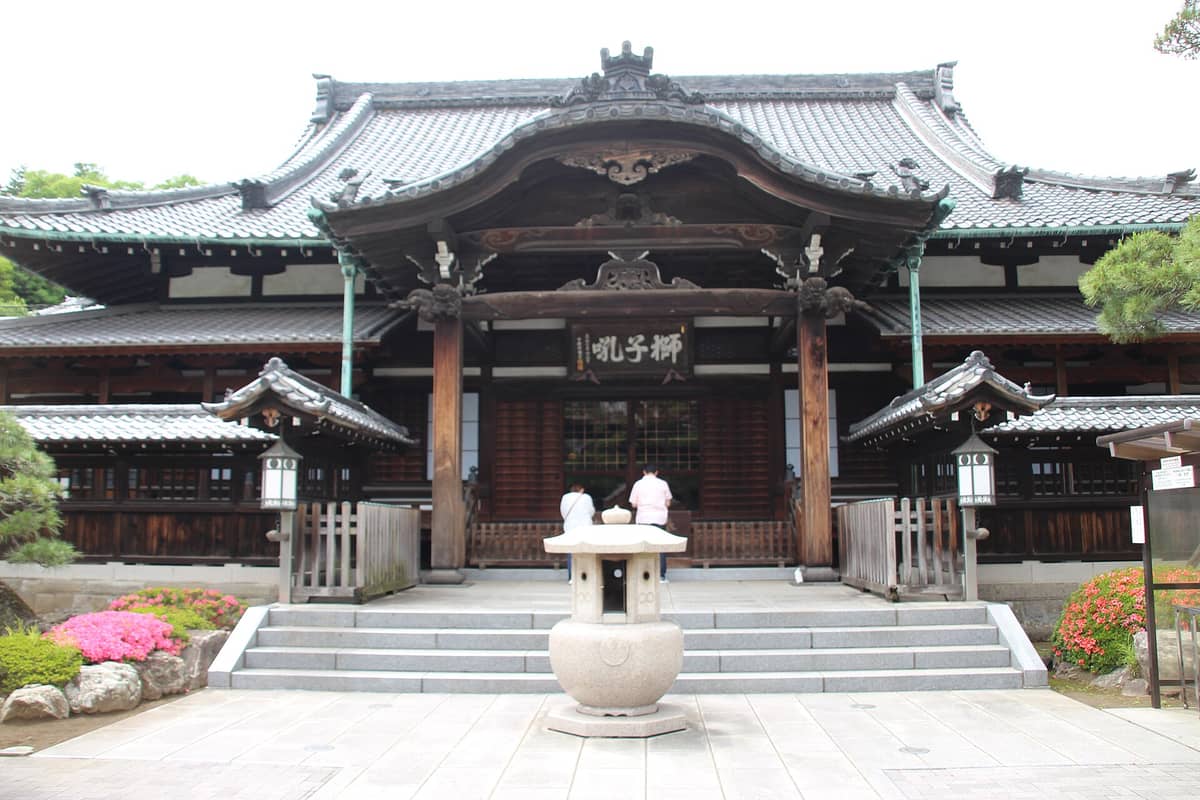
The temple entrance is marked by a sanmon gate and a stone lantern-lined path that leads into a compact but layered complex. The main hall (hondo) sits at the center, a mid-sized wooden structure rebuilt after earthquake and wartime damage, with the incense burner in front constantly releasing thin threads of smoke. The smell — cedar-smoke, slightly sweet — reaches you before you see the source.
The grave area is located on a slope behind and to the side of the main hall. Forty-seven stone markers stand in close rows, each bearing the name of one ronin. At the head of the plot is a larger grave: Lord Asano's. The graves themselves are modest by historical standards — simple upright stones worn smooth with age — but they are rarely without offerings. Fresh incense sticks, flowers, coins, and sometimes small cups of sake appear throughout the day, left by visitors who make no fuss about it.
At the base of the slope, look for the small stone well where the ronin are said to have washed Kira's head. It is roped off but visible, with a marker explaining its role in the event. The detail is almost startlingly specific — this is the actual spot, or at least the site's continuous tradition holds it as such — and it gives a concrete anchor to an otherwise abstract historical narrative.
ℹ️ Good to know
Temple grounds are open April–September 7:00–18:00, and October–March 7:00–17:00. The Ako Gishi Memorial Hall and Wooden Statue Museum are open April–September 9:00–16:30, and October–March 9:00–16:00.
The Museums: Worth the ¥500?
The combined ticket (¥500 for adults) covers two small on-site museums: the Ako Gishi Memorial Hall and the Wooden Statue Museum. Neither is large, and both are fairly traditional in format — display cases, explanatory panels, period objects. For visitors who already know the story of the 47 ronin well, the exhibits may feel limited. For those arriving with only a general awareness, they provide useful context that significantly deepens the experience of the graves.
The Wooden Statue Museum contains seated wooden figures of the 47 ronin, carved in detail and lined up in a single room. The effect, especially in quieter moments, is striking. The figures are not dramatic action poses; they sit in composed, formal arrangements, which somehow communicates the weight of what these men chose to do far more than any sword display would.
If you have a general interest in samurai history or Japanese cultural heritage, the museums are worth the entry fee. If you are visiting primarily to see the graves and soak in the atmosphere, the grounds alone give you what you came for.
Best Times to Visit and How the Atmosphere Shifts
Sengaku-ji is quietest on weekday mornings between 7:00 and 10:00. At this hour, the grave area is often occupied only by a few older visitors and the occasional early tourist. The incense smoke has just been started for the day, the stone paths are cool, and the only consistent sounds are birds and the occasional train on the Asakusa Line below. This is the version of the temple that rewards slow, unhurried attention.
December 14th is a date worth knowing: the Gishi-sai, an annual memorial festival for the 47 ronin, draws large crowds of visitors and participants dressed in period costume. The event marks the anniversary of the raid on Kira's mansion and has been held every year since the Meiji era. It is genuinely ceremonial rather than staged for tourists, but the grounds become significantly more crowded than usual.
Summer afternoons can be humid and warm, which makes the shaded grave path more welcome, but the heat reduces the contemplative mood somewhat. Autumn and spring are climatically ideal: temperatures between 15–22°C with low humidity, which suits the slow pace this temple invites. Rain, interestingly, does not hurt the experience — the wet stone and muted light lend the grave area a particular atmosphere that some visitors find more moving than clear-sky visits.
⚠️ What to skip
Avoid planning your visit to coincide with December 14th if you prefer a quiet experience. The Gishi-sai festival draws large crowds and the grounds become significantly busier than at any other time of year.
Getting There and Practical Notes
The easiest route is the Toei Asakusa Line to Sengakuji Station, Exit A2. The temple entrance is visible almost immediately after exiting — about a 3-minute walk. The Toei Asakusa Line connects directly to Asakusa in the north and runs through Higashi-Ginza and Shin-Kiba, making it accessible from multiple central areas without transfers.
If you are already in the Shinagawa area, the walk from Shinagawa Station takes approximately 15–20 minutes and passes through quiet residential streets. Takanawa Gateway Station on the JR Yamanote Line is about 10 minutes on foot. Sengaku-ji pairs naturally with other Minato ward sites — if you are building a day itinerary, consider combining it with Zojo-ji Temple near Shiba Park or the Hie Shrine in Akasaka for a day focused on Tokyo's layered religious and samurai heritage.
There is no parking lot of note, and the surrounding streets are narrow. Public transit is the practical choice. The walk from either train station is flat and straightforward, though there is a short incline inside the temple grounds leading up to the grave area. Wheelchair and mobility accessibility details are not officially published by the temple; visitors with specific needs should contact the temple directly before visiting.
Sengaku-ji sits within the broader area of Minato-ku, one of Tokyo's most varied wards. For a fuller picture of the neighborhood context and other things to do nearby, the guide to Tokyo's best temples and shrines offers useful comparisons with other major religious sites across the city.
Photography and What to Expect Visually
The grave area is photogenic in a restrained way: rows of aged stone markers, incense smoke catching the morning light, lanterns, and small offerings creating natural foreground interest. Wide-angle shots of the full grave row work well from the top of the slope looking down. Individual grave stones with incense sticks and small sake cups make for quiet, considered close-ups.
Photography is generally permitted in the grounds, but exercise discretion around other visitors who are praying or placing offerings. The museums may restrict photography inside — check signage at the entrance. The main hall exterior, the sanmon gate, and the well marker are all openly photographable and visually distinctive.
If you are building a broader temple-focused day in Tokyo, it is worth reading the Senso-ji Temple guide alongside this one. The two sites contrast sharply in scale, crowd level, and tone — Senso-ji is grand and commercial, Sengaku-ji is small and solemn — and understanding both gives a more complete picture of how Tokyo's religious sites function.
Who Might Not Connect with This Site
Sengaku-ji is not a spectacle. The grounds are small, the architecture is understated, and there is no lighting display, no food stall zone, and no immersive exhibit. Visitors who have come to Tokyo for visual drama or high-intensity cultural experiences may find the temple underwhelming compared to, say, the scale of Senso-ji or the visual intensity of a teamLab installation.
Families with young children will find limited engagement unless the children have some prior interest in samurai history — there is nothing interactive or child-focused on site. For family-oriented temple visits with more sensory engagement, Tokyo with kids suggests alternatives better suited to younger visitors.
The experience rewards prior knowledge. Visitors who read about the 47 ronin before arriving — even a brief summary — will find the site genuinely moving. Those arriving without that context may walk through in ten minutes and feel they have seen a pleasant but unremarkable temple. The story is the reason this place matters, and carrying it with you into the grounds changes everything about what you notice.
Insider Tips
- Bring your own incense sticks (available from small shops near the station and inside the temple precincts for a small cost) and light them at the grave area. It is a small gesture, but it connects you to the ritual practice that has continued here for over 300 years.
- The grave of Terasaka Kichiemon, the one ronin who was reportedly sent away before the group surrendered, is also on the grounds. Finding it among the 47 markers is a small but rewarding detail for those who know the story's disputed final chapter.
- December 14th brings the annual Gishi-sai festival with period costume processions. If you want to see the ceremony, arrive early — the main procession through the grounds draws large crowds and viewing space near the grave area fills quickly.
- The temple sells small wooden plaques (ema) and amulets specific to the 47 ronin story. These make for more historically grounded souvenirs than the typical temple merchandise found elsewhere in Tokyo.
- Combine the visit with a walk down to the Takanawa area afterward. The streets between Sengakuji Station and Shinagawa are among the quieter, less-visited parts of Minato ward and give a sense of the residential character that persists beneath Tokyo's commercial surface.
Who Is Sengaku-ji Temple For?
- History and samurai culture enthusiasts who want to stand in a place where the narrative actually ended
- Travelers seeking contemplative, uncrowded temple experiences away from major tourist circuits
- Japan repeat visitors who have already covered the headline sites and want greater depth
- Photographers looking for atmospheric, low-crowd environments with aged stone and incense smoke
- Anyone curious about the intersection of Buddhist practice and samurai ethics in Japanese culture
Nearby Attractions
Combine your visit with:
- Akasaka Palace (State Guest House)
The State Guest House, Akasaka Palace is Japan's principal diplomatic residence and one of the few Western-style palaces in Asia open to the public. Built in neo-baroque style for the Crown Prince in the early 20th century, it now receives heads of state and, on select days, ordinary visitors. The combination of ornate gilded interiors, formal French gardens, and a Japanese-style annex makes it one of the most architecturally unusual stops in Tokyo.
- Edo-Tokyo Open Air Architectural Museum
Spread across the grounds of Koganei Park, the Edo-Tokyo Open-Air Architectural Museum rescues and reassembles more than 30 historic structures spanning the Edo period through the early 20th century. From a dismantled farmhouse to a reconstruction of a Showa-era Tokyo streetscape, it is one of the most thoughtful and undervisited cultural sites in the metropolitan area.
- Enoshima
A small island off the Shonan coast of Kanagawa Prefecture, Enoshima packs a surprising amount into a short walk: a three-part Shinto shrine, ancient sea caves, a hilltop botanical garden, a lighthouse observation tower, and seafood stalls lining a stone-paved shopping street. It works as a half-day excursion or a full day if you combine it with nearby Kamakura.
- Gotokuji Temple
Gotokuji Temple in Setagaya is a working Soto Zen Buddhist temple that happens to be one of the claimed birthplaces of the maneki-neko, Japan's iconic beckoning cat. Hundreds of white ceramic cats line the shelves of a dedicated shrine, creating one of Tokyo's most quietly striking visual spectacles. Entry is free, crowds are manageable, and the surrounding grounds offer genuine calm.