Tokyo Shopping Guide: Best Areas & What to Buy
Tokyo is one of the world's great shopping cities, with entire neighborhoods built around specific categories of retail. This guide breaks down the best areas by what you actually want to buy, explains Japan's tax-free system, and tells you what to skip.
Plan and book this trip
Tools from our partner Travelpayouts help you compare flights and hotels. If you book through them, we may earn a commission at no extra cost to you.
Flights
Hotels map
TL;DR
- Tokyo's shopping districts are highly specialized: Ginza for luxury, Akihabara for electronics and anime, Harajuku for youth fashion, Shibuya for mainstream trends, and Omotesando for international designer brands.
- Most stores open between 10:00 and 11:00 and close around 20:00–21:00, with electronics shops like Yodobashi Akihabara typically open until 22:00.
- Foreign tourists can reclaim Japan's 10% consumption tax on purchases over ¥5,000 at the same store on the same day — but it is not automatic. See our Tokyo first-time visitor guide for a broader orientation.
- Ginza's Chuo-dori becomes a pedestrian-only promenade on weekends and public holidays, making it one of the more enjoyable places to browse in the city.
- Daikanyama and Nakameguro are worth adding to any shopping itinerary for independent boutiques and design-forward homewares that the big commercial districts do not offer.
How Tokyo's Shopping Districts Actually Work
Tokyo does not have one central shopping zone. Instead, each major neighborhood has evolved around a distinct retail identity, shaped by the people who live nearby and the decades of commercial culture that built up around major train stations. Understanding this geography is the most practical thing you can do before you start planning a shopping day.
The city's retail spine roughly follows the JR Yamanote Line, which loops around central Tokyo. Almost every major shopping district sits on or near this loop: Shibuya, Harajuku and Omotesando, Shinjuku, Akihabara, and Ginza are all accessible from it, making it easy to combine two or three districts in a single day without backtracking.
Most fashion stores and department stores open between 10:00 and 11:00 and close around 20:00–21:00. Electronics retailers tend to run later, with Yodobashi Akihabara open from 9:30 until 22:00. Budget roughly 2–3 hours per major district if you want to browse seriously. Trying to cover four areas in one day usually means doing none of them justice.
💡 Local tip
Ginza's Chuo-dori, the main shopping avenue, is closed to vehicle traffic on weekends and national holidays: 12:00–18:00 from April through September, and 12:00–17:00 from October through March. The pedestrian-only street makes window-shopping far more enjoyable and gives you a better sense of the district's scale.
The Major Shopping Districts: What Each One Is Actually For
- Ginza Tokyo's traditional luxury quarter, centered on Ginza Station in Chuo Ward. Department store flagships (Mitsukoshi, Matsuya, Ginza Six) sit alongside international maisons like Chanel, Hermès, and Cartier. Ginza Six, at 10:30–20:30, is one of the more accessible department stores for first-timers. This is the right area for high-end cosmetics, fine jewelry, and top-tier Japanese ceramics and lacquerware.
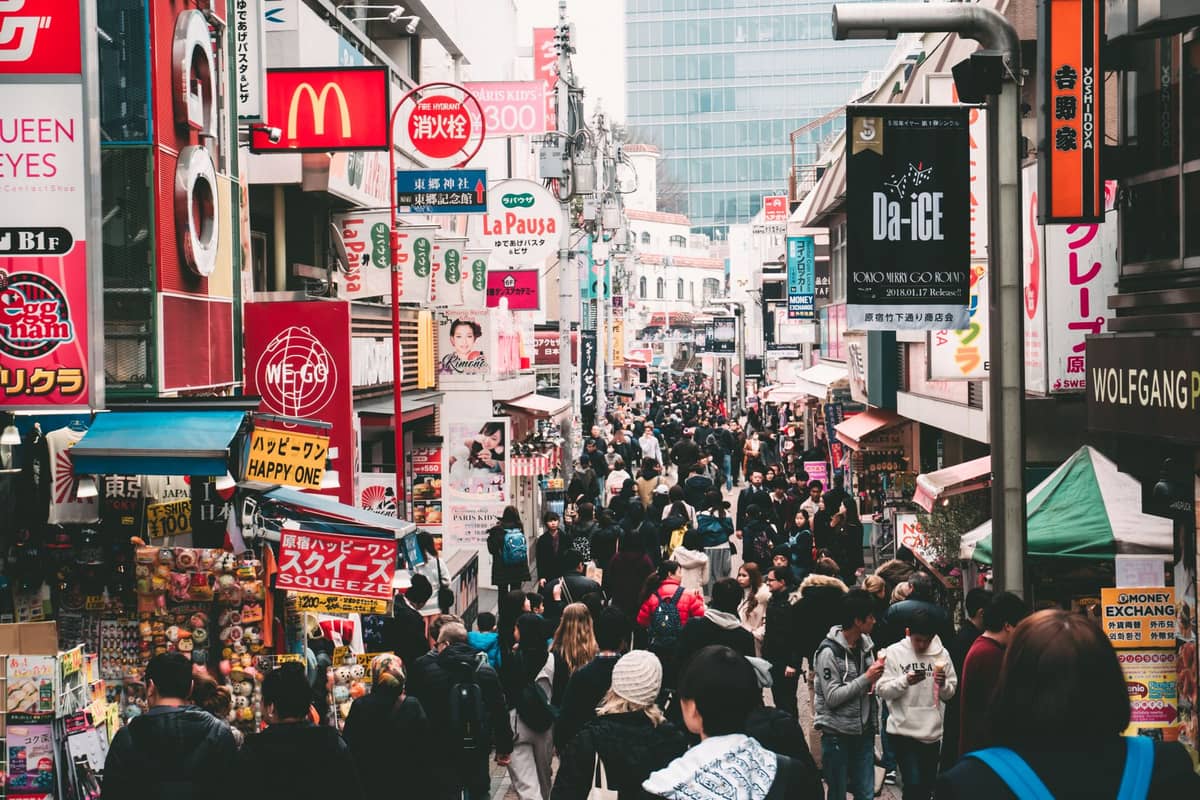
- Harajuku and Takeshita Street Takeshita Street runs about 350 meters from Harajuku Station and is densely packed with youth fashion, costume accessories, character goods, and kawaii-themed food. Shops typically open around 11:00 and close around 20:00. Good for fast-fashion novelties, streetwear, and pop-culture merchandise. Crowds peak heavily on weekends and during school holidays.
- Omotesando One block south of Harajuku, Omotesando Avenue is a completely different experience: wide, tree-lined, and home to flagship architecture by Tadao Ando (Omotesando Hills), Toyo Ito (Tod's), and Herzog & de Meuron (Prada). Alongside international luxury are serious Japanese design brands including Issey Miyake, Comme des Garçons (nearby in Aoyama), and Yohji Yamamoto.
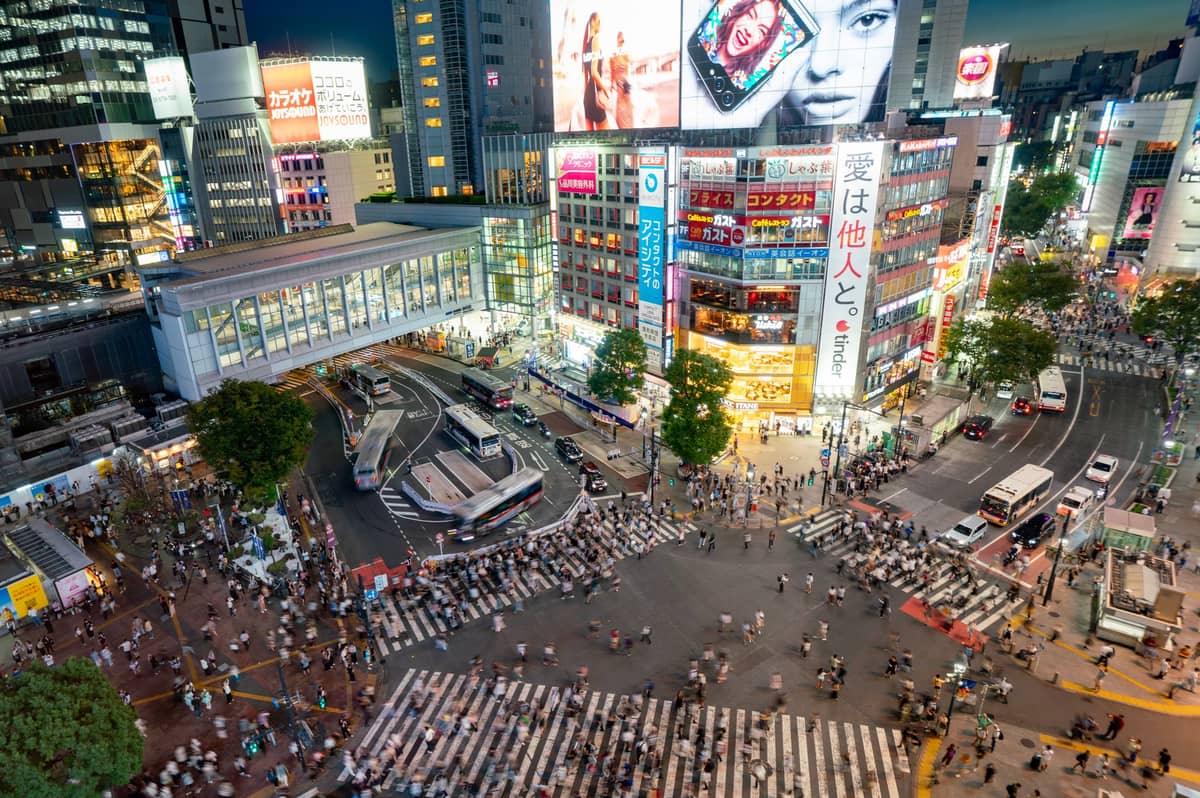
- Shibuya Shibuya is best for mid-range and mainstream fashion. Shibuya 109 (open 10:00–21:00) has long defined domestic youth fashion trends, while Scramble Square and Hikarie offer more polished department store formats. Shibuya suits shoppers who want current Japanese streetwear and fashion without the intense niche focus of Harajuku.
- Shinjuku Shinjuku splits into two shopping personalities. East of the station: Isetan Shinjuku (10:00–20:00), one of Japan's most respected department stores with an exceptional food hall and menswear floor. West side: Takashimaya Times Square and Odakyu. The east side's Kabukicho area adds electronics and discount shops. Shinjuku works well as an all-day destination because the variety is enormous.
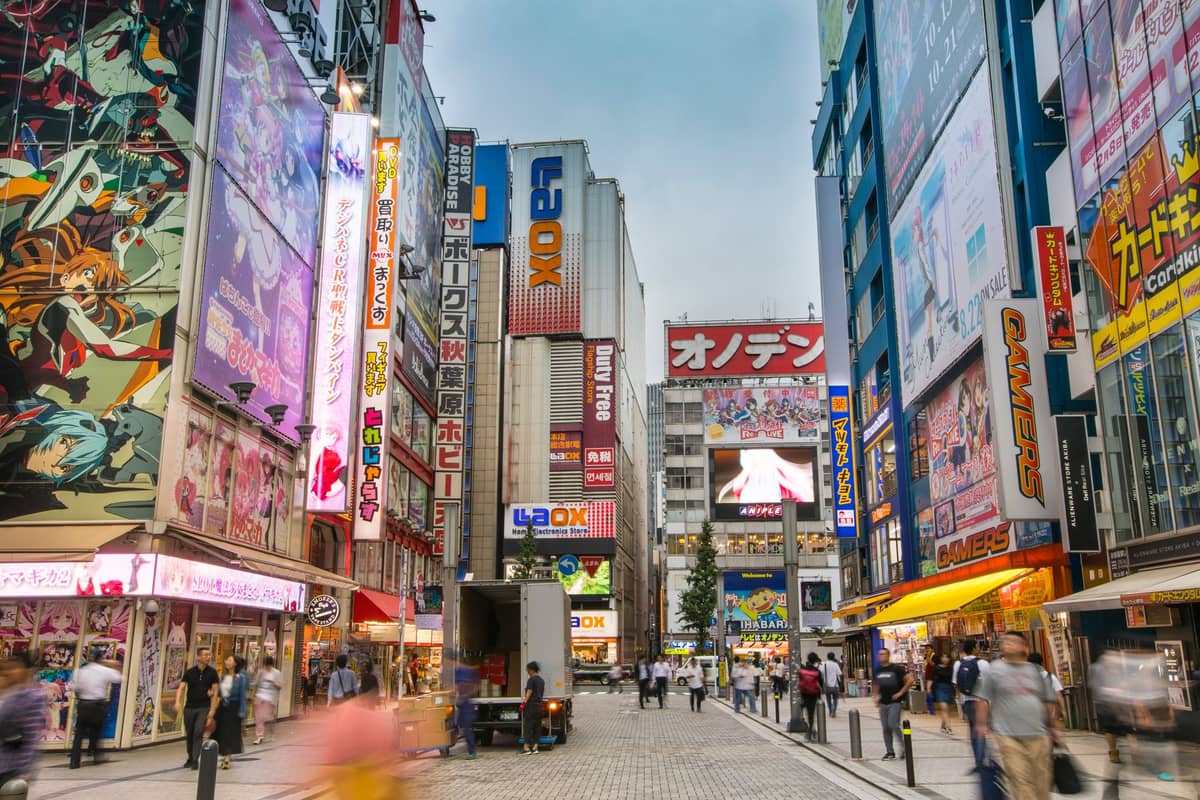
- Akihabara Akihabara remains Tokyo's primary destination for electronics, cameras, and audio equipment alongside its well-known anime and manga culture. Yodobashi Akihabara (9:30–22:00) is one of the largest electronics retailers in Japan. For vintage games, figures, and doujinshi (self-published manga), the side streets around Akihabara Station offer more interesting browsing than the main avenue.
- Daikanyama and Nakameguro These neighboring areas are less about big retail and more about considered consumption: independent bookshops (including the extraordinary Daikanyama T-Site), Japanese ceramics studios, design homewares, and independent fashion labels. Quieter and more relaxed than the major commercial districts, and worth a half-day if you are interested in contemporary Japanese design culture.
⚠️ What to skip
A common mistake is treating Akihabara as purely an anime destination. It is also one of the most competitive markets in Tokyo for electronics, cameras, and computer components, often with prices meaningfully lower than airport duty-free. If you are planning to buy a mirrorless camera or audio equipment, compare prices here before you buy anywhere else.
What to Actually Buy in Tokyo
Tokyo's appeal as a shopping destination goes beyond brands and department stores. Some of the best purchases are things that are either significantly cheaper here than overseas, of genuinely higher quality than equivalent products elsewhere, or simply not available outside Japan.
- Japanese kitchen knives Tokyo has multiple specialist cutlery shops, particularly in Kappabashi (Tokyo's professional kitchenware district, near Asakusa) and in Nihonbashi. A hand-forged gyuto or santoku from a reputable maker costs roughly ¥15,000–¥60,000 depending on steel and craftsmanship. These are difficult to find at equivalent quality outside Japan.
- Ceramics and tableware Department store basement floors (depachika) carry excellent Japanese ceramics from regional kilns. Kappabashi is a more affordable option for everyday pieces. Collector-grade work from Arita, Mashiko, or Hagi potters can be found in gallery shops in Omotesando and Ginza.
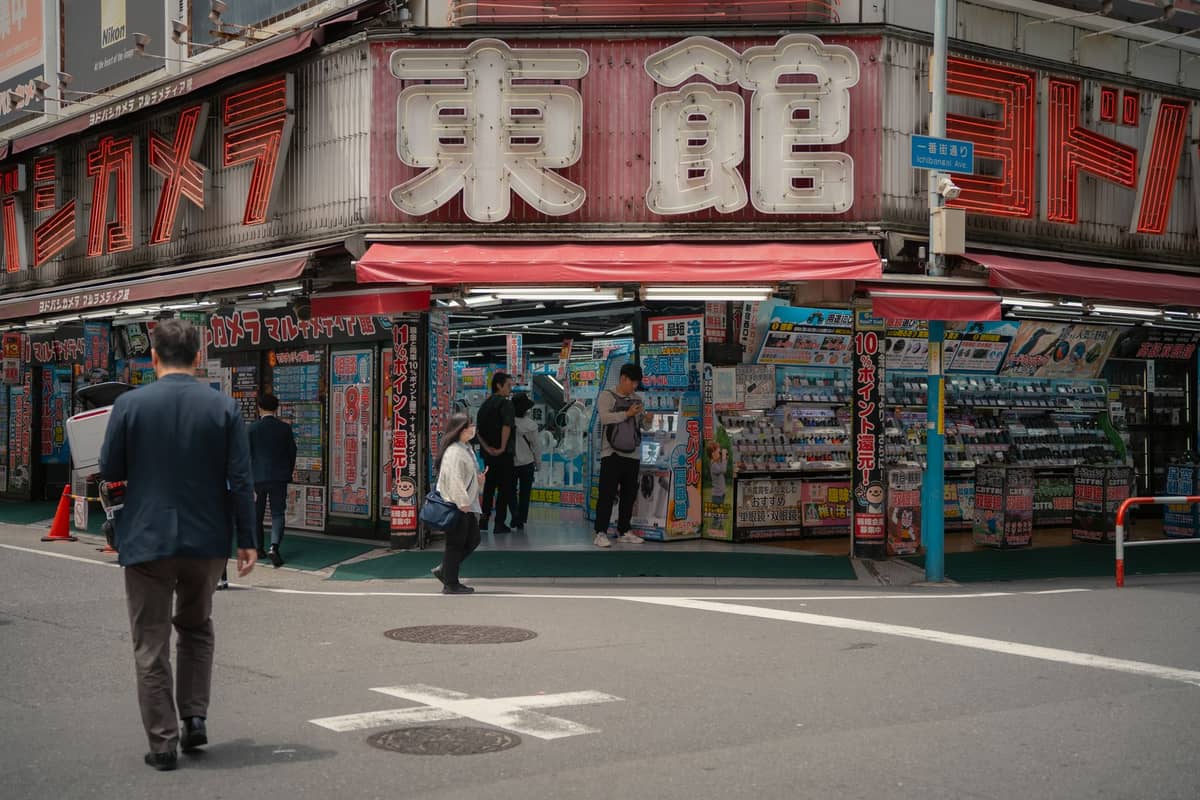
- Electronics and cameras Japan's domestic electronics market offers models and variants not sold elsewhere. Map Camera in Shinjuku is one of the city's best destinations for new and used camera equipment. Akihabara covers everything from current flagship smartphones to vintage audio.
- Cosmetics and skincare Japanese drugstore brands (Hada Labo, Shiseido, Canmake, Cezanne) are substantially cheaper in Tokyo than when exported. Matsumoto Kiyoshi and Sundrug are the two most reliable pharmacy chains for finding the full range. High-end skincare labels like Clé de Peau and SK-II can be found in Ginza and Omotesando department stores.
- Books, manga, and art publications Jimbocho, Tokyo's book district in Chiyoda, has dozens of secondhand and specialist bookshops. For art books and design publications, Daikanyama T-Site and the MUJI flagship in Yurakucho carry well-curated selections. Nakano Broadway is the most serious secondhand manga and anime goods market in the city.
- Food and kitchen ingredients Tsukiji Outer Market remains the best place to buy packaged Japanese pantry goods: dashi, soy sauce, dried seafood, and premium tea. Depachika (department store basement food halls) across the city carry regional Japanese sweets and preserved foods that make excellent gifts.
Tax-Free Shopping: How It Works and What People Get Wrong
Japan levies a 10% consumption tax on most goods and services. Foreign tourists with non-resident status can reclaim this tax at participating stores, but the process is not automatic and several conditions apply. Getting this right can save meaningful money on larger purchases.
The basic requirement: you must spend at least ¥5,000 (before tax) at the same store on the same day. For consumables such as food, cosmetics, and medicines, the qualifying range is ¥5,000–¥500,000 per person per day at the same store; for general goods like clothing, electronics, and bags, there is no upper limit. You must present your passport at a designated tax-free counter and complete the paperwork before leaving the store. Items are sometimes sealed and cannot be consumed or used in Japan.
Most major department stores have dedicated tax-free counters with English-speaking staff. Isetan Shinjuku, Ginza Six, Shibuya Hikarie, and the major electronics chains all participate. Smaller boutiques and markets like Tsukiji Outer Market generally do not. It is worth checking a store's tax-free policy before making large purchases specifically for the exemption.
✨ Pro tip
At department stores that operate multiple brand concessions under one roof, purchases across different concessions can sometimes be combined to reach the ¥5,000 threshold for tax-free eligibility, but this depends on the store's internal policy. Ask at the tax-free counter specifically whether cross-department accumulation is allowed before assuming it is.
Seasonal Shopping and Timing Your Visit
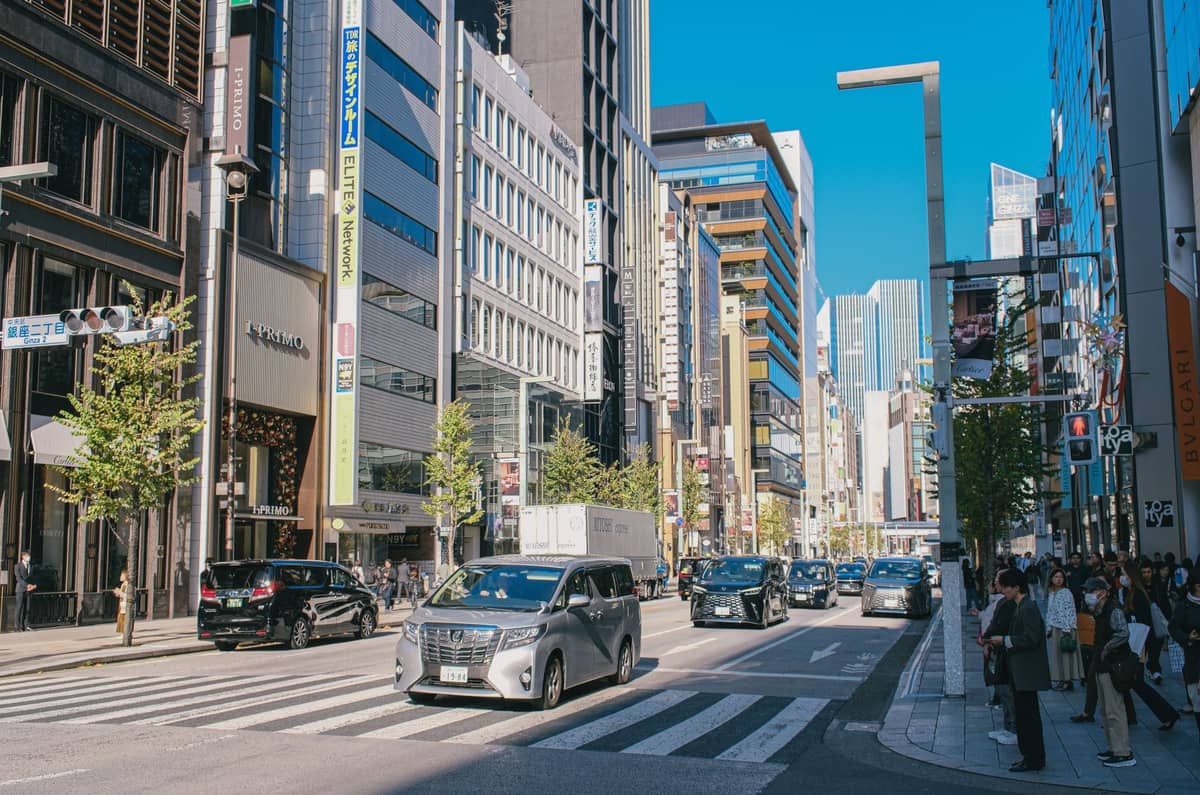
Tokyo's best months for shopping comfort are spring (mid-March to mid-May) and autumn (late October to mid-November), when temperatures are mild and crowds are manageable outside of cherry blossom peak weeks. For a broader read on timing, see the best time to visit Tokyo guide.
Two sale periods are worth knowing: the winter sale (fukubukuro season) begins January 1st and runs for the first two weeks of January. Lucky bags (fukubukuro) are pre-packed mystery assortments sold at a discount, and major department stores and fashion brands like Uniqlo, Isetan, and Nike sell out within hours on January 2nd. The summer sale typically runs through July and early August. Both periods significantly increase foot traffic in all major commercial areas.
Weekends in Harajuku and Shibuya can be intense, particularly on sunny afternoons between noon and 4pm. If you are planning a focused shopping session in these areas, a weekday morning is considerably more comfortable. Ginza and Omotesando tend to be less crowded mid-week. Akihabara draws its biggest crowds on Sunday afternoons when the main street is sometimes closed to traffic.
- January 1–15: Winter sales and fukubukuro (lucky bags) season across all major retailers
- Late March to early April: Cherry blossom period brings significant tourism crowds to all shopping areas
- Late June to mid-July: Tsuyu rainy season — indoor malls and department stores are comfortable; street markets less so
- July to early August: Summer sales at department stores and fashion chains
- October to November: Autumn foliage season, comfortable temperatures, less crowded than spring
- Late December: Year-end sales and Christmas retail push, particularly in Omotesando and Ginza
Practical Notes: Payments, Sizes, and Logistics
Cash is still widely used in Tokyo retail, but IC card payment (Suica or Pasmo) and major credit cards are now accepted at most established stores. Smaller shops and market stalls in areas like Tsukiji Outer Market and Yanaka Ginza may be cash-only. Carrying ¥10,000–¥20,000 in cash for a full shopping day is a reasonable precaution.
Japanese clothing sizing runs smaller than US and European equivalents. A Japanese L is typically equivalent to a US/EU M. Most major stores carry size charts in English on request, and international-brand flagships in Omotesando carry their global size ranges. If you are shopping for shoes, be aware that Japanese sizing is in centimeters (a US men's 10 is approximately 28 cm). For more on navigating different parts of the city, the Tokyo neighborhoods guide covers the broader geography in detail.
Shipping large purchases home is straightforward at major department stores, which often have international shipping desks. Yamato Transport (the black cat courier) also ships internationally from convenience stores. If you are buying fragile items like ceramics or electronics, ask the store to pack items for international transport: Japanese packaging standards are high, but it is worth requesting.
ℹ️ Good to know
Japan uses 100V electricity at 50Hz in Tokyo (compared to around 120V/60Hz in North America and 220–240V/50Hz in Europe and Australia). Electronics bought in Japan may require a voltage converter to function correctly outside Japan. Always check the voltage range printed on the device before purchasing and before assuming it will work at home.
FAQ
What is the best shopping area in Tokyo for tourists?
There is no single best area because each district specializes in something different. For luxury goods and department stores, Ginza is the benchmark. For fashion and youth culture, Harajuku and Shibuya. For electronics and anime goods, Akihabara. If you can only visit one area and want the widest variety, Shinjuku is probably the most practical single destination, with major department stores, electronics shops, and fashion on all sides of the station.
How do I get a tax refund on shopping in Tokyo?
Spend at least ¥5,000 (before tax) at a single participating store on the same day. Present your passport and purchases at the store's tax-free counter. Staff will process the paperwork and refund the 10% consumption tax, either deducted at the register or refunded in cash. The items are usually stamped in your passport or attached to a receipt. Do not open sealed consumables before leaving Japan or the refund may be cancelled at customs.
Is Akihabara only for anime and manga shopping?
No. Akihabara is also one of Tokyo's most important electronics districts, with large multi-floor stores selling cameras, computer components, home appliances, and audio equipment. Yodobashi Akihabara is open from 9:30 to 22:00 and is one of the largest electronics retailers in Japan. The anime and manga side of the district is extensive but occupies a separate part of the area.
What are the best souvenirs to buy in Tokyo?
Items that are authentically Japanese and hard to source outside Japan: high-quality kitchen knives from Kappabashi or Nihonbashi, Japanese ceramics and tableware from department store basement floors or specialist shops, matcha from a reputable tea retailer, Japanese whisky or sake from a department store liquor section, and traditional craft goods such as tenugui (printed cotton cloths) or hand-printed furoshiki. Drugstore cosmetics are also excellent value and popular.
When do the big shopping sales happen in Tokyo?
The two main sale windows are January (starting January 1st with fukubukuro lucky bag season running through mid-January) and July to early August (summer clearance). Some retailers also discount around Golden Week (late April to early May), though this is a peak tourist period with larger crowds. Visiting on a weekday during the first two weeks of January gives access to sale prices without the opening-day rush.