Is Tokyo Safe? What Every Visitor Needs to Know
Tokyo consistently ranks among the safest major cities on earth, but that reputation can breed overconfidence. This guide covers the real crime picture, common scams targeting tourists, night safety, seasonal hazards, and exactly what to do if something goes wrong.
Plan and book this trip
Tools from our partner Travelpayouts help you compare flights and hotels. If you book through them, we may earn a commission at no extra cost to you.
Flights
Hotels map
TL;DR
- Tokyo is genuinely safe: violent crime is rare, with serious violent incidents accounting for just 1.2% of the 70,081 cases reported across the city's 23 wards in 2024.
- The real risks are non-violent: bar overcharging, drink spiking, and pickpocketing in Kabukicho and Roppongi are the most common issues for tourists.
- Emergency services are accessible in English: dial 110 (police) or 119 (fire/ambulance), both with English-language support 24/7.
- Seasonal hazards matter: typhoons (August to October) and summer heatwaves require planning. See the best time to visit Tokyo for seasonal context.
- Tokyo has no tipping culture, tap water is safe to drink, and the public transport system is highly safe during operating hours, with most trains running until around midnight or slightly later depending on the line.
The Real Crime Picture in Tokyo
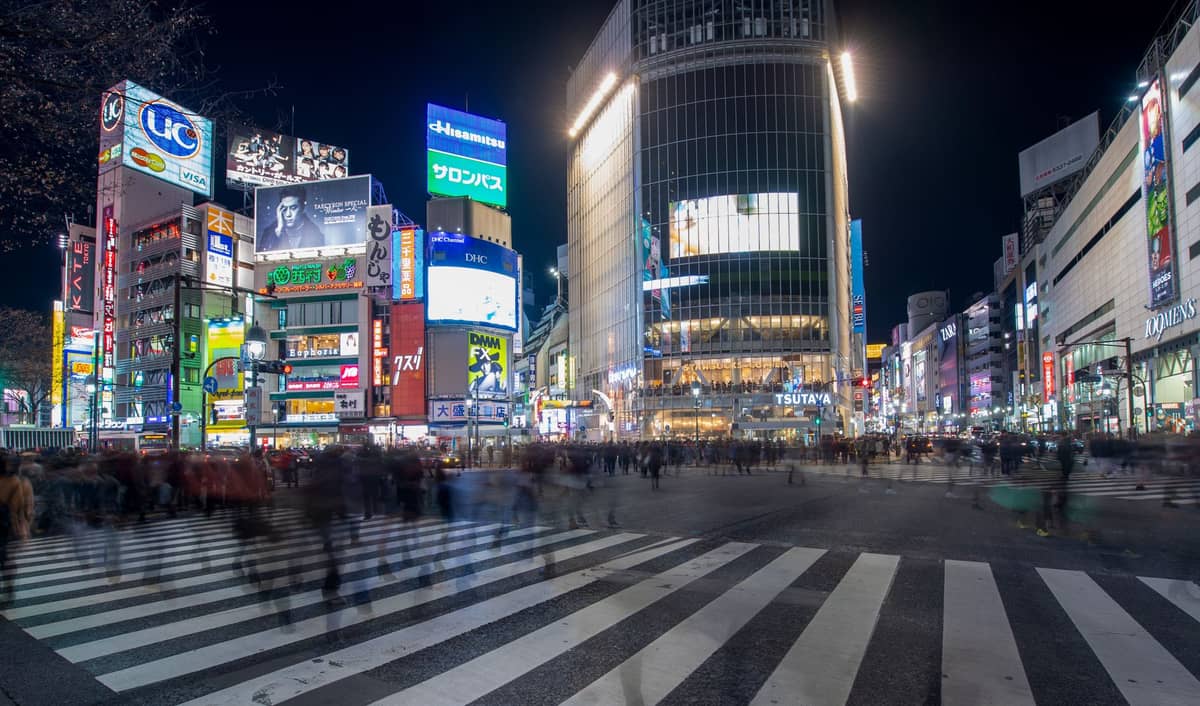
Tokyo is safe, but it is not crime-free. That distinction matters. In 2024, Tokyo's 23 special wards recorded 70,081 criminal cases, which works out to roughly 7 incidents per 1,000 residents. Of those, 62.1% involved theft and only 1.2% constituted serious violent crime. For context, that rate is substantially lower than comparable data from New York, London, or Paris. A 2025 threat analysis classified Tokyo's overall crime risk as 'minimal,' with a BaseScore of 20 out of 100.
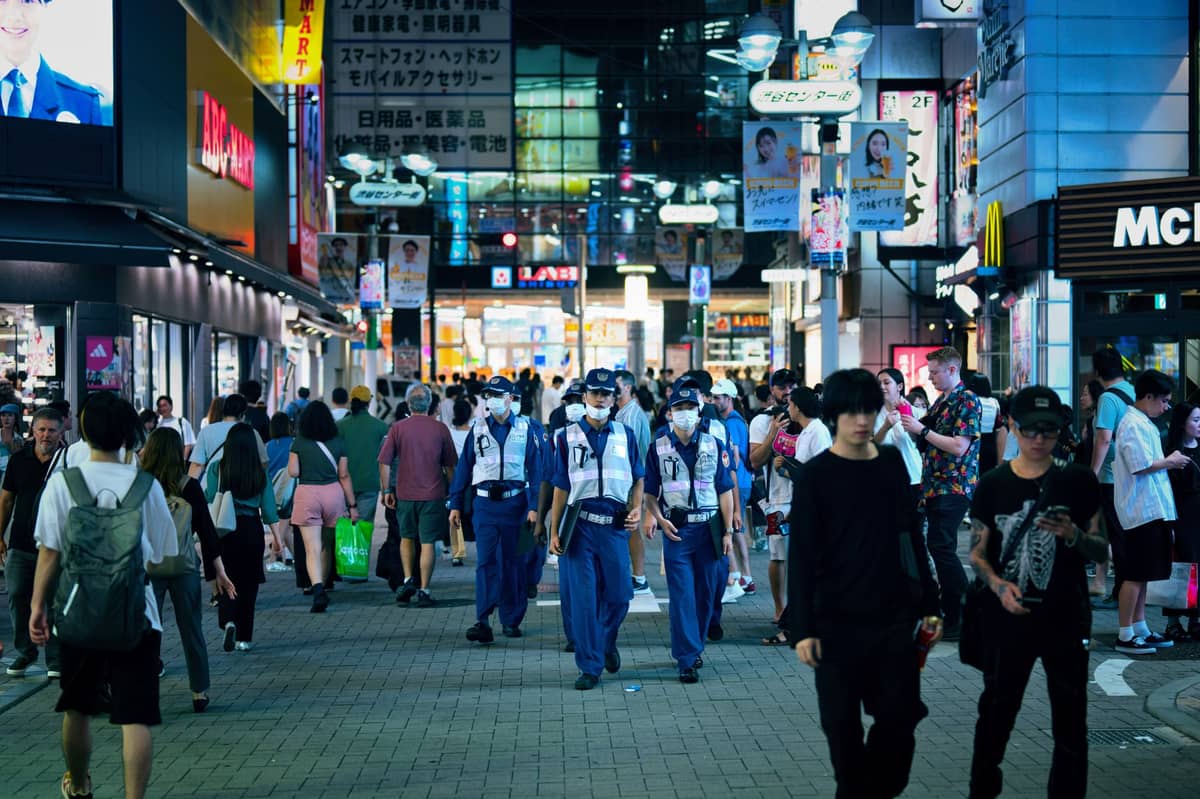
The practical implication for visitors: the danger you face in Tokyo is almost never physical. You are not going to get mugged walking back from a convenience store at midnight. What you might encounter is a tourist being overcharged at a bar in Shinjuku, a pickpocket on a packed Yamanote Line train during Golden Week, or a tout steering you toward an unlicensed club. These are manageable risks once you know what to watch for.
ℹ️ Good to know
A common misconception is that Tokyo has no crime at all. While levels are low by global standards, tens of thousands of offenses are reported every year, overwhelmingly property crimes and regulatory violations. Treating Tokyo as entirely risk-free leads to the kind of inattention that makes tourists easy targets.
Scams and Common Tourist Traps
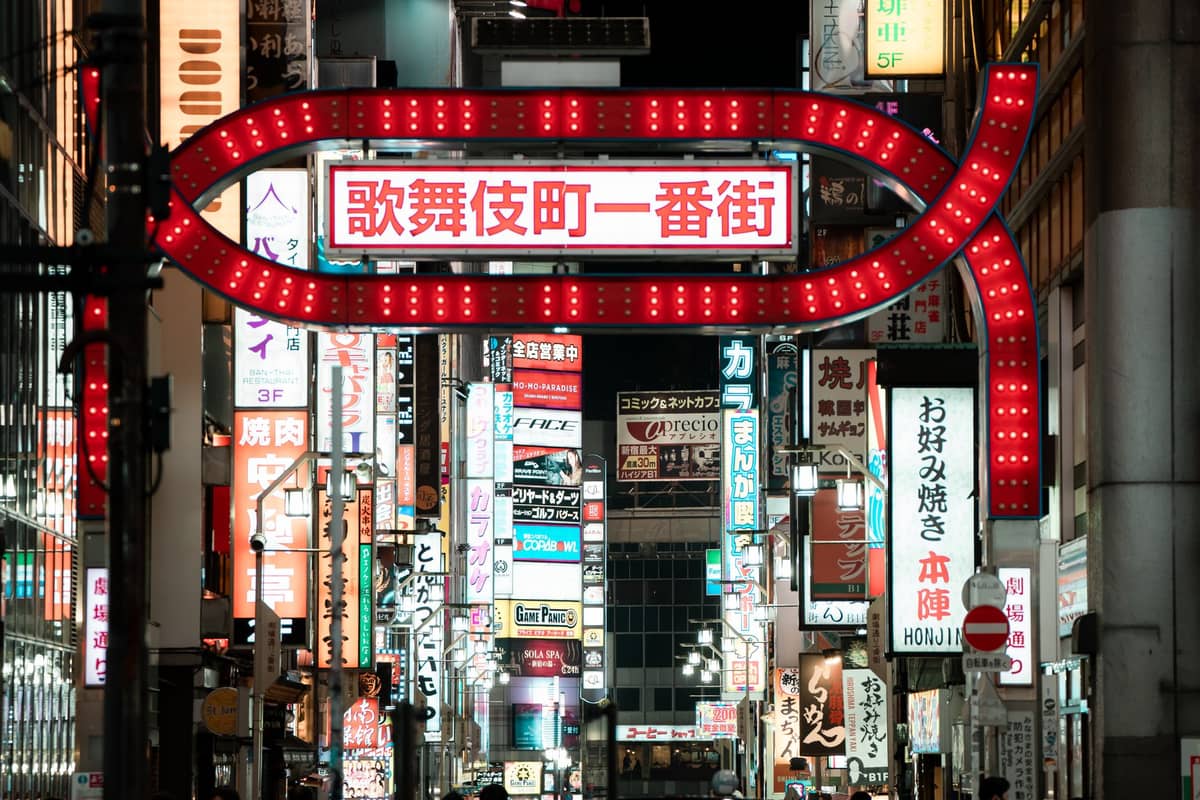
The highest-concentration risk zone for tourists is Kabukicho in Shinjuku and parts of Roppongi. Both areas have legitimate nightlife alongside a persistent population of street touts who specialize in steering visitors into bars and clubs with hidden cover charges, inflated drink prices, and occasionally spiked drinks. The bill shock at the end of an evening is the most commonly reported issue by foreign visitors to Tokyo police.
- Bar and host club overcharging Touts outside clubs in Kabukicho and Roppongi often quote a low entry price, then present bills with per-drink charges, table fees, and 'entertainment fees' that can reach tens of thousands of yen. Always ask for a full written menu before sitting down. If no menu exists, leave.
- Drink spiking Reported in nightlife districts, particularly when a stranger insists on buying you a drink. Keep your drink in sight and decline beverages from people you have just met in a bar or club context.
- Street touts (catches) Known locally as 'catchers,' these individuals work outside clubs and bars on commission. Being friendly does not mean the venue they recommend is legitimate. Unlicensed establishments have no legal obligation to be transparent about pricing.
- Pickpocketing on crowded transit Less common than in European capitals but not absent. Peak risk periods are during rush hour on the Yamanote Line, at major festivals, and during cherry blossom season when platforms are extremely crowded. Use a zip-closure bag and keep valuables in a front pocket.
- Bicycle theft If you rent a bicycle in Tokyo, always lock it even for a few minutes. Bicycle theft makes up a significant share of total theft cases citywide.
- Fake monk donations Individuals in robes sometimes approach tourists near major temples asking for donations and handing over a bracelet or token, then demanding payment. This has been reported near Senso-ji in Asakusa. Legitimate temple collections are at fixed donation boxes, not on the street.
⚠️ What to skip
If you find yourself presented with an unexpectedly large bar bill in a nightlife district, do not pay under physical pressure. Ask for the itemized receipt, note the establishment's address, and contact the Tokyo Metropolitan Police consultation line at 03-3501-0110 or the non-emergency police advisory line #9110. Paying inflated bills under duress is a separate issue from negotiating a dispute.
Night Safety and Getting Around After Dark
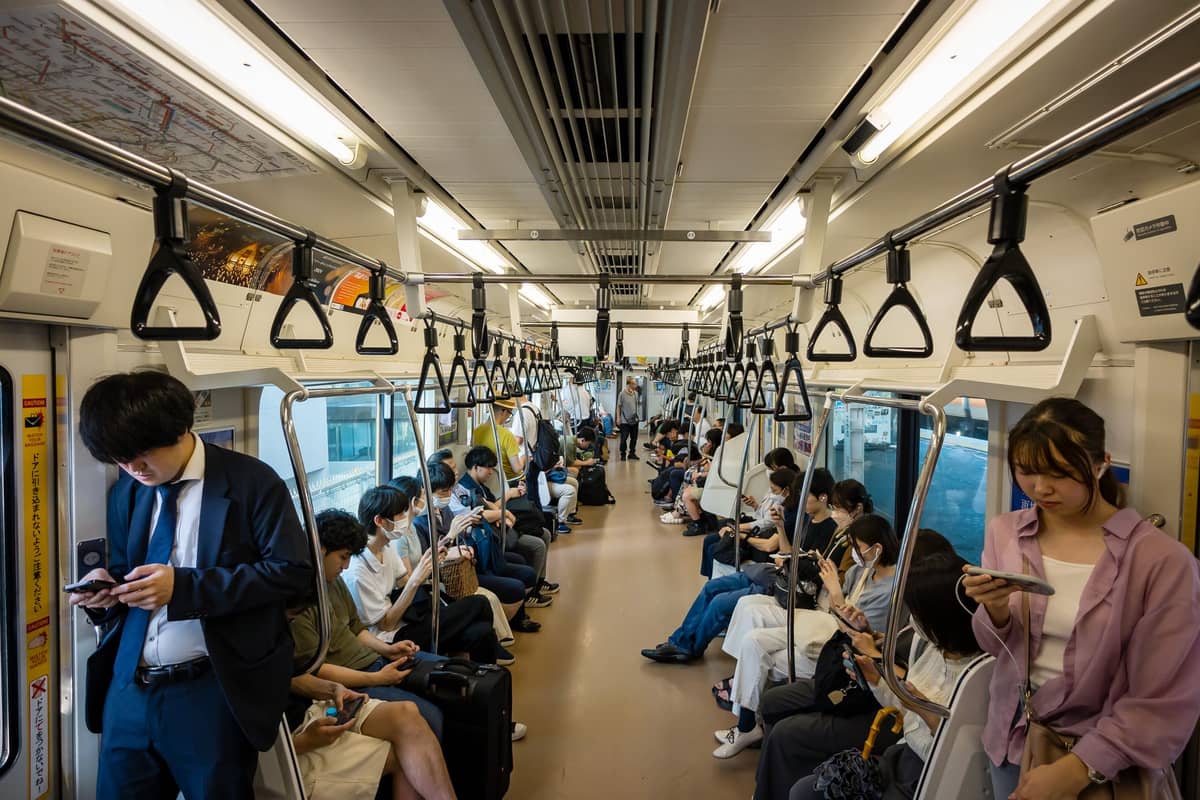
Tokyo's public transport network, which includes JR lines, Tokyo Metro, Toei Subway, and numerous private railways, operates safely during service hours. Trains run until approximately midnight to around 1:00 am depending on the line, and station staff are present, cameras are widespread, and incidents on platforms and carriages are rare. Walking back from a station to your hotel at 1am through a residential neighborhood in Shibuya, Shinjuku, or Asakusa is not something that requires concern.
The exception is the area immediately around major nightlife clusters. The streets of Golden Gai and the broader Kabukicho district after midnight attract a mix of tourists, nightlife workers, and occasionally individuals who have had too much to drink. None of this constitutes serious danger, but it does call for basic situational awareness. Walk with purpose, ignore touts, and if you feel uncomfortable, step into any convenience store (open 24 hours citywide) and reorient.
💡 Local tip
If you miss the last train, taxis are widely available and metered in Tokyo. Use the JapanTaxi app or hail a cab from a designated taxi stand rather than accepting offers from unofficial drivers. Fares increase after midnight, so a cross-city ride could commonly cost around ¥3,000 to ¥6,000 or more depending on distance.
Seasonal Hazards: Typhoons, Heatwaves, and Earthquakes
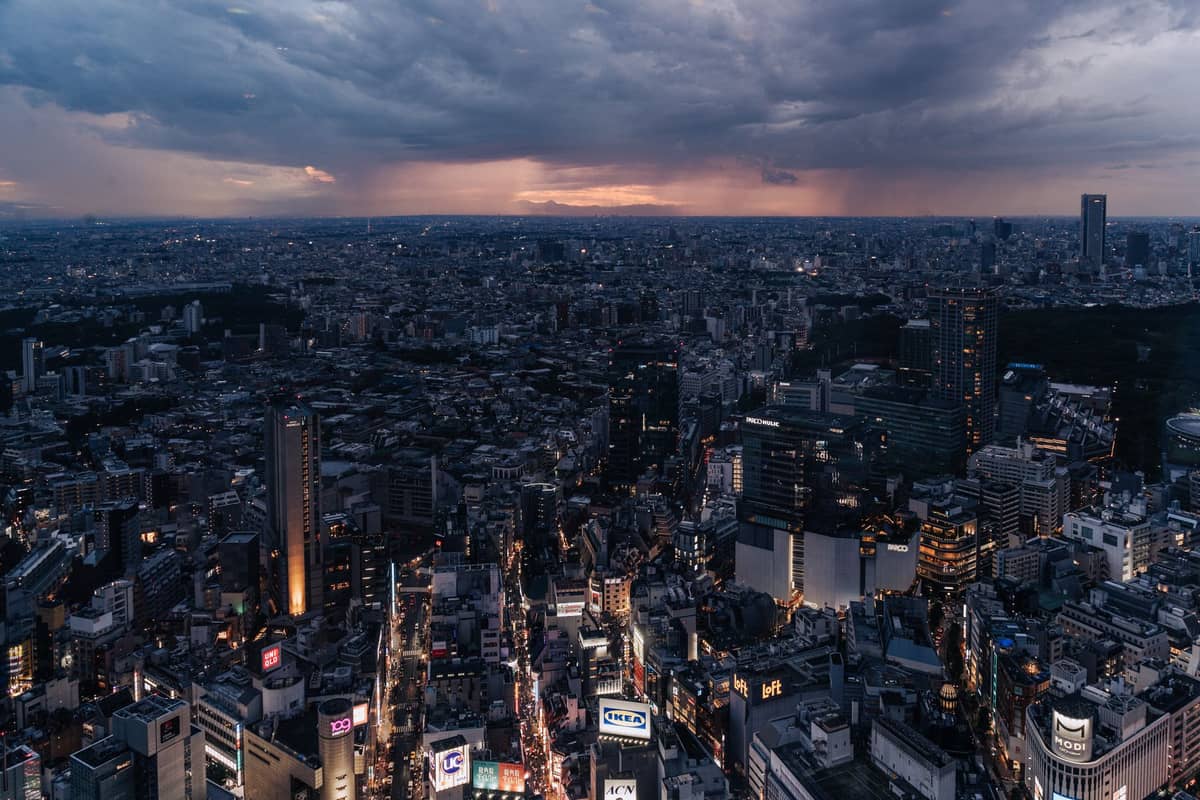
Safety in Tokyo is not purely about crime. Natural events pose genuine, if manageable, risks that change depending on when you visit.
- Typhoons (August to October) Tokyo sits in a typhoon corridor, and direct hits or near-misses are not unusual between late summer and mid-autumn. A serious typhoon will ground flights, halt train services, and close outdoor attractions for 12 to 36 hours. Monitor the Japan Meteorological Agency (jma.go.jp) for official advisories, follow hotel and transport announcements, and avoid rivers, coastal areas, and elevated walkways during the event.
- Summer heatwaves (July to August) August highs average around 31°C with high humidity, and the urban heat island effect in central Tokyo pushes temperatures even higher on certain days. Heatstroke cases rise significantly each summer. Carry water at all times, use shade and air-conditioned spaces (convenience stores and subway concourses work well), and dial 119 immediately if severe symptoms appear: confusion, inability to sweat, or loss of consciousness.
- Earthquakes Tokyo sits in a seismically active zone, and minor tremors are a routine part of life. Modern buildings are built to strict earthquake-resistance codes, so the structural risk inside a standard hotel or apartment building is low. In the event of a strong tremor: take cover under a sturdy table, stay away from windows, and do not use elevators. Follow Japan's Disaster Prevention Information (bosai.go.jp) and install the NHK World or Safety Tips app before arrival for real-time alerts.
Emergency Contacts and Getting Help in English
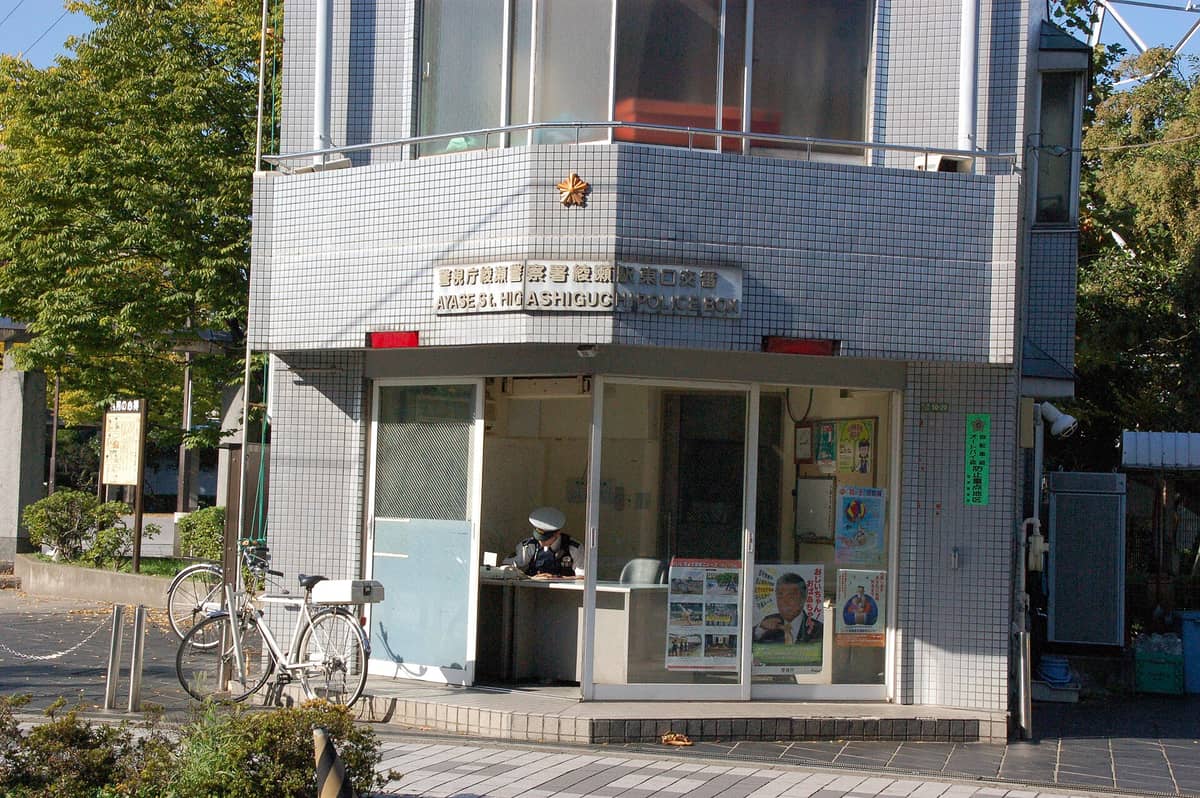
One persistent misconception is that foreign visitors cannot access emergency services in English. This is incorrect. Both the police emergency line (110) and the fire and ambulance line (119) explicitly provide English-language support around the clock. You do not need to speak Japanese to summon help.
- Police emergency: 110 For crimes in progress, accidents, or immediate danger. English-speaking operators are available 24/7.
- Fire and ambulance: 119 For medical emergencies or fires. Multilingual interpretation including English is available.
- Non-emergency police advisory: #9110 Dial this within Tokyo for consultations about disputes, concerns, or non-urgent situations. Useful if you suspect you have been scammed but are not in immediate danger.
- Tokyo English Police Consultation: 03-3501-0110 The Tokyo Metropolitan Police consultation service for English speakers, available during business hours for non-emergency situations.
- Japan Visitor Hotline (JNTO): +81-50-3816-2787 Available 24/7 in multiple languages. Covers guidance on emergencies, hospital locations, police contacts, and general travel problems. Save this number before you arrive.
If you need medical attention, Tokyo has an extensive network of hospitals and clinics, several of which have dedicated international or English-language departments. The JNTO hotline can direct you to the nearest appropriate facility. Travel insurance with medical coverage is strongly recommended before visiting Japan, as healthcare costs for visitors without coverage can be significant.
Practical Safety Basics for First-Time Visitors
Beyond crime and emergencies, a few practical habits make your time in Tokyo significantly smoother. Understanding how the city works also reduces situations where confusion creates vulnerability. If it is your first trip, the first-time visitor guide to Tokyo covers logistics in depth, including transport, neighborhoods, and cultural norms.
- Tap water is safe to drink throughout Tokyo. You do not need to buy bottled water, though vending machines selling drinks are everywhere and cost around ¥130 to ¥160.
- Japan has a strong no-tipping culture. Do not tip in restaurants, taxis, or hotels. Service charges are typically included, and attempting to tip can cause awkwardness.
- Japan uses Type A plugs (two flat parallel pins) at 100V / 50–60Hz. Most modern electronics handle the voltage difference without an adapter, but check your device specifications.
- Many smaller restaurants, izakayas, and shops in traditional neighborhoods are cash-only. Carry Japanese yen in cash. ATMs at 7-Eleven and Japan Post offices reliably accept foreign cards.
- The Japan Visitor Hotline (+81-50-3816-2787) covers more than emergencies. It can help with lost items, translation problems, and finding medical or legal help.
- Register your trip with your country's official travel advisory system (e.g., STEP for US citizens, FCDO for UK nationals) for emergency notifications and consular contact.
For a broader orientation to the city before you arrive, the guide to getting around Tokyo explains the rail network, IC cards, and how to navigate between neighborhoods without getting overwhelmed.
✨ Pro tip
Download the 'Safety Tips' app by the Japan Tourism Agency before arriving. It sends real-time alerts for earthquakes, tsunamis, typhoons, volcanic activity, and other weather and civil protection warnings in English, Chinese, Korean, and several other languages. It is free and requires no Japanese phone number.
FAQ
Is Tokyo safe for solo female travelers?
Tokyo is considered one of the safer cities globally for solo female travelers. Violent crime is rare, public transport is well-monitored, and walking alone at night in most neighborhoods carries minimal risk. The main areas to exercise extra caution are the nightlife districts of Kabukicho and Roppongi after midnight, where street touts and crowding create slightly higher risk of harassment or overcharging. Using well-lit streets, keeping your phone charged, and having the JNTO hotline (+81-50-3816-2787) saved are sensible precautions.
Is Tokyo safe at night?
Yes, for the most part. Residential and commercial neighborhoods are safe to walk at night, convenience stores are open 24 hours and provide a reliable refuge if needed, and public transport operates until around midnight. The areas around Kabukicho in Shinjuku and parts of Roppongi have a more concentrated nightlife scene with associated touts and bar scam risks, but even these areas are not dangerous in a violent sense. Basic awareness and avoiding unlicensed bars covers most of the real risk.
What should I do if I get scammed or robbed in Tokyo?
For an active emergency, dial 110 (police) or 119 (medical). For a non-emergency situation like a scam or overcharging dispute, call the non-emergency advisory line at #9110 or the Tokyo English Police Consultation at 03-3501-0110 during business hours. The JNTO Visitor Hotline (+81-50-3816-2787) is available 24/7 and can guide you in multiple languages. Report lost or stolen items at the nearest police koban (police box) and get a report for insurance purposes.
Are there areas of Tokyo tourists should avoid?
Tokyo has no neighborhoods that are genuinely off-limits or dangerous in the way that some districts in other major cities are. The practical advice is location-specific and time-specific rather than area-based: avoid unlicensed bars in Kabukicho and Roppongi at night, be alert on crowded trains during peak festival periods, and follow official guidance during typhoon or earthquake events. The rest of the city, including areas that look industrial or less polished, is generally safe to explore.
Do I need travel insurance for Tokyo?
Travel insurance is strongly recommended for Japan in general. Healthcare for uninsured visitors can be expensive, and costs from typhoon-related flight cancellations or trip disruptions add up quickly. Japan does not require travel insurance as a visa condition for most nationalities, but the combination of potential medical costs, earthquake or typhoon disruption, and general trip protection makes a comprehensive policy worth the cost. Check that your policy covers natural disasters and medical evacuation.