National Museum of Nature and Science: Tokyo's Natural History Landmark in Ueno
The National Museum of Nature and Science (国立科学博物館) is Japan's leading institution for natural history and the history of science and technology. Spread across two pavilions in Ueno Park, it covers everything from dinosaur fossils to the development of Japanese industry — and admission for high school students and under is free.
Quick Facts
- Location
- 7-20 Uenokōen, Taito City, Tokyo 110-8718 (Ueno Park)
- Getting There
- JR Ueno Station (Park Exit) – 5-min walk; Tokyo Metro Ueno Station (Exit 7) – 10-min walk
- Time Needed
- 2.5 to 4 hours for a thorough visit
- Cost
- ¥630 general/university students; free for high school students and under; special exhibitions priced separately. Seniors 65+ may qualify for free admission on certain days or under specific programs (check official site).
- Best for
- Families, science enthusiasts, rainy-day visits, budget travelers
- Official website
- www.kahaku.go.jp/english
What the National Museum of Nature and Science Actually Is
The National Museum of Nature and Science — known in Japanese as 国立科学博物館 and often abbreviated to Kahaku — is Japan's national comprehensive museum of natural history and the history of science and technology. It sits inside Ueno Park, a short walk from one of Tokyo's major rail hubs, and draws a broad cross-section of visitors: school groups on weekday mornings, families on weekends, and solo travelers on rainy afternoons when the park loses some of its appeal.
This is not a boutique experience or a trendy installation. It is a serious natural history institution with deep collections, and the sheer scale of the place can be underestimated from the outside. The museum is divided into two main structures: the Japan Pavilion, which covers the natural history of the Japanese archipelago and the development of Japanese science and technology, and the Global Pavilion, which addresses Earth's geological history, the evolution of life, and the broader history of human science. Together, they contain tens of thousands of objects spread across multiple floors.
💡 Local tip
Admission to permanent exhibitions is just ¥630 for adults and free for high school students and under, making this one of the best-value full-day attractions in Tokyo. Seniors 65 and over may be eligible for free or discounted admission under certain programs or on specific days; check the official site and bring valid ID.
The Two Pavilions: What to Expect Inside
Japan Pavilion
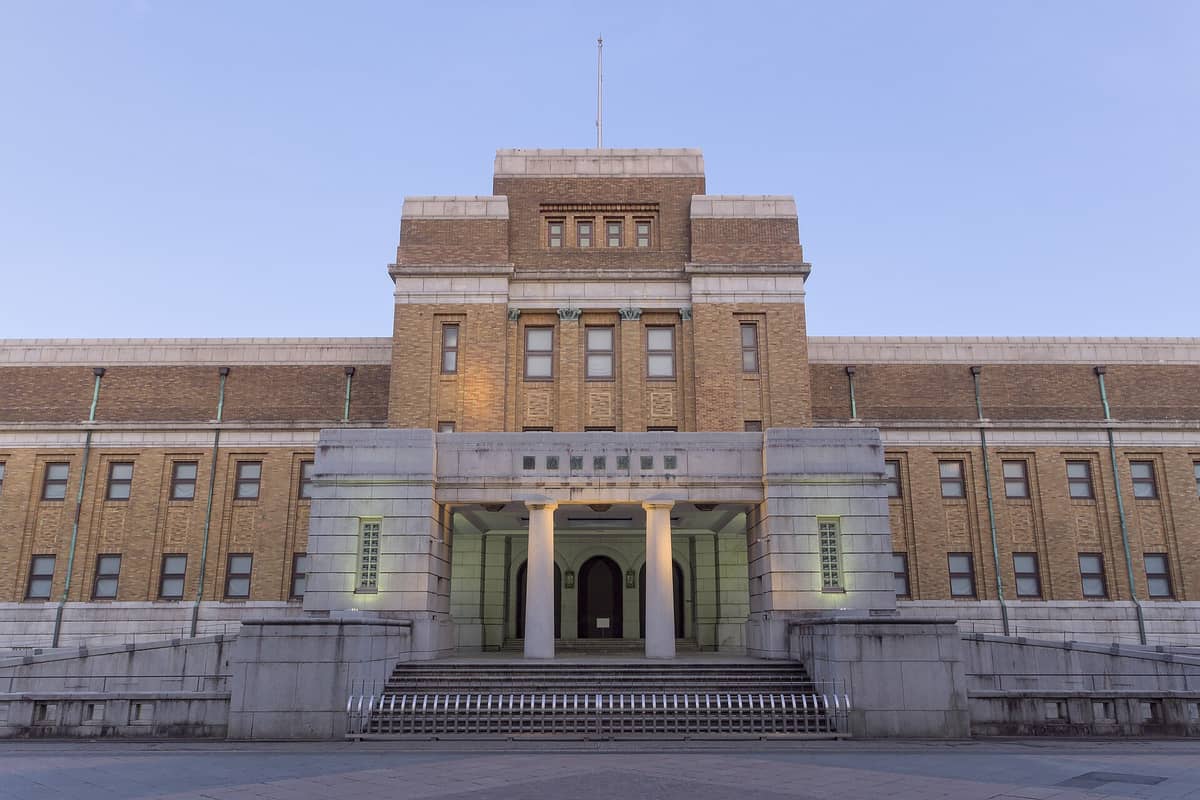
The Japan Pavilion is shaped in a distinctive cross-wing layout that dates back to the 1930s, and the building itself is worth a moment's attention before you enter. Inside, the focus is tightly geographic: everything here relates to Japan. The basement floor opens with geology — volcanic rock formations, tectonic plate models, minerals pulled from Japanese mountains. Move upward and the exhibits shift to flora and fauna native to the archipelago, including mounted specimens of Japanese wolves (extinct since 1905) and Tsushima leopard cats.
The upper floors of the Japan Pavilion trace the history of science and technology in Japan, from early astronomical tools through Meiji-era industrialization. It is genuinely interesting for anyone curious about how Japan's modernization unfolded, though some display panels lean heavily on text and require patience from non-Japanese speakers, as not all information is translated in equal depth. Allow at least 60 to 90 minutes here if you want to go beyond the surface.
Global Pavilion
The Global Pavilion is where most visitors spend the majority of their time, and rightly so. The basement level delivers an immediate visual impact: a life-size replica of a blue whale suspended from the ceiling, measuring roughly 25–30 meters in length. It stops most people mid-step. From there, the Earth's geological history unfolds across floors that cover the formation of the solar system, the emergence of life, and the long arc of human evolution. Fossil specimens here are substantial — the dinosaur gallery on the lower floors includes full skeletal mounts of therapods and sauropods, well-lit against dark display walls.
Upper floors of the Global Pavilion address the history of science in a global frame: navigation instruments, early telescopes, and models of scientific breakthroughs across cultures. The rooftop observation area is worth a brief visit for a view over Ueno Park's tree canopy, though it is not the reason to come.
Tickets & tours
Hand-picked options from our booking partner. Prices are indicative; availability and final rates are confirmed when you complete your booking.
Nikko UNESCO Shrine and Nature View 1-Day Tour from Tokyo
From 78 €Instant confirmationFree cancellationTsukiji Fish Market Walking Food Tour
From 40 €Instant confirmationFree cancellationMt.Fuji,Owakudani, Hakone Cruise & Ropeway, Oshino Hakkai 1-Day Trip
From 54 €Instant confirmationFree cancellationTour to Mt. Fuji Area, Oshino Hakkai and Kawaguchi Lake from Tokyo
From 57 €Instant confirmationFree cancellation
Time of Day and Crowd Patterns
Weekday mornings between 9:00 and 11:00 are the quietest period. School groups begin arriving around 9:30, particularly on Tuesday through Thursday, and they tend to concentrate in the dinosaur halls and the first floor of the Global Pavilion. If you arrive at opening on a weekday, you can often have the fossil galleries nearly to yourself for the first 30 minutes.
Weekends become busy by 11:00, especially in spring and during school holidays in July and August. The queues for the blue whale observation area and the dinosaur floors are manageable but noticeable. Saturday afternoons between 13:00 and 15:00 are consistently the most crowded period. If you are visiting on a weekend, arriving right at 9:00 gives you the clearest run through the highlights before the family rush.
ℹ️ Good to know
The museum is closed every Monday (or the following Tuesday if Monday falls on a national holiday) and from December 28 through January 1. Standard hours are 09:00–17:00, with last admission at 16:30. Hours may extend into the evening on certain days, often Fridays and Saturdays or during special periods. Check the official site before visiting.
Historical and Institutional Context
The museum's roots go back to the 1870s, making it one of the oldest scientific institutions in Japan. Its development parallels Japan's broader engagement with Western science during the Meiji Restoration period, and the collection has been built over more than 150 years. The current site in Ueno was established to place scientific education alongside the art museums and zoo that were also being developed in the park during that era. Ueno Park itself was designated as one of Japan's first public parks in 1873, and the concentration of national museums here reflects a deliberate policy of centralizing cultural institutions in the Meiji and Taisho periods.
This history gives the museum a different character from newer attractions. The building has architectural weight — stone staircases, high ceilings, and display cases that have housed specimens for decades. It sits comfortably alongside the Tokyo National Museum and the National Museum of Western Art as part of a cultural precinct that rewards a full day of exploration rather than a single stop.
Practical Walkthrough: How to Plan Your Visit
Most visitors should plan for at least two and a half hours to cover the permanent collections in both pavilions without rushing. If a special exhibition is running, add another hour. The building is large enough that there is no natural single route through it — pick up the floor map at the entrance, available in English, and decide in advance whether you want to start with the dinosaurs (Global Pavilion, lower floors) or the Japan-specific natural history (Japan Pavilion).
There is a museum shop near the entrance of the Global Pavilion selling natural history books, mineral specimens, and science-themed goods. It is well-stocked and worth browsing. A café inside the museum provides a reasonable mid-visit break, though seating can be limited on busy weekend afternoons. Food options in Ueno Park directly outside are plentiful if you prefer to step out.
💡 Local tip
Photography is permitted in most of the permanent exhibition areas. The blue whale and dinosaur galleries offer dramatic wide-angle compositions if you have a wide lens or smartphone with an ultra-wide mode. The lighting is relatively low in the fossil galleries, so stabilize your phone or camera against a display case if needed.
Getting There and Accessibility
The most straightforward route is JR Ueno Station, Park Exit, followed by a five-minute walk into the park. Signs for the museum are posted along the path. From Tokyo Metro Ueno Station (Ginza Line or Hibiya Line), use Exit 7 and allow around ten minutes on foot. The Keisei Line's Keisei-Ueno Station is similarly about ten minutes away. For broader context on navigating Tokyo's rail network, the guide to getting around Tokyo covers the key options clearly.
The museum is well set up for visitors with mobility needs. Two wheelchairs are available for loan at the entrance, as are two strollers, which is useful for families with young children given the distance involved in covering both pavilions. Braille and raised-letter information is available throughout the facility. Accessible parking for disabled visitors is available in Ueno Park (check current park information for exact space numbers), including Parking Lot No. 1, typically open from 08:30 to 17:30.
Weather, Seasons, and When to Visit
As an indoor museum, the National Museum of Nature and Science is genuinely one of the better choices on a rainy day in Tokyo — it keeps you occupied for a full afternoon regardless of conditions outside. That said, visiting during Tokyo's rainy season in June and early July means the queues at the entrance can be longer than usual, as more visitors seek indoor options. Spring visits in late March through May, combined with cherry blossom season in Ueno Park, mean the surrounding area is extremely busy, though the museum interior itself is not usually overcrowded on weekdays even during peak bloom.
Summer school holidays in late July and August bring the largest family crowds. Autumn — October and November — tends to be the most comfortable season for a visit: mild temperatures, fewer school groups, and a pleasant walk through the park before or after. Winter visits in January and February are quiet and the permanent collections are unchanged, making it a smart choice if you are in Tokyo during the low season.
Special Exhibitions
The museum runs temporary special exhibitions throughout the year, typically one or two at a time. These require a separate admission fee beyond the general entrance ticket and often focus on specific themes: prehistoric creatures, deep-sea life, or particular periods of Japanese scientific history. They can be genuinely impressive, with loans from international collections, but they also attract the largest crowd surges. Check the official English website before visiting to see what is running and whether it adds meaningful value to your specific interests.
If you are building a broader museum day in Ueno, it is worth knowing that the neighborhood supports several other institutions nearby. The best museums in Tokyo guide can help you prioritize based on your interests — art, history, science, or contemporary culture — across the city.
Insider Tips
- The basement level of the Global Pavilion opens to a space-and-universe section that is quieter than the dinosaur floors above. Start here if you arrive during peak hours — the fossil galleries fill quickly but the cosmology exhibits are almost always calm.
- High school students and younger enter the permanent exhibitions free with no registration required. If you are traveling with teenagers, this is worth emphasizing: it is a full, serious museum visit at zero cost.
- The museum's rooftop terrace on the Global Pavilion is accessible during open hours and is often overlooked. It provides a good elevated view over the tree canopy of Ueno Park and a useful orientation point for the surrounding cultural precinct.
- Special exhibitions sell out in advance on peak weekends during school holidays. If you plan to see a specific temporary show, book online before visiting rather than assuming walk-up availability.
- The park-side entrance path from JR Ueno Station passes the outdoor steam locomotive (D51 steam engine) display on the museum grounds. Children who might otherwise find the interiors heavy going tend to stop here, and it is a good way to build momentum before heading inside.
Who Is National Museum of Nature and Science For?
- Families with children from around age 5 and up, particularly those curious about dinosaurs, animals, or space
- Science and natural history enthusiasts who want a serious collection rather than a pop-up experience
- Budget-conscious travelers: adults pay just ¥630, and high school students and younger enter free
- Rainy-day visitors needing three or more hours of quality indoor content
- Travelers interested in Meiji-era Japanese history and the country's scientific modernization
Nearby Attractions
Other things to see while in Ueno & Akihabara:
- Akihabara Electric Town
Akihabara Electric Town (秋葉原電気街) is the beating heart of Tokyo's electronics and otaku culture. Stretching from Akihabara Station along Chuo-dori and its surrounding alleys, the district packs multi-story electronics megastores, retro game shops, anime merchandise outlets, and maid cafés into a few dense city blocks. Entry is free. The real cost is time and willpower.
- Ameyoko Market
Ameyoko Market (Ameya-Yokocho) stretches between Ueno and Okachimachi stations in central Tokyo, packing fresh seafood, discount clothing, snacks, and cosmetics into roughly 500 meters of covered and open-air stalls. Entry is free, the energy is genuine, and the history runs deep.
- Kanda Myojin Shrine
Kanda Myojin Shrine has stood as Edo's spiritual guardian for nearly 1,300 years, yet sits a seven-minute walk from one of Tokyo's most modern districts. The shrine grounds are free to enter and effectively accessible at all hours, making it an accessible counterpoint to the neon intensity of nearby Akihabara.
- Kyu-Iwasaki-tei Garden
Kyu-Iwasaki-tei Garden preserves the former Tokyo residence of the Iwasaki family, founders of Mitsubishi, in the Ikenohata area of Taito Ward near Ueno. The estate combines a Victorian-style wooden mansion, a connected billiard hall, and a traditional Japanese garden — all for one of the lowest admission prices of any historic site in the city.