Imperial Palace East Gardens: Tokyo's Most Underrated Free Attraction
The Imperial Palace East Gardens sit on the former grounds of Edo Castle, offering free access to historic stone ruins, manicured lawns, and seasonal gardens in the heart of Tokyo. Calm, spacious, and historically layered, they reward visitors who take time to look closely.
Quick Facts
- Location
- 1-1 Chiyoda, Chiyoda-ku, Tokyo (Otemachi/Marunouchi area)
- Getting There
- Otemachi Station (Tokyo Metro, exit C13a) – 5 min walk to Ote-mon Gate; Tokyo Station (Marunouchi exit) – 10-15 min walk
- Time Needed
- 1.5 to 2.5 hours for a thorough visit
- Cost
- Free (no ticket required; bag check at entrance)
- Best for
- History lovers, garden walkers, photography, escaping the city mid-trip
- Official website
- www.kunaicho.go.jp/en/visit/event/higashigyoen
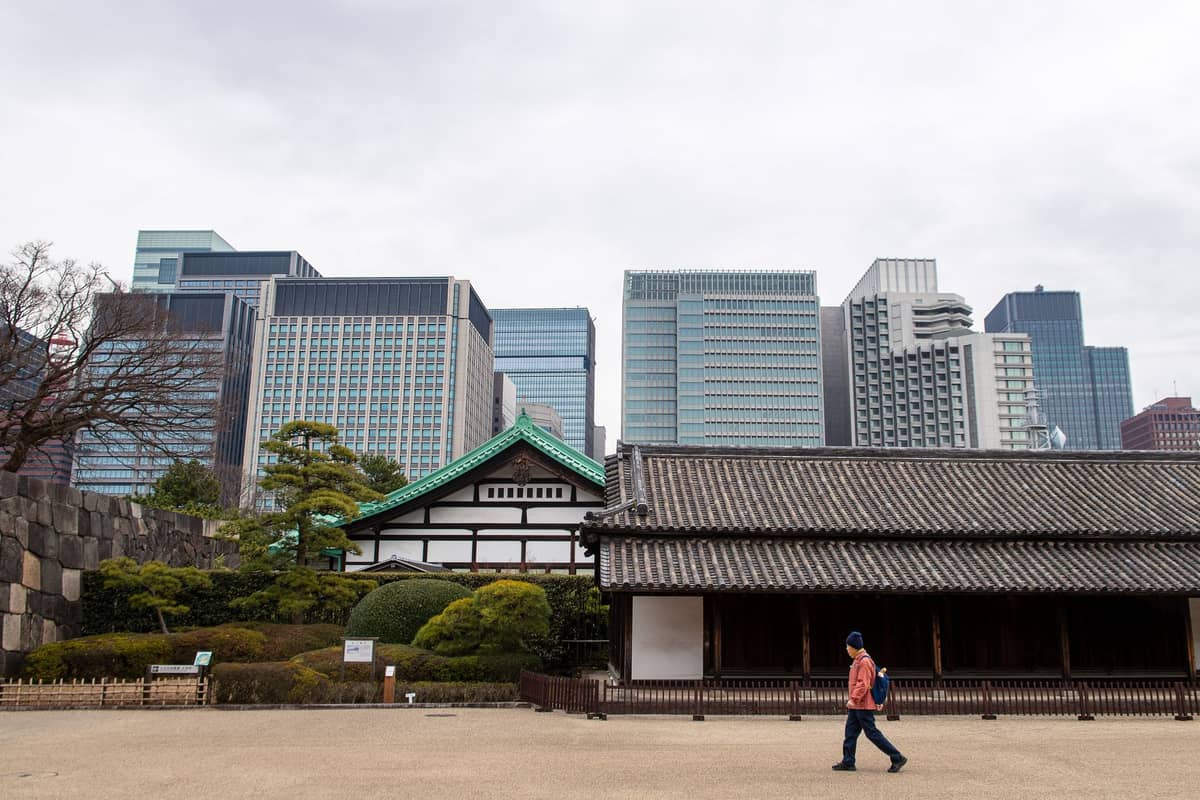
What the Imperial Palace East Gardens Actually Are
The Imperial Palace East Gardens (皇居東御苑, Koukyo Higashi Gyoen) occupy the eastern portion of the Imperial Palace compound in central Tokyo, covering the site of the former Honmaru (main bailey) and Ninomaru (second bailey) of Edo Castle. This was the political and military heart of Tokugawa shogunate Japan from 1603 until the mid-nineteenth century, and the foundations, stone walls, and gate structures that survive today are among the most significant remnants of feudal-era architecture in the capital.
The gardens opened to the public in 1968 under the management of the Imperial Household Agency. They are free to enter, require no reservation for standard visits, and cover roughly 21 hectares of manicured landscape, woodland, and preserved historic structures. For a city that charges admission nearly everywhere, this combination of scale, history, and zero cost is genuinely unusual.
Situated within the broader Imperial Palace and Chiyoda district, the East Gardens are a short walk from both the glass towers of Marunouchi and the moat-lined paths popular with joggers. Arriving from the business district, the transition from hard pavement to quiet gravel paths inside the Ote-mon Gate happens fast enough to feel deliberate.
Entering: Gates, Bag Checks, and First Impressions
There are three usable entrance gates: Ote-mon (the main gate, closest to Otemachi Station), Hirakawa-mon (on the northeast side), and Kitahanebashi-mon (on the north side). All visitors pass through a security bag check, similar in pace and format to airport screening but quick. Plastic admission tokens are issued at the gate and must be returned on exit, a system that has been in place for decades.
Entering through Ote-mon is the most direct approach and arguably the most atmospheric. The gate itself is a restored wooden structure flanked by thick stone walls with a slight mossy cast in damp weather. The sound of Tokyo traffic drops almost immediately after you pass through, replaced by birdsong and the occasional gravel crunch of other walkers. On a clear morning this contrast is stark enough that visitors often pause just inside the gate.
💡 Local tip
The gardens are closed on Mondays and Fridays (with some exceptions on public holidays) and close entirely from December 28 to January 3. Opening hours vary by season: as late as 18:00 in summer (April 15 to August 31) and closing from 16:00 in winter (November to end of February), with last admission 30 minutes before closing. Check the Imperial Household Agency website before visiting.
Tickets & tours
Hand-picked options from our booking partner. Prices are indicative; availability and final rates are confirmed when you complete your booking.
Meiji Shrine, Imperial Palace, Asakusa and Tokyo Skytree Entry
From 34 €Instant confirmationFree cancellationHalf-Day Imperial Palace, Ginza and Japanese Tea Ceremony Guided Tour
From 190 €Instant confirmationFree cancellationTsukiji Fish Market Walking Food Tour
From 40 €Instant confirmationFree cancellationMt.Fuji,Owakudani, Hakone Cruise & Ropeway, Oshino Hakkai 1-Day Trip
From 54 €Instant confirmationFree cancellation
The Tenshu-dai and Castle Ruins: The Historical Core
The most structurally significant feature of the East Gardens is the Tenshu-dai, the stone foundation platform of the Edo Castle main keep. The original tenshu (donjon) burned down in 1657 and was never rebuilt, leaving only this massive tiered base of fitted granite and andesite blocks. The platform stands about 11 meters high and is broad enough that you can walk its upper surface and look out across the garden and, on clear days, toward the surrounding cityscape.
Standing on the Tenshu-dai, the scale of what Edo Castle once represented becomes readable in the landscape. The concentric zones of stone walls, dry moats, and planted areas trace the former defensive rings of one of the largest castle complexes ever built in Japan. Most visitors spend five minutes here; those with an interest in Edo-period history or Japanese castle architecture tend to spend considerably more.
The castle context connects naturally to the broader history of the surrounding area. If you want to understand Tokyo's origins before visiting, the Edo-Tokyo Museum in Ryogoku provides detailed reconstructions and artifacts that make the ruins considerably more readable.
Gardens, Seasonal Planting, and What Changes Through the Year
Beyond the castle structures, the East Gardens include several distinct planting zones. The Ninomaru garden occupies the former second bailey and features an informal Japanese garden arrangement around a central pond, with wooded paths, stone lanterns, and plantings chosen for year-round interest. In late spring this area is dense with irises, particularly the Hanashobu (Japanese iris) beds that come into peak color in early June.
Cherry blossoms appear in late March to early April, concentrated near the Ninomaru and along the inner paths. Because the East Gardens are within an enclosed compound and less publicized than nearby Chidorigafuchi or the outer palace grounds, they tend to be calmer during peak cherry season, though not uncrowded. Autumn color, mainly from Japanese maple and ginkgo trees, peaks in mid-to-late November and is consistently underrated compared to more famous fall foliage sites in the city.
For context on seasonal timing across Tokyo, the guide to visiting Tokyo in spring covers cherry blossom windows and crowd patterns in detail. For autumn, Tokyo in autumn explains when foliage peaks across different neighborhoods.
In summer the gardens become genuinely hot and exposed in the open lawn sections. The broad Honmaru area, a flat grass field roughly the size of a city block, offers little shade. Morning visits (opening time at 09:00) are significantly more comfortable than afternoon arrivals in July and August, both for temperature and for crowd levels. Bring water.
⚠️ What to skip
The large open lawn of the former Honmaru area has minimal shade. In summer (June to September), mid-afternoon visits can be uncomfortably hot. If you visit between July and August, plan to arrive at opening time or bring sun protection. The Ninomaru wooded paths offer more cover.
Practical Walkthrough: How to Move Through the Gardens
A logical route for a first visit: enter via Ote-mon Gate, follow the main path uphill toward the Tenshu-dai, spend time on and around the keep foundation, then loop through the Honmaru lawn area before descending into the Ninomaru garden for the pond, tea house (the Ninomaru Otea-ya, occasionally open for ceremonial tea), and iris beds. The walk from Ote-mon to the Tenshu-dai takes about 10 minutes at a steady pace; a full circuit without rushing takes 90 minutes to two hours.
Paths are generally paved or compacted gravel and are accessible with wheeled luggage or strollers on most sections, though some historic stone surfaces and gentle slopes require care. The garden is not fully barrier-free throughout, particularly near the Tenshu-dai platform and some of the older stone path sections. Visitors with significant mobility constraints should check the Imperial Household Agency website for current accessibility information before visiting.
Photography is permitted throughout the gardens except in areas adjacent to the Imperial residence areas. The Tenshu-dai at golden hour (late afternoon in spring and summer) is the most photogenic single subject, with the stone base catching warm light while the surrounding trees frame the skyline behind it. The Ninomaru pond in early morning, before crowds arrive, reflects the surrounding trees clearly on calm days.
💡 Local tip
Exit via a different gate than you entered to see more of the garden's perimeter walls. Exiting through Kitahanebashi-mon and walking the outer moat path northward gives a good view of the castle stone walls from outside and connects naturally to the broader palace grounds walking route.
Crowds, Timing, and Honest Limitations
Weekday mornings between 09:00 and 11:00 are the quietest periods, attracting a mix of local walkers, photographers, and a steady flow of international tourists. Weekends in spring and autumn see noticeably higher visitor numbers, particularly around the Tenshu-dai and Ninomaru garden. Even at its most crowded, the garden rarely feels genuinely packed because of its size; the sensation is more of a gentle background presence of people rather than competition for space.
The garden rewards patient observation more than quick touring. The stone walls, the gate carpentry, the transitions between different planting styles: these details are easy to walk past without noticing. Visitors who treat it as a quick checkbox between other sights often find it underwhelming. Those who sit on one of the benches near the Ninomaru pond for twenty minutes tend to revise their opinion upward considerably.
One honest limitation: there is no food service inside the gardens, and restroom facilities are basic. Plan to eat before entering or immediately after. The Marunouchi district immediately to the east has extensive dining options from convenience stores to restaurants across all price points.
If you are planning a broader walk through the palace district, the Imperial Palace outer grounds and moat paths extend the visit naturally and are open at different times than the East Gardens themselves.
Who This Is Not For
Visitors expecting the manicured grandeur of Kyoto's major imperial garden sites may find the East Gardens more spare. The aesthetic here is restrained: open lawns, preserved ruins, and carefully managed natural planting rather than ornamental artifice. Travelers wanting dense floral display or Instagram-ready backdrop density at every turn should look elsewhere in Tokyo's garden landscape.
Those who want a more intensively designed traditional Japanese garden experience would be better served by Hamarikyu Gardens or Koishikawa Korakuen Garden, both of which offer denser planting and more overtly scenic composition. The East Gardens' strength is historical layering combined with unusual calm for central Tokyo, not horticultural spectacle.
Insider Tips
- The Ninomaru Otea-ya tea house occasionally serves ceremonial matcha to visitors on specific dates, typically during spring and autumn. Check the Imperial Household Agency website for the current schedule before your visit, as it is not always publicized in English-language travel guides.
- The Ote-mon Gate area sees the most foot traffic. If you want to start in a quieter section, enter via Hirakawa-mon on the northeast side and work your way toward the Tenshu-dai in reverse; you will encounter most other visitors only as you approach the main keep foundation.
- The Honmaru lawn is one of the largest open grass spaces in central Tokyo. On weekday mornings it is largely empty. The view from the center of the lawn back toward the Tenshu-dai platform, with the old stone walls framing the scene, is more impressive than most photos suggest.
- Bring a printed or downloaded map. The garden is well-signed in Japanese and English, but the paths branch in ways that can disorient first-time visitors, particularly in the Ninomaru woodland section.
- The outer moat path running alongside the palace grounds is separate from the East Gardens and does not require passing through the gardens' security check. If you arrive outside opening hours or on a closed day, the moat walk is a genuine alternative with its own seasonal appeal.
Who Is Imperial Palace East Gardens For?
- History and architecture enthusiasts interested in Edo Castle and the Tokugawa period
- Photographers looking for calm, early-morning subjects without crowds
- Travelers who want to decompress mid-trip in a large, quiet green space with no admission cost
- Visitors combining the gardens with a broader Marunouchi and Chiyoda walking day
- Families with children who need space to walk freely in an uncongested environment
Nearby Attractions
Other things to see while in Imperial Palace & Chiyoda:
- Imperial Palace
The Imperial Palace (Kokyo) sits at the geographic and symbolic heart of Tokyo, occupying the former grounds of Edo Castle in Chiyoda. While the palace itself remains a working royal residence, the East Gardens are open to the public and free to enter, revealing stone castle ruins, manicured lawns, and centuries of Japanese history within walking distance of Tokyo Station.
- Jimbocho Book District
Kanda Jimbocho Used Bookshop Town in Chiyoda is widely recognised as one of the largest concentrations of secondhand and specialist bookstores on earth. Entry is free, the streets are walkable year-round, and the neighbourhood rewards slow, unhurried browsing — whether you read Japanese or not.
- National Museum of Modern Art, Tokyo (MOMAT)
Tucked beside the moat of the Imperial Palace in Kitanomaru Park, the National Museum of Modern Art, Tokyo traces Japanese art from the Meiji era to today across four floors of rotating and permanent displays. It draws far fewer crowds than Tokyo's blockbuster attractions, making it one of the most rewarding museum experiences in the city for anyone who gives it the time.
- Tokyo Station
Opened in 1914, Tokyo Station is the architectural and logistical heart of Japan's rail network. The restored red-brick Marunouchi facade frames one of the country's most recognizable buildings, while inside, a labyrinthine complex of platforms, restaurants, and specialty shops rewards those who treat it as a destination rather than just a transit point.