Ueno Zoo: Japan's Oldest Zoo in the Heart of Tokyo
Ueno Zoological Gardens has been drawing visitors to Ueno Park since 1882, making it the oldest zoo in Japan. With over 3,000 animals across two connected grounds, low admission prices, and a prime location inside one of Tokyo's great public parks, it offers a full half-day of wildlife encounters in the middle of the city.
Quick Facts
- Location
- 9-83 Ueno Park, Taito-ku, Tokyo 110-8711
- Getting There
- Ueno Station (JR Yamanote/Keihin-Tohoku, Tokyo Metro Ginza/Hibiya lines)
- Time Needed
- 2.5 to 4 hours
- Cost
- Adults ¥600 (ages 16–64), Seniors (65+) ¥300, Junior high students (13–15) ¥200, Children (elementary age and under) free
- Best for
- Families, first-time visitors, rainy-day itineraries, budget travelers
- Official website
- www.tokyo-zoo.net/english/ueno/index.html
What Ueno Zoo Actually Is
Ueno Zoological Gardens, known officially in Japanese as Onshi Ueno Dobutsuen, opened in 1882 as Japan’s first zoo under the Imperial Household Ministry, making it not just Tokyo's main zoo but the oldest zoo in Japan. It covers a substantial portion of Ueno Park and is divided into two connected sections: the West Garden and the East Garden, linked by a monorail (service status varies, so check on arrival). The animals on display span mammals, birds, reptiles, and amphibians, with the collection running to more than 3,000 individual animals across hundreds of species. The entry fee of ¥600 for adults makes it one of the most affordable full-scale wildlife attractions in central Tokyo.
Ueno Zoo sits squarely inside Ueno's cultural district, just minutes from the Tokyo National Museum, the National Museum of Nature and Science, and Ueno Park's famous cherry blossom paths. Visiting the zoo as part of a wider Ueno day is a very natural fit, particularly for families or anyone traveling with children.
💡 Local tip
Last admission is at 16:00, one hour before the zoo itself closes at 17:00. If you arrive after 15:30, you will not have enough time to cover both the West and East gardens meaningfully. Aim to arrive by 10:00 on weekends to avoid queues at the main entrance near Ueno Station.
The Animals: What to Prioritize
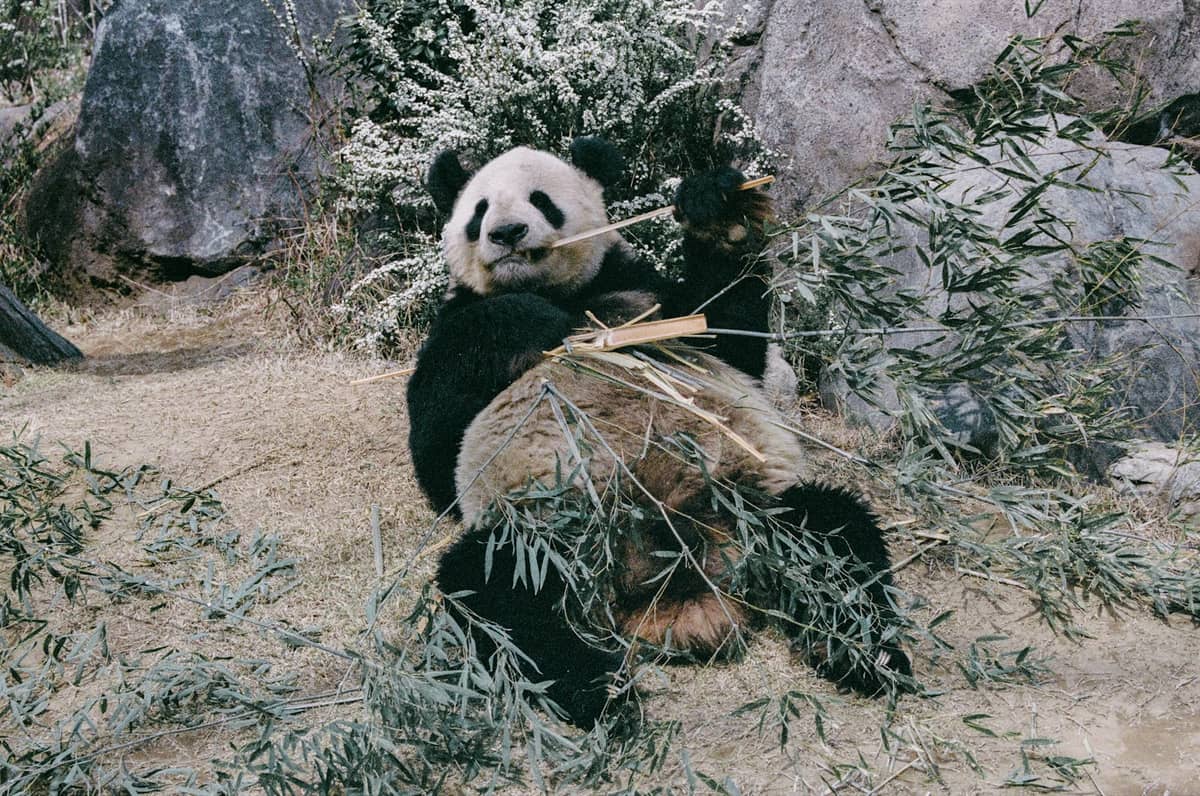
The giant pandas are, by some distance, the most visited exhibit. Ueno Zoo has a long history with giant pandas dating back to 1972, when China gifted two pandas to Japan following diplomatic normalization. The current residents have drawn enormous crowds, and the panda enclosure is typically the most congested part of the zoo. Queues at peak times on weekends and school holidays can stretch to 30 to 60 minutes. If pandas are a priority, go directly there when the gates open at 9:30.
Beyond the pandas, the West Garden holds the African savanna zone with giraffes and zebras, the gorilla woodland, and the tiger habitat. The East Garden, smaller and often quieter, focuses on birds, reptiles, and smaller mammals. The reptile house in the East Garden is consistently cool and dim inside, making it a practical retreat on hot summer days when temperatures frequently exceed 33°C.
The bird section deserves more attention than most visitors give it. Ueno maintains a strong collection of tropical and migratory species, and the walk-through aviary allows for genuinely close observation. In the early morning, bird calls carry across the garden before the noise of visitor crowds builds up. It is one of the more atmospheric parts of the zoo at opening time.
Tickets & tours
Hand-picked options from our booking partner. Prices are indicative; availability and final rates are confirmed when you complete your booking.
100-minute all-you-can-eat of Wagyu in Ueno Park
From 38 €Instant confirmationFree cancellationGuided Bar Hopping Night Tour in Ueno with Food and Drinks
From 80 €Instant confirmationFree cancellationUeno Tokyo Dining Experience at an Izakaya with Sashimi and King Crab
From 35 €Instant confirmationFree cancellationCosplayers Photo Boot Experience at Ueno No Mori in Tokyo
From 122 €Instant confirmationFree cancellation
How the Experience Changes Through the Day
At 9:30, when the gates open, the zoo is relatively calm. Families with young children tend to arrive early, but the crowds are manageable and animals are often more active in cooler morning temperatures. By 11:00, group tours and school excursions begin arriving, particularly on weekdays from spring through autumn. Midday on weekends in spring can be genuinely packed, with the main paths crowded and the food stalls backed up.
After 14:00, crowds thin slightly as some visitors with young children begin to leave. The two hours between 14:00 and 16:00 represent a reasonable compromise between crowd density and remaining time before ticket sales close. On weekdays outside school holidays, the zoo feels remarkably spacious and unhurried for most of the day.
Summer visits require some planning. July and August afternoons push heat and humidity to uncomfortable levels, and many large mammals retreat into shaded or indoor areas. Carrying water is essential, and the shaded paths through the wooded sections of the West Garden offer some relief. Winter weekdays, by contrast, can be genuinely pleasant: cool, clear, and quiet, with animals like the red pandas noticeably more active in the cold.
⚠️ What to skip
The zoo closes every Monday (and the following Tuesday if Monday falls on a national holiday). It also closes from December 29 through January 1 for New Year’s holidays. Always verify the schedule before visiting, especially around Golden Week in late April to early May, when holiday closures and massive crowds can overlap.
Historical and Cultural Context
When Ueno Zoo opened in 1882, it was established as part of the Meiji government’s broader push to modernize Japan’s public institutions along Western lines. The zoo was modeled in part on European zoological gardens and was initially administered by the Imperial Household Ministry before being transferred, along with Ueno Park, to Tokyo city management in 1924 after the Great Kanto Earthquake caused significant damage to the facility.
The zoo carries a complicated wartime history that is documented but rarely foregrounded in tourist materials. During World War II, dangerous animals including elephants, lions, and bears were killed on orders from military authorities, who feared they could escape during air raids. A memorial service for these animals is held at the zoo each year on September 4, and there is a small commemorative marker on the grounds. It is a somber historical footnote that gives the place more depth than a standard tourist attraction.
The zoo's place inside Ueno Park also connects it to a much longer cultural story. Ueno was the site of the Battle of Ueno in 1868, when Tokugawa loyalists made a last stand against imperial forces. The park built over that history became Tokyo's first public park and remains home to some of the city's most significant institutions. See the Ueno Park guide for the full picture of what else is nearby.
Getting There and Moving Around
The main entrance to Ueno Zoo is a short walk (about 5 minutes) from Ueno Station, served by JR lines including the Yamanote Line and Keihin-Tohoku Line, as well as the Tokyo Metro Ginza and Hibiya lines. From the Ueno Station park exit, the zoo entrance is visible within a few minutes on foot through the park grounds. There is also a secondary entrance near Nezu on the East Garden side, which is useful if you are approaching from the Yanaka direction.
Inside the zoo, the two gardens are connected by a monorail, though its operational status has varied and visitors should not plan around it. The grounds are flat and mostly paved, making them manageable for strollers and wheelchairs. The zoo’s official accessibility information confirms that visitors holding a disability certificate and one accompanying person are admitted free of charge.
ℹ️ Good to know
IC cards (Suica, Pasmo) are the most convenient way to pay for transit to Ueno. The zoo itself accepts cash for admission; card payment availability at ticket windows may vary, so carry yen.
Photography and Practical Notes
Photography is permitted throughout most of the zoo, though flash is prohibited in indoor exhibits and the reptile house. The panda enclosure involves glass barriers that can cause reflections, so mornings with overcast light tend to produce cleaner shots than midday direct sun. The gorilla habitat and the open African savanna area offer the most natural-looking backdrops.
There are several food stalls and a cafeteria inside the West Garden, with options ranging from simple snacks to set meals. Quality is functional rather than notable. Bringing your own food is permitted and, given the price of zoo catering in Japan generally, a practical choice for families. Picnic benches are available near the central area of the West Garden.
If you are building a full day in the area, the combination of Ueno Zoo, the Tokyo National Museum, and a walk through Ueno Park covers a substantial and coherent itinerary without requiring transport between stops. The National Museum of Nature and Science is also immediately adjacent to the park's main avenue and pairs naturally with the zoo for science-oriented visitors or families with curious older children.
Spring visitors should check the timing of cherry blossom season. When the park's famous cherry trees peak, usually in late March to early April, the zoo entrance path and surrounding park fill with hanami crowds. The atmosphere is festive but access can slow considerably. The Tokyo in spring guide covers timing and what to expect across the city during this period.
Who Should Think Twice
Visitors primarily interested in rare or large-scale natural environments will find the zoo's relatively compact footprint and urban setting less satisfying than a dedicated wildlife reserve or open-range facility. The enclosures, while functional and maintained, are not large by the standards of more recently designed zoos, and some habitats reflect the facility's age and urban constraints.
Travelers with only one full day in Tokyo and a long checklist of iconic sights may find the time investment here hard to justify against other options. The zoo is worth a half-day, not a rushed hour. If you are time-pressed, the park itself and the nearby museums may deliver more concentrated interest per hour.
Insider Tips
- The zoo's secondary East Garden entrance near Nezu is far less used than the main Ueno Station entrance. If you are visiting on a weekend and want to start with the bird and reptile sections rather than queuing alongside everyone heading straight for the pandas, this entrance can save meaningful time.
- Red pandas are housed in the West Garden and are noticeably more active on cool autumn and winter mornings. They tend to rest through warm afternoons. If red pandas are on your list, visit on a weekday in October or November before noon.
- September 4 is the annual memorial service day for animals that died during World War II. The event is low-key and not widely publicized to tourists, but if you happen to be visiting around that date, it provides an unexpectedly moving counterpoint to an otherwise leisure-focused attraction.
- The zoo is listed as a partner venue for several Tokyo museum discount combinations. Check whether your accommodation or a Japan Rail Pass package includes any affiliated admission discounts before paying full price at the gate.
- Weekday mornings in January and February are the quietest times to visit. Crowds are minimal, the air is cold and clear, and animals like the snow leopard and red panda are at their most active. Dress in proper winter layers and you will essentially have the zoo to yourself.
Who Is Ueno Zoo For?
- Families with children of all ages, particularly given the free admission for elementary school–age kids and younger
- Budget-conscious travelers looking for a full half-day of activity for ¥600
- First-time Tokyo visitors building a wider Ueno cultural day
- Travelers interested in Japanese cultural and institutional history, including the zoo's Meiji-era origins
- Anyone visiting during school holidays who wants a contained, manageable attraction that does not require transport across the city
Nearby Attractions
Other things to see while in Ueno & Akihabara:
- Akihabara Electric Town
Akihabara Electric Town (秋葉原電気街) is the beating heart of Tokyo's electronics and otaku culture. Stretching from Akihabara Station along Chuo-dori and its surrounding alleys, the district packs multi-story electronics megastores, retro game shops, anime merchandise outlets, and maid cafés into a few dense city blocks. Entry is free. The real cost is time and willpower.
- Ameyoko Market
Ameyoko Market (Ameya-Yokocho) stretches between Ueno and Okachimachi stations in central Tokyo, packing fresh seafood, discount clothing, snacks, and cosmetics into roughly 500 meters of covered and open-air stalls. Entry is free, the energy is genuine, and the history runs deep.
- Kanda Myojin Shrine
Kanda Myojin Shrine has stood as Edo's spiritual guardian for nearly 1,300 years, yet sits a seven-minute walk from one of Tokyo's most modern districts. The shrine grounds are free to enter and effectively accessible at all hours, making it an accessible counterpoint to the neon intensity of nearby Akihabara.
- Kyu-Iwasaki-tei Garden
Kyu-Iwasaki-tei Garden preserves the former Tokyo residence of the Iwasaki family, founders of Mitsubishi, in the Ikenohata area of Taito Ward near Ueno. The estate combines a Victorian-style wooden mansion, a connected billiard hall, and a traditional Japanese garden — all for one of the lowest admission prices of any historic site in the city.