Indre By, literally 'inner city' in Danish, is Copenhagen's original fortified core and the natural starting point for any visit to the Danish capital. Covering roughly 4.65 km² between the inner harbor and the city lakes, it holds more major landmarks per block than anywhere else in Copenhagen. From medieval lanes to royal squares, this is where the city's history and its modern tourist life overlap most completely.
Indre By is Copenhagen's original city, the place where the capital's history, royal heritage, and commercial energy all concentrate in a compact, walkable area. Bounded by the inner harbor to the east and the chain of lakes to the west, it is both the city's most visited district and its most historically layered. Every first-time visitor will pass through it; the question is how well you know your way around it.
Orientation: Where Indre By Sits in Copenhagen
Indre By occupies the geographic and historical center of Copenhagen, the territory that was once entirely enclosed by the city's defensive ramparts. Those fortifications were gradually dismantled after the 1850s as the city expanded outward, but the street plan they left behind remains essentially intact. Walking through the district today, the irregular, winding lanes of the medieval core give way to broader baroque axes as you move toward the royal quarters, a physical record of centuries of urban growth compressed into about 4.65 square kilometers.
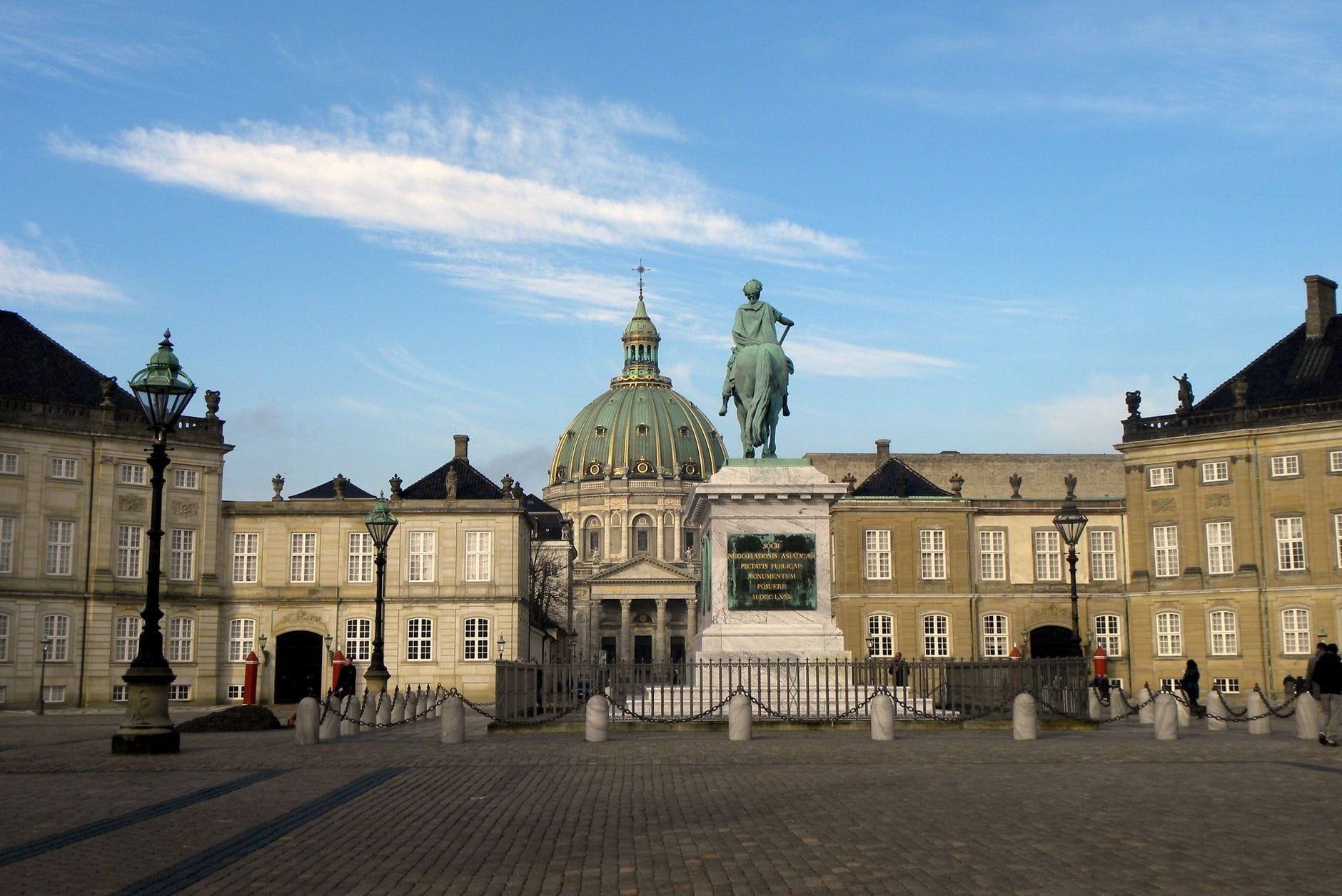
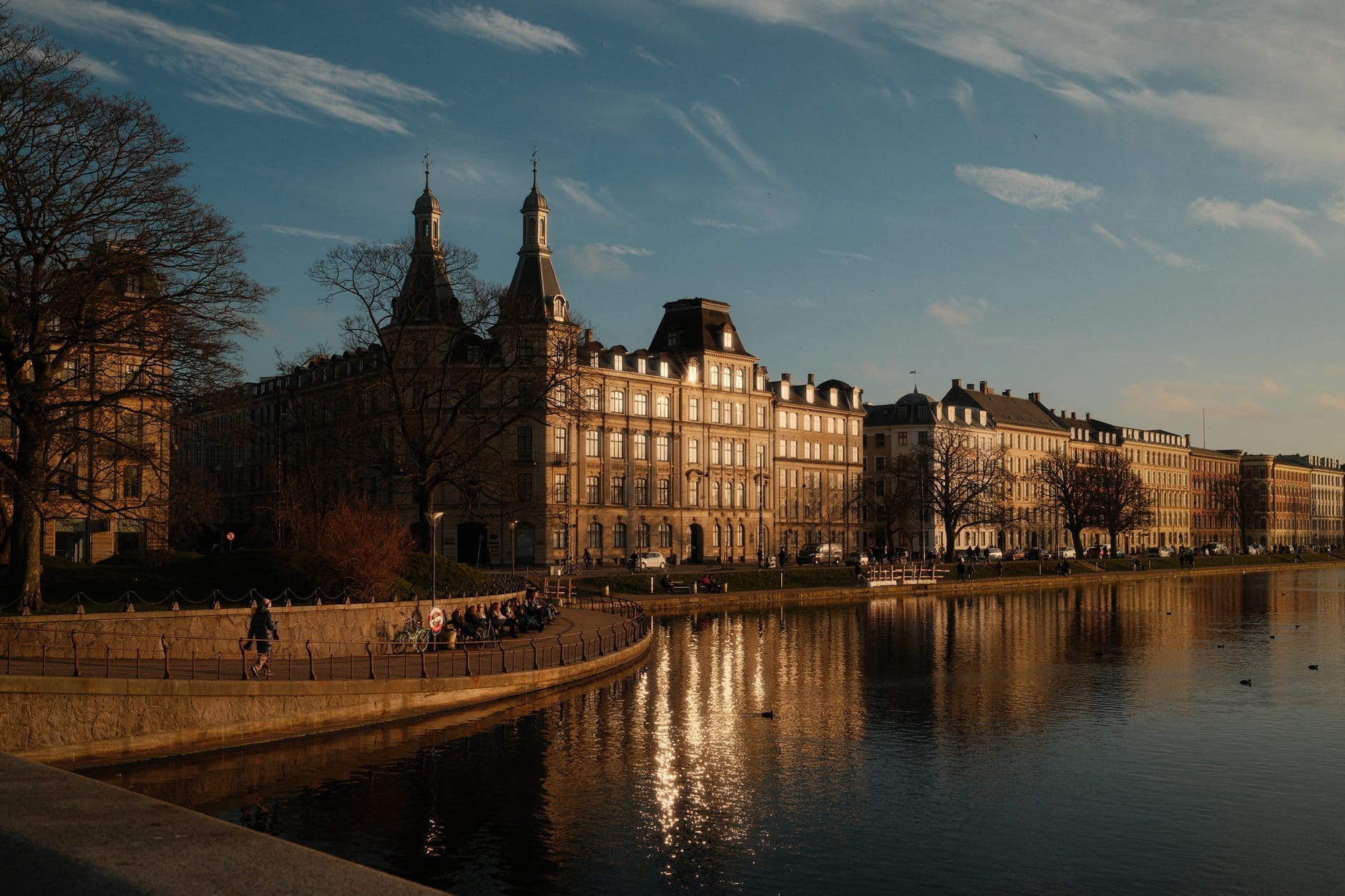
The district's boundaries are remarkably legible from a map. To the east and south, the inner harbor defines a hard edge; the water is always close enough to sense, and on a clear day the spire of the Church of Our Saviour across the water in Christianshavn is visible above the rooflines. To the west and north, the chain of lakes known as Søerne curves around the district like a natural moat, their tree-lined banks marking where the city once ended. To the south, Central Station and Tivoli Gardens anchor the corner near Vesterbro. To the north, the district bleeds into Frederiksstaden, the planned royal quarter built by Frederik V in the 1740s, where the streets suddenly become wide, symmetrical, and grand.
Understanding Indre By means understanding which districts border it, because Copenhagen's neighborhoods each have a distinct character you notice the moment you cross the line. Christianshavn sits across the harbor to the east, connected by several bridges and home to Freetown Christiania. Vesterbro begins just beyond the railway tracks to the southwest, and Nørrebro starts past the lakes to the northwest. Indre By is the hub all of these neighborhoods orbit around.
Character & Atmosphere
The honest version of Indre By is this: it is two different places depending on when you visit and where you stand. The Strøget corridor and the Nyhavn waterfront operate at a relentless tourist frequency for most of the day. The side streets running north and south off Strøget, streets like Kompagnistræde, Læderstræde, and the lanes around Gråbrødretorv, feel like a different city entirely: quieter, with independent bookshops, antique dealers, and cafés where locals actually sit.
In the early morning, before 9am, Indre By reveals itself at its most honest. The street cleaners are still out on Strøget, the light falls at a low angle across the copper rooftops, and the squares are empty enough to see their actual proportions. Kongens Nytorv, the large square at the eastern end of Strøget, feels genuinely grand when it is not filled with tourist coaches. The smell of fresh bread from bakeries along Købmagergade drifts onto the street, and the city feels like it belongs to its residents.
By midday, the tourist volume peaks. Nyhavn is shoulder to shoulder along its northern quay, Tivoli has queues at its gates, and Strøget is a slow shuffle past international retail chains. This is also when the district is most alive and photogenic, so it is a trade-off rather than a flaw. By late afternoon the light in summer becomes exceptional, particularly around the copper-spired skyline and along the harbor. After 9pm on weekends, the nightlife corridors around Studiestræde and Gothersgade fill with a younger, louder crowd, and the city takes on a completely different energy.
💡 Local tip
To experience Indre By without the crowds, aim to visit major squares and the Nyhavn canal before 9am or after 7pm in summer. The tourist volume drops sharply outside peak hours, and the architecture reads far better without the foreground of selfie sticks.
What to See & Do
The concentration of major attractions in Indre By is extraordinary for a district you can cross on foot in 20 to 25 minutes. The challenge is not finding things to do but building an itinerary that does not collapse under its own weight. It helps to think of the district in sub-zones: the royal and museum quarter to the north, the medieval commercial core in the middle, and the harbor and palace area to the south and east.
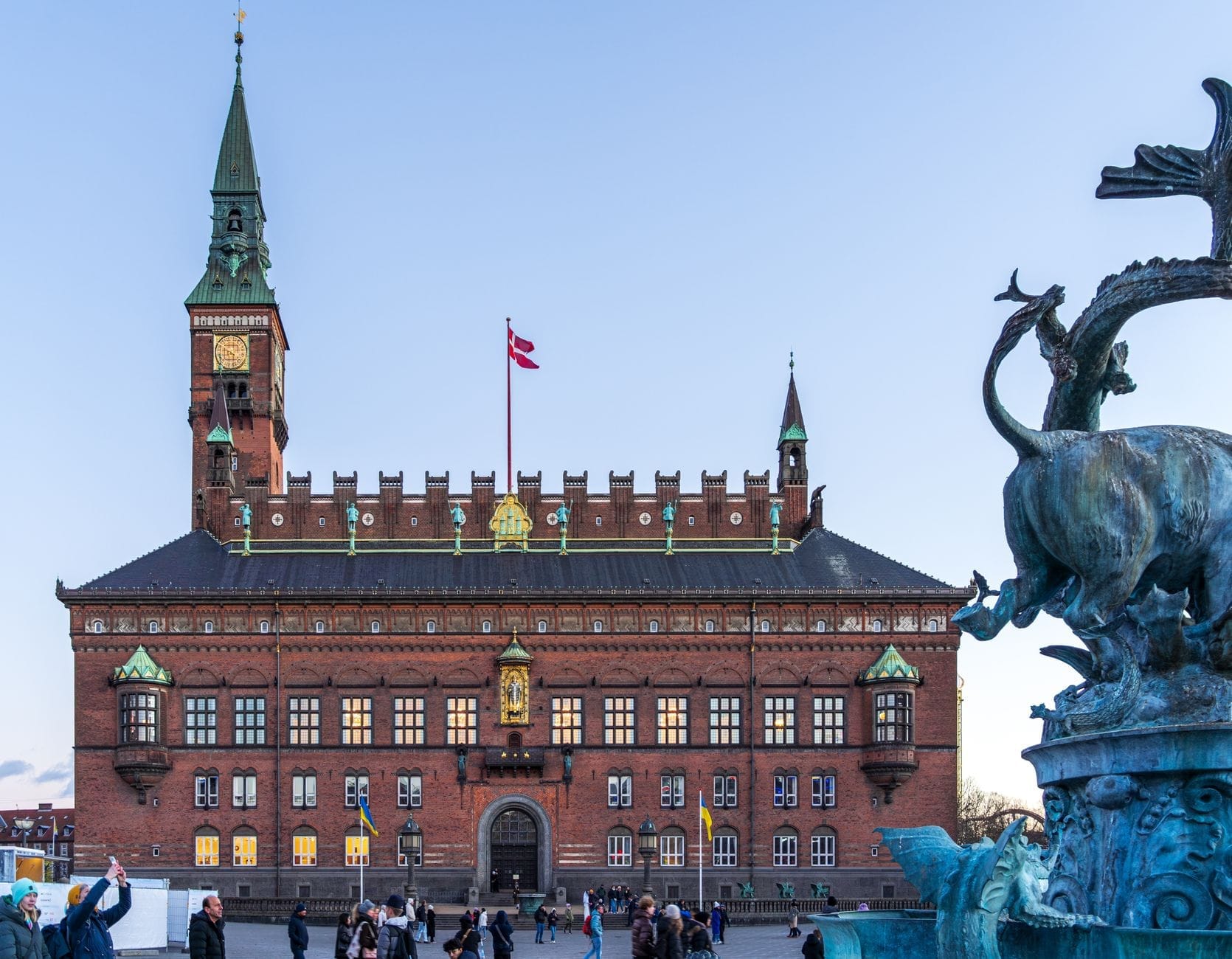
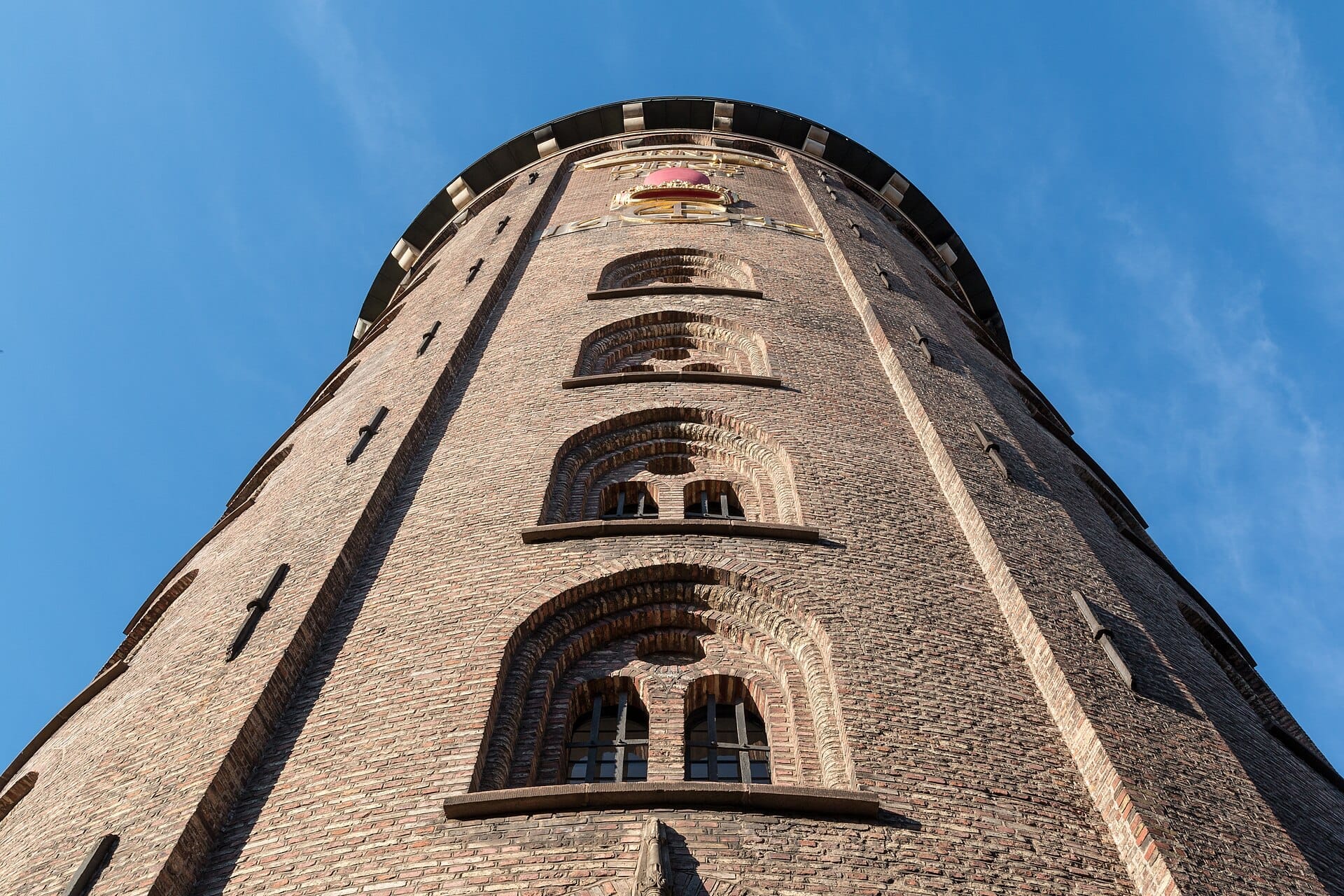
The pedestrian axis of Strøget runs roughly 1.1 kilometers from City Hall Square (Rådhuspladsen) east to Kongens Nytorv, making it one of Europe's longest car-free shopping streets. It is more retail than cultural attraction at this point, but the street itself is worth walking for its architecture and the rhythm of small squares punctuating the route. Just north of Strøget's midpoint, the Round Tower on Købmagergade dates from 1642 and offers one of the best elevated views in the city, reached via a spiral ramp rather than stairs.
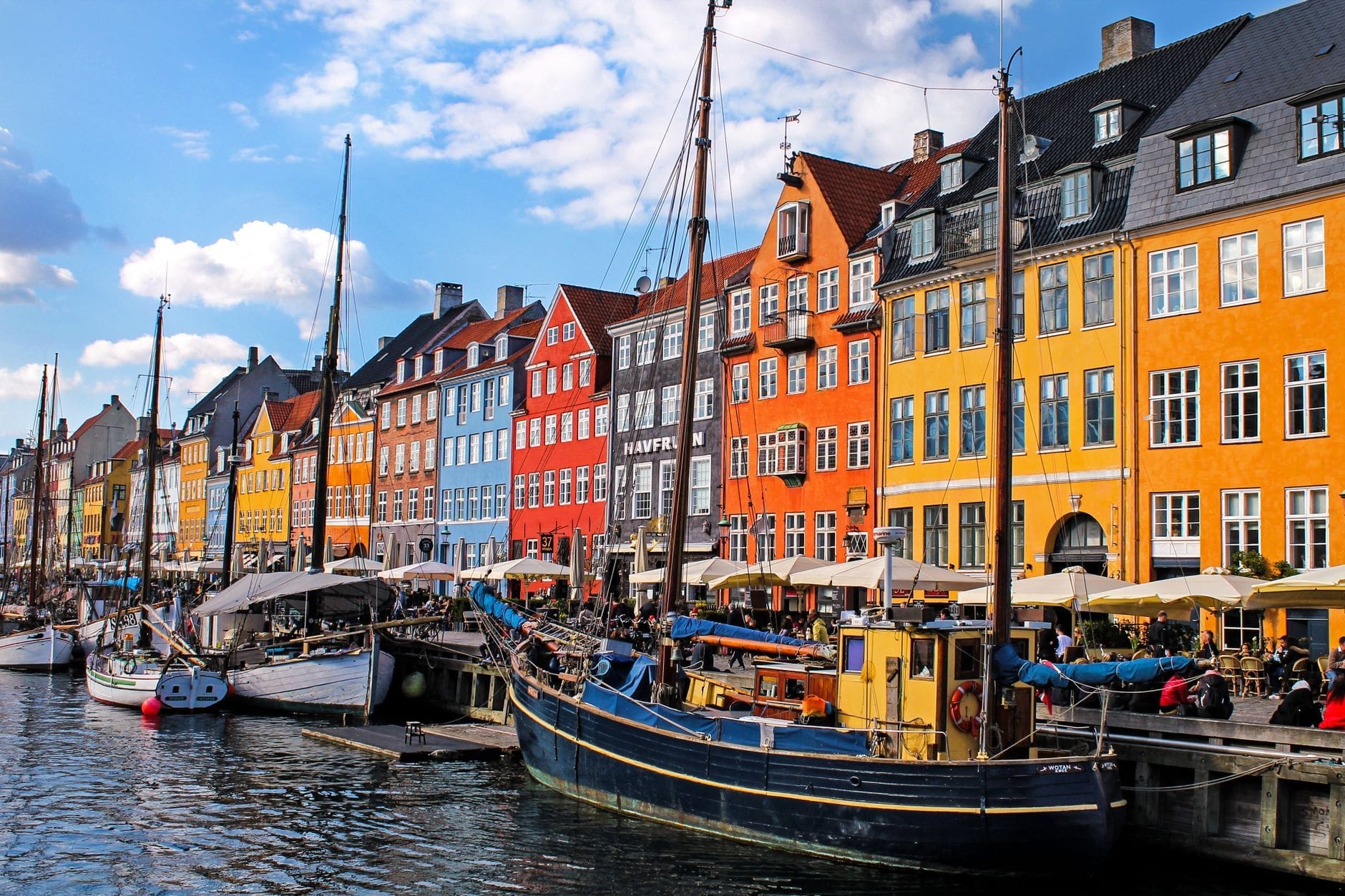
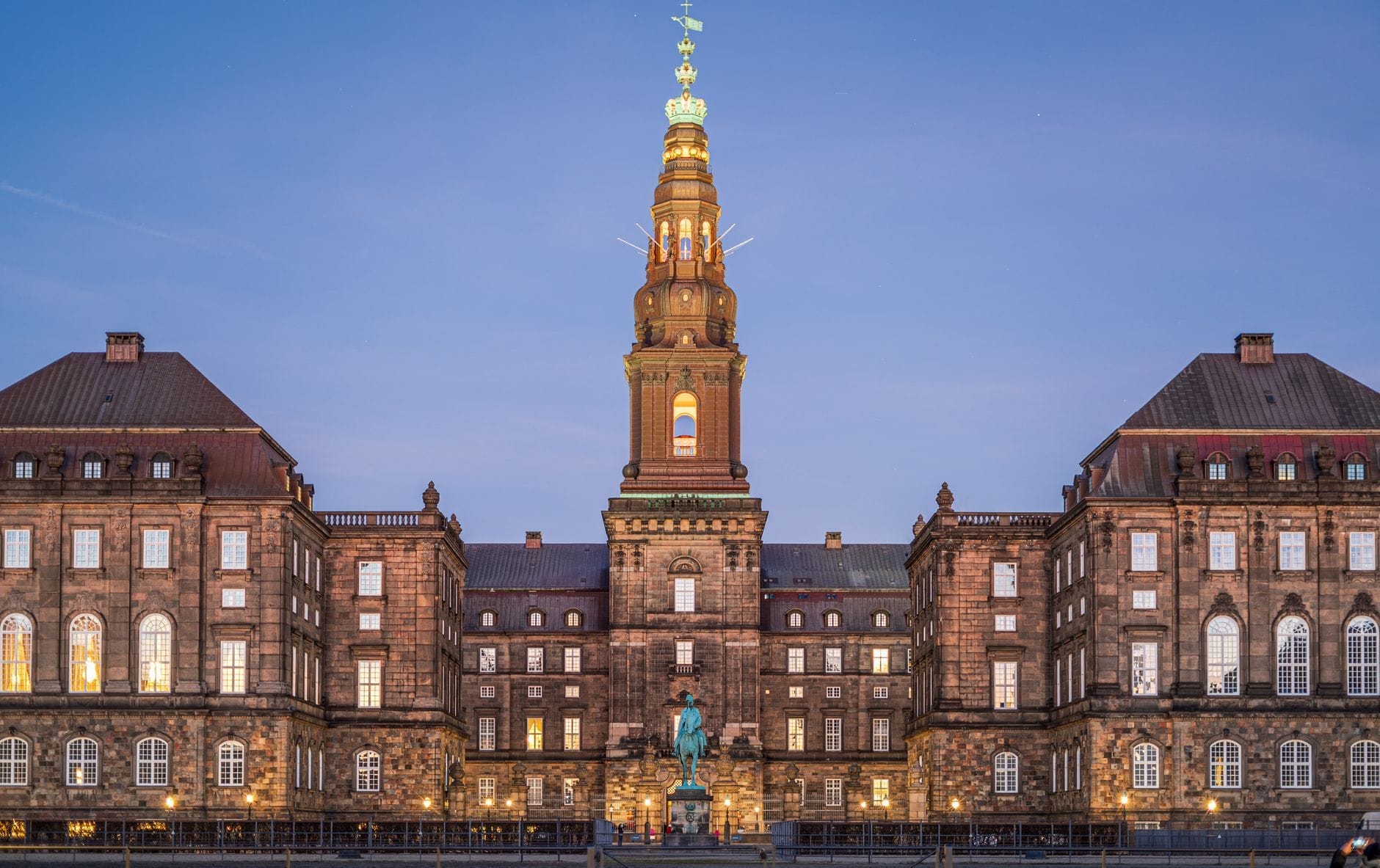
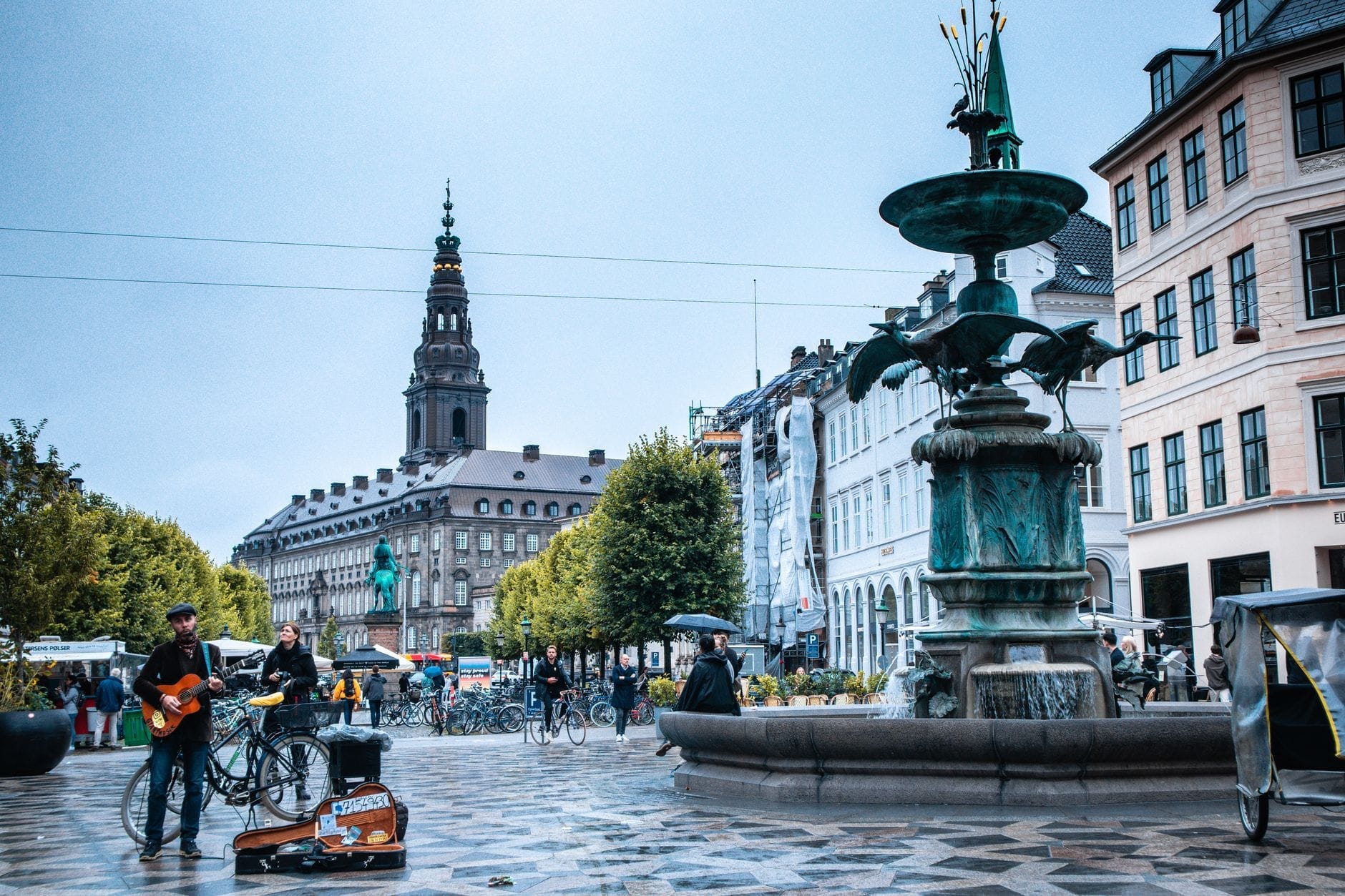
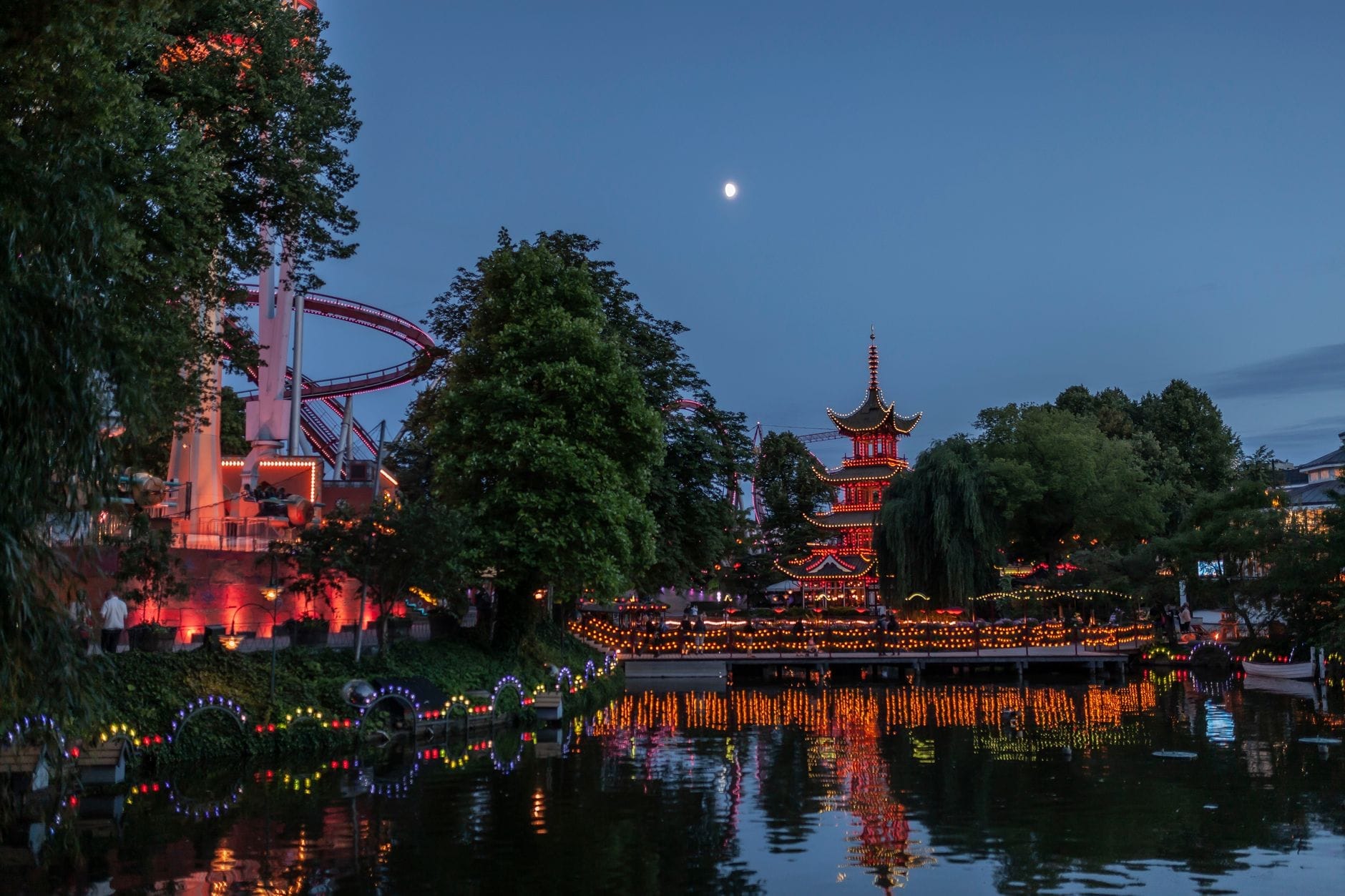
The southern edge of the district is dominated by Tivoli Gardens, the amusement park that has operated since 1843 and retains a genuine charm alongside its tourist-magnet status. Nearby, Christiansborg Palace on the Slotsholmen island peninsula is where the Danish Parliament, Supreme Court, and Prime Minister's office share a single complex, a uniquely Danish arrangement of governmental functions. The palace tower offers a free panoramic view from its observation platform. To the east along the waterfront, Nyhavn canal is the district's most photographed spot: a row of 17th and 18th-century merchants' houses in red, yellow, and ochre, reflected in the canal.
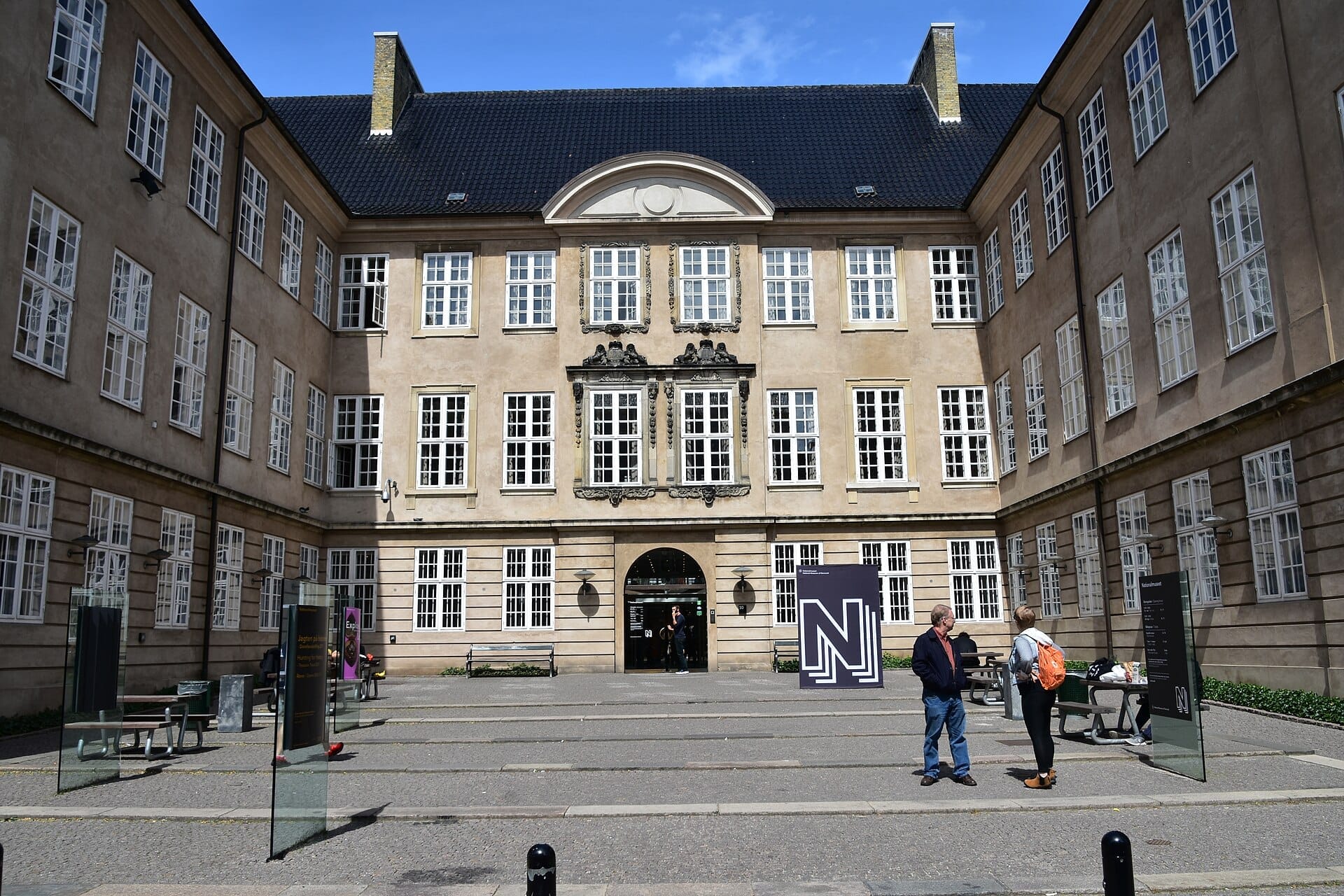
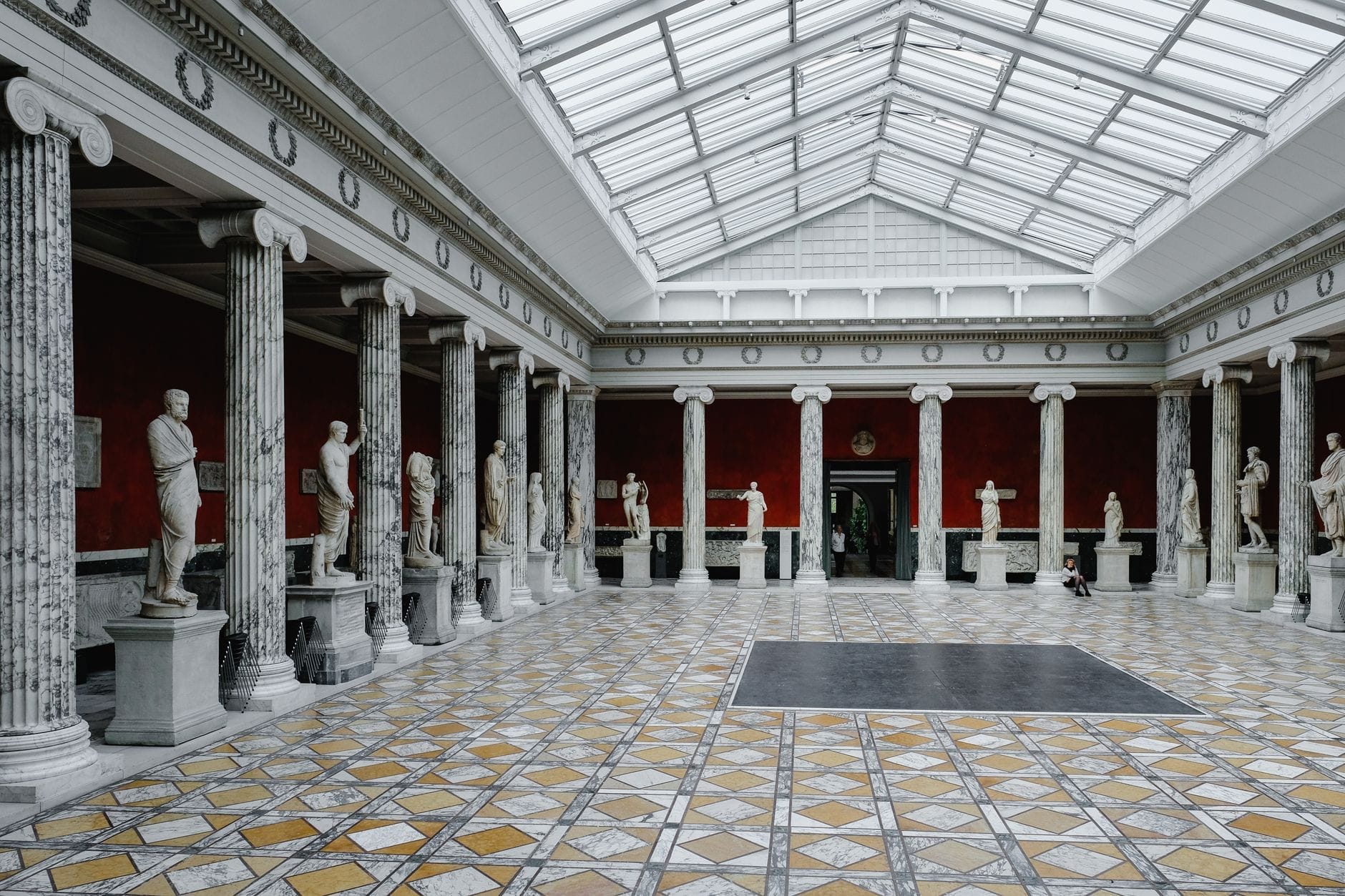
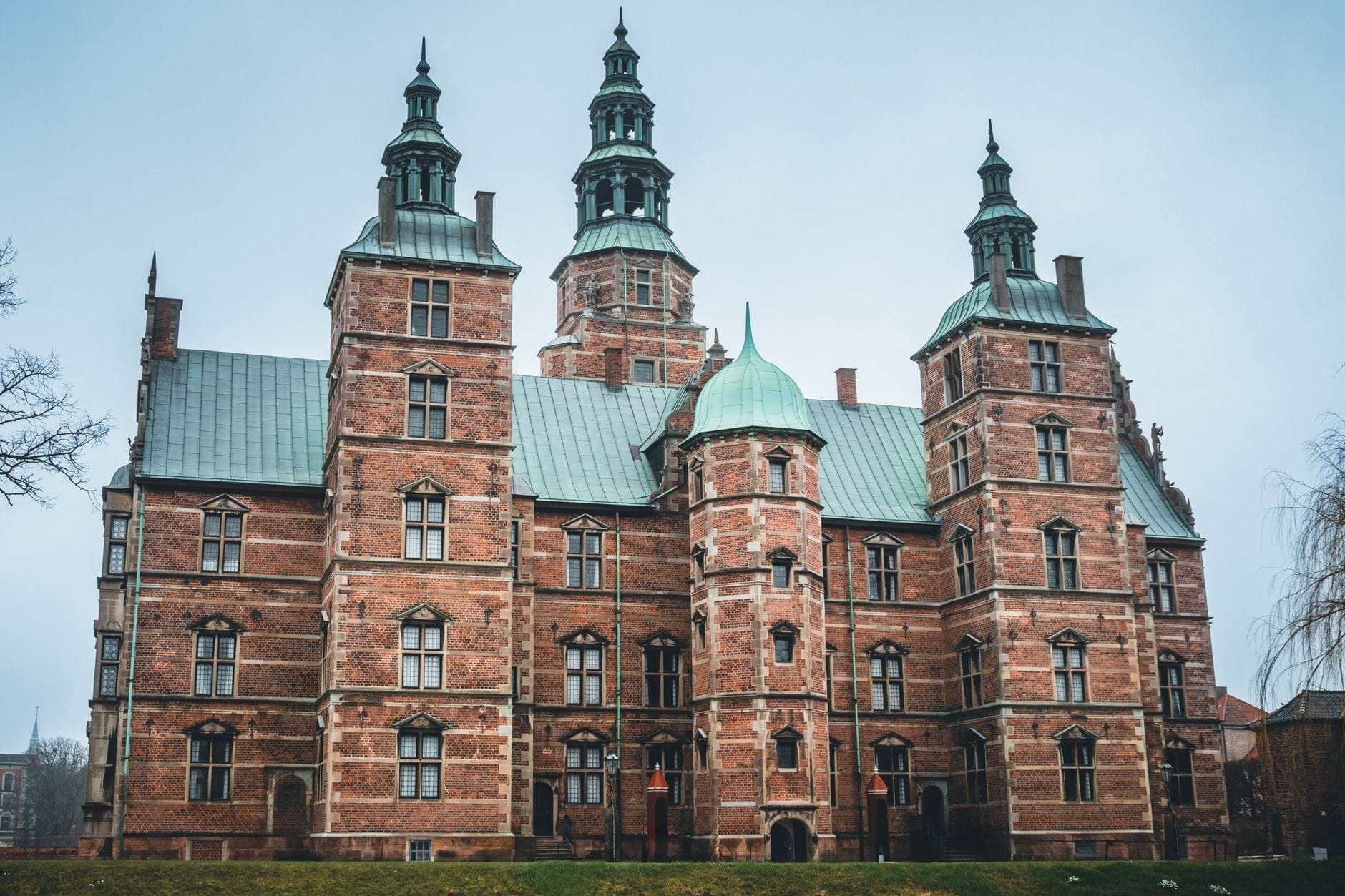
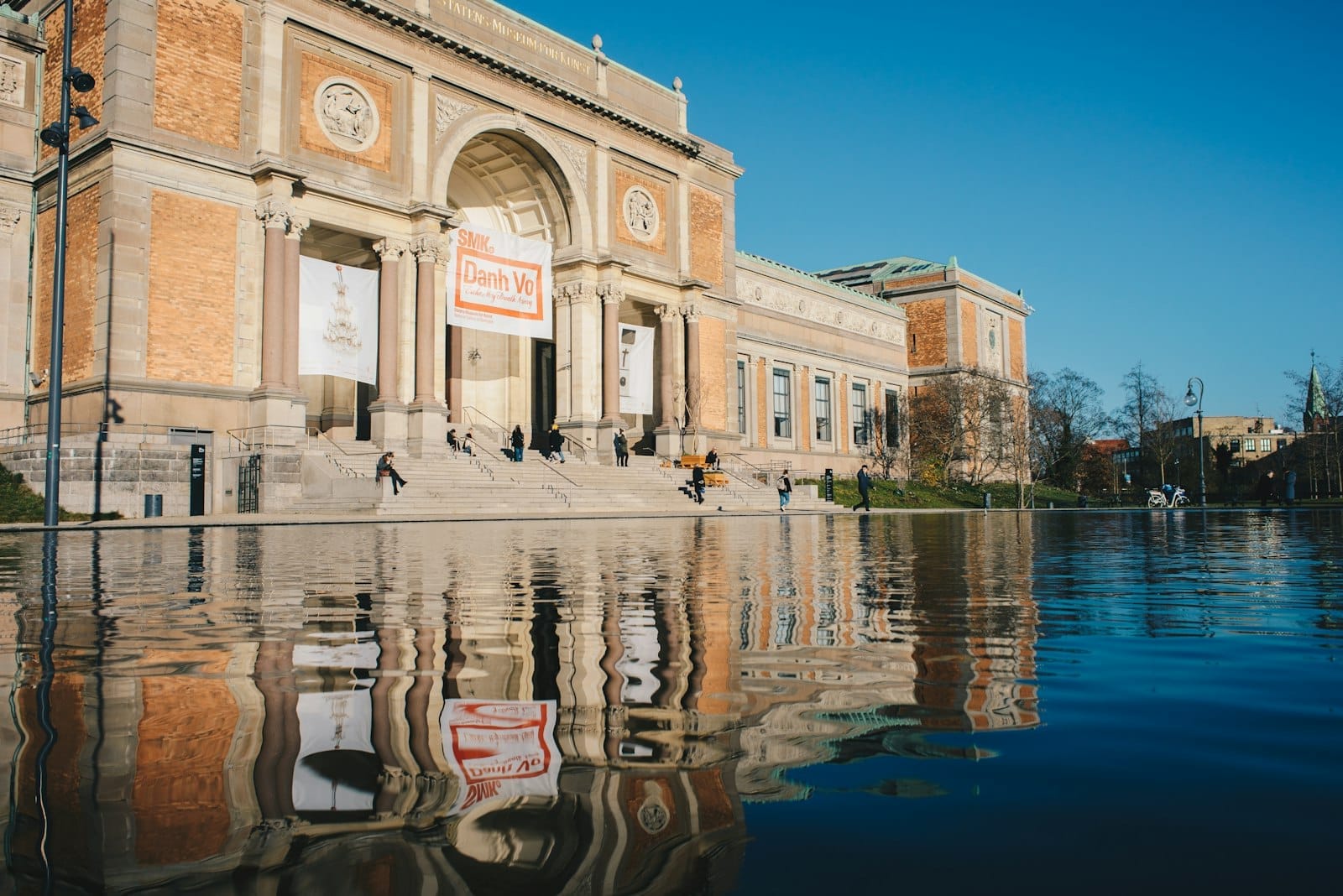
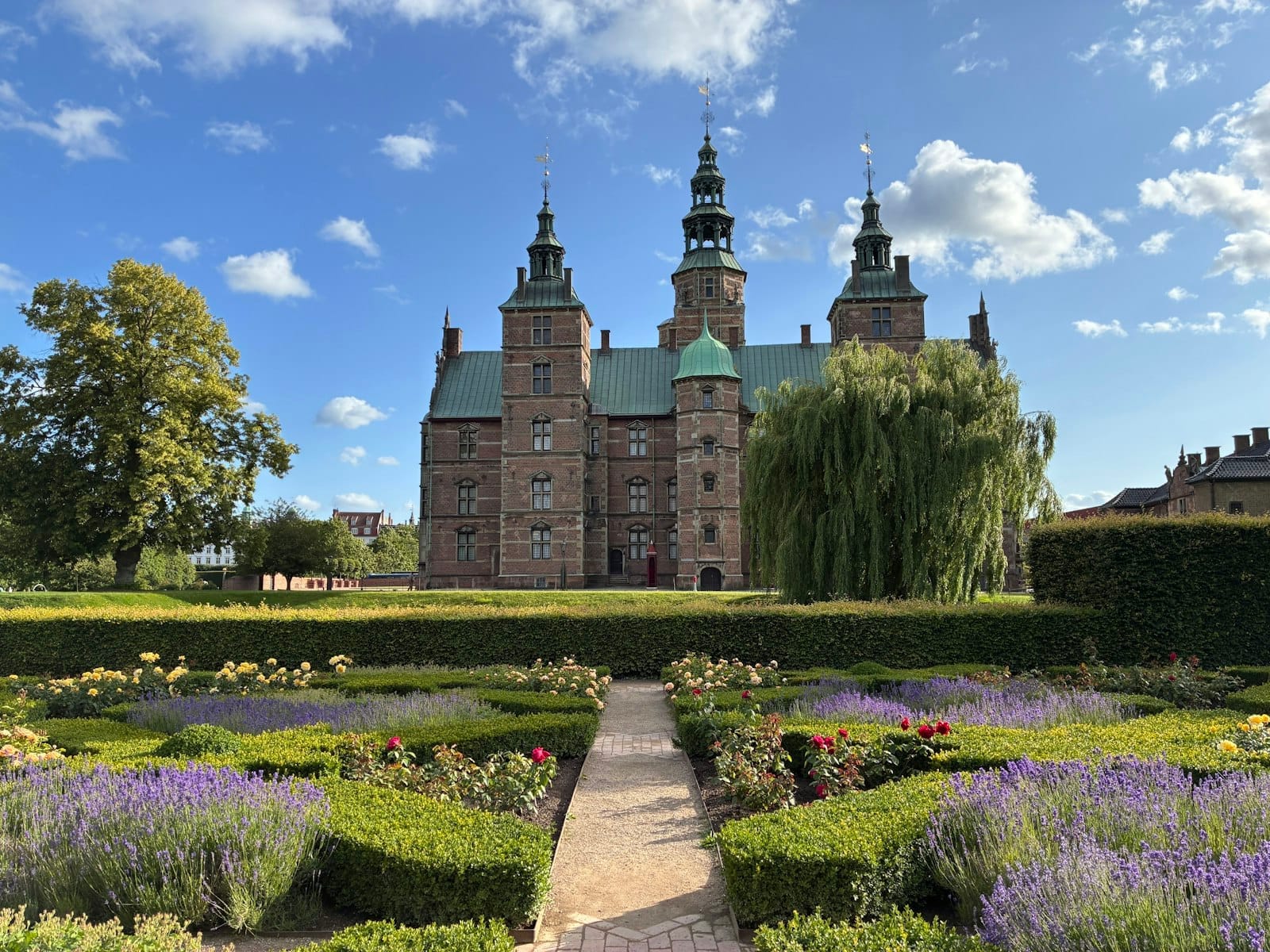
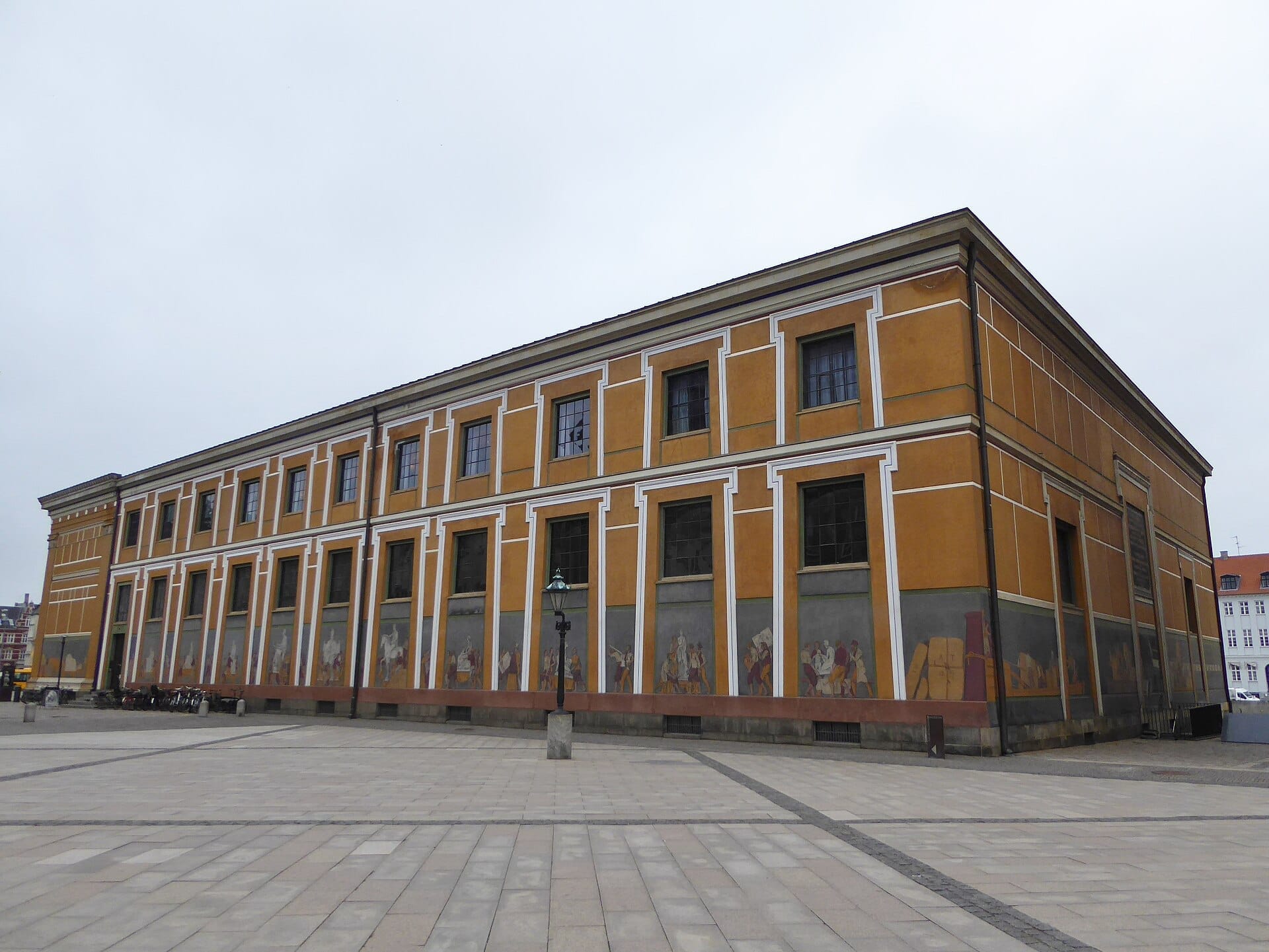
For museums, the district is equally well-stocked. Rosenborg Castle sits at the northern edge of Indre By within the King's Garden, housing the Danish Crown Jewels. The National Museum of Denmark on Ny Vestergade covers Danish history from the Stone Age forward. The Ny Carlsberg Glyptotek near Tivoli holds an exceptional collection of ancient Mediterranean and French Impressionist art in a building worth visiting for its winter garden alone.
Rosenborg Castle and the King's Garden: royal collections and green space in the same visit
The Round Tower (Rundetårn): 17th-century observatory with city views, no elevator required
Christiansborg Palace tower: free access to the highest publicly accessible point in central Copenhagen
Nyhavn canal: best viewed in the early morning or at dusk when the crowds thin
Tivoli Gardens: more interesting than its reputation suggests, especially in the evening when the illuminations are on
Ny Carlsberg Glyptotek: often overlooked in favor of bigger names, consistently one of the best museums in the city
Gråbrødretorv square: one of the most atmospheric corners of the medieval street plan
ℹ️ Good to know
The Copenhagen Card covers free entry to many major attractions in Indre By including Rosenborg Castle, the National Museum, and Tivoli, plus unlimited transit across the network. If you are planning three or more paid attractions in a single day, it is worth running the numbers before buying individual tickets.
Eating & Drinking
The food landscape in Indre By is uneven in the way that any tourist-heavy central district tends to be. The blocks immediately around Nyhavn and Strøget are lined with restaurants that trade heavily on location, with prices to match and quality that often does not keep pace. The advice from anyone who knows Copenhagen well is consistent: walk one or two blocks off the main tourist corridors and the options improve noticeably.
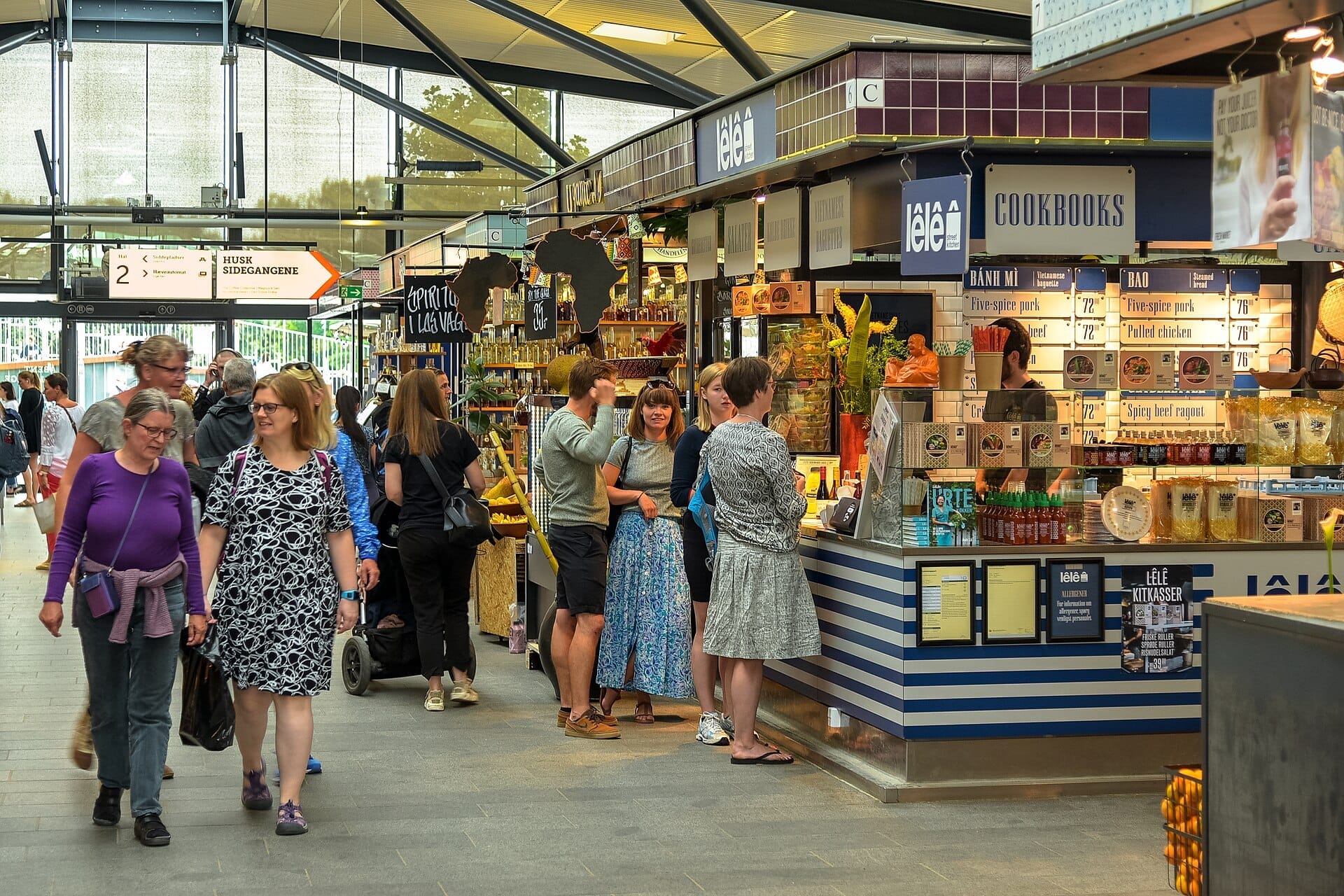
The most reliable food destination in the district is Torvehallerne, the covered market halls at Israels Plads near Nørreport station. Opened in 2011, the two glass halls bring together fresh produce vendors, specialist food stalls, coffee roasters, and prepared food counters. This is where to find good smørrebrød (open-faced rye bread sandwiches), fresh fish, artisan coffee, and a cross-section of Copenhagen food culture in one compact space. Lunch here on a weekday is one of the more authentic eating experiences available in Indre By.
The streets south and east of Strøget, particularly around Kompagnistræde and the Latin Quarter lanes north of the shopping axis, have a denser concentration of independent cafés and mid-range restaurants. The Latin Quarter, roughly the area around the University of Copenhagen's historic buildings, has a slightly slower pace and more local patronage than the tourist spine. For traditional Danish cuisine, smørrebrød at a proper frokostrestaurant (lunch restaurant) is the format to seek out: a set of open-faced sandwiches served in sequence, typically at lunch only.
Coffee culture in Copenhagen is serious, and Indre By has outposts of several of the city's respected roasters. For drinking after dark, the nightlife corridor around Studiestræde in the western part of the district has a concentration of bars with a more local, less tourist-facing character than the Nyhavn strip. The Nyhavn waterfront bars are famous, atmospheric, and expensive in roughly equal measure.
⚠️ What to skip
Eating and drinking in Indre By can be significantly more expensive than in neighboring districts like Vesterbro or Nørrebro. Budget travelers should treat the Nyhavn and Strøget restaurant strips as scenic backdrops rather than dining destinations, and use Torvehallerne or the market hall for affordable, quality food.
Getting There & Around
Indre By is Copenhagen's main transit hub, which means getting there is rarely complicated. The Metro's M1 and M2 lines both serve Kongens Nytorv at the eastern edge of the district, one of the network's busiest interchange stations. Nørreport station, at the northern edge of Indre By, is the city's single busiest transit node, served by both Metro lines and the S-train network (the suburban rail system). Rådhuspladsen (City Hall Square) serves as the anchor for numerous bus routes converging from across the city.
From Copenhagen Airport (CPH), the Metro M2 runs directly to Kongens Nytorv without any connection, making it one of the most straightforward airport-to-center connections of any major European city. The journey takes approximately 15 minutes and runs around the clock, though fares vary by zone and should be checked before travel.
Within the district, walking is the primary mode of movement. The car-free Strøget spine and the network of pedestrianized lanes make cycling practical but slow during peak tourist hours. Cycling is genuinely useful for reaching the edges of Indre By quickly, particularly the harbor path south toward Christianshavn or north toward Kastellet and the Langelinie promenade. City bikes are available through the Bycyklen electric bike-share system, with stations distributed across the district.
For day trips beyond the city, Indre By's central position makes it an effective base. The regional rail network accessible from Nørreport and Copenhagen Central Station reaches destinations including Louisiana Museum of Modern Art in around 40 minutes and Kronborg Castle in Helsingør in about 45 minutes.
Where to Stay
Indre By has the highest concentration of hotels in Copenhagen, ranging from international chains near Central Station to smaller boutique properties in the medieval lanes around Strøget. Staying here puts every major attraction within walking distance, which has obvious practical advantages for first-time visitors with a short itinerary. The trade-off is price: hotels in Indre By are consistently among the most expensive in the city, and the rooms near busy nightlife areas can be noisy on weekend nights.
For location, the sweet spot within Indre By is the area north of Strøget and west of Kongens Nytorv, roughly the Latin Quarter and the streets around Gråbrødretorv. This puts you within easy walking distance of both the major sights and the Metro, while being slightly removed from the loudest late-night streets. The area near Nyhavn is heavily touristed and premium-priced; the blocks around Central Station and Tivoli are convenient but not especially characterful.
Travelers who prioritize neighborhood character over central convenience may find that staying in Vesterbro or Nørrebro and visiting Indre By by Metro or on foot gives a more rounded experience of Copenhagen. Both neighborhoods are within 15 to 20 minutes of Indre By's main attractions, with more independent restaurants, better value accommodation, and a stronger sense of how the city actually lives. See the full where to stay in Copenhagen guide for a detailed comparison across all districts.
Practical Notes for Visitors
Indre By is generally safe by any measure applicable to European capitals. The main practical concern in peak season is petty theft in crowded conditions, particularly around Nyhavn, Strøget, and Tivoli, where high tourist density creates the usual opportunities. Standard urban precautions apply: keep bags closed and in front, be aware in crowded squares, and treat unsolicited approaches with the usual caution.
The district is compact enough that almost no sight requires a taxi or transit within the area. From the Nyhavn end to Tivoli at the western edge is around 1.5 kilometers, easily covered in 20 minutes on foot. The terrain is entirely flat, with well-maintained pavements and extensive pedestrian infrastructure. Copenhagen's tap water is safe to drink throughout the city, which matters when you are doing a full day of walking in summer.
Tipping is not customary in Denmark in the way it is in North America; service charges are included in prices, and rounding up a bill is optional rather than expected. English is spoken fluently across the district in virtually every tourist-facing context. For planning a broader visit to the city's attractions, the Copenhagen Card guide explains exactly which sites are covered and whether the pass makes financial sense for your itinerary.
TL;DR
Indre By is the historic core of Copenhagen: compact at 4.65 km², walkable in under 30 minutes end to end, and home to the city's highest concentration of major landmarks and museums.
Best for first-time visitors who want maximum sightseeing density and easy access to every corner of Copenhagen via the Metro and S-train network.
The tourist-facing strips around Nyhavn and Strøget are expensive and crowded at peak times; side streets and the Latin Quarter offer a noticeably quieter and more local experience.
Torvehallerne at Nørreport is the standout food destination within the district; avoid the restaurant strips directly on the waterfront if budget or quality are priorities.
Travelers wanting neighborhood character alongside central access should consider staying in Vesterbro or Nørrebro and visiting Indre By by foot or Metro, rather than paying hotel premiums for a central address.
Two days in København is genuinely enough to cover the city's royal palaces, canal district, world-class food markets, and Freetown Christiania without feeling rushed. This itinerary sequences the sights logically, cuts the walking time, and flags what is actually worth your limited hours.
Copenhagen has an unusually strong museum scene for a city its size, with world-class collections spanning ancient history, modern art, design, and Nordic heritage. This guide covers the best museums in Copenhagen, from the grand institutions in Indre By to extraordinary day-trip destinations just outside the city.
Copenhagen rewards visitors year-round, but the right month depends entirely on what you want from the trip. This guide breaks down weather, crowds, pricing, and seasonal events so you can match your travel style to the right window.
Copenhagen Airport (CPH) sits just 8 km from the city centre, and your airport transfer takes as little as 13 minutes by metro or train. This guide breaks down every option — public transport, taxi, and private transfer — with real fares, journey times, and honest advice on what to skip.
The Copenhagen Card promises free entry to 80+ attractions and unlimited public transport across the Danish capital. But is it actually worth the price? This guide breaks down the numbers, the fine print, and who genuinely benefits.
Copenhagen transforms in winter. From the ticketed spectacle of Tivoli Gardens to free canal-side markets and steaming mugs of gløgg, this guide covers everything you need to plan a Christmas visit to København with confidence.
Copenhagen is one of the world's most architecturally ambitious cities, named UNESCO/UIA World Capital of Architecture in 2023. This guide covers the essential museums, landmark buildings, contemporary projects, and practical routes for anyone serious about design and architecture in København.
Copenhagen food culture runs deeper than Noma's legacy. This guide covers the essential dishes, best markets, smartest restaurant picks, and seasonal foods that define eating in the Danish capital — across every budget.
October in Copenhagen (København) is one of the most underrated times to visit. Tivoli transforms into a Halloween wonderland with over 20,000 pumpkins, the crowds thin out compared to summer, and the city's museums and food scene hit their stride. This guide covers the weather, the best events, what to prioritize, and what to skip.
Summer is Copenhagen's peak season, with up to 17 hours of daylight, open-air festivals, free harbour swimming, and parks packed with locals. This guide covers the weather, major events, best activities, and practical tips for visiting in June, July, and August.
The Copenhagen Jazz Festival runs for 10 days every July, filling the Danish capital with around 1,200 concerts across 120 venues. This guide covers dates, tickets, free events, the best neighborhoods to explore, and everything you need to plan your visit.
Copenhagen's after-dark scene is disproportionately strong for a city its size. From precision cocktail bars in the Latin Quarter to techno clubs in the Meatpacking District, this guide cuts through the noise and tells you exactly where to go, when to arrive, and what to expect — including what costs more than it should.
Copenhagen (København) has a reputation as one of Europe's priciest capitals, and that reputation is not entirely unfair. But with the right passes, free attractions, and a few local habits, you can experience the city fully without a sky-high bill. This guide breaks down exactly where your money goes and where you can save it.
Copenhagen rewards shoppers at every level, from international flagships on Strøget to vintage finds on Jægersborggade. This guide breaks down where to shop by neighborhood, what to buy, how much to spend, and which spots to skip.
Smørrebrød is Denmark's defining lunch tradition, and Copenhagen is the best place in the world to eat it. This guide covers the top restaurants, what to order, how much to pay, and the customs first-timers always get wrong.
Copenhagen (København) is one of Europe's most walkable capitals. This guide covers the classic self-guided walking tour route from Tivoli Gardens to Nyhavn and beyond, with practical details on distances, free stops, seasonal timing, and digital tools to make your day on foot count.
Copenhagen is one of Europe's most genuinely child-friendly capitals, with discounted museum entry, excellent playgrounds, and a compact city center that makes logistics manageable. This guide covers the best family activities in Copenhagen, from Tivoli Gardens to canal cruises, plus honest advice on passes, costs, and seasonal planning.
Copenhagen has roughly 350 km of segregated cycle tracks, and Copenhagen has roughly 350 km of segregated cycle tracks, and nearly half of all people who work or study in the city bike to work or school every day. This guide covers everything a visitor needs to cycle the city confidently: where to rent, which routes to ride, what the unwritten rules are, and when to go.
Copenhagen sits at the centre of an extraordinary region. Within two hours, you can reach UNESCO-listed castles, world-class art museums on clifftops, a remarkably preserved fishing village, and an entirely different country. These are the best day trips from Copenhagen, whether you have a full day or just an afternoon.
Copenhagen is one of Europe's most rewarding cities to explore on a tight budget. From free museum days and royal palaces to harbour swims and world-class parks, here are 20 genuinely free experiences that capture the best of the Danish capital.
Copenhagen's integrated transport network is one of Europe's most efficient. This guide covers the metro, S-trains, buses, cycling, taxis, and airport connections — with 2026 fares, zone logic, and practical advice on what's worth the money.
Copenhagen holds the key to understanding Hans Christian Andersen's life and work. From his former apartments along Nyhavn canal to his grave in Nørrebro, this guide maps every significant stop on the city's literary trail, with practical logistics for each.
Copenhagen rewards curious travellers who look beyond Nyhavn and Tivoli. This guide uncovers the city's overlooked neighbourhoods, underrated museums, and unexpected green spaces that locals actually love.
Copenhagen didn't accidentally become one of Europe's great food cities. The New Nordic movement, formalized in 2004, rewired how chefs here think about ingredients, technique, and season. This guide covers the key restaurants, price realities, seasonal logic, and how to experience the movement beyond fine dining.
Copenhagen rewards visitors with a rare combination of world-class history, cutting-edge design, and outdoor culture. This guide covers the best things to do in Copenhagen across every interest and budget, with honest assessments and practical logistics to help you plan confidently.
Choosing where to stay in Copenhagen shapes your entire trip. This guide breaks down every major neighborhood by budget, transport links, atmosphere, and traveler type — so you can book with confidence, not guesswork.