What to Eat in Copenhagen: A Food Lover's Complete Guide
Copenhagen food culture runs deeper than Noma's legacy. This guide covers the essential dishes, best markets, smartest restaurant picks, and seasonal foods that define eating in the Danish capital — across every budget.
Plan and book this trip
Tools from our partner Travelpayouts help you compare flights and hotels. If you book through them, we may earn a commission at no extra cost to you.
Flights
Hotels map
TL;DR
- Copenhagen food ranges from DKK 30 hot dogs at street stands to multi-course tasting menus at Michelin-starred restaurants — budget eating is absolutely possible.
- Smørrebrød (open-faced rye bread sandwiches) and rød pølse (Danish hot dogs) are the two dishes you must try — see our smørrebrød guide for the full breakdown.
- New Nordic cuisine put Copenhagen on the global food map — the wider region holds over 25 Michelin stars, including three stars for Alchemist.
- Torvehallerne market near Nørreport is the single best place to eat across multiple styles in one stop.
- Book popular restaurants weeks in advance — walk-ins at well-regarded spots are rarely possible, especially on weekends.
The Essential Danish Dishes You Need to Try
Copenhagen food is not a single cuisine — it's a layered mix of centuries-old Danish tradition, hyperlocal New Nordic innovation, and a genuinely international street food scene. But before chasing Michelin stars, there are a handful of dishes that define the city's culinary identity. Skip these and you've missed the point.
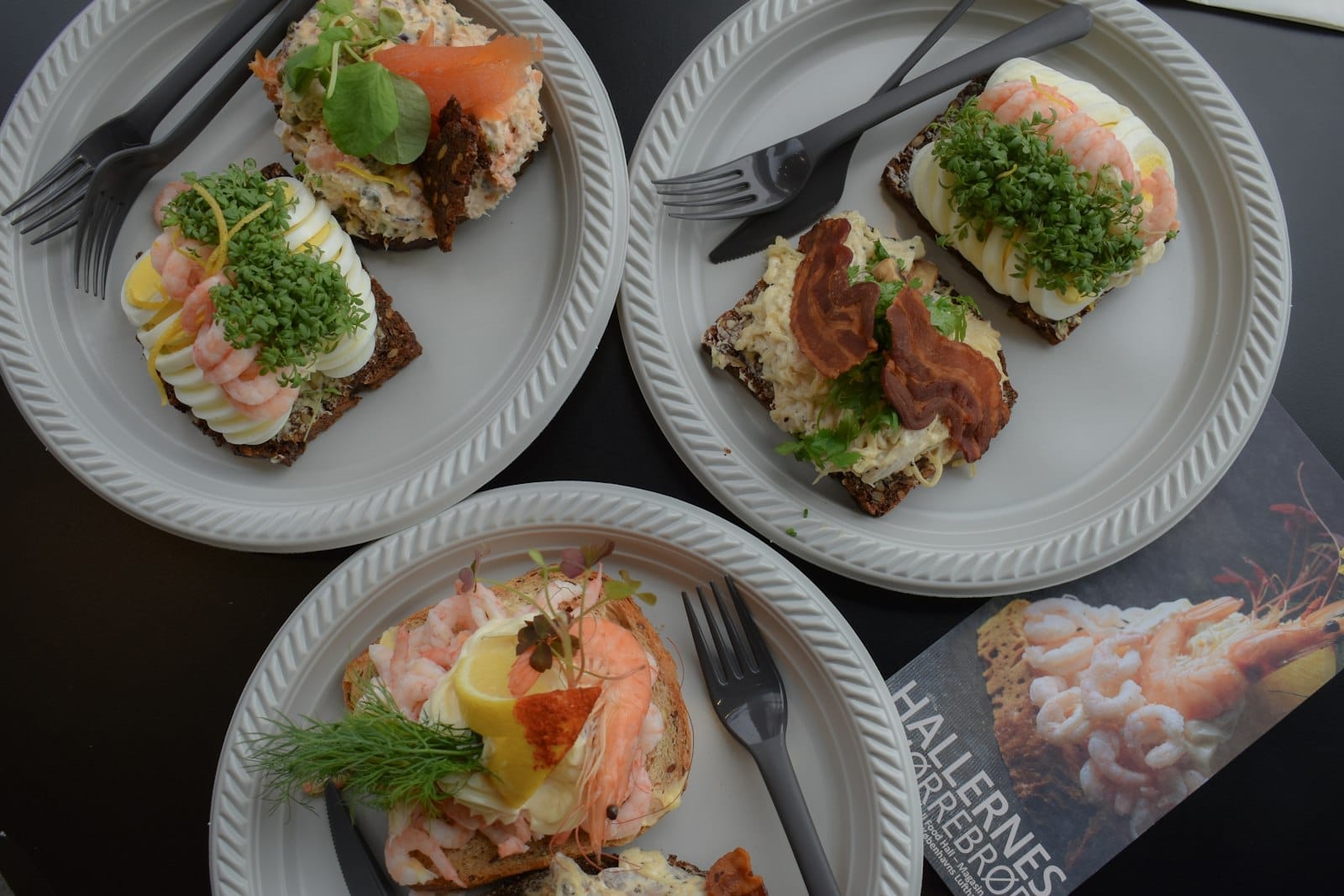
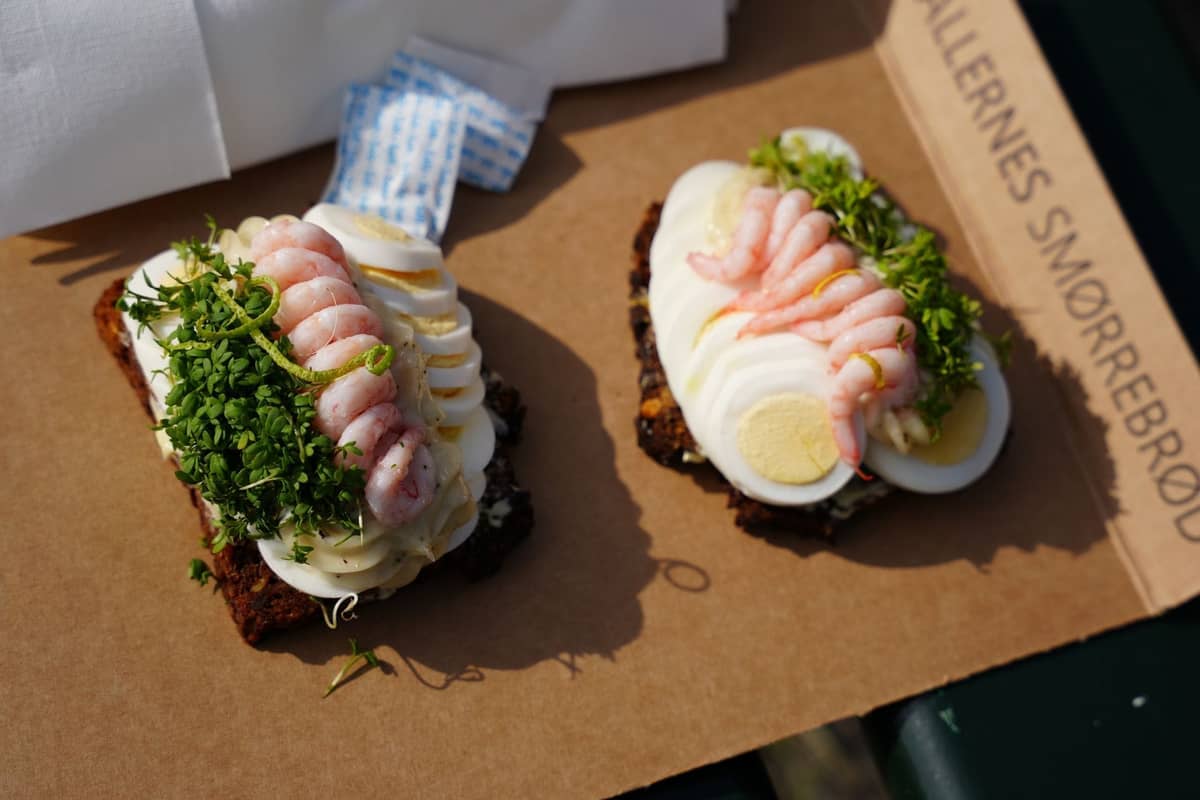
- Smørrebrød Open-faced sandwiches on dense rye bread (rugbrød), topped with combinations like pickled herring, cold shrimp, roast beef with remoulade, or potato slices with chives. The bread itself has a sharp, fermented flavor that takes some adjusting to. Served at lunch — most dedicated smørrebrød restaurants close by 3pm.
- Rød pølse The bright-red Danish hot dog, sold from polsevogn (sausage wagons) across the city. Topped with mustard, ketchup, remoulade, raw and fried onions, and pickled cucumbers. DØP near the Round Tower does an organic version. Prices typically run 35–55 DKK.
- Flæskesteg Slow-roasted pork with crackling — the skin is scored, salted, and roasted until it shatters. Most associated with Christmas but available year-round in traditional Danish restaurants. Often served with red cabbage and boiled potatoes.
- Koldskål A cold buttermilk dessert soup, lightly sweetened, served chilled with kammerjunkere (small crispy biscuits). Strictly a summer dish — you'll find it in supermarkets and cafés from roughly May through August.
- Fastelavnsboller Cream- or jam-filled sweet buns sold during the Fastelavn carnival period, roughly January through early March. Bakeries compete intensely on these — they sell out early on weekends.
💡 Local tip
Smørrebrød is a lunch institution in Copenhagen. Most dedicated restaurants serve it only between 11:30am and 2:30–3pm. If you show up at 4pm expecting it, you'll be out of luck. Plan your midday schedule around it.
New Nordic Cuisine: What It Actually Means
New Nordic cuisine is real and worth seeking out — but it's often misunderstood. It's not just artistic plating on slate tiles. The movement, crystallized at Noma in the mid-2000s, prioritizes ingredients sourced from Scandinavia and the surrounding region: sea buckthorn, ramson, fermented vegetables, foraged herbs, aged dairy, and underused cuts of local animals. The philosophy is about restraint, seasonality, and technique that highlights rather than transforms raw ingredients.
The wider Copenhagen region holds over 25 Michelin stars. Alchemist holds three stars and operates as much as a theatrical experience as a restaurant — 50 courses across multiple rooms, with tickets selling out months ahead. Geranium holds three stars and Jordnær holds two stars. For serious food travelers, these are significant destinations. But the New Nordic ethos also filters down into mid-range Copenhagen restaurants, where you'll find seasonal tasting menus at 400–700 DKK per person without the months-long wait. If you're planning a fine dining evening, check our New Nordic cuisine guide for current restaurant picks and booking strategy.
⚠️ What to skip
Do not assume you can walk into a well-reviewed Copenhagen restaurant for dinner on a Friday or Saturday. Barr, Kadeau, Geranium, and similar restaurants require reservations weeks to months in advance. Check availability before you finalize your travel dates if a specific restaurant is the priority.
Markets, Street Food, and Eating Without a Reservation
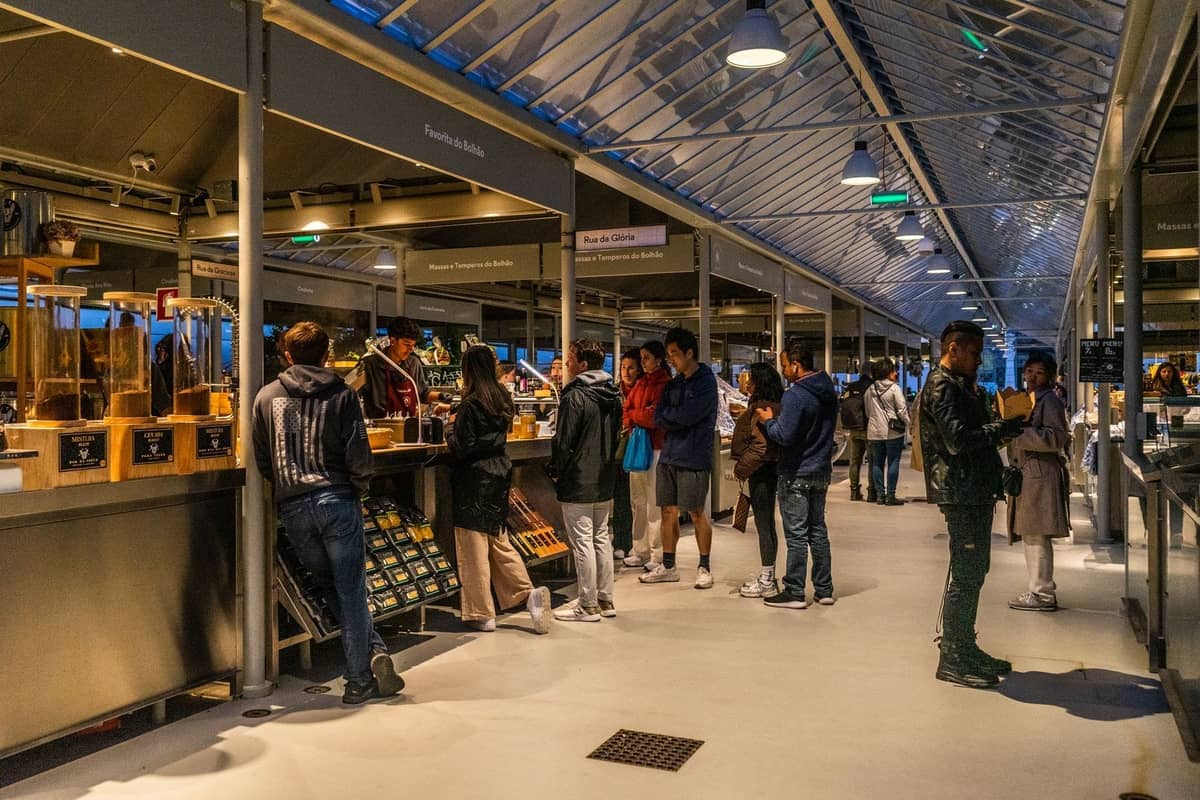
The best Copenhagen food experience for most visitors doesn't require a reservation at all. Torvehallerne, the covered market near Nørreport station, is genuinely the easiest place to eat well without planning ahead. Two glass-and-steel halls hold around 60 stalls: fish and chips, smørrebrød, fresh pasta, Mexican tacos, butchers, fishmongers, cheese counters, and specialty coffee. Prices are reasonable for the city — expect to spend 80–150 DKK for a solid lunch. The market is busiest Thursday through Saturday and typically closes Sundays at 6pm.
For a more casual street food atmosphere, Reffen on the Refshaleøen peninsula operates as a large outdoor street food market from spring through autumn. It's deliberately informal — shipping containers, picnic tables, and stalls run by food entrepreneurs testing concepts. The variety is wide: dumplings, smash burgers, Thai food, natural wine bars. It closes for winter, so check dates before making a trip out there.
- Gasoline Grill Frequently cited as Copenhagen's best burger. Started in a repurposed gas station. The cheeseburger is simple and precise — smash patty, American cheese, pickles, special sauce. Multiple locations now. Expect a short queue at peak lunch hours.
- Grød A porridge-focused concept that works better than it sounds. Grain bowls, risotto-style dishes, and sweet versions with seasonal toppings. Found at Torvehallerne and standalone locations. Good for breakfast or a light lunch.
- DØP (Den Økologiske Pølsemand) Organic hot dog stand near the Round Tower in Indre By. Arguably the most credible version of the classic rød pølse. Straightforward, quick, around 50–65 DKK.
- Hart Bageri One of the city's most respected bakeries, linked to restaurant Relæ's founder. Exceptional sourdough, pastries, and the cardamom buns that Copenhagen bakeries compete over. Queues form early on weekends.
- Juno the Bakery In Østerbro, known specifically for cardamom buns with a cult following. Gets there before 10am on weekends if you want one.
Copenhagen Restaurants by Budget
The reputation for expense is partly deserved — Copenhagen is consistently ranked among Europe's pricier cities to eat out in. But the gap between a bad meal and a good one is smaller than visitors expect once you know where to look. The city's overall food quality baseline is genuinely high.
Budget eating (under 150 DKK per person) is entirely viable. Hot dog stands, bakeries, Torvehallerne stalls, and the supermarket chains (Netto and Føtex) all offer solid options. Mid-range (200–400 DKK per person including a drink) is where Copenhagen genuinely excels. Bæst in Nørrebro does sourdough pizza and house-made charcuterie at around 100–135 DKK per pizza — considered fair value for the quality. For context on eating well without overspending, the Copenhagen on a budget guide covers food strategy alongside other cost-saving tactics.
✨ Pro tip
Lunch is the strategic move in Copenhagen. Many restaurants that are expensive at dinner offer pared-down lunch menus at 40–60% of the dinner price. This applies even to some Michelin-level spots. If you have one fine dining splurge, book a lunch service.
Tipping in Copenhagen restaurants is not obligatory. Service charges are typically included in the bill, and rounding up or leaving 10% for exceptional service is common but never expected. Tap water is safe to drink and will be brought to your table on request at no charge in most restaurants.
Eating by Neighborhood: Where to Go and Why
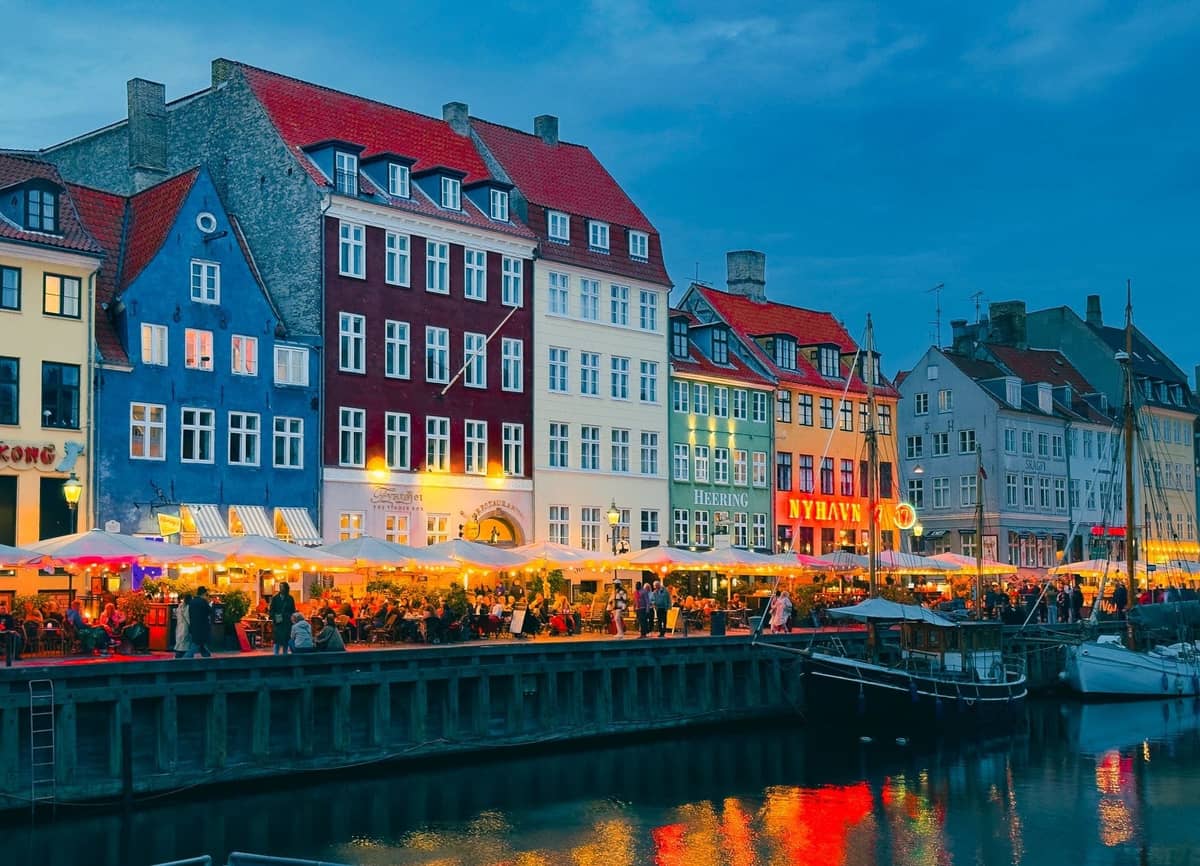
Where you eat in Copenhagen often depends on where you're based. The most tourist-concentrated area, Nyhavn, has some of the city's most photographed dining spots — and some of its most mediocre food. The canal-front restaurants targeting passing tourists tend to charge premium prices for below-average smørrebrød and seafood. There are exceptions, but Nyhavn is not where locals eat regularly.
Vesterbro is the neighborhood with the highest concentration of interesting restaurants relative to its size. The former meatpacking district (Kødbyen) now houses restaurants, bars, and food businesses. It's less polished than the city center but more interesting to eat in. Nørrebro offers multicultural eating with Middle Eastern, Asian, and South American spots alongside Danish cafés. Frederiksberg has a more residential character with some excellent neighborhood restaurants that rarely appear in tourist round-ups.
If you're doing a food-focused walk through the city, a Copenhagen walking tour that routes through Indre By and into Vesterbro will pass most of the key bakeries, markets, and street food options. Pair that with an evening reservation in Nørrebro or Christianshavn for a well-rounded day.
Seasonal Food and What to Eat When
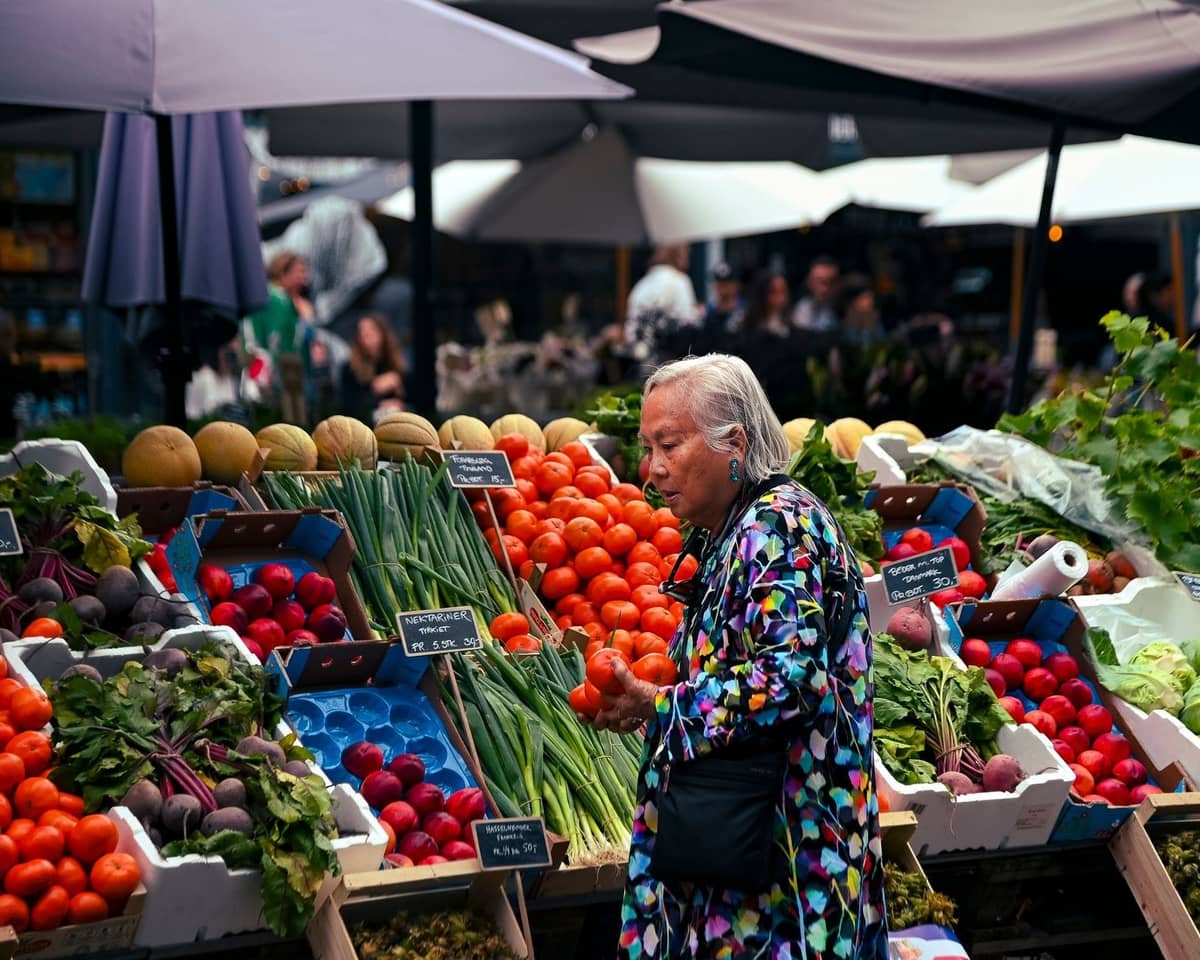
Copenhagen's food culture is genuinely seasonal in a way that many cities claim but few deliver. The New Nordic approach depends on it, but so does everyday Danish cooking. The following is a rough guide to what's worth prioritizing by time of year.
- Winter (December to February) Flæskesteg peaks at Christmas alongside æbleskiver (round pancake puffs with jam) and gløgg (mulled wine). Fastelavnsboller appear in bakeries from January. Hearty, warming food dominates menus.
- Spring (March to May) White asparagus season is a significant culinary event — Danish chefs treat it with reverence from around April through June. Look for it on seasonal tasting menus and at Torvehallerne.
- Summer (June to August) Koldskål and fresh berries. Outdoor eating becomes possible and Copenhageners take it seriously — Islands Brygge and canal-side spots fill up on warm evenings. Reffen is at its best. Strawberries from Danish farms are outstanding in June and July.
- Autumn (September to November) Game, root vegetables, mushrooms, and fermented preserves move to the center of seasonal menus. This is arguably the strongest period for New Nordic tasting menus. Fewer tourists means easier reservations.
For a deeper look at how the season affects what's available across the city, the best time to visit Copenhagen guide covers seasonal food alongside weather, crowds, and events.
FAQ
What is Copenhagen's most famous dish?
Smørrebrød — open-faced sandwiches on rye bread — is the most iconic Danish dish and worth trying at a proper smørrebrød restaurant rather than a tourist-facing café. Toppings like pickled herring, cold shrimp, and roast beef are traditional. It's served at lunch only.
Is food expensive in Copenhagen?
It can be, but it doesn't have to be. A hot dog from a street stand costs 35–55 DKK. A full lunch at Torvehallerne often runs 100–200 DKK. Mid-range restaurant dinners are typically 300–500 DKK per person with drinks. Michelin-level tasting menus start around 1,500 DKK and go significantly higher. Eating strategically — markets, bakeries, lunch menus — keeps costs manageable.
Do I need to book restaurants in advance in Copenhagen?
For any well-reviewed restaurant, yes. Copenhagen's food scene is small and demand from both locals and visitors is high. A restaurant like Kadeau or Barr typically requires booking two to four weeks ahead for weekend dinner. Michelin-starred spots can sell out months in advance. For casual spots, bakeries, and markets, no reservation is needed.
What is a Copenhagen food tour and is it worth doing?
A Copenhagen food tour typically covers smørrebrød, pastries, street food, and sometimes a craft brewery or specialty food shop — usually over two to three hours on foot. They're most useful for first-time visitors who want context alongside the food. Look for tours that go into Vesterbro or Nørrebro rather than staying in Nyhavn, where the food quality tends to be lower.
Where do locals eat in Copenhagen?
Locals gravitate toward Vesterbro, Nørrebro, and Frederiksberg rather than the city center for regular eating. Torvehallerne is genuinely popular with Copenhageners, not just tourists. Neighborhood bakeries in Østerbro and Frederiksberg draw local regulars. The canal-front restaurants in Nyhavn are largely avoided by people who live in the city.