Copenhagen on a Budget: How to Visit Without Overspending
Copenhagen (København) has a reputation as one of Europe's priciest capitals, and that reputation is not entirely unfair. But with the right passes, free attractions, and a few local habits, you can experience the city fully without a sky-high bill. This guide breaks down exactly where your money goes and where you can save it.
Plan and book this trip
Tools from our partner Travelpayouts help you compare flights and hotels. If you book through them, we may earn a commission at no extra cost to you.
Flights
Hotels map
TL;DR
- Copenhagen is genuinely expensive by European standards, but free parks, harborfronts, and museum free-days make sightseeing very affordable.
- The Copenhagen Card bundles unlimited public transport with free entry to major attractions — worth calculating carefully against your itinerary. See our Copenhagen Card guide for the full breakdown.
- Card payments are standard almost everywhere in Copenhagen; carrying large amounts of Danish krone (DKK) is unnecessary.
- Street food, supermarkets, and the harbor bus system are your best budget tools for food and transport.
- Timing matters: shoulder season (May, September) gives you decent weather, lower hotel prices, and fewer crowds compared to peak summer. Read more in our guide to the best time to visit Copenhagen.
Is Copenhagen Actually That Expensive?
The short answer: yes, Copenhagen is expensive compared to most European cities, but it is not prohibitively so if you plan around it. The cost pressure is highest in three areas: accommodation, sit-down restaurants, and alcohol. A mid-range hotel in a central district typically runs 1,200 to 2,000 DKK per night. A beer at a bar costs around 60 to 80 DKK. A two-course dinner at a decent restaurant will rarely come in under 300 DKK per person.
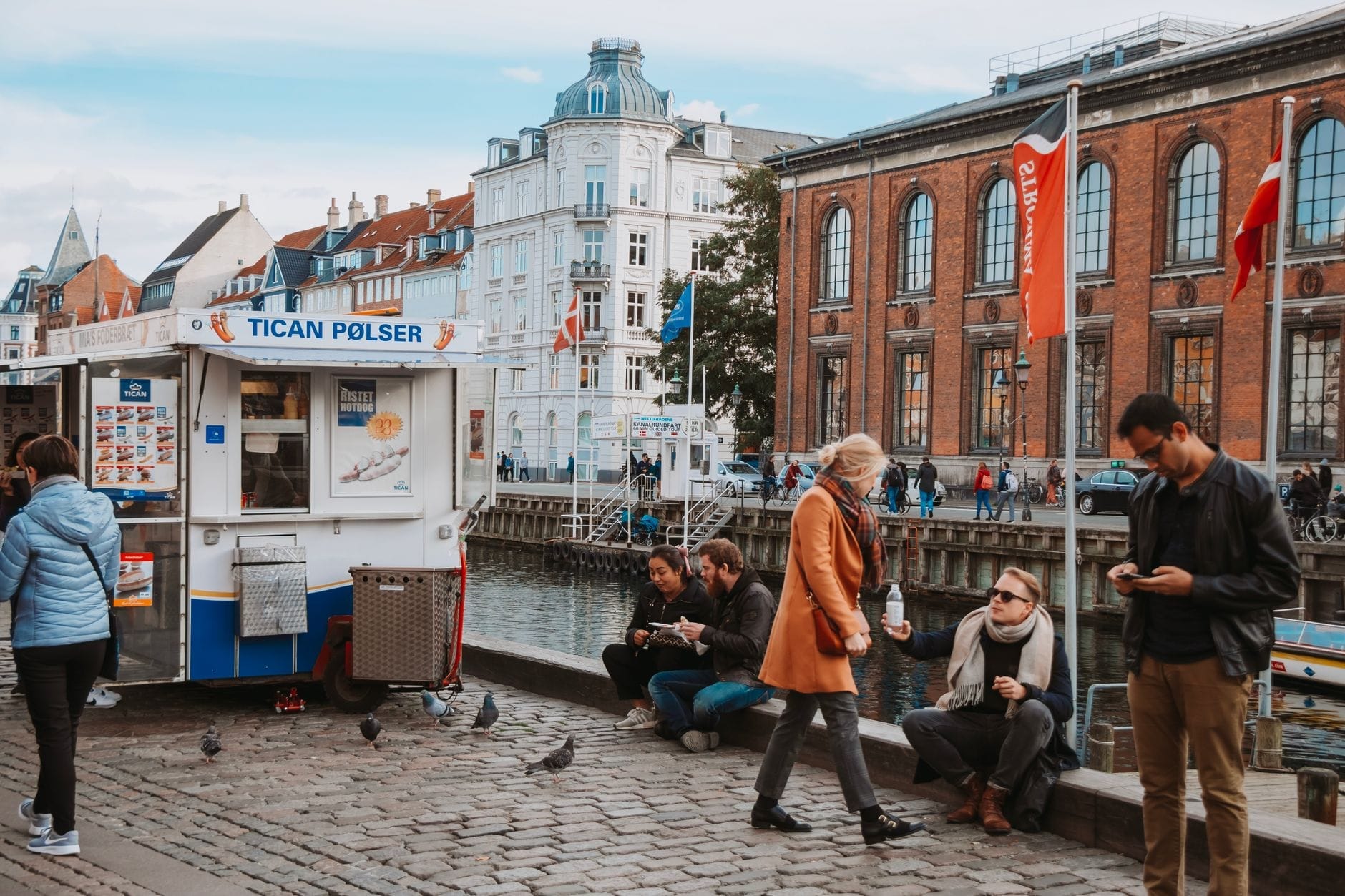
What surprises many visitors is how much of Copenhagen's core appeal is actually free or low-cost. The waterfront at Nyhavn, the parks, the cycling infrastructure, the harbor swimming areas, and several world-class museums on their free days cost nothing. The city's expense problem is largely a restaurant and accommodation problem, not a sightseeing problem.
ℹ️ Good to know
All prices in Copenhagen are listed in Danish krone (DKK). Card payments are accepted almost universally, including at market stalls, small cafés, and public transport machines. You rarely need to carry cash.
Transport: Getting Around Without Overpaying
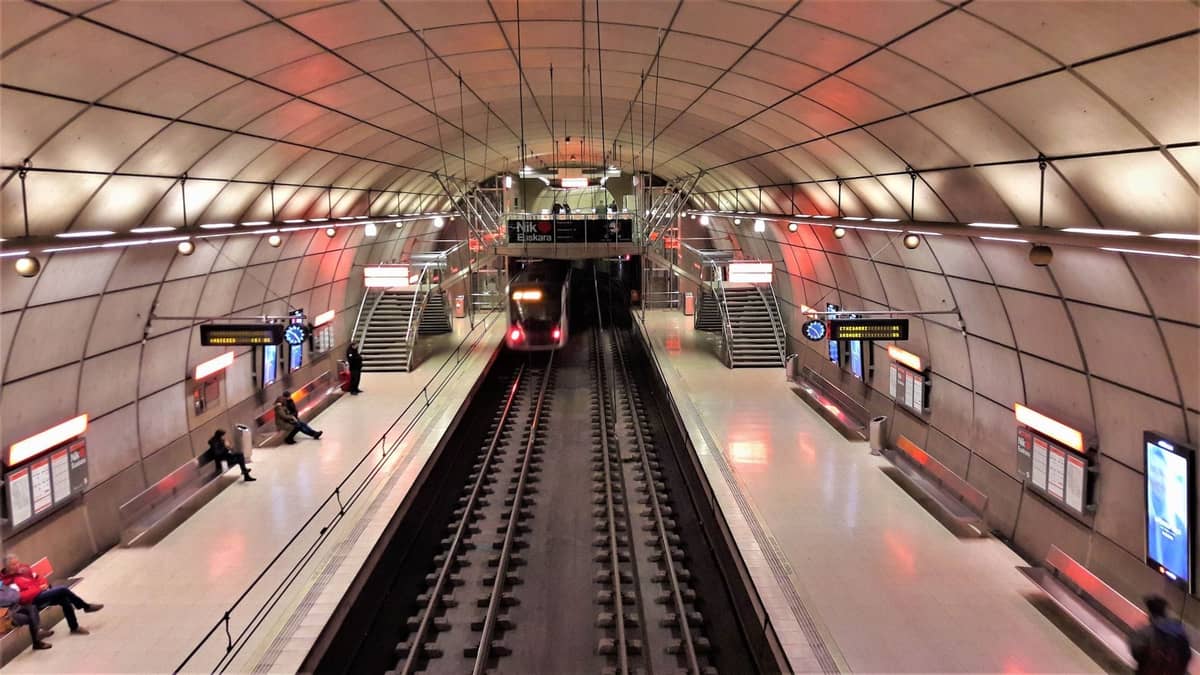
Copenhagen has an integrated public transport network covering the Metro, S-train, regional rail, and buses. A single standard ticket starts around 24 DKK and covers two zones, which is enough for most central journeys. For airport travel, the Metro runs directly from Copenhagen Airport (CPH, about 8–9 km from the city centre) to the city and typically falls in the 36 DKK range, though you should verify current fares at the ticket machine before travelling. Compare that to a taxi, which can easily cost 250 to 350 DKK for the same trip. The Copenhagen airport transfer guide covers all your options in detail.
Multi-day transport passes offer better value the more you move around. A 24-hour pass runs around 90 DKK, scaling up to approximately 340 DKK for 120 hours. Tickets and passes can be bought at machines at every Metro and train station, or through the DOT (Din Offentlige Transport) app, which also handles journey planning. Note that Uber does not operate in Denmark; Bolt and local taxi apps are the main ride-hailing alternatives, though they are considerably pricier than public transport.
One genuinely underrated budget move is the harbor bus (the yellow ferries, lines 991 and 992). These run on regular public transport tickets, meaning your zone-valid ticket or day pass covers the ride entirely. They connect stops along the inner harbor and give you a water-level view of the city for no extra cost. For a deeper look at getting around the city efficiently, including cycling routes, see the guide to getting around Copenhagen.
✨ Pro tip
Copenhagen is one of the world's most cycle-friendly cities. Renting a bike for 100 to 150 DKK per day can replace multiple transit fares, especially for distances of 2 to 5 km that are awkward on the Metro but fast on two wheels.
The Copenhagen Card: Worth It or Not?
The Copenhagen Card combines unlimited public transport across the Copenhagen region with free entry to over 80 attractions, including major museums and some day-trip destinations. Prices (which should be verified before purchase as they are updated periodically) are currently listed at 589 DKK for 24 hours, 859 DKK for 48 hours, 1,039 DKK for 72 hours, 1,209 DKK for 96 hours, and 1,359 DKK for 120 hours. Our full Copenhagen Card guide shows exactly when it pays off.
The card makes financial sense if you are visiting multiple paid attractions across several days. A solo visit to Rosenborg Castle, the National Museum, and SMK (the National Gallery of Denmark) plus a few Metro rides can already justify the 48-hour price. It makes less sense if you plan to spend most of your time in free parks, at the beach, or exploring neighborhoods on foot. Do the maths against your specific itinerary rather than buying it reflexively.
- Best value case 3+ paid attractions per day plus regular Metro use across 2-3 days. The card typically saves 300-500 DKK in this scenario.
- Marginal value case Mixed itinerary with some free days (parks, walking, cycling). Run the numbers for your exact museum list first.
- Poor value case If you mainly walk, cycle, or only visit one paid attraction per day, individual tickets will almost certainly be cheaper.
Free and Low-Cost Sightseeing
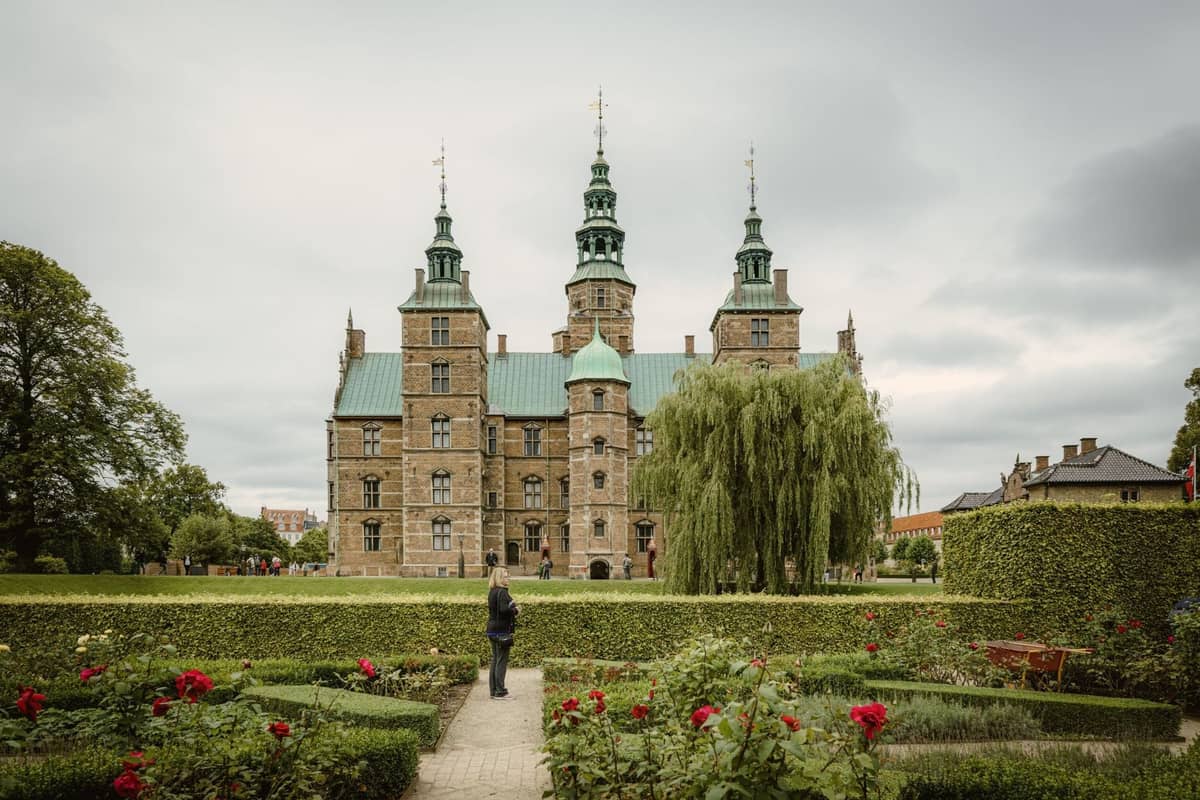
Copenhagen's best outdoor spaces cost nothing. The King's Garden surrounding Rosenborg Castle is free to walk through and one of the most pleasant green spaces in the city centre. Kastellet, the 17th-century star-shaped fortress near the harbour, has free public access. The harbour swimming areas at Islands Brygge Harbour Bath are free to use in summer (generally late June through August). Faelledparken, Copenhagen's largest park, is free and popular with locals for picnics and outdoor activities.
Several major museums offer free entry on specific weekdays. Ny Carlsberg Glyptotek, one of the city's finest art museums, is free to visit on Tuesdays. Policies vary and change, so always check the official museum website before visiting. The best museums in Copenhagen guide lists current entry prices and free-day schedules for the top institutions.
- Free walking tours operate daily in central Copenhagen, departing from City Hall Square. Guides work for tips, so you set the price. Quality varies by guide, but the standard tours covering the old town and Nyhavn are consistently good value.
- The Botanical Garden is free to enter; the historic Palm House (Palmehuset) may require a separate ticket or is covered by certain museum passes.
- Christiansborg Palace tower offers free public access to panoramic city views on days when it is open — check the official site for current opening hours.
- Street art and public sculpture are everywhere: the area around Superkilen in Nørrebro is a free outdoor design destination in itself.
- Strolling along Nyhavn canal and the harbour promenade costs nothing. The view is the same whether you pay for a restaurant table or bring your own coffee.
⚠️ What to skip
Tivoli Gardens is not open year-round. The main summer season typically runs from late March or early April to mid-September, with separate Halloween and Christmas seasons in October/early November and in November and December. Always check the official Tivoli website (tivoli.dk) before building your itinerary around it. Entry fees have increased in recent years; budget travellers should know you are allowed to bring your own food and non-alcoholic drinks inside, which significantly cuts the cost of a visit.
Eating Well Without Spending a Fortune
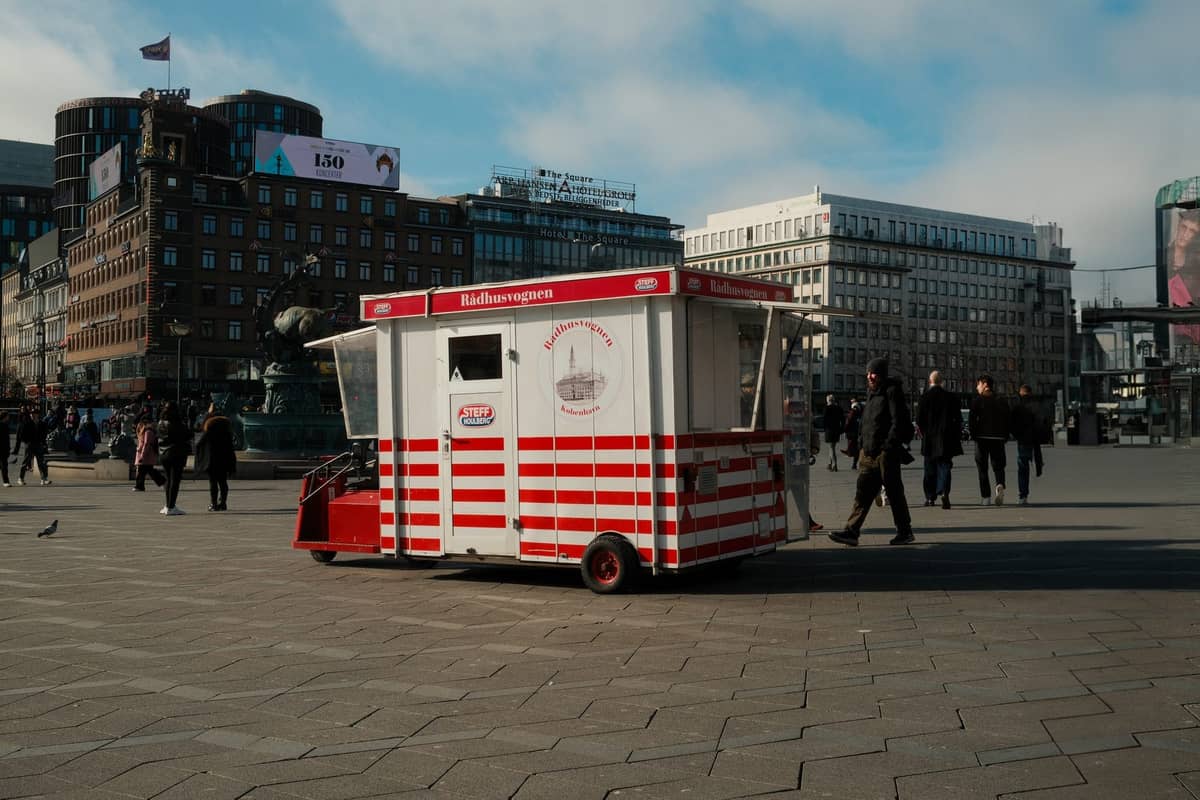
Food is where Copenhagen's cost reputation is most justified. A simple lunch at a café easily costs 150 to 200 DKK. However, the city has a strong street food culture that offers real quality at much lower prices. The classic Danish pølser (hot dog) from a pølsevogn (hot dog cart) remains one of the cheapest and most authentically local meals you can have, typically costing 30 to 50 DKK. For a more varied street food experience, Reffen on Refshaleøen and the covered market at Torvehallerne offer options ranging from 60 to 150 DKK per dish.
Supermarkets are your most effective tool for keeping food costs down. Netto, Rema 1000, and Føtex are the most common budget-friendly chains, and they are easy to find across all central neighbourhoods. A decent supermarket lunch of bread, cheese, and fruit costs under 60 DKK. Copenhagen's parks and harbour benches are entirely suitable for eating outdoors in good weather.
If you want to eat out properly, lunch is consistently better value than dinner at the same restaurant. Many places offer a dagensret (dish of the day) at lunch for 100 to 150 DKK that would cost double in the evening. The Copenhagen food guide covers everything from street food to smørrebrød to the city's New Nordic scene, with pricing context throughout.
Practical Money Tips for Copenhagen
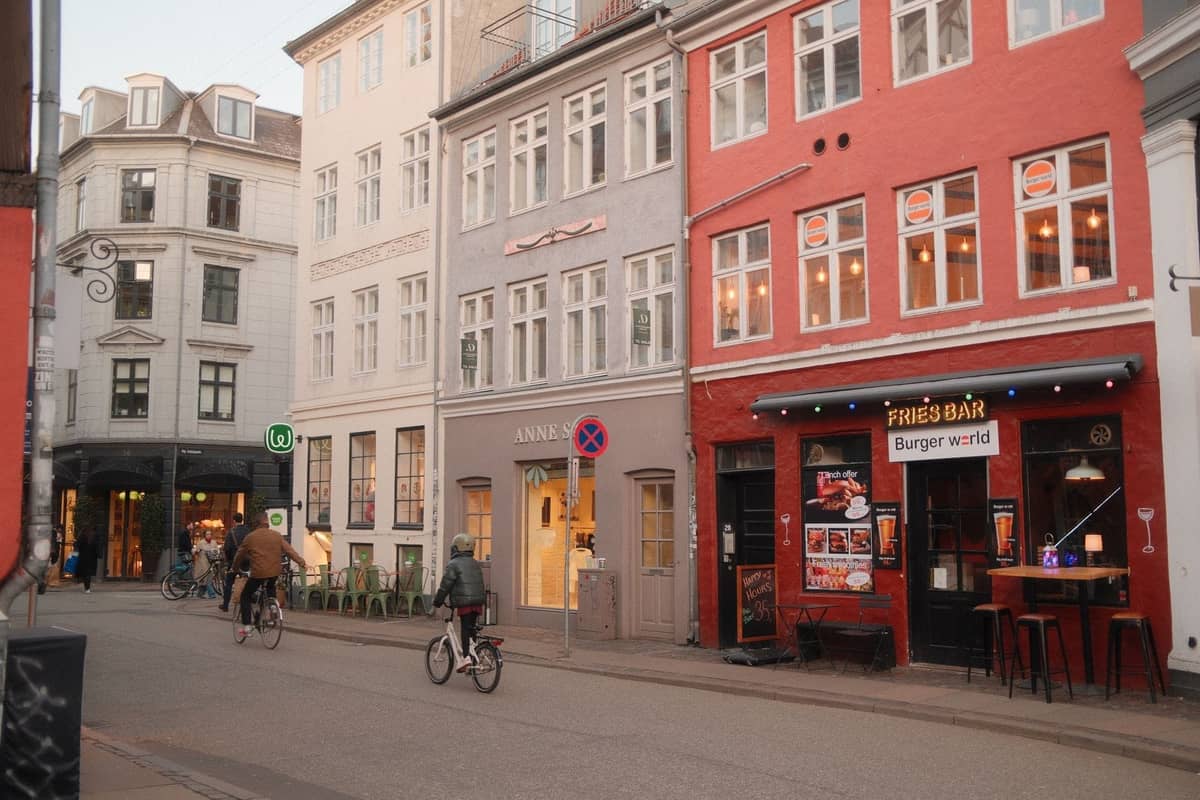
A few habits will save you meaningful money without requiring much effort. Book accommodation in Vesterbro or Nørrebro rather than Indre By (the city centre) or Nyhavn, where rates are highest. Both neighbourhoods have good Metro and bus connections and are genuinely local in character. Østerbro is similarly useful and tends to be quieter, making it a reasonable alternative for families.
- Accommodation timing Shoulder season (May and September) typically delivers 20 to 30 percent lower hotel rates than July and August, with comparable or better weather than peak summer.
- Museum free days Plan your museum-heavy days around the last Wednesday of the month. Not all museums participate, so confirm in advance.
- Alcohol costs Bar prices for beer range from 60 to 90 DKK. Supermarket prices for the same beer are 10 to 20 DKK. Pre-drinking at your accommodation before heading out is standard practice among locals.
- Tipping Service charges are generally included in Danish restaurant bills. Rounding up slightly is fine; large tips are not expected and not customary.
- Water Tap water in Copenhagen is safe to drink and of high quality. Carry a refillable bottle and skip buying bottled water entirely.
For travellers on a tight budget who want a structured itinerary, the guide to free things to do in Copenhagen is the most direct resource. It lists specific no-cost experiences by neighbourhood, making it easy to build full days without touching paid attractions.
FAQ
Is Copenhagen expensive for tourists compared to other European capitals?
Yes, Copenhagen is one of the more expensive European capitals, broadly comparable to Oslo, Stockholm, and Zurich. Accommodation, restaurant meals, and alcohol are the main cost drivers. However, public transport is efficient and reasonably priced, many sightseeing highlights are free, and the street food scene offers genuine quality at accessible prices. A budget traveller staying in a hostel and eating mostly from supermarkets and street stalls can manage on around 500 to 700 DKK per day; a mid-range traveller should budget 1,200 to 2,000 DKK per day.
Is the Copenhagen Card worth buying?
It depends on how many paid attractions you plan to visit. The card combines unlimited public transport with free entry to over 80 sites. If you are visiting three or more paid museums per day across two or more days, it typically pays for itself. If your itinerary is mainly free parks, walking, and one or two museums, individual tickets will often be cheaper. Always calculate against your specific plans before purchasing.
Do you need cash in Copenhagen?
Rarely. Card payments are accepted almost everywhere in Copenhagen, including small cafés, market stalls, and public transport machines. Some very small independent vendors may prefer cash, but the city is effectively card-first. Withdrawing a small amount of Danish krone (DKK) for emergencies is sensible, but carrying large sums is unnecessary.
What is the cheapest way to get from Copenhagen Airport to the city centre?
The Metro is the cheapest standard option, running directly from Copenhagen Airport (CPH) to the city centre in around 15–20 minutes. The fare covers multiple zones and typically costs around 36 DKK, though you should verify the current price at the ticket machine. Taxis cost roughly 250 to 350 DKK for the same journey. If you already hold a Copenhagen Card, the Metro ride is included at no extra cost.
When is the cheapest time to visit Copenhagen?
Late autumn and winter (November to February) offer the lowest accommodation rates and thinnest crowds, but daylight hours are very short and outdoor sightseeing is limited. For budget travellers who still want reasonable weather, May and September are the sweet spot: hotel prices drop 20 to 30 percent compared to July and August, the parks and harbour areas are still fully usable, and most attractions are open. The Copenhagen Christmas market season in December brings its own crowd-driven price increases.