Getting from Copenhagen Airport to the City Centre: Every Option Compared
Copenhagen Airport (CPH) sits just 8 km from the city centre, and your airport transfer takes as little as 13 minutes by metro or train. This guide breaks down every option — public transport, taxi, and private transfer — with real fares, journey times, and honest advice on what to skip.

Plan and book this trip
Tools from our partner Travelpayouts help you compare flights and hotels. If you book through them, we may earn a commission at no extra cost to you.
Flights
Hotels map
TL;DR
- Copenhagen Airport (Kastrup, IATA: CPH) is about 8 km from the city centre — one of the shortest airport-to-centre distances in Europe.
- The Metro Line M2 is the fastest and cheapest option: 13 minutes to Kongens Nytorv, runs 24/7, costs around 36 DKK.
- Taxis cost roughly 250–350 DKK to the centre — around 10 times more than public transport. Only worthwhile if you have heavy luggage and are splitting the cost.
- Uber does not operate in Denmark. Bolt may be available but verify before arrival.
- All public transport options (metro, train, bus) use the same zone-based ticket. See getting around Copenhagen for the full city transport picture.
Copenhagen Airport: What to Know Before You Arrive
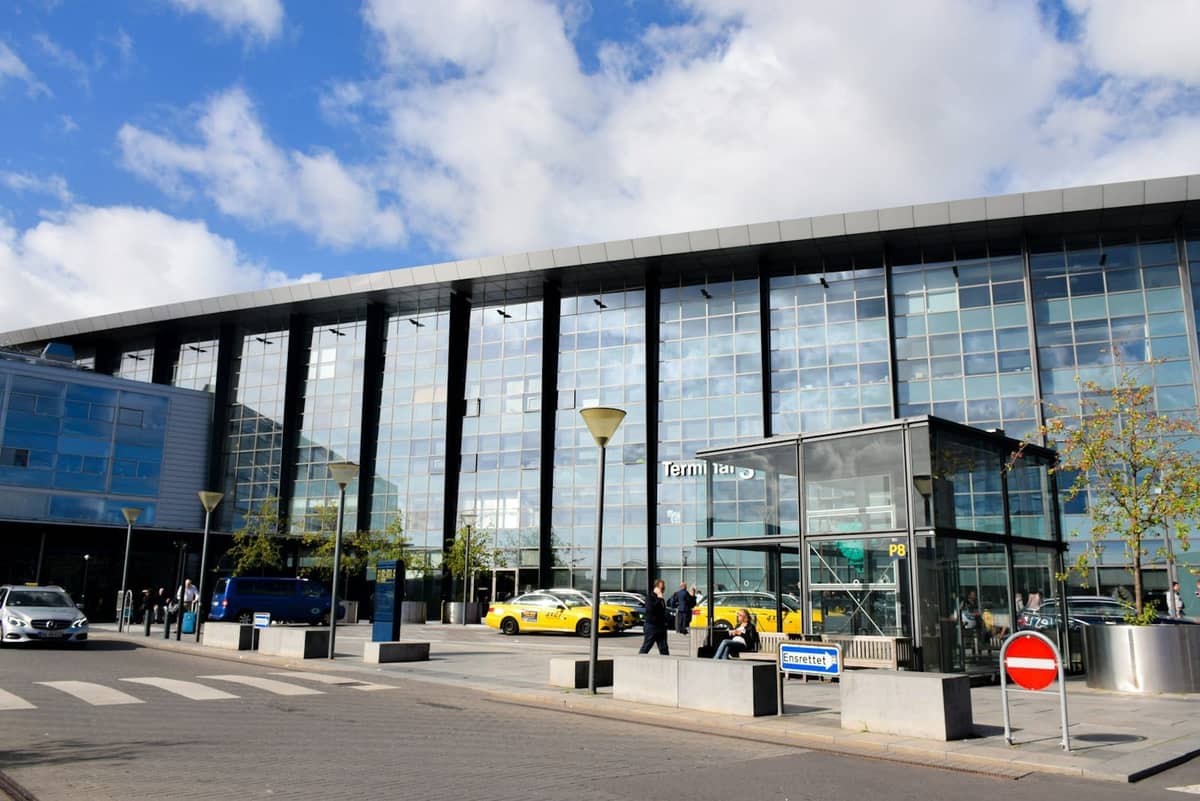
Copenhagen Airport, officially Københavns Lufthavn and commonly called Kastrup after the district it occupies on the island of Amager, is the busiest airport in the Nordic countries. The airport has three terminals: Terminal 1 handles domestic flights and some regional routes, Terminal 2 is used for non-Schengen international arrivals, and Terminal 3 is the main hub for Schengen flights, departures, and all landside connections. If you are arriving from outside Schengen and clearing customs, you will exit through Terminal 2 but the train and metro platforms are accessed via Terminal 3 — follow the signs through the arrivals hall, as the walk takes only 2–3 minutes.
All transport options depart from or near Terminal 3. Taxi ranks are outside Terminals 1 and 3. Ticket machines for the metro and DSB trains are on the mezzanine level above the platforms, and bus stops are immediately outside the terminal on the ground level. Currency in Denmark is the Danish krone (DKK). English is universally understood throughout the airport and across Copenhagen's transport network, so language is not a concern.
ℹ️ Good to know
Fares and timetables can change. Always verify current prices at cph.dk or rejseplanen.dk (the official Danish journey planner) before you travel.
Option 1: Metro Line M2 (Fastest and Most Convenient)
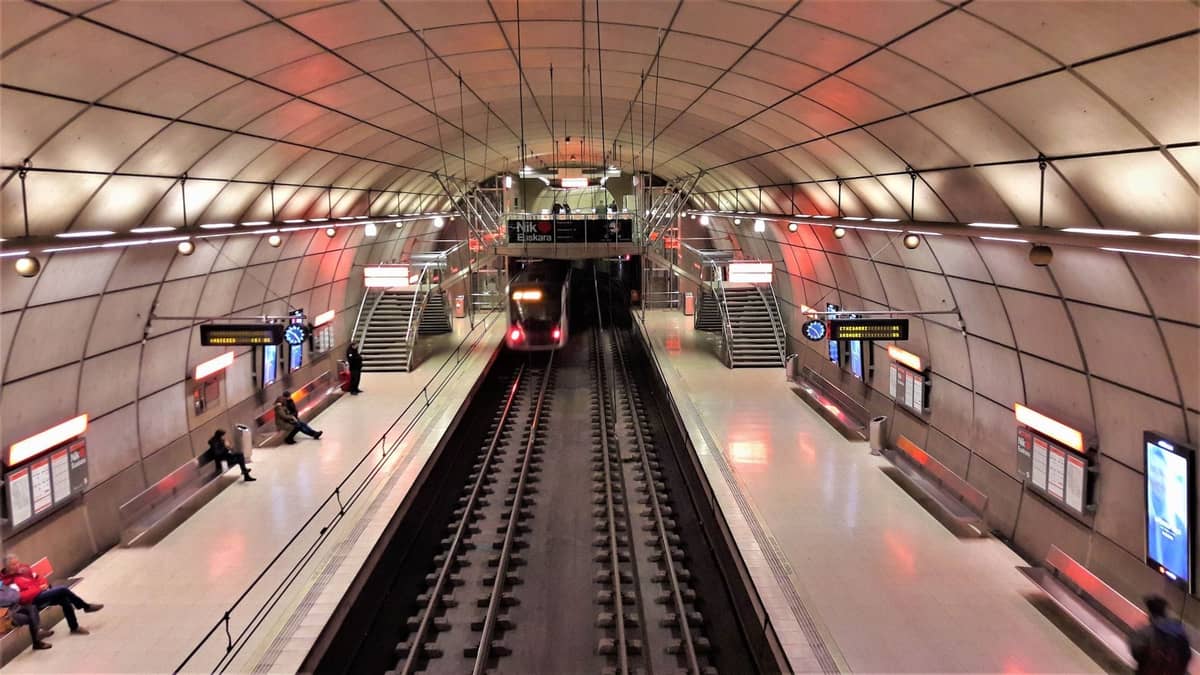
For the vast majority of travellers, the Metro is the right call. Line M2 departs from Terminal 3 and runs directly into the city, stopping at Christianshavn, Kongens Nytorv, Nørreport, and beyond. The journey from the airport to Kongens Nytorv takes around 13 minutes. From Kongens Nytorv, you are a 5-minute walk from Nyhavn and well within the historic centre.
The Metro runs 24 hours a day, seven days a week — every 2–4 minutes during peak daytime hours and every 15–20 minutes between roughly 1 am and 5 am. This makes it equally reliable for a 7 am arrival or a midnight flight. Tickets cost around 36 DKK for a 3-zone journey covering the airport-to-city route. The same ticket is valid on buses and trains within the time window and zones purchased. You can buy tickets from machines on the mezzanine level or via the DOT Mobilbillet app. If you are planning to use public transport throughout your stay, the Copenhagen Card includes unlimited public transport and may be worth comparing against individual fares depending on your itinerary.
⚠️ What to skip
Copenhagen's metro and trains operate on an honour system — there are no barriers. Ticket inspectors do operate regularly, and fines for fare evasion are substantial. Always validate your ticket before boarding.
Option 2: DSB Regional Train (Best for Central Station)
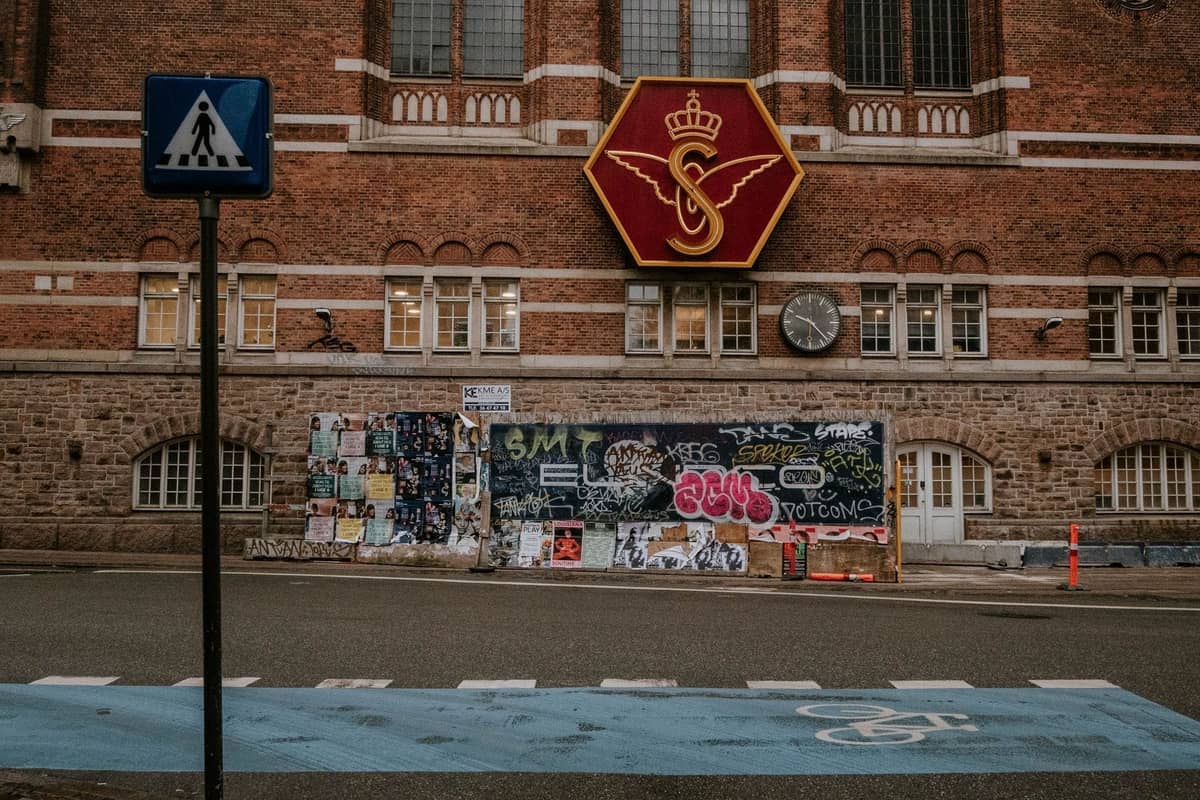
DSB regional and intercity trains also depart from Terminal 3's below-ground station and reach Copenhagen Central Station (København H) in 13–15 minutes. If your hotel is in or near Vesterbro, or if you are continuing by train toward other Danish cities, this is often the better choice over the metro.
Trains typically run every 10 minutes during the day and every 20 minutes in the evening. Late-night service exists but is reduced, so check the DSB timetable or Rejseplanen if you have an overnight arrival. The fare is the same as the metro: around 36 DKK for the 3-zone airport-to-city ticket. The train also continues further, stopping at stations like Østerport and beyond, which can be useful if you're heading to Østerbro or northern Copenhagen.
Option 3: Bus 5C (Budget-Friendly but Slow)
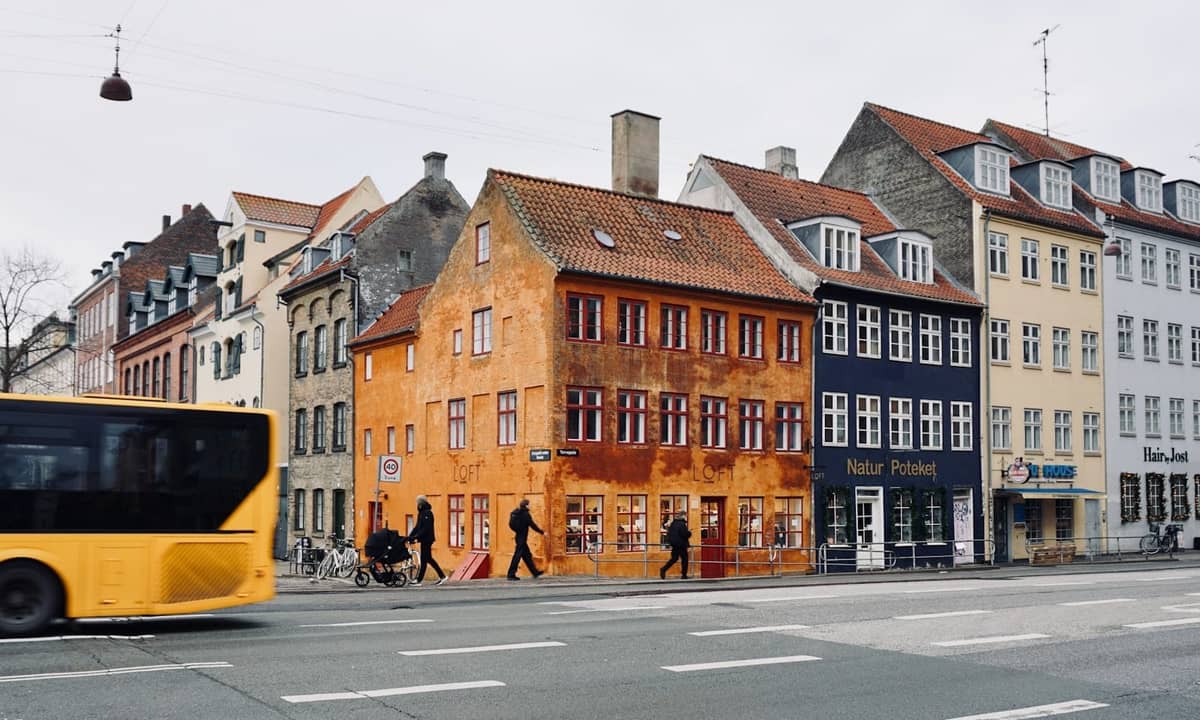
Bus 5C runs from Terminal 3 to Copenhagen Central Station, continuing through the city. The fare matches the metro and train at around 36 DKK, but the journey takes 35–40 minutes in normal traffic conditions — and considerably longer during rush hour, which in Copenhagen typically runs 7–9 am and 4–6 pm on weekdays.
The bus is not a shortcut, and for most travellers it offers no meaningful advantage over the metro. Where it can be useful: if you have a specific stop along the route that isn't served by the metro or train, or if you simply want a ground-level view of the city on your first arrival. Snow and heavy rain in winter can further slow road-based transport, while the metro and train are largely unaffected by weather.
Option 4: Taxi and Private Transfers
Taxis are readily available at ranked stands outside Terminals 1 and 3. The journey to central Copenhagen takes 20–30 minutes depending on traffic. Expect to pay around 250–350 DKK. That is roughly 10 times the cost of public transport, which matters because it surprises a lot of first-time visitors who assume the premium is modest. Danish taxis are metered and regulated, so you will not be scammed — but the price is simply high compared to the alternatives.
When does a taxi make sense? If you are travelling with two or three people sharing the cost, have significant luggage, are arriving at an awkward hour with specific mobility needs, or your hotel is in a location that would require multiple transit changes, the calculation shifts. For solo travellers or pairs with standard bags catching any train or metro that runs to a central stop, the taxi premium is difficult to justify.
⚠️ What to skip
Uber does not currently operate in Denmark. Bolt may offer some coverage but availability is not guaranteed. Do not rely on ride-hailing apps as your primary airport transfer plan — confirm availability immediately before your trip.
Pre-booked private transfers are available through various operators and can offer fixed pricing, a meet-and-greet service, and door-to-door convenience. These are worth considering for business travellers, families with young children, or anyone arriving after a long-haul flight who simply wants zero friction. Compare options against the taxi fare before committing. For more context on getting around the city once you've arrived, the Copenhagen transport guide covers the full network in detail.
Comparing Your Options Side by Side
- Metro Line M2 13 min to Kongens Nytorv. Around 36 DKK. Runs 24/7. Best for most travellers, especially those staying in or near the city centre.
- DSB Regional Train 13–15 min to Central Station (København H). Around 36 DKK. Every 10 min by day. Best if your hotel is near the station or you're continuing by rail.
- Bus 5C 35–40 min to Central Station. Around 36 DKK. Slower and affected by traffic. Only choose this if neither metro nor train serves your destination well.
- Taxi 20–30 min to city centre. Around 250–350 DKK. No booking needed. Best for groups splitting the fare, heavy luggage, or mobility requirements.
- Pre-booked Private Transfer 20–30 min, door-to-door. Fixed pricing varies by operator. Best for corporate travel, families, or early/late arrivals requiring certainty.
Practical Tips for a Smooth Airport Transfer
- Buy your metro or train ticket before boarding — machines are on the mezzanine above the platforms in Terminal 3. Cards are accepted.
- If you're arriving from outside the Schengen Area, you exit customs in Terminal 2. Follow signs to Terminal 3 — the walk is short and well-signposted.
- Late-night arrivals (after midnight) should use the Metro, as it runs 24/7 and avoids any uncertainty about last trains.
- During summer (June–August), Copenhagen sees its highest visitor volumes. Airport queues for taxis can be longer on Friday evenings and weekend mornings.
- Winter weather (November–February) can cause road delays. If your flight lands in poor conditions and you need to be somewhere at a specific time, metro or train is the safer bet.
- The Copenhagen Card covers all public transport from the airport — activate it on arrival if you plan to start sightseeing immediately.
✨ Pro tip
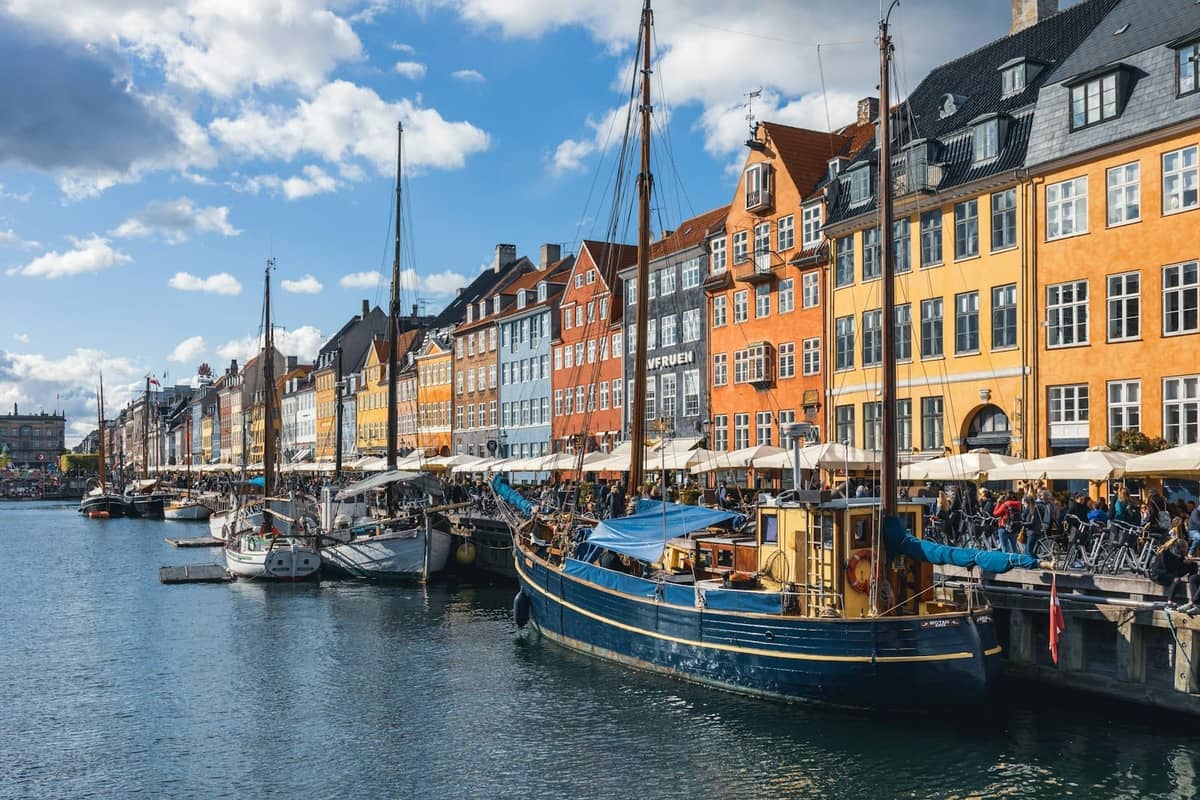
If you are arriving at Kastrup airport and heading straight to Nyhavn or the old city centre, the Metro is faster than even a taxi in rush hour traffic. Board at Terminal 3, ride four stops to Kongens Nytorv, and you are on the canal-front within 20 minutes of landing.
Once you've made it into the city, Copenhagen's compact layout rewards exploration on foot and by bicycle. The historic core — Indre By — is walkable from both Kongens Nytorv and Central Station, and most major sights are within easy reach. If you plan to cycle, cycling in Copenhagen is one of the best ways to see the city at your own pace.
Deciding where to stay will also influence which airport transfer option suits you best. If your hotel is in Vesterbro near Central Station, the DSB train is ideal. If you're in Christianshavn, the Metro drops you directly there. For a full breakdown of neighbourhoods, the where to stay in Copenhagen guide is a useful next step.
FAQ
How long does it take to get from Copenhagen Airport to the city centre?
By Metro or DSB train, the journey takes 13–15 minutes to central stops like Kongens Nytorv or Central Station. Taxis take 20–30 minutes depending on traffic. Bus 5C takes 35–40 minutes.
How much does the airport transfer cost in Copenhagen?
Public transport (metro, train, or bus) costs around 36 DKK for the 3-zone airport-to-city journey. Taxis typically charge 250–350 DKK for the same route. Verify current fares at rejseplanen.dk or cph.dk before travel.
Does the Copenhagen Metro run 24 hours from the airport?
Yes. Metro Line M2 operates around the clock, every day of the week. Frequency drops to every 15–20 minutes between roughly 1 am and 5 am, but service is never suspended. This makes it reliable for late-night and early-morning arrivals.
Is there an Uber at Copenhagen Airport?
No. Uber does not currently operate in Denmark. Bolt may offer limited availability, but this should be verified immediately before travel. Taxis at the airport are metered, regulated, and reliable, though significantly more expensive than public transport.
Which is better: the Metro or the train from Kastrup airport?
Both take roughly the same time and cost the same fare. The Metro (Line M2) is better if you're heading to Kongens Nytorv, Nørreport, or Christianshavn. The DSB train is better if your destination is near Central Station (København H) or you plan to continue by rail to other parts of Denmark.