Where to Stay in Copenhagen: Best Areas & Hotels Guide
Choosing where to stay in Copenhagen shapes your entire trip. This guide breaks down every major neighborhood by budget, transport links, atmosphere, and traveler type — so you can book with confidence, not guesswork.
Plan and book this trip
Tools from our partner Travelpayouts help you compare flights and hotels. If you book through them, we may earn a commission at no extra cost to you.
Flights
Hotels map
TL;DR
- Indre By and Nyhavn are the most central options for first-time visitors, with Tivoli Gardens and major sights within walking distance, but hotel prices reflect that convenience.
- Vesterbro is the strongest all-around pick: central, well-connected, good food scene, and more hotel variety at mid-range prices.
- Frederiksberg and Østerbro work well for families — quiet, green, and still on good metro and bus routes.
- Nørrebro suits travelers who want a local, less-touristy atmosphere at slightly lower prices.
- Copenhagen hotels are expensive by European standards — budget around 1,000–2,000+ DKK per night for a decent central hotel, and book early for summer travel.
How Copenhagen's Neighborhoods Are Laid Out
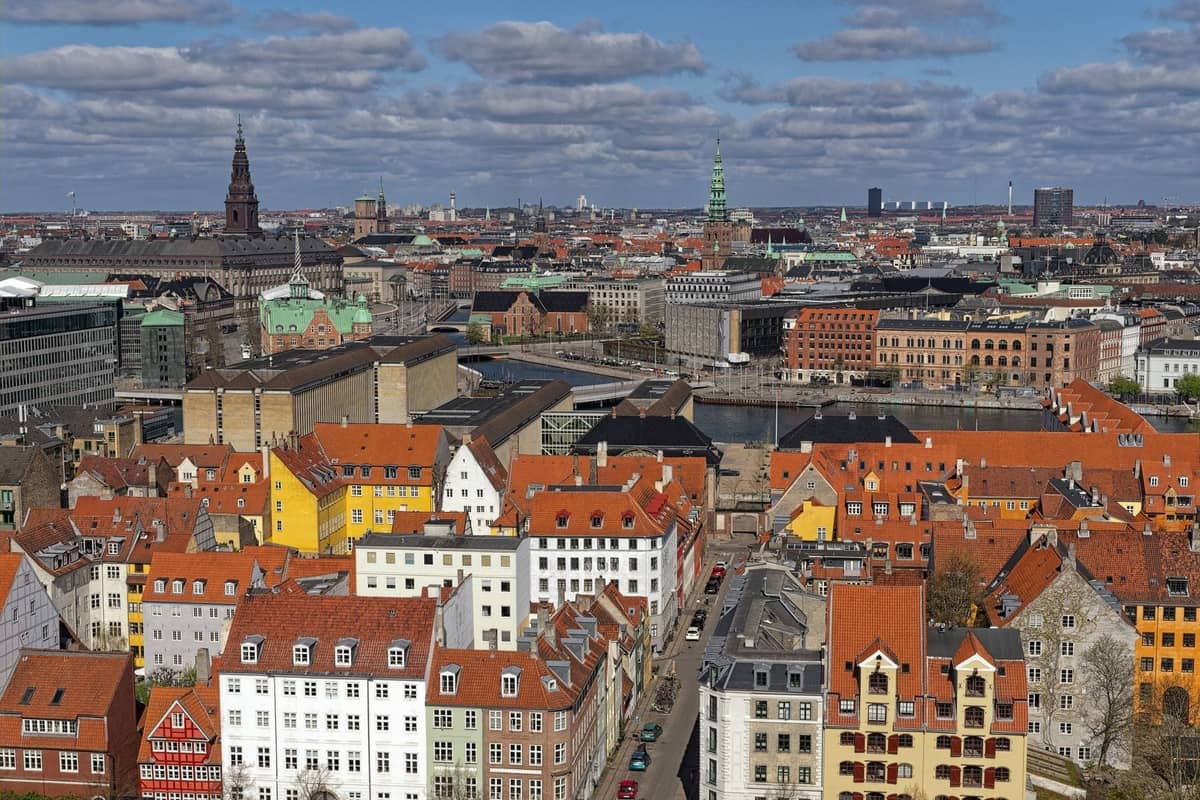
Copenhagen is a compact city — the municipality covers about 86 km² and has a population of around 650,000 in its core. Most of the neighborhoods travelers care about are within 3–5 km of the historic centre, which makes location less critical than in a city like London or Paris. That said, the city's canal geography and the placement of metro stations still matter. The Metro system (with M1, M2, M3 Cityringen, and M4 lines) connects most areas efficiently, and the integrated public transport network makes even slightly peripheral neighborhoods practical bases.
The broad mental map: Indre By is the historic core. Nyhavn sits on its eastern edge along the canal. Vesterbro is immediately west. Nørrebro is northwest, across the lakes. Østerbro is northeast. Frederiksberg is an independent municipality that wraps around the western side. Christianshavn is across the inner harbour to the east. Each has a distinct character, price point, and accommodation supply.
ℹ️ Good to know
Copenhagen uses the Danish krone (DKK). At typical exchange rates, 1,000 DKK is roughly €130–135 or $145–150 USD — keep this in mind when comparing hotel prices quoted in DKK vs. euros.
Indre By and Nyhavn: The Historic Centre
Indre By (literally 'inner city') is Copenhagen's old town and the densest concentration of landmarks, museums, and tourist infrastructure. Strøget, one of Europe's longest pedestrian shopping streets, cuts through the middle. Rosenborg Castle, Christiansborg Palace, and the National Museum are all within easy walking distance. For first-time visitors who want to minimize transit time and maximize sightseeing, this is the logical base.
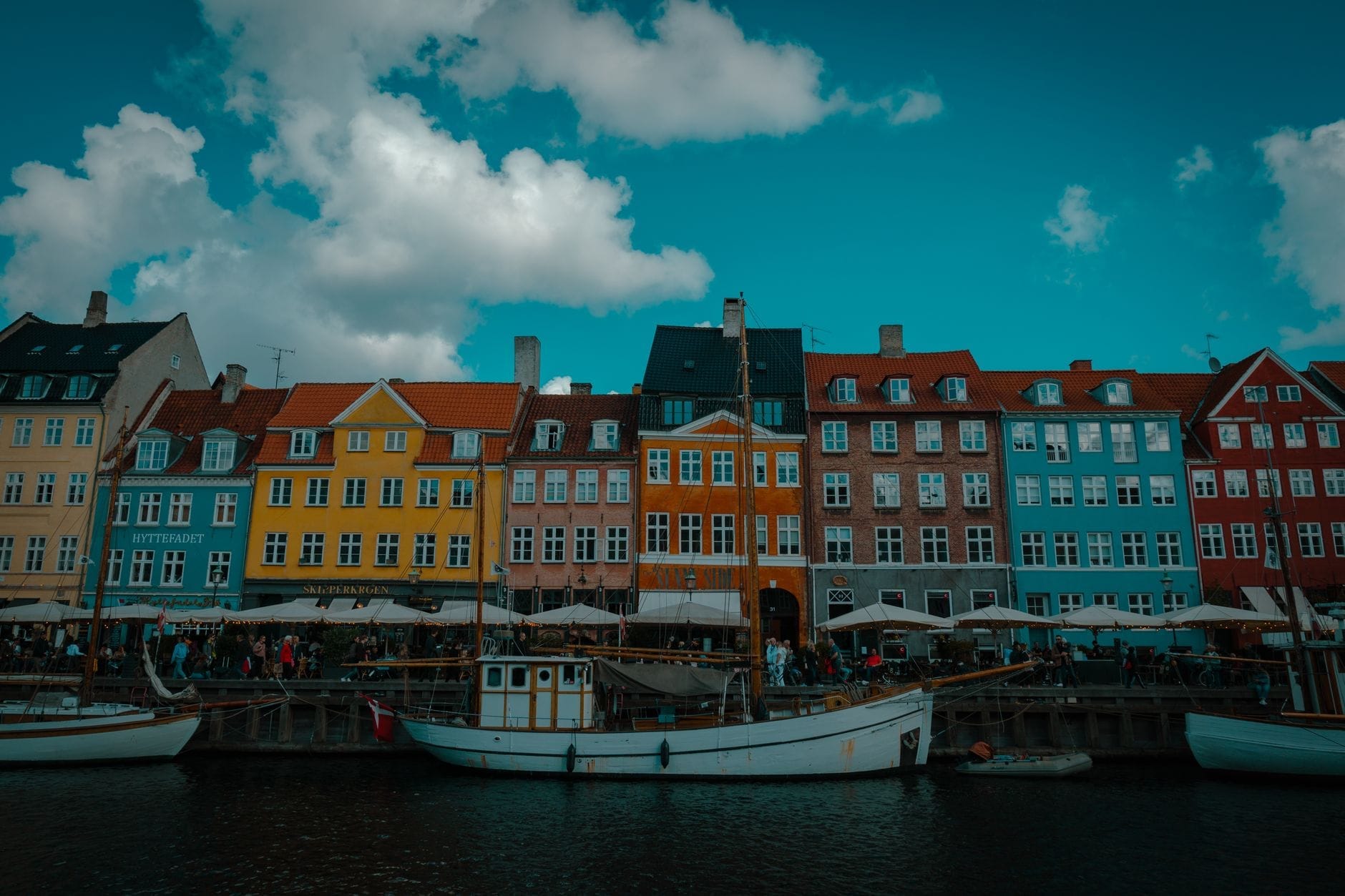
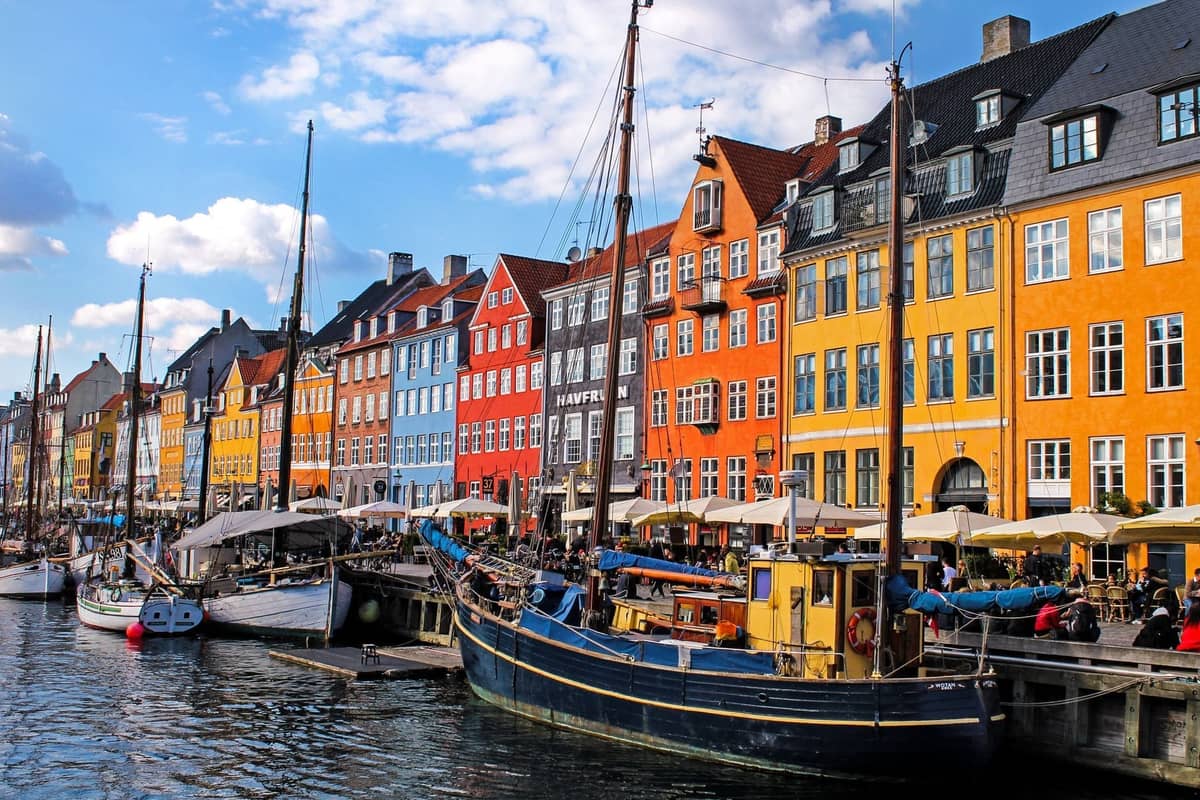
Nyhavn, the iconic canal lined with 17th-century townhouses painted in red, yellow, and blue, is technically part of Indre By's eastern edge. Hotels here trade heavily on the view and the postcard aesthetic — which means prices are correspondingly high and the area gets very crowded in summer. Staying directly on Nyhavn canal is a bucket-list experience for some travelers, but it's worth knowing the waterfront restaurants are generally overpriced tourist traps. The locals eat elsewhere.
- Best for First-time visitors, short stays of 2-3 days, travelers who want to walk everywhere
- Price range Mid-range hotels from around 1,200–1,800 DKK/night; luxury properties well above 3,000 DKK
- Transport Kongens Nytorv station (M1/M2) is the main hub; most sights are walkable
- Watch out for Noise on weekend nights near Nyhavn; higher prices for lower quality near the main tourist drag
Vesterbro: The Strongest All-Around Choice
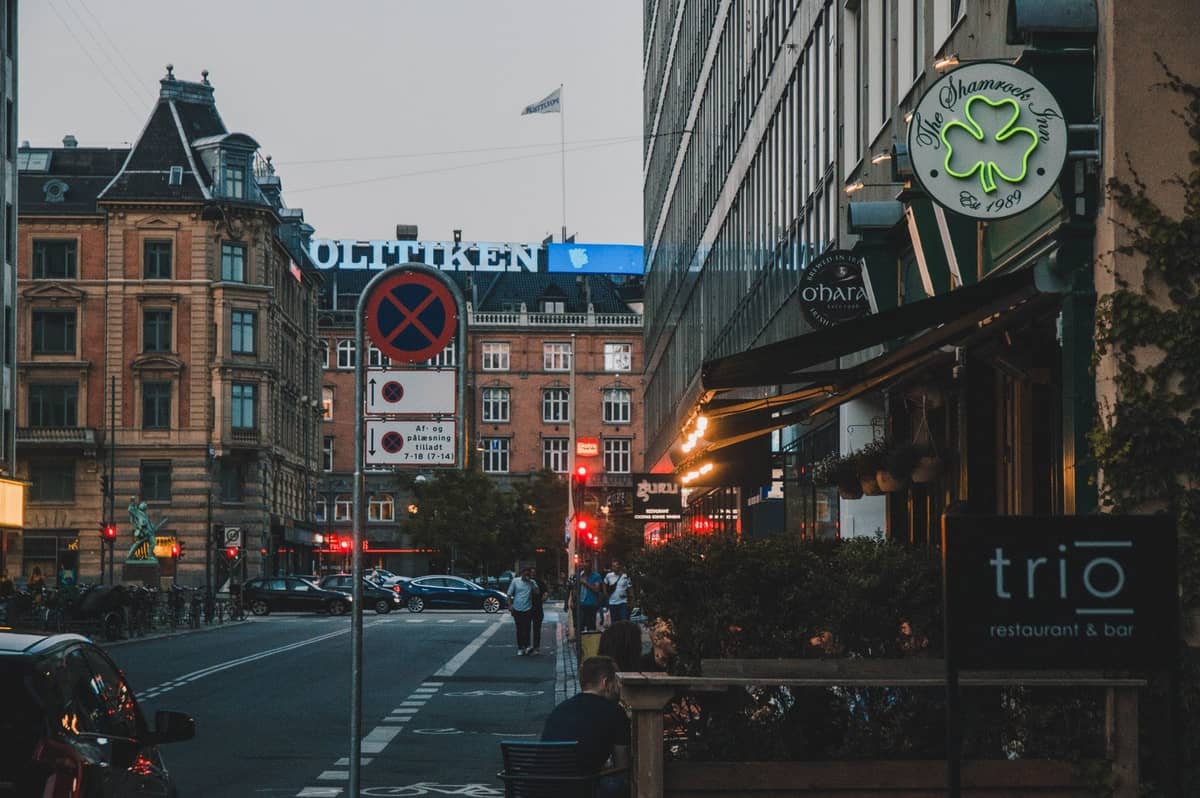
Vesterbro sits immediately west of the city centre and contains Copenhagen Central Station (København H), making it the easiest arrival point for most travelers. The neighborhood has transformed significantly over the past two decades. The old Meatpacking District (Kødbyen) is now one of the city's best concentrations of restaurants, bars, and galleries. Istedgade, once known for its red-light district, is now lined with independent cafés and clothing stores. The reputation lag still causes some travelers to dismiss Vesterbro — that's their loss.
For accommodation, Vesterbro offers more variety than anywhere else in the city: design hotels, boutique guesthouses, hostel options, and international mid-range chains all compete here. It's also the logical base if you're arriving by train or heading to Tivoli Gardens, which is directly adjacent to the station. The Copenhagen food scene is arguably strongest in Vesterbro, which adds real value beyond just a bed.
✨ Pro tip
If you're visiting Copenhagen for the first time and can only pick one neighborhood, pick Vesterbro. It's within walking distance of the centre, has Central Station for airport trains, and the restaurant-to-price ratio is better than Indre By. Hotels like citizenM Copenhagen Rådhuspladsen place you between Tivoli and the city's best dining strip.
Nørrebro and Frederiksberg: Local Life Over Landmarks
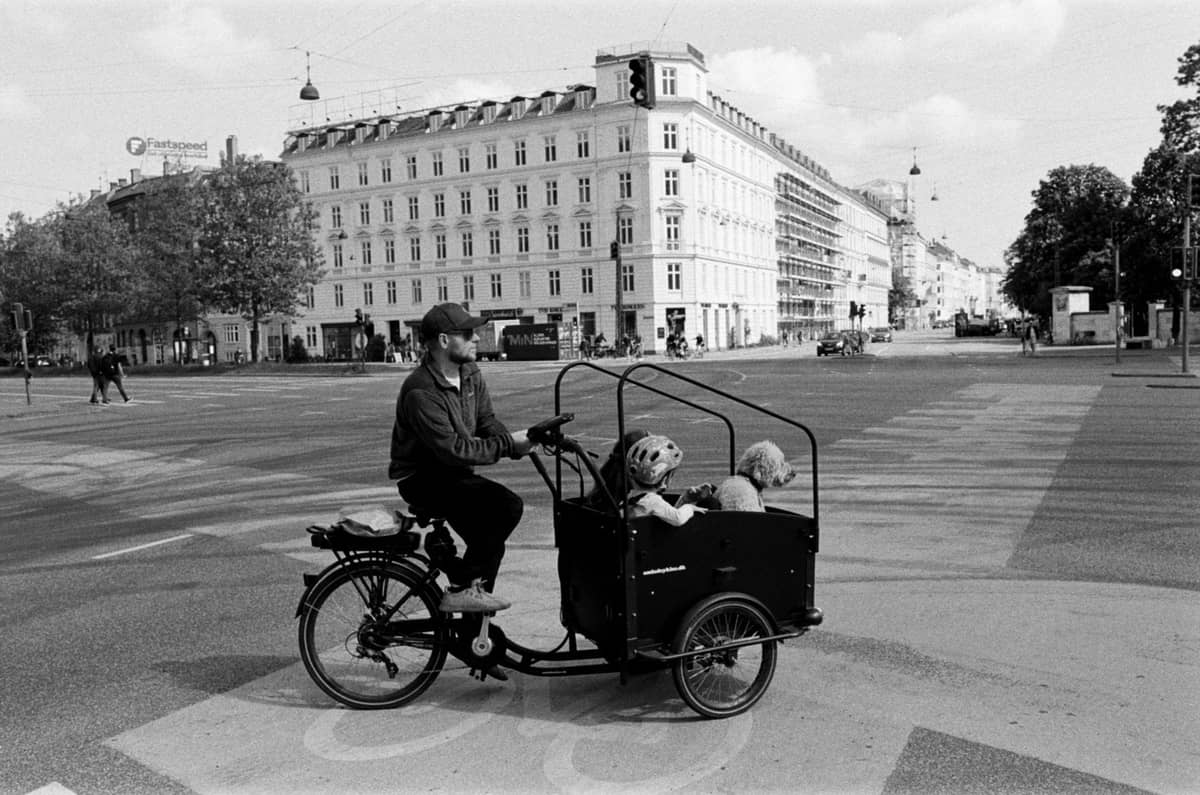
Nørrebro is Copenhagen's most multicultural district and arguably its most culturally interesting neighborhood right now. The main street, Nørrebrogade, is dense with independent coffee shops, vintage stores, and affordable restaurants. Superkilen, the award-winning public park designed by BIG architects, is here. So is Assistens Cemetery, where Hans Christian Andersen and Søren Kierkegaard are buried and locals jog on sunny afternoons. The accommodation supply is smaller and skews toward apartments and smaller hotels rather than large chains, which suits independent travelers.
Frederiksberg is technically a separate municipality entirely surrounded by Copenhagen, but in practical terms it functions as a quiet, upscale residential district. The draw is Frederiksberg Palace and its gardens, plus proximity to Copenhagen Zoo. Hotel prices can be slightly lower than Indre By while maintaining easy metro and bus access to the centre. Families with young children often find Frederiksberg's calmer streets and park access genuinely useful. It is not the right base if nightlife matters to you.
Østerbro and Christianshavn: Niche Picks for Specific Travelers
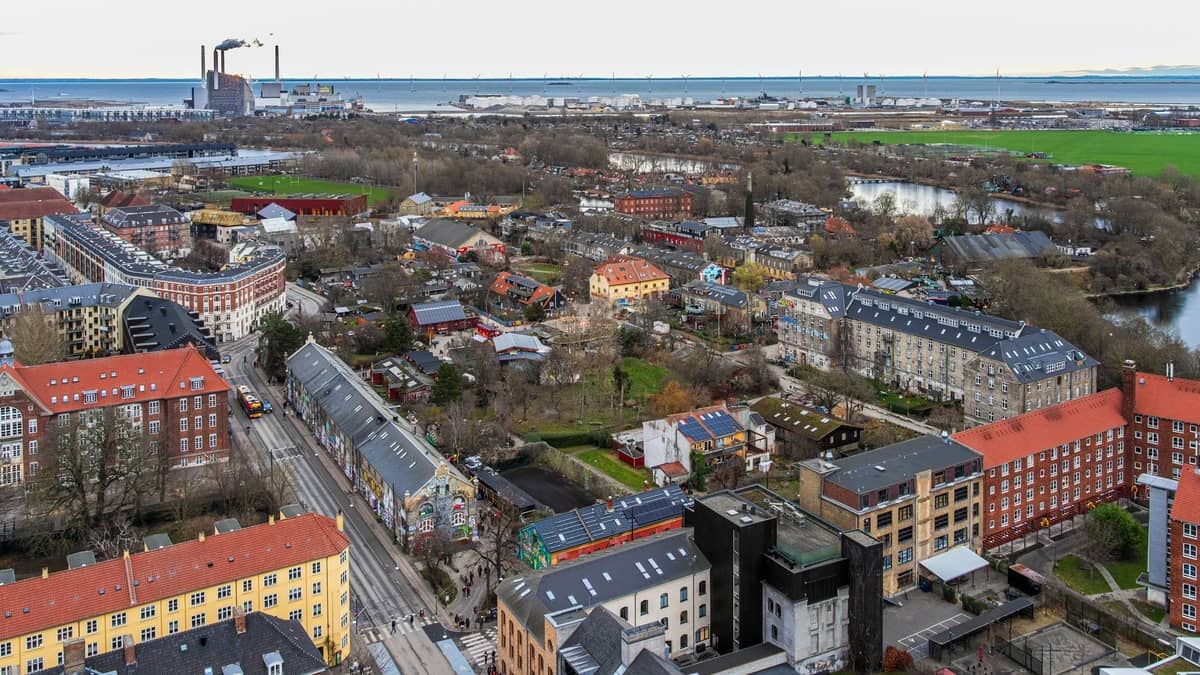
Østerbro is a broad, tree-lined residential district north of the centre. It's green, quiet, and family-oriented. Fælledparken, the largest park in Copenhagen, is here. The Little Mermaid statue is a 10-15 minute walk from the western edge of Østerbro. The neighborhood has fewer hotels than the areas further west, and what exists skews toward apartment-style stays. Reported average hotel prices start around 800–1,000 DKK/night, though supply is limited. It suits travelers who actively want a quiet residential experience and are comfortable using public transport daily.
Christianshavn sits across the inner harbour and is one of Copenhagen's most atmospheric quarters, with its network of canals, the copper spire of Church of Our Saviour, and the entrance to Freetown Christiania. The problem: hotel supply here is genuinely limited. Most guides effectively recommend staying in Indre By and visiting Christianshavn by foot or metro (it's one stop on the M1/M2). Unless you find an apartment rental that works for your group, Christianshavn is better as a day destination than a base.
⚠️ What to skip
Ørestad, the modern development district near the airport, appears in some budget hotel recommendations because transit links are fast (around 13–15 minutes to the centre on the M1). The honest assessment: Ørestad is a functional but soulless district with almost no walkable amenities. It makes sense only if your primary goal is price minimization and you're comfortable spending 20-30 minutes of transit time every time you want to experience the actual city.
Practical Advice: Booking, Budgeting, and Timing
Copenhagen is consistently among the more expensive capitals in Europe for accommodation. Budget travelers should look at hostels in Vesterbro and Nørrebro, or consider apartment rentals for groups of three or more where per-person costs drop significantly. The Copenhagen on a budget guide covers this in more depth, but the short version: don't expect to find a decent private hotel room in a central neighborhood for under 800–900 DKK in high season.
Timing affects price and availability dramatically. June through August is peak season, particularly July when Danes take their own holidays. The Copenhagen Jazz Festival in July adds significant demand. December brings Christmas market crowds in Indre By and Tivoli. If you're flexible, May and September offer meaningfully lower prices with still-reasonable weather. The airport is 8 km from the centre; the Metro (M2 line) connects CPH Airport directly to Kongens Nytorv and Vanløse with no changes required, at around 36 DKK for a standard 3-zone fare — verify current fares before travel.
- Book central-area hotels at least 6-8 weeks ahead for summer travel; 3-4 months for July specifically
- Check whether your hotel includes breakfast — Copenhagen hotel breakfasts can add 100-200 DKK per person per day, but the quality is often worth it
- The Copenhagen Card (covers transit and museum entry) makes most sense if you're staying outside the walkable centre and plan to visit multiple paid attractions
- Tipping is not expected in Denmark; service charges are included by default
- Tap water is safe and excellent quality throughout Copenhagen — don't buy bottled water
FAQ
What is the best area to stay in Copenhagen for first-time visitors?
Indre By (the city centre) or Vesterbro are the strongest choices. Indre By puts you within walking distance of the main sights, while Vesterbro offers better value for money, more restaurant options, and Central Station access for airport trains. Both are safe, well-connected, and have a wide range of hotel options.
How expensive are Copenhagen hotels?
Copenhagen is one of Europe's pricier capitals for accommodation. A decent mid-range hotel in a central neighborhood typically costs 1,000–2,000 DKK per night (roughly €130–270). Budget options exist in Vesterbro and Nørrebro from around 700–900 DKK, but anything significantly cheaper in a central location warrants scrutiny. Prices spike in July and during major events.
Is it worth staying in Nyhavn?
The Nyhavn waterfront is visually iconic, but staying there comes with trade-offs: higher prices, tourist-trap dining right outside your door, and significant noise on weekend evenings. The canal is 10-15 minutes' walk from most of Indre By anyway, so you can enjoy the view without paying a premium to sleep next to it. Many experienced Copenhagen visitors choose Vesterbro or inner Indre By and simply walk to Nyhavn for photos.
Which Copenhagen neighborhood is best for families?
Frederiksberg and Østerbro are the most family-friendly bases. Both have excellent park access (Frederiksberg Have and Fælledparken respectively), quieter streets, and good bus and metro connections to central attractions. Frederiksberg is also close to Copenhagen Zoo. Neither requires a long commute to reach Tivoli or the main museums.
How far is Copenhagen Airport from the main hotel areas, and how do I get there?
Copenhagen Airport (CPH) is about 8 km from the city centre. The Metro M2 line connects directly from the airport to Kongens Nytorv (central Indre By/Nyhavn area) and continues across the city with no changes. The journey takes around 13–15 minutes and costs approximately 36 DKK for a 3-zone ticket (verify current pricing before travel). Taxis are available but significantly more expensive. Uber operates only as licensed Uber Taxi in Denmark; local apps like Bolt are also used.