Copenhagen at Christmas: Markets, Tivoli & Winter Magic
Copenhagen transforms in winter. From the ticketed spectacle of Tivoli Gardens to free canal-side markets and steaming mugs of gløgg, this guide covers everything you need to plan a Christmas visit to København with confidence.

Plan and book this trip
Tools from our partner Travelpayouts help you compare flights and hotels. If you book through them, we may earn a commission at no extra cost to you.
Flights
Hotels map
TL;DR
- Tivoli Gardens is the centerpiece of Copenhagen's Christmas season, running from 14 November to 4 January, but entry costs around 220 DKK for adults and it closes on 24 December.
- Most Christmas markets in Copenhagen are free to enter — Tivoli is the notable exception.
- Market dates, hours, and end dates vary significantly between locations, so always check the official schedule before you visit.
- Winter temperatures hover around 0–4°C, so pack layers; see when to visit Copenhagen for full seasonal context.
- The Copenhagen Card covers Tivoli Gardens entry (rides cost extra), plus transport and many museums during your stay.
Why Copenhagen Works as a Christmas Destination
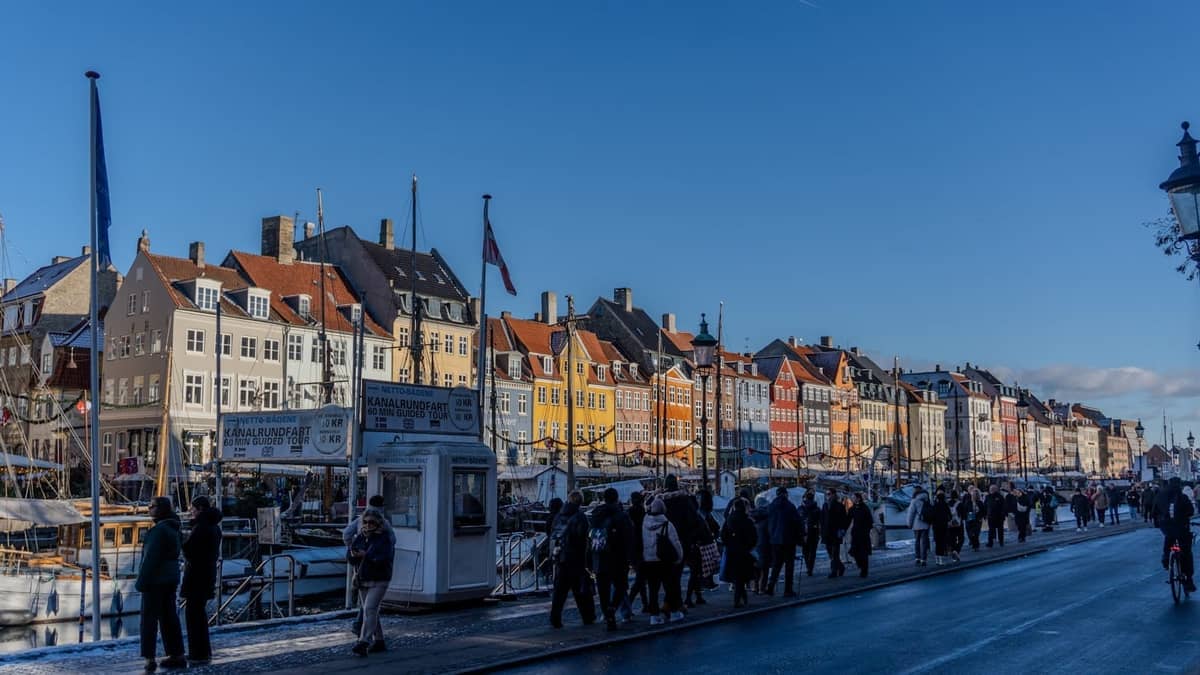
Copenhagen is not the largest Christmas market destination in Europe, and it does not try to be. What it offers instead is a compact, walkable city that takes the season seriously without descending into pure tourist spectacle. The Danish concept of hygge, roughly translated as cozy conviviality, fits winter almost perfectly: low light, warm interiors, and a genuine cultural investment in making the dark season feel good. Streets in Indre By are strung with lights from mid-November, canal reflections in Nyhavn double the effect after dark, and cafes pile up with people nursing hot drinks well into the evening.
The city is also manageable in a way that larger German or Austrian markets are not. Indre By, Nyhavn, and the area around Tivoli Gardens are all within comfortable walking distance of each other, which means you can cover the main Christmas highlights in a single day if needed, or spread them across two at a more relaxed pace.
⚠️ What to skip
Do not assume all markets open and close on the same dates. Copenhagen's Christmas markets have different start dates, end dates, and daily hours. Some close before Christmas Eve; others run into early January. Always check the specific market's schedule through visitcopenhagen.com or the Copenhagen Visitor Service events listing before you travel.
Tivoli Gardens at Christmas: What You Actually Get
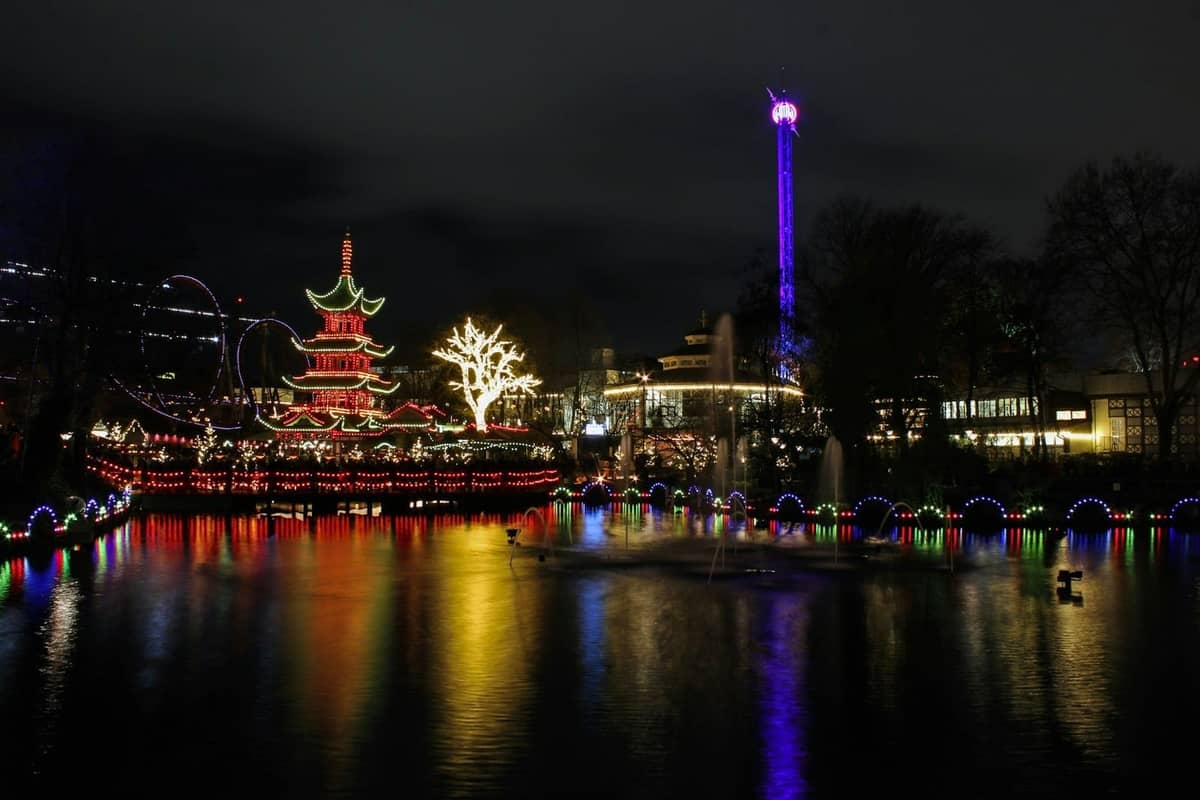
Tivoli Gardens is the headline act. The park, which sits just a short walk from Copenhagen Central Station, runs a dedicated Christmas season each year. In 2025, that season opened on 14 November and ran through to 4 January 2026. You should check Tivoli’s official calendar for exact daily opening hours and any special closure dates, as these can vary year to year.
Entry is not free. For the 2025/2026 season, a standard adult entrance ticket was 220 DKK, and a combined entrance-and-unlimited-rides pass was 379 DKK (exact prices vary by ticket type). Children's prices differ, and various seasonal passes exist. The rides themselves are not all operating at full capacity in winter, so if rides are the main draw for your group, check current availability before upgrading to the more expensive pass. That said, the park's decorations, live entertainment, food stalls, and atmosphere alone are what most adults come for.
✨ Pro tip
Visit Tivoli on a weekday evening rather than a weekend afternoon. Weekend afternoons, especially in December, attract large local crowds. A Tuesday or Wednesday evening in late November often gives you the same atmosphere at a fraction of the density. The lights are just as good after dark on a quiet night.
Inside Tivoli at Christmas, the food stalls are a draw in their own right. Expect æbleskiver (small spherical Danish pancakes, typically served with jam and icing sugar), gløgg (mulled wine, available alcoholic and non-alcoholic), roasted almonds, and seasonal pastries. Prices are higher than street-level Copenhagen, which is already not a cheap city. Budget around 60–90 DKK per item at the food stalls. It is fine to eat before entering and treat Tivoli as an atmosphere experience rather than a dining venue.
The Free Christmas Markets: Where to Go
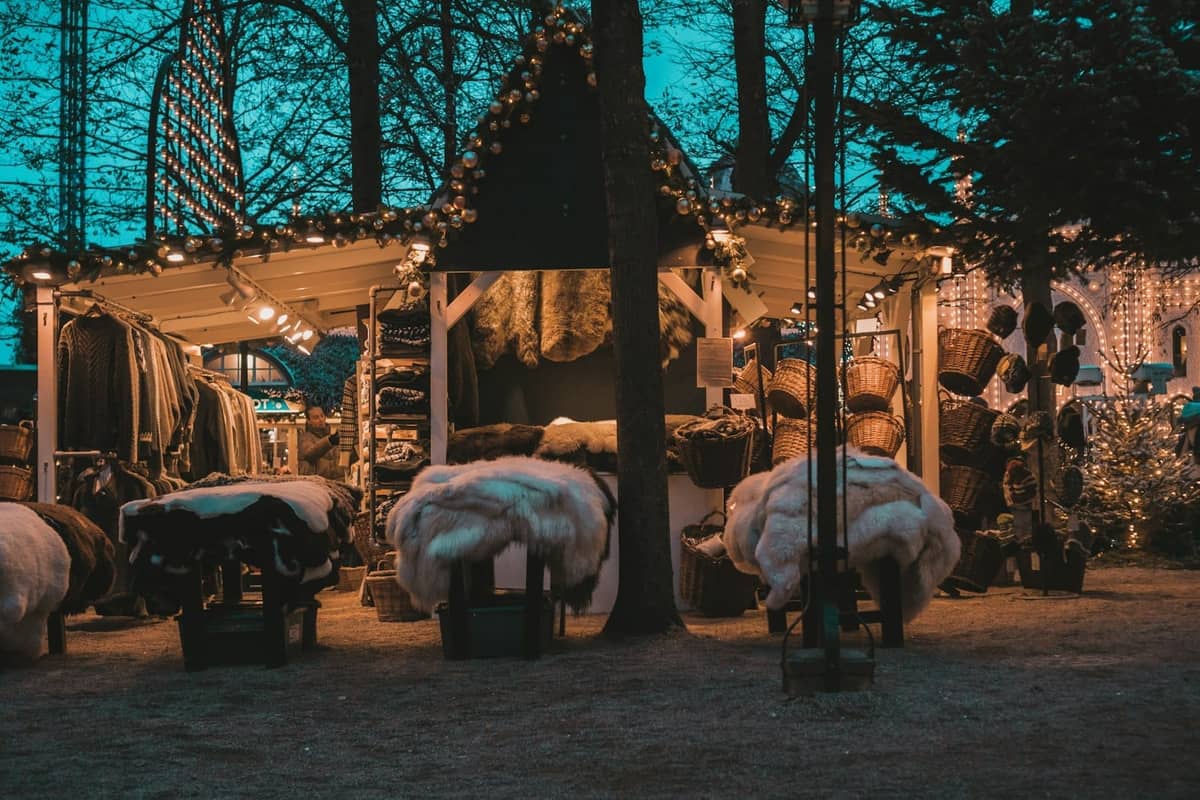
The majority of Copenhagen's Christmas markets charge nothing to enter, which is worth knowing before you plan your budget. The markets range from large, well-known affairs in central locations to smaller neighborhood setups that feel more local. The trade-off with free markets is variability: some years a market is excellent, another year it may shrink or move. Verify locations and dates for the year you are visiting through official channels.
- Nyhavn Christmas Market One of the most photographed spots in Copenhagen at any time of year, Nyhavn becomes even more striking in winter when the colorful canal-front buildings are framed by market stalls and lights. Free to browse; expect crafts, food, and seasonal goods. It gets busy on weekends, so go early or on a weekday morning.
- Højbro Plads A central square market with a broad mix of vendors. Convenient location near Strøget makes it easy to combine with shopping. More commercial in feel than smaller markets, but accessible and well-stocked.
- Kongens Nytorv The large square adjacent to Nyhavn sometimes hosts Christmas market activity and is a natural gathering point given its central position. Check the current year's schedule, as programming here can change.
- The Christmas Market at Frederiksberg A more residential-feeling market that attracts a local crowd rather than primarily tourists. Worth the short journey from the centre if you want a less international atmosphere.
- Torvehallerne Area The covered food market at Torvehallerne runs year-round, but the surrounding area and indoor stalls take on a seasonal character in December. Good for high-quality Danish food products if you are looking for edible gifts or a proper lunch.
ℹ️ Good to know
Gløgg etiquette: at most market stalls, you pay a deposit on the cup (often around 20–30 DKK) and get it back when you return the cup. This is standard practice across Copenhagen's winter markets, not a scam. Keep your cup until you are done so you can reclaim the deposit.
Food and Drink: Eating Well in Copenhagen at Christmas
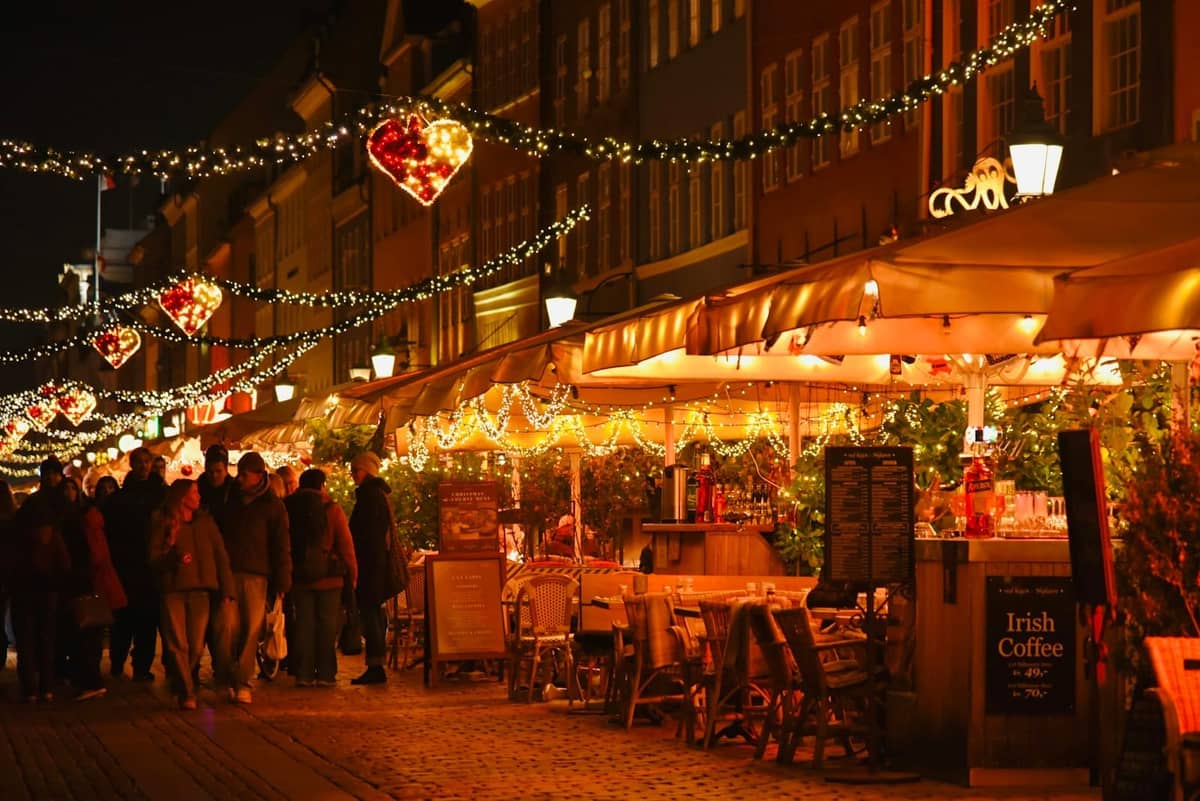
Danish Christmas food has its own distinct character, separate from the German bratwurst-and-strudel template that dominates many Central European markets. Copenhagen's food scene operates at a high level year-round, and winter simply shifts the focus. Look for risalamande (a cold rice pudding dessert with cherry sauce, traditionally served at Christmas), flæskesteg (roast pork with crispy crackling), and various versions of Danish pastry at their seasonal best.
For smørrebrød, the open-faced rye bread sandwiches that are a Danish institution, winter versions often feature pickled herring, liver pâté, and roast beef with remoulade. Copenhagen's smørrebrød tradition is worth understanding before you visit, since knowing what you are ordering makes the experience significantly more satisfying.
Hot drinks at market stalls center on gløgg, the Danish version of mulled wine, which tends to be slightly sweeter and spiced differently from German Glühwein. Expect cardamom, cinnamon, cloves, and sometimes almonds and raisins floating in the cup. Non-alcoholic versions are widely available and just as warming. Coffee quality in Copenhagen is consistently high even at market stalls, which is not something you can say about every European winter market.
Practical Planning: Getting Around and Staying Warm
Copenhagen in winter means temperatures between 0 and 4°C, occasional snow, and a lot of wind off the water. The city is extremely walkable in fine weather, but a 20-minute walk in wet, cold wind is a different proposition. The Metro and S-train system covers the main areas well, and the airport is about 8 km from the city centre with a direct Metro connection. Standard airport-to-city public transport fares are currently 36 DKK for a 3-zone ticket, though you should verify current pricing before travel. For full transport logistics, the guide to getting around Copenhagen covers zones, ticketing, and options in detail.
- Dress in waterproof layers: a good base layer, a mid-layer, and a windproof outer shell will serve you better than a single heavy coat.
- Waterproof boots matter more than people expect — cobblestones collect water and can be slippery with light frost.
- Daylight is limited in December: expect roughly 7 hours of usable light, with darkness falling before 16:00. Plan outdoor sightseeing before mid-afternoon.
- Many attractions have reduced or off-season hours in winter. Always check opening times for museums and outdoor sites before heading out.
- Tipping is not mandatory in Denmark — rounding up at market stalls or cafes is appreciated but not expected.
If you are combining Christmas market visits with broader sightseeing, winter is actually a reasonable time to visit Copenhagen's indoor attractions. The best museums in Copenhagen are far less crowded in November and December than in summer, and institutions like the National Museum of Denmark or the Ny Carlsberg Glyptotek make excellent half-day anchors between market visits.
What to Skip and What's Worth the Extra Effort
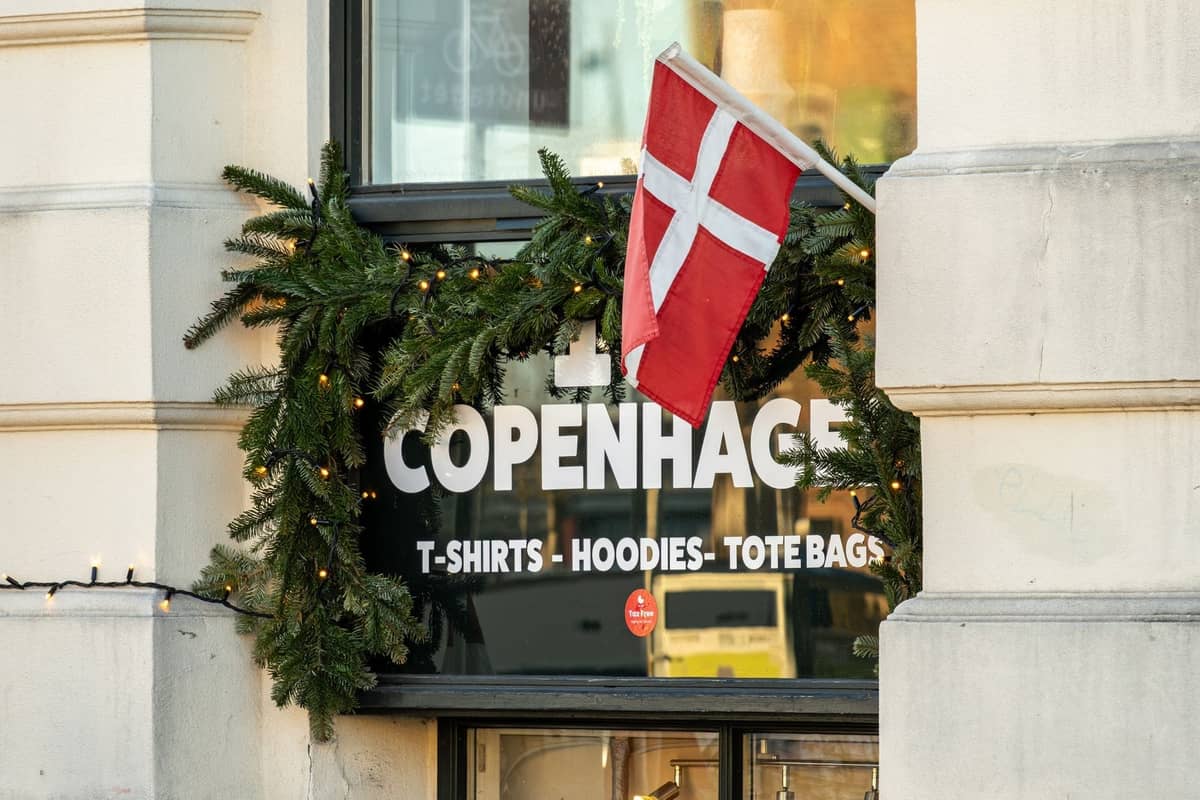
Not everything marketed as a Copenhagen Christmas experience deserves your time or money. The larger commercial Christmas shops in the historic centre sell generic Scandinavian-themed merchandise at significant mark-ups. If you want quality Danish design gifts, the museum shops at major institutions consistently offer better quality and more interesting selections than the market souvenir stalls.
The extra effort that genuinely pays off: visiting Rosenborg Castle when it is dusted with frost or light snow is a different experience from summer. The canal district of Christianshavn at night in December, with reflections in the water and few tourists around, is one of the better free experiences the city offers in winter. And if you have the appetite for a longer trip, Kronborg Castle in Helsingør makes a compelling day trip even in winter, though the famous Hamlet connections are not stronger in December than any other time of year.
💡 Local tip
If you are visiting with children, Tivoli at Christmas is genuinely well-suited to families with younger kids. The scale is not overwhelming, the rides include gentler options, and the æbleskiver stalls are a reliable crowd-pleaser. For a full breakdown of family-friendly options across the city, the guide to Copenhagen with kids covers the practical details.
FAQ
When do Copenhagen Christmas markets open and close?
Most Copenhagen Christmas markets open in mid-November and run through late December, with some extending into early January. However, dates vary by market: Tivoli Gardens ran from 14 November to 4 January in 2025/2026, while street markets may end before Christmas Eve. Always check the specific market's schedule for the year you are visiting via visitcopenhagen.com or the Copenhagen Visitor Service.
Is Tivoli Gardens open on Christmas Day and Christmas Eve?
For the 2025 season, Tivoli was closed on 24 December (Christmas Eve). It was open on 31 December until midnight. Christmas Day and other dates should be verified against the official Tivoli calendar for the year you plan to visit, as the schedule can change.
How much does it cost to visit Tivoli at Christmas?
For the 2025 Christmas season, a standard entrance ticket was 220 DKK and a combined entrance-and-rides pass was 379 DKK. Prices for children and various pass types differ. These figures should be confirmed with Tivoli directly before booking, as pricing is subject to change.
Are Copenhagen Christmas markets free to enter?
Most are, yes. The free-to-enter markets include those at Nyhavn, Højbro Plads, and various neighborhood locations. Tivoli Gardens is the main exception and requires a paid admission ticket. Always check before assuming a market is free, as programming can change year to year.
What should I wear to Copenhagen Christmas markets in December?
Waterproof, windproof layers are essential. Temperatures in December average 0–4°C and wind off the water makes it feel colder. Waterproof boots with grip are strongly recommended — cobblestones can be slippery in damp or frosty conditions. A thermal base layer under a mid-layer and a windproof shell is more practical than a single heavy coat.